
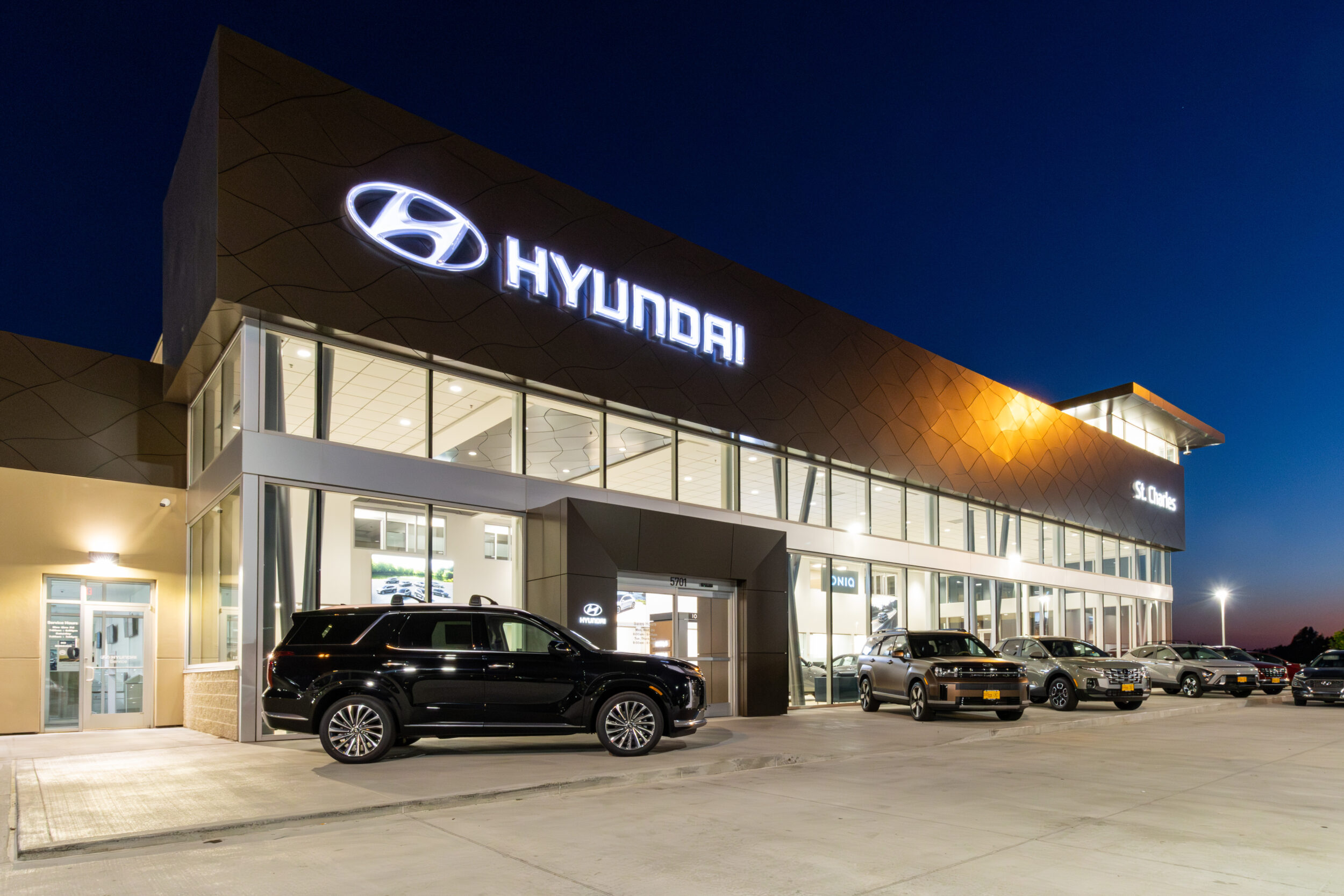
Hyundai Motor reported weaker-than-expected second-quarter earnings as softer global vehicle sales, rising operating costs, and growing trade-related expenses weighed on profitability.
Despite the disappointing results, the South Korean automaker reaffirmed its commitment to expanding in the United States, where it continues to view new vehicle launches and localized production as key drivers of long-term growth.
The earnings report arrives during a challenging period for the global automotive industry. Manufacturers are balancing slower electric vehicle demand, higher financing costs, changing trade policies, and increasing competition while continuing to invest billions of dollars in electrification, software development, and advanced manufacturing.
Although Hyundai’s quarterly profit fell short of analysts’ expectations, company executives emphasized that their U.S. product strategy remains unchanged, supported by several upcoming launches and continued investment in American manufacturing.
According to Reuters, Hyundai said second-quarter earnings were pressured by softer vehicle demand in several international markets, higher warranty and production costs, and tariff-related headwinds.
Nevertheless, the company maintained its annual outlook and reiterated that the United States remains one of its highest-priority markets, where new models and localized production are expected to support sales growth through the remainder of the year.
Also Read: 8 High-Wear Car Parts You Shouldn’t Ignore at 100,000 Miles
Earnings Miss Reflects Growing Cost Pressures
Hyundai’s second-quarter results highlighted many of the challenges currently facing global automakers. While vehicle deliveries remained relatively stable, profitability came under pressure from rising manufacturing expenses, increased logistics costs, and continued investment in new technologies.
Reuters reported that operating profit came in below market expectations, with higher costs offsetting revenue generated from vehicle sales. Executives acknowledged that global demand has become more uneven as consumers respond to higher interest rates and economic uncertainty.
Premium vehicles and hybrid models continue performing well, but growth in several international markets has slowed compared with previous years.
Tariffs and changing trade policies have also increased expenses for manufacturers that rely on global supply chains. Hyundai has been adjusting production strategies and sourcing more components locally where possible to reduce future exposure to import duties and transportation costs.
Despite the weaker quarter, company officials emphasized that Hyundai’s financial position remains strong enough to continue funding product development, battery technology, software upgrades, and manufacturing expansion without changing its long-term strategy.
U.S. Market Remains Hyundai’s Biggest Growth Opportunity
While earnings disappointed investors, Hyundai expressed confidence in its outlook for the United States.
The company plans to strengthen its position by introducing new and updated models across several of its most popular segments, including SUVs, hybrid vehicles, and electric vehicles.
Executives believe American consumers continue showing strong demand for practical crossovers, family SUVs, and fuel-efficient hybrid models, giving Hyundai opportunities to expand market share even as the full industry experiences slower growth.
Hyundai has invested heavily in its U.S. manufacturing footprint over the past several years. Its manufacturing facilities in Alabama and Georgia, along with new battery production partnerships, are expected to reduce dependence on imported vehicles while helping the company qualify more products under U.S. incentive programs.
According to Reuters, management said upcoming vehicle launches remain on schedule despite the weaker quarter.
These launches are expected to include updated versions of several high-volume models as Hyundai continues refreshing its lineup to remain competitive against Toyota, Honda, Ford, General Motors, Tesla, and rapidly growing Chinese automakers in global markets.
Hybrid vehicles are expected to play an increasingly important role in Hyundai’s strategy. Consumer demand for hybrids has remained stronger than many analysts expected as buyers seek improved fuel economy without fully transitioning to battery-electric vehicles.
Product Launches Support Long-Term Strategy
Hyundai executives made it clear that the disappointing earnings report will not slow future investments.
The company continues developing next-generation electric vehicles, advanced driver assistance systems, connected vehicle software, and battery technology while simultaneously expanding its hybrid offerings.
Rather than relying exclusively on battery-electric vehicles, Hyundai has adopted a balanced strategy that includes gasoline, hybrid, plug-in hybrid, and fully electric models to meet changing consumer preferences.
Industry analysts believe this diversified product approach has become an advantage as EV demand grows more gradually than many automakers projected several years ago. Hyundai’s ability to offer multiple powertrain options across popular vehicle segments has helped the company remain competitive despite changing market conditions.
The automaker is also investing in manufacturing efficiency, artificial intelligence applications, and software-defined vehicle technology to improve long-term profitability while reducing production costs.
Investors Focus on Margins and Future Demand
Although Hyundai maintained its U.S. growth strategy, investors will continue watching several key indicators over the coming quarters.
Profit margins remain under pressure from higher material costs, increasing competition, and continued spending on electrification. Analysts will also monitor whether upcoming vehicle launches generate enough demand to offset slowing sales in other global markets.
Another important factor will be the pace of hybrid and electric vehicle adoption in North America. Hyundai has established itself as one of the fastest-growing EV manufacturers outside Tesla, but hybrids have recently become an even stronger source of sales growth as consumers seek lower operating costs without charging concerns.
The company will also continue monitoring trade policy developments, supply-chain stability, and consumer spending patterns as economic conditions evolve.
Despite missing second-quarter profit expectations, Hyundai’s management believes its long-term strategy remains intact.
Continued investment in American manufacturing, a steady pipeline of new vehicle launches, and a diversified lineup of gasoline, hybrid, and electric vehicles provide the company with multiple opportunities for future growth.
While short-term profitability has come under pressure, Hyundai appears committed to strengthening its position in the U.S. market, where executives see significant room for expansion over the coming years.
U.S. Expansion Remains Central to Hyundai’s Global Strategy
The United States has become one of Hyundai’s most strategically important markets, not only because of its strong vehicle demand but also because of the company’s growing manufacturing presence.
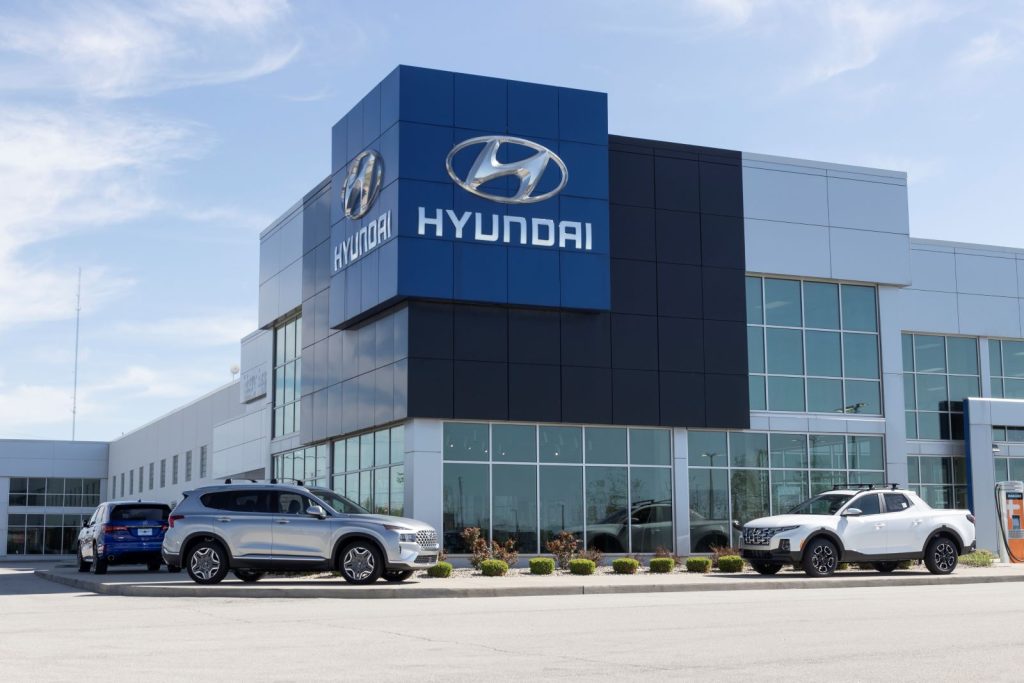
Over the past several years, Hyundai and its affiliate Kia have invested billions of dollars to expand production capacity in North America, reducing reliance on imported vehicles while positioning themselves to respond more quickly to changing consumer preferences.
A major component of that strategy is the Hyundai Motor Group Metaplant America in Georgia, one of the largest manufacturing investments in the company’s history. The facility is designed to produce next-generation electric vehicles and batteries while supporting Hyundai’s long-term electrification goals in the United States.
Alongside its existing manufacturing plant in Alabama, the expanded production network gives Hyundai greater flexibility to build high-demand models closer to customers and reduce logistics costs.
Industry analysts believe this localized manufacturing strategy could become even more valuable if trade policies continue to evolve.
Producing more vehicles and components within the United States helps reduce exposure to tariffs, shortens delivery times, and allows Hyundai to respond more efficiently to shifts in consumer demand.
It also strengthens the company’s ability to compete with established domestic manufacturers such as General Motors and Ford, while challenging Japanese rivals Toyota and Honda in several key vehicle segments.
Looking ahead, Hyundai’s upcoming product launches will play a crucial role in determining whether the company can regain earnings momentum during the second half of the year.
Strong demand for refreshed SUVs, hybrid models, and electric vehicles could help offset higher operating costs and improve profitability as new models reach dealerships.
Although the latest quarterly results fell short of expectations, Hyundai’s continued investment in U.S. manufacturing, technology, and product development indicates that the company remains focused on long-term growth rather than reacting to short-term earnings fluctuations.
Also Read: 10 Cars That Are Cheaper In California Than Other States
