
A vehicle reaching 100,000 miles is a significant milestone, but it is also the point where many original factory components begin approaching the end of their intended service life.
While not every part fails at the same mileage, manufacturers and professional technicians recognize that several wear items commonly require inspection or replacement around this point to maintain reliability and safety.
Replacing aging components before they fail can help prevent expensive repairs, improve fuel economy, preserve ride quality, and reduce the likelihood of roadside breakdowns.
The following parts are among the most commonly serviced around 100,000 miles based on manufacturer maintenance schedules, industry service recommendations, and long-term reliability data.
Also Read: 10 Chevrolet Camaro Model Years That Tell the Whole Story
1. Spark Plugs
Spark plugs may be small, but they play one of the most important roles inside a gasoline engine. Every combustion event begins when the spark plug ignites the air-fuel mixture, and this happens thousands of times every minute while the engine is running.
Modern iridium and platinum spark plugs are far more durable than traditional copper plugs, with many manufacturers recommending replacement between 60,000 and 100,000 miles.
By the time a vehicle reaches the six-digit mileage mark, the electrodes have gradually worn, increasing the gap that electricity must jump. That larger gap forces the ignition coils to work harder and can eventually lead to misfires.
A worn set of spark plugs rarely fails overnight. Instead, drivers usually notice subtle symptoms first. Fuel economy may decline by several percent, cold starts can become slower, acceleration may feel less responsive, and the engine may idle less smoothly than it did when new.
If ignored long enough, repeated misfires can damage the catalytic converter, one of the most expensive emissions components on the vehicle.
Many manufacturers have extended service intervals thanks to iridium technology, but they still expect replacement near 100,000 miles.
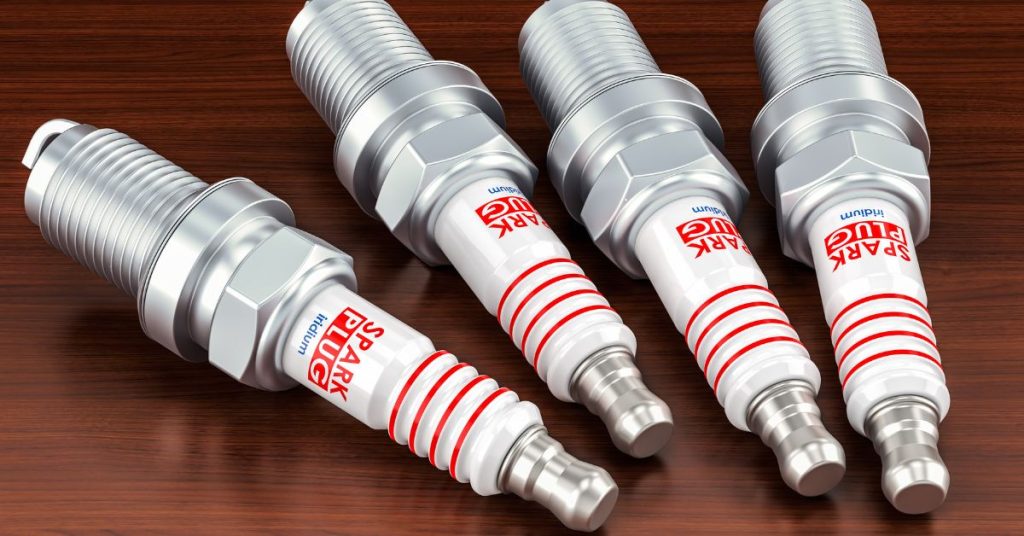
For example, numerous Toyota, Honda, Ford, Chevrolet, Hyundai, and Nissan gasoline engines specify long-life iridium plugs with maintenance intervals that typically fall between 90,000 and 105,000 miles depending on engine design.
Replacing spark plugs on schedule also reduces strain on ignition coils, which often cost substantially more than the plugs themselves. In many cases, a complete spark plug service costs only a fraction of what a catalytic converter or multiple ignition coil replacements would require.
Preventive maintenance at this mileage helps restore proper combustion efficiency, smoother idle quality, improved throttle response, and optimal fuel economy while reducing long-term repair costs.
2. Water Pump
Unlike spark plugs that gradually reduce engine performance, a failing water pump can quickly create a serious mechanical problem. The water pump circulates coolant through the engine block, cylinder head, radiator, and heater core.
Without continuous coolant flow, engine temperatures rise rapidly, increasing the risk of overheating and expensive internal damage. Most water pumps are designed to last well beyond the warranty period, but many begin showing signs of wear between 90,000 and 120,000 miles.
Bearings wear with age, seals deteriorate, and coolant leaks can develop through the pump’s weep hole. Drivers may first notice coolant stains beneath the vehicle, a whining noise from the engine compartment, or fluctuating engine temperatures.
Several manufacturers recommend replacing the water pump whenever the timing belt is serviced because labor overlaps significantly.
On engines where the water pump is driven by the timing belt, replacing only the belt while leaving the original pump installed increases the chance of paying nearly the same labor cost twice if the pump fails shortly afterward.
Overheating remains one of the leading causes of catastrophic engine damage. Aluminum cylinder heads can warp when temperatures climb too high, head gaskets may fail, and severe overheating can even damage pistons or engine blocks. Repair costs from overheating often reach several thousand dollars.
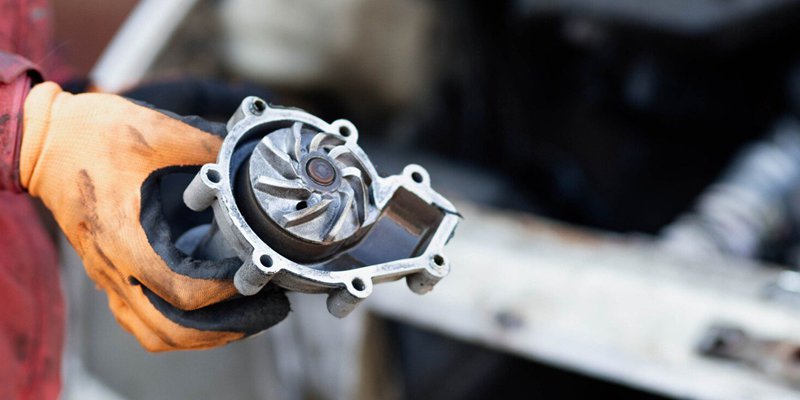
Preventive replacement around 100,000 miles is especially valuable for vehicles with timing belt-driven pumps. Fresh bearings, seals, and impellers help maintain proper coolant circulation under every driving condition, whether commuting through city traffic or towing heavy loads in hot summer weather.
3. Struts
Many drivers do not realize how gradually suspension components wear because deterioration happens over tens of thousands of miles rather than overnight.
By the time a vehicle reaches approximately 100,000 miles, the original struts have often lost much of their ability to control spring movement, even if they are not visibly leaking. The result is a ride that feels normal to the owner simply because the decline has been so gradual.
Struts serve multiple purposes. They support the vehicle’s suspension, absorb impacts from rough pavement, and keep the tires firmly planted on the road during braking, acceleration, and cornering. As the internal hydraulic fluid and seals wear, damping force decreases.
The vehicle may begin bouncing after hitting bumps, lean more during turns, dive forward under hard braking, or feel less stable at highway speeds. Tire wear can also become uneven because the tires no longer maintain consistent contact with the pavement.
Automotive service organizations generally recommend inspecting struts around 50,000 miles and recognize that many original equipment units require replacement somewhere between 80,000 and 100,000 miles depending on driving conditions.
Vehicles frequently driven on rough roads, gravel surfaces, or areas with numerous potholes often wear suspension components even sooner.
Replacing worn struts is about far more than comfort. Properly functioning suspension improves emergency handling, reduces stopping distances by helping tires stay in contact with the road, and minimizes unnecessary stress on suspension bushings, ball joints, and steering components.
Drivers often notice a dramatic improvement in steering precision and ride control immediately after installation.
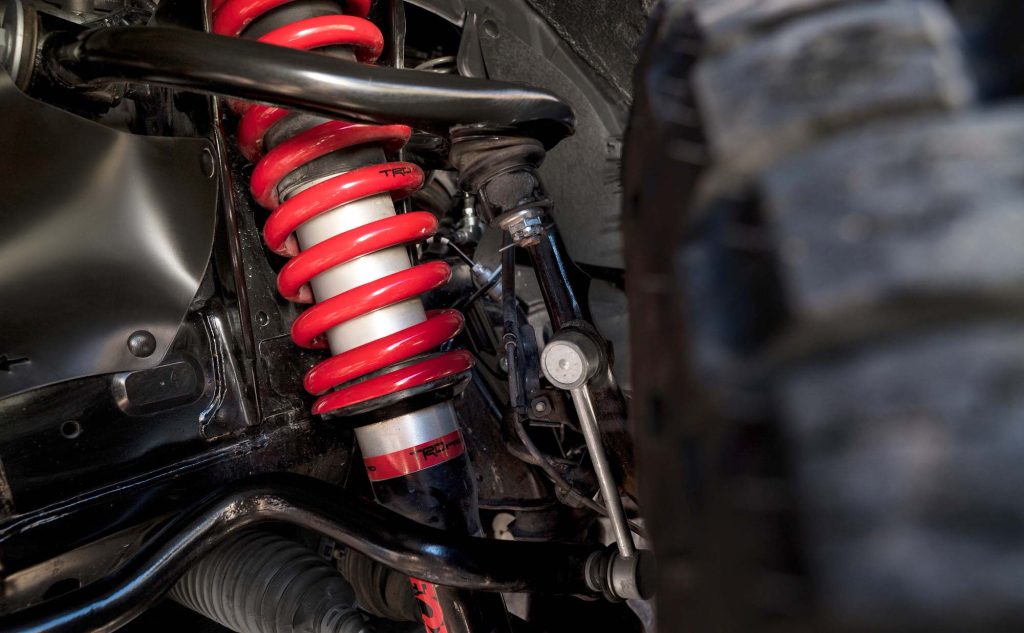
Since struts wear as a pair, replacing both front or both rear units together helps preserve balanced handling characteristics. After replacement, a wheel alignment is also recommended to maximize tire life and ensure proper steering geometry.
4. Serpentine Belt
Unlike older vehicles that used several individual drive belts, nearly every modern vehicle relies on a single serpentine belt to power critical engine accessories.
This long reinforced rubber belt drives components such as the alternator, water pump on many engines, power steering pump, and air conditioning compressor. If it breaks unexpectedly, multiple systems can stop functioning within seconds.
Although modern EPDM rubber belts last significantly longer than older neoprene designs, most manufacturers recommend careful inspection beginning around 60,000 miles.
Many remain serviceable until roughly 90,000 to 100,000 miles, but aging eventually causes small cracks, rib wear, glazing, stretching, or edge deterioration that increase the likelihood of failure.
The warning signs are not always dramatic. A belt may squeal briefly during cold starts, chirp while accelerating, or show visible cracks between the ribs. Ignoring these symptoms can lead to complete belt failure.
Once that happens, the alternator immediately stops charging the battery, steering effort may increase if hydraulic power steering is used, and if the water pump is belt-driven, engine temperature can rise rapidly enough to cause overheating.
Technicians usually inspect the automatic belt tensioner and idler pulleys whenever replacing the serpentine belt. These components contain bearings that also wear with mileage, and replacing them at the same time can prevent future labor costs and reduce the chance of premature belt damage.
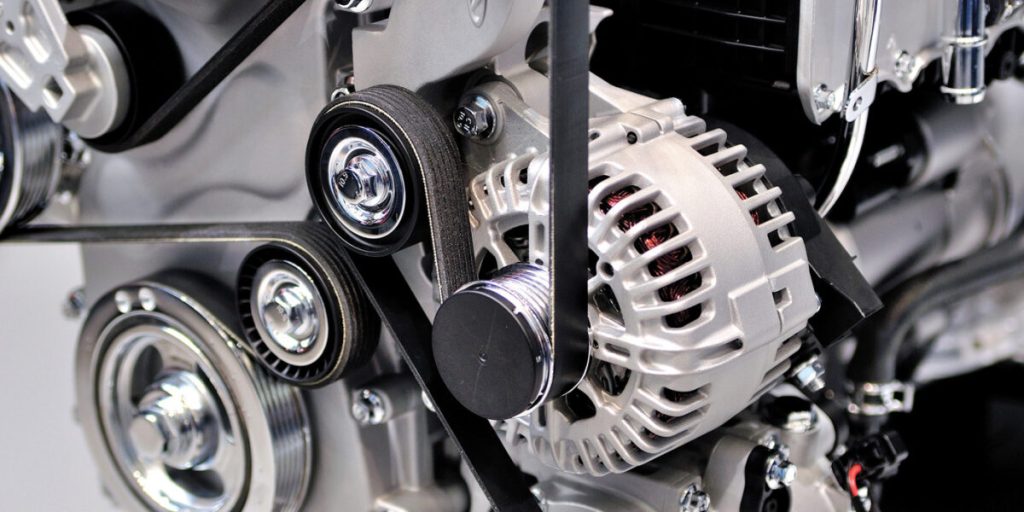
Considering that a serpentine belt is relatively inexpensive compared with the inconvenience of being stranded, preventive replacement around the 100,000-mile mark represents one of the best maintenance values.
A fresh belt helps maintain proper accessory operation, reliable charging performance, consistent cooling, and dependable air conditioning without placing unnecessary stress on engine-driven components.
5. Brake Fluid
Brake pads and rotors often receive the most attention during routine maintenance, but the hydraulic fluid moving through the braking system is just as important. Brake fluid is hygroscopic, meaning it naturally absorbs moisture from the atmosphere through rubber seals and flexible brake hoses.
This process happens slowly over time, regardless of how often the vehicle is driven. By the time many vehicles approach 100,000 miles, especially if the fluid has never been replaced, moisture contamination can significantly reduce braking performance.
Fresh brake fluid has a high boiling point, allowing it to withstand the extreme heat generated during repeated hard stops.
As moisture content increases, the boiling point drops considerably. Under heavy braking, contaminated fluid can begin to boil, creating vapor bubbles that compress much more easily than liquid.
Drivers may experience a soft or spongy brake pedal and reduced stopping performance, particularly when descending long grades or towing heavy loads.
Moisture also promotes corrosion inside expensive components such as the master cylinder, ABS hydraulic control unit, brake calipers, and steel brake lines.
Modern anti-lock braking systems contain numerous precision valves that depend on clean hydraulic fluid to operate correctly. Internal corrosion can eventually lead to costly repairs that far exceed the price of routine fluid replacement.
Many automakers recommend replacing brake fluid every two to three years regardless of mileage, while numerous independent service facilities inspect moisture content during scheduled maintenance.
Since many owners overlook this service, the 100,000-mile mark is an excellent opportunity to flush the entire braking system if it has not already been done.
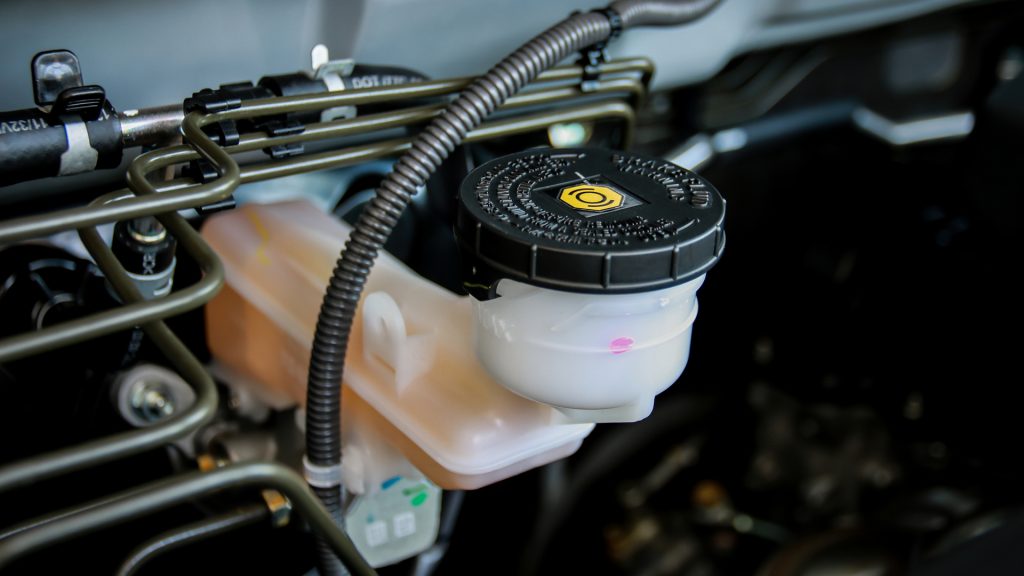
Fresh brake fluid restores proper hydraulic performance, maintains the system’s designed boiling point, protects expensive brake components from corrosion, and helps ensure consistent pedal feel during emergency stops. Preventive maintenance in this area contributes directly to vehicle safety and long-term reliability.
6. Fuel Filter (Where Serviceable)
Fuel filters perform a simple but essential job by trapping dirt, rust, and other contaminants before they reach the fuel injectors or high-pressure fuel pump. Clean fuel is critical because modern fuel injection systems operate with extremely tight tolerances. Even tiny particles can reduce injector performance or damage precision fuel system components over time.
Replacement intervals vary considerably depending on vehicle design. Many older vehicles and trucks equipped with external fuel filters recommend replacement between 30,000 and 100,000 miles.
Some newer vehicles incorporate a lifetime filter inside the fuel tank as part of the fuel pump assembly, meaning routine replacement is not required unless the pump is serviced. Owners should always consult the maintenance schedule for their specific model.
When a serviceable fuel filter begins restricting fuel flow, symptoms usually develop gradually. Drivers may notice hesitation during acceleration, reduced engine power while climbing hills, rough idle, difficulty starting, or decreased fuel economy.
Severe restrictions can place additional strain on the electric fuel pump because it must work harder to deliver adequate fuel pressure. Since fuel pumps are substantially more expensive than filters, replacing the filter at the recommended interval can help extend pump life.
Vehicles that frequently operate in dusty environments, use lower-quality fuel, or remain stored for long periods may accumulate contaminants more quickly than average.
Diesel-powered vehicles often require even more frequent filter replacement because diesel injection systems operate under extremely high pressures and are particularly sensitive to contamination.
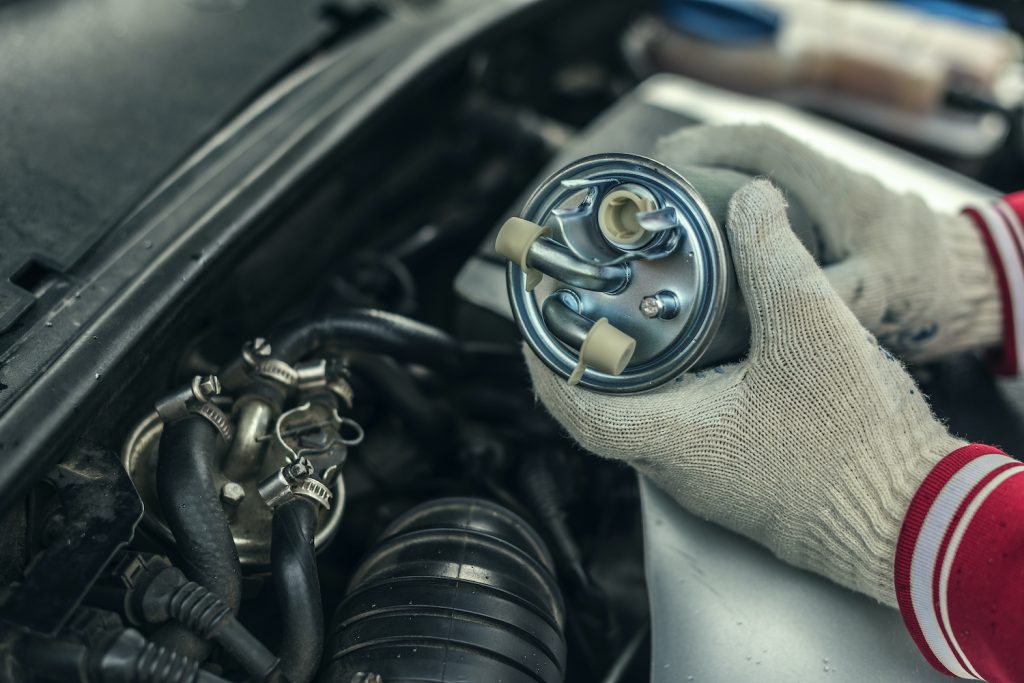
A new fuel filter helps maintain consistent fuel pressure, supports proper injector spray patterns, protects expensive fuel system components, and allows the engine to deliver its intended performance. At approximately 100,000 miles, replacing a serviceable fuel filter is inexpensive insurance against avoidable fuel delivery problems.
7. PCV Valve
The Positive Crankcase Ventilation (PCV) valve is one of the least expensive engine components, yet it has an important role in maintaining engine health. During combustion, a small amount of gases escapes past the piston rings into the crankcase.
These gases, known as blow-by gases, contain unburned fuel, moisture, and combustion byproducts that can contaminate engine oil if they are not removed. The PCV system routes these gases back into the intake manifold so they can be burned during normal engine operation.
Over time, the PCV valve can become clogged with carbon deposits, sludge, or oil residue. This is particularly common on engines that see frequent short trips, where the engine oil may not reach full operating temperature long enough to evaporate moisture.
Around the 100,000-mile mark, many original PCV valves begin sticking partially open or closed, affecting crankcase ventilation.
A malfunctioning PCV valve can produce several symptoms. Drivers may notice rough idle, increased oil consumption, oil leaks caused by excessive crankcase pressure, reduced fuel economy, or even a check engine light.
On turbocharged engines, proper crankcase ventilation is especially important because higher cylinder pressures create more blow-by gases than naturally aspirated engines. Ignoring a faulty PCV valve may accelerate sludge formation inside the engine, contaminate fresh engine oil more quickly, and place additional stress on engine seals and gaskets.
Since replacement usually requires only a few minutes of labor on many vehicles and the part itself is inexpensive, it is considered one of the best preventive maintenance items at higher mileage.
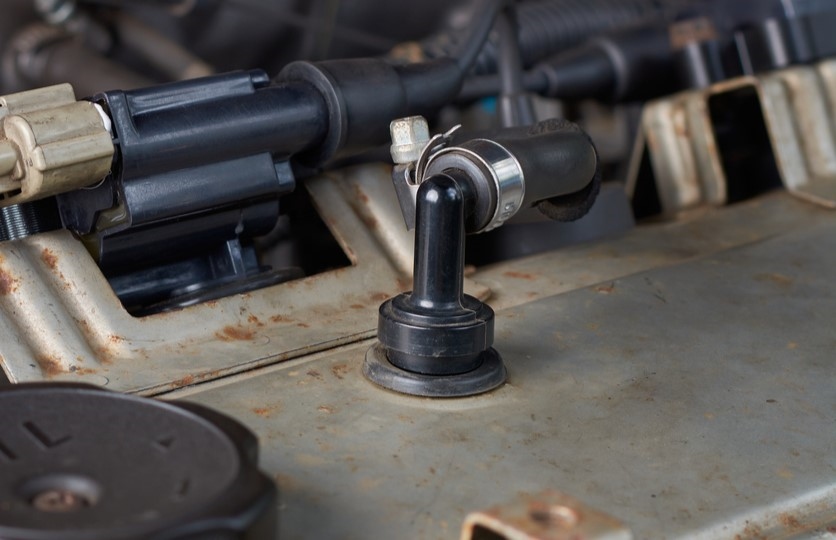
Installing a fresh PCV valve restores proper crankcase airflow, helps keep engine oil cleaner between oil changes, reduces harmful emissions, and minimizes internal pressure that can contribute to gasket or seal leaks.
Considering its low cost, replacing it around 100,000 miles is a smart investment in long-term engine reliability.
8. Oxygen Sensors
Modern gasoline vehicles rely on oxygen sensors to constantly monitor the amount of oxygen remaining in the exhaust stream. Using this information, the engine control module adjusts the air-fuel mixture many times every second to achieve efficient combustion, lower emissions, and optimal fuel economy.
Most vehicles use multiple oxygen sensors, including upstream sensors before the catalytic converter and downstream sensors after it.
Although oxygen sensors are designed for long service life, many manufacturers and emissions specialists recognize that sensor response slows with age. Numerous original equipment sensors remain functional for about 100,000 miles, but their ability to react quickly to changing exhaust conditions gradually declines.
Even if they have not completely failed, aging sensors can reduce fuel efficiency and increase exhaust emissions.
A deteriorating oxygen sensor may cause a variety of symptoms, including lower gas mileage, sluggish acceleration, rough idle, failed emissions inspections, or illumination of the check engine light.
Because the engine computer depends on accurate oxygen sensor data, delayed sensor response can result in a richer fuel mixture than necessary. That means more fuel consumption and additional stress on the catalytic converter.
Replacing worn oxygen sensors can restore proper fuel control, and, according to the U.S. Department of Energy and other automotive service organizations, replacing failed oxygen sensors can improve fuel economy when the old sensors have degraded significantly.
New sensors also help reduce emissions and allow the catalytic converter to operate under optimal conditions.
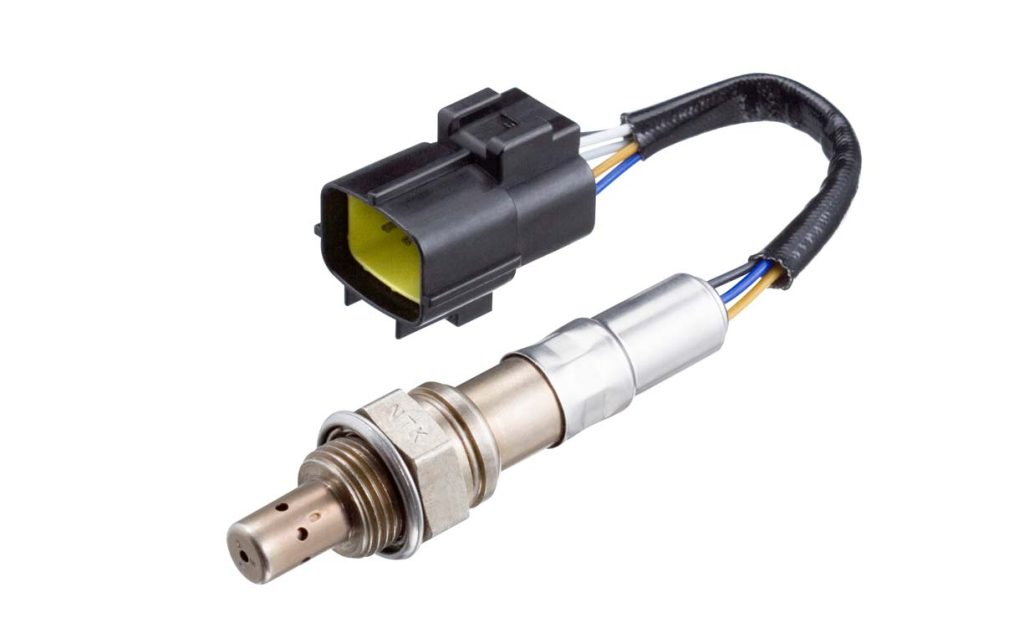
At approximately 100,000 miles, inspecting or replacing aging oxygen sensors is worthwhile preventive maintenance, especially if the vehicle still has its original factory sensors.
Fresh sensors improve engine efficiency, maintain emissions compliance, protect costly exhaust components, and help the engine perform as intended throughout the rest of its service life.
Also Read: 10 Hyundai Tucson Model Years That Tell the Whole Story
