

Cabin air filters rarely receive the same attention as engine oil or brake pads, yet they have a direct impact on interior air quality and HVAC performance.
While many automakers recommend replacement intervals between 15,000 and 30,000 miles under normal driving conditions, those schedules assume relatively clean environments.
In many parts of the United States, including desert regions, agricultural areas, and cities with heavy construction, cabin filters can become heavily loaded with dust, pollen, soot, and road debris well before 8,000 miles.
Keeping the cabin air system clean is easier with vehicles that feature accessible filter locations. Many models place the cabin air filter behind the glove box, allowing owners to handle replacements without specialized tools or professional service. The following vehicles stand out for having filters that may require more frequent changes in dusty conditions while maintaining a simple replacement process.
Also Read: 8 Cars That Cost the Most to Insure for a Teen Driver
1. Toyota RAV4
Toyota specifies cabin air filter replacement at regular maintenance intervals, but many RAV4 owners in dusty parts of the American Southwest, including Arizona, Nevada, New Mexico, and portions of California and Texas, report that the filter becomes noticeably dirty well before the scheduled service.
This is not because of a design flaw. Instead, the RAV4’s HVAC system moves a healthy volume of outside air through a relatively compact filter element, allowing fine dust and pollen to accumulate quickly when driven on gravel roads, construction zones, or during wildfire seasons.
One reason this issue is easy to manage is Toyota’s owner-friendly design. Accessing the cabin filter requires opening the glove box, releasing the side dampener, and lowering the compartment.
The filter housing sits directly behind it and can usually be serviced in less than five minutes without tools. That convenience encourages owners to inspect the filter more frequently rather than waiting for the scheduled maintenance interval.
A clogged filter can reduce airflow from the climate control system, increase windshield defogging time, and force the blower motor to work harder. Drivers often notice weaker airflow from the vents long before they see a warning message because the cabin filter is not electronically monitored.

Many independent maintenance shops in high-dust regions recommend inspecting the RAV4’s cabin filter every 5,000 to 8,000 miles instead of relying solely on the standard maintenance schedule.
For drivers who frequently travel dirt roads or tow campers into desert environments, replacing the inexpensive filter early helps maintain HVAC performance and cleaner cabin air throughout the year.
Specifications
- Engine: 2.5-liter naturally aspirated inline-4
- Torque: 184 lb-ft
- Horsepower: 203 hp
- Length/Width: 180.9 inches / 73.0 inches
2. Honda CR-V
The Honda CR-V consistently ranks among the easiest SUVs for do-it-yourself cabin filter maintenance, yet it also belongs to the group of vehicles whose filter can load up surprisingly fast under severe operating conditions.
Although Honda’s maintenance guidance assumes average driving environments, owners who regularly encounter dusty highways, heavy pollen, or urban construction often discover that airflow begins declining before the odometer reaches 8,000 miles.
Honda positioned the cabin air filter directly behind the glove compartment using a simple removable access door. After lowering the glove box by gently releasing its side stops, the filter slides straight out without requiring screwdrivers or specialty tools.
Even first-time owners usually complete the replacement within a few minutes, making preventive maintenance straightforward.
The CR-V’s HVAC system is designed to provide strong ventilation throughout the cabin, but that means a substantial amount of outside air passes through the filter whenever fresh-air mode is selected.
Fine dust, cottonwood seeds, tree pollen, insects, and roadway debris gradually collect inside the pleats, reducing airflow and increasing resistance through the ventilation system. Drivers commonly notice reduced air conditioner output during hot summer months because restricted airflow limits cooling efficiency at the vents.
In states where seasonal pollen counts remain high for extended periods, replacing the filter before the manufacturer’s normal interval often restores cabin airflow immediately.
Owners who commute daily through construction corridors or frequently drive on unpaved roads can benefit from inspecting the filter during every engine oil service rather than waiting until a scheduled maintenance reminder appears.

Simple access, inexpensive replacement filters, and quick installation make the CR-V one of the easiest vehicles for owners to maintain, especially in regions where airborne dust shortens cabin filter life considerably.
Specifications
- Engine: 1.5-liter turbocharged inline-4
- Torque: 179 lb-ft
- Horsepower: 190 hp
- Length/Width: 184.8 inches / 73.5 inches
3. Subaru Outback
Subaru engineered the Outback for drivers who regularly venture beyond paved roads, and that mission directly affects how quickly the cabin air filter can accumulate dirt.
Owners who use the Outback for camping, national park visits, forestry roads, or gravel highways often expose the HVAC system to far more airborne dust than the average commuter.
While Subaru’s maintenance schedule assumes normal operating conditions, technicians frequently recommend inspecting the cabin filter before 8,000 miles if the vehicle spends significant time in dusty environments.
The Outback simplifies routine maintenance by avoiding the complicated filter access found in some vehicles. Instead of requiring panels or dashboard components to be removed, its cabin filter is conveniently located behind the glove box, making replacement a straightforward task for owners.
The process involves opening the glove compartment, releasing the retaining stops, and removing a small access cover. Most owners can complete the inspection or replacement in less than ten minutes using no tools, making it one of the simplest maintenance jobs on the vehicle.
A dirty cabin filter affects more than air quality. As dust fills the filter media, airflow through the heating and air conditioning system decreases.
Drivers may notice slower windshield defrosting during winter mornings, weaker air conditioning on hot days, or increased fan noise as the blower motor compensates for the restriction. These symptoms commonly appear before any visible damage occurs to the filter itself.
Because the Outback is popular in western states where wildfire smoke, pine pollen, and dry soil are common seasonal concerns, many owners replace the filter once or twice a year regardless of mileage. That approach helps preserve HVAC efficiency while reducing the amount of airborne debris entering the passenger compartment.
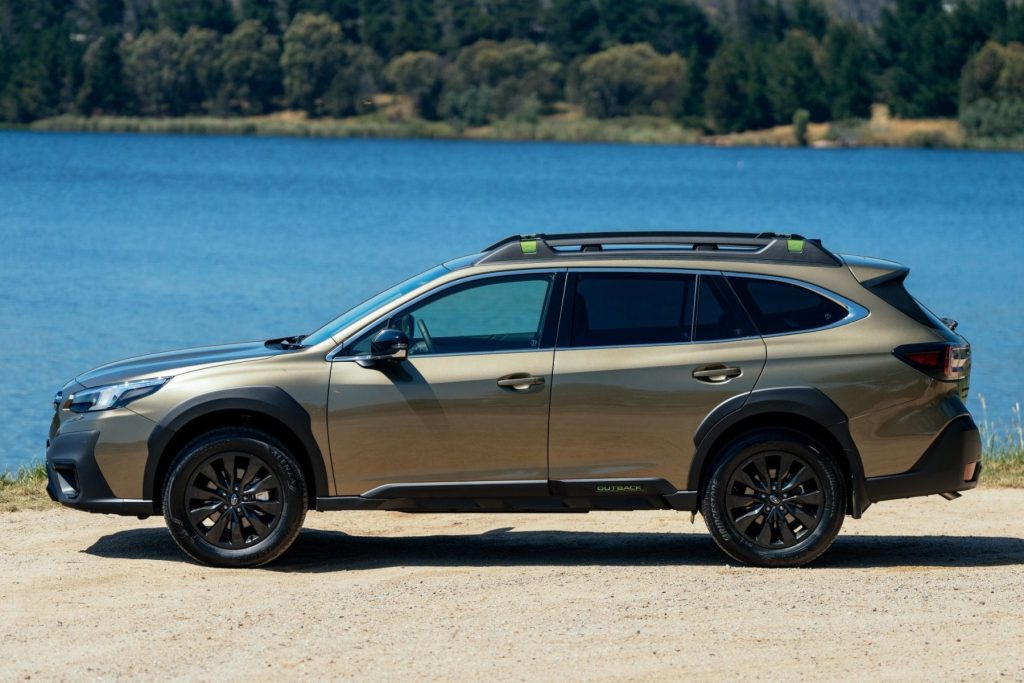
For drivers who frequently alternate between highways and unpaved trails, checking the cabin filter every oil change is inexpensive preventive maintenance that keeps the ventilation system performing as intended.
Specifications
- Engine: 2.5-liter BOXER flat-4
- Torque: 178 lb-ft
- Horsepower: 182 hp
- Length/Width: 191.9 inches / 74.6 inches
4. Ford F-150
Pickup trucks often operate in environments that expose them to more airborne debris than passenger cars, and the Ford F-150 is no exception. Construction sites, ranch roads, farms, gravel highways, and job sites generate fine dust that the HVAC intake continuously draws through the cabin air filter.
Under these severe conditions, many F-150 owners find the filter noticeably dirty well before reaching 8,000 miles, even though the factory maintenance interval is considerably longer.
Ford simplified replacement by placing the cabin filter behind the glove box on most recent F-150 models. Access requires lowering the glove compartment and removing the filter cover, allowing the old element to slide out with minimal effort.
Since no specialized equipment is required, owners can inspect the filter during routine maintenance without scheduling a service appointment.
Heavy dust accumulation gradually restricts airflow through the ventilation system. Instead of immediately recognizing the filter as the cause, drivers often assume the air conditioner has become less effective.
In reality, the blower motor is pushing air through a partially blocked filter, reducing the amount of conditioned air reaching the cabin. Replacing the filter frequently restores airflow to normal within minutes.
Fleet operators have long recognized the value of shorter replacement intervals because many work trucks spend their entire lives in dusty conditions.

Contractors, utility companies, and rural businesses commonly replace cabin filters during routine oil services instead of waiting for factory mileage recommendations. This practice helps maintain driver comfort while reducing strain on the HVAC blower motor.
The F-150 illustrates how operating environment influences maintenance schedules. In clean highway conditions, the filter may last much longer, but severe-duty use can shorten its effective service life substantially, making regular inspection the smarter approach.
Specifications
- Engine: 2.7-liter EcoBoost twin-turbocharged V6
- Torque: 400 lb-ft
- Horsepower: 325 hp
- Length/Width: 231.7 inches / 79.9 inches
5. Chevrolet Silverado 1500
The Chevrolet Silverado 1500 spends much of its life in environments where airborne dust is unavoidable. Whether it is hauling equipment to construction sites, traveling through agricultural fields, or towing trailers along gravel roads, the truck’s HVAC system continuously draws outside air through the cabin filter.
Under these severe-duty conditions, owners frequently discover that the filter becomes heavily loaded before reaching 8,000 miles, even though Chevrolet’s normal maintenance schedule assumes cleaner operating environments.
Chevrolet made routine inspection relatively straightforward by locating the cabin air filter behind the glove box. After lowering the glove compartment and removing the filter access panel, the filter slides out without requiring special tools.
This simple layout encourages owners to inspect the filter during regular oil changes, particularly if the truck operates in dusty regions such as the Southwest or rural Midwest.
As dust accumulates inside the pleated filter media, the HVAC system must work harder to move the same volume of air. Drivers often notice reduced airflow from dashboard vents before they detect any decline in cooling performance.
During summer, this restriction can make the air conditioner feel weaker even though the compressor and refrigerant system remain in perfect working order. A fresh filter usually restores airflow immediately.
Another factor is the Silverado’s large cabin. Crew Cab models require substantial airflow to cool or heat the interior efficiently, so any restriction becomes more noticeable than it might in a smaller passenger car.
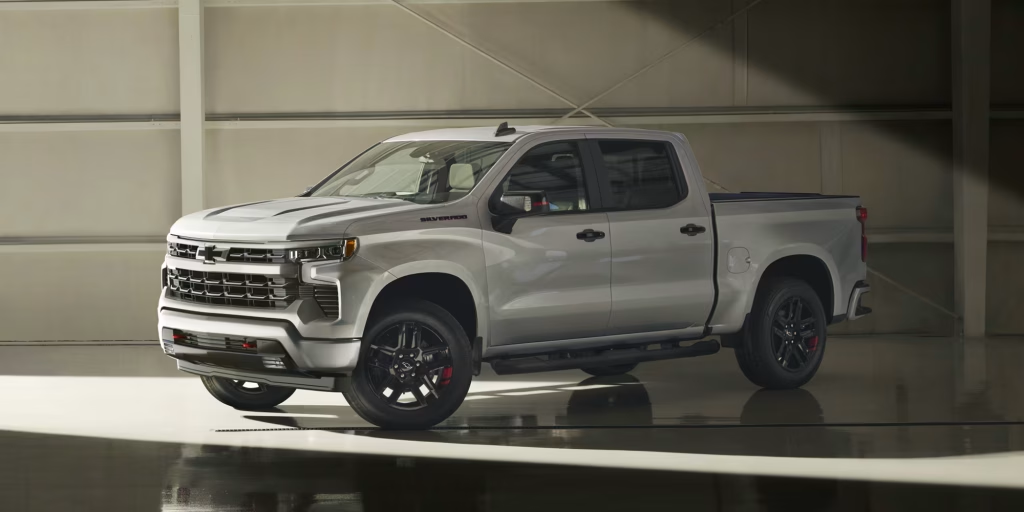
Fleet maintenance departments commonly shorten cabin filter replacement intervals for work trucks because improved airflow directly contributes to driver comfort during long workdays.
The Silverado demonstrates that severe operating conditions, rather than vehicle design alone, determine cabin filter life. Owners who regularly drive in dusty environments benefit from checking the filter every 5,000 to 8,000 miles instead of relying exclusively on standard maintenance intervals.
Specifications
- Engine: 2.7-liter TurboMax inline-4
- Torque: 430 lb-ft
- Horsepower: 310 hp
- Length/Width: 231.9 inches / 81.2 inches
6. Jeep Wrangler
Few modern vehicles encounter dust as frequently as the Jeep Wrangler. Built for off-road travel, the Wrangler regularly operates on dirt trails, desert terrain, forest service roads, and rocky paths where airborne debris is significantly higher than on paved highways.
Those driving conditions often cause the cabin air filter to collect dirt well before 8,000 miles, making early inspection a sensible maintenance practice rather than an unnecessary precaution.
Compared with earlier Wrangler generations that did not offer a traditional cabin air filter, the newer JL models provide a convenient, owner-replaceable filter positioned behind the glove box. The straightforward access makes routine replacement quick and hassle-free, even for those performing the maintenance themselves.
After releasing the glove compartment, owners can remove the access cover and replace the filter within minutes without tools. This ease of service encourages frequent inspections after extended off-road trips.
The Wrangler presents a unique situation because many owners remove the roof or doors during warmer months. While the HVAC intake remains protected, the open-air driving experience allows additional dust to circulate inside the cabin, especially when traveling in groups on unpaved trails.
Fine particles can settle throughout the interior, placing additional demand on the ventilation system once the vehicle is closed and the climate control is operating again.
Symptoms of a clogged filter include weaker airflow, longer windshield defrost times, and increased blower motor noise. Since off-road enthusiasts often encounter these conditions repeatedly, replacing the filter several times per year is common practice among experienced owners.

For Wrangler drivers who spend weekends on dusty trails instead of city streets, waiting for the factory replacement interval is rarely the best strategy. A quick inspection after every major off-road adventure helps maintain clean cabin air and keeps the HVAC system operating at peak efficiency.
Specifications
- Engine: 3.6-liter Pentastar V6
- Torque: 260 lb-ft
- Horsepower: 285 hp
- Length/Width: 188.4 inches / 73.9 inches
7. Hyundai Tucson
The Hyundai Tucson may spend most of its life on paved roads, but that does not mean its cabin air filter always reaches the factory replacement interval.
Owners living in rapidly growing metropolitan areas often encounter constant construction dust, road debris, pollen, and vehicle emissions that can load the filter much sooner than expected.
In cities across the southern and western United States, many independent service centers recommend inspecting the cabin filter around 6,000 to 8,000 miles rather than waiting for the scheduled maintenance visit.
Hyundai designed the Tucson with owner convenience in mind. The cabin filter is located directly behind the glove box, and accessing it requires only releasing the glove compartment stops before removing the filter cover.
No tools are necessary, making this one of the quickest maintenance tasks owners can perform themselves. Even drivers with little mechanical experience can complete the replacement in a matter of minutes.
A partially clogged filter usually reveals itself through reduced airflow instead of obvious warning lights. The climate control fan may need a higher speed setting to produce the same cooling effect, while windshield defogging becomes slower during humid mornings.
These changes occur because the blower motor is working against increased airflow resistance created by accumulated dust and pollen. Tucson’s automatic climate control system frequently switches between fresh-air and recirculation modes depending on operating conditions.
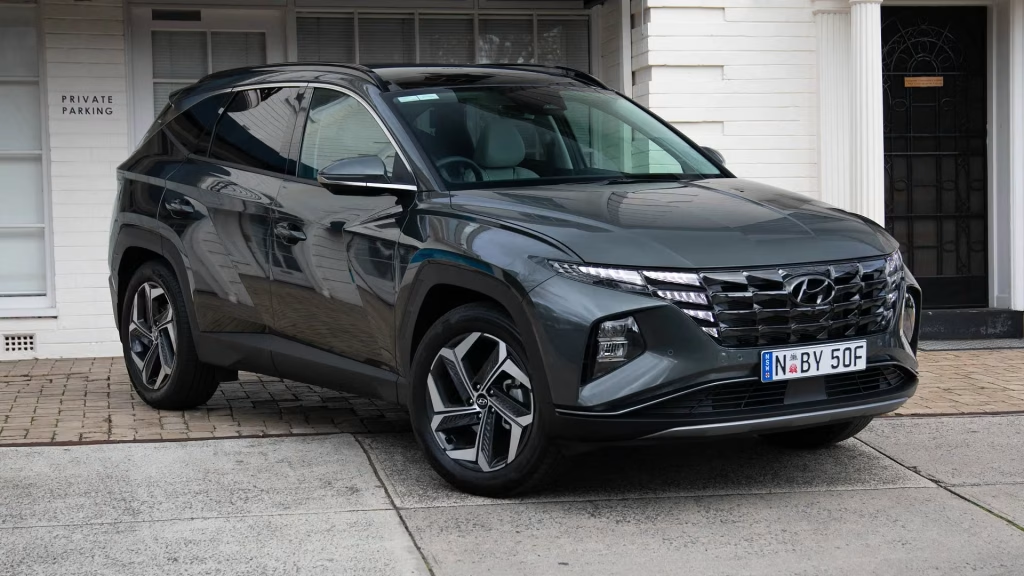
During extended fresh-air operation, particularly in dusty environments, the filter collects contaminants at a faster rate. That makes periodic inspections worthwhile for drivers who spend hours commuting through traffic or construction corridors.
Replacing the cabin filter early is an inexpensive maintenance step that helps maintain interior air quality while ensuring the HVAC system continues delivering strong airflow throughout every season.
Specifications
- Engine: 2.5-liter naturally aspirated inline-4
- Torque: 181 lb-ft
- Horsepower: 187 hp
- Length/Width: 182.7 inches / 73.4 inches
8. Nissan Rogue
For many American families, the Nissan Rogue serves as a daily commuter, school shuttle, and road-trip vehicle. Those duties expose the HVAC system to everything from spring pollen to highway dust and urban pollution.
While Nissan’s maintenance schedule reflects average operating conditions, owners in regions with frequent airborne debris often report noticeably dirty cabin filters before 8,000 miles, especially during dry seasons.
Nissan kept servicing simple by placing the filter behind the glove compartment. Once the glove box is lowered, the rectangular filter housing is easily accessible, allowing the old filter to slide out and a new one to slide in without specialized tools.
Because replacement filters are widely available and inexpensive, many owners choose to inspect the filter at every oil change instead of waiting for the recommended interval.
One interesting characteristic of the Rogue is its efficient HVAC system, which provides strong airflow throughout the cabin. That performance depends on unrestricted air passing through the filter.
As dust accumulates, airflow decreases, causing occupants to raise the fan speed to maintain comfort. Although the air conditioner itself continues functioning normally, restricted airflow can make cabin cooling feel noticeably less effective during hot summer weather.
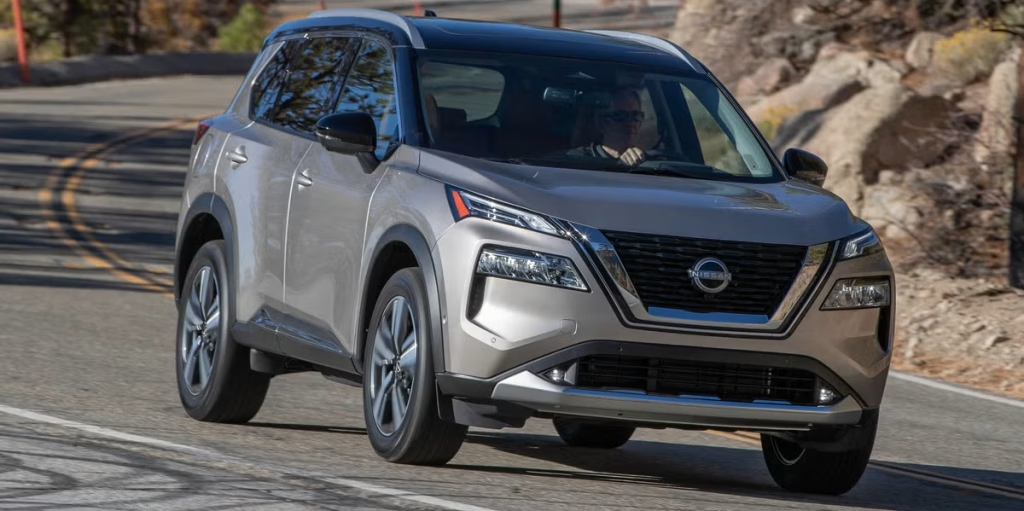
Drivers living near agricultural areas or regions with prolonged wildfire smoke often find that the filter darkens quickly due to fine particulate matter. Replacing it before it becomes heavily restricted not only restores airflow but also helps reduce odors and airborne allergens inside the cabin.
Routine inspections cost little time yet can significantly improve day-to-day driving comfort. For Rogue owners operating in dusty climates, early cabin filter replacement is often a practical response to local conditions rather than an indication of premature wear.
Specifications
- Engine: 1.5-liter VC-Turbo three-cylinder
- Torque: 225 lb-ft
- Horsepower: 201 hp
- Length/Width: 183.0 inches / 72.4 inches
9. Mazda CX-5
The Mazda CX-5 is widely praised for its refined interior and quiet cabin, but maintaining that environment depends heavily on keeping the cabin air filter clean.
Although Mazda recommends replacement at longer intervals under normal conditions, many owners in dusty regions of the United States discover that the filter begins restricting airflow well before 8,000 miles. Dry climates, highway construction, desert winds, and seasonal pollen all contribute to faster contamination of the filter media.
Mazda made replacement intentionally simple. The cabin filter sits behind the glove box, requiring only a few basic steps to access. After lowering the glove compartment and removing the filter cover, the old element slides out easily.
Since no tools are needed, most owners can complete the entire process in less than ten minutes. This straightforward design encourages regular inspections rather than waiting until airflow noticeably declines.
The cabin air filter plays a different role from the engine air filter because it directly impacts the passenger experience. While the engine filter protects the vehicle’s mechanical systems, the cabin filter helps maintain clean airflow inside the interior. Over time, trapped dust, pollen, leaves, and exhaust particles can restrict ventilation and reduce HVAC performance.
Drivers may notice that cooling the cabin takes longer on hot summer afternoons, while the windshield requires additional time to clear during damp mornings. These symptoms often appear long before the filter is completely blocked.
Urban commuters also face unique challenges. Stop-and-go traffic exposes the ventilation system to brake dust, tire particles, and diesel exhaust from surrounding vehicles. Combined with natural pollen and airborne debris, these contaminants can shorten the filter’s useful life considerably.

Replacing the cabin filter before severe restriction develops helps preserve strong airflow, improves interior air quality, and reduces unnecessary strain on the blower motor. For CX-5 owners who regularly drive through dusty or high-pollen environments, checking the filter every oil service is a practical habit that supports year-round HVAC performance.
Specifications
- Engine: 2.5-liter naturally aspirated inline-4
- Torque: 186 lb-ft
- Horsepower: 187 hp
- Length/Width: 180.1 inches / 72.6 inches
10. Toyota Tacoma
The Toyota Tacoma finishes this list because its typical operating environment frequently exposes it to conditions that accelerate cabin air filter contamination.
Whether used for off-road recreation, construction work, ranch duties, or travel on unpaved roads, the Tacoma often encounters significantly more airborne dust than the average passenger vehicle.
In these severe-duty applications, many owners inspect or replace the cabin filter before 8,000 miles to maintain consistent HVAC performance.
Toyota designed the Tacoma’s cabin filter with owner serviceability in mind. Located behind the glove box, the filter can be accessed by lowering the glove compartment and removing a small access door.
The procedure requires no specialized tools, making it one of the easiest maintenance items on the truck. Because replacement filters are affordable, many owners simply install a fresh filter whenever they notice reduced airflow.
Dust accumulation affects more than just cabin air quality. A restricted filter forces the blower motor to work harder to move air through the ventilation system, which can lead to weaker airflow from the dashboard vents and slower heating or cooling response.
Drivers who regularly travel dirt roads often notice these symptoms much sooner than those who primarily drive on paved highways.
Tacoma owners who enjoy camping or off-road trails face additional exposure to airborne sand, fine soil, and plant debris. During convoy trail rides, dust generated by vehicles ahead can quickly saturate the cabin filter, making inspection after extended off-road trips a worthwhile preventive measure.
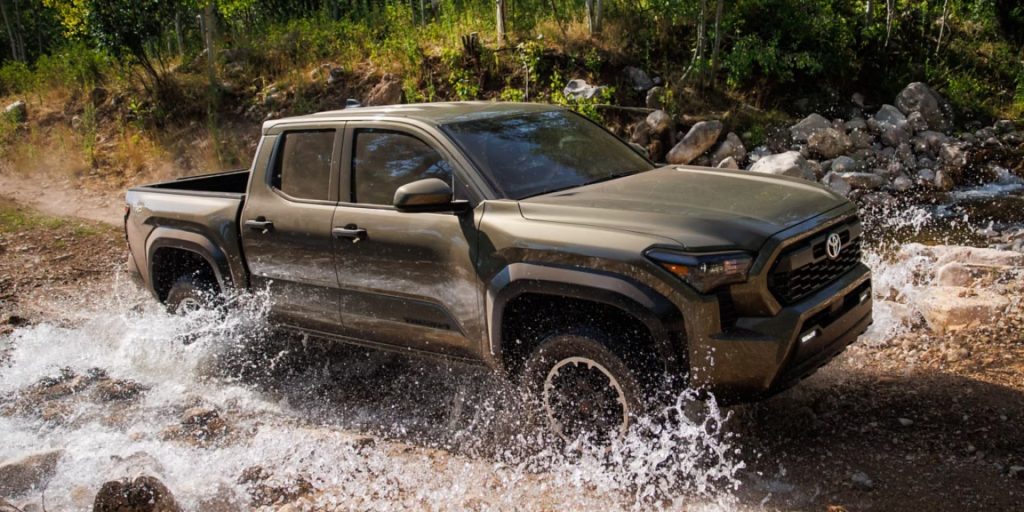
The Tacoma demonstrates that maintenance schedules should always reflect real-world operating conditions.
While many drivers may comfortably exceed 8,000 miles on a cabin filter, those using their trucks in dusty environments will often benefit from earlier replacement to maintain clean cabin air and efficient climate control performance.
Specifications
- Engine: 2.4-liter turbocharged inline-4
- Torque: 317 lb-ft
- Horsepower: 278 hp
- Length/Width: 213.0 inches / 77.9 inches
