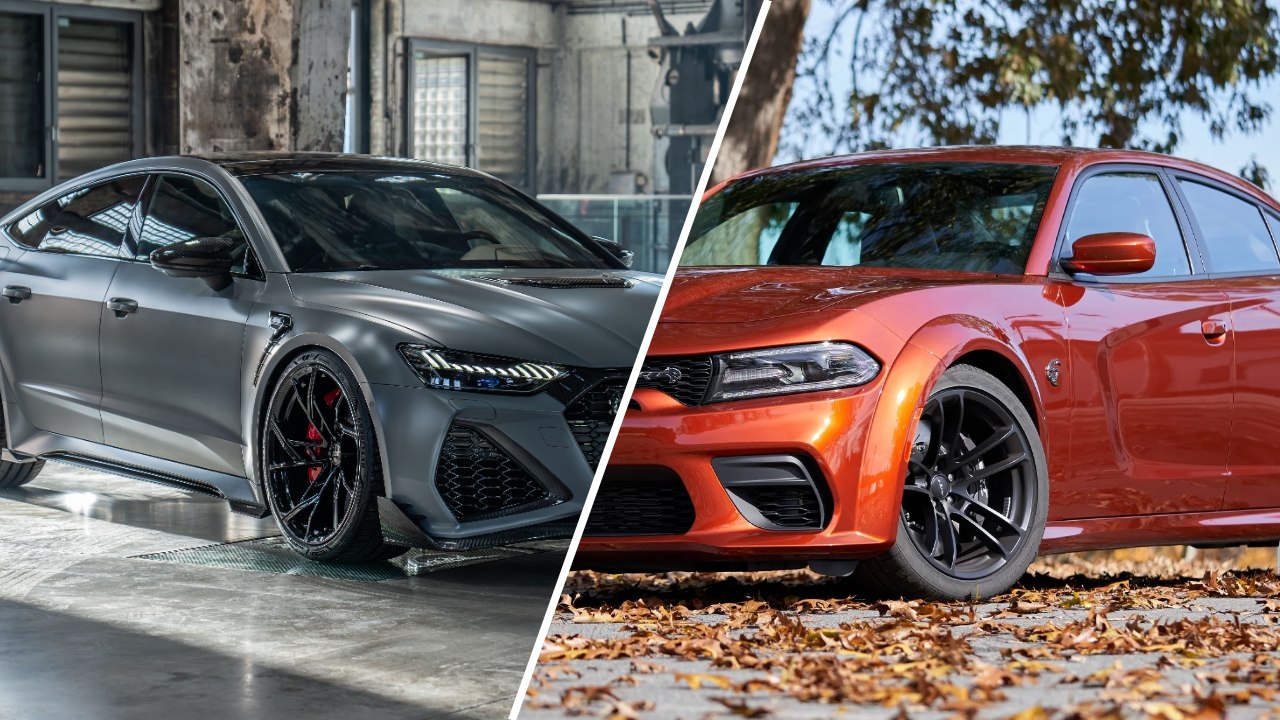
Adding a teenager to an auto insurance policy is expensive, but the vehicle itself can make premiums rise dramatically. Insurance companies calculate rates using decades of claims data, considering factors such as repair costs, theft frequency, horsepower, accident severity, and the likelihood of risky driving.
High-performance cars, luxury vehicles, and models with expensive replacement parts often receive the highest premiums for young drivers.
According to insurance industry data from companies such as Insure.com, Bankrate, and major U.S. insurers, the following eight vehicles consistently rank among the most expensive to insure for teen drivers because they combine high value with higher claim risk.
Also Read: 8 Most Expensive BMWs Ever Sold
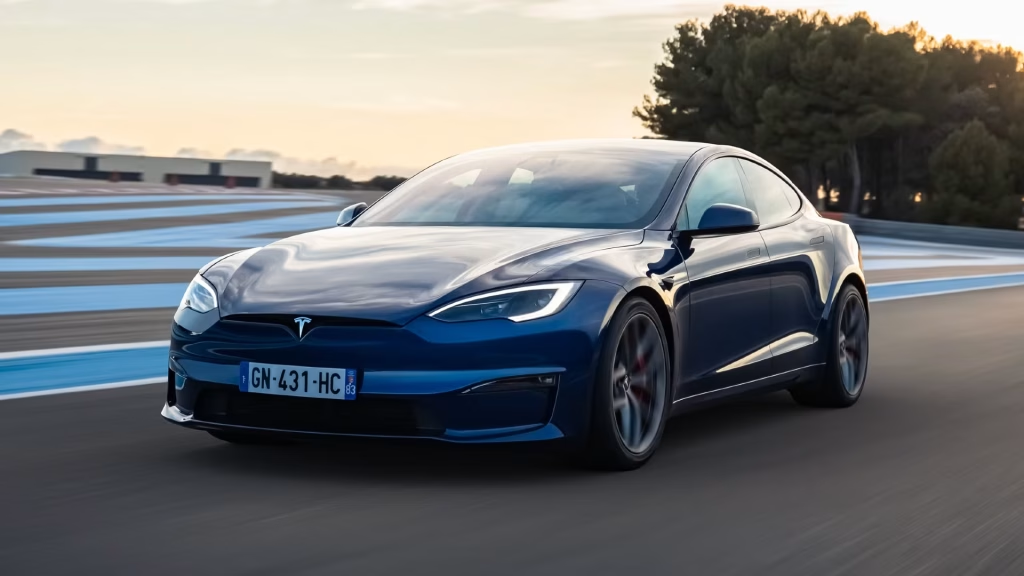
1. Tesla Model S Plaid
Insurance companies view the Tesla Model S Plaid as one of the riskiest vehicles to place in the hands of an inexperienced driver. It is not simply the purchase price that drives premiums upward.
The combination of extraordinary acceleration, sophisticated electronics, expensive battery technology, and high repair costs makes this electric sedan one of the costliest vehicles to insure for teenagers in the United States.
The Plaid’s performance numbers explain much of the concern. Producing more than 1,000 horsepower and capable of reaching 60 mph in under two seconds under ideal conditions, it delivers acceleration that rivals some of the world’s fastest supercars.
Teen drivers statistically experience more crashes than older motorists, according to the Insurance Institute for Highway Safety and the Centers for Disease Control and Prevention. When extremely high performance is added to that equation, insurers adjust premiums accordingly.
Repair costs also play a significant role. Even relatively minor collisions can require replacement of cameras, sensors, aluminum body panels, and specialized structural components.
Tesla repairs frequently involve certified repair centers and manufacturer-specific procedures that increase labor costs. Battery inspections following collisions further add to claim expenses, even when visible damage appears limited.
Although the Model S Plaid offers advanced driver assistance technology and excellent crash protection, insurers base premiums on total claim costs rather than safety features alone. Replacement parts, vehicle value, and historical repair expenses remain major considerations.
For families adding a teenager to an insurance policy, the Model S Plaid often generates premiums that are several times higher than those for mainstream midsize sedans, making it one of the most expensive vehicles to insure.
Specifications
- Engine: Tri-Motor Electric Powertrain
- Torque: Approximately 1,050 lb-ft
- Horsepower: 1,020 hp
- Length/Width: 197.7 inches / 78.2 inches
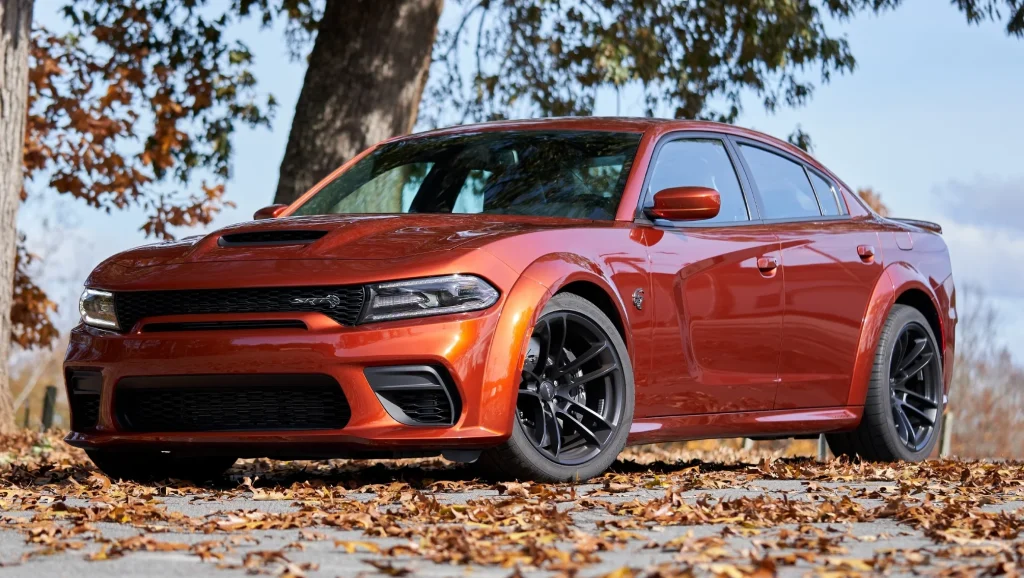
2. Dodge Charger SRT Hellcat Redeye
Few American sedans combine everyday practicality with muscle-car performance as dramatically as the Dodge Charger SRT Hellcat Redeye. Unfortunately for parents of teenage drivers, those same characteristics place them among the highest insurance risks in the country.
Insurance companies consistently assign exceptionally high premiums because the Charger has a long history of expensive claims involving high-speed accidents, theft, and costly repairs.
The supercharged 6.2-liter HEMI V8 produces an astonishing 797 horsepower and 707 lb-ft of torque. Such performance allows the Charger to accelerate with the intensity of many exotic sports cars while still offering seating for five passengers.
Insurers recognize that young drivers are statistically more likely to be involved in speed-related crashes, making a vehicle with nearly 800 horsepower particularly expensive to insure.
Another major factor is theft. Various industry theft reports have repeatedly shown that high-performance Dodge Chargers and Challengers rank among the most frequently stolen vehicles in several regions of the United States.
Higher theft frequency translates directly into increased comprehensive insurance costs. Replacement parts such as Brembo brake systems, widebody components, supercharger assemblies, and advanced electronics further increase claim payouts after collisions.
Modern safety technology helps reduce certain risks, but insurance companies evaluate historical losses across thousands of policies rather than individual driving habits.
Even responsible teenagers may face extremely high premiums simply because the model itself has generated costly claims for insurers over many years. For families shopping for a first vehicle, the Hellcat Redeye represents one of the clearest examples of how performance can dramatically increase insurance expenses.
Specifications
- Engine: 6.2-liter Supercharged HEMI V8
- Torque: 707 lb-ft
- Horsepower: 797 hp
- Length/Width: 200.8 inches / 78.3 inches
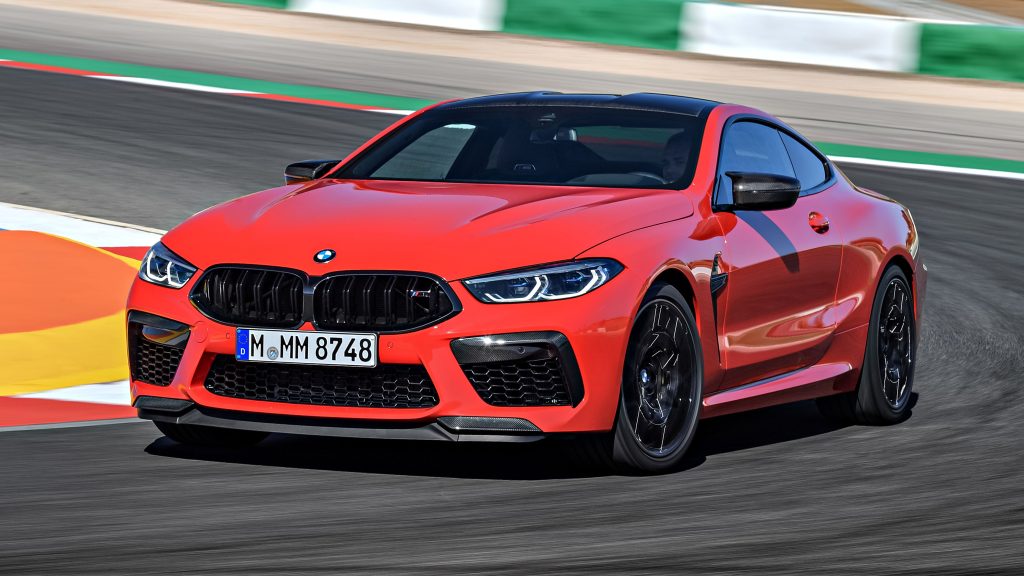
3. BMW M8 Competition Coupe
For insurance companies, the BMW M8 Competition Coupe checks nearly every box associated with higher claim risk. It combines a high purchase price, exceptional performance, expensive replacement parts, and sophisticated electronics into one package.
Even before a teenager is added to the policy, the M8 ranks among the costliest BMW models to insure. When the primary or occasional driver is under 20 years old, premiums can increase dramatically because insurers view the combination of youth and high performance as a significant financial risk.
Power comes from BMW’s 4.4-liter twin-turbocharged V8 producing 617 horsepower and 553 lb-ft of torque. The M xDrive all-wheel-drive system helps put that power to the pavement, allowing the coupe to reach 60 mph in just over three seconds under ideal conditions.
While this engineering delivers remarkable performance, insurers focus on historical claims data showing that vehicles with extremely high horsepower are more likely to be involved in severe and expensive accidents.
Repair costs further separate the M8 from mainstream luxury cars. Carbon fiber roof components, adaptive suspension systems, laser lighting technology on certain models, high-performance brakes, and advanced driver assistance sensors contribute to repair bills that can easily reach five figures after moderate collisions.
Labor costs also remain high because repairs often require BMW-certified technicians and specialized calibration equipment.
The M8 Competition includes excellent safety features, but insurance premiums are based on more than crash-test results. Vehicle value, repair complexity, claim frequency, and replacement cost all influence rates.
For a teenager, insuring an M8 Competition often costs several times more than covering a conventional midsize sedan, making it one of the most expensive luxury performance cars to insure in the United States.
Specifications
- Engine: 4.4-liter Twin-Turbocharged V8
- Torque: 553 lb-ft
- Horsepower: 617 hp
- Length/Width: 191.2 inches / 74.9 inches
4. Porsche 911 Carrera GTS
The Porsche 911 has earned its reputation through decades of precision engineering and world-class driving dynamics. Those same qualities also place it among the most expensive vehicles to insure for young drivers.
Although the Carrera GTS includes advanced safety systems and excellent handling, insurers recognize that it remains a high-value sports car capable of performance levels far beyond what most teenagers have the experience to manage safely.
Its twin-turbocharged 3.0-liter flat-six produces 473 horsepower and 420 lb-ft of torque, delivering rapid acceleration and impressive highway performance.
Insurance companies consistently charge higher premiums for vehicles capable of reaching high speeds quickly because accident severity generally increases with performance potential. Statistical data used by insurers also shows that sports cars experience higher average claim costs than ordinary passenger vehicles.
Repair expenses represent another important factor. Porsche uses lightweight aluminum construction, specialized suspension components, performance braking systems, and model-specific body panels that cost substantially more to replace than those found on mainstream cars.
Even seemingly minor damage can require extensive labor, precision alignment, and recalibration of electronic driver assistance systems, increasing claim payouts significantly.
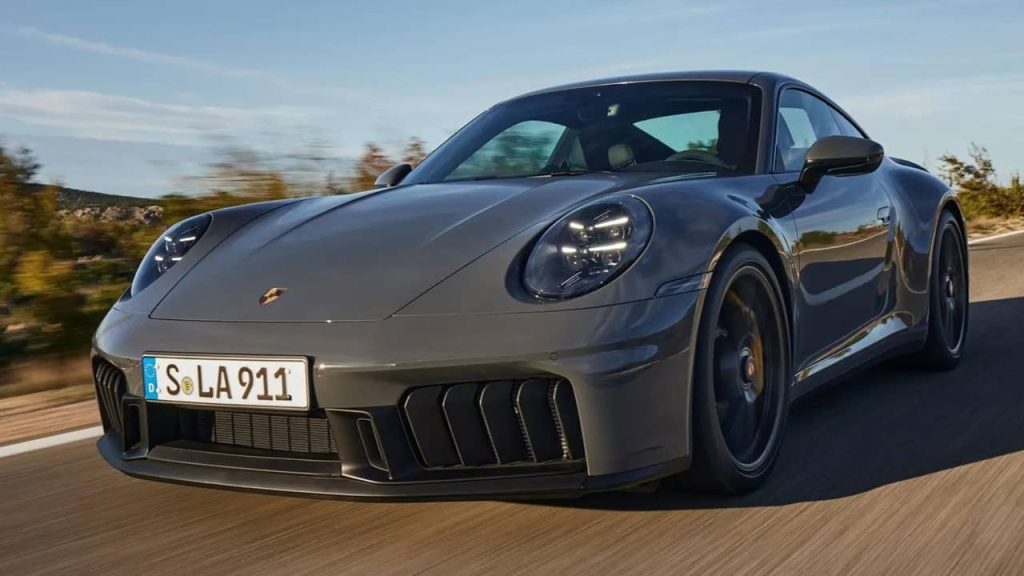
Vehicle value also influences insurance rates. A new 911 Carrera GTS carries a premium purchase price, meaning insurers face larger potential losses if the vehicle is stolen or declared a total loss after an accident.
Combined with the higher risk profile associated with inexperienced drivers, these factors place the Porsche 911 among the highest insurance-cost vehicles for teenagers. Families seeking affordable insurance generally avoid pairing a young driver with a high-performance sports car of this caliber.
Specifications
- Engine: 3.0-liter Twin-Turbocharged Flat-6
- Torque: 420 lb-ft
- Horsepower: 473 hp
- Length/Width: 178.6 inches / 72.9 inches
5. Chevrolet Corvette Z06
The Chevrolet Corvette has always occupied a unique place in the American performance car market, offering supercar-level capability at a comparatively attainable price. The latest Corvette Z06 pushes that formula even further with a naturally aspirated flat-plane-crank V8 that delivers extraordinary performance.
While enthusiasts celebrate its engineering, insurance companies see a vehicle with immense power, expensive components, and repair costs that can quickly escalate after even moderate accidents. Those factors make it one of the most expensive cars to insure for a teen driver.
Unlike traditional pushrod Corvette engines, the Z06’s 5.5-liter V8 is a highly specialized design producing 670 horsepower and revving to 8,600 rpm.
The car reaches 60 mph in under three seconds under ideal conditions, placing it among the quickest production cars sold in America. Insurers recognize that vehicles capable of such acceleration carry higher potential claim severity, particularly when operated by inexperienced drivers.
The Corvette’s mid-engine layout also contributes to insurance costs. Repairs often require additional labor because many mechanical components are packaged tightly behind the passenger compartment.
Carbon fiber aerodynamic pieces, magnetic ride suspension, forged wheels, high-performance Michelin tires, and massive Brembo brake systems all increase repair expenses after collisions. Replacement body panels and paintwork can also be significantly more expensive than on conventional passenger cars.
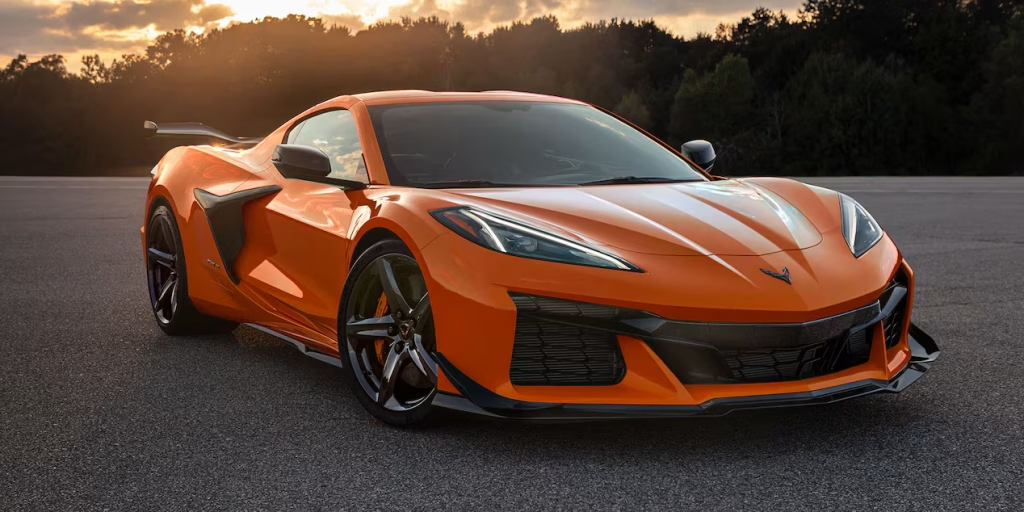
Although the Z06 earns strong praise for handling and safety engineering, insurers focus heavily on historical loss data and projected repair costs.
Teen drivers already pay substantially higher premiums than experienced motorists, and pairing that risk profile with a 670-horsepower sports car produces some of the highest insurance rates available. For most families, insuring a Corvette Z06 for a teenager is financially difficult to justify.
Specifications
- Engine: 5.5-liter Naturally Aspirated V8
- Torque: 460 lb-ft
- Horsepower: 670 hp
- Length/Width: 184.6 inches / 79.7 inches
6. Mercedes-AMG GT 63 S 4-Door Coupe
Luxury, technology, and extreme performance rarely result in affordable insurance premiums, and the Mercedes-AMG GT 63 S 4-Door Coupe is a prime example. This high-performance luxury sedan combines exotic-car acceleration with premium craftsmanship, creating a vehicle that is exceptionally expensive to repair or replace.
For teenage drivers, insurers often classify it among the highest-risk vehicles because of both its performance potential and its higher claim costs.
Power comes from a handcrafted 4.0-liter twin-turbocharged V8 producing 630 horsepower and 664 lb-ft of torque. With all-wheel drive and a sophisticated nine-speed automatic transmission, the AMG GT 63 S can accelerate from 0 to 60 mph in roughly three seconds.
Such performance places it in direct competition with many dedicated sports cars, a category that consistently carries higher insurance premiums across the industry.
Repair complexity is another major contributor. The AMG GT features advanced air suspension, rear-wheel steering, adaptive dampers, multiple radar sensors, premium lighting systems, and numerous aluminum body components.
Even relatively small collisions may require extensive recalibration of electronic safety systems in addition to structural repairs. These factors significantly increase the average cost of insurance claims.
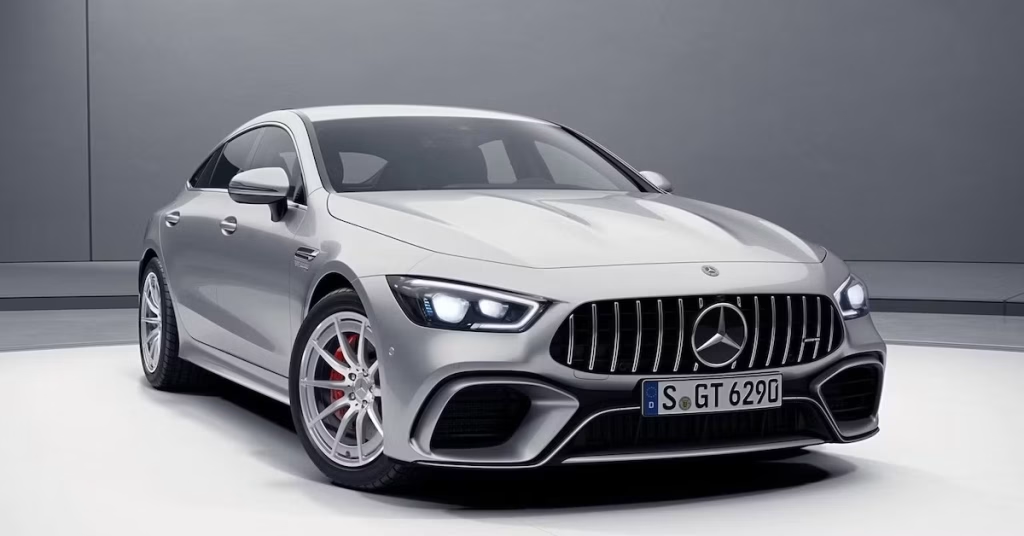
The vehicle’s high market value further raises premiums because insurers must account for larger potential payouts in cases of theft or total loss.
Combined with the statistically higher crash rates associated with inexperienced drivers, the Mercedes-AMG GT 63 S becomes one of the least affordable vehicles to insure for teenagers. Families seeking lower ownership costs typically look toward mainstream sedans or compact SUVs instead of ultra-high-performance luxury models.
Specifications
- Engine: 4.0-liter Twin-Turbocharged V8
- Torque: 664 lb-ft
- Horsepower: 630 hp
- Length/Width: 198.8 inches / 76.3 inches
7. Audi RS7 Performance
Some luxury performance cars hide their speed behind understated styling, but insurance companies are not influenced by appearance.
The Audi RS7 Performance combines executive-sedan comfort with supercar-level acceleration, making it one of the most expensive vehicles for a teenager to insure in the United States.
Its high purchase price, sophisticated technology, powerful engine, and costly repair bills all contribute to exceptionally high insurance premiums.
At the heart of the RS7 Performance is a 4.0-liter twin-turbocharged V8 producing 621 horsepower and 627 lb-ft of torque. Paired with Audi’s renowned quattro all-wheel-drive system and an eight-speed automatic transmission, the sedan can sprint from 0 to 60 mph in approximately 3.3 seconds.
While these numbers are impressive for enthusiasts, insurers recognize that vehicles capable of such rapid acceleration are statistically associated with higher claim severity, particularly when driven by inexperienced motorists.
The RS7 also carries significant repair expenses. Matrix LED lighting, adaptive air suspension, carbon fiber trim, large ceramic brake options, advanced driver assistance sensors, and aluminum body components increase both parts and labor costs after collisions.
Even replacing the front bumper may involve recalibrating cameras and radar systems, adding hundreds or even thousands of dollars to repair invoices.
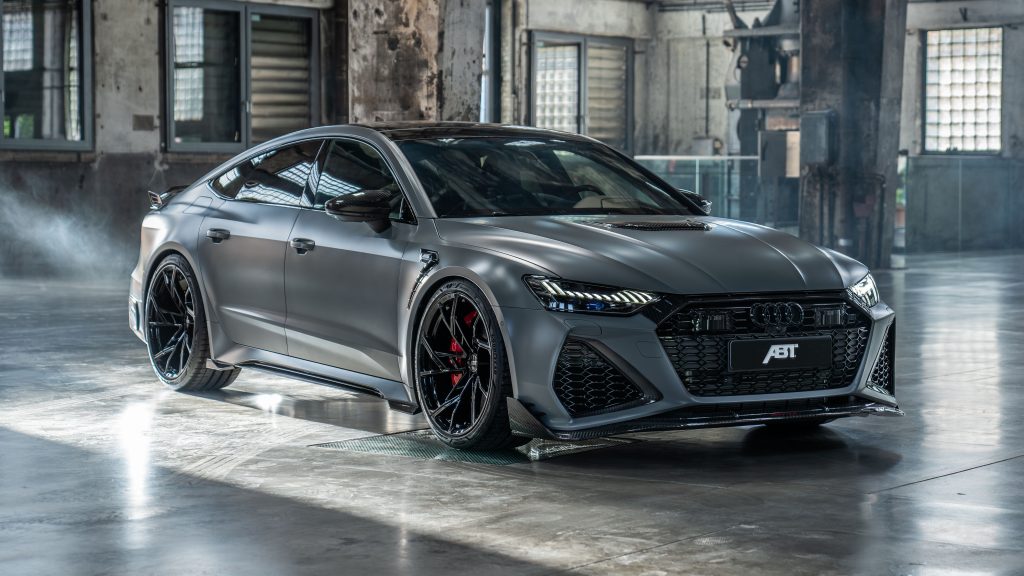
Insurance providers calculate premiums using expected financial exposure rather than horsepower alone. The RS7’s luxury status, expensive replacement parts, and historically high repair costs place it among the most expensive Audis to insure.
When combined with a teenage driver, annual insurance premiums can easily exceed the cost of insuring several mainstream family sedans. For buyers seeking affordable ownership, the RS7 Performance is one of the least economical choices from an insurance perspective.
Specifications
- Engine: 4.0-liter Twin-Turbocharged V8
- Torque: 627 lb-ft
- Horsepower: 621 hp
- Length/Width: 197.2 inches / 76.8 inches
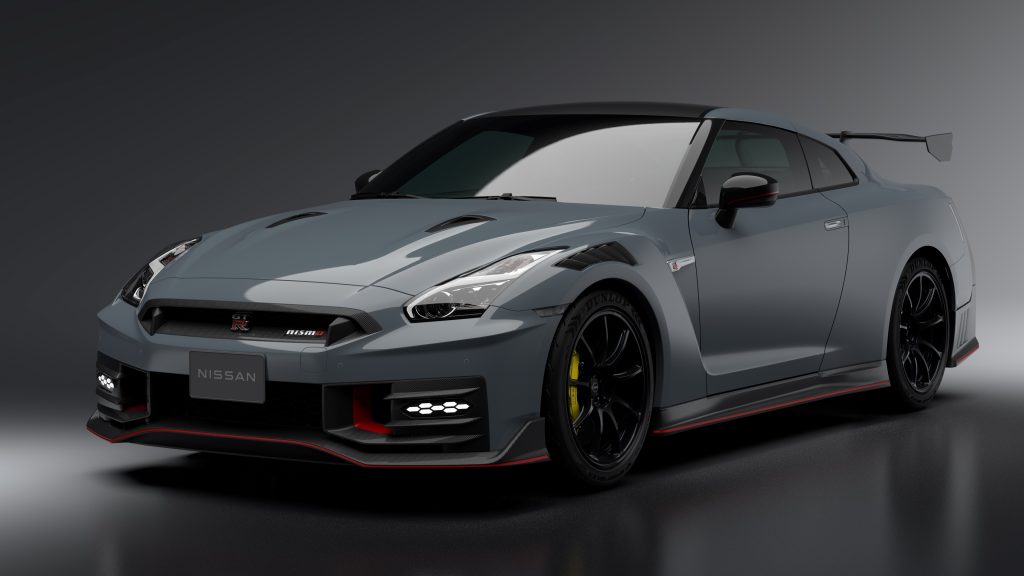
8. Nissan GT-R NISMO
The Nissan GT-R has long been known as one of Japan’s greatest performance cars, earning the nickname “Godzilla” for its extraordinary speed and engineering. The NISMO version raises performance even further with upgraded aerodynamics, suspension, and engine tuning.
While these improvements delight driving enthusiasts, they also create one of the most expensive insurance profiles for teenage drivers because insurers view the GT-R as both a high-value and high-risk vehicle.
Its hand-assembled 3.8-liter twin-turbocharged V6 produces 600 horsepower and 481 lb-ft of torque. Combined with Nissan’s advanced all-wheel-drive system and dual-clutch transmission, the GT-R NISMO delivers explosive acceleration and remarkable grip in virtually all weather conditions.
Such capability means even small mistakes can result in high-speed incidents with substantial repair costs, a major concern for insurance companies evaluating youthful drivers.
The GT-R’s specialized engineering also increases claim expenses. Carbon fiber body panels, lightweight forged wheels, Brembo braking components, high-performance tires, and model-specific drivetrain parts are considerably more expensive than the components found on ordinary passenger vehicles.
Repairs frequently require technicians with specialized knowledge, increasing labor costs and extending repair times.
Vehicle value plays an equally important role. The GT-R NISMO commands a premium purchase price, meaning insurers face larger payouts if the vehicle is stolen or declared a total loss.
Combined with national statistics showing that teenagers have higher crash rates than experienced drivers, the result is one of the highest insurance premiums in the performance car market.
Although the GT-R remains an engineering icon, it is rarely considered a practical choice for families seeking affordable insurance coverage for a young driver.
Specifications
- Engine: 3.8-liter Twin-Turbocharged V6
- Torque: 481 lb-ft
- Horsepower: 600 hp
- Length/Width: 184.6 inches / 74.6 inches
Also Read: 10 Chevrolet Camaro Model Years That Tell the Whole Story