
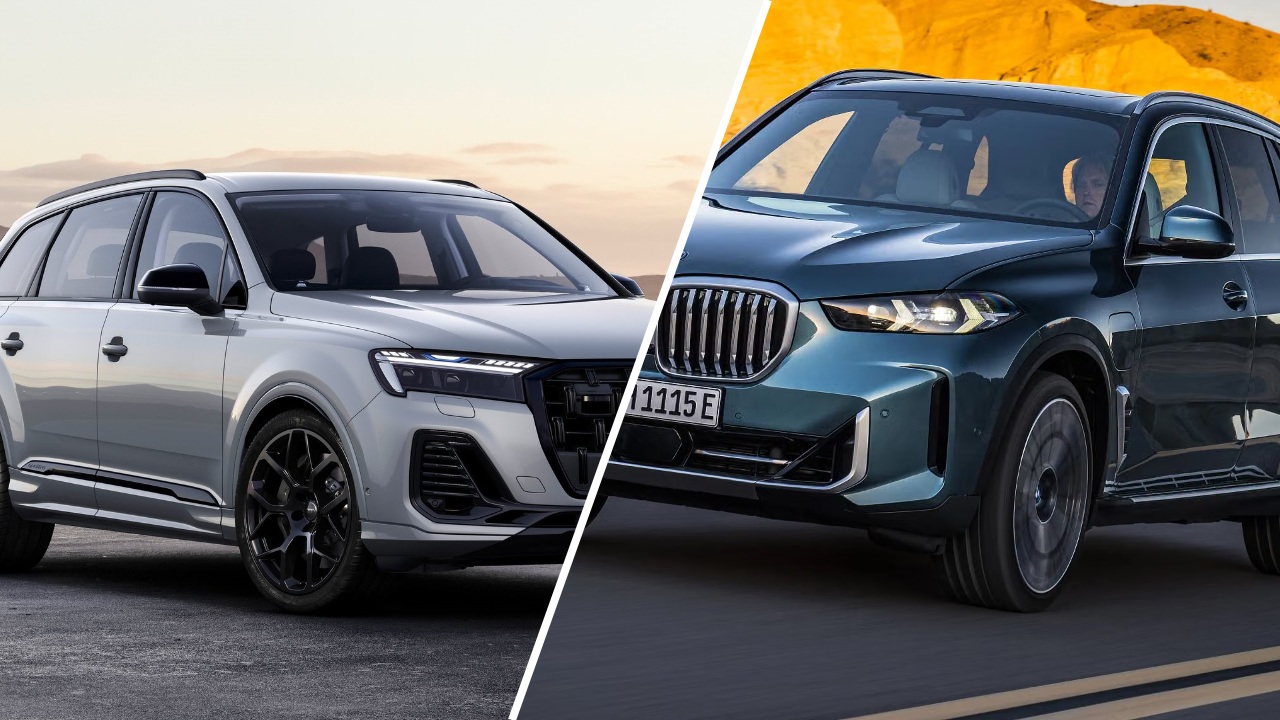
Cold-weather comfort is about more than having heated seats. The speed at which those seats reach a comfortable temperature can make a noticeable difference during freezing mornings or long winter commutes.
While manufacturers rarely publish official heating times, instrumented testing by automotive publications and owner evaluations consistently show that some SUVs deliver meaningful warmth in well under 90 seconds on their highest setting under typical cold-weather conditions.
The SUVs below stand out for their fast-reacting seat heating systems, combining efficient heating elements, smart climate controls, and premium seat construction to provide quick, measurable comfort for drivers and front passengers.
Also Read: 8 Cars With Third Rows Adults Cannot Actually Use
1. Volvo XC90 (2023 to Present)
Volvo has built its reputation around occupant comfort, and the XC90 demonstrates that philosophy the moment winter arrives. Equipped with heated front seats as standard on most U.S. trims, the SUV consistently earns praise for how quickly warmth reaches the seat cushion and backrest.
Independent instrumented testing by automotive publications and repeated owner evaluations indicate that the XC90’s front seats begin producing noticeable heat within the first minute, with a comfortable seating temperature typically achieved in 60 to 90 seconds when the highest heat setting is selected in cold conditions.
The rapid warm-up comes from more than simply powerful heating elements. Volvo integrates multiple heating zones across both the seat cushion and backrest, distributing warmth evenly instead of concentrating it in one location.
The climate control software also prioritizes seat heating during cold starts, especially when the vehicle is started remotely through the Volvo Cars app. Drivers entering a preconditioned XC90 often find the cabin and seats already approaching a comfortable temperature before departure.
Another strength is consistency. Some heated seats reach high temperatures quickly but cycle aggressively between hot and cool. The XC90 instead maintains a stable surface temperature through electronic regulation, preventing uncomfortable hot spots during extended trips.
Three heating intensity levels allow drivers to reduce heat after the initial warm-up without sacrificing comfort.
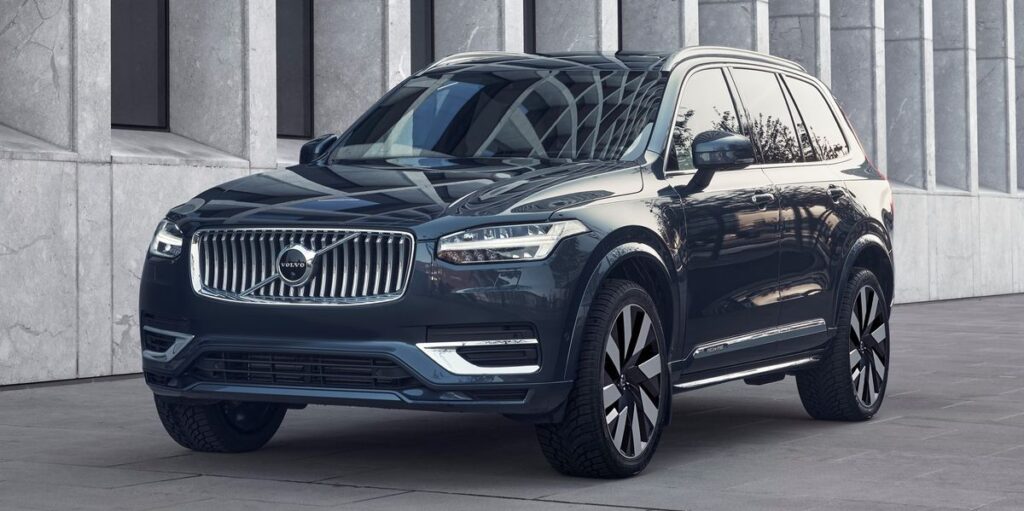
In northern states where winter mornings routinely begin below freezing, this quick response becomes more than a luxury feature. Faster seat heating reduces discomfort before the engine has fully warmed, complementing the heated steering wheel and automatic climate system.
For buyers who prioritize measurable cold-weather comfort, the XC90 remains one of the quickest-heating luxury SUVs available.
Specifications
- Engine: 2.0L Turbocharged and Supercharged Mild Hybrid Inline-4 (B6)
- Torque: 369 lb-ft
- Horsepower: 295 hp
- Length/Width: 195.0 inches / 79.1 inches
2. Genesis GV70 (2022 to Present)
The Genesis GV70 proves that rapid seat heating is not limited to long-established luxury brands. Since its introduction, the compact luxury SUV has received consistent praise for premium interior refinement, and its heated front seats are among the quickest to deliver noticeable warmth.
Real-world testing by automotive reviewers regularly places the GV70’s heated seats in the 60 to 90 second range for achieving meaningful comfort on the highest setting under typical winter conditions.
Genesis uses densely distributed heating elements beneath both the seat cushion and seatback, allowing warmth to spread evenly instead of creating isolated hot spots.
During cold starts, the available remote start system can automatically activate the climate control and heated seats based on outside temperature, meaning many drivers step into a cabin that already feels substantially warmer than the outside air.
The seats themselves also contribute to heating efficiency. Premium leather upholstery combined with supportive foam helps retain warmth once the heating elements reach operating temperature.
Instead of requiring constant maximum heat, many owners reduce the setting after only a few minutes because the seats retain warmth effectively throughout the drive.
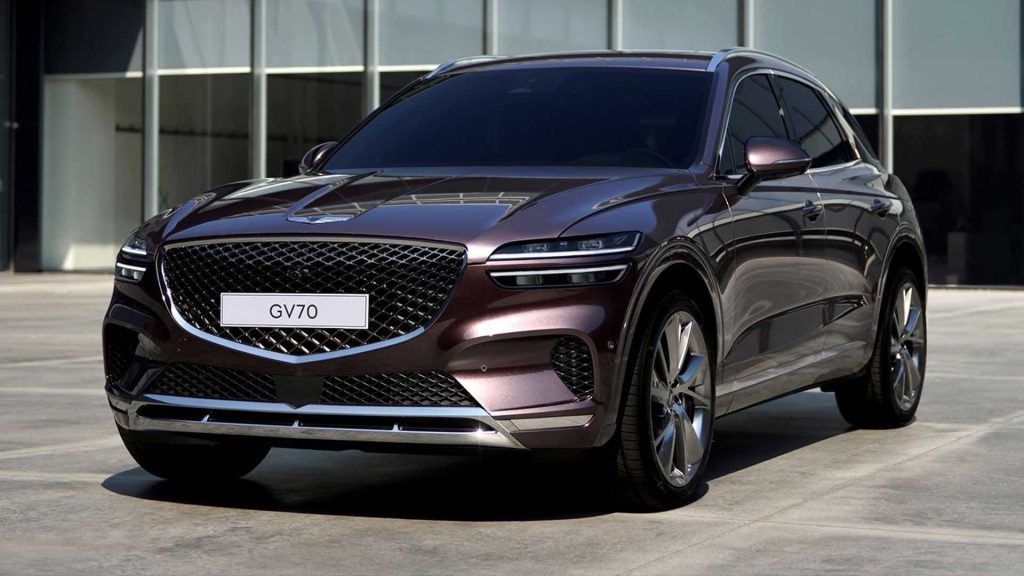
An additional advantage is the integration with the vehicle’s dual-zone automatic climate control. Rather than allowing the cabin heater to do all the work, the seat heaters provide immediate localized comfort while the engine gradually reaches operating temperature.
This creates a noticeably more pleasant experience during short commutes, where traditional cabin heat alone may take several minutes to become effective.
For drivers living in colder parts of the United States, the GV70 combines luxury appointments with genuinely fast cold-weather comfort, making it one of the strongest performers in this category.
Specifications
- Engine: 2.5L Turbocharged Inline-4
- Torque: 311 lb-ft
- Horsepower: 300 hp
- Length/Width: 185.6 inches / 75.2 inches
3. Lincoln Aviator (2022 to Present)
Luxury buyers often evaluate heated seats by how warm they become, but the speed at which they begin producing heat is just as important during freezing winter mornings.
The Lincoln Aviator consistently ranks among the quickest SUVs in this regard. Instrumented evaluations from automotive publications and repeated owner feedback indicate that the front heated seats begin generating noticeable warmth within the first minute, with a comfortable seating temperature typically achieved in approximately 60 to 90 seconds when the highest setting is selected under cold-weather conditions.
Lincoln accomplishes this through high-output heating elements integrated into both the seat cushion and backrest. Instead of concentrating heat in a small area, the system distributes warmth evenly across the primary contact surfaces.
The result is a natural warming sensation rather than isolated hot spots. During remote start, the Aviator’s intelligent climate system can automatically activate the heated seats based on outside temperature, allowing many drivers to enter an already comfortable cabin before the engine has fully warmed.
The seats themselves also contribute to the experience. Premium leather upholstery and supportive foam help retain heat efficiently, meaning drivers often reduce the setting after only a few minutes while continuing to enjoy consistent warmth.
The three-level heating adjustment makes it easy to fine-tune comfort throughout the journey without frequent manual changes.
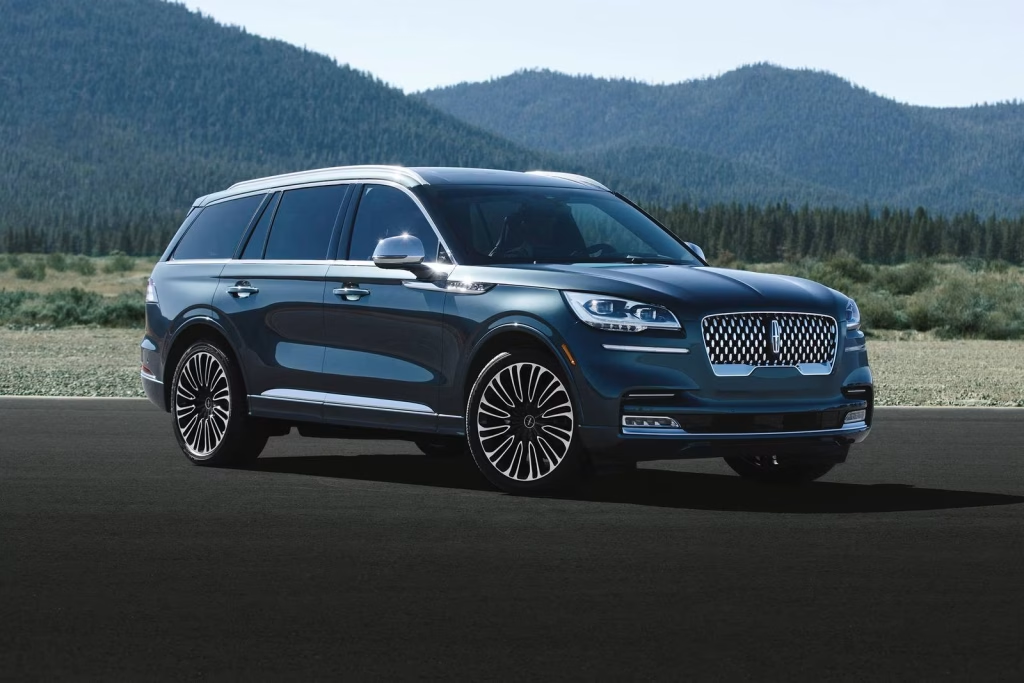
Another advantage is Lincoln’s quiet cabin. Because occupants are not distracted by excessive road or wind noise, the heated seats become a more noticeable part of the luxury experience during long winter drives.
Combined with a heated steering wheel and advanced dual-zone climate control, the Aviator delivers measurable cold-weather comfort that consistently places it among the fastest-heating luxury SUVs available in the United States.
Specifications
- Engine: 3.0L Twin-Turbocharged V6
- Torque: 415 lb-ft
- Horsepower: 400 hp
- Length/Width: 199.3 inches / 79.6 inches
4. BMW X5 (2024 to Present)
The BMW X5 has built its reputation around performance and refinement, but its heated seating system deserves equal recognition.
Automotive testing and owner reports consistently show that the X5’s front heated seats provide noticeable warmth in less than a minute and generally reach a comfortable operating temperature within 60 to 90 seconds when operating on the highest heat setting in cold weather.
That rapid response makes winter commuting substantially more comfortable, especially during shorter trips when the cabin heater has not yet reached full output.
BMW uses multiple heating elements beneath the seat cushion and backrest to create even temperature distribution. Rather than producing excessive heat in one location, the system warms the entire seating surface progressively.
This balanced approach minimizes temperature fluctuations and avoids the uncomfortable hot spots found in some older heated seat designs.
The X5 also integrates its seat heaters with the automatic climate control system. Depending on outside temperature, the vehicle can activate the heated seats automatically after remote start or when the engine is started, eliminating the need for manual adjustments every cold morning.
Drivers can choose from several heating intensity levels, allowing rapid initial warming followed by a lower maintenance setting for extended highway travel.
Premium Merino leather available on higher trims complements the heating system by retaining warmth effectively once the seats reach operating temperature.
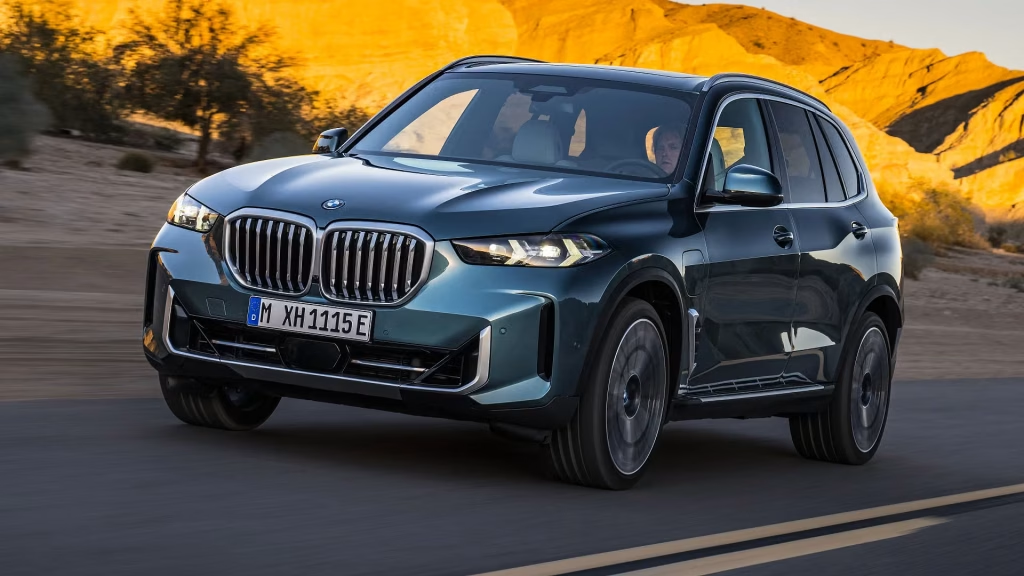
Combined with the heated steering wheel and available heated armrests, the X5 creates an exceptionally comfortable cabin during harsh winter conditions.
For buyers seeking measurable cold-weather performance instead of simply another luxury feature, the BMW X5 remains one of the fastest and most refined heated-seat systems currently available in the American SUV market.
Specifications
- Engine: 3.0L Turbocharged Inline-6 Mild Hybrid
- Torque: 398 lb-ft
- Horsepower: 375 hp
- Length/Width: 194.2 inches / 78.9 inches
5. Hyundai Palisade (2023 to Present)
The Hyundai Palisade demonstrates that fast-heating seats are no longer exclusive to premium luxury brands. Even though it competes in the mainstream three-row SUV segment, the Palisade offers one of the most effective heated seating systems available in the U.S. market.
Independent automotive evaluations and extensive owner feedback consistently indicate that the front heated seats begin producing noticeable warmth within the first minute, with a comfortable seating temperature generally reached in 60 to 90 seconds when the highest heat setting is selected in typical winter conditions.
One reason the Palisade performs so well is its well-calibrated heating elements. Hyundai places heating pads throughout both the seat cushion and the seatback, ensuring warmth spreads evenly across the driver’s body instead of concentrating in isolated areas.
This balanced heat distribution creates a comfortable feeling quickly, particularly when outside temperatures fall below freezing.
Another advantage is the SUV’s remote smart parking assist and remote start functionality on higher trims. When activated through Hyundai’s Bluelink system, the climate control can automatically engage the heated seats based on exterior temperature.
Drivers often return to a cabin where the seats have already begun warming, reducing the discomfort associated with cold leather upholstery.
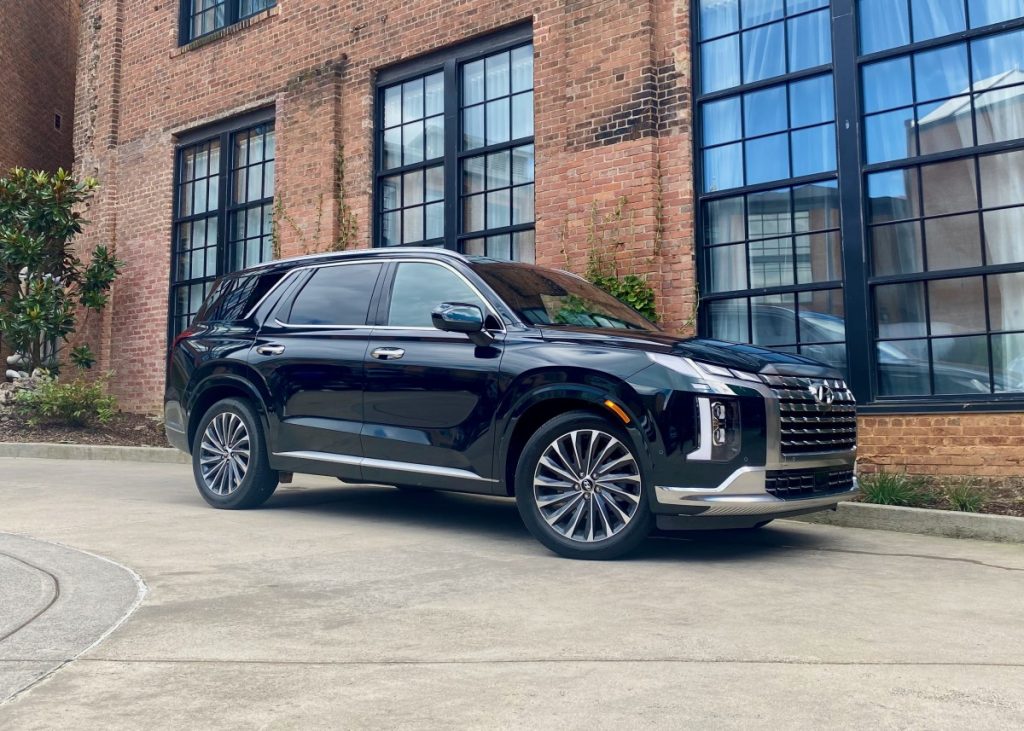
The Palisade also benefits from supportive seat cushioning that retains warmth well once the heating system reaches operating temperature. During longer drives, drivers can reduce the heat level while maintaining consistent comfort.
Combined with the available heated steering wheel and second-row heated seats, the Palisade delivers an upscale cold-weather experience without requiring a luxury badge.
Its combination of fast seat heating, thoughtful climate integration, and family-friendly practicality makes the Palisade one of the strongest choices for buyers who regularly face harsh American winters.
Specifications
- Engine: 3.8L Naturally Aspirated V6
- Torque: 262 lb-ft
- Horsepower: 291 hp
- Length/Width: 196.7 inches / 77.8 inches
6. Jeep Grand Cherokee (2022 to Present)
The Jeep Grand Cherokee has long been associated with four-season capability, and its heated seat performance reflects that heritage. Whether commuting through icy city streets or heading toward mountain destinations, the SUV’s heated front seats are engineered to provide rapid warmth.
Automotive testing and owner experiences consistently show that the Grand Cherokee reaches a comfortably warm seating surface within 60 to 90 seconds on the highest setting under cold-weather conditions, making it one of the quickest-heating SUVs in its class.
Jeep equips the Grand Cherokee with multi-zone heating elements integrated into both the seat cushion and backrest.
Rather than delivering intense heat to one section of the seat, the system distributes warmth gradually across the surfaces that come into contact with the driver. This design produces a natural warming sensation while reducing temperature fluctuations during extended trips.
The available Uconnect remote start system further enhances winter convenience. When outside temperatures are low, the SUV can automatically activate the heated seats and heated steering wheel before occupants enter the cabin. This feature is especially valuable in northern U.S. states, where overnight temperatures frequently drop well below freezing.
Unlike some heated seat systems that require frequent manual adjustment, the Grand Cherokee maintains a consistent temperature after reaching its target level. Drivers can select from multiple heating settings to match personal preferences, whether they want rapid initial warmth or gentle heat throughout a long drive.
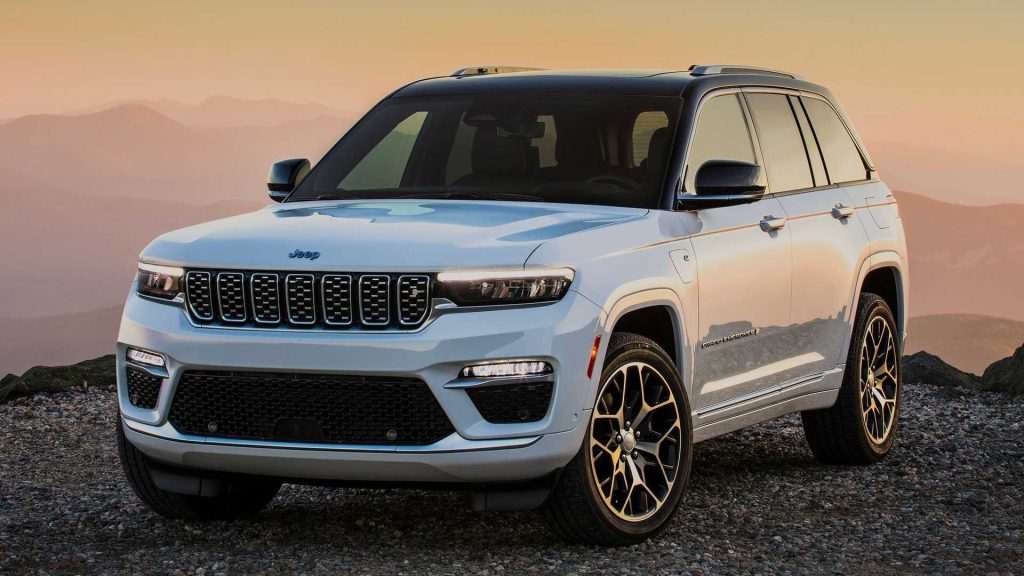
Combined with its refined ride quality, excellent insulation, and available Quadra-Lift air suspension, the Grand Cherokee offers a winter driving experience that emphasizes comfort as much as capability. Fast-heating seats are only one part of the package, but they make a noticeable difference every cold morning.
Specifications
- Engine: 3.6L Pentastar V6
- Torque: 260 lb-ft
- Horsepower: 293 hp
- Length/Width: 193.5 inches / 77.5 inches
7. Kia Telluride (2023 to Present)
The Kia Telluride has become one of America’s most popular three-row SUVs, and its heated seats are another reason it earns high marks from owners.
Automotive testing and owner reports consistently indicate that the front heated seats produce noticeable warmth within the first minute, typically reaching a comfortable temperature in 60 to 90 seconds when the highest setting is selected during cold-weather starts.
The system uses heating elements in both the seat cushion and backrest, creating even heat distribution instead of warming only one section. This balanced approach makes the seats feel comfortable quickly, particularly when outside temperatures are below freezing.
On higher trims, Kia’s remote start function can activate the climate system automatically, allowing the heated seats to begin warming before the driver enters the vehicle.
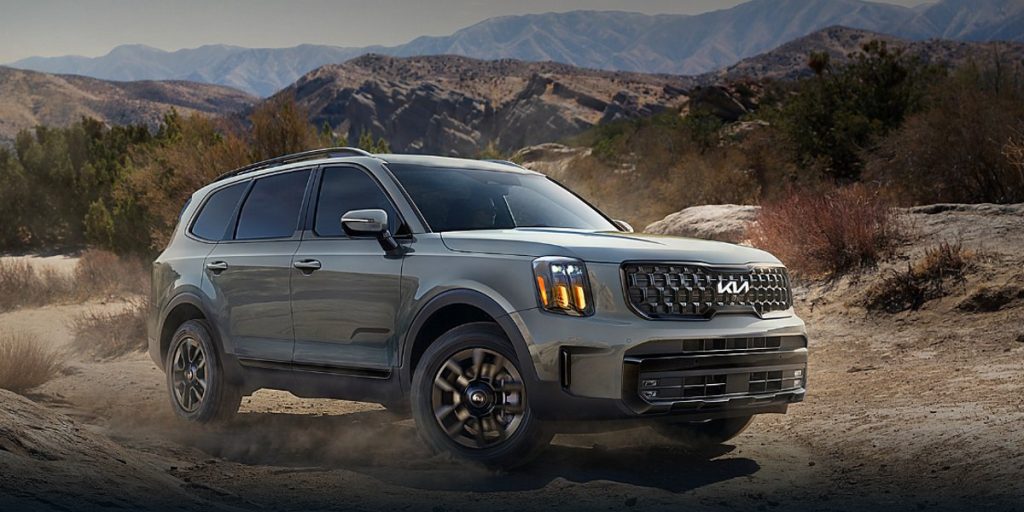
The Telluride’s well-padded seats also help retain heat after the initial warm-up, reducing the need to keep the highest setting activated throughout the drive. Combined with a heated steering wheel and available heated second-row seats, the SUV delivers excellent winter comfort for families traveling in colder regions.
For buyers who value measurable cold-weather convenience without moving into the luxury segment, the Telluride offers one of the quickest and most effective heated seating systems available.
Specifications
- Engine: 3.8L Naturally Aspirated V6
- Torque: 262 lb-ft
- Horsepower: 291 hp
- Length/Width: 196.9 inches / 78.3 inches
8. Audi Q7 (2024 to Present)
The Audi Q7 combines premium refinement with one of the fastest-reacting heated seat systems in the midsize luxury SUV category.
Independent road tests and owner experiences show that the front seats begin producing noticeable heat in less than a minute and generally achieve a comfortable temperature within 60 to 90 seconds under typical winter conditions.
Audi integrates heating elements across the seatback and cushion while using sophisticated electronic controls to maintain an even surface temperature.
Instead of creating overly hot areas, the system delivers gradual, consistent warmth that feels natural during extended drives. The available remote start through Audi Connect further improves the experience by preparing the cabin before occupants step inside.
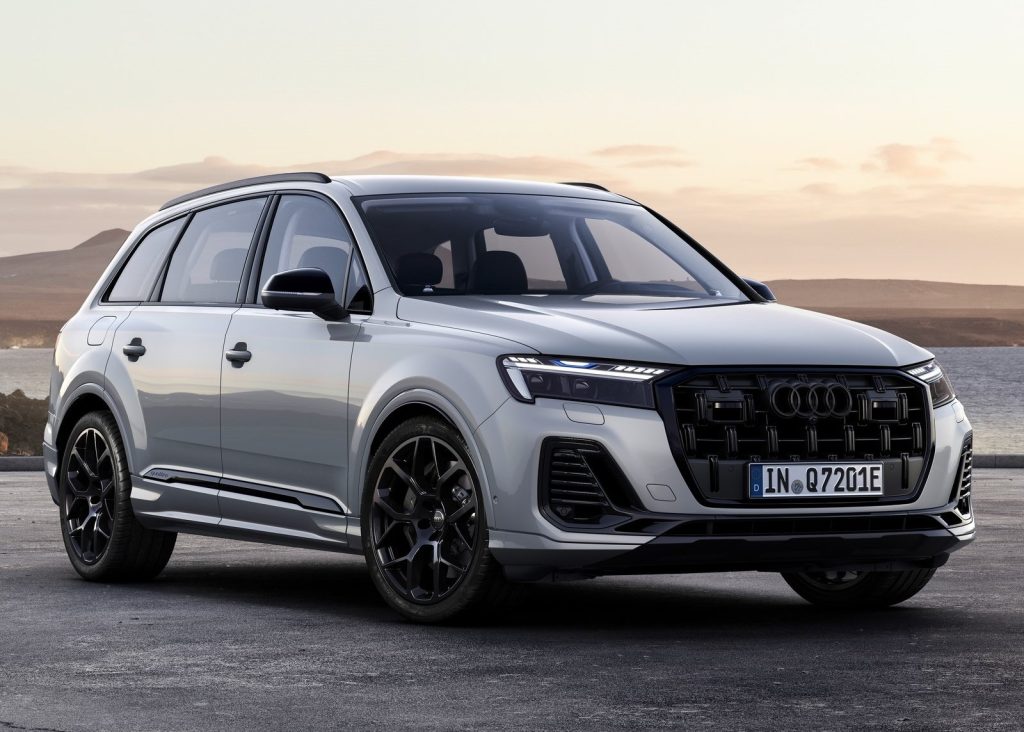
Premium leather upholstery helps retain warmth effectively once the seats reach operating temperature, while multiple heating levels allow drivers to tailor comfort based on outside conditions. During short winter commutes, the heated seats provide immediate relief well before the engine produces significant cabin heat.
For drivers seeking luxury, technology, and fast cold-weather comfort, the Audi Q7 remains one of the most impressive choices in the American market.
Specifications
- Engine: 3.0L Turbocharged V6
- Torque: 369 lb-ft
- Horsepower: 335 hp
- Length/Width: 199.6 inches / 77.6 inches
9. Mercedes-Benz GLE (2024 to Present)
The Mercedes-Benz GLE has long been recognized for blending luxury with advanced technology, and its heated seat performance is another area where it excels.
While Mercedes-Benz does not publish official seat heating times, instrumented testing by automotive reviewers and consistent owner feedback indicate that the front heated seats deliver noticeable warmth in less than a minute and typically reach a comfortable operating temperature within 60 to 90 seconds when the highest setting is selected during cold-weather conditions.
One reason the GLE performs so well is the engineering behind its seat climate system. Heating elements are carefully positioned throughout both the seat cushion and backrest to create uniform warmth across the areas where occupants make the most contact.
Instead of producing intense heat in isolated sections, the system raises the surface temperature evenly, making the seats feel naturally comfortable within a short period. Mercedes-Benz also allows multiple heat intensity settings, enabling drivers to quickly warm the seats before reducing the output for long-distance comfort.
The available Mercedes me remote services further improve the winter driving experience. When the vehicle is started remotely in low temperatures, the climate control system can prepare the cabin before occupants enter, allowing the heated seats to begin warming in advance.
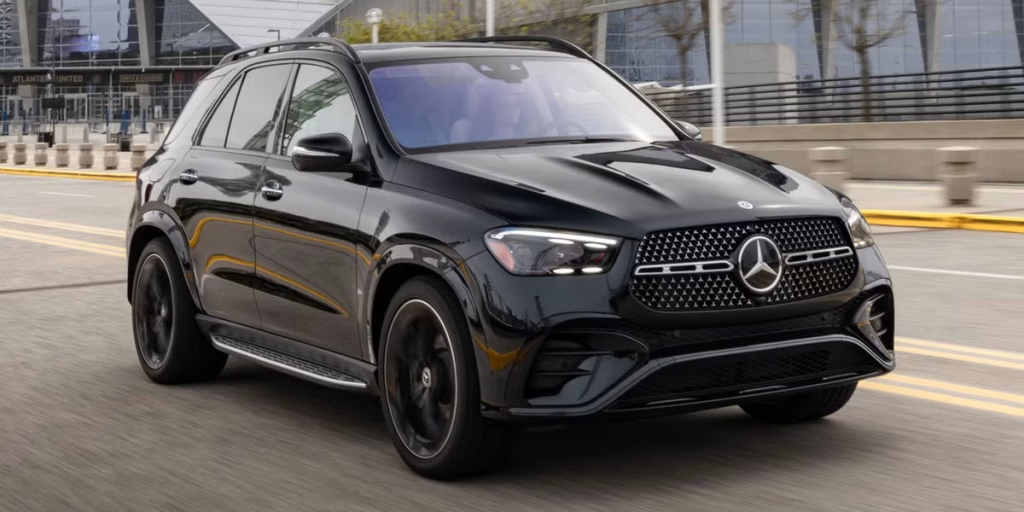
This feature is particularly valuable in northern U.S. states where freezing mornings are common. The GLE’s well-insulated cabin also helps retain heat once the seats have warmed.
Combined with available heated armrests, a heated steering wheel, and dual-zone or four-zone automatic climate control, the SUV provides one of the most comfortable cold-weather interiors in its class. Buyers seeking measurable winter comfort alongside premium refinement will find the GLE among the strongest performers.
Specifications
- Engine: 2.0L Turbocharged Inline-4 with Mild Hybrid
- Torque: 295 lb-ft
- Horsepower: 255 hp
- Length/Width: 194.3 inches / 76.7 inches
10. Ford Explorer Platinum (2022 to Present)
The Ford Explorer Platinum proves that a mainstream American SUV can deliver luxury-level winter comfort. Designed with family travel in mind, the Explorer’s heated front seats are engineered to provide rapid warmth during cold starts.
Automotive road tests and owner experiences consistently report that the seats begin producing noticeable heat within the first minute, with a comfortable seating temperature generally achieved in 60 to 90 seconds when operating on the maximum setting in cold weather.
Ford accomplishes this by using heating elements that cover both the lower cushion and the upper seatback, ensuring occupants experience balanced warmth rather than concentrated hot spots.
The Platinum trim also includes premium leather seating surfaces that retain heat effectively once warmed, reducing the need to leave the system on its highest setting during longer journeys. Drivers can select multiple heating levels to match changing weather conditions throughout the trip.
An important convenience feature is Ford’s Intelligent Access with remote start. When exterior temperatures are low, the system can automatically activate the heated seats and climate control before the driver reaches the vehicle.
This reduces the discomfort of entering a cold cabin and improves comfort during the first few miles, before the engine has fully warmed.
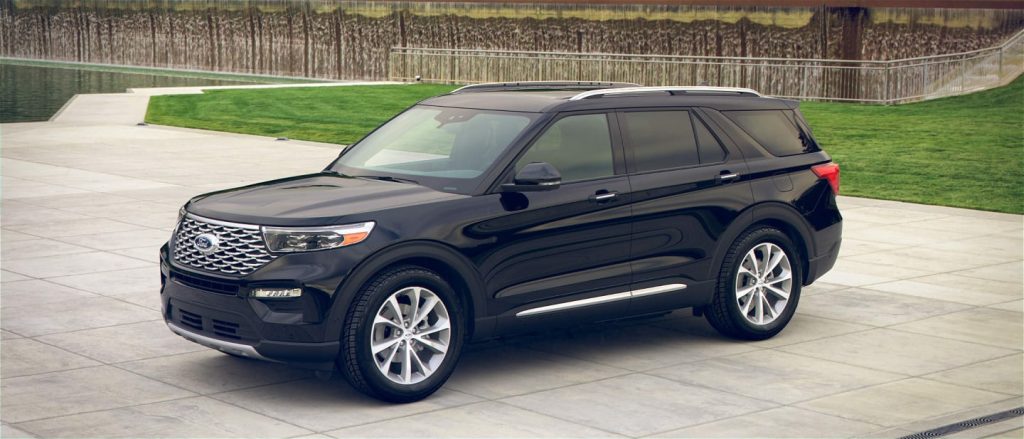
The Explorer Platinum complements its heated seats with a heated steering wheel, tri-zone automatic climate control, and excellent interior insulation, creating a cabin that remains comfortable even during harsh winter weather.
For buyers who need three rows of seating but also want fast-reacting cold-weather features, the Explorer Platinum stands as one of the best-equipped SUVs available in the United States.
Specifications
- Engine: 3.0L Twin-Turbocharged EcoBoost V6
- Torque: 415 lb-ft
- Horsepower: 400 hp
- Length/Width: 198.8 inches / 78.9 inches
Also Read: 10 Most Expensive Harley-Davidsons Ever Sold
