
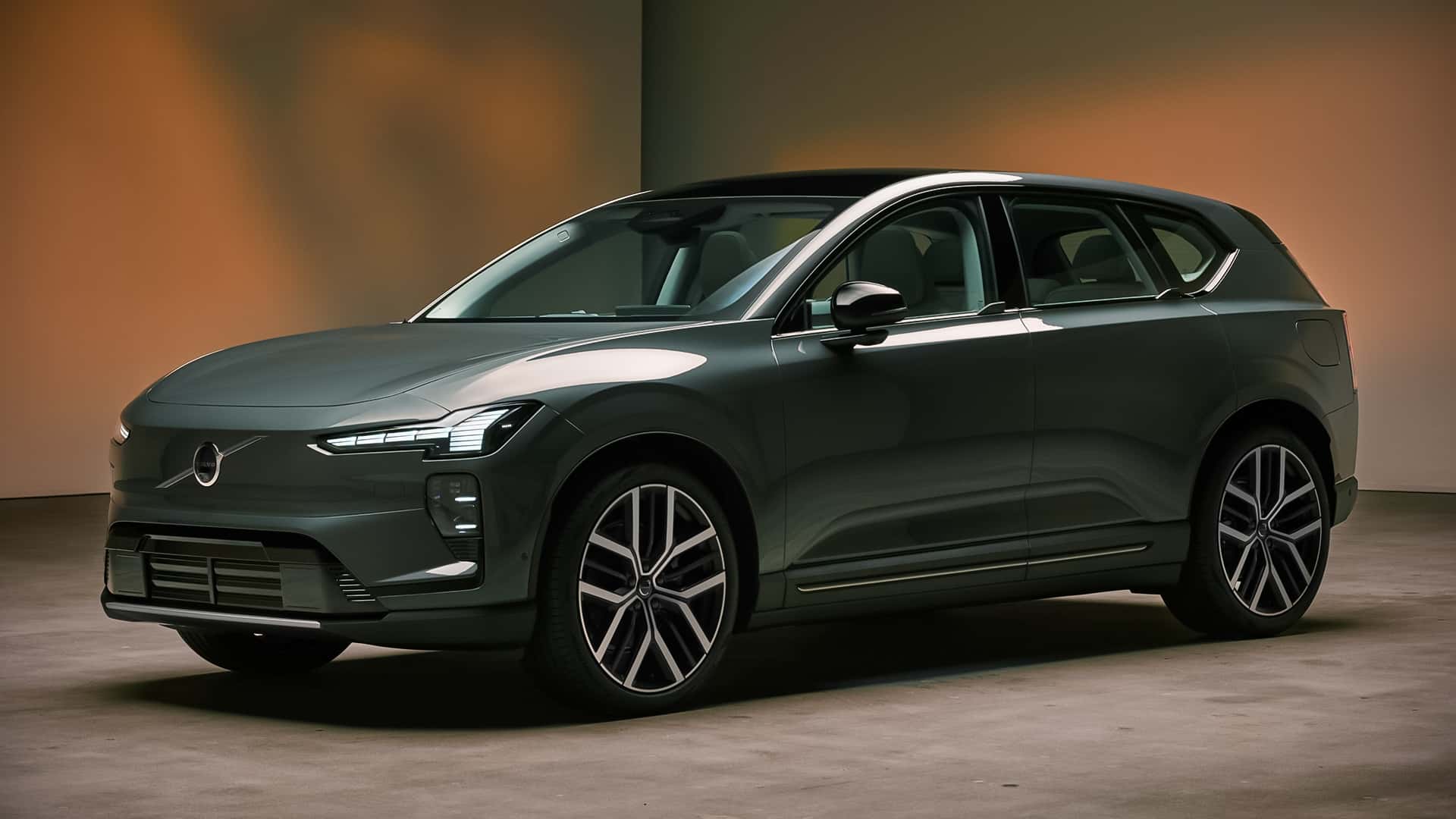
Volvo’s upcoming EX60 electric SUV has moved another step closer to production as fresh prototype sightings reveal additional design and engineering details during final road testing.
According to reports from Auto Express and Autocar, heavily camouflaged development vehicles have been photographed undergoing testing in Europe, offering the clearest look yet at what is expected to become one of Volvo’s most important electric vehicles of the decade.
The EX60 will occupy a critical position in Volvo’s expanding battery-electric lineup. Positioned between the compact EX40 and the larger EX90, the midsize SUV is expected to replace the long-running XC60 as the company continues its transition toward an all-electric future.
The XC60 has consistently ranked among Volvo’s best-selling vehicles worldwide, making its electric successor one of the brand’s most closely watched upcoming launches.
Although Volvo continues to conceal many production details beneath camouflage, recent prototype testing has provided valuable insight into the SUV’s proportions, platform, lighting design, suspension setup, and aerodynamic development.
These observations indicate that the EX60 will introduce several new technologies while maintaining the Scandinavian styling philosophy that has become synonymous with the Volvo brand.
The latest sightings also demonstrate that development is progressing toward the final validation phase before the vehicle’s official debut, suggesting Volvo is entering the final stages of engineering refinement.
Also Read: 8 Motorcycle Brands With the Most Reported Problems
Prototype Testing Enters an Advanced Stage
According to Auto Express and Autocar, the latest prototypes display fewer camouflage elements than earlier development vehicles, indicating that Volvo is becoming increasingly confident in the production-ready design.
Automakers typically remove camouflage gradually as engineering programs mature. Earlier prototypes often conceal nearly every exterior panel, while later-stage vehicles expose more production bodywork as designers finalize styling details.
The EX60 prototypes appear to feature finished body panels, production lighting elements, and final wheel designs beneath strategically placed camouflage coverings. Engineers continue evaluating the vehicle under a variety of driving conditions, including public roads and high-speed testing facilities.
Industry observers note that the current prototypes appear significantly closer to showroom-ready specification than those photographed earlier in development.
Familiar Volvo Styling With Modern Updates
Although camouflage continues to hide many details, the latest images reveal several styling characteristics expected to define the EX60. The SUV adopts Volvo’s clean Scandinavian design language while incorporating features introduced on newer electric models such as the EX30 and EX90.
A smooth front fascia without a traditional grille reinforces its electric identity, while slim lighting elements appear to incorporate the latest interpretation of Volvo’s signature Thor’s Hammer daytime running lights.
The side profile suggests a streamlined silhouette with flush door handles, aerodynamic mirrors, and carefully sculpted body surfaces intended to improve efficiency. At the rear, camouflage conceals much of the tailgate, but prototype images indicate vertically oriented taillights similar to those found on other recent Volvo SUVs.
The design appears evolutionary rather than revolutionary, preserving Volvo’s recognizable appearance while modernizing it for the company’s next generation of electric vehicles.
Built on Volvo’s Next-Generation SPA3 Platform
One of the most significant aspects of the EX60 is what lies beneath its bodywork. According to reports from Autocar, the SUV is expected to become the first production model built on Volvo’s new SPA3 platform, replacing the current SPA2 architecture used by larger electric models.
The next-generation platform has been developed to improve manufacturing efficiency while supporting advances in battery technology, software integration, safety systems, and vehicle packaging.
Engineers are expected to use a more modular design that allows multiple vehicle sizes to share common engineering components without compromising performance or interior space.
Industry analysts believe SPA3 will become the foundation for numerous future Volvo electric vehicles throughout the remainder of the decade. The EX60 therefore represents not only a new model but also the beginning of Volvo’s next generation of vehicle architecture.
Aerodynamics and Efficiency Receive Greater Focus
The latest prototypes also highlight Volvo’s growing emphasis on aerodynamic efficiency. Compared with previous Volvo SUVs, the EX60 appears to feature a smoother roofline, carefully integrated spoilers, flush exterior components, and optimized airflow around the body.
Aerodynamics play a critical role in electric vehicle performance because reducing drag directly improves driving range and energy efficiency. Manufacturers increasingly invest substantial engineering resources into airflow management rather than relying solely on larger battery packs to extend range.
Although Volvo has not released official efficiency figures, industry experts expect the EX60 to benefit significantly from these aerodynamic improvements. Combined with advances in battery technology, these refinements should help deliver competitive real-world range while reducing energy consumption during highway driving.
Expected Technology and Interior Features
While prototype photographs primarily reveal exterior development, the EX60 is widely expected to introduce Volvo’s latest digital technologies inside the cabin.
Industry reports suggest the SUV will feature a large central touchscreen, advanced voice controls, over-the-air software updates, cloud-connected navigation, and expanded driver-assistance capabilities.
Volvo has consistently emphasized software as an increasingly important part of vehicle ownership, allowing new functions and performance improvements to be delivered long after customers take delivery.
The company is also expected to continue its focus on sustainable interior materials, minimalist Scandinavian design, and ergonomic seating that has become a hallmark of recent Volvo products.
Safety technology will remain a major priority, with the EX60 anticipated to incorporate next-generation sensor systems, collision avoidance features, and enhanced driver monitoring.
Replacing One of Volvo’s Most Important Models
The EX60 carries considerable responsibility within Volvo’s global lineup. For years, the XC60 has ranked among the company’s highest-volume vehicles, appealing to families seeking a premium midsize SUV combining safety, practicality, and luxury.
Transitioning such an important model to a fully electric platform represents one of Volvo’s most significant product decisions.
Success will depend on maintaining the qualities that made the XC60 popular while offering meaningful improvements in performance, efficiency, digital technology, and ownership experience.
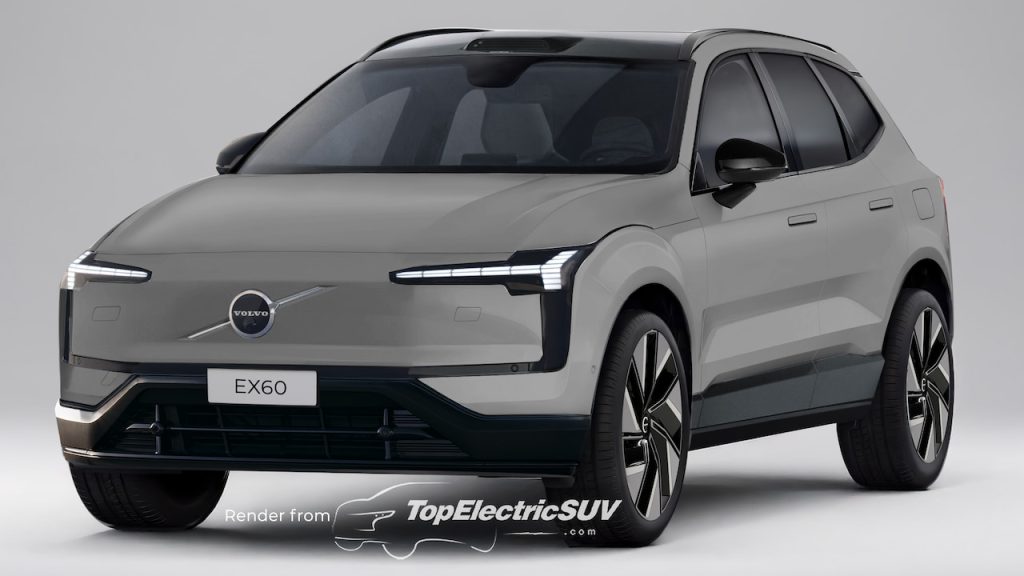
Industry analysts believe the midsize luxury SUV segment will remain one of the largest opportunities for premium EV manufacturers during the coming decade. That makes the EX60 one of Volvo’s most strategically important upcoming launches.
When the EX60 reaches production, it will enter one of the automotive industry’s most competitive segments.
The vehicle is expected to compete against premium electric SUVs, including the BMW iX3 successor, Audi Q6 e-tron, Mercedes-Benz GLC EV, Porsche Macan Electric, Genesis Electrified GV70, Lexus RZ, and several rapidly expanding offerings from Chinese manufacturers.
Competition now extends beyond performance and driving range to include charging speed, software capability, digital services, battery durability, and ownership experience. Volvo believes its long-standing reputation for safety, Scandinavian design, and practical luxury will help distinguish the EX60 from its competitors.
The introduction of the SPA3 platform may also provide engineering advantages that support future software updates and battery improvements throughout the vehicle’s lifecycle.
What the Prototype Testing Suggests About the Launch Timeline
Automotive analysts generally consider extensive public-road prototype testing to be one of the final milestones before a vehicle makes its official debut.
The reduced camouflage visible on the latest EX60 prototypes indicates that major engineering decisions have largely been finalized, allowing development teams to concentrate on validation, durability testing, software refinement, and regulatory certification.
Although Volvo has not confirmed an official launch date, the continued increase in prototype activity suggests preparations for the production model are progressing steadily. As additional testing vehicles appear in public, more production details are likely to emerge before Volvo formally introduces the SUV.
The latest prototype sightings of the Volvo EX60 provide the clearest indication yet of how the company intends to evolve one of its most successful vehicle segments.
According to Auto Express and Autocar, the development program is entering an advanced phase, revealing a vehicle that combines familiar Scandinavian styling with new engineering, improved aerodynamics, and the next-generation SPA3 electric platform.
The EX60 is expected to become much more than simply an electric replacement for the XC60. It represents the next stage of Volvo’s broader electrification strategy, introducing technologies and manufacturing approaches that will influence future models across the company’s lineup.
As testing continues ahead of its official debut, the EX60 remains one of the most anticipated premium electric SUVs on the horizon.
Its success will be closely watched by competitors and consumers alike, as Volvo seeks to strengthen its position in the rapidly evolving luxury EV market with a vehicle designed to define the brand’s future direction.
Also Read: Nissan Recalls More Than 168,000 Armada and Infiniti SUVs Over Incorrect Weight Labels
