
Choosing a first motorcycle can feel confusing because beginners often receive advice from experienced riders who have different preferences and riding styles. Professional riding instructors usually focus on safety, confidence, comfort, and control rather than choosing the fastest or most exciting machine.
A suitable starter bike should help a new rider develop proper habits while making every ride enjoyable. Motorcycle Safety Foundation coaches often recommend models that are predictable, manageable, affordable, and forgiving.
These motorcycles allow beginners to learn essential skills before moving toward larger machines. The right first bike can create a strong foundation for years of safe riding.
Also Read: 10 EVs Ranked by Charging Speed
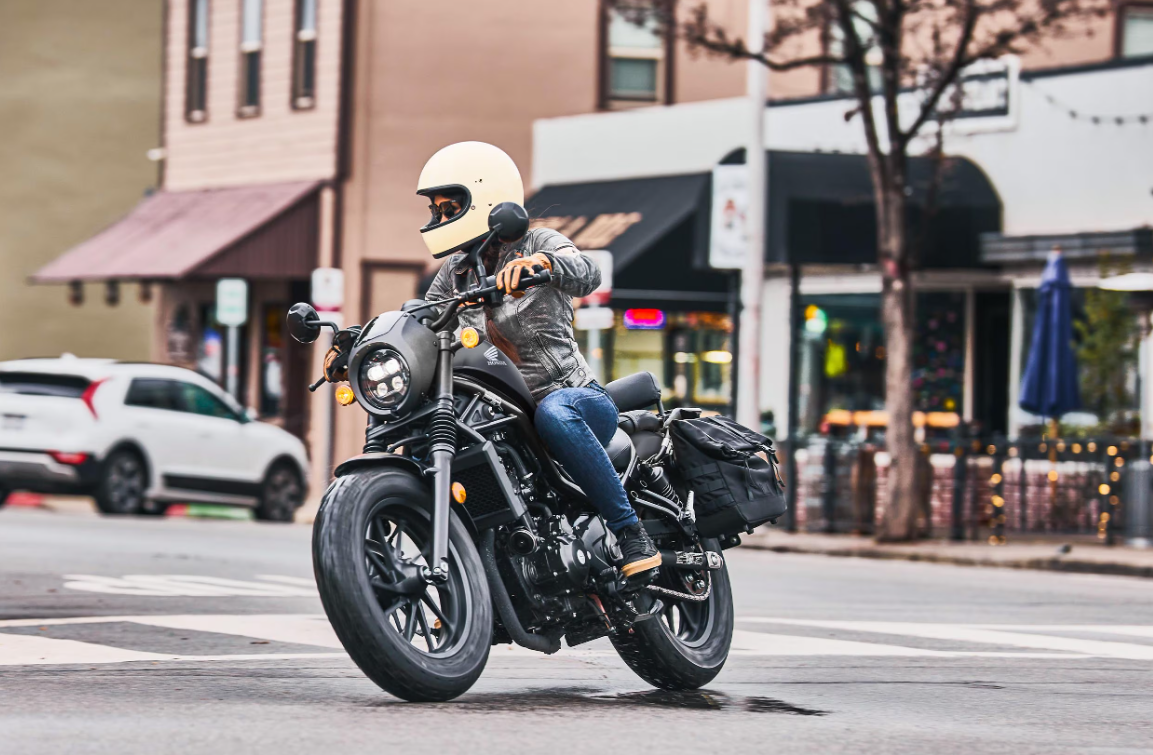
- Engine: 286cc liquid-cooled single-cylinder engine/ 471cc liquid-cooled parallel-twin engine
- Horsepower: Approximately 25 hp/ Approximately 46 hp
- Torque: Approximately 19.9 lb-ft (27 Nm)/ Approximately 32.9 lb-ft (44.7 Nm)
- Length: 82.6 inches (2,100 mm)/ 85.0 inches (2,160 mm)
- Width: 32.6 inches (828 mm)/ 32.8 inches (835 mm)
1. Honda Rebel 300 and Rebel 500
The Honda Rebel series has become a popular recommendation among motorcycle instructors because it combines approachable handling with a comfortable riding position.
The Rebel 300 offers beginner-friendly performance, while the Rebel 500 provides extra power that can remain useful as a rider gains experience. Both models feature a low seat height, making them comfortable for many new riders who may feel uncertain balancing a taller motorcycle.
The lightweight design of the Rebel helps beginners develop confidence during slow-speed maneuvers. Parking lots, tight turns, and traffic situations become easier when a motorcycle feels easy to manage.
Many new riders struggle with heavy bikes because small balance mistakes become difficult to correct. The Rebel’s design helps reduce that learning barrier by providing a stable and predictable riding experience.
The riding position also contributes to its popularity. The handlebars, seat, and foot controls create a relaxed posture that works well for everyday riding.
Beginners can focus on road awareness and control techniques without feeling physically uncomfortable during longer sessions. Comfort plays a major role in learning because riders who feel relaxed are more likely to practice consistently.
The Honda Rebel 500 is particularly attractive for riders who want a motorcycle they will not outgrow quickly. Its parallel twin engine provides smooth acceleration without delivering the aggressive response found in larger performance motorcycles.
Many riders can continue enjoying this model after their beginner stage because it works well for commuting, weekend rides, and casual touring.
Maintenance and reliability are additional reasons instructors often suggest Honda motorcycles. Honda has built a reputation for producing durable machines that require straightforward care.
New riders benefit from owning a motorcycle that starts easily, performs consistently, and does not demand advanced mechanical knowledge. The Rebel series remains a strong option for anyone seeking a dependable first motorcycle.
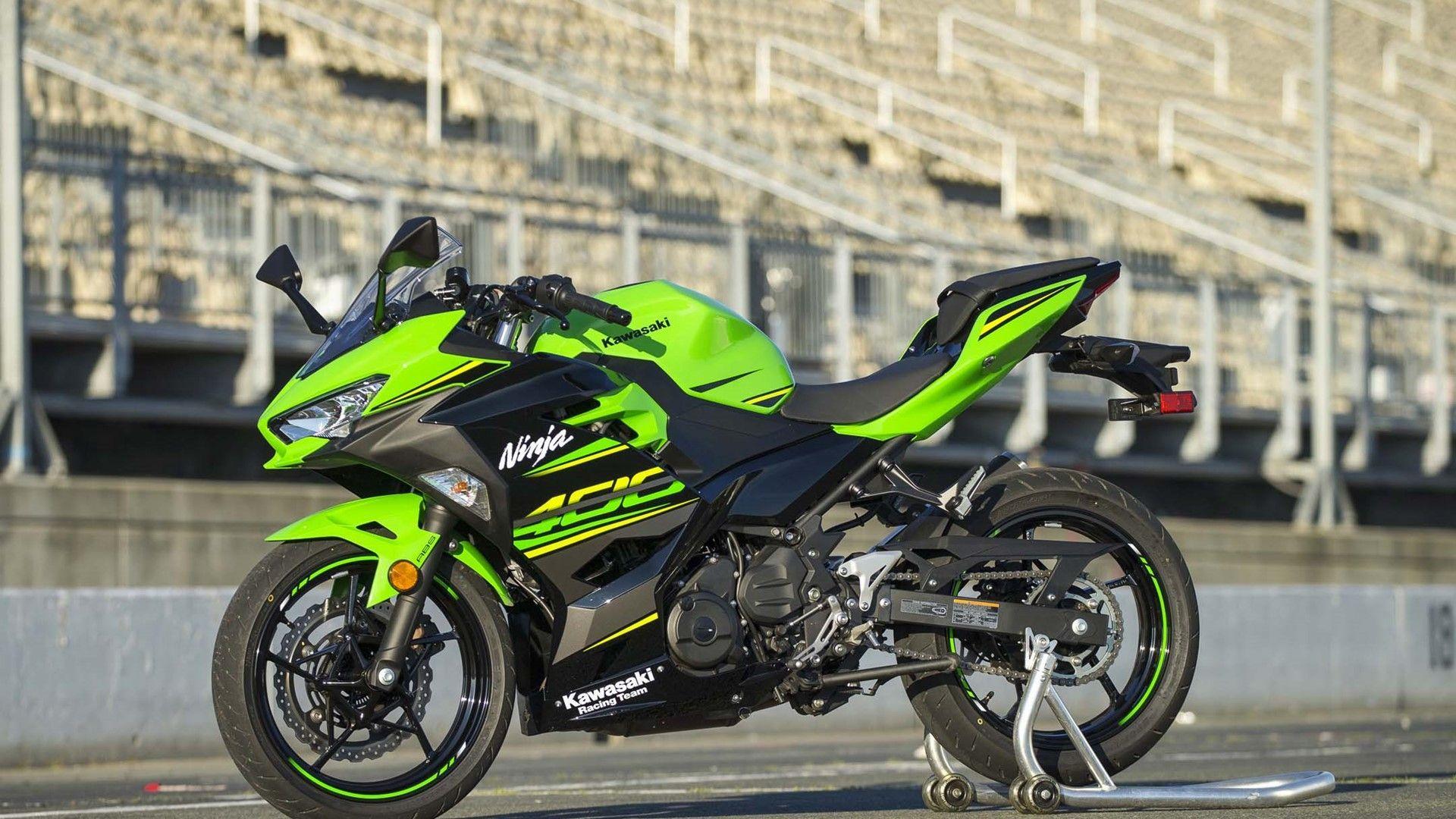
- Engine: 399cc liquid-cooled parallel-twin engine
- Horsepower: Approximately 44.8 hp
- Torque: Approximately 28 lb-ft (38 Nm)
- Length: 78.3 inches (1,990 mm)
- Width: 28.0 inches (710 mm)
2. Kawasaki Ninja 400
The Kawasaki Ninja 400 is frequently recommended by riding instructors for beginners who are interested in a sport-style motorcycle. Some new riders are attracted to the appearance of racing motorcycles but need a machine that remains manageable.
The Ninja 400 provides the aggressive styling many riders want while maintaining friendly performance characteristics suitable for learning.
The motorcycle uses a lightweight chassis and a responsive engine that helps riders develop proper control techniques. New riders can practice cornering, braking, and throttle management without dealing with excessive power.
The motorcycle feels energetic enough to remain enjoyable while still providing a comfortable learning environment.
A major advantage of the Ninja 400 is its handling. Sport motorcycles often have a reputation for demanding riding positions, but this model offers a balanced setup that works well for beginners.
The seating position is slightly forward compared with standard motorcycles, yet it remains comfortable for everyday use. This allows riders to experience sport riding characteristics without entering an uncomfortable riding position.
The engine performance makes the Ninja 400 suitable for different riding situations. It has enough power for highway use while remaining predictable at lower speeds. Beginners often appreciate having a motorcycle that can handle commuting, city traffic, and weekend rides without feeling limited. This versatility helps riders continue developing their skills over time.
Riding instructors often emphasize that confidence comes from practice, and the Ninja 400 supports regular riding. Its manageable size encourages beginners to spend more time on the road improving their abilities.
A motorcycle that feels exciting yet controllable can motivate new riders to continue learning and building experience safely.
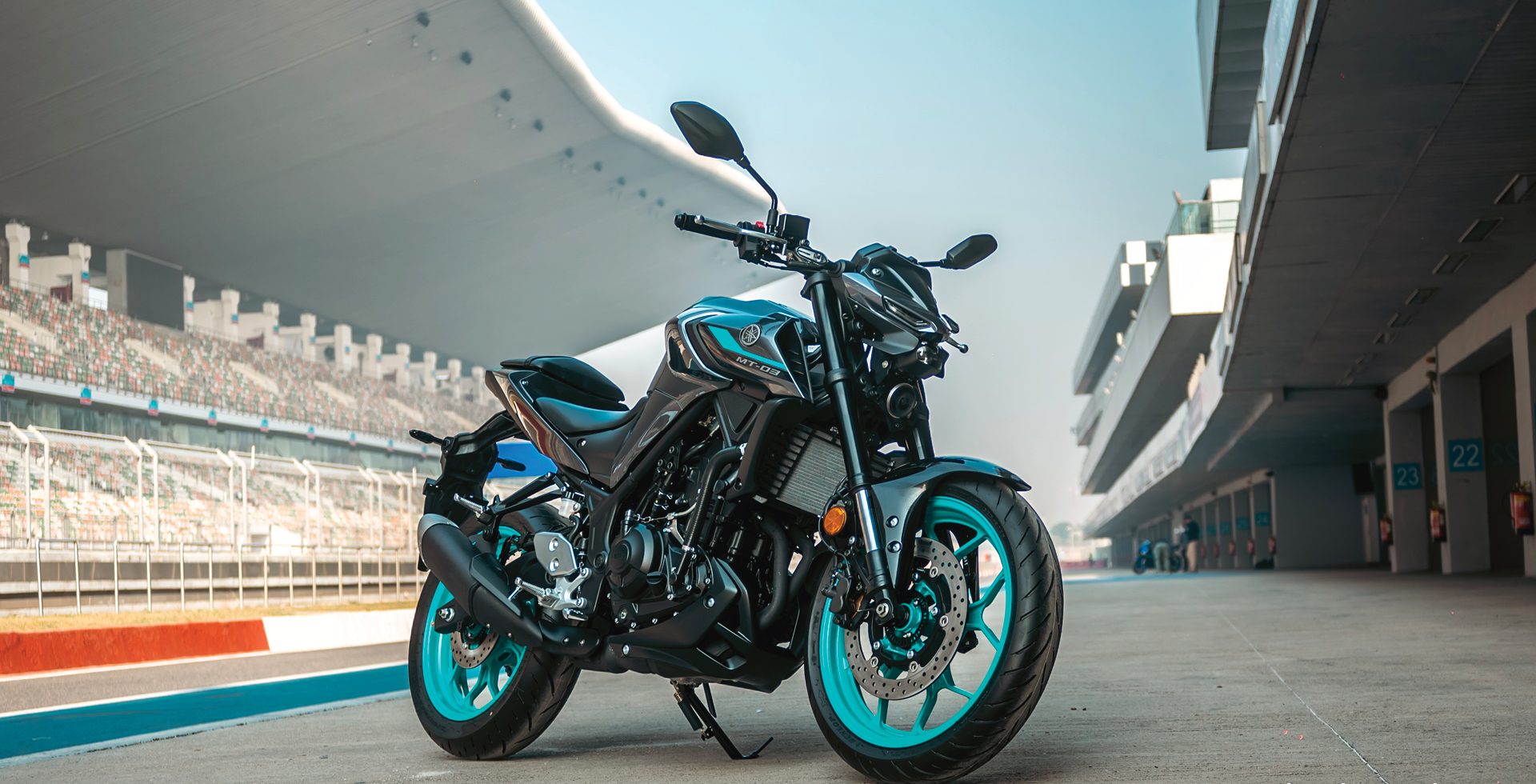
- Engine: 321cc liquid-cooled twin-cylinder engine
- Horsepower: Approximately 41 hp
- Torque: Approximately 21.8 lb-ft (29.6 Nm)
- Length: 82.3 inches (2,090 mm)
- Width: 28.7 inches (730 mm)
3. Yamaha MT-03
The Yamaha MT-03 is another motorcycle that many riding instructors consider a strong choice for new riders. It combines lightweight construction, comfortable ergonomics, and smooth performance in a package that feels approachable.
The motorcycle belongs to Yamaha’s popular MT lineup, which focuses on practical street performance rather than extreme speed. For beginners who want a modern-looking motorcycle with easy handling, the MT-03 offers a balanced experience.
The biggest advantage of the MT-03 is how naturally it responds to rider input. Beginners often need time to understand how steering, throttle control, and body position work together.
A motorcycle that reacts smoothly helps new riders build those connections. The MT-03’s engine delivers power in a controlled manner, allowing riders to practice acceleration and shifting without feeling overwhelmed.
Weight plays a major role in a beginner’s comfort level, and the MT-03 performs well in this area. A lighter motorcycle is easier to move around a garage, easier to control during slow-speed exercises, and less intimidating when stopping or starting.
Many new riders feel nervous about handling a motorcycle at low speeds, but a manageable design can quickly improve confidence.
The riding position is also suitable for daily use. The handlebars provide an upright posture, giving riders good visibility and comfort during city riding. Beginners benefit from being able to see traffic clearly and maintain a relaxed position. A comfortable motorcycle encourages more practice, which is essential for improving skills and becoming a safer rider.
The MT-03 also offers strong reliability and reasonable ownership costs. Yamaha motorcycles are known for durability, and this model requires routine maintenance rather than complicated care.
For a first motorcycle, having predictable expenses and dependable performance can make ownership much easier. Many riders who start with the MT-03 continue enjoying it even after gaining more experience because it remains practical and enjoyable.
- Engine: 645cc liquid-cooled 90-degree V-twin engine
- Horsepower: Approximately 75 hp
- Torque: Approximately 47 lb-ft (64 Nm)
- Length: 83.9 inches (2,135 mm)
- Width: 29.9 inches (760 mm)
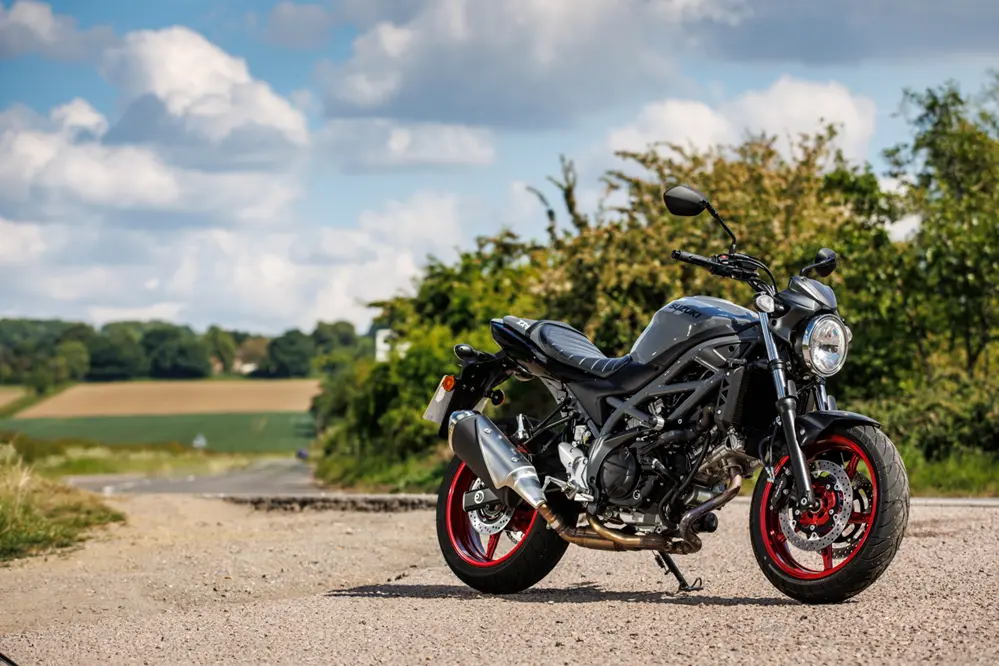
4. Suzuki SV650
The Suzuki SV650 has been recommended by experienced riders and instructors for many years because it offers a combination of beginner-friendly behavior and long-term capability.
While it has more engine capacity than many entry-level motorcycles, its smooth power delivery makes it approachable for responsible beginners. It is often considered a motorcycle that a rider can grow with rather than quickly replace.
The V-twin engine is a major part of the SV650’s character. It produces strong but predictable power, allowing riders to learn throttle control and riding techniques gradually.
Unlike high-performance motorcycles that can react aggressively to small mistakes, the SV650 provides a smoother experience. This makes it suitable for riders who want a motorcycle that remains useful as their abilities improve.
The motorcycle’s handling is another reason it receives praise from instructors. The chassis feels stable while still allowing easy direction changes. Beginners need a motorcycle that gives clear feedback when cornering and braking. The SV650 provides that communication between the rider and the machine, helping develop skills that transfer to other motorcycles later.
Comfort is also a strong point. The riding position is neutral, which makes it suitable for commuting, longer rides, and everyday transportation.
New riders often discover that a motorcycle’s comfort affects how often they ride. A machine that feels natural encourages more seat time, which leads to a better experience and improved confidence.
The SV650 may not be the smallest beginner motorcycle, but it demonstrates an important lesson: the best first bike depends on the rider’s maturity, physical ability, and willingness to learn.
A responsible rider who takes professional training can handle a motorcycle like this successfully. Its combination of reliability, comfort, and usable performance has kept it popular among many generations of riders.
- Engine: 399cc liquid-cooled parallel-twin engine
- Horsepower: Approximately 44.8 hp
- Torque: Approximately 28 lb-ft (38 Nm)
- Length: 78.3 inches (1,990 mm)
- Width: 30.7 inches (780 mm)
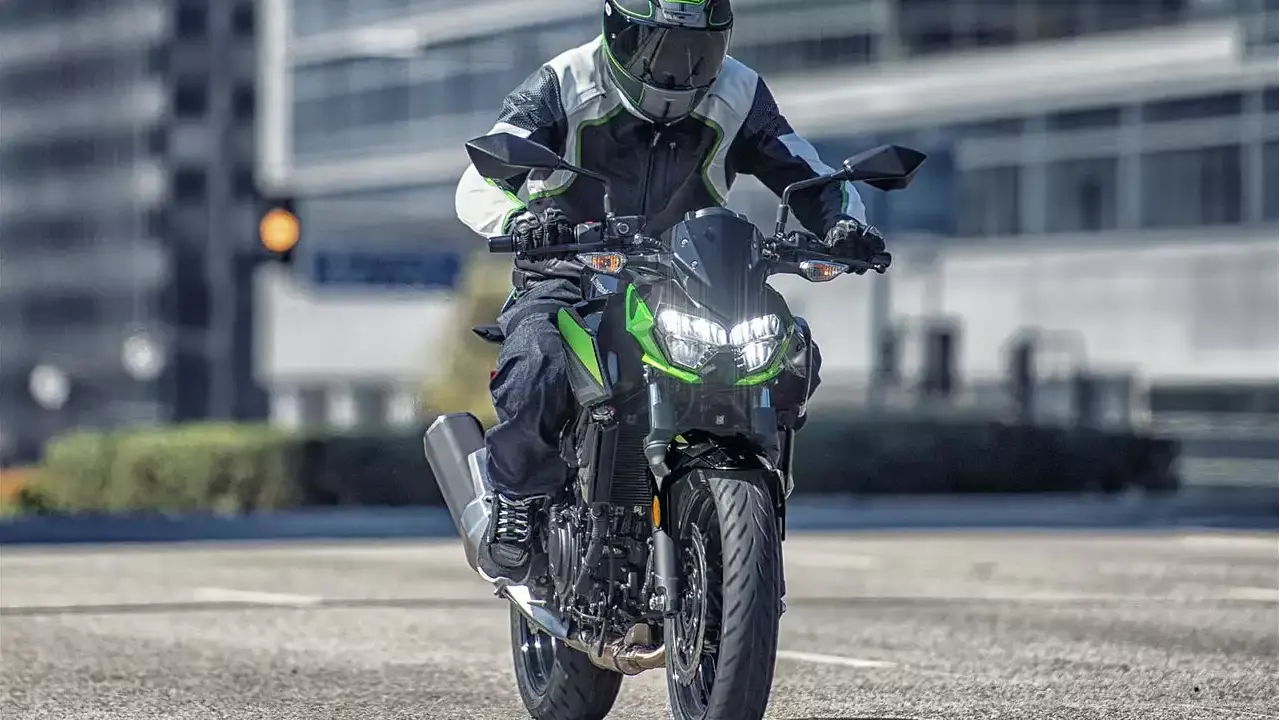
5. Kawasaki Z400
The Kawasaki Z400 is another motorcycle that fits the needs of many beginner riders. It shares mechanical similarities with the Ninja 400 but uses a more upright street-focused design.
This makes it attractive for riders who want easy handling, modern styling, and comfortable everyday performance without the committed posture of a sport motorcycle.
The upright seating position gives beginners a strong sense of control. New riders often benefit from having their upper body positioned naturally because it allows easier movement and better visibility. The Z400 encourages relaxed riding habits, which are important when learning traffic awareness and motorcycle control.
The engine provides enough performance for different environments while remaining approachable. Riders can comfortably navigate city streets, suburban roads, and highways while continuing to develop their skills.
The motorcycle responds well to smooth throttle use, making it easier for beginners to understand acceleration and gear management.
The lightweight design makes the Z400 especially friendly during training exercises. New riders commonly practice slow turns, emergency stops, and balance drills during motorcycle courses. A lighter motorcycle reduces physical strain and helps riders focus on technique. The Z400’s manageable size makes these exercises less intimidating.
Another benefit of the Z400 is its appearance and practicality. Many beginners want a motorcycle that looks exciting while still being suitable for learning. The Z400 provides aggressive styling without requiring advanced riding ability. It represents a good balance between enjoyment and control, which is why many experienced riders consider it a smart starting point.
- Engine: 471cc liquid-cooled parallel-twin engine
- Horsepower: Approximately 47 hp
- Torque: Approximately 31.7 lb-ft (43 Nm)
- Length: 81.3 inches (2,065 mm)
- Width: 31.1 inches (790 mm)
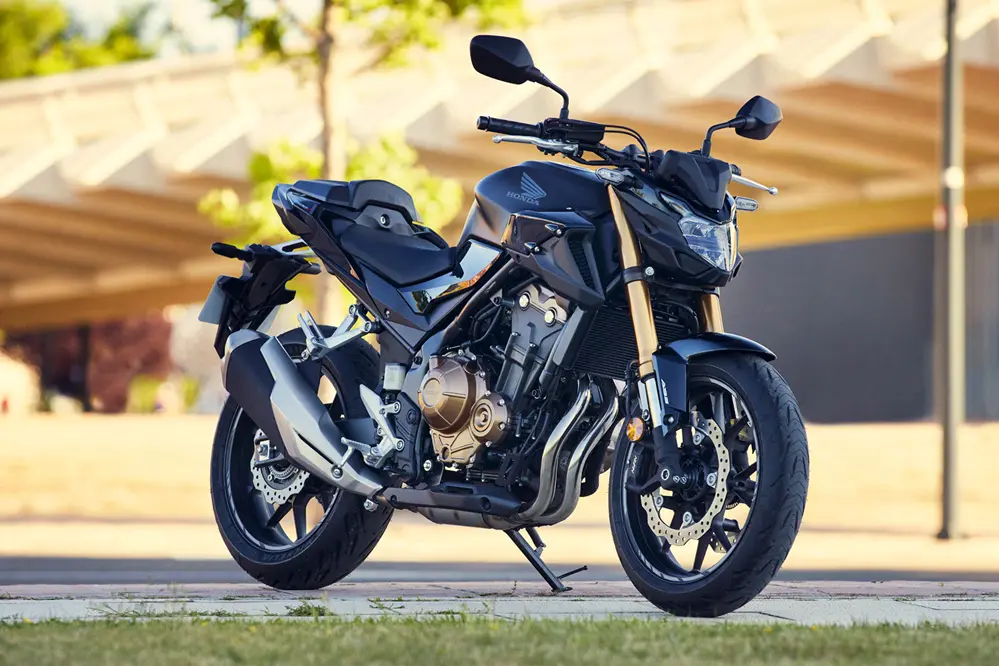
6. Honda CB500F
The Honda CB500F is frequently recommended by experienced riders and instructors because it offers a practical combination of comfort, reliability, and manageable performance.
It sits between smaller beginner motorcycles and larger middleweight machines, giving riders enough capability to handle different situations while remaining approachable. For beginners who want a motorcycle that can serve them for many years, the CB500F is a strong option.
The parallel twin engine is designed with smooth power delivery in mind. New riders benefit from an engine that responds predictably because it allows them to focus on proper riding techniques.
The CB500F does not demand aggressive inputs, and its power delivery feels controlled during everyday riding. This makes it easier for beginners to practice throttle management and develop smoother habits.
The motorcycle’s neutral riding position is another advantage. The handlebars, seat height, and footpeg placement create a comfortable setup for commuting and longer rides.
Beginners often spend more time improving when their motorcycle feels natural and comfortable. A machine that causes physical discomfort can make learning more difficult because the rider’s attention shifts away from important riding skills.
The CB500F also offers enough performance to remain useful as riders gain experience. Many beginners eventually want to travel farther, ride on faster roads, or carry additional gear. A motorcycle that provides room for growth can delay the need for an immediate upgrade. The CB500F delivers practical performance without creating unnecessary challenges for newer riders.
Honda’s reputation for reliability adds to the appeal of this motorcycle. A first bike should allow the owner to focus on riding rather than frequent repairs or complicated maintenance.
The CB500F has become known as a dependable machine that can handle regular use. Its combination of simplicity, comfort, and durability makes it a common recommendation for riders who want a sensible long-term choice.
- Engine: 349cc air/oil-cooled single-cylinder engine
- Horsepower: Approximately 20.2 hp
- Torque: Approximately 20.2 lb-ft (27 Nm)
- Length: 80.7 inches (2,055 mm)
- Width: 32.5 inches (825 mm)
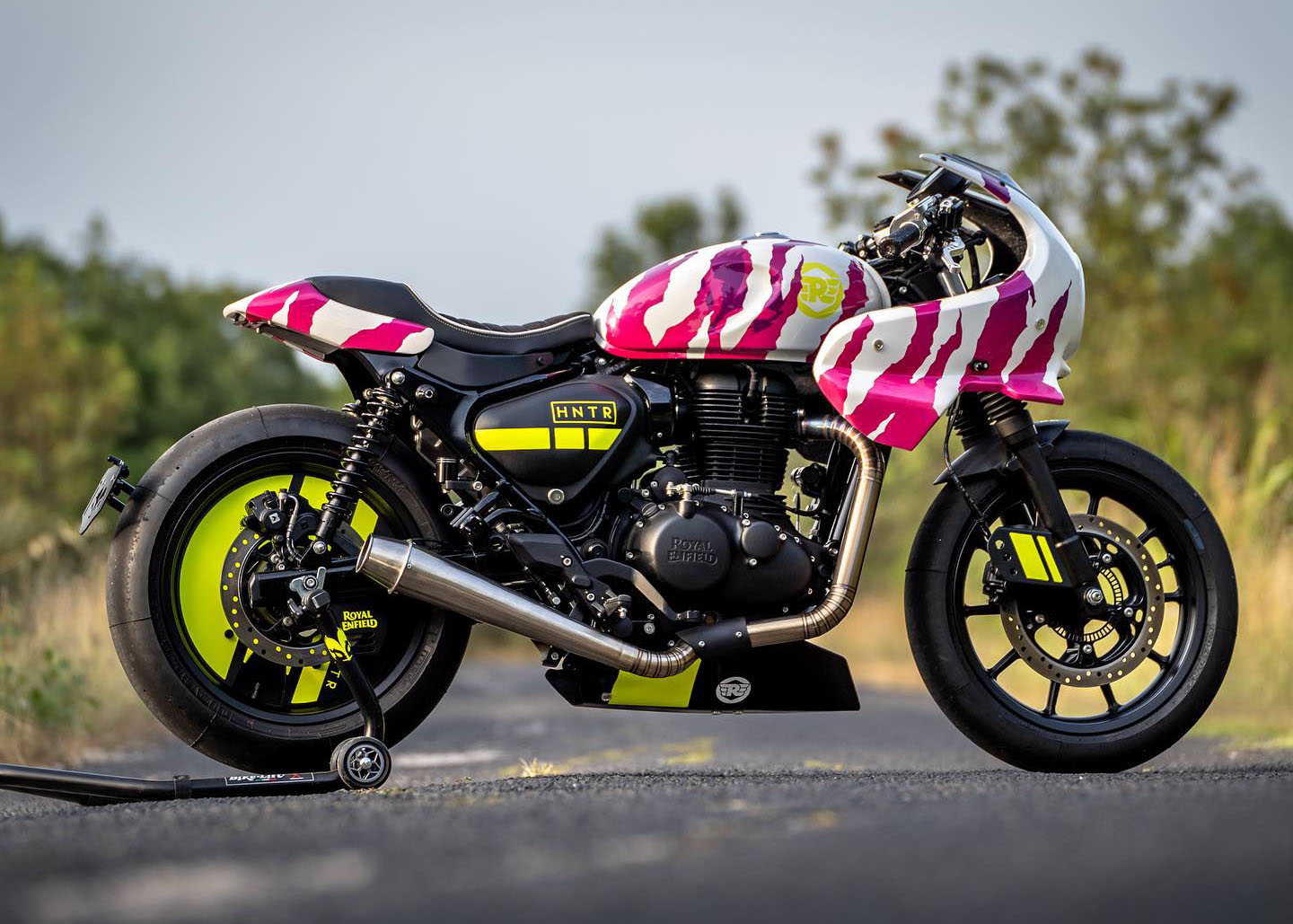
7. Royal Enfield Hunter 350
The Royal Enfield Hunter 350 has gained attention among new riders looking for a motorcycle with classic styling and an easygoing personality. It offers a relaxed riding experience that suits beginners who prefer comfortable street riding rather than aggressive performance. The motorcycle focuses on simplicity, character, and enjoyable everyday use.
The engine provides smooth and predictable performance, which is helpful for riders still developing confidence. Beginners often need time to understand how motorcycles respond to different inputs.
A motorcycle with gentle acceleration allows them to practice shifting, braking, and cornering without feeling pressured to manage excessive power.
The compact design makes the Hunter 350 comfortable in urban environments. Many new riders begin their motorcycle journey through city commuting, where maneuverability is extremely important. A motorcycle that can move easily through traffic, fit into parking spaces, and handle slower speeds gives beginners valuable confidence.
The riding position is another positive feature. The upright seating arrangement keeps the rider comfortable and provides good visibility. New riders often appreciate motorcycles that feel natural rather than requiring a specialized riding style. The Hunter 350 encourages relaxed riding habits that help beginners enjoy their learning process.
The motorcycle also appeals to riders who value personality and style. A first motorcycle does not need to be purely practical. Enjoying the appearance and character of a motorcycle can motivate owners to ride more often and improve their skills.
The Hunter 350 provides an accessible entry point for riders who want a machine with a classic feel and manageable performance.
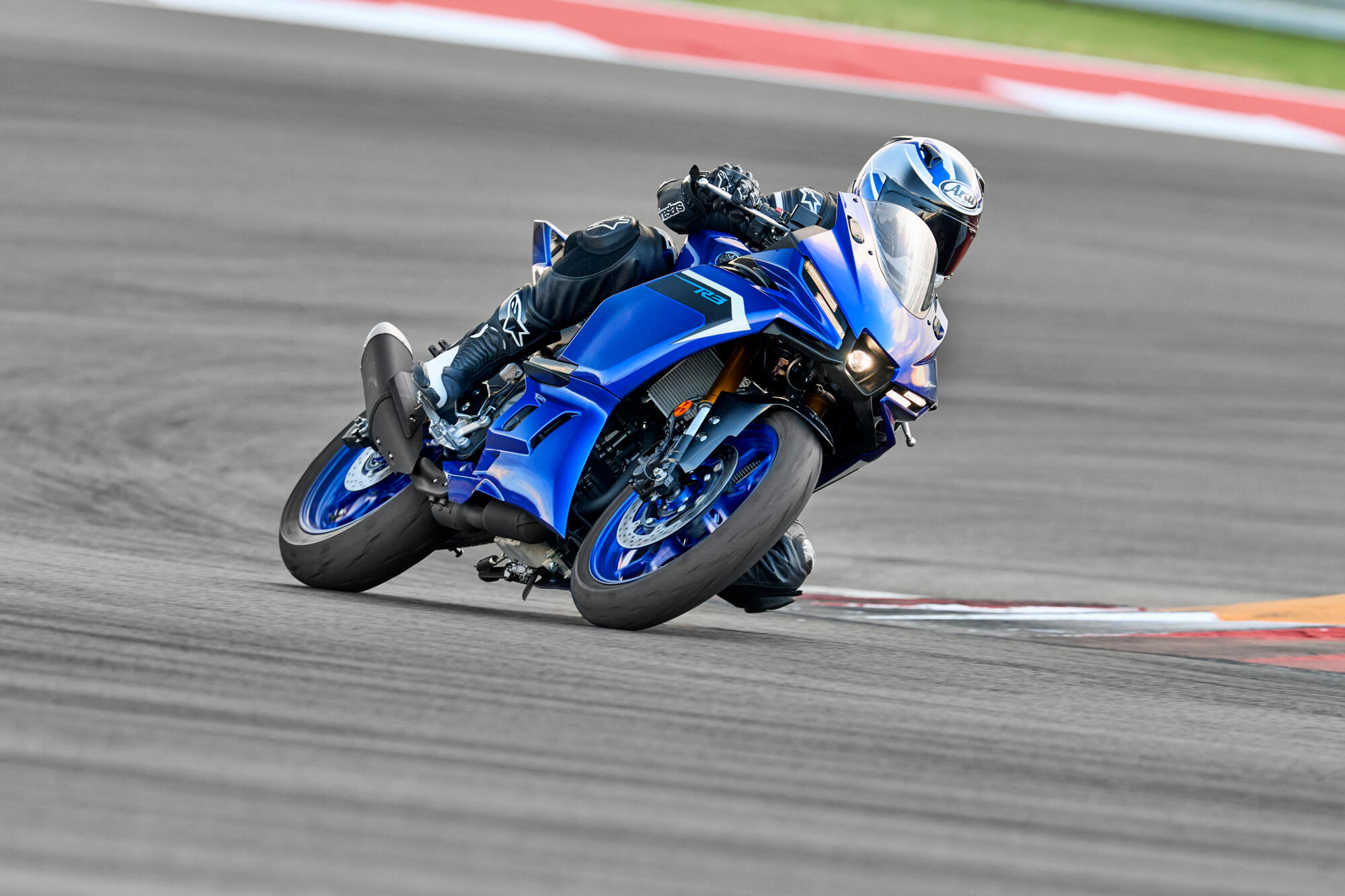
- Engine: 321cc liquid-cooled parallel-twin engine
- Horsepower: Approximately 42 hp
- Torque: Approximately 21.8 lb-ft (29.6 Nm)
- Length: 82.3 inches (2,090 mm)
- Width: 28.1 inches (715 mm)
8. Yamaha R3
The Yamaha R3 is a sport motorcycle that many instructors recommend for beginners who specifically want a fully faired riding machine. It offers the appearance of a racing motorcycle while maintaining characteristics that make it suitable for learning.
The R3 provides a balance between excitement and control, which is important for new riders interested in sport riding.
The lightweight chassis helps beginners feel comfortable during handling exercises and everyday riding. A motorcycle that responds easily to steering inputs allows riders to improve their cornering technique.
The R3 encourages smooth movements, which are essential skills for any motorcycle rider regardless of future bike choice.
The engine performance is also well suited for beginners. The parallel twin engine provides enough power for highway riding while remaining manageable at lower speeds.
Riders can learn proper throttle control without dealing with the aggressive acceleration found on larger sport motorcycles. This makes the R3 a practical choice for those who want a sporty experience.
The riding position introduces beginners to sport motorcycle ergonomics without becoming extreme. While the posture is more forward compared with standard motorcycles, it remains comfortable enough for regular riding. This allows new riders to experience the characteristics of a sport bike while continuing to develop fundamental skills.
The Yamaha R3 has remained popular because it offers long-term value. Many riders continue enjoying it after their first year because it remains fun even after basic skills improve. Its combination of appearance, reliability, and approachable performance explains why many instructors consider it a strong beginner sport motorcycle.
