
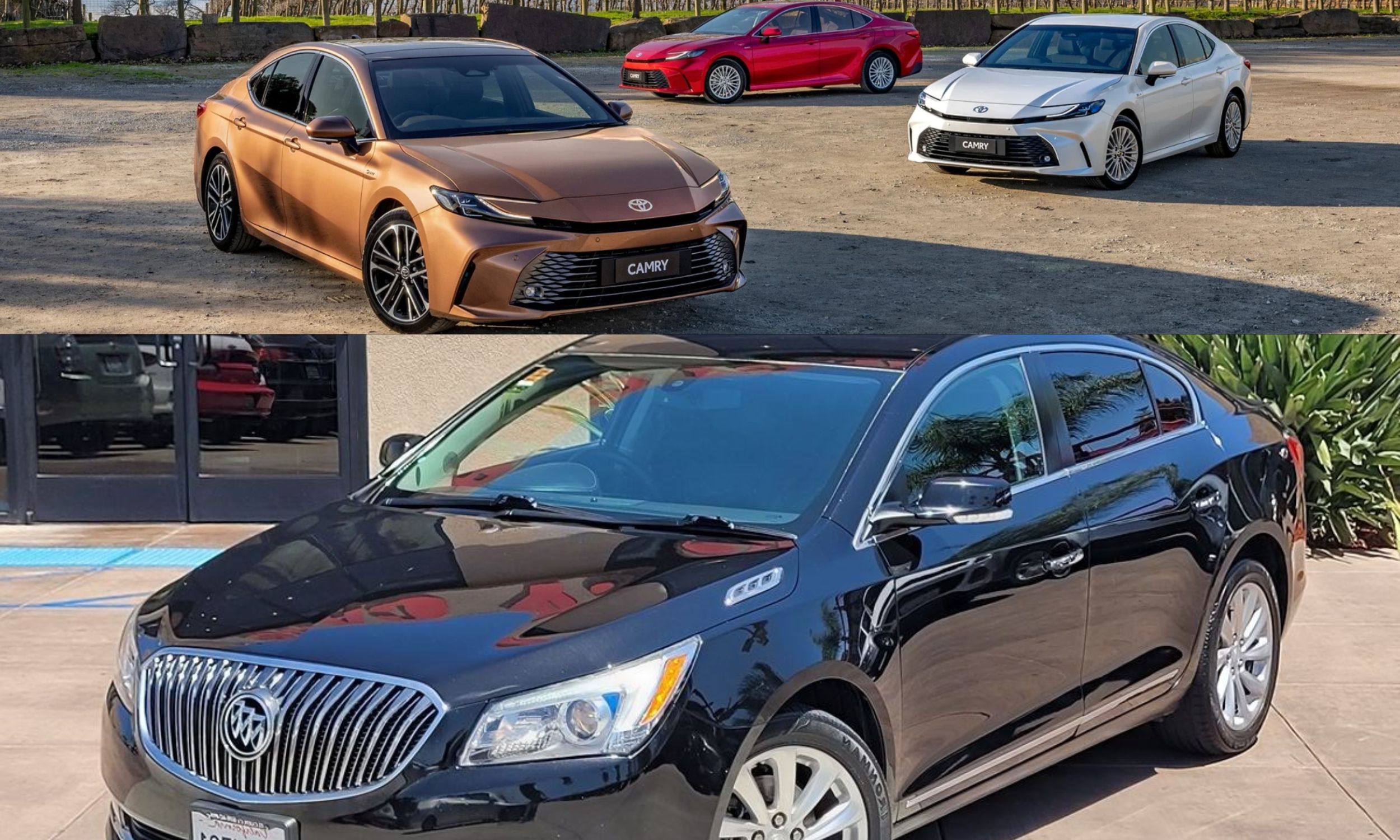
A spark plug swap sounds like a quick, cheap job until you pop the hood on one of these vehicles and realize the rear cylinder bank is buried behind an entire intake manifold. Transverse-mounted V6 engines pack a lot of hardware into a tight front-wheel-drive engine bay, and the cylinder bank facing the firewall often pays the price in accessibility.
What should take thirty minutes can turn into a multi-hour job involving gaskets, sensors, and vacuum lines. Whether you’re a DIY mechanic planning your next tune-up or a shopper curious about long-term ownership costs, these ten vehicles deserve a closer look before you commit to doing your own spark plug work.
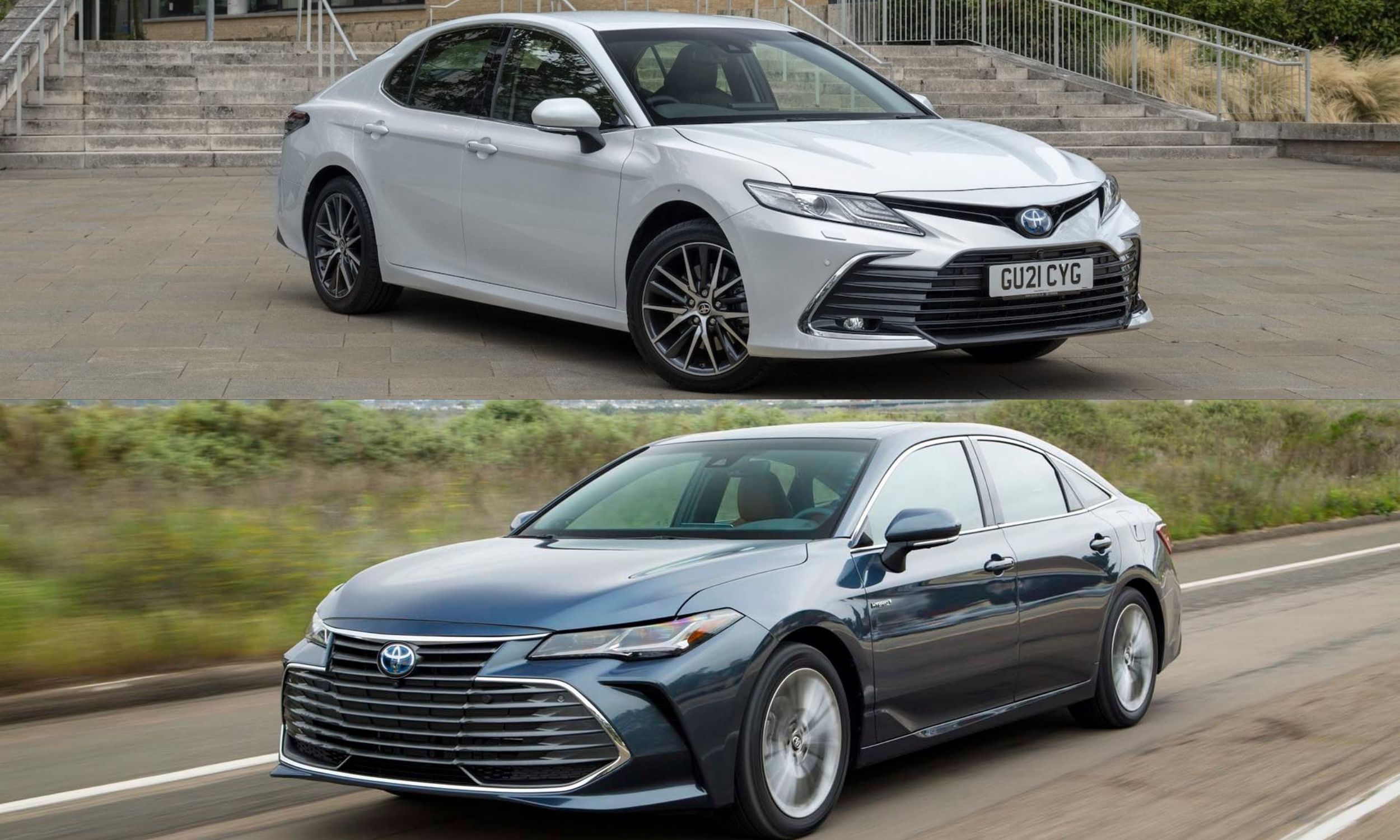
1. Toyota Camry / Avalon (3.5L V6 – 2GR-FE / 2GR-FKS)
- Engine: 3.5L V6
- Horsepower: 268 hp to 301 hp
- Torque: 248 lb-ft to 267 lb-ft
- Size: 192.1 to 195.9 inches Long x 71.7 to 72.8 inches Wide
Toyota has earned the trust of many drivers by producing V6 engines that last for many years with proper care. The 2GR-FE and the newer 2GR-FKS are good examples. While reliability is one of their strongest qualities, replacing the rear spark plugs is far from straightforward because that cylinder bank sits close to the firewall.
Getting to those rear spark plugs starts with removing the upper intake manifold, which Toyota technicians also call the surge tank. Before that can happen, several vacuum hoses and electrical connectors must be disconnected carefully. Missing a single connection during reassembly can cause rough idling, warning lights, or poor engine performance, forcing another round of repairs that could have been avoided with careful attention.
Another point worth remembering is that the intake manifold gaskets should always be replaced before everything goes back together. Reusing old gaskets can lead to vacuum leaks, rough engine operation, poor fuel economy, and engine misfire trouble codes. Because of the extra work involved, repair shops usually charge much more for this service than they would for replacing spark plugs on a four-cylinder engine.
Anyone planning to handle this job at home should set aside several hours instead of expecting a quick repair. It is also wise to include new gaskets in the parts budget before starting the work.

2. Ford Explorer / Ford Edge (3.5L Duratec 35 / Cyclone V6)
- Engine: 3.5L V6
- Horsepower: 280 hp to 290 hp
- Torque: 250 lb-ft to 255 lb-ft
- Size: 188.1 to 198.3 inches Long x 75.9 to 78.9 inches Wide
Picture popping the hood expecting a straightforward plug swap, only to find a plastic shroud completely hiding the rear valve cover from view. That’s exactly what greets technicians working on Ford’s Duratec 35, better known by its Cyclone codename among engine enthusiasts. The upper intake manifold sits directly on top of the rear cylinder bank, blocking any direct path to the ignition coils underneath.
Getting to those rear plugs means pulling the entire intake manifold assembly off first. Only after that removal can technicians finally access the ignition coils and, beneath them, the spark plugs themselves. It’s a layered job, coil removal following intake removal, rather than a single-step process most drivers assume spark plug service should be.
Debris control becomes a real concern during this procedure. With the intake ports exposed once the manifold comes off, any dirt, dropped bolts, or loose debris falling into those open ports can cause serious engine damage if it makes its way further into the cylinders. Careful technicians cover exposed ports immediately after manifold removal, treating this step as seriously as they would surgery.
Given how many Explorer and Edge models share this engine across multiple model years, plenty of owners have encountered this exact scenario at their local shop, often expressing genuine surprise at the labor bill for what they assumed would be routine, inexpensive maintenance.
Also Read: 10 Cars With Water Pumps Buried Behind the Timing Cover
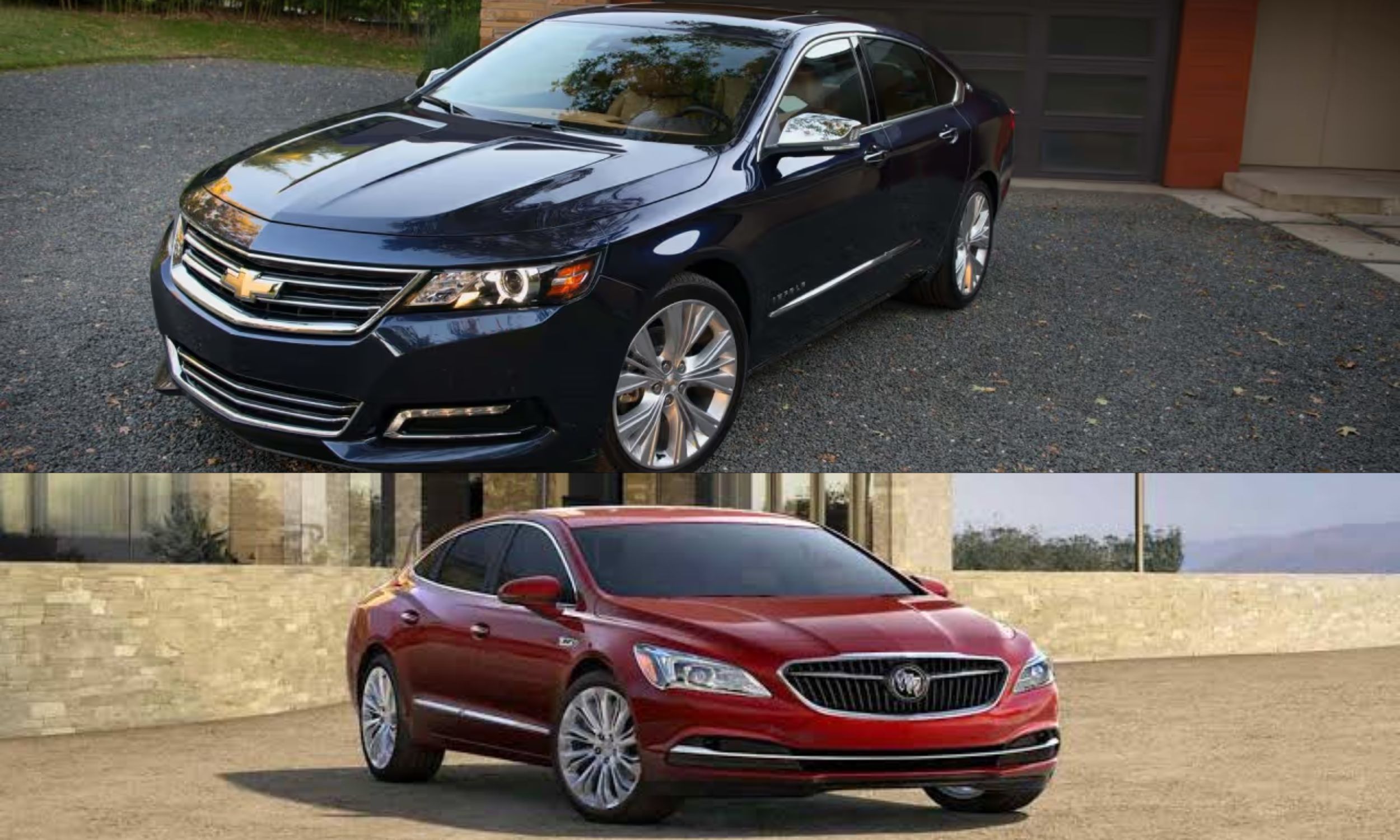
3. Chevrolet Impala / Buick LaCrosse (3.6L High Feature V6 – LLT / LFX / LGX)
- Engine: 3.6L V6
- Horsepower: 303 hp to 310 hp
- Torque: 264 lb-ft to 282 lb-ft
- Size: 196.9 to 201.7 inches Long x 73.1 to 73.7 inches Wide
GM’s High Feature V6 family has powered a wide range of sedans over the years, evolving through several code names while keeping the same fundamental transverse layout that complicates rear-bank service. Whether you’re working on an LLT, LFX, or LGX variant, the basic maintenance challenge stays consistent across each generation.
The rear ignition coils hide beneath a composite upper intake manifold, a plastic assembly that must come off entirely before those coils and the spark plugs beneath them become reachable. This isn’t a design flaw unique to one bad engine year either; it’s baked into how GM engineered the entire High Feature platform for packaging efficiency in a transverse front-wheel-drive layout.
Intake manifold seals require replacement once the assembly comes back off, adding parts cost on top of the additional labor time this job demands. Skipping fresh seals to save money almost always backfires, since worn gaskets reinstalled after disturbance tend to leak vacuum and cause idle quality problems that bring the car right back to the shop.
Owners of these Chevrolet and Buick sedans researching spark plug intervals should budget accordingly, understanding that a rear-bank service visit will cost meaningfully more than servicing the easily accessible front bank. Many independent shops quote separate pricing tiers specifically because of this front-versus-rear accessibility gap on GM’s High Feature engines.

4. Honda Accord / Honda Pilot (3.5L J-Series V6)
- Engine: 3.5L V6
- Horsepower: 250 hp to 280 hp
- Torque: 247 lb-ft to 262 lb-ft
- Size: 192.5 to 196.5 inches Long x 72.8 to 78.6 inches Wide
Honda’s J-Series V6 has built a strong reputation for lasting a very long time when properly maintained. Many Accord and Pilot owners have driven these engines well beyond 200,000 miles without major mechanical issues. Even with that dependable record, replacing the rear spark plugs is one maintenance job that demands extra time and patience because the rear cylinder bank sits close to the firewall.
Before any work can begin on the rear spark plugs, the upper intake manifold has to be removed. No easier access point allows technicians to avoid this step. Since the manifold sits directly above the rear ignition coils, it must come off completely before the plugs can be reached with the proper tools.
Several vacuum hoses and electrical connectors are attached to the intake manifold, and each one has to be disconnected carefully before lifting it away. Rushing through this stage can damage plastic connectors or leave something unplugged during reassembly. Either mistake can lead to warning lights, rough engine operation, or extra repair work that could have been avoided.
Many families depend on the Accord and Pilot every day, so this maintenance procedure affects plenty of owners. People often expect routine spark plug replacement to be simple because of Honda’s reputation for reliability. The labor estimate can come as a surprise once a repair shop explains the extra work required to reach the rear cylinder bank on these V6 engines.

5. Nissan Maxima / Murano (3.5L VQ35DE / VQ35HR)
- Engine: 3.5L V6
- Horsepower: 260 hp to 300 hp
- Torque: 240 lb-ft to 261 lb-ft
- Size: 192.8 to 192.9 inches Long x 73.2 to 75.4 inches Wide
Nissan’s VQ35 V6 has earned respect for its smooth performance and long service life. It powered the Maxima and Murano for many years and proved itself as a dependable engine when maintained properly. Even with that strong reputation, replacing the rear spark plugs is not as simple as many owners expect because the rear cylinder bank sits beneath a multi-piece aluminum intake plenum.
One thing that makes this engine different is its intake design. Instead of using a single intake manifold, Nissan fitted the VQ35 with a multi-piece aluminum assembly. Before the rear spark plugs can be reached, the air intake duct and throttle body ducting must be removed, followed by the upper intake collector. That extra disassembly adds more work than what is required on many other V6 engines.
After the upper intake assembly has been removed, the rear ignition coils and spark plugs finally become accessible. By this stage, a good amount of time has already been spent taking parts off the engine. Compared with many four-cylinder vehicles, the preparation alone can take longer than a complete spark plug replacement job.
Owners planning to replace the spark plugs themselves should read the repair procedure carefully before starting. The multi-piece intake design leaves little room for mistakes during disassembly and reassembly. Technicians who regularly work on Nissan VQ35 engines usually complete the job faster because they already know the correct order for removing and reinstalling each component safely.
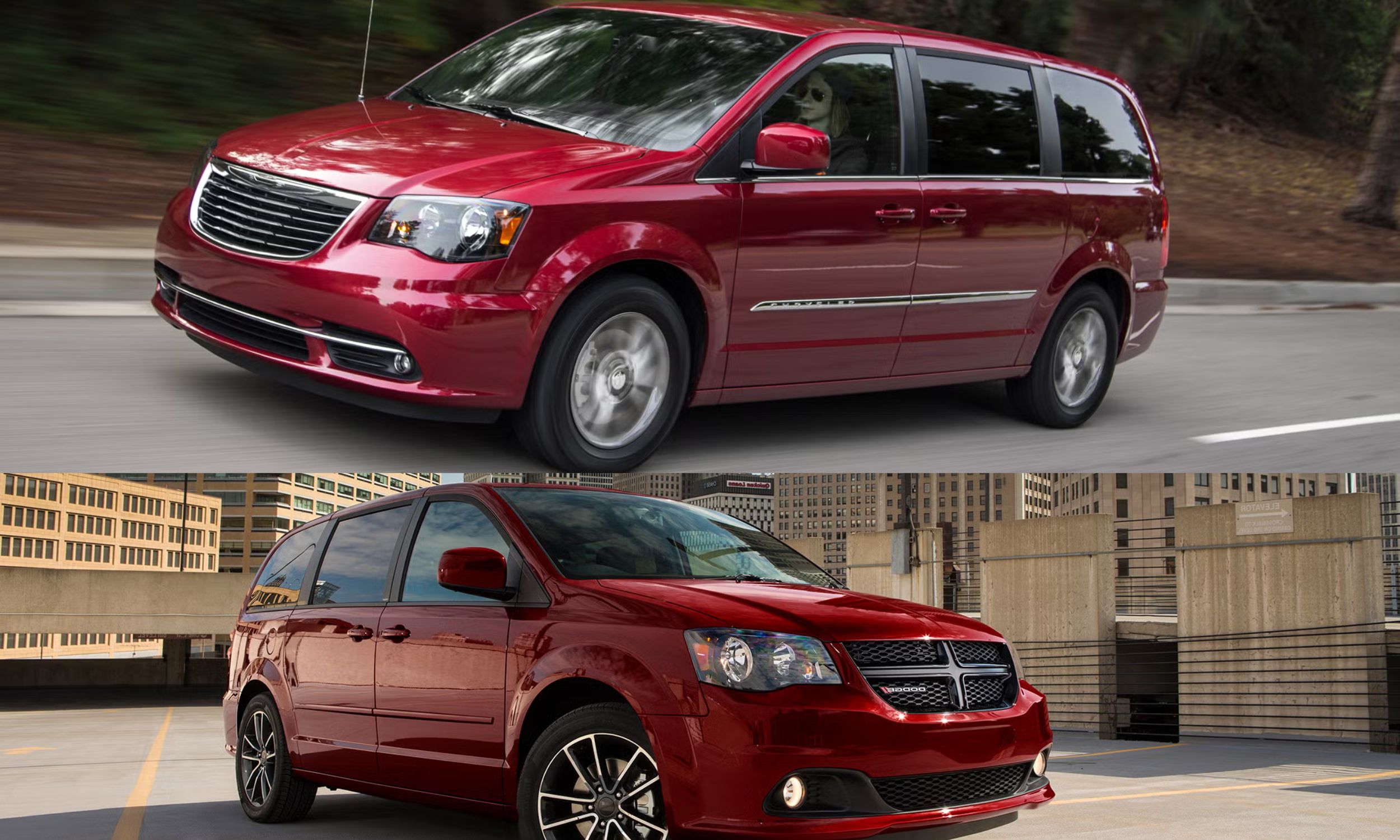
6. Chrysler Town & Country / Dodge Grand Caravan (3.6L Pentastar V6)
- Engine: 3.6L V6
- Horsepower: 283 hp
- Torque: 260 lb-ft
- Size: 202.8 inches Long x 78.7 inches Wide
Minivan owners rack up serious mileage running kids to practice, groceries home, and family trips across state lines, which means the Pentastar V6 powering these Chrysler and Dodge minivans faces plenty of real-world spark plug service over a typical ownership period. Unfortunately, that rear cylinder bank sitting close to the firewall doesn’t make things easy on anyone doing the work.
Removing the intake plenum stands as the required starting point here, much like the other transverse V6 engines on this list. Several sensors and hoses connect around that plenum assembly, each requiring careful disconnection before the whole unit will lift away from the engine block underneath.
Once that plenum comes off, the ignition coils covering the rear spark plugs finally become exposed and accessible. Given how many miles family minivans typically accumulate, this rear-bank service becomes a recurring maintenance event rather than a rare occurrence, making familiarity with the procedure genuinely valuable for anyone planning to keep their minivan for the long haul.
Families who bought these minivans specifically for practicality and reliability sometimes feel frustrated learning that routine spark plug service costs more than expected because of this rear-access challenge. Shops serving high-mileage minivan customers regularly quote separate pricing for front versus rear bank service, a distinction owners should ask about directly when scheduling any tune-up appointment for their Pentastar-powered family vehicle.

7. Hyundai Santa Fe / Kia Sedona (3.3L / 3.5L Lambda V6)
- Engine: 3.3L or 3.5L V6
- Horsepower: 276 hp to 290 hp
- Torque: 248 lb-ft to 262 lb-ft
- Size: 184.4 to 201.4 inches Long x 74.4 to 78.1 inches Wide
Hyundai and Kia have long shared engines across many of their vehicles, and the Lambda V6 used in the Santa Fe and Sedona is one of them. While this engine has earned a good reputation for dependable performance, replacing the rear spark plugs is far more involved than many owners expect because the rear cylinder bank sits beneath the upper intake manifold.
The repair starts with disconnecting the PCV hoses and several electrical connectors attached to the intake assembly. Once those parts are out of the way, the upper intake manifold must be removed before the rear ignition coils and spark plugs can be reached. There is no practical shortcut, so technicians have to follow the proper sequence to avoid damaging surrounding components during the process.
When it is time to put everything back together, installing new intake manifold gaskets is strongly recommended. Reusing old gaskets can lead to vacuum leaks, rough idling, poor fuel economy, and engine performance issues. Spending a little more on fresh gaskets is usually much cheaper than paying for another repair because of an air leak.
Many families rely on the Santa Fe and Sedona for daily transportation, so this maintenance procedure affects plenty of owners. Anyone preparing for scheduled spark plug replacement should expect higher labor costs than on many four-cylinder vehicles, since the extra disassembly requires more time, care, and attention from the technician performing the work.
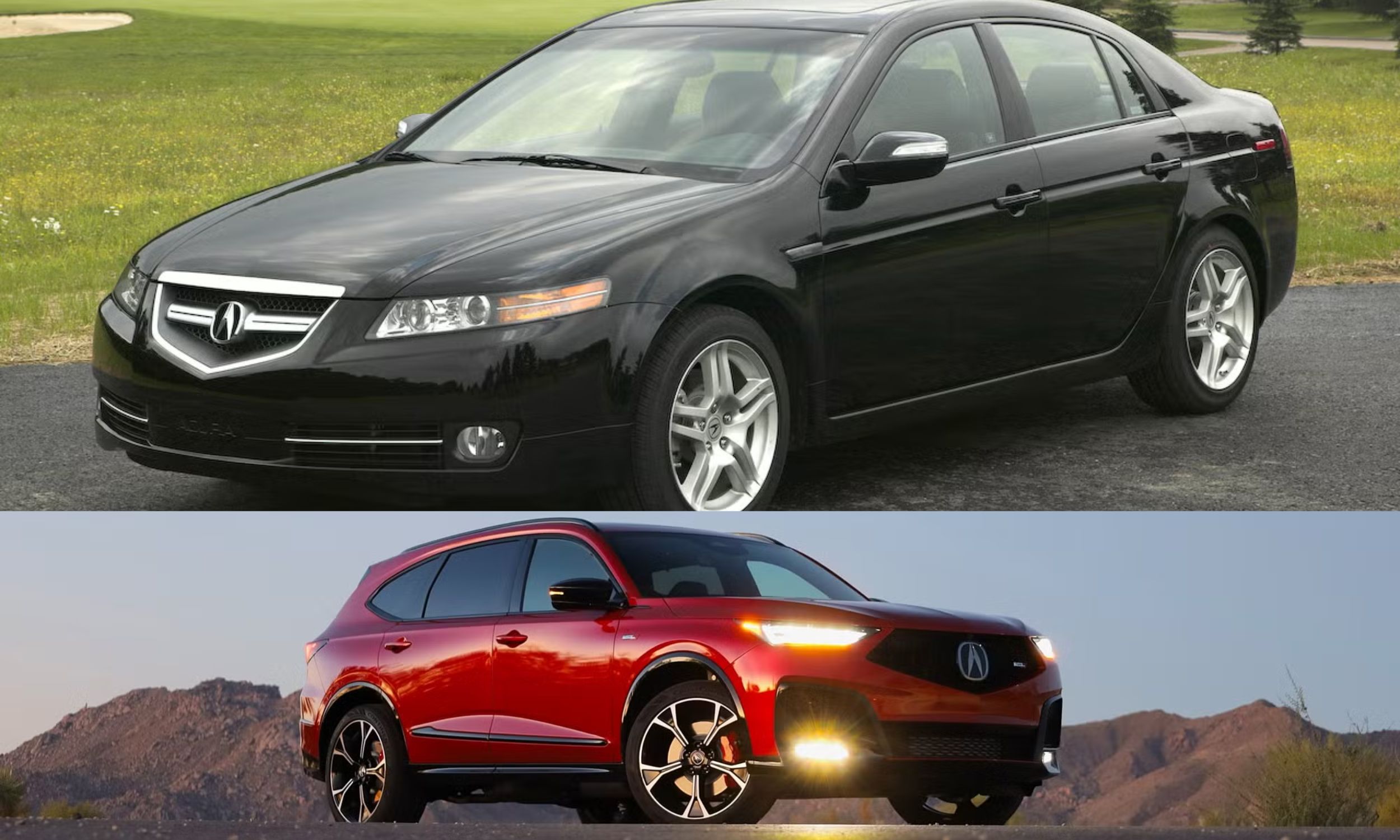
8. Acura TL / Acura MDX (3.5L / 3.7L J-Series V6)
- Engine: 3.5L or 3.7L V6
- Horsepower: 280 hp to 305 hp
- Torque: 254 lb-ft to 273 lb-ft
- Size: 193.6 to 196.2 inches Long x 74.5 to 78.5 inches Wide
Acura has built its reputation by offering comfortable, well-equipped vehicles with dependable V6 engines. The J-Series engine found in the TL and MDX delivers strong performance and has proven to be reliable with proper maintenance. Even so, replacing the rear spark plugs is not a simple task because the rear cylinder bank sits close to the firewall beneath the upper intake manifold.
Before the rear spark plugs can be reached, the upper intake manifold has to be removed completely. Since the ignition coils are located directly beneath it, there is no practical way to service the rear bank without taking the intake assembly off first. The job also involves disconnecting several hoses and electrical connectors, making the process much more time-consuming than many owners expect.
Many people assume owning a luxury vehicle means routine maintenance will be easier, but that is not the case with these Acura models. The TL and MDX share much of their engine design with Honda vehicles that use the same J-Series V6, so the amount of labor required for rear spark plug replacement is very similar despite the premium badge.
Independent repair shops that regularly service Honda and Acura vehicles are usually familiar with this procedure and can complete it efficiently. Even with that experience, the work still takes time because of the engine layout. Owners planning to keep their TL or MDX for many years should include this maintenance expense in their budget before the spark plugs are due for replacement.

9. Buick Enclave / GMC Acadia (First Generation – 3.6L LLT V6)
- Engine: 3.6L V6
- Horsepower: 288 hp
- Torque: 270 lb-ft
- Size: 200.7 to 201.8 inches Long x 78.2 to 78.9 inches Wide
Three-row family SUVs like the first-generation Enclave and Acadia needed genuine power to move their substantial size, and GM’s LLT variant of the High Feature V6 delivered that power reliably across these popular crossovers. The tradeoff for that transverse packaging efficiency shows up clearly once rear spark plug service comes due.
A composite intake manifold covers the rear cylinder bank on this engine, following the same basic pattern found across other GM High Feature applications discussed earlier in this list. Removing that upper intake manifold remains a non-negotiable first step before the rear ignition coils, and the spark plugs positioned beneath them, become reachable for service.
Families who purchased these SUVs specifically for their spacious three-row seating and genuine towing capability sometimes discover this maintenance reality only after their first major tune-up appointment arrives. Shops quoting service estimates typically explain the front-versus-rear distinction directly, since the price difference between servicing each bank can surprise owners expecting uniform pricing across all six cylinders.
Given how many of these first-generation crossovers remain on the road today, often well past the 100,000-mile mark, rear-bank spark plug service represents a maintenance milestone plenty of long-term owners eventually face. Understanding the labor involved ahead of time helps set realistic budget expectations rather than facing an unexpected bill during what should be routine, scheduled engine maintenance.
Also Read: 8 Used Cars With the Highest Buyer Complaint Rates
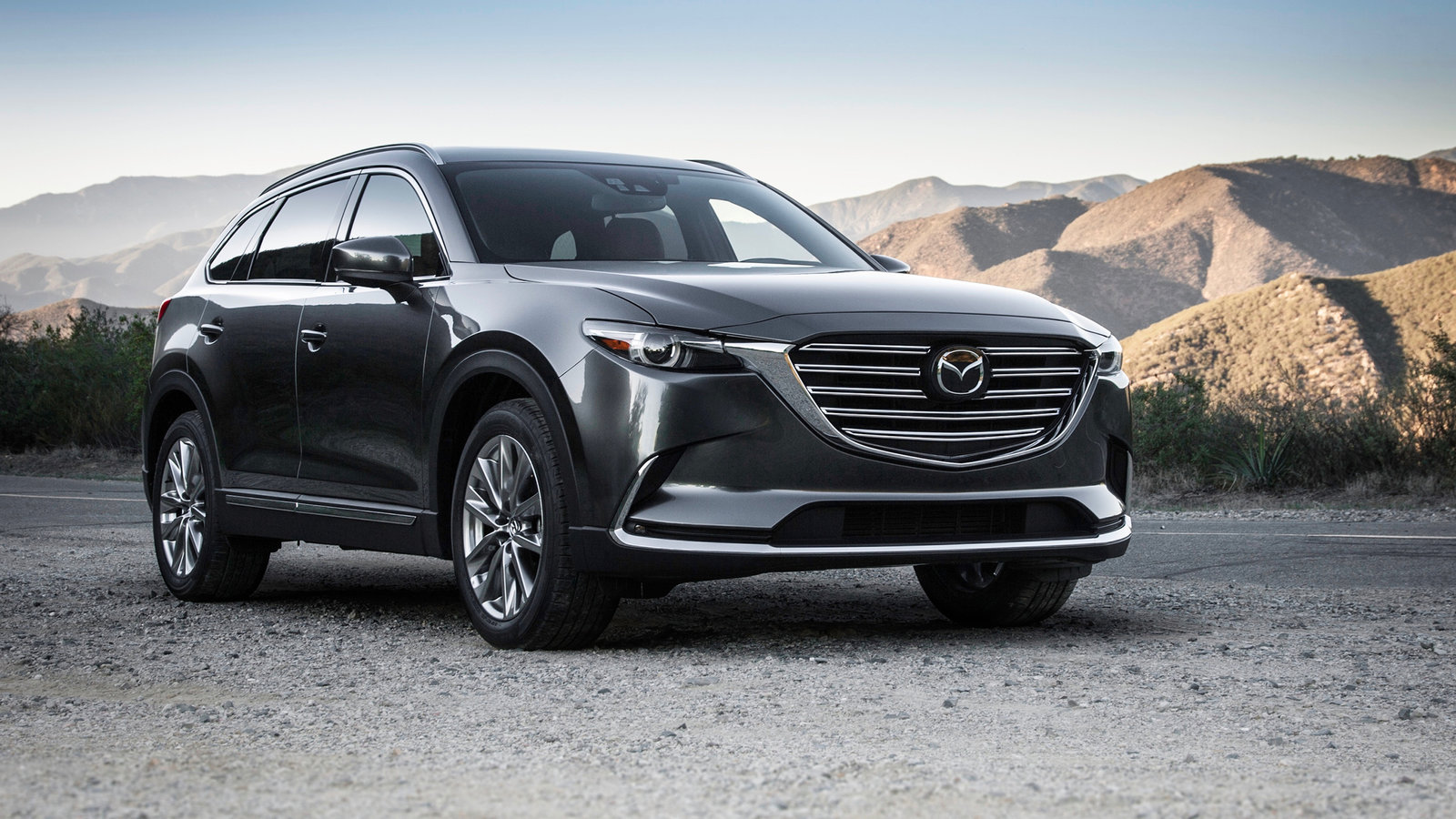
10. Mazda CX-9 (First Generation – 3.7L MZI V6)
- Engine: 3.7L V6
- Horsepower: 273 hp
- Torque: 270 lb-ft
- Size: 199.8 inches Long x 76.2 inches Wide
The first-generation Mazda CX-9 was designed as a spacious three-row SUV and came equipped with the 3.7L MZI V6, an engine known for delivering strong performance for a family vehicle. While it offered smooth power and confident acceleration, routine maintenance becomes more demanding when it is time to replace the rear spark plugs because of the transverse engine layout.
Accessing the rear cylinder bank begins with removing the air intake ducting before any work can be done on the upper intake manifold. After that, the intake manifold must be taken off completely since it sits directly above the rear ignition coils and spark plugs. Without removing these components, there is simply no practical way to reach the rear bank safely.
Only after the ducting and intake manifold have been removed can the rear ignition coils and spark plugs be accessed. This repair process is similar to what owners experience with several other transverse V6 engines, where extra disassembly is part of a routine tune-up. Although the job is straightforward for an experienced technician, it requires much more time than a typical spark plug replacement.
Anyone planning maintenance on a first-generation CX-9 should expect higher labor costs when the rear spark plugs are due for replacement. Knowing what the job involves helps owners prepare their service budget properly instead of expecting a quick and inexpensive repair at the workshop.
