
Many modern engines hide the water pump behind the timing cover to save space and shorten the engine’s full length. While this design can improve packaging and sometimes reduce accessory drive complexity, it creates a major downside for owners once the pump wears out.
Instead of replacing an externally mounted component in a couple of hours, technicians often have to remove timing chains, timing covers, engine mounts, and several other major parts before they can even reach the failed pump.
In many cases, labor alone exceeds $1,200 in the United States, making a relatively inexpensive water pump one of the costliest cooling system repairs.
Also Read: 10 Cars With the Longest Single-Generation Production Runs
1. Ford Explorer (2011 to 2019) 3.5L Ti-VCT V6
Few modern vehicles have earned as much attention for expensive water pump repairs as the fifth-generation Ford Explorer equipped with the naturally aspirated 3.5-liter Ti-VCT V6. Ford chose to mount the water pump inside the engine behind the front timing cover, allowing it to be driven directly by the timing chain rather than the accessory belt.
From an engineering standpoint, the arrangement reduces external components and keeps the engine compact. For owners, however, the design becomes extremely expensive once the pump reaches the end of its service life.
Unlike a conventional water pump that leaks coolant onto the ground, this internal pump can leak coolant directly into the engine crankcase if its seals fail.
Coolant contamination quickly destroys engine oil lubrication, increasing the risk of bearing damage and complete engine failure if the leak is not caught early. Mechanics frequently recommend replacing the pump proactively once mileage approaches 100,000 to 150,000 miles, especially when the timing chain system is already being serviced.
The repair itself is labor-intensive. Accessing the pump requires removal of the front engine cover, timing chains, chain guides, tensioners, and multiple accessories. Labor commonly ranges between 12 and 16 hours depending on drivetrain configuration, pushing labor costs beyond $1,200 in many U.S. repair shops before parts are even added.

Because of these economics, many owners replace timing chains, guides, tensioners, and front seals during the same repair.
Although this increases the initial bill, it avoids paying the same labor twice later. Independent repair invoices frequently total between $1,800 and $2,800 depending on regional labor rates and whether additional timing components require replacement.
Specifications
- Engine: 3.5L Naturally Aspirated Ti-VCT V6
- Torque: 255 lb-ft
- Horsepower: 290 hp
- Length/Width: 197.1 inches / 78.9 inches
2. Ford Taurus (2010 to 2019) 3.5L Duratec V6
The Ford Taurus equipped with the 3.5-liter Duratec V6 shares much of its engine architecture with the Explorer, including one of the industry’s most expensive cooling system layouts. Here, the water pump also sits behind the timing cover and is powered by the timing chain instead of the serpentine belt.
Owners expecting a routine maintenance bill often discover that replacing this single component becomes one of the largest repair expenses during long-term ownership.
A failing pump may first announce itself through coolant loss, overheating, or coolant appearing in the engine oil. Since the pump is internal, external leaks are not always visible during an inspection.
If coolant mixes with engine oil, internal bearings can suffer rapid wear. This possibility makes prompt diagnosis particularly important because continuing to drive may transform a cooling system repair into a complete engine replacement.
Technicians generally remove substantial portions of the front engine assembly before reaching the pump.
Timing chains, guides, chain tensioners, crankshaft pulleys, harmonic balancers, engine mount components, and front covers all require careful removal and precise reassembly. Proper timing alignment is critical, making this job unsuitable for inexperienced technicians.
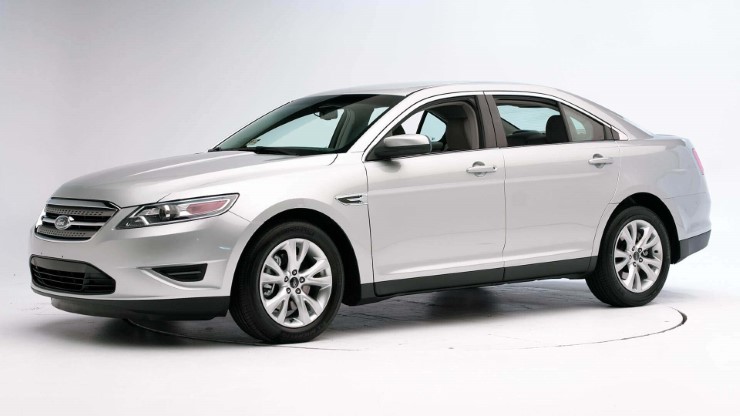
Many U.S. repair facilities quote labor between 10 and 15 hours, with labor charges frequently exceeding $1,200 depending on shop rates. Total repair bills commonly land between $1,700 and $2,600 after adding OEM-quality parts, coolant, seals, and replacement hardware.
Owners who intend to keep the vehicle for many more years often choose to replace additional timing components during the same service because nearly all of the labor has already been paid.
Specifications
- Engine: 3.5L Duratec Ti-VCT V6
- Torque: 255 lb-ft
- Horsepower: 288 hp
- Length/Width: 202.9 inches / 76.9 inches
3. Lincoln MKS (2009 to 2016) 3.7L Duratec V6
Luxury buyers expect quiet operation, refined power delivery, and dependable long-distance comfort. The Lincoln MKS delivered all three with Ford’s 3.7-liter Duratec V6, but beneath its smooth character lies a repair that can catch owners off guard.
Like its smaller 3.5-liter sibling, the 3.7L engine places the water pump behind the timing cover, where it is driven by the timing chain instead of an external accessory belt. This hidden location dramatically increases repair complexity once the pump begins to fail.
Many owners first notice a slow coolant loss without an obvious puddle beneath the vehicle. That is because an internal seal can allow coolant to leak into the crankcase rather than outside the engine.
When antifreeze mixes with engine oil, lubrication deteriorates rapidly, placing crankshaft bearings, connecting rod bearings, and other internal components at serious risk. If the warning signs are ignored and the vehicle overheats or continues running with contaminated oil, repair costs can multiply far beyond the price of replacing the pump.
Reaching the component is a major undertaking. Technicians must remove the front timing cover after stripping away numerous accessories, engine mounts, and timing components. The timing chain system has to be carefully aligned during reassembly, making precision essential.
Many repair shops recommend replacing timing chain guides, tensioners, seals, and the thermostat while everything is already apart because the additional parts cost is small compared with repeating the labor later.
Across the United States, labor times commonly range from 11 to 15 hours. In areas with shop rates exceeding $120 per hour, labor alone can easily surpass $1,200. Complete invoices often fall between $1,800 and $2,700 depending on whether genuine Motorcraft parts are used and whether additional timing components show wear.
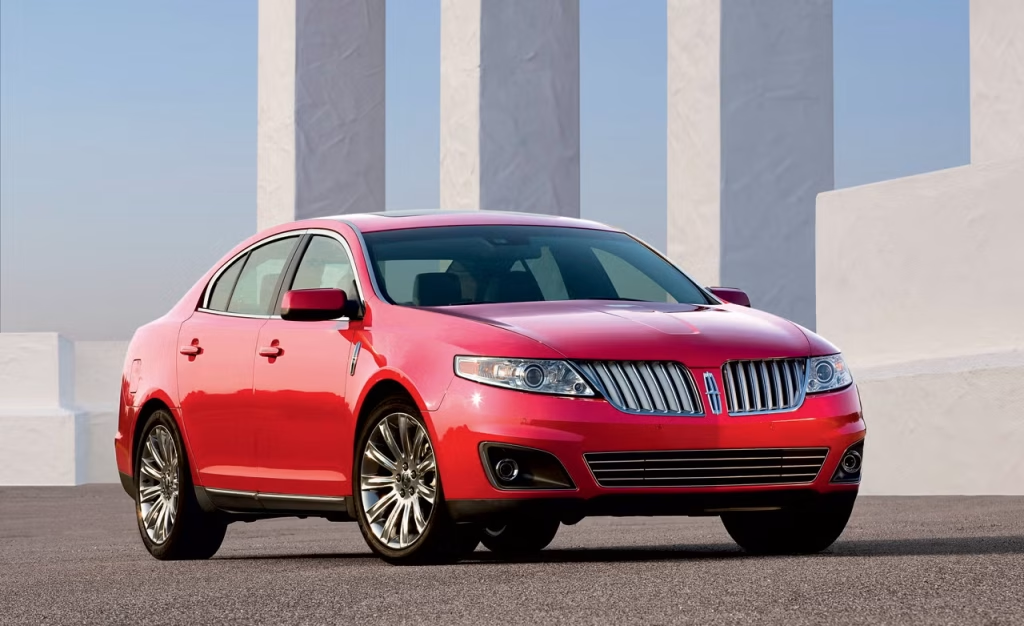
For buyers considering a used MKS with higher mileage, documented water pump replacement is a valuable maintenance record that can prevent an expensive surprise.
Specifications
- Engine: 3.7L Duratec Ti-VCT V6
- Torque: 275 lb-ft
- Horsepower: 304 hp
- Length/Width: 204.1 inches / 76.1 inches
4. Ford Flex (2009 to 2019) 3.5L Ti-VCT V6
The Ford Flex built a loyal following by offering three-row practicality without looking like a traditional SUV. Families appreciated its spacious cabin and comfortable highway ride, while the naturally aspirated 3.5-liter V6 earned praise for smooth performance.
Yet underneath the distinctive styling sits one of Ford’s best-known expensive maintenance items. The engine uses an internally mounted water pump positioned behind the timing cover, making replacement far more involved than on engines with an externally driven pump.
Unlike many cooling system failures that leave coolant dripping onto the driveway, the Flex can develop an internal leak that is much harder to detect. As the water pump seal deteriorates, coolant may enter the engine oil, reducing lubrication quality and increasing the likelihood of severe internal damage.
Drivers who notice unexplained coolant loss, a milky appearance on the dipstick, overheating, or unusual engine noise should have the vehicle inspected immediately.
Servicing the pump requires significant disassembly. The front engine cover, timing chains, guides, hydraulic tensioners, crankshaft pulley, and related hardware must be removed before the water pump becomes accessible.
Because so many critical timing components are disturbed during the procedure, technicians pay close attention to factory timing marks and torque specifications during reassembly.
The economics of the repair explain why this engine appears on so many ownership cost discussions. Labor commonly ranges from 12 to 16 hours depending on drivetrain configuration and shop procedures.
At current U.S. labor rates, labor charges frequently exceed $1,200 before adding coolant, seals, and replacement parts. Complete repairs often total between $1,900 and $2,900.
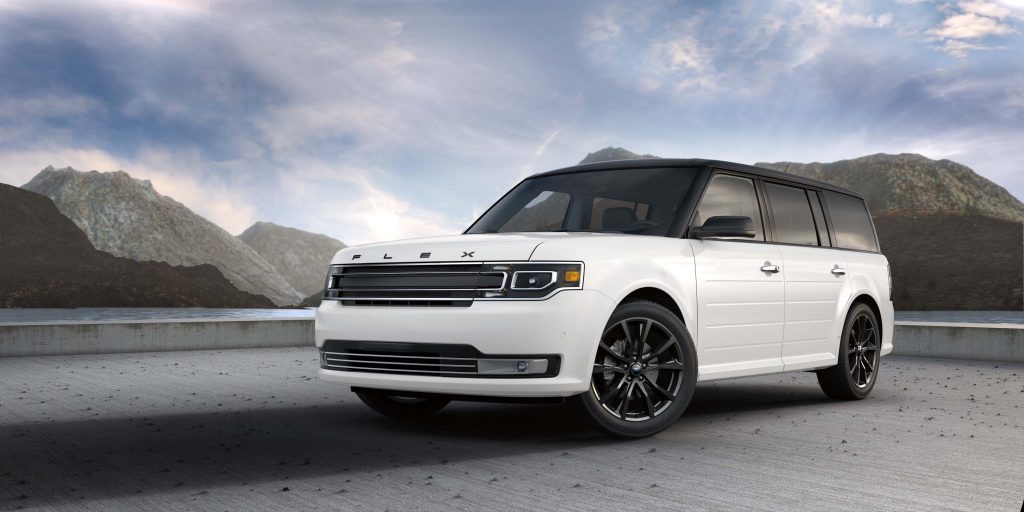
Owners planning long-term ownership frequently authorize replacement of the timing chain guides, tensioners, front crankshaft seal, and thermostat during the same visit, reducing the chance of another major front-engine teardown later.
Specifications
- Engine: 3.5L Ti-VCT Naturally Aspirated V6
- Torque: 254 lb-ft
- Horsepower: 287 hp
- Length/Width: 201.8 inches / 75.9 inches
5. Ford Edge (2007 to 2018) 3.5L Duratec V6
Not every expensive repair announces itself with loud noises or dramatic warning lights. On the first-generation Ford Edge equipped with the 3.5-liter Duratec V6, one of the biggest ownership expenses is hidden deep inside the front of the engine.
Rather than mounting the water pump externally where it can be replaced relatively quickly, Ford integrated it behind the timing cover and connected it directly to the timing chain. The design contributes to a cleaner engine layout, but it significantly increases repair time once the pump fails.
Many owners begin investigating the problem after noticing the coolant reservoir repeatedly dropping despite no obvious external leak. In some cases, engine oil analysis reveals coolant contamination before symptoms become severe.
If the internal seal deteriorates enough for coolant to enter the crankcase, bearing damage can occur rapidly because antifreeze reduces the oil’s ability to lubricate moving engine parts. Continuing to drive under these conditions can turn what should be a cooling system repair into the need for a replacement engine.
Repairing the issue is not a simple parts swap. The front engine assembly must be disassembled, including removal of the timing cover, timing chains, guides, tensioners, and several accessory components.
Because valve timing must remain perfectly synchronized during reassembly, experienced technicians follow factory procedures closely and frequently use dedicated timing tools.
Across the United States, repair shops typically estimate between 10 and 14 labor hours for the job. At labor rates exceeding $100 to $150 per hour in many metropolitan areas, labor charges alone often surpass $1,200.
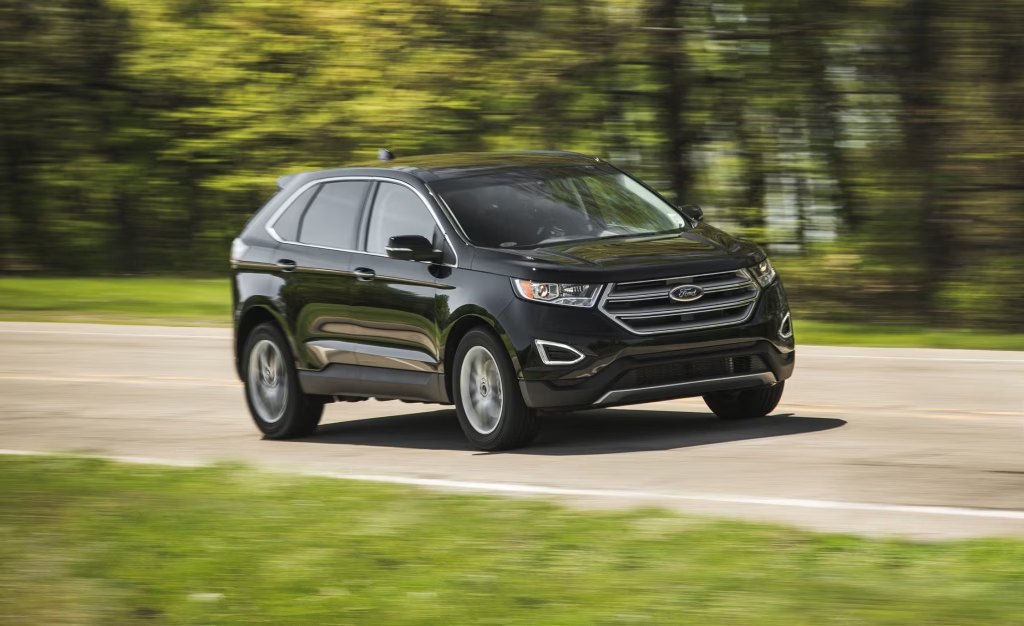
Total repair costs generally range from $1,700 to $2,600 depending on regional rates and the number of preventive components replaced at the same time. Owners who plan to keep the Edge for many years often authorize new timing chain guides, tensioners, front seals, and fresh coolant while access is available.
Specifications
- Engine: 3.5L Duratec Ti-VCT V6
- Torque: 250 lb-ft
- Horsepower: 265 hp
- Length/Width: 185.7 inches / 75.8 inches
6. Lincoln MKX (2007 to 2018) 3.5L Duratec V6
Sharing its platform and powertrain with the Ford Edge, the Lincoln MKX delivers a more premium driving experience, but it also inherits the same costly internal water pump design.
Buyers attracted by its quiet cabin and comfortable ride often remain unaware that a relatively inexpensive cooling system component can require more than a dozen hours of labor to replace.
Because the pump is driven by the timing chain and positioned behind the timing cover, reaching it requires extensive engine disassembly.
One characteristic that makes this design especially concerning is the possibility of internal coolant leakage. Instead of dripping onto the driveway, coolant can bypass the failing pump seal and mix with the engine oil.
Drivers may notice rising engine temperatures, an unexplained drop in coolant level, or oil that appears milky. Prompt diagnosis is essential because contaminated oil cannot properly protect crankshaft bearings, camshafts, and other rotating assemblies.
Professional technicians rarely replace only the water pump during this service. Since nearly the entire front of the engine is already apart, many recommend installing new timing chain guides, hydraulic tensioners, front crankshaft seals, valve cover gaskets if needed, and fresh coolant.
Performing these preventive repairs during the same visit reduces future labor expenses because repeating the teardown would add many hours of additional work.
Labor estimates commonly fall between 11 and 15 hours depending on the model year and shop procedures. In much of the United States, that places labor costs comfortably above $1,200 before parts are included.
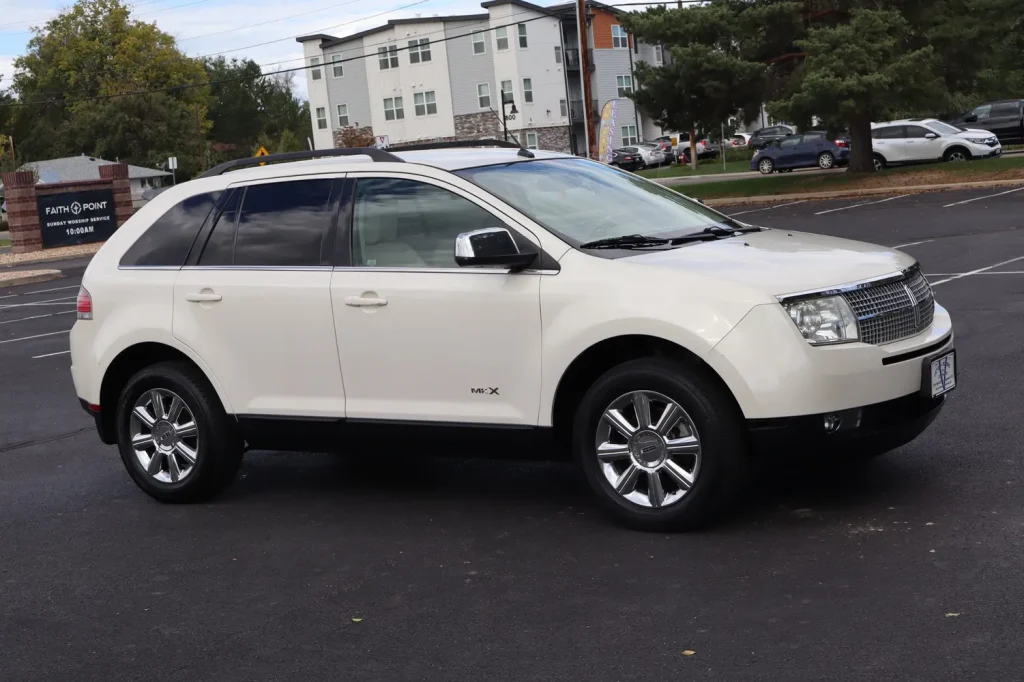
Complete repair invoices frequently range from $1,800 to $2,700 using quality replacement components. When shopping for a used MKX with mileage approaching or exceeding 100,000 miles, documented water pump service is a valuable maintenance record that can significantly improve long-term ownership confidence.
Specifications
- Engine: 3.5L Duratec Ti-VCT V6
- Torque: 250 lb-ft
- Horsepower: 265 hp
- Length/Width: 186.7 inches / 75.8 inches
7. Ford Fusion Sport (2017 to 2019) 2.7L EcoBoost V6
Performance sedans are rarely associated with expensive cooling system repairs, yet the Ford Fusion Sport’s twin-turbocharged 2.7-liter EcoBoost V6 hides one of its most labor-intensive maintenance items behind the engine’s front cover.
Unlike traditional belt-driven water pumps that are visible from the outside of the engine, this pump is integrated into the timing drive assembly. The compact layout benefits engine packaging, but it also means replacing the pump requires dismantling a substantial portion of the engine’s front end.
Owners usually encounter the problem after seeing persistent coolant loss, an overheating warning, or traces of coolant around the timing cover area.
Since the pump is buried behind multiple components, confirming the leak often requires more diagnostic work than on engines with an external water pump.
If the repair is delayed and coolant circulation becomes inadequate, engine temperatures can rise quickly, particularly because the twin turbochargers generate considerable heat under load.
The replacement procedure is demanding from beginning to end. Technicians remove engine accessories, front covers, timing chains, guides, tensioners, and related hardware before accessing the pump.
Precision is essential during reassembly because improper timing chain installation can affect valve timing and engine performance. For that reason, this repair is normally entrusted to experienced technicians familiar with Ford’s EcoBoost engine family.
Repair invoices reflect the complexity. Labor estimates generally range from 11 to 14 hours, meaning labor charges alone frequently exceed $1,200 at many independent repair facilities and dealerships across the United States.
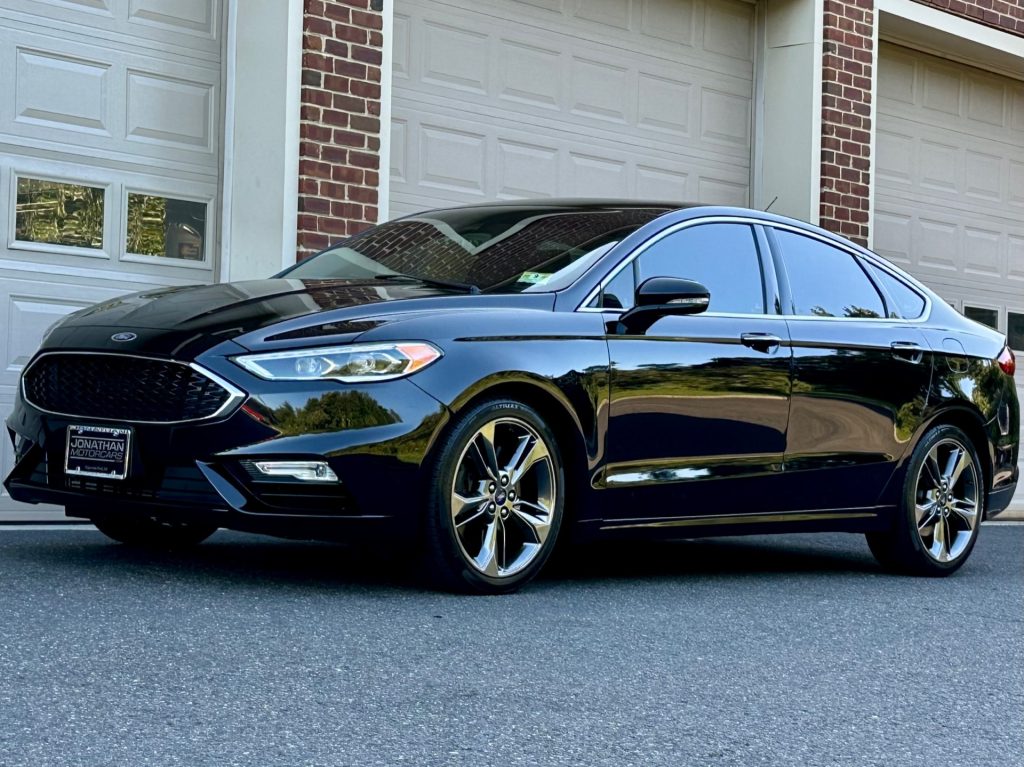
Complete repairs commonly total between $1,700 and $2,500 depending on labor rates and whether timing components, seals, or coolant hoses are replaced simultaneously. Owners who keep the vehicle beyond 100,000 miles often combine these preventive services to avoid another major teardown later.
Specifications
- Engine: 2.7L Twin-Turbo EcoBoost V6
- Torque: 380 lb-ft
- Horsepower: 325 hp
- Length/Width: 191.8 inches / 72.9 inches
8. Lincoln Continental (2017 to 2020) 3.0L Twin-Turbo EcoBoost V6
The tenth-generation Lincoln Continental was engineered to compete with premium luxury sedans by offering refined performance, advanced technology, and effortless highway cruising.
Models equipped with the 3.0-liter twin-turbocharged EcoBoost V6 certainly delivered impressive acceleration, but they also carried a repair challenge hidden deep within the engine.
The water pump is mounted behind the timing cover, making what would normally be routine cooling system maintenance one of the most expensive services many owners will ever face.
Unlike externally mounted pumps that can often be replaced within a few hours, servicing the Continental requires extensive disassembly of the front engine assembly. Timing chains, chain guides, tensioners, front covers, engine mounting components, and numerous accessories must be removed before the pump can be accessed.
Because this engine uses dual overhead camshafts with precise valve timing, careful alignment during reassembly is critical to maintaining factory performance and reliability.
Luxury vehicle owners are often surprised that a water pump costing only a fraction of the final invoice can generate such a substantial repair bill. In most U.S. markets, labor estimates range from 12 to 15 hours.
At dealership labor rates that commonly exceed $150 per hour in metropolitan areas, labor alone can comfortably surpass $1,200. Total repair costs frequently range from $2,000 to more than $3,000 once replacement parts, fresh coolant, seals, and related timing components are included.
Prospective buyers shopping for a used Continental should review maintenance records carefully. Documentation showing that the water pump and related timing components have already been replaced can represent significant future savings.
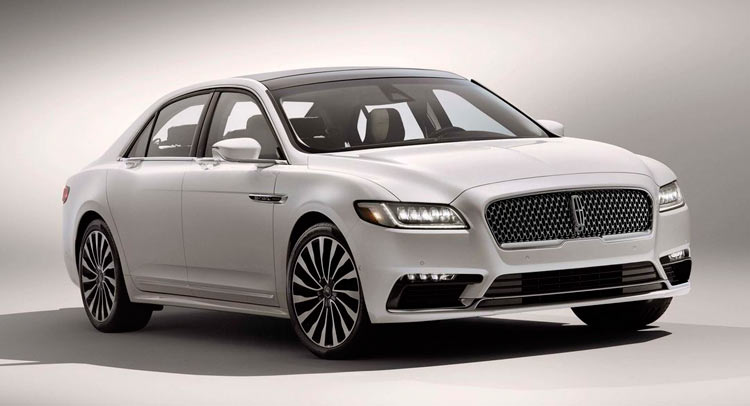
While the engine offers strong performance and smooth power delivery, understanding this repair beforehand helps owners budget realistically for long-term maintenance instead of being caught off guard by an unexpectedly large service invoice.
Specifications
- Engine: 3.0L Twin-Turbo EcoBoost V6
- Torque: 400 lb-ft
- Horsepower: 400 hp
- Length/Width: 201.4 inches / 75.9 inches
9. Ford Taurus SHO (2010 to 2019) 3.5L EcoBoost V6
High-performance sedans often receive attention for their horsepower figures, but long-term ownership costs can be just as important. The Ford Taurus SHO’s 3.5-liter twin-turbocharged EcoBoost V6 delivers strong acceleration, yet it also carries one of Ford’s most labor-intensive cooling system designs.
Like other members of the Duratec and EcoBoost V6 families, the water pump is mounted behind the front timing cover and driven by the timing chain rather than an external belt. While this arrangement saves space inside the engine bay, it transforms a routine water pump replacement into a major mechanical job.
The first signs of trouble may include gradual coolant loss, intermittent overheating, or coolant residue around the timing cover. Because the pump is internal, diagnosing the leak is more involved than on engines with an externally mounted pump.
If the pump seal deteriorates enough to allow coolant into the engine oil, internal bearings can suffer accelerated wear due to reduced lubrication. Catching the problem early can prevent a repair bill from escalating into complete engine replacement.
Technicians must remove multiple engine accessories, timing covers, timing chains, guides, hydraulic tensioners, and related hardware before the pump is accessible. Reassembly requires precise camshaft timing, making this a repair that demands factory procedures and specialized tools.
Many shops recommend replacing chain guides, tensioners, front seals, and coolant at the same time since nearly all labor has already been invested.
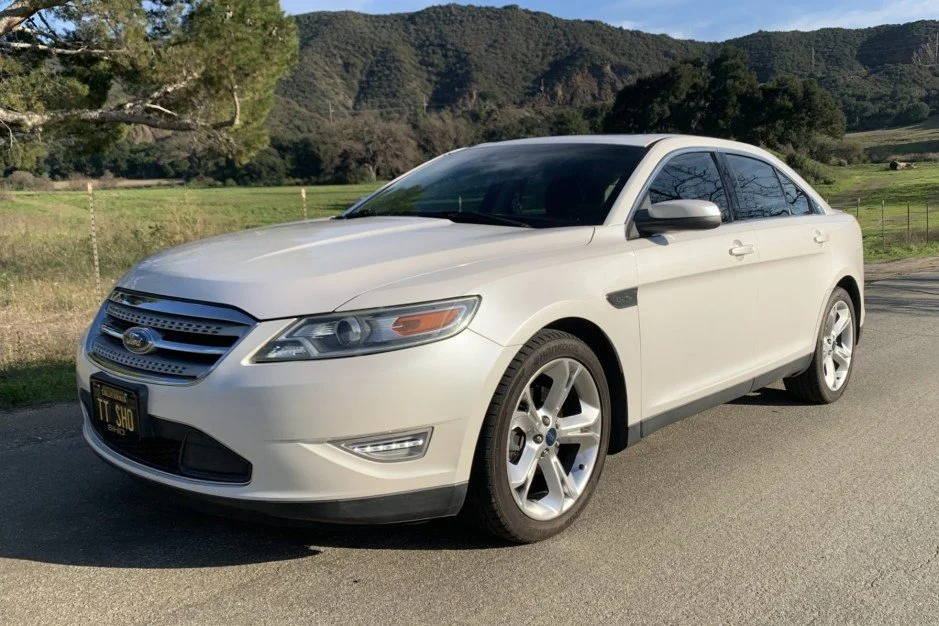
In the United States, labor commonly falls between 12 and 15 hours. With dealership and independent shop labor rates frequently exceeding $100 to $150 per hour, labor alone can easily surpass $1,200.
Complete repair costs generally range from $2,000 to $3,000 depending on parts selection and regional labor rates.
Specifications
- Engine: 3.5L Twin-Turbo EcoBoost V6
- Torque: 350 lb-ft
- Horsepower: 365 hp
- Length/Width: 202.9 inches / 76.9 inches
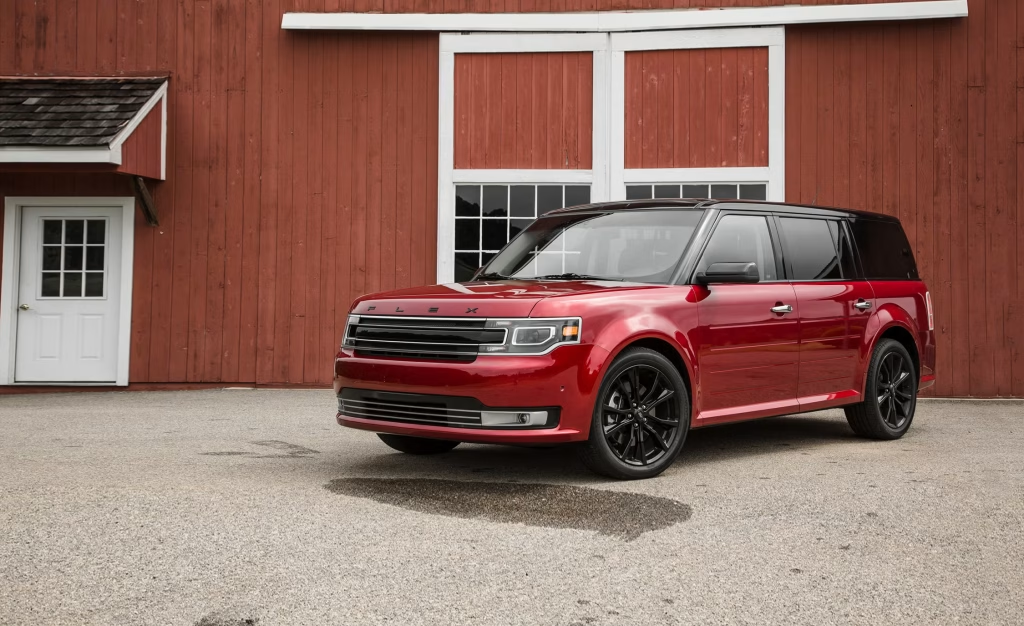
10. Ford Flex EcoBoost (2010 to 2019) 3.5L EcoBoost V6
The EcoBoost-powered Ford Flex offered full-size family practicality with performance that surprised many drivers. Producing substantially more power than the naturally aspirated version, the twin-turbocharged 3.5-liter V6 also retained the same fundamental internal water pump architecture.
Instead of sitting on the outside of the engine, the pump is buried behind the timing cover and driven directly by the timing chain. The result is a repair that requires extensive labor even though the replacement part itself is relatively inexpensive.
Owners may notice the coolant reservoir requiring frequent refills, higher-than-normal engine temperatures, or warning messages related to the cooling system. Because the water pump is not externally mounted, visual confirmation is not always immediate.
Technicians often perform pressure testing and inspect the engine oil for evidence of coolant contamination before recommending replacement. Addressing the issue promptly is particularly important because the turbocharged engine operates at higher thermal loads, making effective coolant circulation essential.
Accessing the pump involves removing the front engine cover, timing chains, guides, tensioners, crankshaft pulley, engine mount components, and several accessory systems.
Once everything is apart, many experienced technicians recommend replacing wear items such as timing chain guides, seals, the thermostat, and fresh coolant. Although these additional parts increase the repair bill slightly, they reduce the likelihood of another expensive teardown later.
Most U.S. repair facilities estimate approximately 12 to 16 labor hours for this procedure. Depending on regional labor rates, labor charges alone frequently exceed $1,200, while complete repair invoices commonly range from $2,100 to more than $3,200.
For buyers considering a used EcoBoost Flex, service records showing a recently replaced water pump can be a significant advantage and may save thousands of dollars in future maintenance.
Specifications
- Engine: 3.5L Twin-Turbo EcoBoost V6
- Torque: 350 lb-ft
- Horsepower: 365 hp
- Length/Width: 201.8 inches / 75.9 inches
Also Read: Top 10 States Where You Don’t Need a Front License Plate