
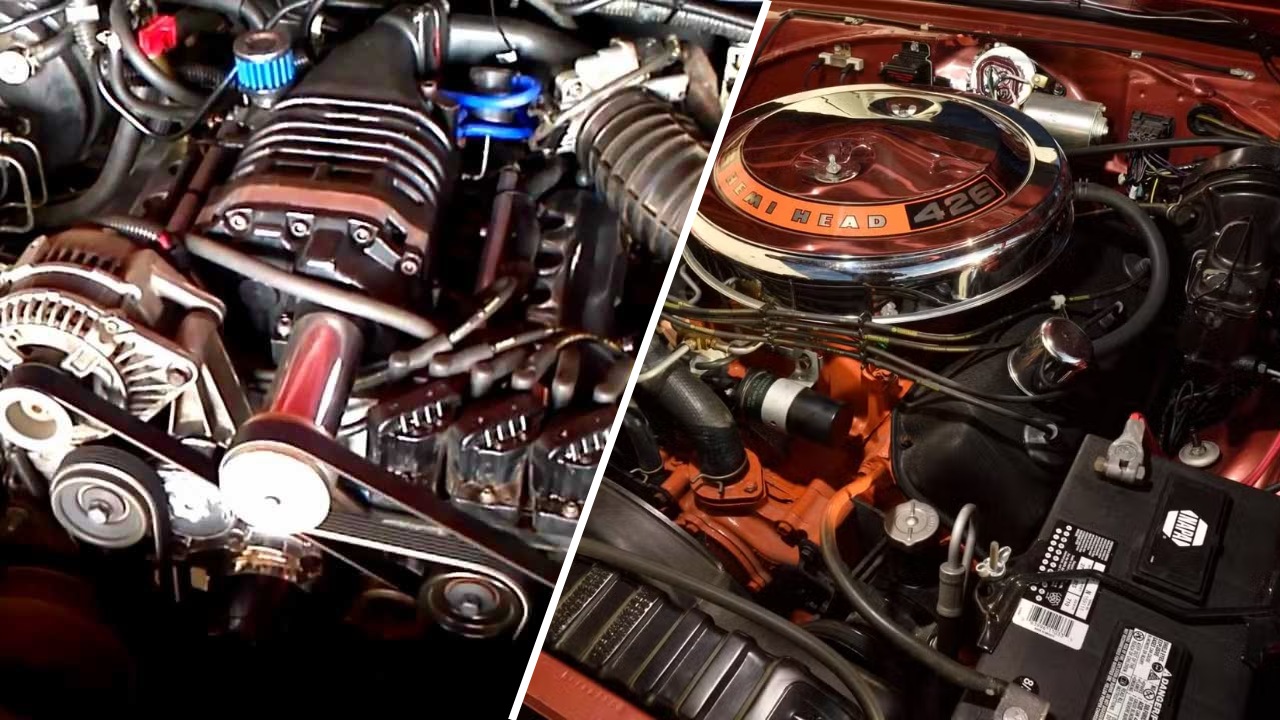
Automakers retire engines for many reasons, including tightening emissions standards, changing fuel economy regulations, corporate restructuring, and the industry’s shift toward electrification. Yet some powerplants refuse to fade away.
Certain discontinued engines remain highly sought after because they earned reputations for exceptional reliability, huge tuning potential, distinctive sound, or motorsport success. Many continue to command premium prices in the used market, while salvage yards and specialty builders struggle to keep them in stock.
From legendary American V8s to iconic Japanese performance engines, these discontinued powerplants still power restoration projects, engine swaps, race cars, and weekend builds across the United States.
Also Read: 10 Cars With Cabin Filters That Clog Before 8,000 Miles
1. General Motors LS7 7.0L V8
Few discontinued American performance engines have achieved the cult status of the LS7. Introduced for the 2006 Chevrolet Corvette Z06, this naturally aspirated 7.0-liter small-block represented the peak of GM’s Gen IV LS architecture.
Although production ended after the 2015 model year, enthusiasts continue searching for genuine LS7 engines because very few factory V8s combine such large displacement with relatively low weight and race-inspired engineering.
Unlike ordinary production engines, the LS7 received titanium connecting rods and titanium intake valves, forged aluminum pistons, CNC-ported cylinder heads, and a forged steel crankshaft.
These components allowed the engine to produce an impressive 505 horsepower without forced induction. Its broad torque curve also made it exceptionally responsive on both road courses and drag strips.
Engine swap specialists frequently install LS7s into classic Camaros, Chevelles, Novas, pickup trucks, and even imported sports cars. The engine’s compact dimensions make it easier to fit into numerous chassis compared with many modern dual overhead cam V8s.
Despite its age, aftermarket support remains extensive, with replacement parts, performance upgrades, and tuning solutions widely available throughout the United States.
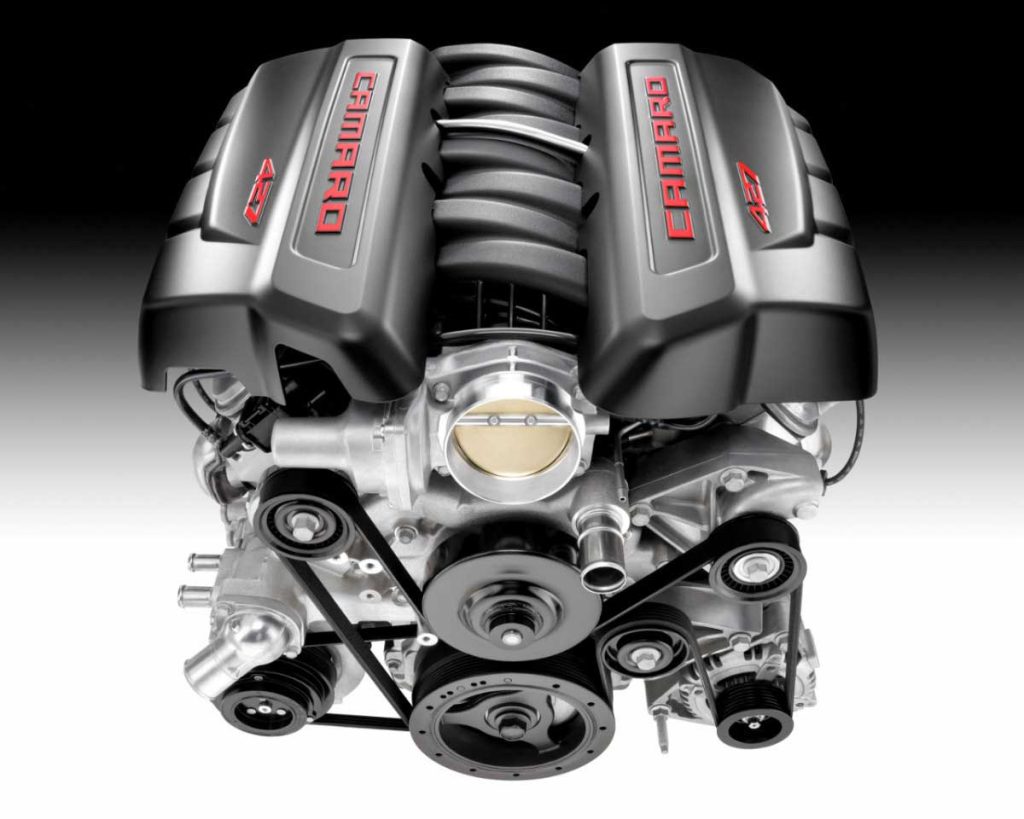
Another factor sustaining demand is rarity. GM produced far fewer LS7 engines than mainstream LS3 or 5.3-liter truck engines. As Corvette Z06 values continue climbing, owners are also less willing to part out original vehicles, reducing the supply of authentic LS7 powerplants.
Buyers should be aware that early LS7 engines developed cylinder head valve guide concerns, but many examples have since received updated components or professional repairs.
Well-maintained engines regularly exceed 100,000 miles while retaining impressive performance, reinforcing the LS7’s reputation as one of America’s most desirable discontinued V8 engines.
Specifications
- Engine: 7.0-liter Naturally Aspirated OHV V8
- Torque: 470 lb-ft
- Horsepower: 505 hp
- Length/Width: Approximately 28 inches / 24 inches
2. Toyota 2JZ-GTE 3.0L Inline-Six
Ask almost any performance enthusiast to name a discontinued engine that still dominates the tuning world, and the Toyota 2JZ-GTE will likely be near the top of the list. Built from the early 1990s through the early 2000s, the twin-turbocharged inline-six became famous in the fourth-generation Toyota Supra sold in the United States.
Although Toyota stopped producing the engine years ago, demand has remained remarkably strong thanks to its exceptional durability and enormous horsepower potential.
What separates the 2JZ-GTE from many of its competitors is its incredibly robust construction. Toyota engineered the engine with a cast-iron block, seven main bearings, a forged steel crankshaft, oil squirters for piston cooling, and a cylinder head that flows efficiently even at higher boost levels.
Many professional engine builders have demonstrated that a properly prepared 2JZ bottom end can comfortably support four-digit horsepower figures with upgraded fuel systems, turbochargers, and internal components.
Its popularity extends far beyond Toyota enthusiasts. Engine swaps using the 2JZ have appeared in Ford Mustangs, Chevrolet Camaros, Nissan 240SX models, BMW coupes, Jeep Wranglers, and countless drift, drag racing, and time attack vehicles across the United States.
That widespread acceptance keeps used engine prices high despite the engine having been discontinued for more than two decades.
Availability has become increasingly limited because clean Japanese domestic market imports are becoming harder to source, while original U.S.-spec Supra Turbo donor cars have appreciated significantly in value.
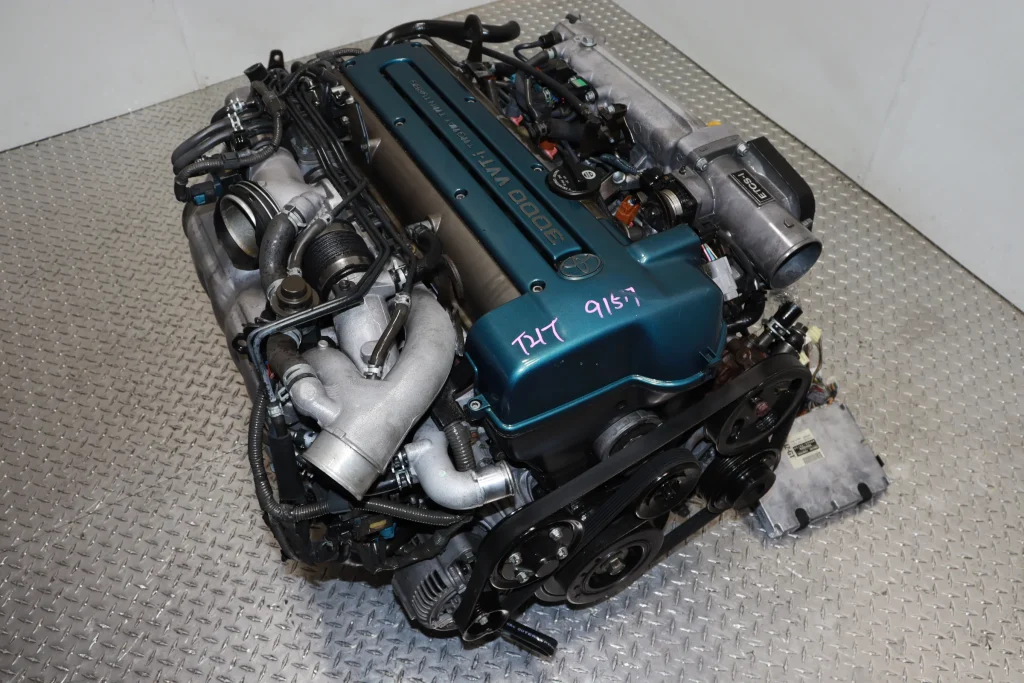
Builders who locate complete, unmodified engines often pay substantial premiums compared with many newer turbocharged alternatives.
Even with modern turbocharged engines entering the market, the 2JZ-GTE remains one of the most respected foundations for reliable, high-horsepower projects, proving that thoughtful engineering can keep an engine relevant long after production has ended.
Specifications
- Engine: 3.0-liter Twin-Turbocharged DOHC Inline-6
- Torque: 315 lb-ft
- Horsepower: 320 hp
- Length/Width: Approximately 31 inches / 25 inches
3. Dodge Viper 8.4L V10
Not every legendary engine owes its reputation to forced induction or advanced electronics. The Dodge Viper’s naturally aspirated 8.4-liter V10 became iconic simply because nothing else on American roads delivered the same combination of displacement, sound, and raw character.
When Dodge ended Viper production after the 2017 model year, this remarkable engine disappeared with it, instantly becoming one of the most desirable discontinued performance engines in America.
Developed from Chrysler’s original V10 architecture and refined extensively through multiple generations, the final version produced an astonishing 645 horsepower and 600 lb-ft of torque without turbochargers or superchargers.
Large displacement, high-flow cylinder heads, variable valve timing, and careful calibration allowed the engine to remain competitive against far more technologically complex rivals.
Unlike engines commonly used in swap projects, the Viper V10 remains relatively exclusive. Its physical size, specialized electronics, and limited production numbers make conversions expensive, yet builders continue investing in custom installations because few engines provide such dramatic visual presence and unmistakable exhaust sound.
Specialty shops have successfully installed Viper V10s into classic muscle cars, race cars, and custom trucks, creating builds that attract attention wherever they appear.
Replacement engines have also become increasingly valuable because many Viper owners prefer maintaining factory originality rather than replacing damaged engines with custom alternatives. As surviving Vipers appreciate across the collector market, demand for authentic factory powerplants continues rising.
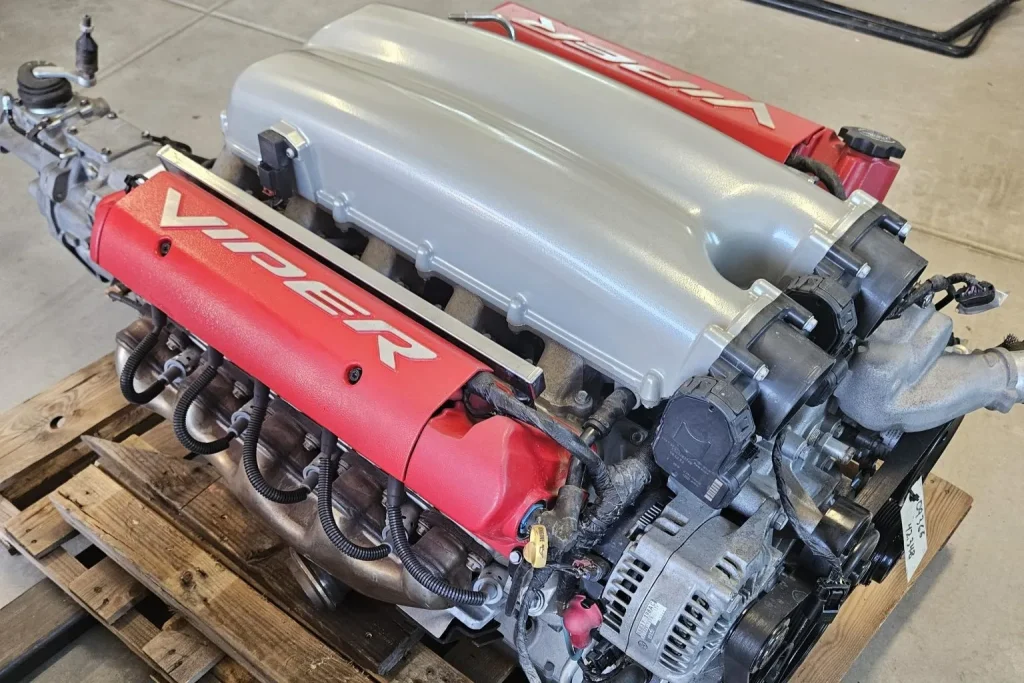
The Viper V10 also represents the closing chapter of an era when American manufacturers still built massive naturally aspirated engines without relying on electrification or forced induction. That historical significance ensures the engine remains highly prized among collectors, restorers, and performance enthusiasts alike.
Specifications
- Engine: 8.4-liter Naturally Aspirated OHV V10
- Torque: 600 lb-ft
- Horsepower: 645 hp
- Length/Width: Approximately 34 inches / 29 inches
4. Honda B18C5 1.8L Inline-Four
Long before factory turbocharged hot hatches became common, Honda proved that intelligent engineering could deliver thrilling performance without forced induction.
The B18C5, developed exclusively for the 1997 through 2001 Acura Integra Type R sold in the United States, remains one of the most respected four-cylinder engines ever produced. Although Honda discontinued the B-Series family years ago, demand for authentic B18C5 engines has never disappeared.
The reason begins with precision rather than displacement. Honda hand-matched many internal components during assembly, helping the engine achieve excellent balance at high engine speeds.
Lightweight pistons, forged connecting rods, high-compression combustion chambers, aggressive camshafts, and carefully ported cylinder heads allowed the engine to produce nearly 100 horsepower per liter without turbocharging, an extraordinary accomplishment during the late 1990s.
Unlike many collectible engines that remain locked inside restored vehicles, the B18C5 continues to power thousands of modified Civics, Integras, CRXs, and dedicated autocross cars across America.
Its high-revving personality, crisp throttle response, and dependable reliability have made it a favorite among amateur racers and weekend enthusiasts alike. Parts availability also remains excellent because the broader B-Series platform enjoys one of the largest aftermarket ecosystems in the import performance industry.
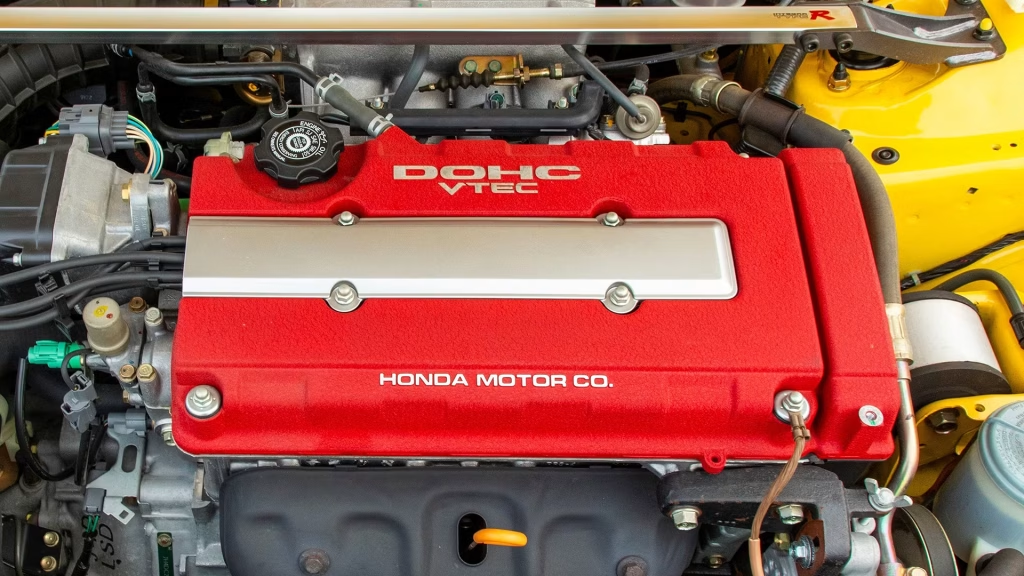
Finding a genuine B18C5 has become increasingly difficult. Many engines have already been swapped into other vehicles, while untouched Integra Type R models have become valuable collector cars. As a result, authentic engines with matching identification numbers regularly command significantly higher prices than standard B18 variants.
More than two decades after production ended, the B18C5 continues to represent Honda’s naturally aspirated engineering at its finest. It demonstrates that careful design, efficient airflow, and lightweight construction can create lasting enthusiasm without relying on massive displacement.
Specifications
- Engine: 1.8-liter Naturally Aspirated DOHC Inline-4
- Torque: 130 lb-ft
- Horsepower: 195 hp
- Length/Width: Approximately 24 inches / 22 inches
5. Ford Barra 4.0L Turbo Inline-Six
American enthusiasts first discovered the Ford Barra through imported Australian performance cars, but it did not take long for the engine to earn worldwide recognition.
Produced by Ford Australia until manufacturing concluded in 2016, the turbocharged Barra has become one of the most sought-after discontinued inline-six engines because of its remarkable strength and tuning capability.
The foundation of its reputation is the engine block itself. Ford designed the Barra with a durable cast-iron block, a cross-flow aluminum cylinder head, and a stout rotating assembly capable of handling substantial increases in boost pressure.
Professional tuners have repeatedly demonstrated that factory blocks can support horsepower figures well beyond their original ratings when upgraded with appropriate fuel systems, turbochargers, and supporting modifications.
Although the engine was never officially offered in American production vehicles, demand in the United States has increased steadily. Specialty importers now source Barra engines specifically for swap projects involving classic Mustangs, Fox-body cars, F-Series pickups, drift builds, and drag racing machines.
Builders appreciate the engine because it combines modern electronic management with the simplicity and smoothness associated with traditional inline-six designs.
Another factor driving demand is the engine’s relative scarcity. Production ended when Ford closed its Australian manufacturing operations, permanently limiting the number of available engines. Every year, fewer low-mileage examples remain available for export, causing prices to climb as American buyers compete for quality units.
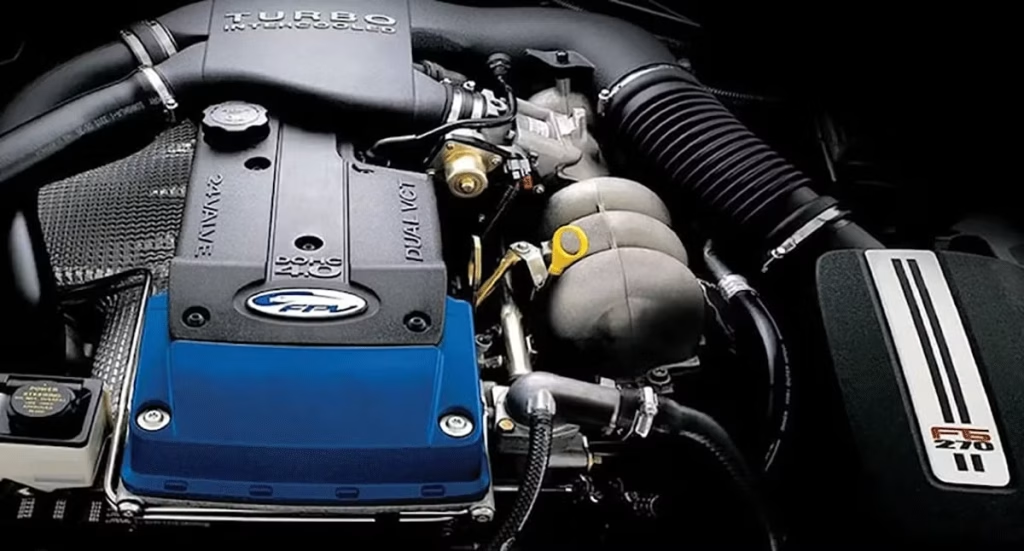
For enthusiasts seeking an alternative to more common performance swaps, the Barra offers something distinctive. Its ability to deliver impressive horsepower while maintaining reliability has secured its reputation as one of the finest discontinued turbocharged six-cylinder engines ever built.
Specifications
- Engine: 4.0-liter Turbocharged DOHC Inline-6
- Torque: 420 lb-ft
- Horsepower: 362 hp
- Length/Width: Approximately 33 inches / 26 inches
6. Chevrolet LT5 5.7L V8
The original LT5 occupies a unique place in American performance history because it was unlike any other Corvette engine of its era. Built for the 1990 through 1995 Chevrolet Corvette ZR-1, the all-aluminum 5.7-liter V8 was engineered by Lotus and manufactured by Mercury Marine.
Production ended after just a few years, making it one of the rarest factory Corvette engines ever offered. Today, collectors and restoration specialists continue searching for genuine LT5 engines as values of the C4 ZR-1 steadily climb.
Instead of relying on traditional pushrod architecture, Chevrolet chose a sophisticated dual overhead cam, 32-valve design.
The advanced cylinder heads allowed the LT5 to breathe exceptionally well at higher engine speeds, producing 375 horsepower initially before later versions increased output to 405 horsepower. During the early 1990s, those figures placed the ZR-1 among the fastest production cars available in America.
Unlike engines famous for aftermarket modifications, the LT5 earns its reputation because owners value originality. Matching-numbers engines significantly enhance the value of authentic ZR-1 Corvettes, making factory powerplants increasingly difficult to obtain.
Specialized rebuilders also remain busy restoring aging LT5s because replacement engines are scarce.
The engine’s engineering continues to impress decades later. Features such as forged internals, aluminum construction, and an advanced intake system demonstrated just how ambitious General Motors was when developing a world-class sports car capable of competing with Europe’s finest performance machines.
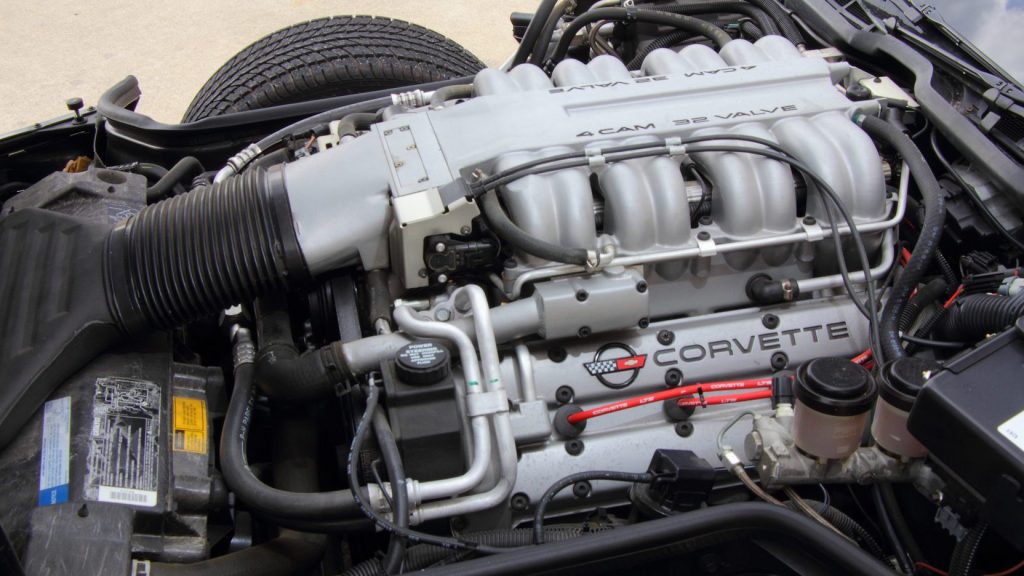
While later LS-series engines became more popular for swaps, the LT5 retains a dedicated following among Corvette historians and collectors. Its combination of limited production, innovative engineering, and historical importance ensures it remains one of America’s most desirable discontinued performance engines.
Specifications
- Engine: 5.7-liter Naturally Aspirated DOHC V8
- Torque: 385 lb-ft
- Horsepower: 405 hp
- Length/Width: Approximately 29 inches / 27 inches
7. Nissan RB26DETT 2.6L Inline-Six
Some engines become legendary because of racing success, while others earn admiration through unmatched tuning potential. The Nissan RB26DETT accomplished both. Introduced in the Skyline GT-R, the twin-turbocharged inline-six became the heart of one of Japan’s most successful performance cars.
Production eventually ended in 2002, yet demand across the United States remains exceptionally strong thanks to decades of proven performance on drag strips, road courses, and drifting circuits.
Nissan built the RB26DETT with motorsport in mind. The cast-iron block provided excellent rigidity, while the aluminum cylinder head featured dual overhead camshafts and four valves per cylinder.
Individual throttle bodies improved throttle response, and the engine’s strong bottom end handled significant increases in boost pressure with proper supporting modifications.
The RB26 gained worldwide recognition after the Skyline GT-R became dominant in touring car competition and later achieved iconic status within automotive culture.
As legal imports of older GT-R models became available in America, enthusiasm for the engine increased dramatically. Many builders also imported standalone RB26 engines for custom swap projects involving Nissan 240SX models, Datsun Z cars, classic pickups, and even American muscle cars.
Finding an authentic RB26DETT has become increasingly difficult because production numbers were limited compared with more common Japanese engines. Complete engines with factory twin turbochargers, wiring harnesses, and electronic control units often sell for substantial prices, particularly when documented mileage is low.
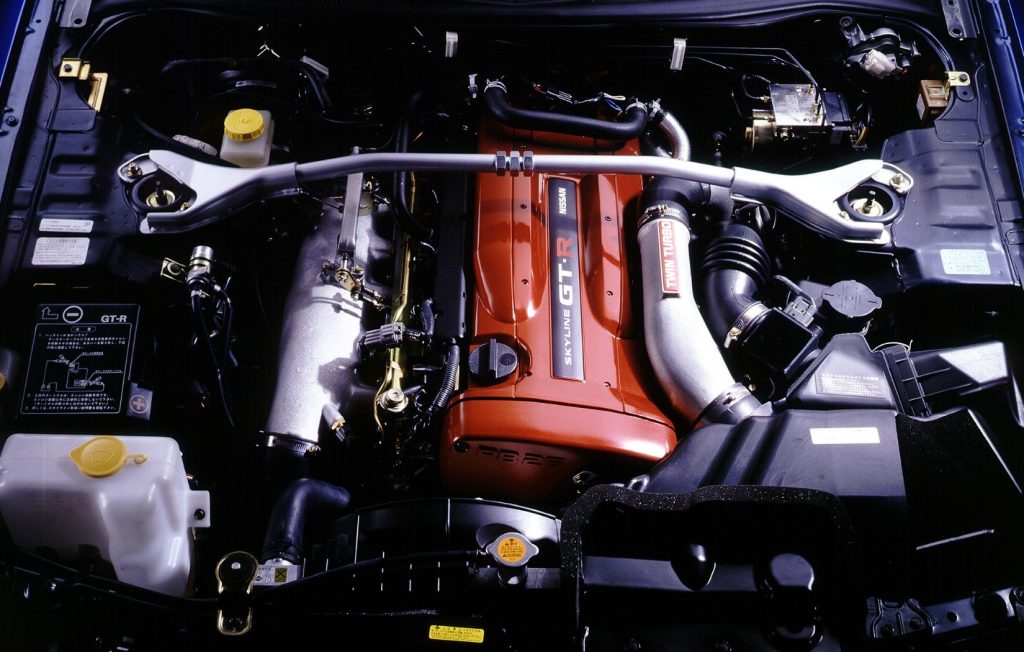
Despite the arrival of newer turbocharged performance engines, the RB26 continues attracting enthusiasts who appreciate its smooth power delivery, unmistakable exhaust note, and deep motorsport heritage. More than two decades after production ceased, it remains one of the world’s most respected discontinued inline-six engines.
Specifications
- Engine: 2.6-liter Twin-Turbocharged DOHC Inline-6
- Torque: 289 lb-ft
- Horsepower: 276 hp (factory advertised; actual output was widely believed to be higher)
- Length/Width: Approximately 31 inches / 25 inches
8. Buick 3.8L Series II Supercharged V6 (L67)
Not every discontinued engine remains desirable because of extreme horsepower. Some earn lasting respect through a combination of durability, affordability, and tuning potential. The Buick L67 supercharged V6 checks all three boxes.
Produced from the mid-1990s through 2003, this engine powered vehicles such as the Buick Regal GS, Pontiac Grand Prix GTP, Chevrolet Impala SS, and Pontiac Bonneville SSEi. Even years after production ended, it continues to be one of the most sought-after American V6 engines.
The foundation of the L67’s reputation is General Motors’ exceptionally durable 3800 Series II architecture. Featuring a cast-iron block, aluminum cylinder heads, and an Eaton M90 roots-type supercharger, the engine delivered strong low-end torque while maintaining excellent long-term reliability.
Owners regularly report engines surpassing 200,000 miles with proper maintenance, a milestone that has become one of the engine’s defining characteristics.
Performance enthusiasts also appreciate how easily additional power can be extracted. Smaller supercharger pulleys, upgraded intercooling systems, freer-flowing exhausts, and revised engine calibrations can increase horsepower considerably without requiring a complete engine rebuild.
That makes the L67 attractive for budget-conscious builders looking for dependable performance.
As front-wheel-drive performance cars from the late 1990s become increasingly collectible, original L67 engines are becoming harder to source in good condition. Salvage yards once stocked them in large numbers, but clean examples have steadily disappeared as enthusiasts purchased engines for replacements and custom swaps.
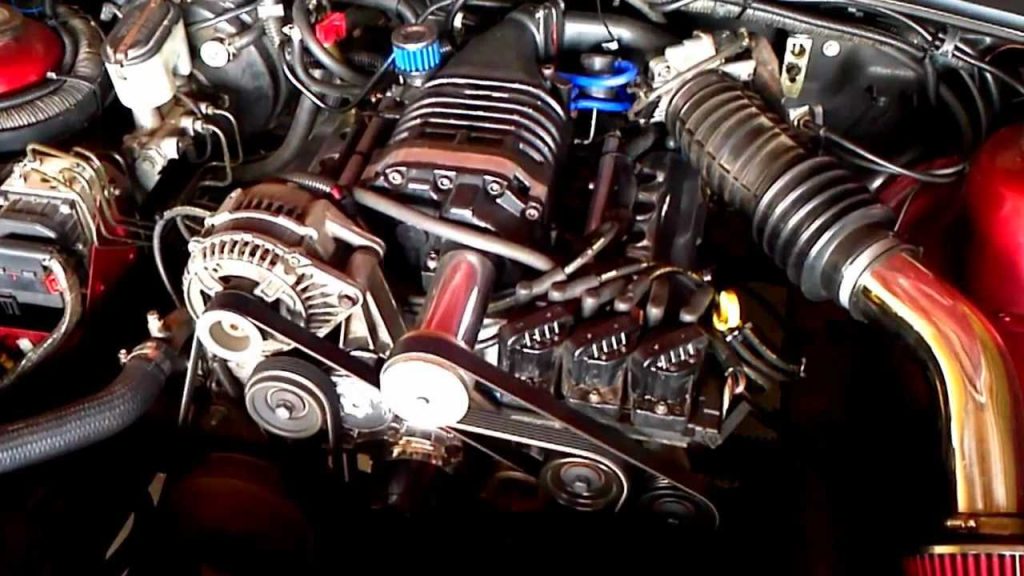
The L67 represents a period when American manufacturers successfully blended supercharged performance with everyday dependability. That combination continues to attract enthusiasts who value real-world drivability just as much as straight-line acceleration.
Specifications
- Engine: 3.8-liter Supercharged OHV V6
- Torque: 280 lb-ft
- Horsepower: 240 hp
- Length/Width: Approximately 28 inches / 25 inches
9. Yamaha-Built SHO 3.0L V6
Some engines become legends because they powered famous sports cars. Others achieve recognition by transforming an ordinary sedan into something genuinely special. The Yamaha-built 3.0-liter V6 developed for the first-generation Ford Taurus SHO belongs firmly in the second category.
Built from 1989 through 1995, this remarkable engine introduced thousands of American drivers to high-revving, sophisticated engineering wrapped inside a practical family sedan.
Ford partnered with Yamaha to create an engine unlike anything else in its lineup. The result featured an aluminum block and cylinder heads, dual overhead camshafts, four valves per cylinder, forged crankshaft construction, and an intake system engineered to breathe efficiently at upgraded engine speeds.
The engine willingly revved to a 7,000 rpm redline while producing 220 horsepower, impressive figures for a naturally aspirated V6 at the time.
Because relatively few Taurus SHO models survived compared with mainstream Taurus sedans, original engines have become increasingly scarce. Restorers often compete with enthusiasts building custom projects, creating steady demand for complete, unmodified powerplants.
Although engine swaps are less common than with V8 platforms, dedicated Ford enthusiasts continue preserving these engines because they represent one of the company’s most ambitious collaborations.
The SHO V6 also demonstrated that American manufacturers could produce refined, high-performance sedans capable of competing with respected European rivals. That historical significance continues to strengthen its appeal among collectors.
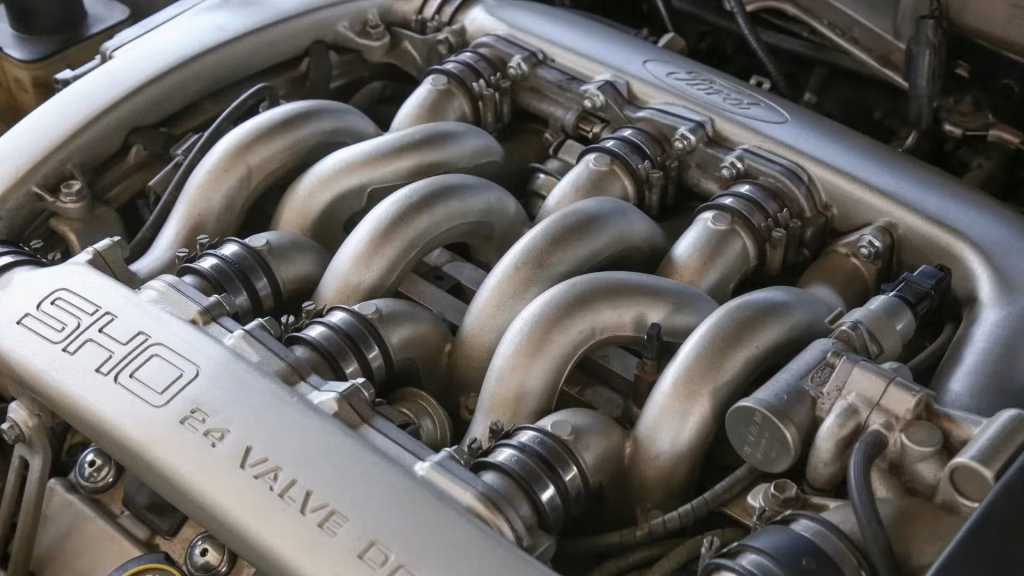
Three decades after production ended, the Yamaha SHO engine remains admired for its smoothness, distinctive induction sound, and willingness to rev. It serves as a reminder that memorable performance is not always measured by displacement alone.
Specifications
- Engine: 3.0-liter Naturally Aspirated DOHC V6
- Torque: 200 lb-ft
- Horsepower: 220 hp
- Length/Width: Approximately 26 inches / 27 inches
10. Chrysler 426 HEMI V8
Few discontinued engines carry the historical significance of Chrysler’s legendary 426 HEMI. Produced for streetcars from 1966 through 1971, the engine earned its nickname “The Elephant” because of its massive dimensions and extraordinary power.
Although factory production lasted only a few years, the 426 HEMI has remained one of the most valuable and desirable American V8 engines for collectors, restorers, and racers across the United States.
The engine was developed to satisfy NASCAR homologation requirements after Chrysler’s HEMI-powered race cars proved overwhelmingly competitive. Its hemispherical combustion chambers allowed larger valves and improved airflow compared with conventional wedge-head V8s.
Combined with dual four-barrel carburetors, a forged steel crankshaft, heavy-duty connecting rods, and a rugged bottom end, the 426 HEMI delivered factory-rated output of 425 horsepower and 490 lb-ft of torque. Many experts believe actual horsepower exceeded the published figure.
Original 426 HEMI engines are exceptionally scarce because relatively few street cars were produced with the option. Authentic examples installed in Dodge Chargers, Plymouth Road Runners, Dodge Challengers, Plymouth ‘Cudas, and other Mopar muscle cars dramatically increase collector value.
A matching-numbers HEMI-equipped vehicle can command prices several times higher than an identical model powered by a standard V8.
Unlike modern performance engines that rely heavily on electronic controls, the 426 HEMI represents a purely mechanical era of American muscle.
Builders still use surviving engines in concours restorations, vintage drag racing, and historically accurate recreations, while aftermarket companies continue manufacturing replacement components to support existing engines.
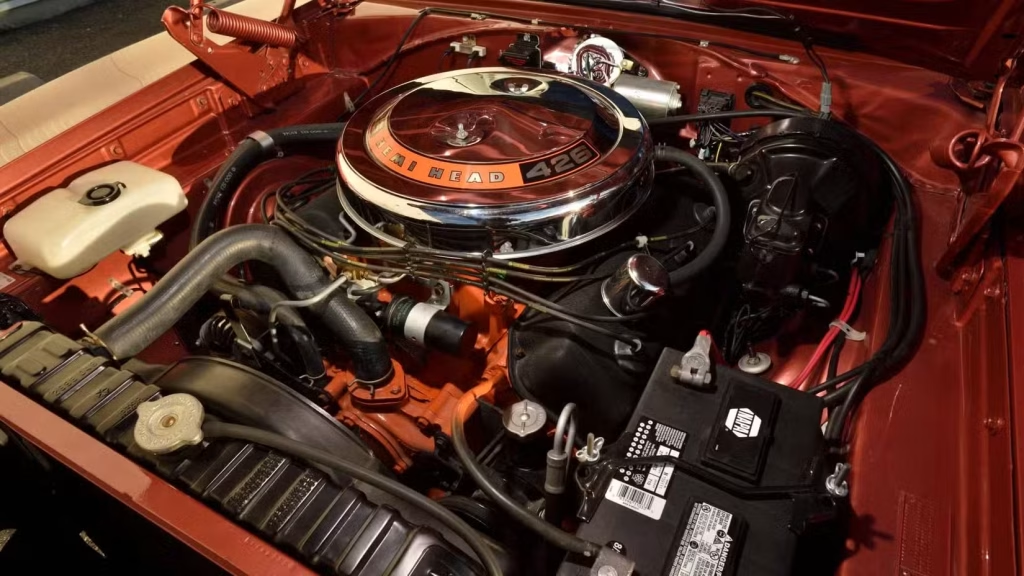
More than half a century after production ended, no discussion of desirable discontinued engines is complete without the 426 HEMI. Its combination of racing heritage, limited production, unmistakable appearance, and proven performance ensures it remains one of the most celebrated engines ever built.
Specifications
- Engine: 7.0-liter (426 cubic-inch) Naturally Aspirated OHV V8
- Torque: 490 lb-ft
- Horsepower: 425 hp
- Length/Width: Approximately 30 inches / 28 inches
Also Read: 10 Hybrid Cars Ranked by Battery Replacement Cost
