
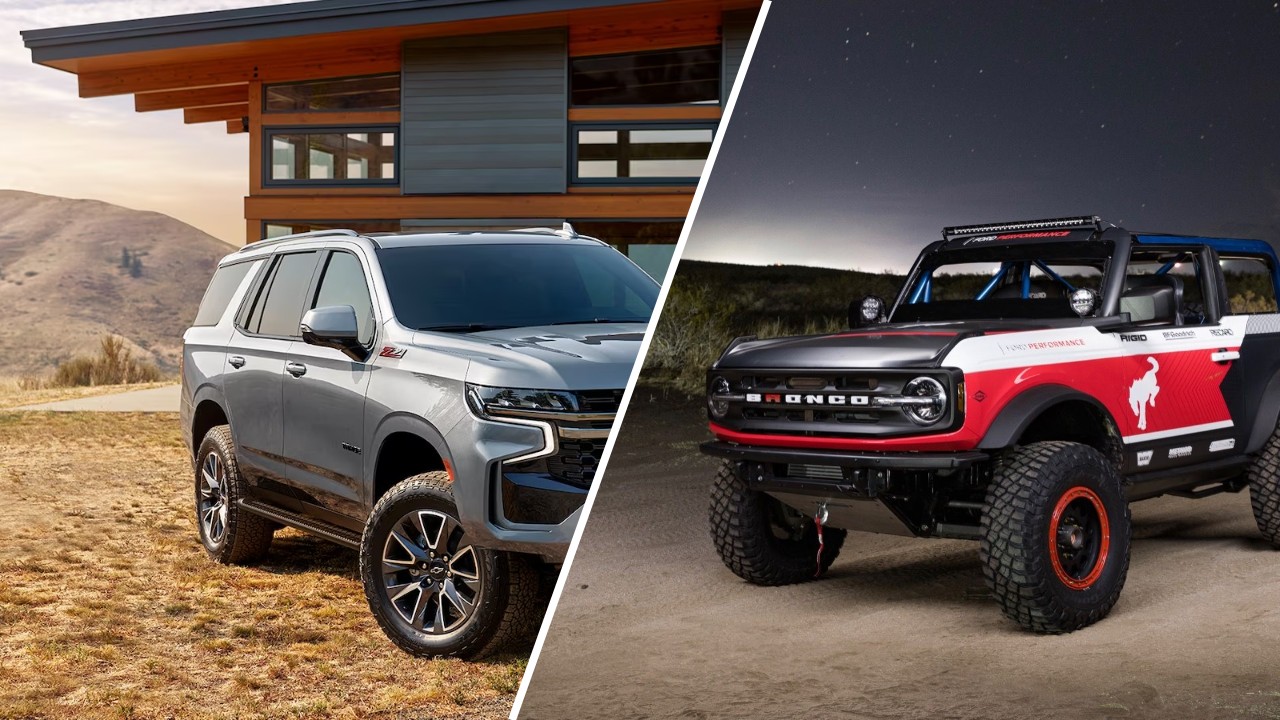
Cargo capacity is only part of the practicality equation when buying an SUV. Just as important is the height of the cargo floor, because a tall lift-over can make loading heavy coolers, luggage, strollers, toolboxes, or pet crates far more difficult.
Many body-on-frame SUVs and off-road-focused models sacrifice loading convenience in favor of ground clearance, suspension travel, or full-size spare tire packaging.
While these vehicles excel in capability, owners often find themselves lifting cargo higher than expected. Here are eight SUVs sold in the United States that have noticeably high cargo floors, making everyday loading less convenient than many crossover alternatives.
Also Read: 10 Trucks That Lose $20,000 To Depreciation Before 40,000 Miles
1. Toyota 4Runner
The Toyota 4Runner has built a loyal following thanks to its legendary durability, strong resale value, and genuine off-road capability. However, one tradeoff of its truck-based construction is a cargo area that sits noticeably higher than most modern crossovers.
Unlike unibody SUVs designed primarily for suburban driving, the 4Runner rides on a body-on-frame platform with generous ground clearance. That engineering gives it impressive trail performance but also creates a tall lift-over height at the rear hatch.
Owners quickly notice this when loading bulky objects such as coolers, camping equipment, generators, or heavy grocery hauls. Instead of sliding cargo directly into the vehicle, many items must be lifted several extra inches before they reach the cargo floor.
The challenge becomes even greater when the vehicle is equipped with four-wheel drive, larger all-terrain tires, or aftermarket suspension lifts that raise the body even farther.
Toyota partially offsets the inconvenience with a wide cargo opening and a square cargo compartment that makes organizing gear relatively easy once items are inside.
Certain trims also include a sliding rear cargo deck capable of supporting up to 440 pounds, allowing owners to pull cargo toward themselves before unloading. Even with that feature, the initial lift remains higher than in most midsize crossover SUVs.
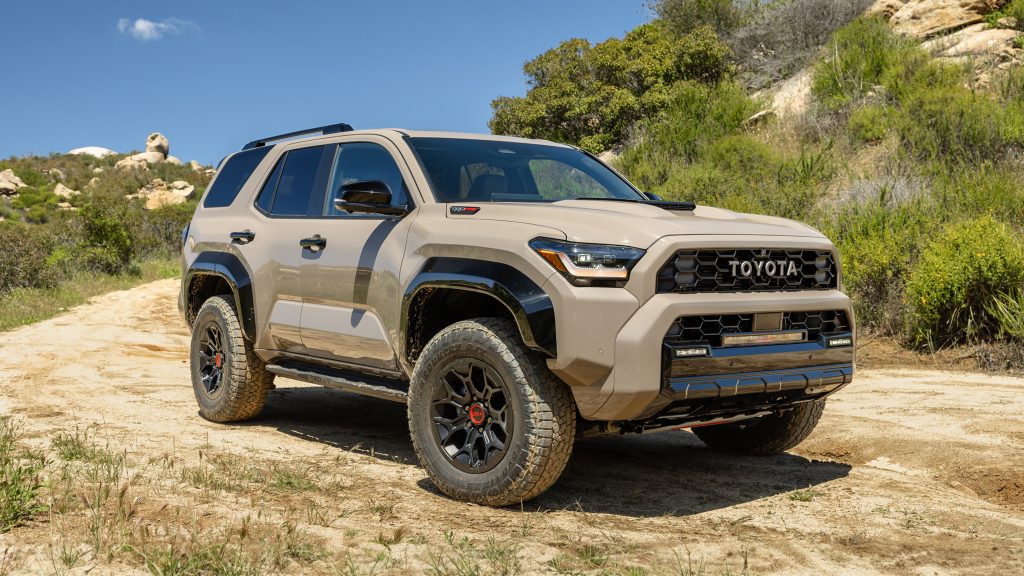
For buyers who frequently tow trailers, drive forest roads, or travel off pavement, the elevated cargo floor is a reasonable compromise. Families focused mainly on grocery shopping, sports equipment, or daily errands may find the higher loading height less convenient than competitors built on passenger-car platforms.
Specifications
- Engine: 4.0-liter Naturally Aspirated V6
- Torque: 278 lb-ft
- Horsepower: 270 hp
- Length/Width: 191.3 inches / 75.8 inches
2. Jeep Wrangler Unlimited
The Jeep Wrangler Unlimited was engineered with rugged terrain in mind rather than shopping-center convenience, and its cargo area reflects that philosophy.
Large off-road tires, heavy-duty suspension components, solid axles, and excellent ground clearance all contribute to a cargo floor that sits much higher than what buyers encounter in most family-oriented SUVs.
Loading luggage into the Wrangler often requires a noticeable upward lift because the rear bumper and cargo threshold are positioned well above the ground. The swing-out tailgate adds another step to the process.
Before placing anything inside, owners must first open the side-hinged door and then separately lift the rear glass. While this design supports the externally mounted spare tire, it also slows loading compared with conventional liftgates.
The Wrangler’s nearly vertical cargo space is excellent for maximizing usable volume, especially when carrying camping gear, recovery equipment, or large storage containers.
The flat floor and removable rear seats further improve versatility for outdoor adventures. Even so, the elevated loading height becomes apparent when lifting heavy ice chests, dog crates, bicycles, or toolboxes into the cargo area.
Many Wrangler owners gladly accept this compromise because the SUV offers capabilities few competitors can match. Features such as exceptional approach and departure angles, removable doors, removable roof panels, and outstanding trail performance remain the primary reasons people buy the vehicle.
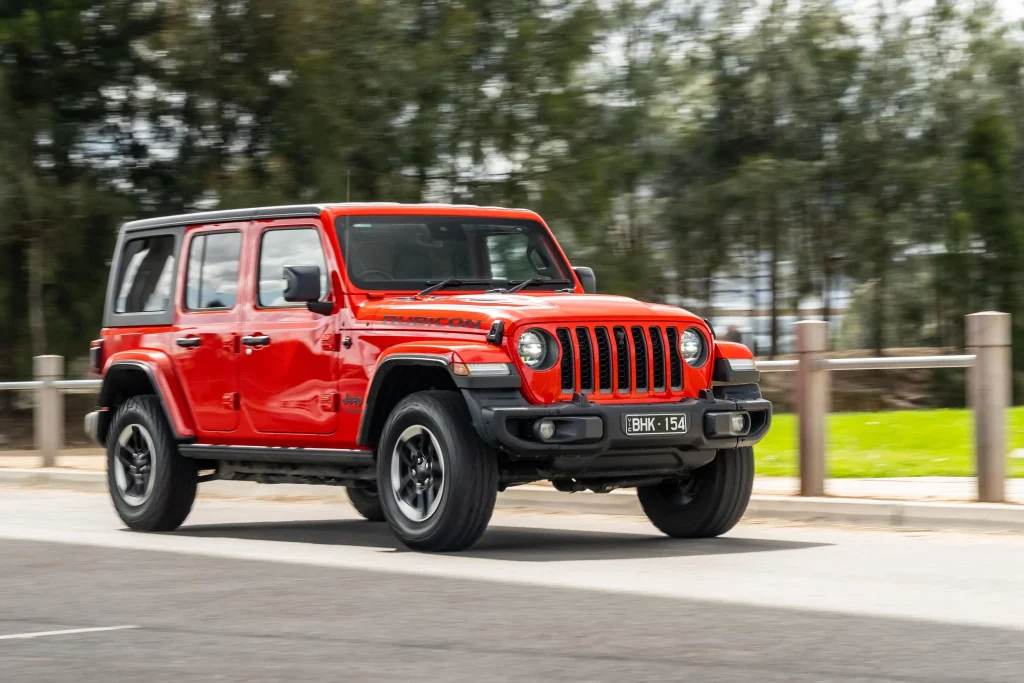
For shoppers spending most of their time on paved roads, however, the higher cargo floor can become one of the few daily inconveniences associated with an otherwise highly capable off-road SUV.
Specifications
- Engine: 3.6-liter Naturally Aspirated Pentastar V6
- Torque: 260 lb-ft
- Horsepower: 285 hp
- Length/Width: 188.4 inches / 73.9 inches
3. Ford Bronco
The Ford Bronco was designed to compete directly with the most capable off-road SUVs on the market, and that mission influences every aspect of its construction, including the cargo area.
Built with generous ground clearance, substantial suspension travel, and large all-terrain tires, the Bronco positions its cargo floor noticeably higher than many midsize crossovers. The result is excellent trail capability but a taller lift-over when loading everyday items.
The difference becomes apparent when handling heavier cargo. A loaded camping cooler, a generator, bags of mulch, or a large pet crate all require more lifting effort than they would in a vehicle like the Ford Edge or Honda Passport.
The cargo opening itself is wide and practical, but the elevated floor means users cannot simply slide heavy objects inside from waist height. Another factor is the Bronco’s side-hinged tailgate. Like traditional off-road SUVs, the rear door swings outward because it carries a full-size spare tire.
Owners must have enough room behind the vehicle to fully open the door before accessing the cargo compartment. While this layout improves off-road functionality, it can make loading in tight parking spaces more challenging.
Ford did a good job maximizing usable cargo space with a nearly flat load floor once items are inside.
Folded rear seats create a practical storage area for outdoor gear, and the washable interior found on certain trims reflects the Bronco’s adventure-focused personality. Buyers who regularly head for trails or overlanding trips are unlikely to mind the taller cargo floor.
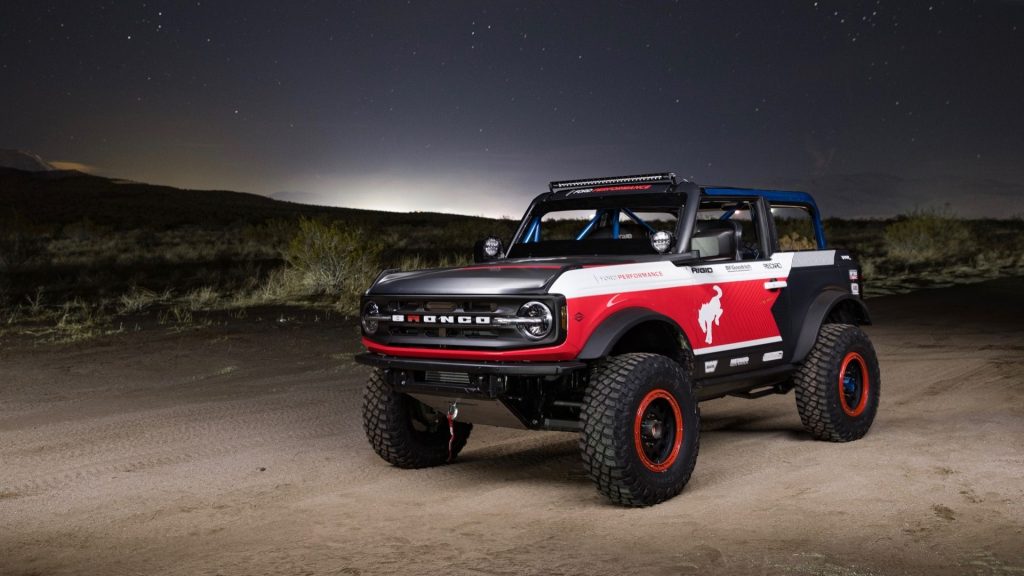
For drivers whose routine mainly consists of grocery runs, airport pickups, or transporting sports equipment, the higher loading height is one of the Bronco’s few compromises compared with road-focused crossover SUVs.
Specifications
- Engine: 2.3-liter EcoBoost Turbocharged Inline-4
- Torque: 325 lb-ft
- Horsepower: 300 hp
- Length/Width: 189.4 inches / 75.9 inches
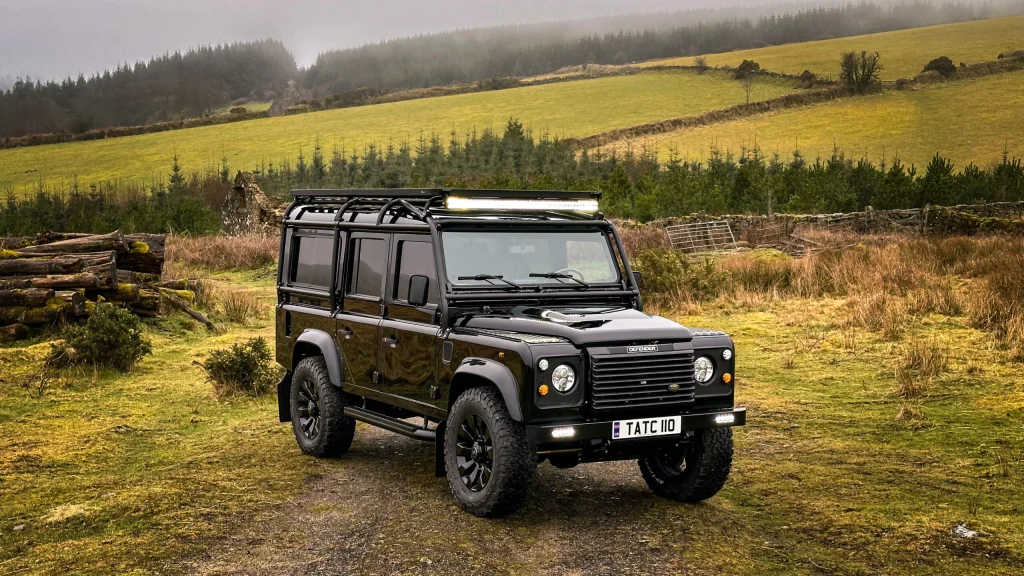
4. Land Rover Defender 110
The modern Land Rover Defender successfully blends luxury with serious off-road capability, but its cargo area clearly favors ruggedness over effortless loading. Built with substantial ride height and excellent approach and departure angles, the Defender naturally positions its cargo floor well above the height found in many premium crossover SUVs.
Owners notice this most when loading heavy travel bags, portable refrigerators, recovery equipment, or construction supplies. Instead of sliding cargo directly into the vehicle, users often have to lift items noticeably higher before reaching the load floor. The effect is even greater on models equipped with larger off-road tires or raised air suspension settings.
Unlike many rugged SUVs, the Defender surrounds its practical cargo area with premium materials and thoughtful storage solutions. Tie-down points, durable flooring, and a wide cargo opening make organizing equipment relatively simple once everything is inside.
The optional air suspension can lower the rear slightly during loading, reducing the lift-over height by a few inches. Even so, it remains taller than most luxury SUVs built primarily for city driving.
Another reason for the elevated cargo floor is packaging underneath the vehicle. The Defender’s sophisticated suspension, underbody protection, and drivetrain components require additional space, which contributes to the higher rear load area.
These engineering choices allow the SUV to deliver impressive water-fording capability and outstanding off-road performance.
For buyers who prioritize adventure travel and challenging terrain, the elevated cargo floor is an acceptable compromise. Those seeking maximum loading convenience may find lower-slung luxury crossovers easier to live with during everyday use.
Specifications
- Engine: 3.0-liter Turbocharged and Supercharged Mild Hybrid Inline-6
- Torque: 406 lb-ft
- Horsepower: 395 hp
- Length/Width: 197.6 inches / 78.7 inches
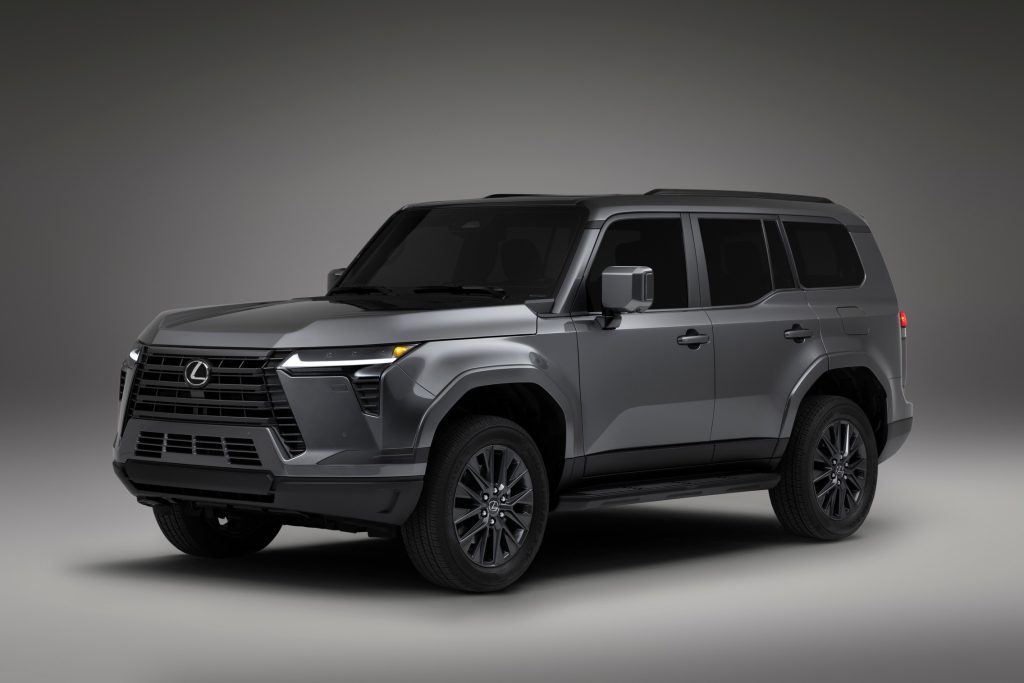
5. Lexus GX 550
The Lexus GX 550 brings premium refinement to the body-on-frame SUV segment, but it also inherits one characteristic common among rugged utility vehicles: a relatively high cargo floor.
Sharing much of its underlying architecture with the Toyota Land Cruiser Prado, the GX prioritizes towing capability, suspension articulation, and off-road durability over the low lift-over height typically found in crossover-based luxury SUVs.
The elevated cargo floor becomes most noticeable when loading heavier items such as large suitcases, golf clubs, coolers, or home improvement supplies.
Because the rear bumper sits fairly high and the cargo compartment is positioned above the rear axle and suspension components, owners often need to lift cargo higher before it reaches the load area.
That difference may seem small on paper, but repeated loading during family trips or shopping runs makes it easy to appreciate a lower cargo threshold.
Lexus has attempted to improve everyday usability through a wide cargo opening and thoughtfully shaped interior. The nearly square cargo area allows bulky objects to fit efficiently, while power-folding seats on higher trims simplify expanding storage space.
Despite those conveniences, physics still favors lower crossover designs when lifting heavy cargo.
The GX also benefits from impressive towing capability and genuine off-road credentials, attributes made possible by its rugged chassis. Features such as full-time four-wheel drive, available electronic locking differentials, and advanced suspension systems require packaging space beneath the cargo floor, contributing to the higher load height.
Buyers looking for a luxurious SUV capable of reaching remote campsites or towing boats will likely consider the elevated cargo floor an acceptable tradeoff. Shoppers who mainly transport groceries and luggage around town may prefer a lower-loading unibody luxury SUV.
Specifications
- Engine: 3.4-liter Twin-Turbocharged V6
- Torque: 479 lb-ft
- Horsepower: 349 hp
- Length/Width: 197.0 inches / 83.2 inches
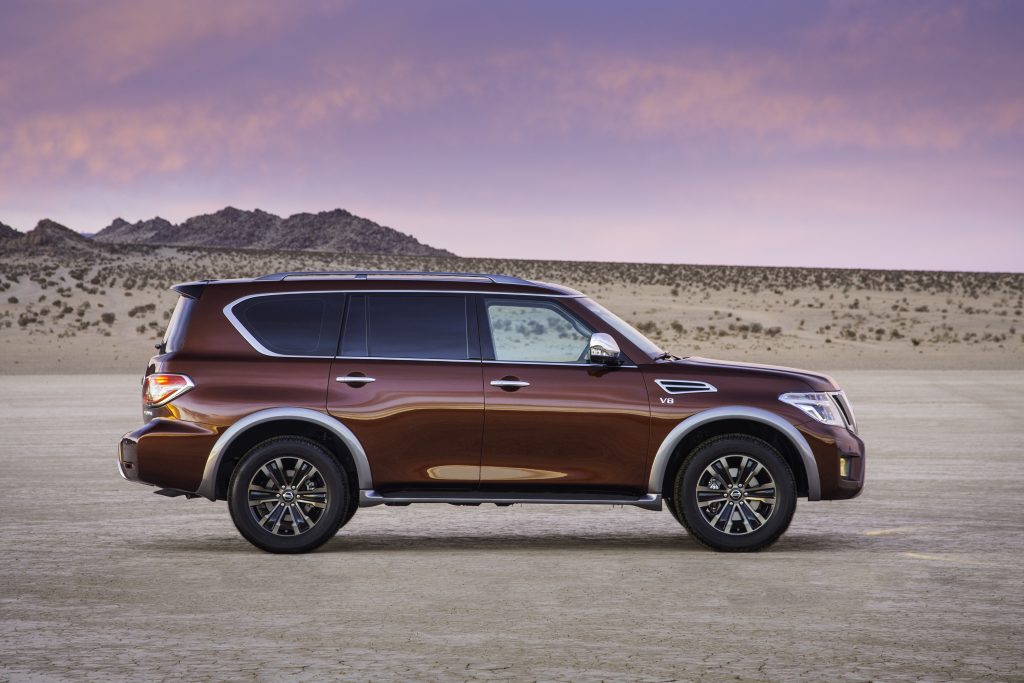
6. Nissan Armada
The Nissan Armada is built to haul large families, tow substantial trailers, and handle demanding road trips. Those strengths come from its body-on-frame construction, but the same design also results in one of the taller cargo floors in the full-size SUV segment.
Compared with many crossover alternatives, loading heavy cargo into the Armada requires noticeably more lifting effort.
Large suitcases, portable grills, toolboxes, and coolers often need to be raised well above bumper height before reaching the cargo floor. The challenge becomes even greater when the third-row seats are in use, since available cargo space behind them is limited, requiring careful placement of larger items.
One advantage is that the Armada provides a broad cargo opening and generous interior width. Once cargo is inside, organizing bulky equipment is relatively straightforward.
Folding the second and third rows transforms the SUV into a spacious cargo hauler suitable for furniture, bicycles, and home improvement materials. The elevated floor, however, remains constant regardless of seating configuration.
The Armada’s design priorities help explain this compromise. A rugged ladder frame, rear suspension components, heavy-duty towing hardware, and high ground clearance all occupy valuable space beneath the cargo compartment.
These engineering choices contribute to the SUV’s ability to tow up to approximately 8,500 pounds when properly equipped, a capability that many lower-riding crossovers cannot match.
For owners regularly pulling campers, boats, or utility trailers, the high cargo floor is a relatively small inconvenience. Families who spend more time loading groceries than towing equipment may find lower crossover SUVs easier on the back during everyday use.
Specifications
- Engine: 3.5-liter Twin-Turbocharged V6
- Torque: 516 lb-ft
- Horsepower: 425 hp
- Length/Width: 209.6 inches / 83.3 inches
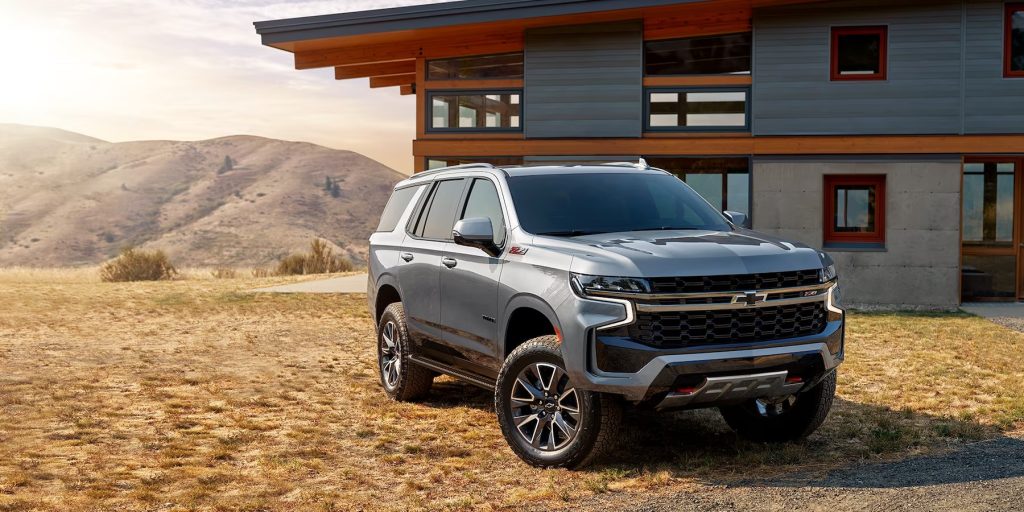
7. Chevrolet Tahoe
The Chevrolet Tahoe has earned its reputation as one of America’s most versatile full-size SUVs, serving families, businesses, and government fleets alike.
Its spacious interior and strong towing capability make it a practical choice for many buyers, but the body-on-frame platform also results in a cargo floor that sits higher than those found in most crossover SUVs. That extra height becomes noticeable whenever bulky or heavy items need to be loaded.
Owners often encounter the difference while lifting large coolers, sports equipment, folding tables, generators, or multiple suitcases. Rather than sliding these items directly into the cargo area, they typically must be raised several additional inches.
The Tahoe’s wide cargo opening certainly helps, but the elevated load floor still demands more effort than lower-riding alternatives.
Chevrolet has made the cargo area highly functional in other respects. The latest generation features a longer wheelbase than previous models, creating substantially more cargo room behind the third row.
Fold-flat seating also allows the Tahoe to accommodate furniture, home improvement supplies, and recreational equipment with relative ease. Once cargo clears the lift-over height, the interior is among the most usable in the segment.
The higher cargo floor is largely the result of the Tahoe’s engineering priorities. Its independent rear suspension, robust frame, generous ground clearance, and substantial towing hardware all occupy space beneath the cargo compartment.
Those features enable properly equipped models to tow up to approximately 8,400 pounds while maintaining impressive stability.
Drivers who regularly haul trailers, boats, or campers will likely appreciate those capabilities far more than they mind the taller cargo threshold. Buyers whose primary concern is effortless daily loading may find lower crossover SUVs slightly more convenient.
Specifications
- Engine: 5.3-liter Naturally Aspirated V8
- Torque: 383 lb-ft
- Horsepower: 355 hp
- Length/Width: 210.7 inches / 81.0 inches
8. Mercedes-Benz G-Class
The Mercedes-Benz G-Class has remained faithful to its original military-inspired design for decades, and that commitment to rugged capability extends to its cargo area. Unlike modern luxury crossovers that emphasize low loading heights, the G-Class features a tall cargo floor resulting from its body-on-frame construction, solid rear axle, and exceptional ground clearance.
While these attributes contribute to outstanding off-road performance, they also make loading heavy items more demanding. The rear cargo opening begins with the side-hinged tailgate, which requires adequate space behind the vehicle before it can be fully opened.
Once the door swings aside, owners are greeted by a cargo floor positioned noticeably higher than those in most luxury SUVs. Large luggage, heavy toolboxes, pet crates, or camping gear often require a significant lift before they can be placed inside.
Mercedes-Benz offsets some of this inconvenience by providing a well-shaped cargo compartment with durable tie-down points and premium interior materials.
The square body design also allows the G-Class to carry bulky objects efficiently, maximizing usable space despite its upright proportions. Folded rear seats create an even larger flat storage area suitable for long road trips or outdoor adventures.
The elevated cargo floor reflects the vehicle’s engineering priorities rather than a design oversight. High ground clearance, low-range four-wheel drive, locking differentials, and a durable chassis require substantial underbody packaging, leaving the cargo compartment positioned higher above the road.
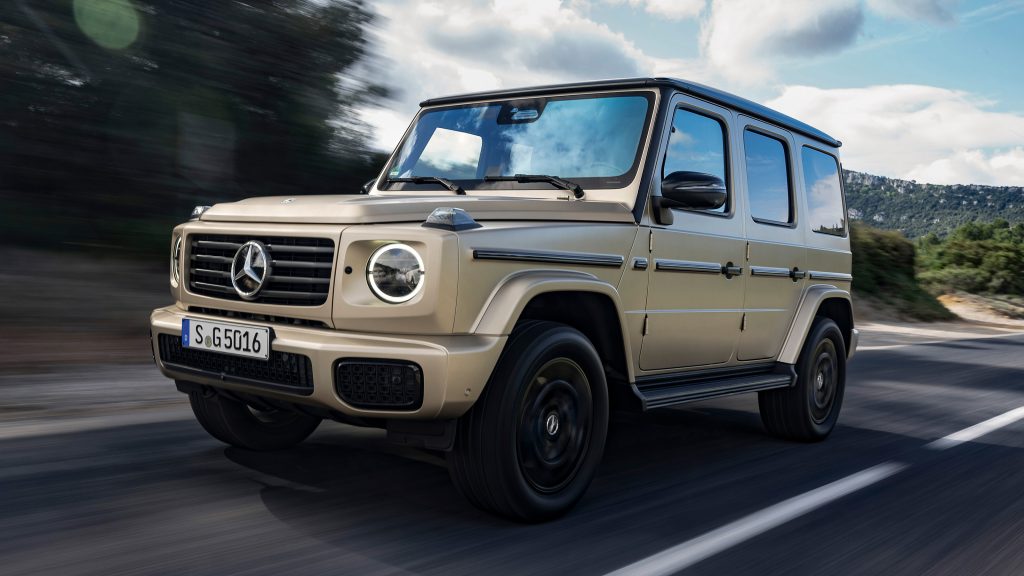
For buyers seeking one of the world’s most capable luxury off-road SUVs, this compromise is expected. Those focused strictly on easy cargo loading may find a unibody luxury SUV more convenient, but few can match the G-Class when pavement ends.
Specifications
- Engine: 3.0-liter Turbocharged Mild Hybrid Inline-6
- Torque: 413 lb-ft
- Horsepower: 443 hp
- Length/Width: 191.9 inches / 86.1 inches
Also Read: 8 Forgotten Buicks and Oldsmobiles Now Worth Real Money
