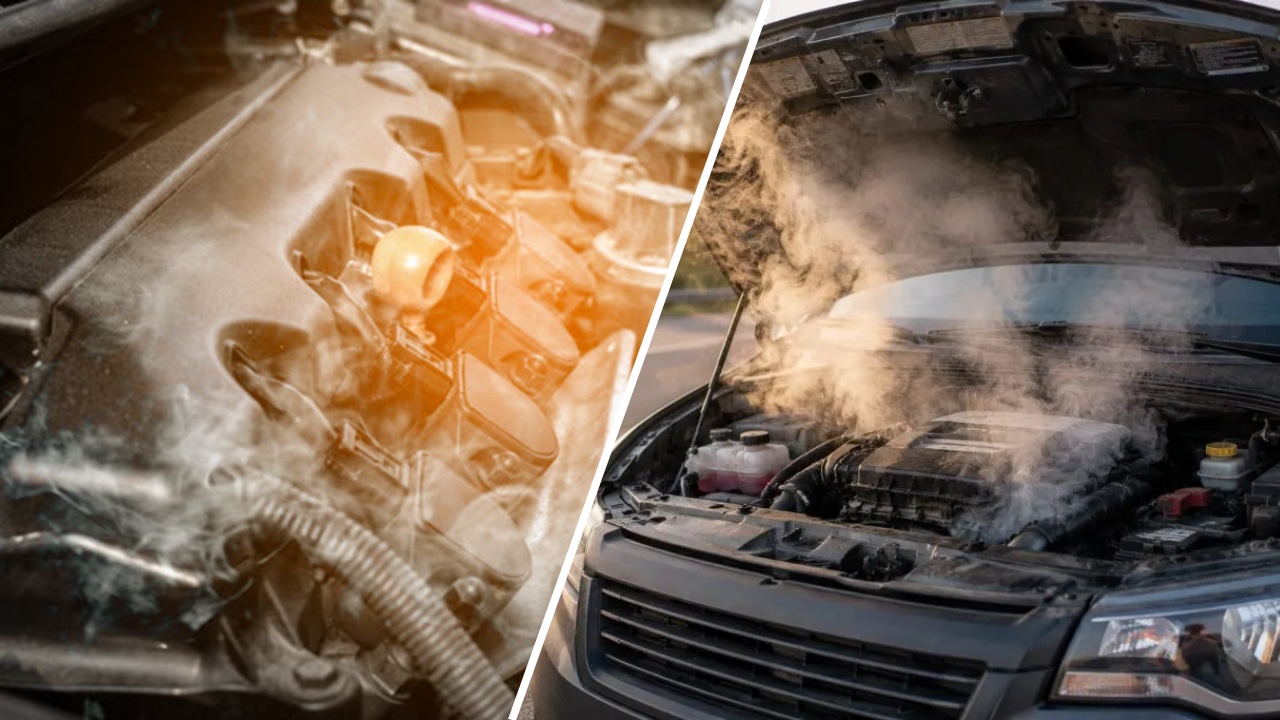
Summer road trips place more stress on vehicles than almost any other season, and July consistently ranks among the busiest months for roadside assistance across the United States.
High temperatures, stop-and-go vacation traffic, heavy cargo loads, and extended highway driving expose weak batteries, aging cooling systems, worn tires, and failing air conditioning components.
Many of these breakdowns develop gradually but become obvious only when extreme heat pushes parts beyond their limits. Understanding which failures become most common during July, along with realistic repair costs, can help drivers prevent expensive roadside emergencies and keep their vehicles dependable throughout the hottest part of the year.
Also Read: 10 Trucks That Lose $20,000 To Depreciation Before 40,000 Miles
1. Battery Failure From Extreme Heat
Many drivers assume batteries fail only during winter, but roadside assistance organizations consistently report that hot weather is just as damaging. July’s high temperatures accelerate the chemical reactions inside a lead-acid battery, causing water in the electrolyte to evaporate more quickly.
Heat also speeds internal corrosion of the battery plates, permanently reducing capacity. A battery that seemed perfectly healthy in spring can suddenly struggle to start an engine after spending several hours in a hot parking lot.
Modern vehicles place additional demands on batteries. Even with the engine off, security systems, keyless entry modules, infotainment memory, and various control units continue drawing small amounts of electricity. When high temperatures weaken the battery, these normal electrical loads can leave insufficient power for starting.
Drivers often receive warning signs before complete failure. Slow cranking, dim headlights during startup, dashboard battery warnings, or repeated jump-starts indicate the battery is nearing the end of its service life.
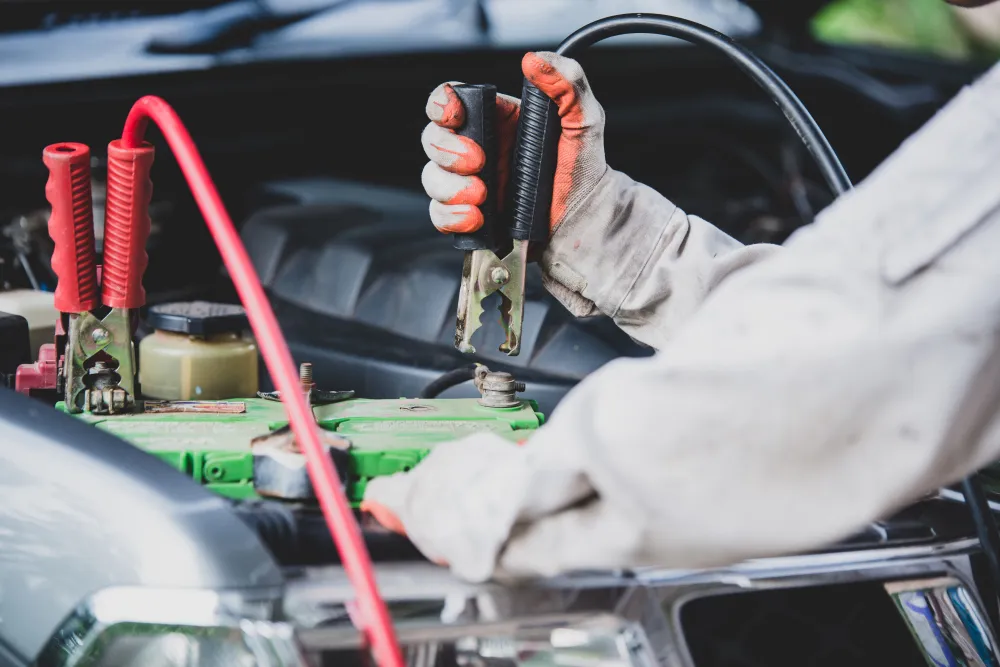
Most automotive batteries last between three and five years under typical American driving conditions, though consistently hot climates can shorten that lifespan.
Fortunately, battery replacement is usually straightforward if addressed before the vehicle becomes stranded. Waiting too long can create secondary problems, including alternator strain caused by repeatedly charging a failing battery.
Typical U.S. repair costs:
- Battery replacement: $180 to $350
- Premium AGM battery: $250 to $450
- Battery terminal cleaning: $25 to $75
- Charging system inspection: $50 to $150
Preventive testing before long summer trips remains one of the least expensive ways to avoid roadside breakdowns.
2. Engine Overheating From Cooling System Failures
A vehicle’s cooling system works hardest during July, when outside temperatures combine with heavy traffic, air conditioning use, and extended highway driving. Under these conditions, even a minor weakness in the cooling system can quickly become a serious problem.
Roadside assistance providers regularly respond to overheating vehicles during the summer because components that performed adequately in cooler weather can no longer keep engine temperatures under control.
Cooling system failures rarely happen without warning. A small coolant leak, a partially clogged radiator, a worn water pump, or an aging thermostat may gradually reduce the system’s efficiency.
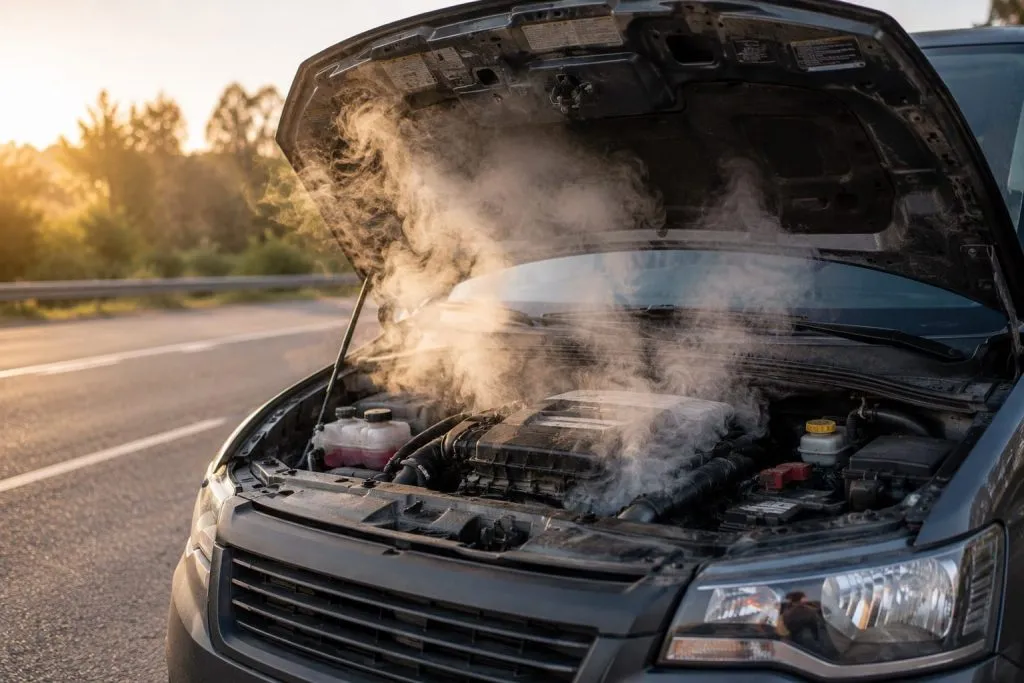
During a long uphill climb or while sitting in stop-and-go traffic with the air conditioner running, coolant temperatures can rise rapidly. Drivers may notice the temperature gauge climbing, warning lights illuminating, steam escaping from under the hood, or reduced engine power as the vehicle enters a protective limp mode.
Ignoring these warning signs can become extremely expensive. Continued driving with an overheated engine may warp the cylinder head, damage the head gasket, or even seize the engine completely. Repair bills that begin as a simple coolant leak can escalate into several thousand dollars if the vehicle is driven after overheating.
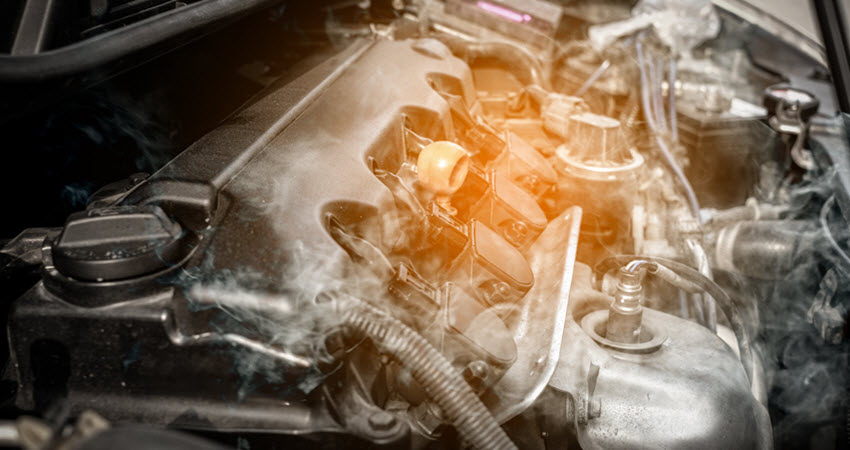
Routine maintenance greatly reduces the risk. Checking coolant levels, inspecting radiator hoses for cracks, replacing coolant according to the manufacturer’s maintenance schedule, and ensuring radiator fans operate correctly are simple preventive measures that help avoid costly failures.
Typical U.S. repair costs:
- Thermostat replacement: $220 to $450
- Radiator replacement: $500 to $1,400
- Water pump replacement: $450 to $1,200
- Coolant hose replacement: $180 to $400
- Head gasket replacement after overheating: $2,000 to $4,500
Spending a few hundred dollars on preventive cooling system maintenance is far less expensive than replacing a damaged engine after a summer overheating incident.
3. Tire Blowouts Caused by Heat and Underinflation
A tire may appear perfectly healthy before a summer trip, yet July’s scorching pavement can expose hidden weaknesses within minutes.
Asphalt temperatures often climb well above the surrounding air temperature, placing enormous stress on tire rubber, steel belts, and sidewalls. When underinflation, overloading, or worn tread is added to the equation, the risk of a blowout increases significantly.
Heat causes the air inside a tire to expand, while long highway drives continuously flex the sidewalls. If the tire has been driven for thousands of miles with improper inflation or has internal damage from potholes, that constant flexing generates even more heat.
Eventually, the tire structure can fail, leading to a sudden loss of air pressure. At highway speeds, a blowout can make a vehicle difficult to control and may result in additional suspension or body damage.
Drivers should inspect tires before every long trip. Uneven tread wear, sidewall bulges, visible cracking, exposed cords, or tread depth below 2/32 inch all indicate replacement is overdue. Tire pressure should always be checked when the tires are cold and adjusted according to the manufacturer’s recommended specifications listed on the driver’s door jamb.
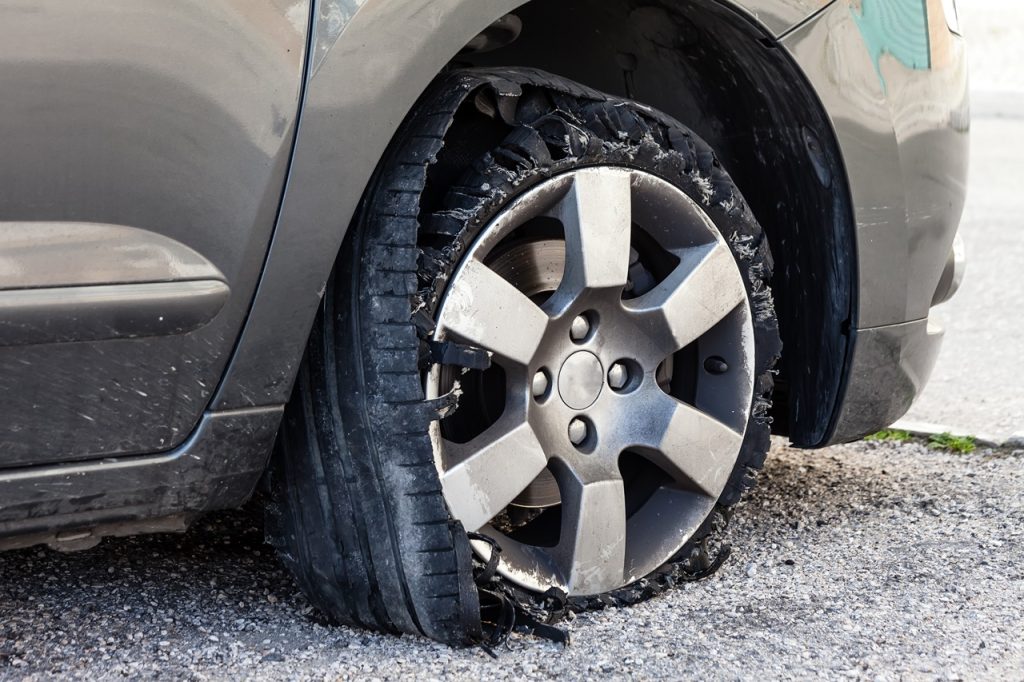
Replacing worn tires before summer travel is considerably less expensive than dealing with accident repairs caused by a blowout. It also improves braking performance, fuel economy, and wet-weather traction during seasonal thunderstorms.
Typical U.S. repair costs:
- Single tire replacement: $150 to $450
- Four new tires: $700 to $1,800
- Tire pressure sensor replacement: $80 to $250 per sensor
- Wheel alignment after tire damage: $120 to $250
- Wheel replacement if damaged: $300 to $900
A five-minute tire inspection before leaving home can prevent one of the most common July roadside emergencies.
4. Air Conditioning Compressor Failure
Nothing ruins a July road trip faster than an air conditioner that suddenly begins blowing warm air. Besides making the cabin uncomfortable, excessive interior temperatures can reduce driver concentration and increase fatigue during long drives.
Summer is also when repair shops receive the highest number of air conditioning service requests because cooling systems are finally operating at full capacity after months of lighter use.
Air conditioning systems rarely fail overnight. Drivers often notice weaker airflow, inconsistent cooling, unusual clicking noises, or a compressor that cycles on and off more frequently than normal. Low refrigerant from a slow leak forces the compressor to work harder, increasing wear over time. Eventually, bearings, seals, or internal components may fail.
A failed compressor can also contaminate the rest of the system with metal debris, turning what could have been a relatively inexpensive repair into a complete air conditioning overhaul.
This is why technicians often recommend addressing refrigerant leaks early rather than repeatedly adding refrigerant without repairing the source of the problem.
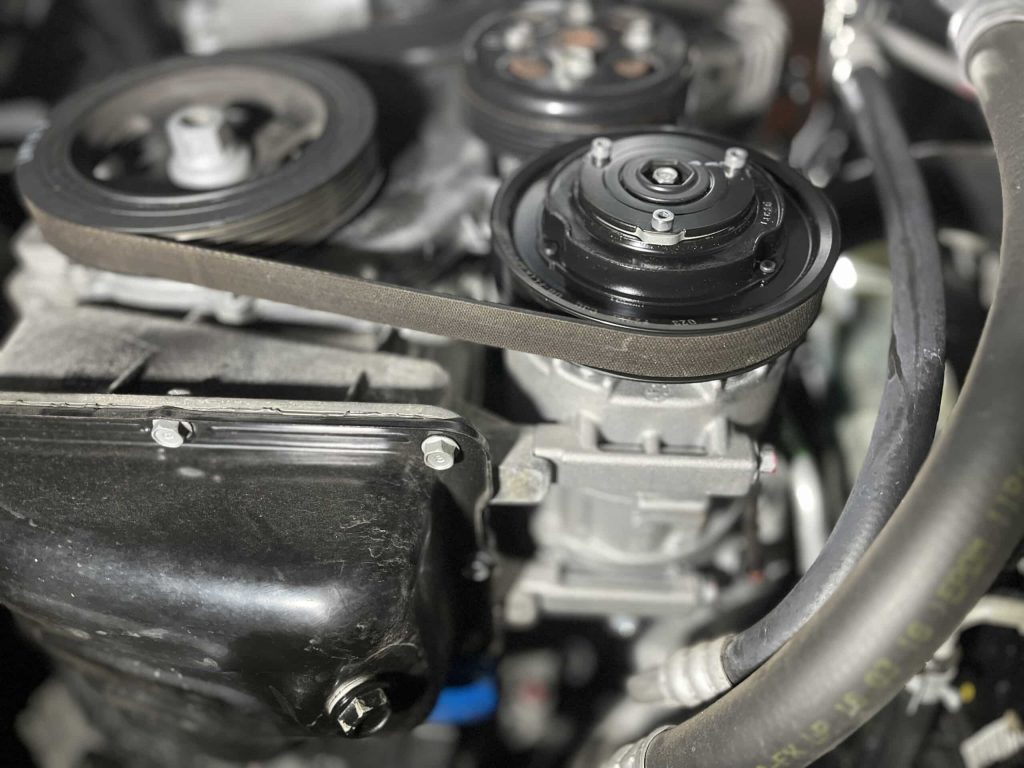
Routine inspections help extend system life. Operating the air conditioner periodically throughout the year keeps seals lubricated, while checking condenser fins for debris helps maintain proper cooling efficiency. Early diagnosis of leaks also prevents unnecessary compressor damage.
Typical U.S. repair costs:
- A/C recharge: $180 to $350
- Refrigerant leak repair: $250 to $900
- Compressor replacement: $900 to $2,000
- Condenser replacement: $500 to $1,300
- Complete A/C system repair: $1,500 to $3,500
Repairing minor air conditioning issues before peak summer temperatures often saves hundreds of dollars compared with replacing major components after compressor failure.
5. Alternator Failure Under Heavy Electrical Loads
The alternator quietly powers nearly every electrical system while the engine is running, and July places it under exceptional demand.
High ambient temperatures, continuous air conditioning operation, radiator cooling fans running at maximum speed, infotainment systems, navigation, phone charging, and exterior lighting all increase the alternator’s workload. If the unit is already worn, summer conditions can expose the problem quickly.
Unlike a dead battery, alternator failure often develops gradually. Drivers may first notice headlights flickering at idle, dashboard warning lights illuminating, power windows moving more slowly, or the battery warning indicator appearing intermittently.
As charging voltage drops, the battery begins supplying power instead of receiving it. Eventually, both the alternator and battery become depleted, leaving the vehicle unable to restart after it is turned off.
Heat is another major factor. Alternators generate their own heat while producing electricity, and high underhood temperatures during July make cooling more difficult. Internal voltage regulators, bearings, and diodes experience additional stress, especially in vehicles with higher mileage.
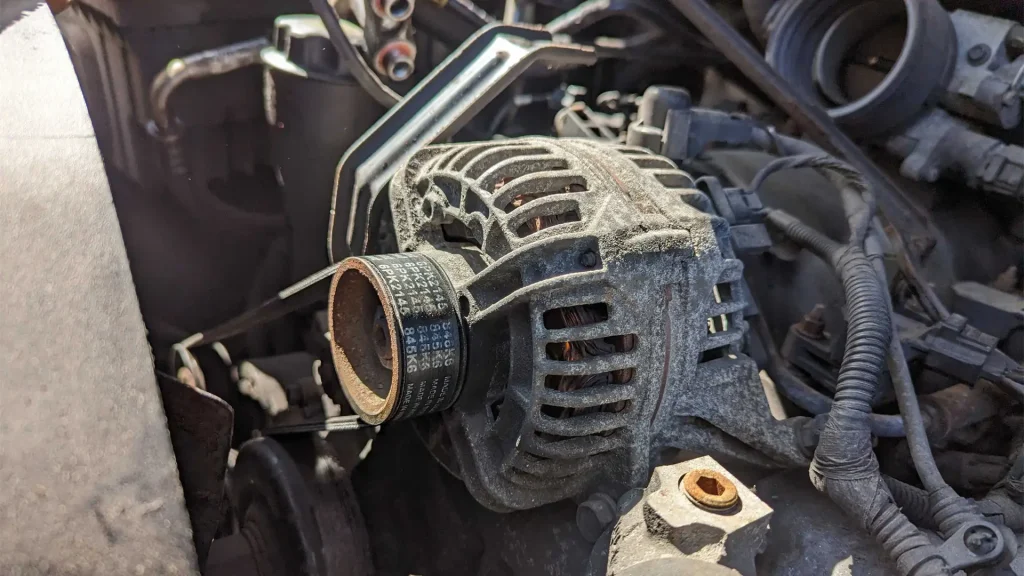
Replacing an alternator promptly can also prevent premature battery failure. A weak charging system forces the battery through repeated deep discharge cycles, significantly shortening its lifespan.
Typical U.S. repair costs:
- Alternator replacement: $500 to $1,200
- Serpentine belt replacement: $120 to $300
- Battery replacement if damaged: $180 to $350
- Charging system diagnostic: $100 to $200
Having the charging system tested before a long summer vacation is inexpensive insurance against one of the most common roadside breakdowns during the hottest months of the year.
6. Radiator Hose or Belt Failure
Not every July breakdown involves expensive electronics or major engine components. Sometimes a relatively inexpensive rubber hose or drive belt can leave a vehicle stranded within minutes. Summer heat accelerates rubber deterioration, causing hoses to become brittle and belts to crack or glaze after years of exposure to engine temperatures.
Radiator hoses constantly carry pressurized coolant between the engine and radiator. As they age, the rubber gradually weakens from repeated heating and cooling cycles.
During a long highway trip on a hot afternoon, an old hose may suddenly split, allowing coolant to escape rapidly. Without coolant, engine temperatures can climb into the danger zone within a very short distance.
Drive belts face similar challenges. The serpentine belt powers critical accessories, including the alternator, water pump, power steering pump, and air conditioning compressor on many vehicles. If the belt snaps, multiple systems may stop functioning immediately.
Depending on engine design, the vehicle can overheat within minutes because the water pump is no longer circulating coolant.
Routine inspections usually reveal warning signs before failure occurs. Cracks, frayed edges, swelling, coolant residue around hose connections, or squealing noises during startup all indicate components approaching the end of their service life.
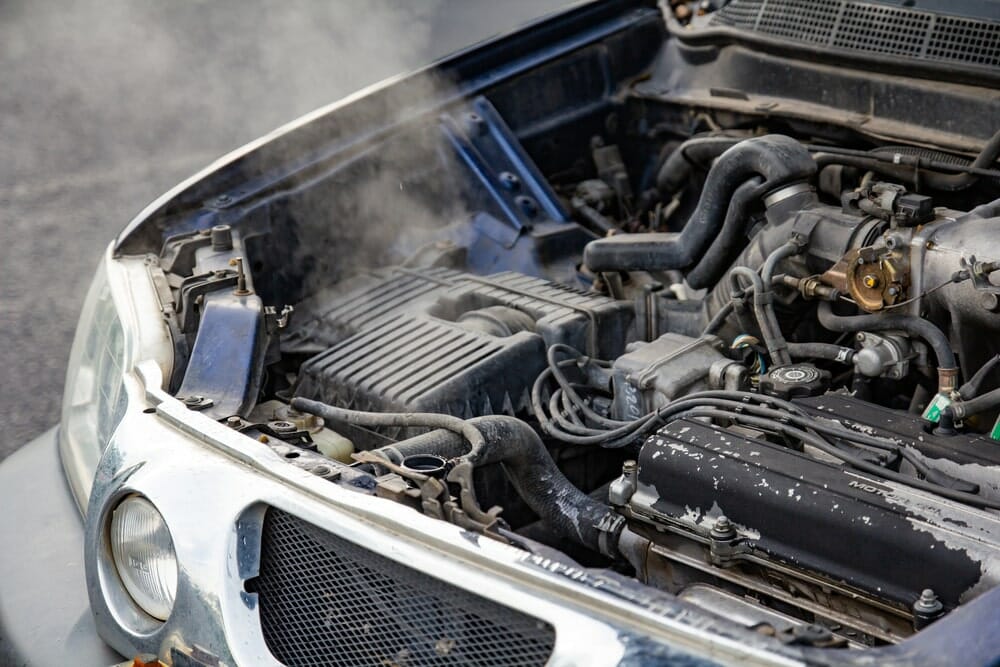
Because hoses and belts are relatively inexpensive, replacing them during scheduled maintenance is far more economical than paying for towing, emergency repairs, or engine damage after a roadside failure.
Typical U.S. repair costs:
- Upper or lower radiator hose replacement: $180 to $400
- Serpentine belt replacement: $120 to $300
- Belt tensioner replacement: $250 to $600
- Complete belt and hose service: $400 to $900
Preventive replacement of aging rubber components is one of the simplest ways to reduce the risk of summer breakdowns on long-distance trips.
7. Fuel Pump Failure in High Temperatures
Modern electric fuel pumps are designed to operate for many years, but July’s extreme temperatures can expose wear that has been building for thousands of miles. Most fuel pumps are mounted inside the fuel tank, where gasoline helps cool the electric motor.
When outside temperatures climb and drivers routinely operate with very little fuel in the tank, the pump receives less cooling, increasing stress and accelerating wear.
Fuel pump problems often begin subtly. The engine may hesitate during acceleration, require extra time to start after sitting in the sun, or lose power while climbing hills.
Some drivers experience intermittent stalling that disappears once the vehicle cools down, making diagnosis more difficult. As the pump deteriorates further, it may fail without warning, leaving the engine unable to receive enough fuel to run.
July road trips place additional demand on the fuel system because engines spend extended periods operating at highway speeds while carrying passengers and luggage. Combined with high underbody temperatures from hot pavement, an aging fuel pump can finally reach the point of failure.
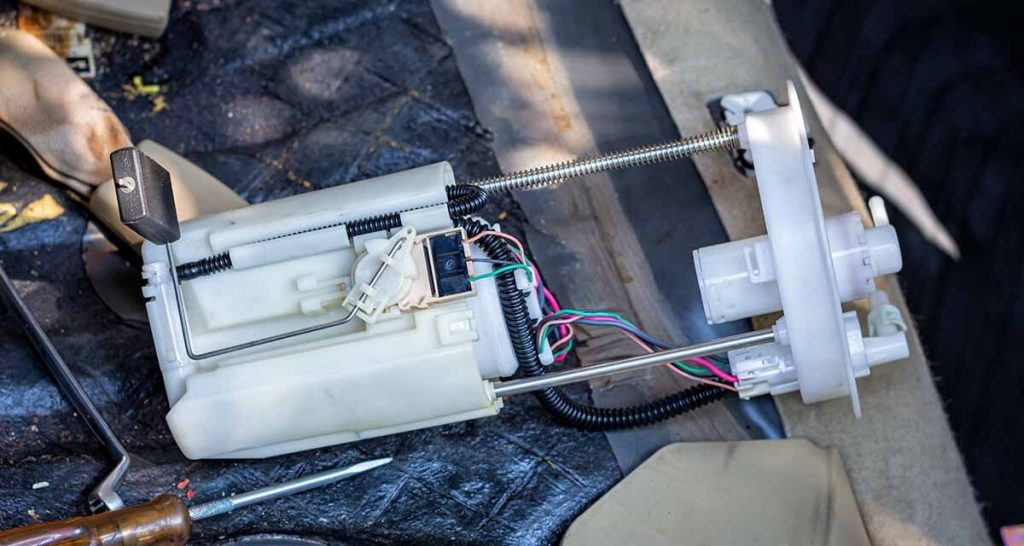
Ignoring early symptoms can increase repair costs if the engine repeatedly runs lean or if contaminants from a failing pump circulate through the fuel system. Replacing the fuel filter at recommended intervals and avoiding prolonged driving with less than one-quarter tank of fuel can help extend pump life.
Typical U.S. repair costs:
- Fuel pump replacement: $700 to $1,600
- Fuel filter replacement: $80 to $250
- Fuel tank cleaning if contamination occurs: $250 to $600
- Fuel pressure diagnostic: $120 to $220
Addressing hard starting or intermittent stalling before a summer vacation can prevent an unexpected roadside breakdown hundreds of miles from home.
8. Transmission Overheating During Heavy Summer Driving
Transmission failures become more common during July because heat is one of the greatest enemies of automatic transmission fluid. Long highway drives, mountain grades, heavy trailers, stop-and-go traffic, and high ambient temperatures all force the transmission to work harder than usual.
As fluid temperatures rise, lubrication and cooling efficiency begin to decline, increasing wear on clutches, seals, and internal bearings.
Many modern vehicles monitor transmission temperature electronically. Before serious damage occurs, drivers may notice delayed gear changes, slipping during acceleration, harsh shifting, warning messages, or a burning odor after towing or climbing steep grades.
These symptoms should never be ignored because continued driving with overheated transmission fluid can shorten the life of the entire transmission.
Vehicles used for towing boats, campers, or utility trailers during summer vacations face the highest risk. Extra weight forces the transmission to generate more heat, especially on long uphill grades. Manufacturers often recommend additional transmission cooling equipment for vehicles that tow frequently.
Preventive maintenance plays a major role in avoiding expensive repairs. Replacing transmission fluid according to the manufacturer’s service schedule, ensuring the transmission cooler remains unobstructed, and avoiding excessive towing beyond the vehicle’s rated capacity all help reduce operating temperatures.
Typical U.S. repair costs:
- Transmission fluid service: $180 to $450
- Transmission cooler replacement: $350 to $900
- Solenoid replacement: $300 to $800
- Torque converter replacement: $900 to $2,000
- Complete transmission rebuild or replacement: $3,500 to $8,000
Summer heat alone does not destroy transmissions, but when high temperatures combine with neglected maintenance and heavy workloads, repair costs can rise dramatically. Proactive servicing remains far less expensive than replacing an entire transmission after a midsummer breakdown.
Also Read: Toyota RAV4 Trim Guide for Buyers Spending Under $38,000