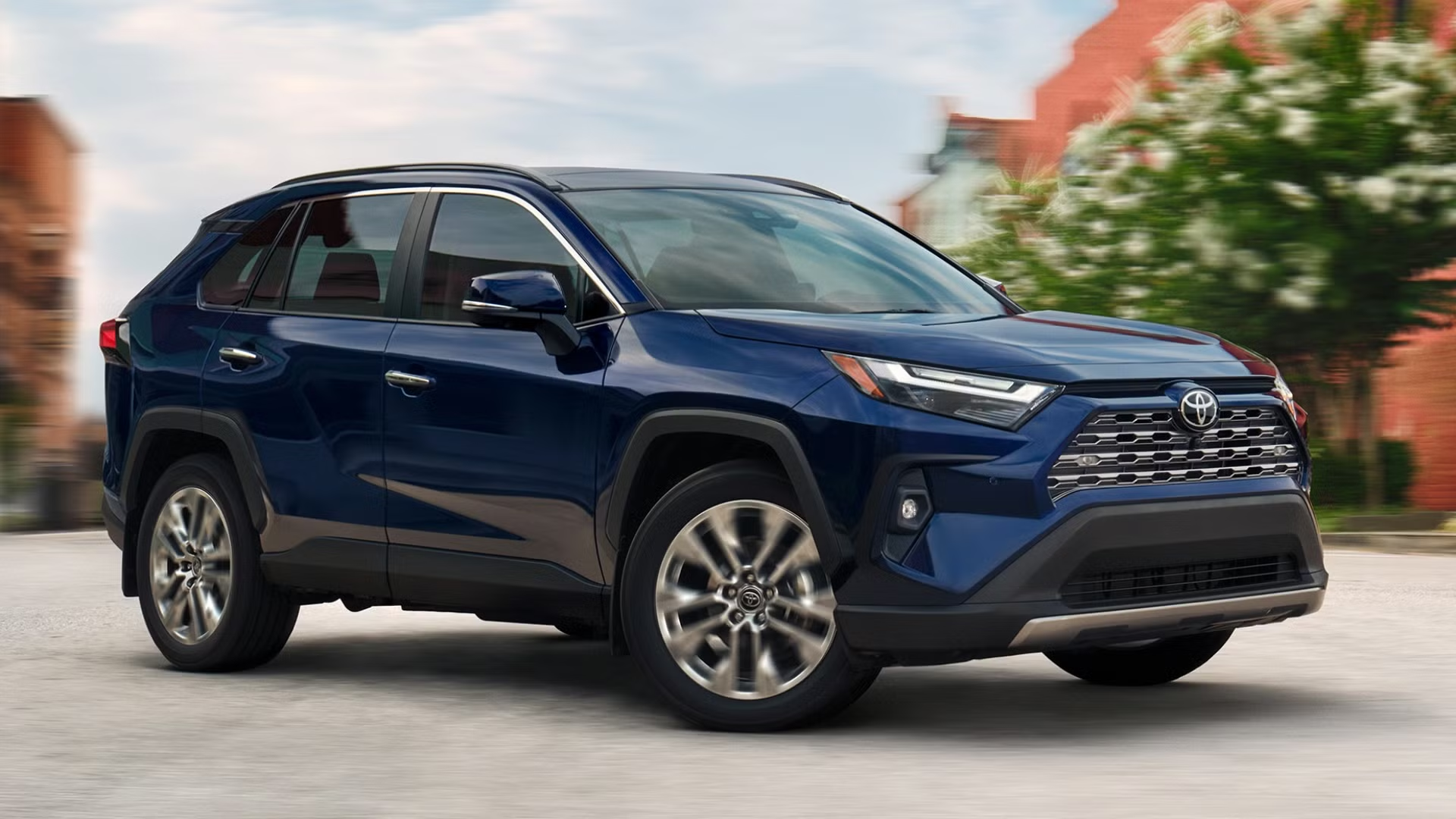
The Toyota RAV4 has long been one of America’s best-selling SUVs because it strikes a balance that few competitors can match. It offers strong resale value, excellent fuel economy, a reputation for reliability, and a wide range of trims that cater to different budgets.
For buyers with a spending cap of $38,000, however, choosing the right trim can become surprisingly complicated. Toyota’s pricing places the XLE Premium right on the edge of that budget, while the flagship Limited sits several thousand dollars higher.
The question then becomes whether it makes sense to stretch your finances for the top trim or invest in options on the XLE Premium instead.
For 2026, Toyota simplified the lineup by making the RAV4 exclusively hybrid-powered, giving every trim better efficiency and more responsive performance than the outgoing gasoline models.
According to Toyota, the front-wheel-drive XLE Premium starts at $36,100, while the Limited begins at $43,300, creating a price gap of more than $7,000 before destination charges or options.
Edmunds lists the XLE Premium with a starting MSRP of $37,550 in its comparison data due to regional pricing and destination calculations, but both sources show that the trim comfortably fits within a $38,000 vehicle budget while the Limited does not.
For shoppers trying to maximize value instead of simply buying the most expensive trim they can afford, the XLE Premium deserves a closer look.
Also Read: 10 States With the Roughest Roads, Per Federal Data
Why the XLE Premium Hits the Sweet Spot
The XLE Premium occupies the middle of the RAV4 lineup but feels much closer to the upscale trims than its price suggests.
Toyota equips it with SofTex-trimmed seating surfaces, a power-adjustable driver’s seat, a power liftgate, larger alloy wheels, upgraded interior materials, wireless smartphone integration, Toyota Safety Sense 4.0, and the latest multimedia system.
Those features address many of the items buyers use every day rather than focusing solely on luxury additions. According to Toyota, every 2026 RAV4 also benefits from the brand’s latest hybrid system, delivering up to 47 mpg city and 40 mpg highway in front-wheel-drive trims while producing 226 horsepower.
One advantage of buying the XLE Premium instead of moving directly to the Limited is flexibility. With roughly $2,000 remaining before reaching a $38,000 purchase target, buyers can choose factory options that genuinely improve ownership without exceeding their budget.
Depending on regional availability, that may include premium paint, all-weather floor liners, cargo accessories, roof crossbars, mudguards, upgraded charging accessories, or convenience packages.
This approach allows buyers to personalize the vehicle while still spending considerably less than a base limited. Even after adding practical accessories, the XLE Premium generally remains thousands of dollars cheaper than Toyota’s top trim.
Toyota’s hybrid powertrain also means there is no performance penalty for choosing the less expensive model.
Both trims share the same basic hybrid drivetrain, providing smooth acceleration, instant electric torque in city driving, and fuel economy that significantly reduces annual fuel expenses compared with similarly sized gasoline SUVs.
Unlike some manufacturers that reserve stronger engines for premium trims, Toyota delivers nearly identical driving performance across much of the RAV4 lineup.
Another financial benefit comes through insurance and depreciation. Kelley Blue Book and industry resale studies have consistently ranked the RAV4 among the strongest vehicles for long-term value retention.
Choosing a mid-level trim often results in a better balance between purchase price and future resale because buyers tend to value desirable convenience features without paying the steep premium associated with luxury-oriented equipment.
XLE Premium vs. Limited: Where Does the Extra Money Go?
The Limited certainly adds meaningful upgrades. Buyers receive additional luxury touches such as higher-grade interior materials, more premium styling elements, larger displays depending on configuration, additional convenience technology, upgraded lighting, and features designed to create a more upscale driving experience.
Toyota positions the Limited as the flagship RAV4 for customers who prioritize comfort and technology above purchase price.
The challenge is determining whether those upgrades justify spending more than $43,000 before taxes and fees. For buyers working with a strict $38,000 budget, the answer is usually no.
The difference between the two trims is enough to cover several years of fuel, insurance premiums, or scheduled maintenance. It could also fund winter tires, an extended warranty, or additional dealer-installed accessories that provide greater day-to-day value than cosmetic enhancements.
The option math strongly favors the XLE Premium because it already includes many of the features buyers expect in a modern family SUV.
Heated seating, premium-looking upholstery, advanced driver assistance systems, a power liftgate, wireless connectivity, and Toyota’s newest infotainment technology reduce the practical gap between it and the Limited more than the price difference suggests.
Independent reviewers have reached a similar conclusion. Edmunds identifies the XLE Premium as one of the strongest values in the lineup because it delivers an excellent combination of comfort, technology, and pricing without forcing buyers into the significantly higher cost of upper trims.
Automotive reviewers also note that Toyota’s hybrid-only strategy means every RAV4 benefits from efficient performance regardless of trim level, making feature selection a more important purchasing decision than engine choice.
There is also the matter of dealer pricing. Early demand for the redesigned 2026 RAV4 has led some dealers to add accessories or market adjustments, particularly on higher trims.
That can widen the real-world price difference even further, making the Limited substantially more expensive once documentation fees, destination charges, and dealer-installed packages are included.
Community reports from early buyers indicate that well-equipped XLE Premium models often remain closer to MSRP than Limited models experiencing stronger demand.
For shoppers determined to stay below $38,000, the smartest strategy is straightforward. Purchase the XLE Premium in its standard configuration, then selectively add accessories or convenience options that genuinely improve ownership.
This approach preserves Toyota’s renowned reliability, outstanding hybrid fuel economy, and strong resale value while avoiding the steep premium attached to the flagship trim. The Limited remains an excellent SUV, but its additional luxury equipment simply doesn’t provide enough everyday benefit to justify stretching a carefully planned budget.
For most buyers focused on value rather than prestige, the XLE Premium represents the point where the RAV4 lineup delivers its strongest return on investment, making it the trim that offers the best combination of affordability, technology, comfort, and long-term ownership satisfaction.
Ownership Costs and Long-Term Value Strengthen the XLE Premium’s Case
Looking beyond the purchase price, the XLE Premium continues to make the strongest financial case for buyers planning to keep their RAV4 for several years. Toyota has built a reputation for producing SUVs with low maintenance costs, excellent reliability, and some of the highest resale values in the industry.
According to Kelley Blue Book, Toyota vehicles consistently rank among the leaders for retained value, a major advantage when it comes time to trade in or sell the vehicle.
Choosing a mid-level trim often maximizes that resale value because it includes the features most second-hand buyers want without carrying the higher depreciation associated with expensive luxury options.
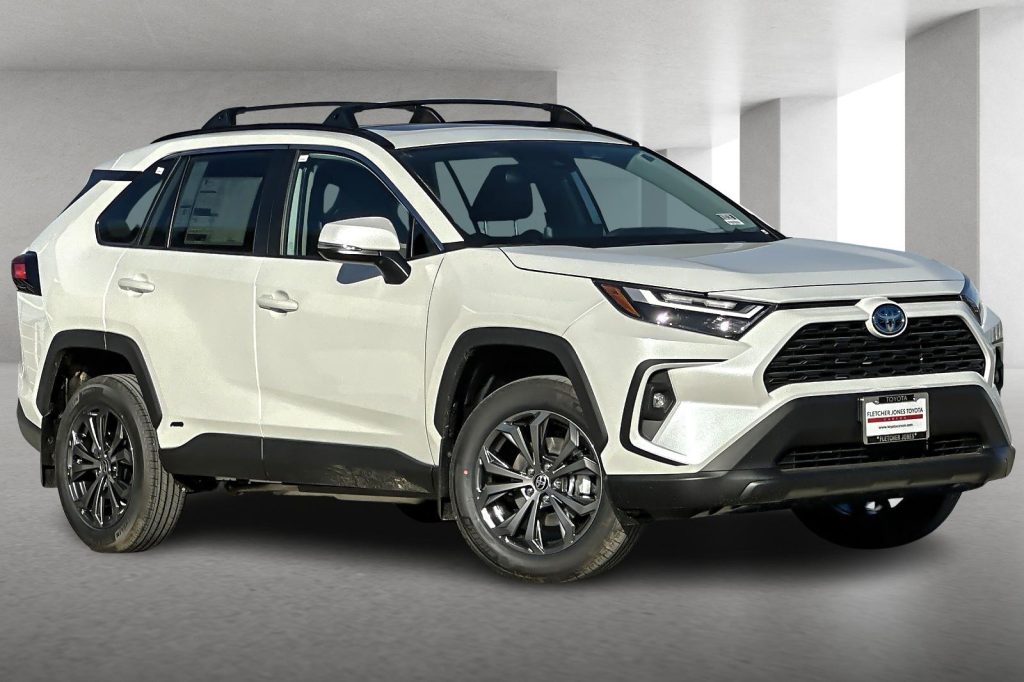
Insurance is another consideration. Since the Limited carries a higher MSRP and includes more premium equipment, replacement costs following an accident can be greater, which may translate into slightly higher insurance premiums depending on the driver’s location and insurer.
The XLE Premium delivers nearly the same safety technology and hybrid drivetrain while avoiding much of that added expense. Toyota also includes its latest Toyota Safety Sense 4.0 suite across the lineup, meaning buyers don’t have to move to the Limited for essential driver-assistance features.
Adaptive Cruise Control, Lane Tracing Assist, Automatic Emergency Braking with Pedestrian Detection, Blind Spot Monitoring, Rear Cross-Traffic Alert, and Road Sign Assist are all available on the XLE Premium, giving families the confidence of modern safety technology without exceeding their budget.
According to the Insurance Institute for Highway Safety (IIHS), advanced crash-avoidance systems have contributed to reducing certain types of front-to-rear collisions, making these features valuable regardless of trim level.
Buyers spending less than $38,000 should prioritize features they’ll use every day rather than paying thousands more for incremental luxury upgrades.
The XLE Premium delivers the essentials that matter most: outstanding hybrid fuel economy, a comfortable cabin, advanced safety technology, practical cargo space, and Toyota’s renowned dependability.
Unless premium-exclusive styling and luxury features are absolute priorities, the option math overwhelmingly favors investing in the XLE Premium and keeping the remaining money in your pocket.
Also Read: 10 Motorcycle Dealer Fees Buyers Can Refuse to Pay