
Windshield curvature is not just a styling choice. It changes how a wiper blade sits on glass throughout its sweep. Highly raked, deeply curved windshields ask a single flat rubber edge to match a constantly changing radius. Many automakers pair these aggressive curves with conventional beam or tension-bow blades that were tuned for flatter glass.
The mismatch shows up early. Owners report streaking, chatter, and missed patches well before the typical 12-month wiper lifespan most manufacturers promise.
This list covers ten vehicles where windshield geometry and factory blade design combine to produce premature streaking. Some use aggressive windshield rake for aerodynamics.
Others use panoramic single-pane glass that wraps further around the cabin than older designs. In both cases, the wiper arm cannot maintain uniform pressure across the full arc.
Each entry below explains the specific design tension at play. We also include core specifications so you understand the platform behind the problem.
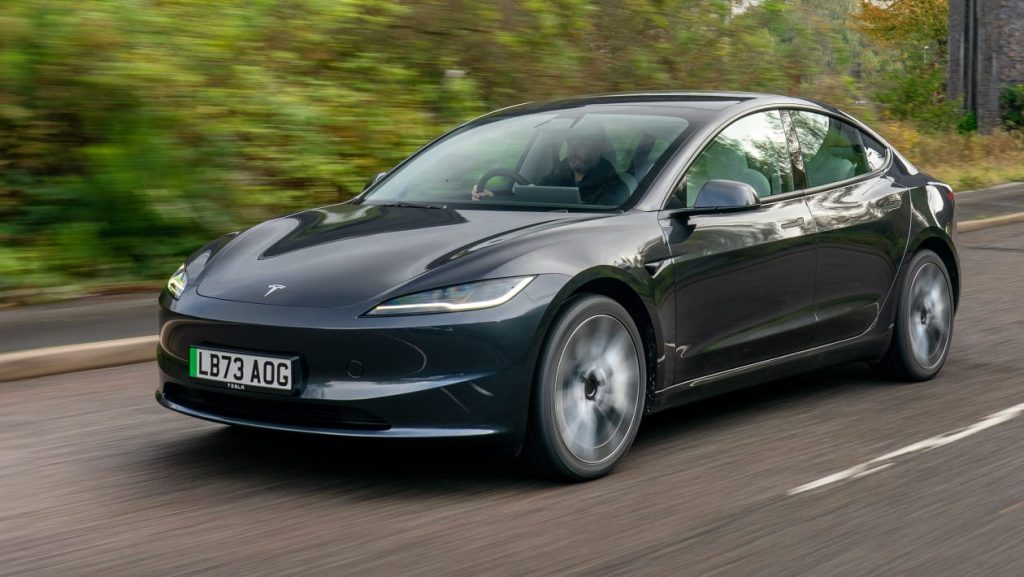
1. Tesla Model 3
The Model 3’s windshield is unusually steep and shallow in depth. That rake reduces drag but increases the angle mismatch a beam blade must absorb.
Owners frequently report streaking within months, not because the rubber degrades fast. The blade simply cannot maintain even contact pressure across the glass curve.
Tesla also relies on camera-based rain sensing rather than a dedicated optical rain sensor. This affects wiper activation timing, not the streak pattern itself.
But inconsistent activation combined with imperfect blade contact makes streaks more noticeable to drivers. Many owners switch to aftermarket beam blades to reduce the effect. The core issue remains the glass geometry. A flatter, more upright windshield would distribute wiper pressure more evenly across the sweep.
Specifications:
- Engine: Single or dual electric motor, no internal combustion
- Horsepower: 283 hp (RWD) to 366 hp (Long Range AWD)
- Torque: Approximately 310 lb-ft
- Length: 184.8 in
- Width: 72.8 in
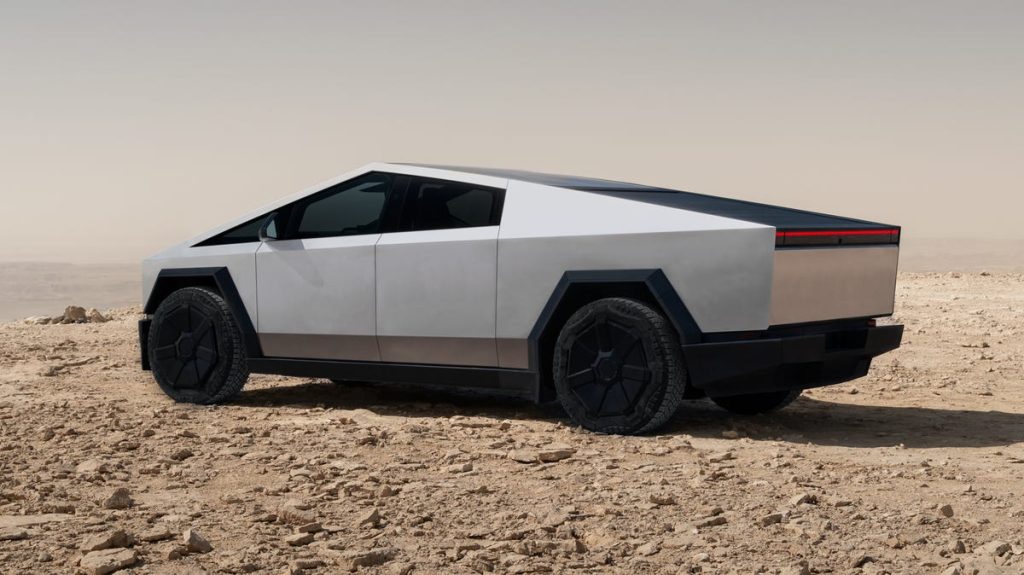
2. Tesla Cybertruck
The Cybertruck uses one enormous single-piece wiper, nicknamed the “Gigawiper” by owners. It spans the entire windshield in one arc. That single 62-inch blade must track a wide, flat-yet-angled windshield with almost no curvature relief points. Any inconsistency in downforce shows immediately across the full pane.
Owners documented streaking so severe that Tesla issued a software update. It increased washer fluid volume to help dissolve road salt before the blade passes over it.
The blade itself costs far more than a standard wiper, which makes replacement cycles expensive. Many owners were swapping it well before the one-year mark.
The problem stems from asking one blade to do the work of two. Smaller vehicles split this task across driver and passenger blades for better curve matching.
Specifications:
- Engine: Dual- or tri-motor electric powertrain
- Horsepower: Up to 845 hp (tri-motor Cyberbeast)
- Torque: Very high wheel-level torque, figures vary by configuration
- Length: 223.7 in
- Width: 79.8 in
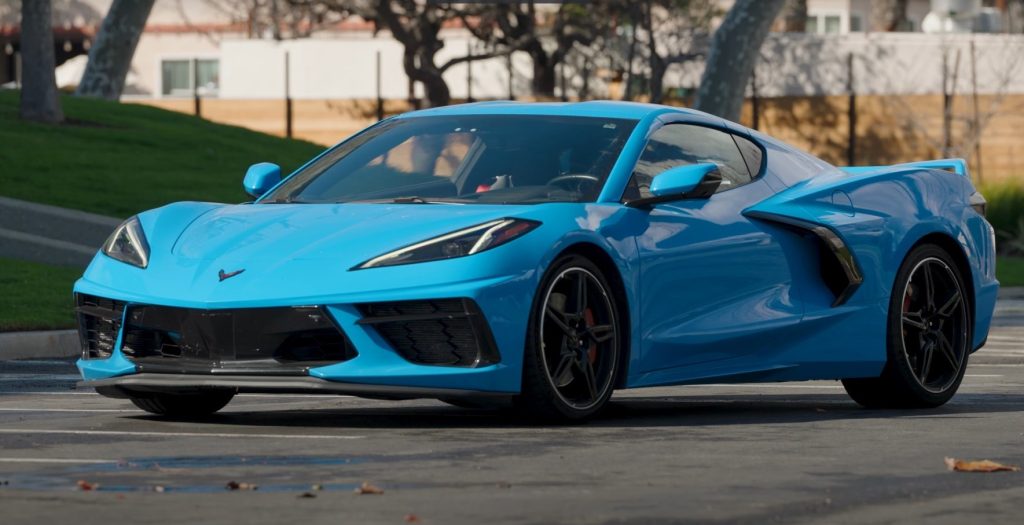
3. Chevrolet Corvette C8 Stingray
The C8’s low, wraparound windshield is central to its mid-engine silhouette. That aggressive curvature was designed for aerodynamics, not wiper compatibility.
Corvette owner forums are full of streaking complaints, especially on the driver’s side. Many trace it to arm geometry that does not maintain constant downforce through the sweep.
Because the windshield sits so low and close to the driver’s eyeline, streaking feels more disruptive than on taller vehicles. Visibility margins are already tighter in the C8.
Owners have tried multiple aftermarket cleaning routines and blade swaps. Results vary, which suggests the root cause is geometric rather than purely a rubber quality issue.
Bonded, low-profile windshields like this one are harder to service too. Replacement costs are high if streaking is ever traced back to the glass itself.
Specifications:
- Engine: 6.2L LT2 naturally aspirated V8
- Horsepower: 490 to 495 hp depending on exhaust option
- Torque: 470 lb-ft
- Length: 182.3 in
- Width: 76.1 in
4. Mercedes-Benz S-Class (W223)
The current S-Class uses a single, deeply curved windshield that flows into a heavily raked A-pillar. This design supports the car’s low drag coefficient.
Mercedes’ own internal service bulletins describe streaking caused by excess downforce at certain points in the wiper arc. That is a factory-acknowledged geometry issue, not just wear.
Contamination from car wash wax and coatings compounds the problem on this platform. The curved glass holds residue differently than flatter windshields do.
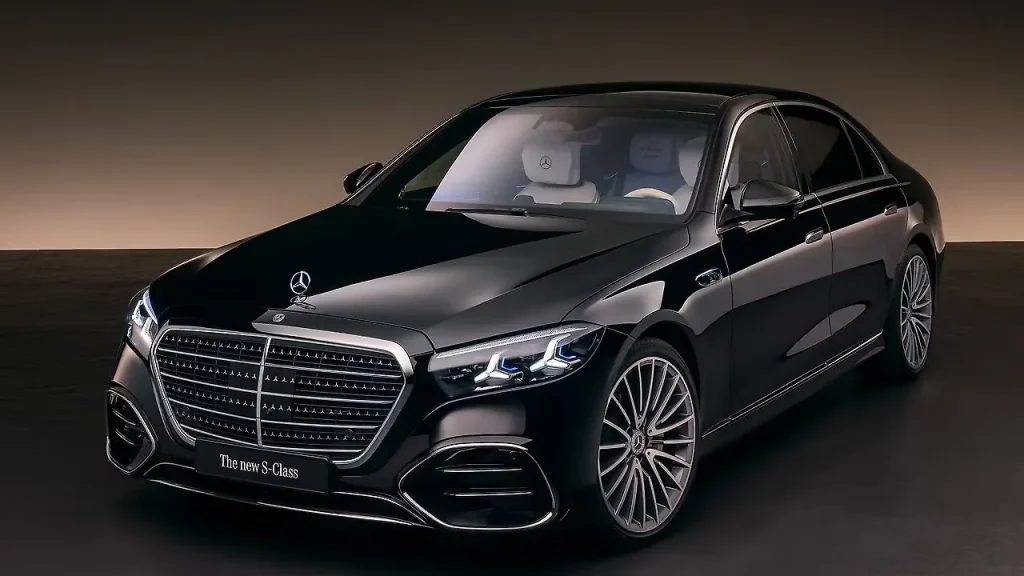
S-Class owners report streaking returning quickly even after blade replacement. That points to the arm-to-glass angle rather than blade quality as the primary driver.
Because this is a flagship luxury sedan, even minor streaking draws more owner complaints. Expectations for glass clarity are simply higher at this price point.
Specifications:
- Engine: 3.0L turbocharged inline-six with EQ Boost
- Horsepower: 429 hp (S500 4Matic)
- Torque: 384 lb-ft
- Length: 208.6 in
- Width: 76.9 in
Also Read: 7 Sedans With the Priciest Engine Repairs
5. BMW iX
The iX has one of the most heavily curved windshields in BMW’s current lineup. It wraps further into the A-pillar than traditional BMW sedans. This panoramic feel supports the iX’s futuristic cabin design. It also stretches the working range a single wiper blade must cover evenly.
Owners in colder climates report streaking tied to temperature swings affecting rubber flexibility against the curve. The blade behaves differently in cold versus warm conditions.
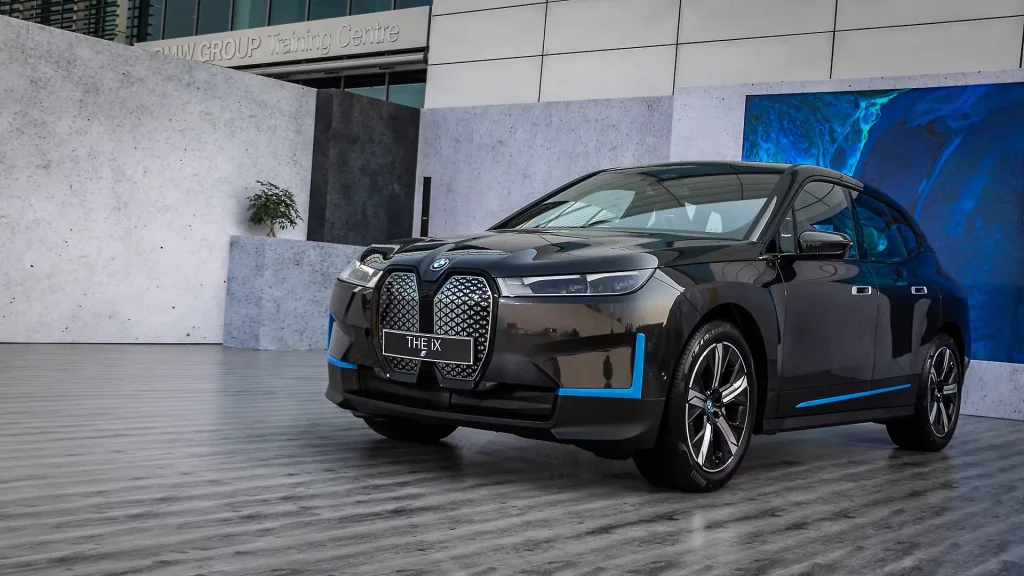
Because the iX carries a large glass roof alongside this windshield, sun exposure to the wiper rubber is more intense. UV degradation can accelerate ahead of the mileage-based schedule.
Some owners report needing blade replacement closer to eight months rather than twelve. That aligns with the added rubber stress from the extreme curve.
Specifications:
- Engine: Dual electric motor, all-wheel drive
- Horsepower: 516 hp (xDrive50)
- Torque: 564 lb-ft
- Length: 195.2 in
- Width: 76.7 in
6. Porsche 911 (992 Generation)
The 911’s windshield rake has increased with each generation to improve aerodynamics. The 992’s glass curves sharply from base to header. Because the 911 sits low with a compact cabin, the wiper arms are short. Short arms combined with steep curvature increase the pressure variance across the sweep.
Owners report streaking concentrated at the outer edges of the glass, where curvature is most extreme. Center-of-glass visibility usually stays clearer longer.
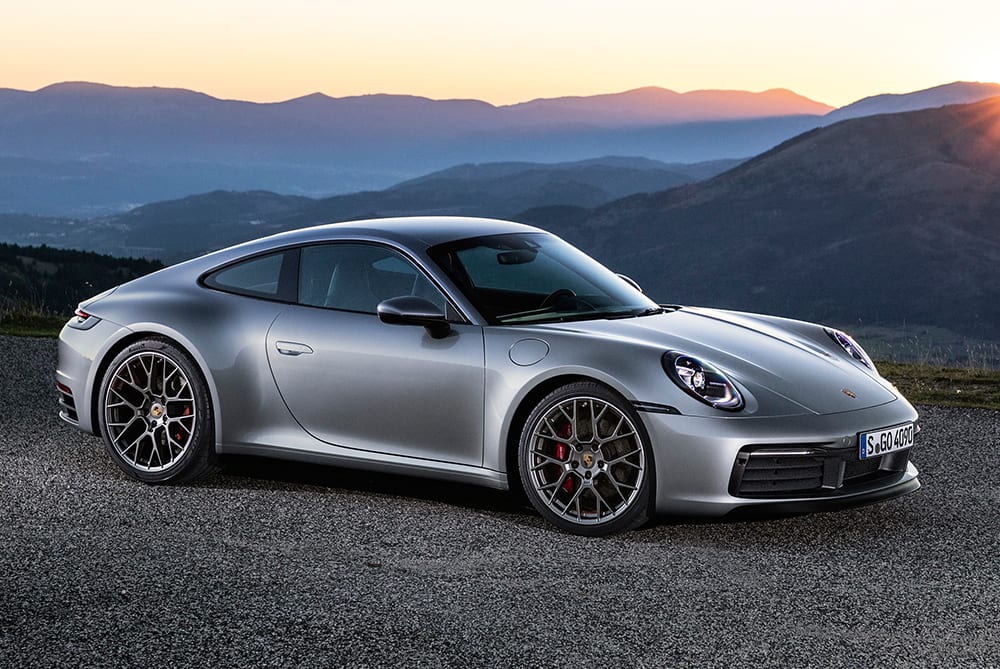
Track-driven examples see this issue sooner. High-speed aerodynamic lift can momentarily reduce blade contact pressure at the exact spots already prone to streaking.
Porsche’s factory blades are tuned tightly for this shape, but tolerance stacking still causes early wear reports. Owners frequently mention replacing blades before winter each year regardless of stated lifespan.
Specifications:
- Engine: 3.0L twin-turbocharged flat-six
- Horsepower: 379 hp (Carrera)
- Torque: 331 lb-ft
- Length: 177.9 in
- Width: 72.9 in
7. Toyota Prius (5th Generation)
The redesigned Prius adopted a dramatically lower, more sloped windshield than earlier generations. It is part of the car’s aerodynamic reinvention.
This steep rake pushes the wiper arms into an unusual pivot angle. Owners note streaking concentrated near the base of the windshield, where curvature changes most sharply.
Because the Prius is often driven for high annual mileage, wiper wear accumulates faster in real-world terms. Streaking appears sooner on a calendar basis even without unusual driving.
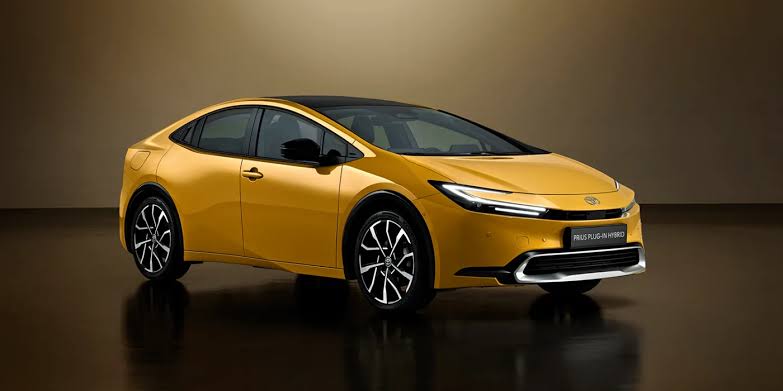
Hybrid owners frequently prioritize fuel efficiency over glass and wiper upgrades. That means factory blades often stay in place longer than ideal, worsening the visible effect.
Reports suggest the issue is most noticeable during light drizzle rather than heavy rain. Partial wetting exposes uneven blade contact more clearly than a fully soaked windshield.
Specifications:
- Engine: 2.0L inline-four hybrid system
- Horsepower: 194 hp combined (FWD)
- Torque: 139 lb-ft (gas engine only)
- Length: 181.1 in
- Width: 70.2 in
8. Honda Civic (11th Generation)
The current Civic has a lower hoodline and more raked windshield than the outgoing generation. Honda pursued this for both style and drag reduction.
Owners across Civic forums describe streaking developing within the first several months of ownership. Many say it appears well before the typical wiper replacement window.
The Civic’s factory blades use a conventional beam design intended to flex smoothly across curves. Reports suggest the flex is inconsistent near the passenger-side edge specifically.
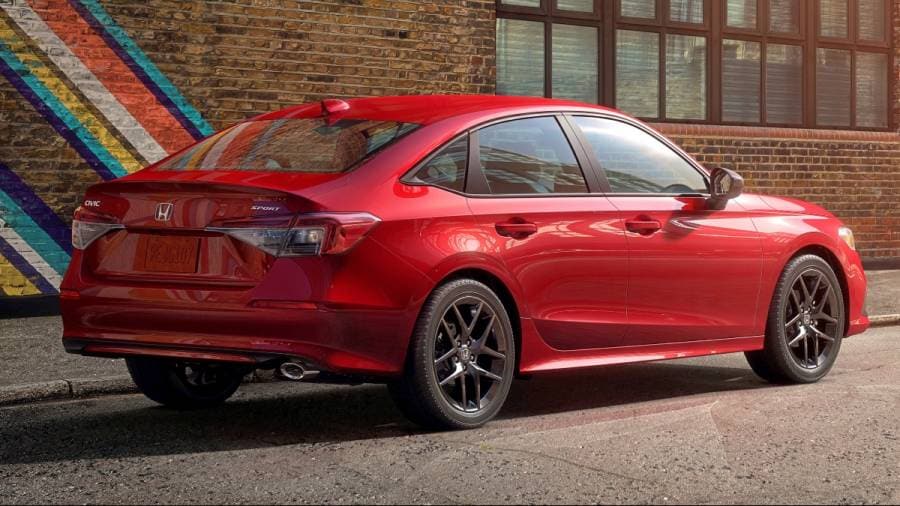
Because the Civic is a high-volume commuter car, driven daily in varied weather, streaking gets noticed quickly. Daily drivers log the miles that expose design compromises faster.
Aftermarket blade swaps help but do not fully resolve driver complaints. That again points toward windshield curvature as a contributing factor beyond blade brand alone.
Specifications:
- Engine: 2.0L inline-four (Sport trim)
- Horsepower: 158 hp
- Torque: 138 lb-ft
- Length: 184.0 in
- Width: 70.9 in
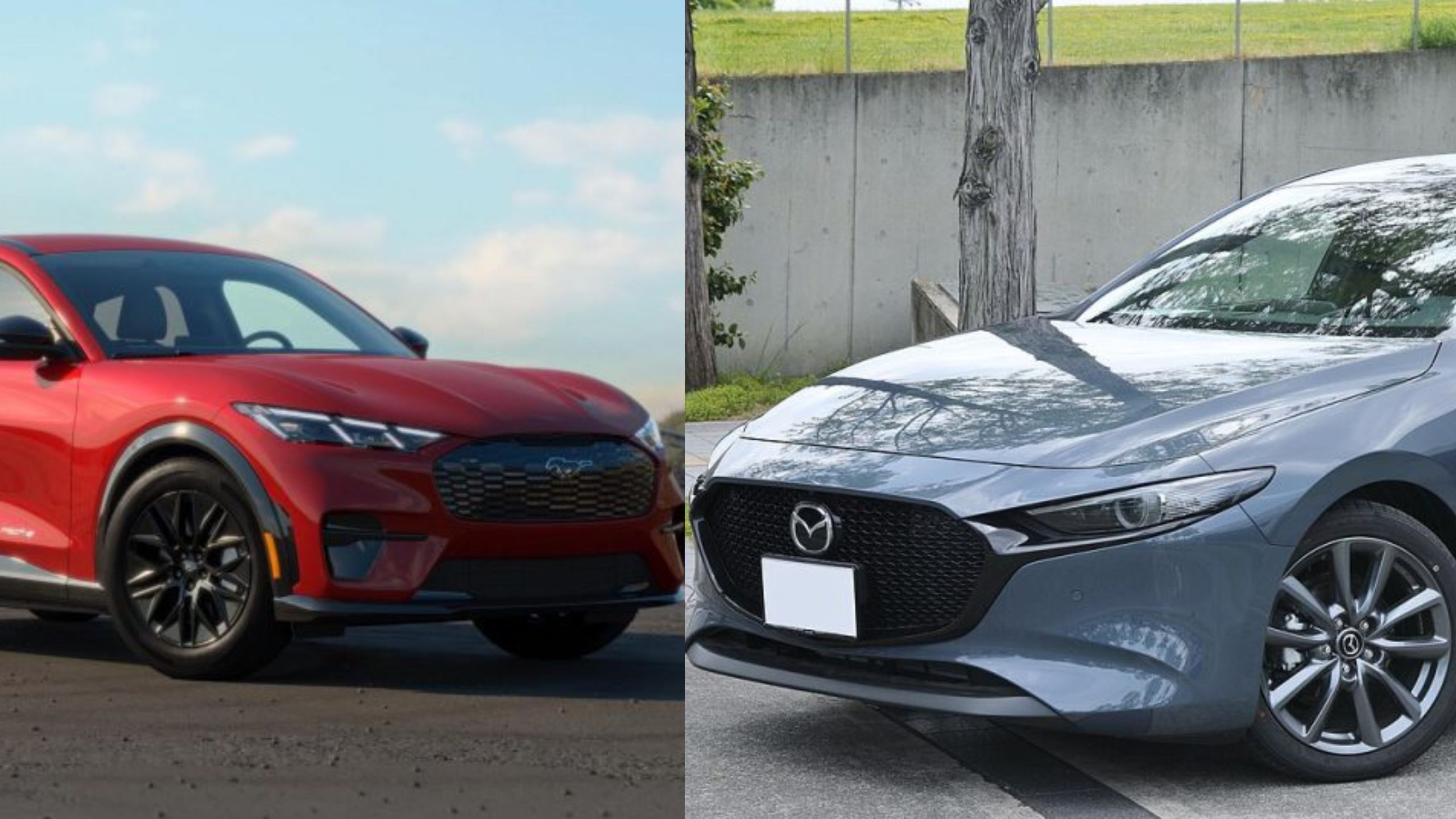
9. Mazda3
Mazda’s KODO design language relies on a sculpted, curved windshield that blends into the hood and A-pillars. It is central to the car’s visual identity.
This curvature is more pronounced than on many compact competitors. Wiper arms must handle both vertical and lateral curve changes simultaneously across the sweep.
Owners report streaking most often on the hatchback body style, which has a slightly different glass angle than the sedan. That detail suggests body-specific curvature plays a role.
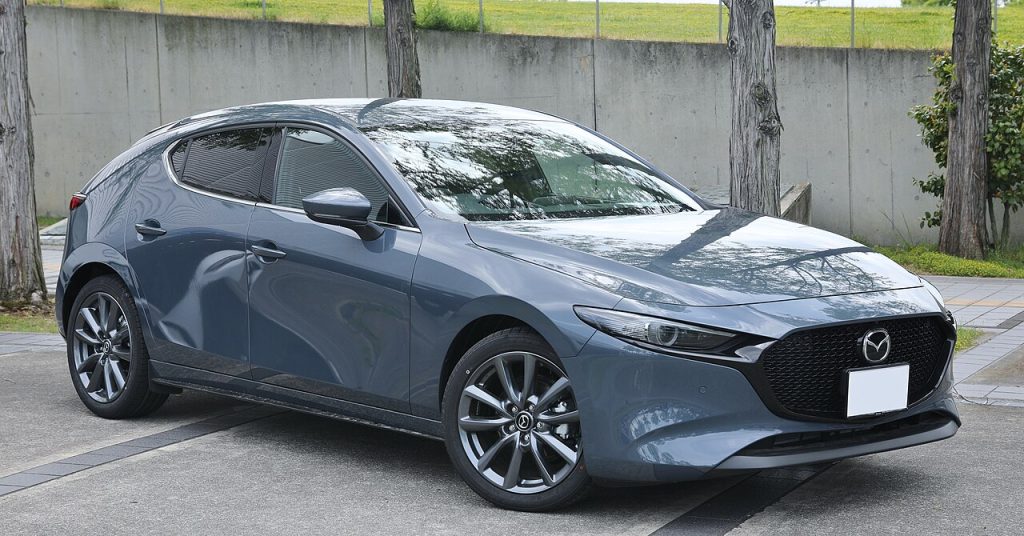
Cold-weather owners note streaking worsens noticeably once temperatures drop. Rubber stiffness against an already demanding curve amplifies contact inconsistency in winter months.
Mazda’s factory wiper fluid nozzles aim in a pattern matched to the curve, but coverage gaps remain common. Uneven fluid distribution compounds the mechanical contact issue.
Specifications:
- Engine: 2.5L inline-four
- Horsepower: 191 hp
- Torque: 186 lb-ft
- Length: 175.3 in (hatchback)
- Width: 70.7 in
10. Ford Mustang Mach-E
The Mach-E’s windshield rake was tuned aggressively to offset the aerodynamic penalty of its SUV-crossover shape. The curve is steeper than typical Ford crossovers.
Owners report streaking concentrated in the upper third of the glass, where the curve transitions most sharply near the roofline. This area sees the least consistent blade pressure.
Because the Mach-E is heavier than a comparable gas crossover, wiper motor torque and arm pressure were recalibrated. Some owners believe this recalibration under-serves the curve’s outer regions.
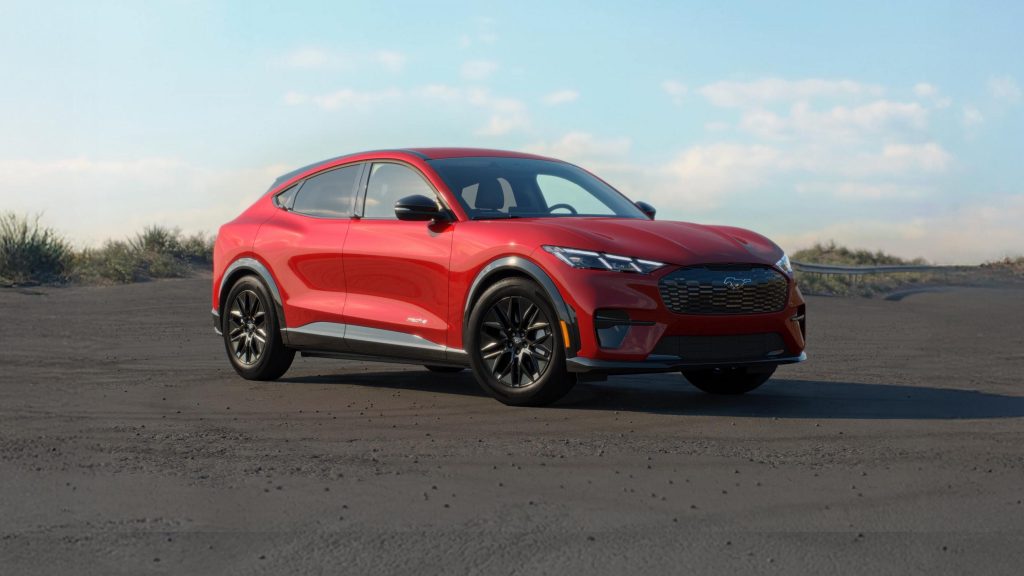
Electric range anxiety also plays a role indirectly. Owners run wipers less to preserve range, which lets contaminants sit longer on the glass and worsens perceived streaking.
Ford has acknowledged wiper performance concerns through service channels. Updated blade part numbers have appeared as running changes across model years.
Specifications:
- Engine: Electric motor(s), single or dual configuration
- Horsepower: 266 hp (standard range RWD) to 480 hp (GT Performance)
- Torque: 317 lb-ft to 634 lb-ft depending on trim
- Length: 185.6 in
- Width: 74.1 in
