
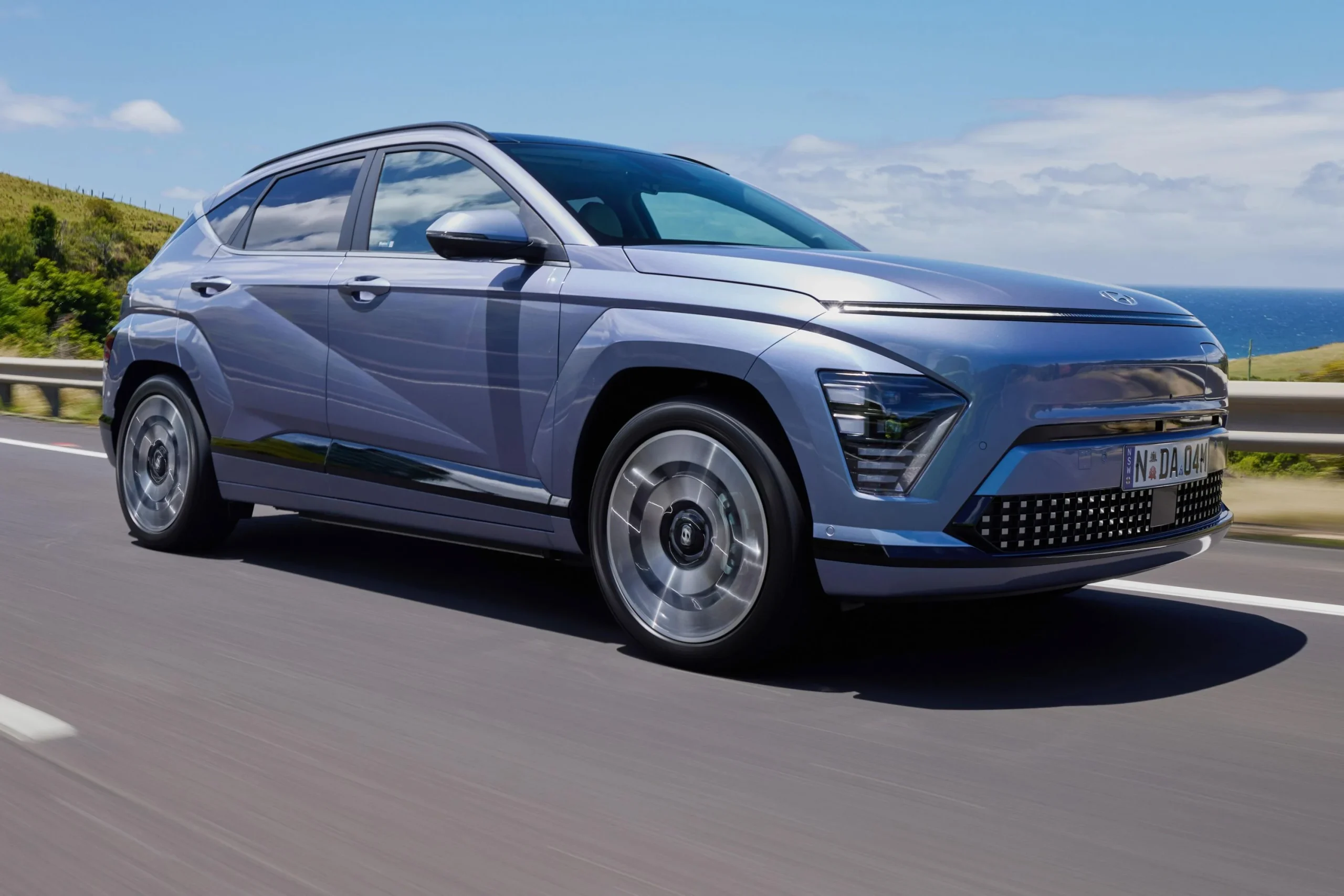
Hyundai has issued a safety recall for certain U.S.-market Kona and Kona Electric models after discovering a potential defect involving the seatbelt buckle assembly.
According to Autoevolution, citing documents filed with the National Highway Traffic Safety Administration (NHTSA), the recall was announced on July 27, 2026, and affects vehicles that may have improperly manufactured seatbelt buckles. Dealers will inspect the affected components and perform repairs or replacements free of charge.
Seatbelts remain one of the most critical safety systems in any vehicle, and even minor manufacturing defects can significantly reduce occupant protection during a collision.
Because federal safety regulations require seatbelt assemblies to meet strict performance standards, manufacturers treat any issue involving buckles, latches, or restraint systems as a high-priority safety concern.
Hyundai says owners of affected Kona and Kona Electric vehicles will receive official recall notifications with instructions on scheduling inspections at authorized dealerships. Although the company has not reported widespread incidents related to the issue, the recall is intended to address the defect before it can compromise occupant safety.
The campaign demonstrates how automakers continue monitoring production quality after vehicles enter service, using engineering reviews and regulatory reporting to identify potential defects and correct them through formal recall programs.
Also Read: Jeep Recalls 641 Wrangler and Gladiator Models Over Defective Steel Wheels
Recall Covers Kona and Kona Electric Models
According to documents submitted to NHTSA, the recall applies to certain Hyundai Kona and Kona Electric vehicles sold in the United States during specific production periods.
The affected vehicles may contain seatbelt buckle assemblies that do not fully comply with Hyundai’s engineering specifications. While only certain production batches are involved, the company is conducting the recall to ensure every potentially affected vehicle receives inspection and, if necessary, corrective repairs.
The recall includes both gasoline-powered Kona models and their fully electric counterparts, reflecting the fact that many structural and safety components are shared across multiple powertrain configurations.
Hyundai advises owners to verify whether their vehicle is included by checking its Vehicle Identification Number (VIN) once recall notifications become available.
Understanding the Seatbelt Buckle Defect
According to the recall documentation, the concern involves the seatbelt buckle assembly rather than the seatbelt webbing itself.
A properly functioning buckle must securely latch the seatbelt tongue and remain locked throughout normal driving and during a collision. If the buckle assembly does not operate as designed, occupant protection may be reduced in a crash.
Although Hyundai has not indicated that every affected buckle will fail, the possibility of improper operation under certain conditions prompted the company to initiate a voluntary safety recall.
Seatbelt buckles undergo extensive durability and crash testing before production, but manufacturing variations can occasionally result in components that fail to meet required standards.
Because seatbelts are primary restraint systems, even relatively uncommon defects require immediate corrective action.
Why Seatbelt Recalls Are Considered Serious
Seatbelts are widely recognized as one of the most effective vehicle safety features ever developed.
During a collision, they help keep occupants securely positioned within the vehicle, reducing the risk of contact with interior structures and preventing ejection in many crash scenarios.
Federal Motor Vehicle Safety Standards establish strict performance requirements for seatbelt assemblies, including buckle strength, locking performance, release operation, and durability.
Any defect that could prevent a buckle from latching correctly or remaining securely fastened has the potential to reduce occupant protection during an accident. For that reason, NHTSA closely monitors restraint system defects and requires manufacturers to notify owners whenever a safety-related issue is identified.
How Hyundai Identified the Problem
Like other major automakers, Hyundai continuously monitors vehicle performance after production through multiple quality assurance systems. Warranty claims, dealership reports, supplier information, manufacturing records, and engineering investigations all contribute to identifying potential safety concerns.
According to the recall documents, Hyundai determined that certain seatbelt buckle assemblies installed during production may not meet required specifications.
Following its internal investigation, the company notified NHTSA and initiated the recall so affected vehicles could receive inspections before the issue results in injuries or failures during real-world crashes.
Industry experts note that recalls involving safety equipment often occur before widespread customer complaints develop because manufacturers prioritize preventive action whenever occupant protection could be affected.
Dealers Will Inspect and Repair Vehicles Free of Charge
Hyundai dealerships will perform the recall repairs at no cost to owners. According to the company, technicians will inspect the seatbelt buckle assemblies and determine whether repairs or replacements are necessary based on the inspection results.
If a buckle does not meet specifications, the affected component will be replaced using updated parts that comply with federal safety standards. Federal law requires safety recall repairs to be completed free of charge regardless of whether the vehicle remains within its original warranty period.
Owners are encouraged to schedule service appointments promptly after receiving official notification letters.
How Owners Can Check Whether Their Vehicle Is Included
Owners of Hyundai Kona and Kona Electric models do not need to wait for a mailed recall notice before verifying whether their vehicle is affected. The easiest method is to enter the vehicle’s 17-digit VIN into the NHTSA recall lookup database or contact an authorized Hyundai dealership.
Dealership service departments can immediately determine whether an active recall applies to a specific vehicle and arrange an appointment once the necessary parts are available. This process also benefits owners who purchased used vehicles, since safety recalls remain associated with the vehicle rather than its original owner.
Keeping recall repairs current helps ensure vehicles continue meeting federal safety requirements throughout their service life.
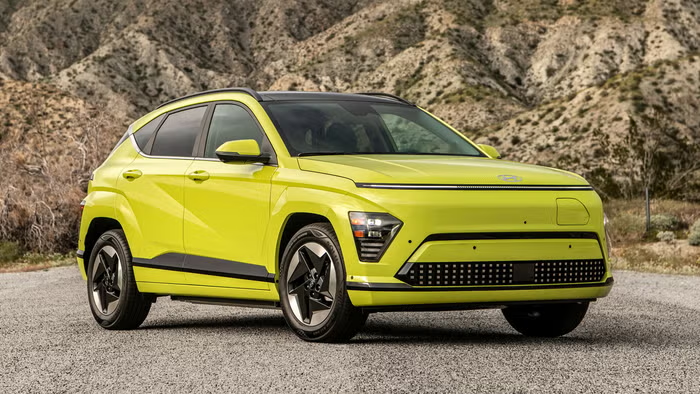
Hyundai has significantly expanded its quality control and safety monitoring programs in recent years as its product lineup has grown across both conventional and electric vehicle segments.
The company routinely conducts engineering reviews whenever potential defects are identified, working closely with suppliers and regulators to determine whether formal recalls are necessary.
While recalls can attract public attention, they also demonstrate the industry’s commitment to correcting safety issues before they result in widespread incidents.
By voluntarily recalling affected Kona and Kona Electric models, Hyundai aims to maintain customer confidence while ensuring the vehicles continue meeting the company’s safety standards.
Industry analysts note that prompt identification and repair of restraint system issues remain an essential part of long-term vehicle safety management.
The latest recall involving Hyundai Kona and Kona Electric models underscores the importance of maintaining reliable occupant protection systems throughout a vehicle’s lifetime.
According to Autoevolution and NHTSA, the recall addresses a potential defect within the seatbelt buckle assembly that could reduce the effectiveness of one of the vehicle’s most important safety features.
Although Hyundai has not reported widespread failures related to the issue, the company is taking preventive action by offering inspections and repairs free of charge through its dealer network. This approach allows potentially affected vehicles to be corrected before the defect can create a greater safety risk.
For Kona owners, the recommended course of action is straightforward. Verify whether the vehicle is included in the recall using its VIN, schedule the inspection with an authorized Hyundai dealership, and complete any required repairs as soon as possible.
Promptly addressing the recall helps ensure the seatbelt system performs as intended if it is ever needed during a collision, maintaining the level of occupant protection expected from modern vehicles.
Also Read: Subaru Recalls More Than 541,000 Vehicles to Correct Weight Rating Labels
