
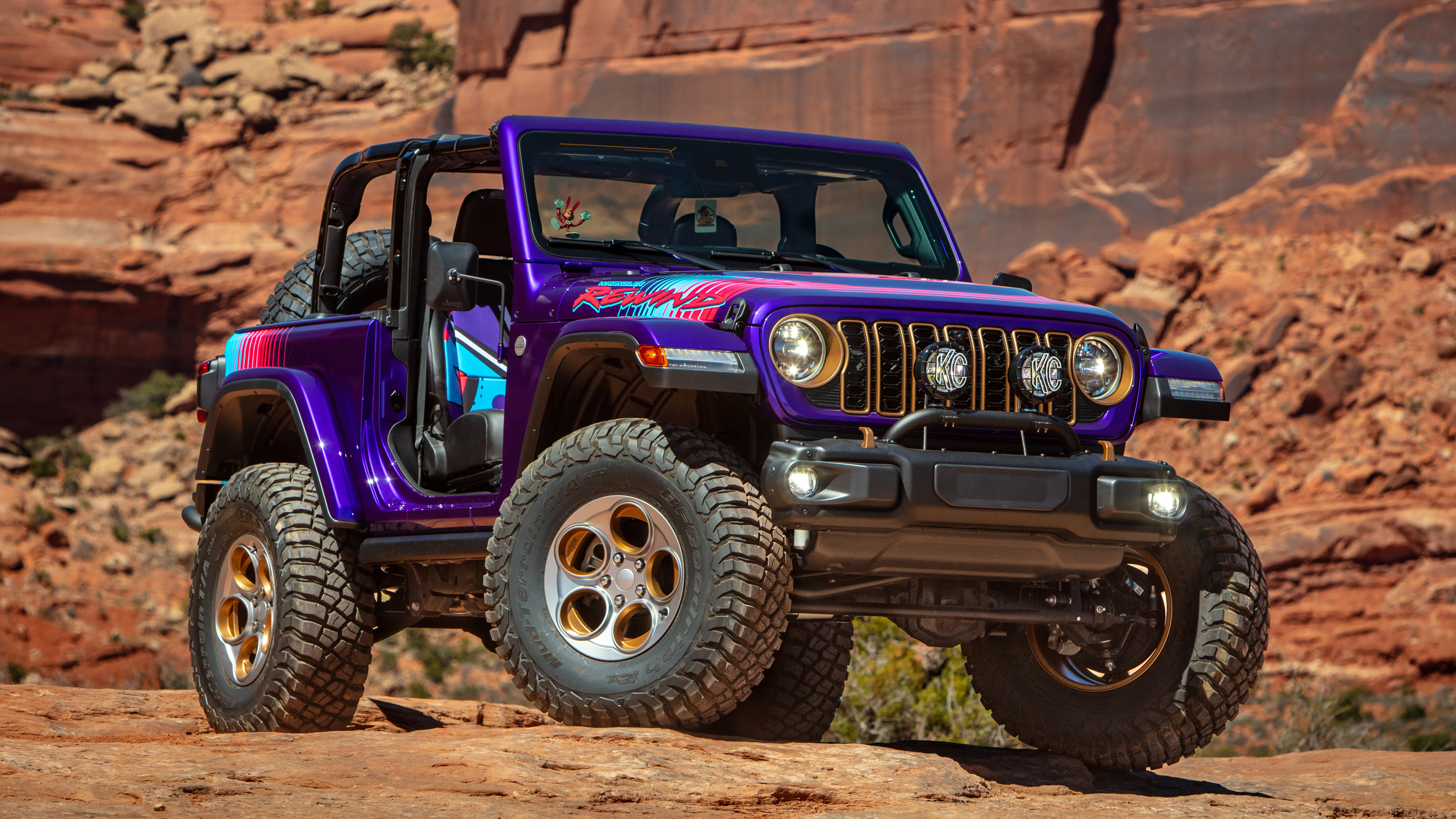
Jeep has issued a safety recall affecting 641 Wrangler and Gladiator models in the United States after identifying a manufacturing defect in certain steel wheels that could cause them to crack under load.
While the number of affected vehicles is relatively small compared with many nationwide recalls, the nature of the defect prompted immediate action because a cracked wheel can compromise vehicle stability and increase the risk of a crash.
According to documents filed with the National Highway Traffic Safety Administration (NHTSA) and first highlighted by Road & Track, the affected vehicles were equipped with steel wheels that may not meet the required strength specifications.
Under certain driving conditions, repeated loading or impacts from normal road use could cause the wheels to develop cracks. If a wheel cracks while the vehicle is moving, it could lead to reduced vehicle control or, in severe cases, tire deflation.
The recall affects only specific Wrangler and Gladiator models built during a limited production period. Jeep has instructed owners to schedule an inspection at an authorized dealership, where technicians will replace the defective wheels free of charge.
Although Wrangler and Gladiator owners frequently use their vehicles for off-road adventures and towing, the recall applies regardless of how the vehicle is driven. Even owners who use their vehicles primarily on paved roads are encouraged to have the repair completed as soon as possible.
Also Read: 10 SUVs With Tailgates That Clear a Standard Garage Door
The Recall Covers 641 Vehicles
According to the recall documents published by NHTSA, the campaign involves 641 Jeep Wrangler and Jeep Gladiator models equipped with specific steel wheels supplied during a limited manufacturing period.
Unlike recalls involving thousands or even millions of vehicles, this campaign is narrowly focused because investigators were able to identify the production batch containing the potentially defective wheels.
Limiting the recall to the affected vehicles allows Jeep to address the issue efficiently while minimizing unnecessary service appointments for other owners.
Road & Track reported that the defect does not affect every Wrangler or Gladiator equipped with steel wheels. Instead, only vehicles built with wheels from the identified manufacturing batch are included in the recall.
Owners whose vehicles are not listed in the recall database do not need to take any action unless a future recall notice is issued.
What Is Wrong With the Steel Wheels?
According to NHTSA, the recalled wheels may contain a manufacturing defect that reduces their structural strength.
Steel wheels are designed to withstand significant loads generated during braking, cornering, towing, and driving over uneven surfaces. They are also engineered to absorb impacts from potholes and rough terrain without suffering structural failure.
However, investigators determined that certain recalled wheels may develop cracks when subjected to normal operating loads. These cracks can grow over time and eventually compromise the wheel’s ability to safely support the vehicle.
A cracked wheel can also allow air to escape from the tire, increasing the possibility of a sudden loss of tire pressure. If this occurs while driving at highway speeds, the driver may experience reduced steering control or instability.
Because wheels are considered critical safety components, even a limited number of defective parts is sufficient to trigger a recall under federal safety regulations.
Why This Matters for Wrangler and Gladiator Owners
The Jeep Wrangler and Gladiator are designed for demanding conditions that many passenger vehicles rarely encounter.
Owners frequently use these vehicles for off-road trails, rocky terrain, towing, camping, and heavy cargo hauling. These activities place additional stress on wheels and suspension components compared with everyday commuting.
Even vehicles used exclusively on public roads experience repeated loading from potholes, speed bumps, and rough pavement. Over time, those forces can worsen an existing manufacturing defect.
According to safety experts, wheel failures are particularly concerning because they directly affect one of the vehicle’s primary contact points with the road. Unlike cosmetic defects, structural wheel damage can influence braking performance, steering response, and vehicle stability.
Although Jeep has not reported widespread crashes related to the issue, replacing potentially defective wheels before they fail significantly reduces safety risks.
How the Defect Was Identified
According to information submitted to NHTSA, Jeep identified the issue through its internal quality monitoring process.
Automakers routinely analyze supplier reports, manufacturing inspections, warranty claims, dealership feedback, and field reports to detect potential defects after vehicles enter production. When engineers determine that a component may not comply with federal safety standards or could increase crash risk, manufacturers are required to notify NHTSA.
During its investigation, Jeep determined that a limited batch of steel wheels may not have met the company’s required manufacturing specifications. After confirming the defect, Stellantis, Jeep’s parent company, voluntarily initiated a recall campaign and notified federal regulators.
Industry experts note that identifying production issues before widespread failures occur reflects the extensive quality monitoring systems now used throughout the automotive industry.
The Repair Will Be Free
Jeep has developed a straightforward remedy for affected owners. According to the recall documents, authorized Jeep dealerships will inspect the affected vehicles and replace the defective steel wheels with properly manufactured units at no cost to customers.
Because the repair involves replacing the wheels rather than repairing them, owners can expect the vehicles to be restored to their intended safety standards once the service is completed.
Recall notification letters will provide instructions for scheduling dealership appointments. Owners are encouraged to arrange repairs promptly, particularly if they frequently tow trailers, carry heavy loads, or drive off-road.
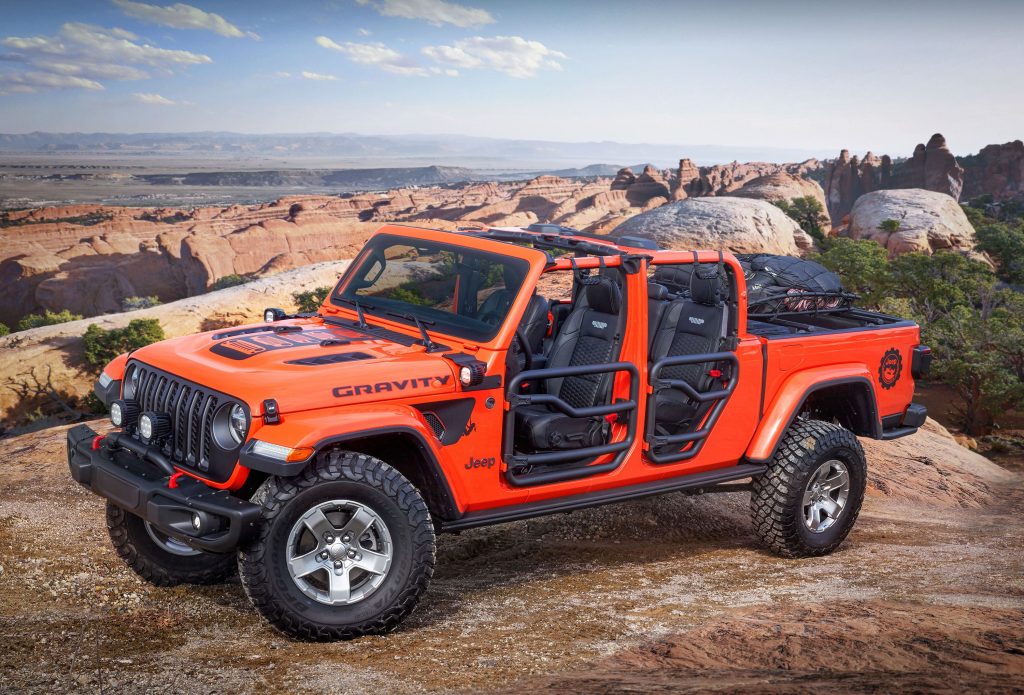
Federal law requires manufacturers to complete safety recall repairs free of charge regardless of whether the vehicle is still covered by its original warranty.
How Owners Can Check Whether Their Vehicle Is Included
Owners do not need to wait for an official notification letter before determining whether their Wrangler or Gladiator is affected.
NHTSA recommends entering the vehicle’s 17-digit Vehicle Identification Number into its online recall lookup database. The VIN search will display all active safety recalls associated with the vehicle.
Jeep dealerships can also verify recall eligibility and schedule service appointments using the VIN. Owners who purchased their Wrangler or Gladiator used should also check for open recalls, since recall campaigns remain attached to the vehicle rather than the original owner.
Completing recall repairs promptly helps ensure the vehicle continues to meet federal safety standards while reducing the likelihood of future component failures.
Wheel Defects Are Taken Seriously
Although recalls involving wheels receive less public attention than engine or airbag campaigns, they are treated as significant safety issues because wheel integrity directly affects vehicle control.
Federal Motor Vehicle Safety Standards establish strict requirements for wheel strength, durability, and structural performance. Manufacturers are required to investigate any indication that wheels may not meet those standards.
Over the years, several automakers have recalled vehicles because of cracked alloy wheels, improperly manufactured steel wheels, or wheel fastener defects. While the causes differ, the objective remains the same: preventing component failures before injuries occur.
Safety specialists note that even a small crack can grow under repeated stress, making early replacement the safest solution.
A Small Recall With an Important Safety Purpose
Jeep’s recall of 641 Wrangler and Gladiator models demonstrates that safety recalls are based on risk rather than the number of vehicles involved. Even though the affected population is relatively small, a defective wheel has the potential to reduce vehicle control and increase the likelihood of a crash if left uncorrected.
According to NHTSA and Road & Track, the recall focuses on replacing steel wheels that may crack because they do not meet required manufacturing standards. By identifying the issue early and offering free replacements, Jeep aims to eliminate the risk before widespread failures occur.
For owners, the next step is straightforward. Verify whether the vehicle is included in the recall using its VIN and schedule a dealership appointment if necessary.
Replacing a defective wheel may seem like a simple repair, but ensuring that every component supporting the vehicle performs exactly as intended is essential for maintaining safety on both highways and off-road trails.
Also Read: 10 EVs That Hold Value Better Than a Model 3
