
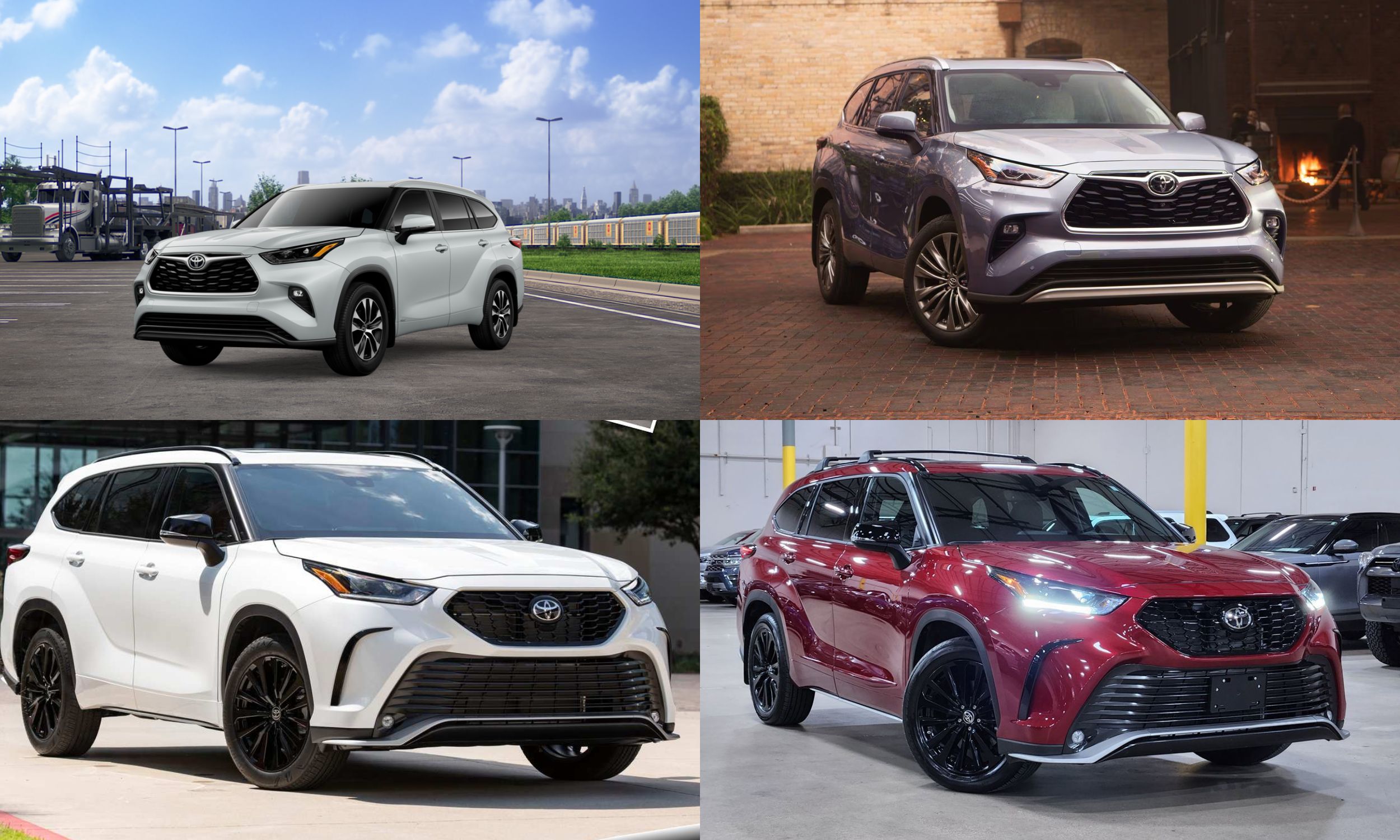
Shopping for a three-row family SUV can feel like standing in front of a menu with too many options. Toyota knows this, so it built five distinct versions of the Highlander, each one nudging the price higher while adding something new to the package. Some buyers just want reliable transportation from point A to point B.
Others want leather seats, a big touchscreen, and a sound system that turns the school run into a concert. This guide breaks down what each trim actually offers, what you’re really paying for, and which one gives you the smartest return on your investment. By the end, you’ll know exactly where your money should go.
LE: The Budget-Friendly Starting Point
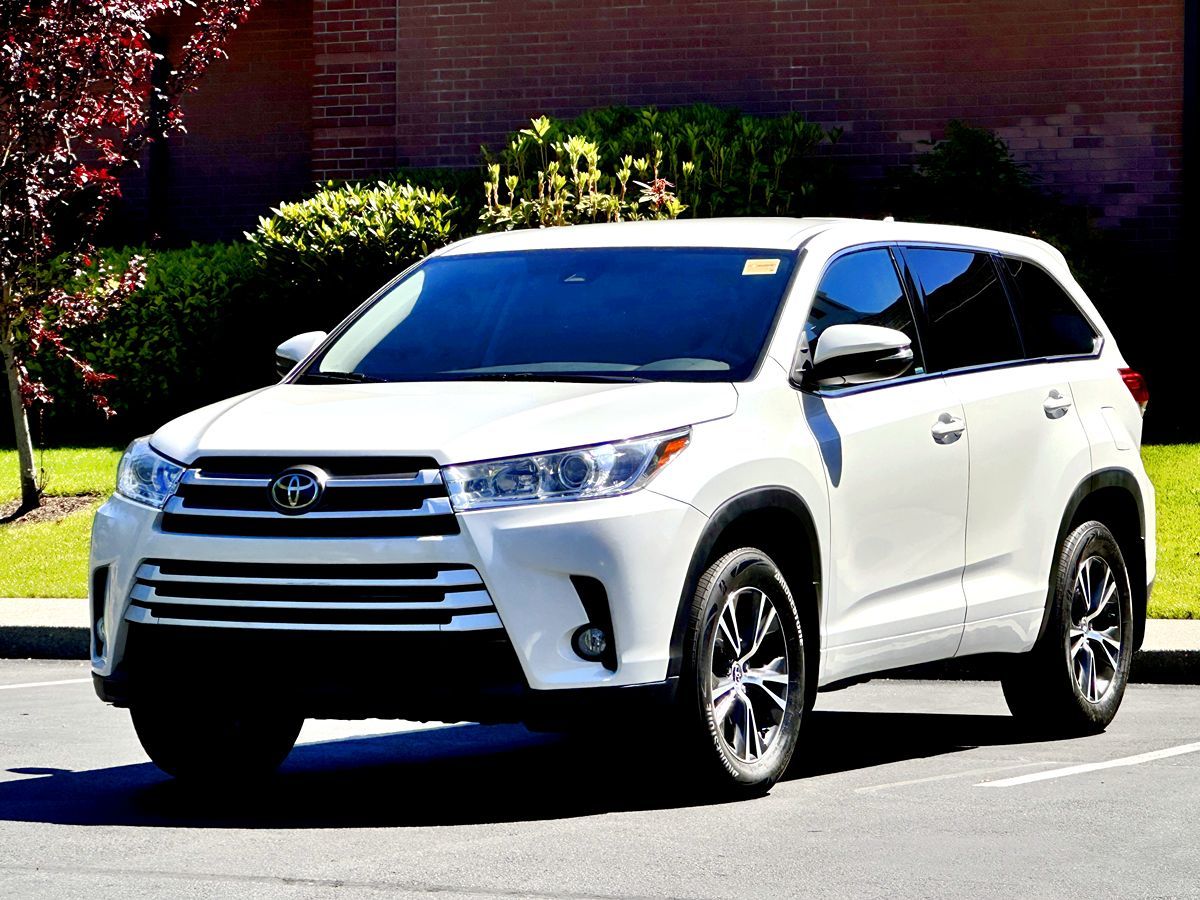
Price tags matter, and the LE proves Toyota understands that. Starting at roughly $41,815, this base trim isn’t stripped down in the way some entry-level SUVs are. You still get 18-inch alloy wheels, LED headlights, a power liftgate that adjusts to your height, and keyless entry paired with push-button start. The driver’s seat is power-adjustable, climate control covers three zones, and both rear rows fold flat in a 60/40 split for hauling gear.
Toyota didn’t skimp on safety either. Every Highlander, including the LE, comes standard with automatic emergency braking, adaptive cruise control, lane centering assistance, and blind-spot monitoring with rear cross-traffic alerts. That’s a genuinely strong safety suite for a starting model.
Where the LE falls short is comfort and technology. The seats are cloth. The infotainment screen measures 8 inches, smaller than what higher trims offer. There’s no sunroof, no wireless charging, and no navigation system built in.
For a household that mainly needs seating for eight and dependable transportation, none of that matters much. But families craving a more upscale cabin experience will feel the difference the moment they climb inside a nicer trim.
XLE: Where Comfort Meets Sensible Pricing
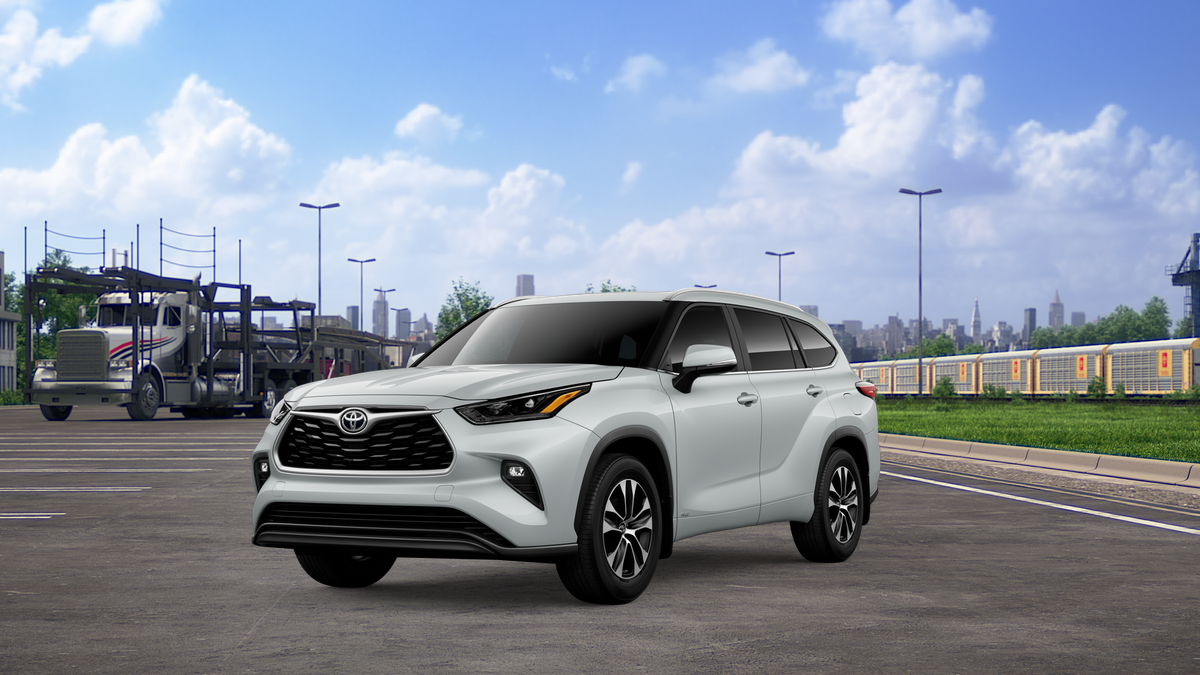
Something interesting happens once you move up to the XLE. The price climbs to around $44,965, yet the list of upgrades feels disproportionately generous compared to that modest jump. Roof rails appear. A sunroof opens up the cabin. The liftgate becomes hands-free, letting you kick your foot under the bumper when your arms are full of groceries.
Inside, synthetic leather (Toyota calls it SofTex) replaces cloth, and heated front seats handle chilly mornings without complaint. The passenger seat gains power adjustment too, no longer leaving the front passenger stuck manually sliding forward and back. Buyers who prefer a more private second row can swap the standard bench for optional captain’s chairs, which drops total seating to seven but adds a touch of first-class comfort for whoever sits back there.
A wireless charging pad eliminates cable clutter, an auto-dimming rearview mirror cuts down glare from tailgaters at night, and second-row sunshades keep kids comfortable on long drives. Navigation is available as an add-on for those who don’t want to rely purely on a phone mounted to the dash.
This is the trim Edmunds editors point to as their top recommendation, and it’s easy to understand why once you compare the feature list against the price difference from the LE.
Also Read: Toyota Highlander Trim Guide for Buyers Under $48,000
XSE: Sport-Inspired Styling for a Premium
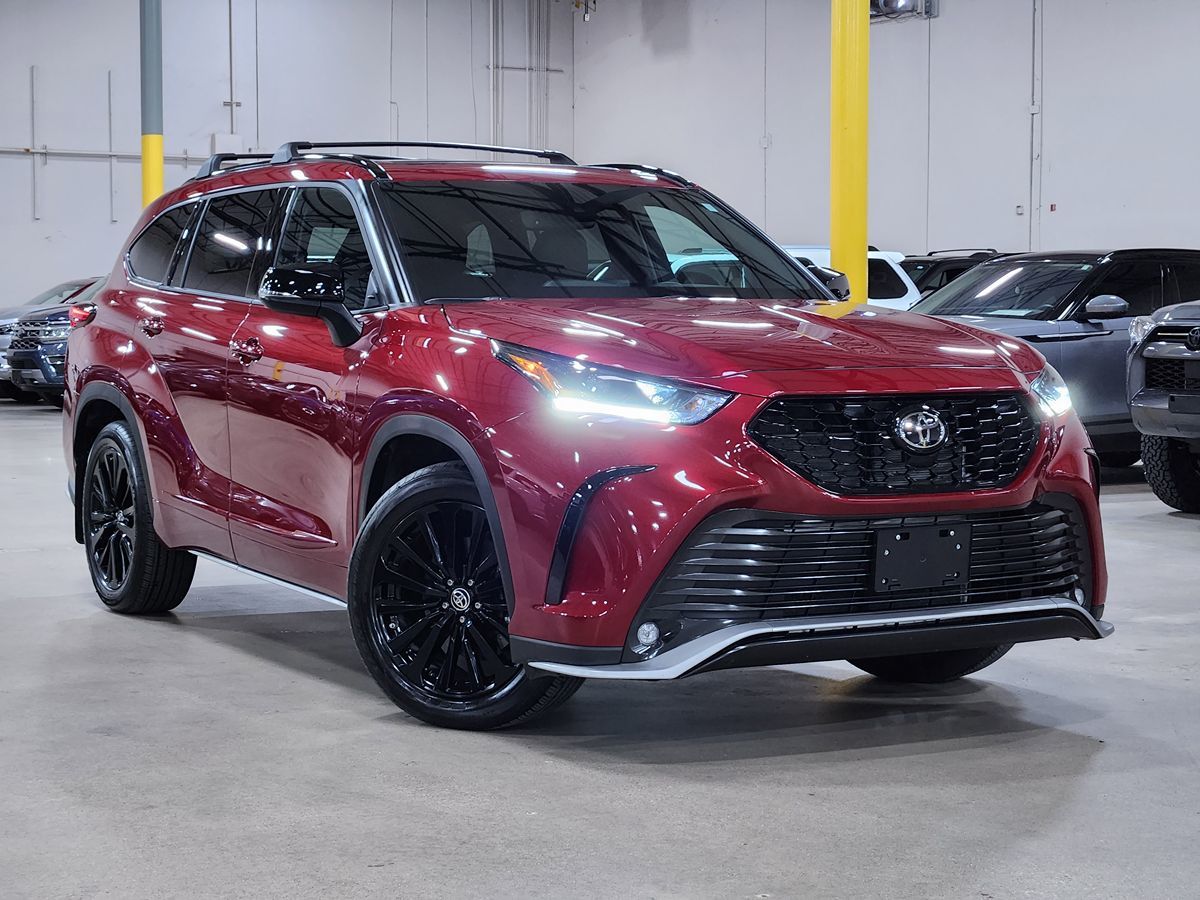
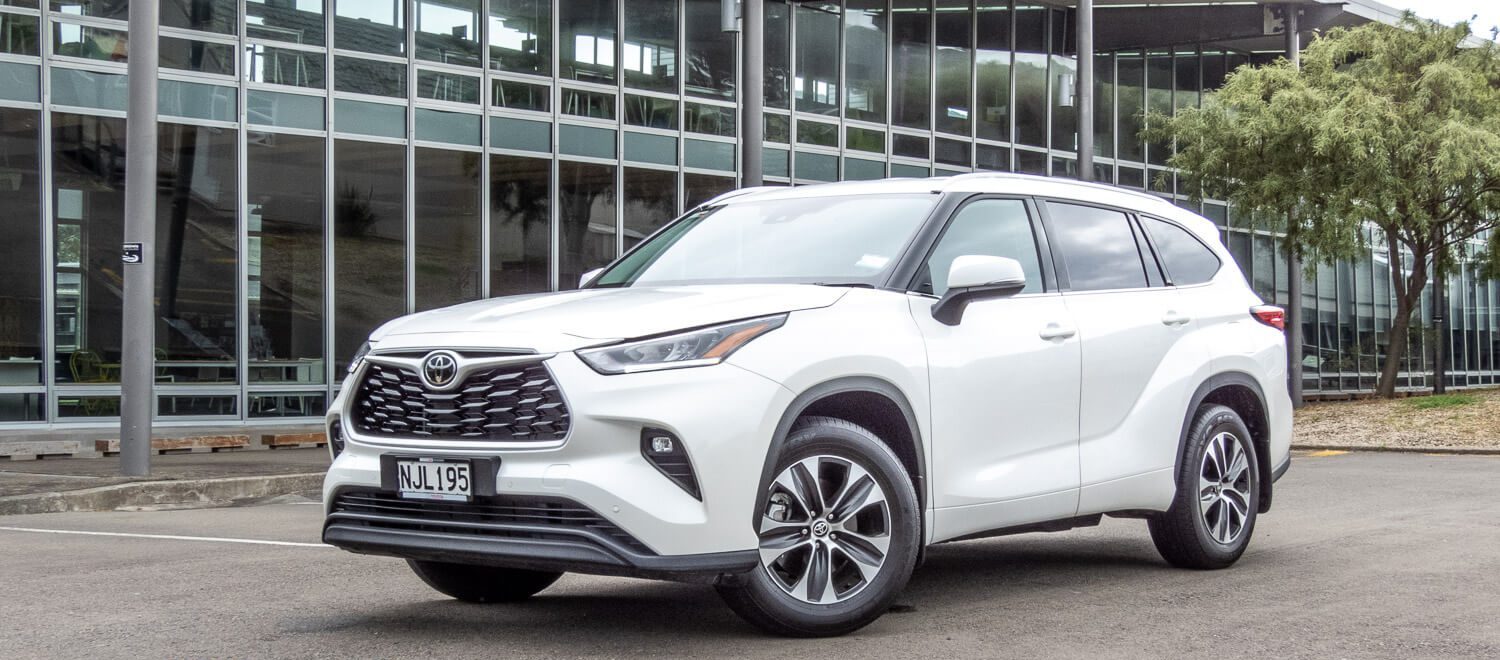
Buyers who want their family hauler to look a little sharper in the driveway will gravitate toward the XSE, priced around $48,635. This trim keeps most of the XLE’s comfort features but wraps them in a sportier shell.
Twenty-inch wheels replace the smaller 18-inch set, giving the Highlander a more planted stance. A sport-tuned suspension firms up the ride slightly, trading a bit of cushioning for sharper handling through curves and highway merges.
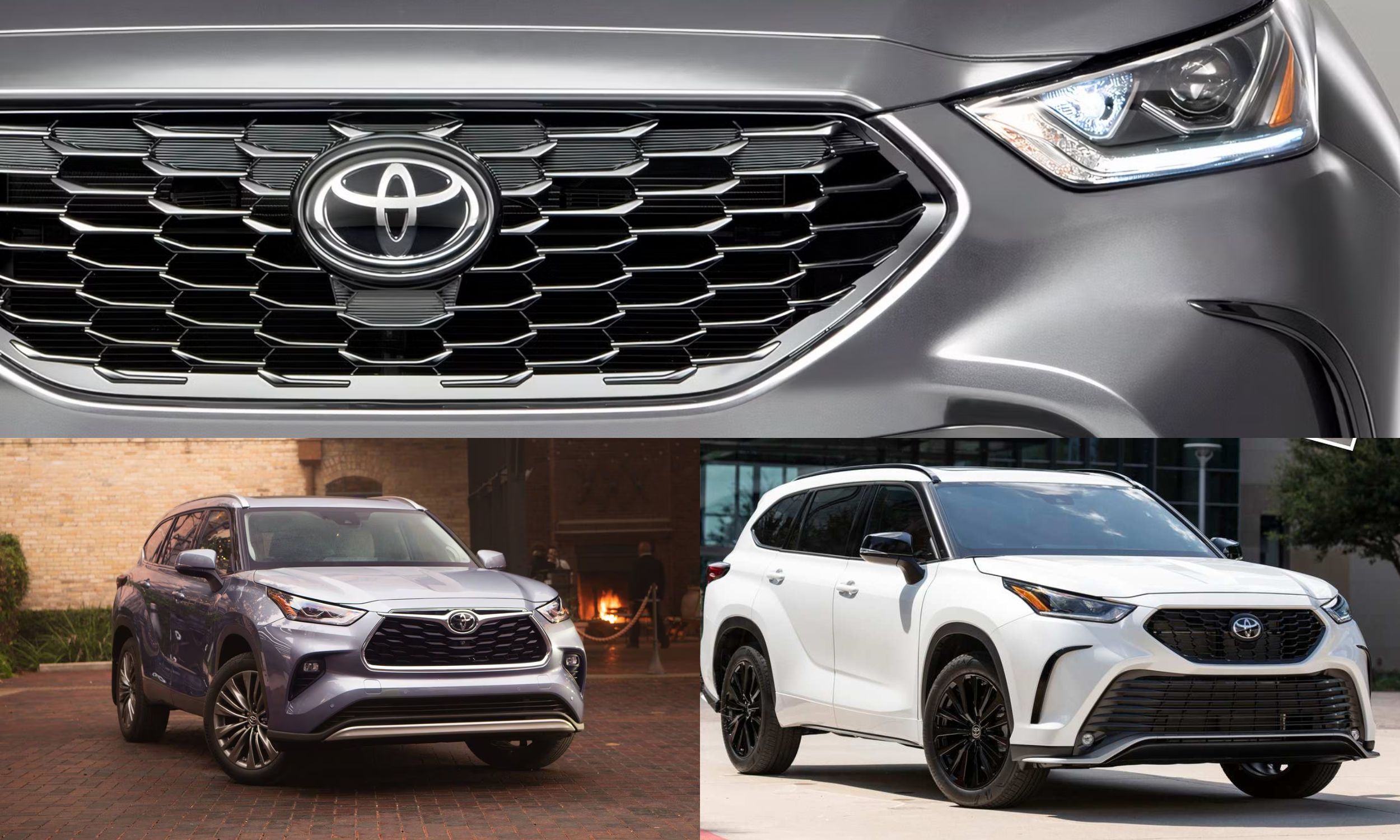
Styling cues set it apart from every other trim. Unique badging, a blacked-out mesh grille, and a lower front spoiler give the XSE an aggressive front end that reads more athletic than family-oriented. Interior ambient lighting adds a subtle glow after dark, and the digital instrument panel goes fully digital rather than the partial display found on lower trims.
One quirk worth knowing: the XSE is the only Highlander trim without an available hybrid powertrain. If fuel economy tops your priority list, this particular version steers you back toward gas-only territory whether you like it or not. It’s also worth noting that curb weight climbs here, partly due to those bigger wheels and standard all-wheel drive, which slightly affects fuel efficiency compared to the XLE.
For buyers who care as much about appearance and road feel as they do about cabin comfort, the XSE earns its higher price. For everyone else, its upgrades might not justify skipping straight to Limited.
Limited: Luxury Features Without the Top-Tier Price
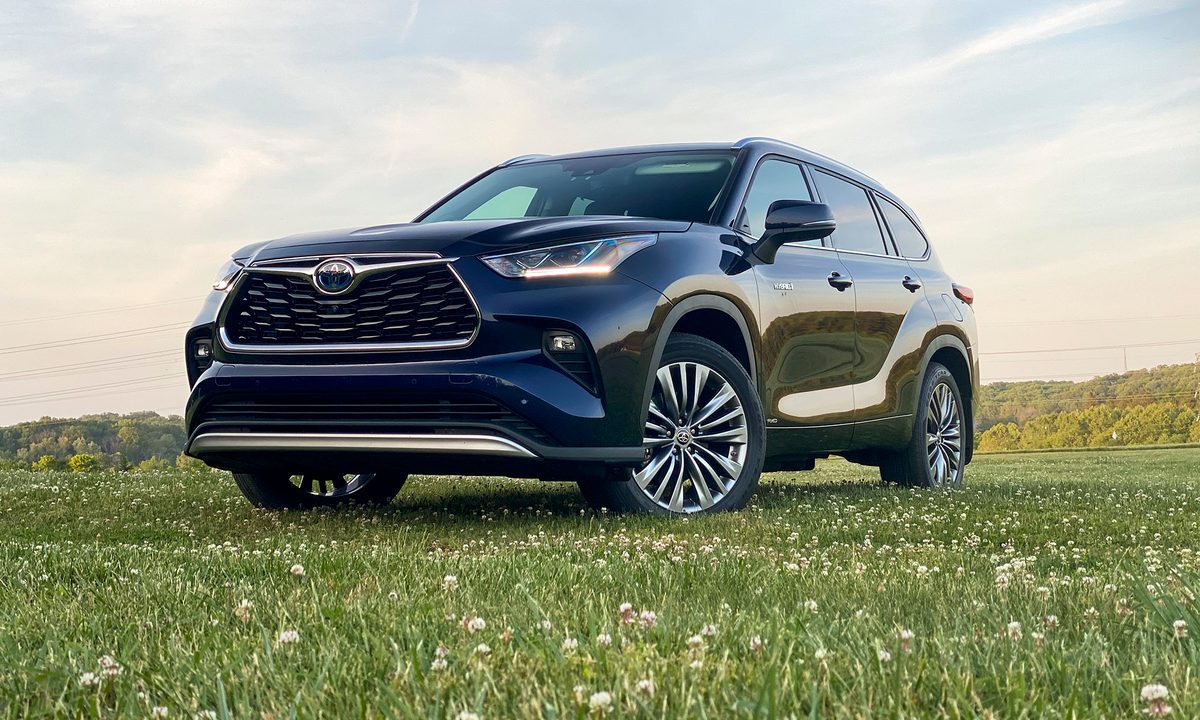
Stepping into Limited territory, priced near $49,070, changes the entire character of the cabin. Genuine leather replaces synthetic upholstery. Front seats gain both heating and ventilation, meaning summer road trips no longer leave your back sticking to the seat. The steering wheel heats up too, a small detail that Midwest and Northeast drivers will appreciate every January morning.
Technology jumps considerably here. The center touchscreen grows to 12.3 inches, dwarfing the 8-inch unit on lower trims. Toyota adds an 11-speaker JBL audio system that noticeably improves sound clarity over the standard speakers. Front and rear parking sensors help with tight garage spaces, and a driver’s seat memory function remembers your preferred position, which matters plenty in households where multiple people share one vehicle.
Power-folding mirrors tuck in automatically when parked, guarding against scrapes in narrow spots. An intercom system broadcasts the driver’s voice through the rear speakers, a genuinely useful trick for talking to kids in the third row without shouting over road noise. Navigation comes standard rather than as an optional extra.
The Limited also opens the door to a hybrid powertrain option, something the sportier XSE cannot offer. For buyers who want luxury-level comfort but aren’t ready to pay Platinum pricing, Limited hits a sweet spot that many cross-shoppers overlook.
Platinum: Every Feature Toyota Offers
At the summit of the lineup sits the Platinum, carrying a sticker price around $54,220. This trim answers the question “what else could Toyota possibly add?” with a firm “quite a lot, actually.” A panoramic sunroof spans nearly the entire roofline, flooding the cabin with natural light, unlike the smaller sunroof found on XLE and above.
Adaptive headlights swivel as you steer, throwing light into curves before your headlights would normally reach them. A head-up display projects speed and navigation prompts directly into your line of sight on the windshield, keeping your eyes on the road rather than darting down to the dashboard. A digital rearview mirror shows a camera feed instead of a standard reflection, useful when the cargo area is stacked high with luggage or sports equipment.
Heated second-row seats extend comfort beyond just the front passengers, a detail families with older kids or in-laws riding along will genuinely appreciate. A surround-view camera system stitches together a top-down image of the entire vehicle, making tight parking garages far less stressful.
Buyers who want their SUV loaded with every convenience Toyota makes available, and who don’t mind paying for it, will find the Platinum delivers accordingly. It’s the trim for people who see a vehicle as a long-term investment in daily comfort rather than a simple appliance for transportation.
Also Read: 10 Toyota Models That Tell the Brand’s Story
Real Cost Differences Beyond the Sticker Price
Sticker price only tells part of the story. Edmunds’ five-year ownership cost estimates show the LE totaling around $47,833, climbing steadily through the XLE at $49,577, the XSE at $51,540, Limited at $51,898, and Platinum reaching $54,284. Depreciation, insurance, and financing costs all rise in step with the purchase price, which makes sense but still surprises buyers who only budget for the monthly payment.
Fuel economy also changes depending on trim and drivetrain. The LE and Limited with front-wheel drive post the best combined ratings at 25 mpg, while all-wheel-drive models across the lineup dip slightly to 24 mpg combined.
Anyone cross-shopping hybrid versions should factor in additional savings at the pump, since hybrid Highlander trims post noticeably better fuel economy than their gas counterparts, though the XSE simply doesn’t offer that choice.
Maintenance costs stay fairly close across trims, generally ranging between $5,300 and $5,700 over five years, so that particular expense shouldn’t sway your decision much either way.
So Which Highlander Trim Actually Delivers the Best Value
After weighing pricing, features, and long-term ownership costs, the XLE stands out as the trim that delivers the strongest balance between price and payoff. It adds meaningful comfort upgrades over the LE, things like a sunroof, heated seats, and a hands-free liftgate, without pushing into the territory where you’re paying heavily for luxury extras you may rarely use.
Buyers who genuinely need leather seating, a larger touchscreen, and premium audio should still consider stepping up to Limited, since that trim adds real functional upgrades rather than purely cosmetic ones.
But for most families cross-shopping this segment on a reasonable budget, the XLE remains the trim that gives you the most for every dollar spent, which is exactly why it consistently earns the recommendation as the smartest pick in the Highlander lineup.
