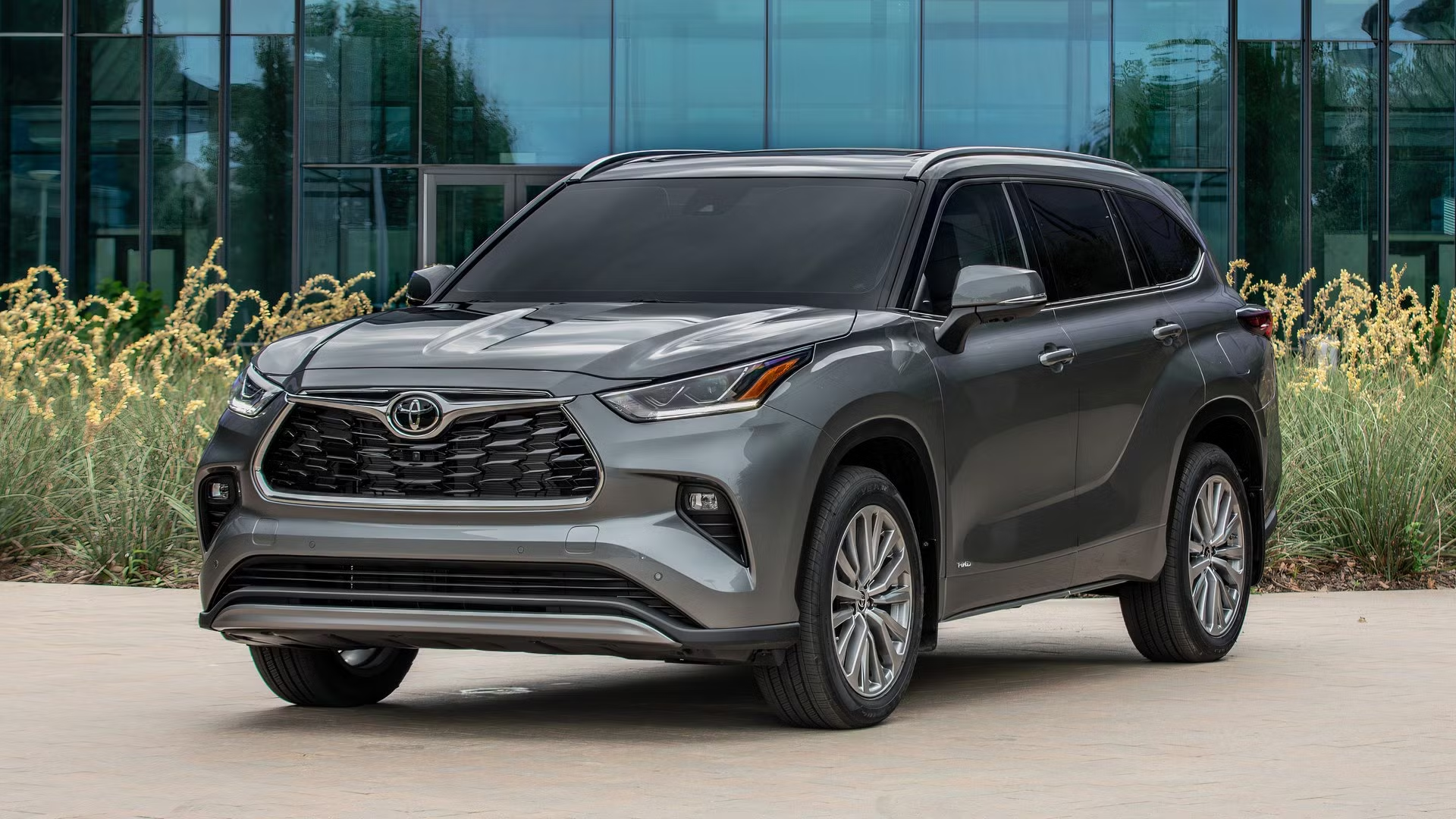
Buying a midsize SUV is no longer as simple as choosing a model and picking a color. Modern vehicles are offered in multiple trim levels, each adding technology, comfort, and convenience features while steadily increasing the price.
The Toyota Highlander is one of the best examples of this approach. Buyers can choose from trims ranging from the practical LE to the near-luxury Platinum, with prices spanning well over $15,000 from the base model to the top of the lineup.
For shoppers with a maximum budget of $48,000, however, the decision usually comes down to two trims: the Highlander XLE and the Highlander Limited.
Both offer three-row seating, Toyota’s well-known reliability, a comfortable ride, and an extensive list of safety features. The Limited adds several premium upgrades, but it also comes with a noticeably higher sticker price.
The question is whether those extra features justify spending several thousand dollars more. This guide compares the XLE and Limited in terms of pricing, equipment, comfort, technology, resale value, and long-term ownership to help buyers determine which trim delivers the better value under a $48,000 budget.
Also Read: Toyota Sold a Mid-Engine Minivan With a Supercharger
Understanding the Price Difference
Toyota positions the XLE as the sweet spot in the Highlander lineup. It includes many of the comfort and technology features families expect without approaching luxury-SUV pricing.
A typical 2026 Highlander XLE starts at approximately $44,000 before destination charges, while the Limited generally begins around $48,000 to $49,000, depending on drivetrain and factory-installed options.
Adding all-wheel drive, premium paint, accessories, and destination charges can easily push a Limited above $50,000, while an XLE equipped with all-wheel drive usually remains comfortably below that threshold.
For buyers who have established a firm spending limit of $48,000, the XLE leaves more room in the budget for extended warranties, accessories, roof racks, all-weather floor liners, or even several years of fuel and insurance savings.
The Limited, by comparison, often requires stretching the budget or accepting fewer dealer-installed options to remain within the same price ceiling.
What You Get With the XLE
The Highlander XLE has earned a reputation as one of Toyota’s best-value trims because it includes nearly every feature most families use every day.
Standard equipment typically includes:
- Heated front seats
- SofTex-trimmed seating
- Power-adjustable front seats
- Power liftgate
- Moonroof
- Wireless Apple CarPlay and Android Auto
- Wireless smartphone charging
- Three-zone automatic climate control
- Blind Spot Monitor with Rear Cross-Traffic Alert
- Toyota Safety Sense driver-assistance technologies
- Smart Key with push-button start
For many buyers, this equipment list already covers everything needed for daily commuting, road trips, and family transportation.
The cabin feels upscale despite avoiding genuine leather upholstery, and Toyota’s SofTex material has earned praise for durability and easy cleaning, particularly among families with young children or pets.
Ride quality is another strength. The XLE uses the same chassis, suspension design, and full platform as higher trims, meaning passengers enjoy virtually identical ride comfort during normal driving.
What Does the Limited Add?
The Limited targets buyers seeking a more premium ownership experience without moving into Lexus territory.
Compared with the XLE, the Limited typically adds the following:
- Genuine leather upholstery
- Ventilated front seats
- Heated second-row seats
- Premium JBL audio system
- Larger digital instrument display
- Memory driver’s seat
- Hands-free power liftgate
- Rain-sensing windshield wipers
- Exterior styling upgrades
- Additional interior sound insulation
Some limited models also include larger wheels and enhanced ambient lighting, creating a noticeably more luxurious atmosphere.
The upgraded JBL sound system is one of the Limited’s biggest advantages. Music lovers who spend long hours commuting or frequently travel with passengers may appreciate its clearer sound quality and stronger bass compared with the standard audio system.
The ventilated front seats also become especially valuable in warmer climates, making summer driving considerably more comfortable.
However, buyers should ask themselves how frequently these premium features will actually be used. While genuine leather, memory seating, and upgraded audio certainly enhance the driving experience, they do not change the Highlander’s core strengths, which include reliability, safety, interior space, and everyday practicality.
Mechanically, the XLE and Limited remain virtually identical. They share the same powertrain, transmission, safety systems, towing capacity, and fuel economy. As a result, the Limited’s higher price is almost entirely paying for additional comfort, convenience, and luxury features rather than improved performance or capability.
Ownership Costs Are Nearly Identical
One of the biggest misconceptions among SUV buyers is that moving to a higher trim level dramatically changes long-term ownership costs. In reality, the Highlander XLE and Limited share the same engine, transmission, suspension, braking system, and most mechanical components, meaning maintenance schedules are virtually identical.
Both trims use Toyota’s turbocharged 2.4-liter four-cylinder engine, producing 265 horsepower and 310 lb-ft of torque, paired with an eight-speed automatic transmission. Because the powertrain is shared, owners can expect nearly identical fuel economy, servicing requirements, and reliability.
Using 15,000 miles per year as an example:
- Fuel: Approximately $9,000 to $10,000 over five years
- Scheduled maintenance: $2,500 to $3,500
- Insurance: $8,000 to $10,000
- Registration and fees: Vary by state but are generally similar between trims.
The Limited may cost $100 to $250 more per year to insure because of its higher replacement value and additional equipment, but the difference is relatively small compared with the purchase price.
Resale Value: Both Hold Their Value Well
Toyota has built one of the strongest resale reputations in the industry, and the Highlander consistently ranks among the best midsize SUVs for value retention.
The XLE often performs particularly well because it sits in the middle of the lineup. Used-vehicle shoppers actively seek mid-level trims since they balance desirable features with affordable pricing.
The Limited also retains value well, but luxury-oriented options rarely recover their full original cost in the used market. Spending several thousand dollars more when new does not necessarily translate into several thousand dollars more at trade-in time.
For example:
A buyer who spends $4,000 more on a Limited may recover only $2,000 to $2,500 of that difference after five years.
That makes the XLE the stronger value from a purely financial perspective.
Which Trim Is Better for Families?
For most families, the XLE already includes everything needed for everyday life.
Parents benefit from:
- Heated front seats
- Power liftgate for loading groceries
- Three-zone climate control
- Wireless smartphone connectivity
- Large touchscreen
- Multiple USB charging ports
- Standard Toyota Safety Sense
- Comfortable second-row seating
The SofTex upholstery found in the XLE is another practical advantage. It resists spills, wipes clean easily, and shows less wear than many traditional leather interiors, making it ideal for households with young children, pets, or frequent road trips.
The Limited certainly feels more upscale. Genuine leather upholstery, ventilated front seats, and heated second-row seats improve comfort, particularly for buyers who spend several hours behind the wheel each week.
However, these upgrades enhance convenience rather than capability. Both trims carry the same number of passengers, offer the same cargo space, and provide identical towing capacity when similarly equipped.
Who Should Choose the Limited?
Despite the XLE’s stronger value, the Limited is still the right choice for certain buyers.
Choose the Limited if you:
- Plan to keep the vehicle for eight years or longer
- Drive long highway distances every week
- Value premium interior materials
- Frequently travel in hot climates where ventilated seats are beneficial
- Want the upgraded JBL premium audio system
- Prefer additional luxury features without moving up to a Lexus
If your Highlander will serve as your primary family vehicle for many years, the extra comfort may justify the higher purchase price.
Who Should Buy the XLE?
For the majority of buyers shopping with a maximum budget of $48,000, the XLE offers the better balance of price and equipment.
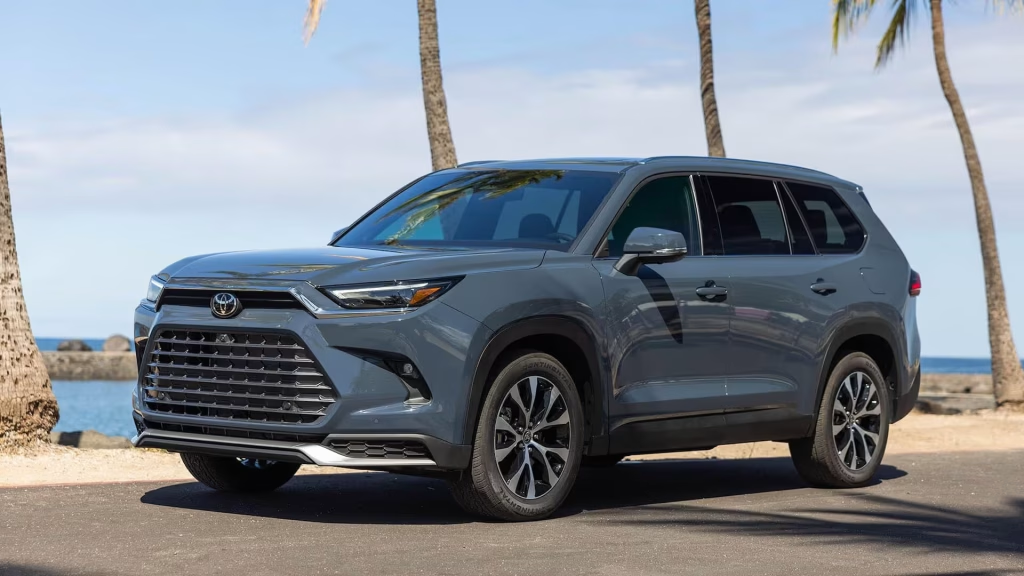
Choose the XLE if you:
- Want the strongest value for your money
- Prefer staying comfortably within budget
- Plan to finance the vehicle and want lower monthly payments
- Prioritize reliability and safety over luxury upgrades
- Intend to maximize resale value
- Want room in the budget for accessories, an extended warranty, or future maintenance
The XLE delivers nearly all of the Highlander’s essential features while avoiding the premium price associated with luxury-oriented upgrades.
Value Comparison
| Category | XLE | Limited |
|---|---|---|
| Purchase Price | ★★★★★ | ★★★☆☆ |
| Standard Features | ★★★★☆ | ★★★★★ |
| Interior Luxury | ★★★★☆ | ★★★★★ |
| Technology | ★★★★☆ | ★★★★★ |
| Resale Value | ★★★★★ | ★★★★☆ |
| Operating Costs | ★★★★★ | ★★★★☆ |
| Full Value | ★★★★★ | ★★★★☆ |
For buyers shopping with a budget under $48,000, the decision ultimately comes down to whether premium comfort features are worth stretching the budget.
The Highlander XLE hits the sweet spot in Toyota’s lineup by combining a strong list of standard features with a price that leaves room for other ownership expenses such as taxes, insurance, accessories, or an extended service plan.
It delivers the same spacious cabin, standard all-wheel-drive availability, advanced safety technology, and dependable turbocharged powertrain found in higher trims, making it difficult to overlook from a value standpoint.
The Highlander Limited is best suited for shoppers who place a high priority on luxury touches rather than full value.
Features such as genuine leather seating, ventilated front seats, a premium JBL audio system, and additional convenience equipment certainly make the cabin feel more upscale, but they do not change the SUV’s core performance, passenger space, towing capability, or everyday practicality.
If you’re looking for the best balance of price, equipment, and long-term ownership value, the XLE is the trim most buyers should choose. It offers nearly everything families need without pushing the purchase price into near-luxury territory.
The money saved compared with a Limited can also help offset rising fuel costs, insurance premiums, or future maintenance, making ownership more affordable over time.
The Limited is an excellent choice for buyers who prioritize premium comfort and convenience, but its added features come at a noticeable price premium. For most shoppers, those upgrades won’t significantly change the Highlander’s everyday driving experience or long-term ownership costs.
The XLE, on the other hand, delivers the features families use most while keeping the purchase price comfortably below the $48,000 budget.
It strikes the best balance between affordability, practicality, technology, and resale value, making it the trim that offers the strongest return on investment for the majority of Highlander buyers.
Also Read: Toyota RAV4 Trim Guide for Buyers Spending Under $38,000