
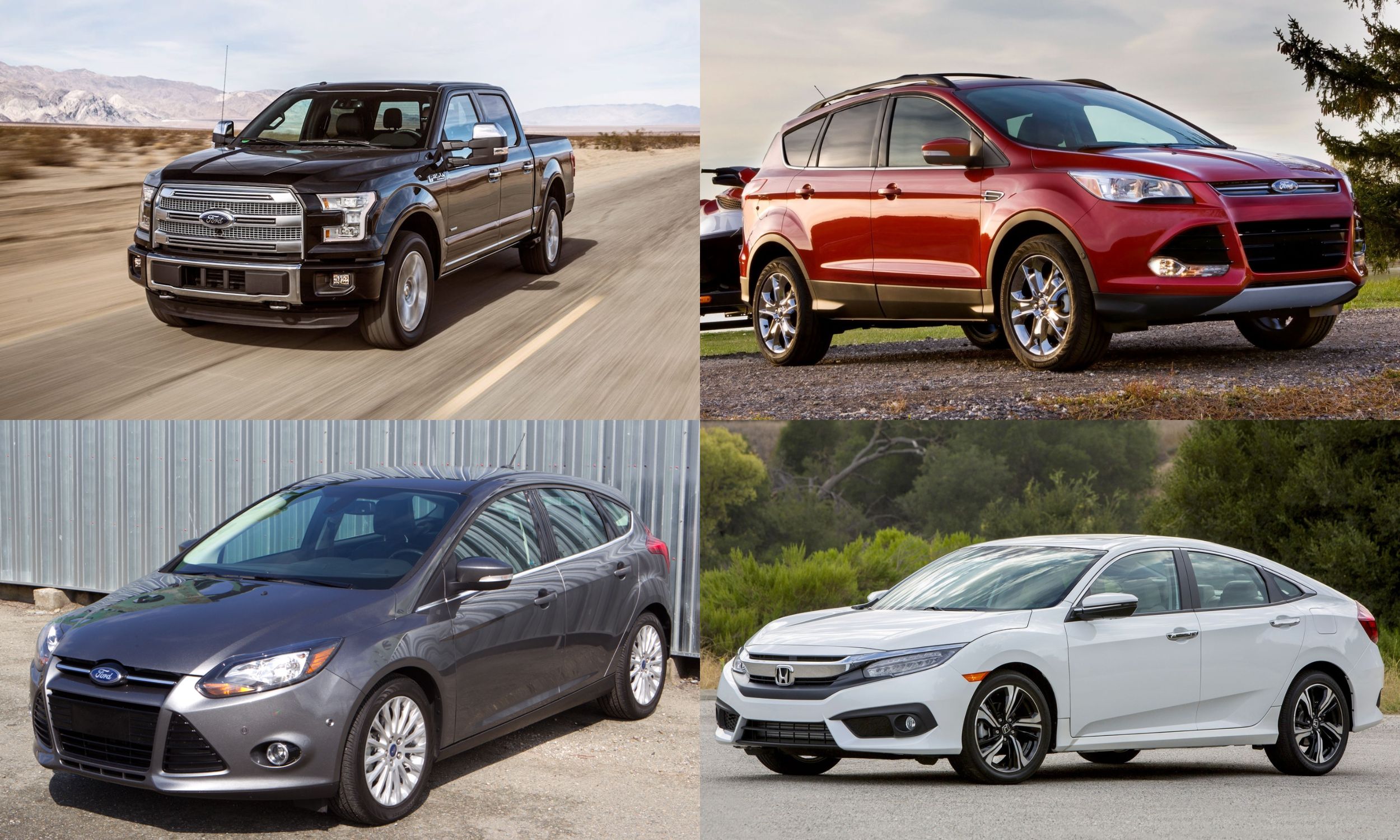
Winter brings plenty of car troubles, but few are as frustrating as standing outside your own vehicle, yanking on a handle that simply won’t budge. Frozen door latches turn a routine errand into a genuine headache, and for some owners, the problem goes beyond inconvenience into a real safety concern. Moisture sneaks into latch mechanisms, freezes solid overnight, and leaves drivers locked out or, worse, unable to secure a door while driving.
Automakers have responded with recalls, service bulletins, and software patches, but the underlying issue keeps resurfacing every winter for certain models. Here are eight vehicles with documented cold-weather door problems, backed by recalls, technical bulletins, and consistent owner complaints.
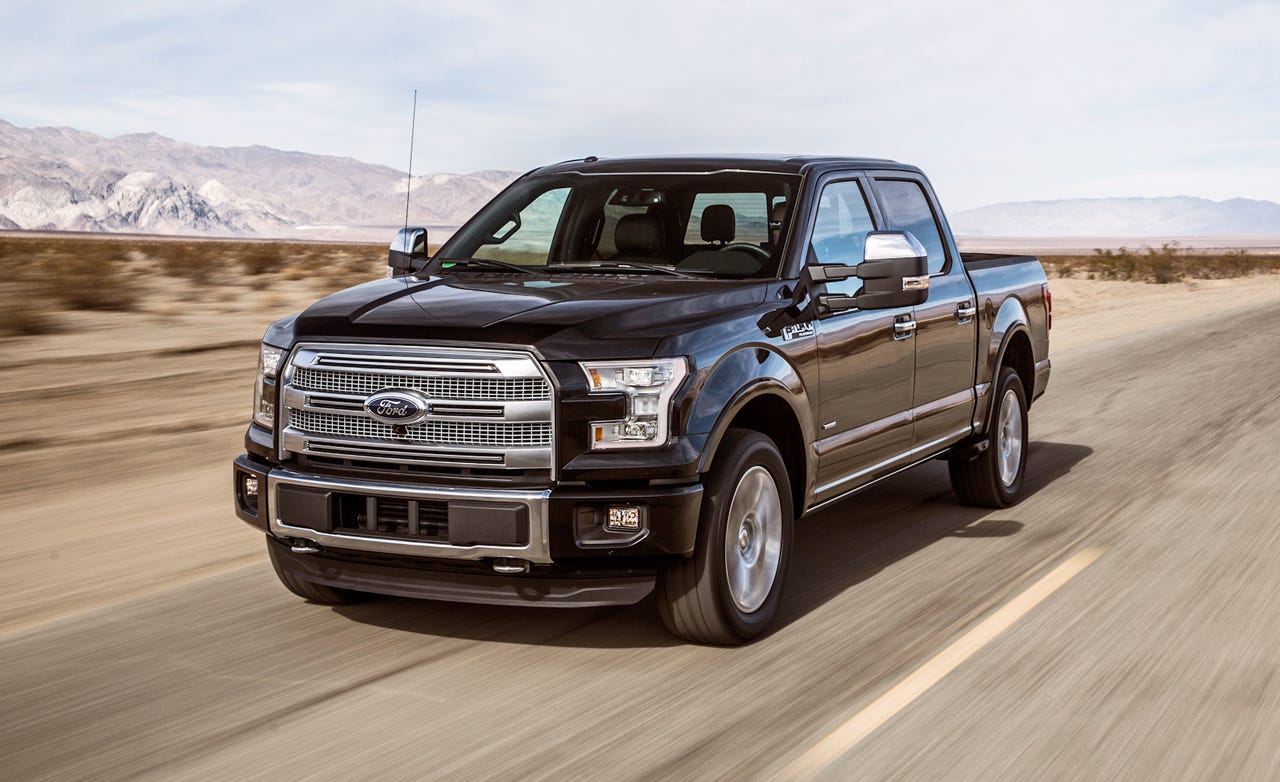
1. Ford F-150 (2015-2020)
- Engine: 3.5L Twin-Turbo EcoBoost V6
- Horsepower: 375 hp
- Torque: 470 lb-ft
- Size: 231.9 in (L) x 79.9 in (W)
Drivers in colder parts of the country have reported this door latch problem more than almost any other winter-related issue affecting modern pickup trucks. The trouble starts when water seeps past the window belt mouldings and reaches the door latch assembly. While this may seem harmless at first, freezing temperatures quickly turn that trapped moisture into ice, preventing the latch from working as intended.
Once frozen, the mechanism may fail to grip the striker properly, leaving the door unable to close securely. Many owners have described the same frustrating experience during winter. After shutting the door, it bounces straight back instead of locking into place.
Others have found that the door appears closed but does not latch properly, creating the risk of it opening while the vehicle is moving. Aside from being inconvenient, this condition raises serious safety concerns because a door that fails to remain closed can put both occupants and other road users at risk.
Ford later recognised that the issue affected a large number of vehicles and introduced Customer Satisfaction Program 18N03 to correct the fault. The repair includes installing specially designed water shields that help prevent moisture from reaching the latch assembly.
Technicians also apply improved grease that remains effective in freezing temperatures, allowing the mechanism to continue operating smoothly during winter conditions. Anyone driving a truck produced within the affected model years should confirm whether this repair has already been completed.
Addressing the fault at its source provides a much better solution than relying on temporary fixes each winter. With the updated parts in place, owners can expect more dependable door operation even when temperatures fall well below freezing.
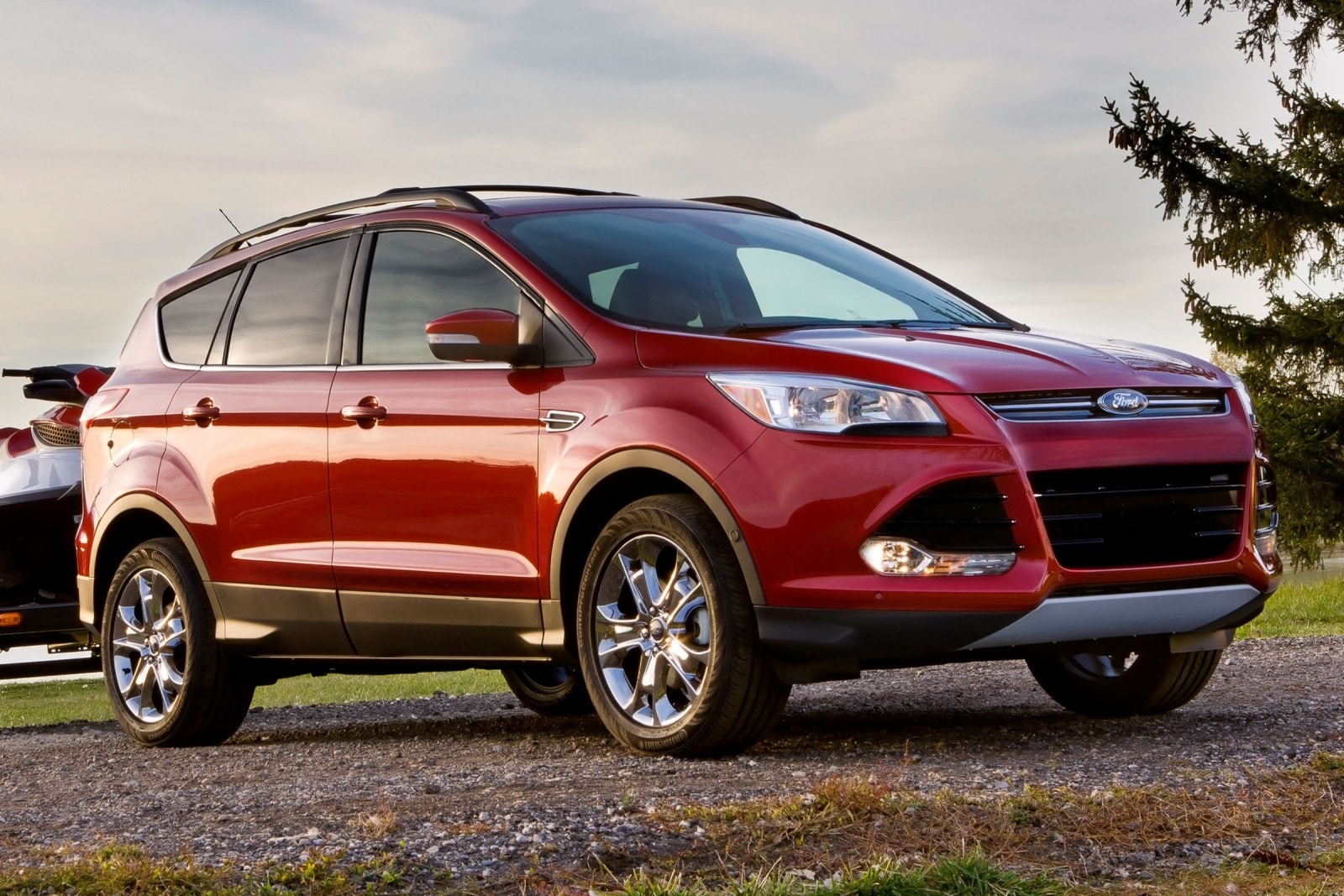
2. Ford Escape (2013-2015)
- Engine: 2.0L Turbocharged Inline-4
- Horsepower: 240 hp
- Torque: 270 lb-ft
- Size: 178.1 in (L) x 72.4 in (W)
This one carries the weight of an actual federal recall behind it, not just scattered owner complaints. NHTSA Recall 16V643 specifically addresses broken latch pawl springs found in these model years, a component failure that becomes considerably worse once cold weather enters the picture.
Freezing temperatures place additional stress on springs already weakened by wear, pushing already-compromised parts past their breaking point. Once that spring fails, the latch loses its ability to hold the door securely closed.
Regulators didn’t take this lightly. In the most severe documented cases, the door could actually open while the vehicle was in motion, a genuinely dangerous outcome that goes well beyond simple winter inconvenience.
That’s precisely why this recall carries real weight compared to typical technical service bulletins, which tend to address comfort or convenience issues rather than active safety risks.
Owners of Escapes built during these model years should confirm whether their specific vehicle has had this recall repair completed, since driving with a compromised latch spring during winter conditions carries real risk rather than just the hassle of a door that’s difficult to open on a cold morning.
Also Read: 9 Vehicles With Door Handles Easy to Grip for Arthritic Hands
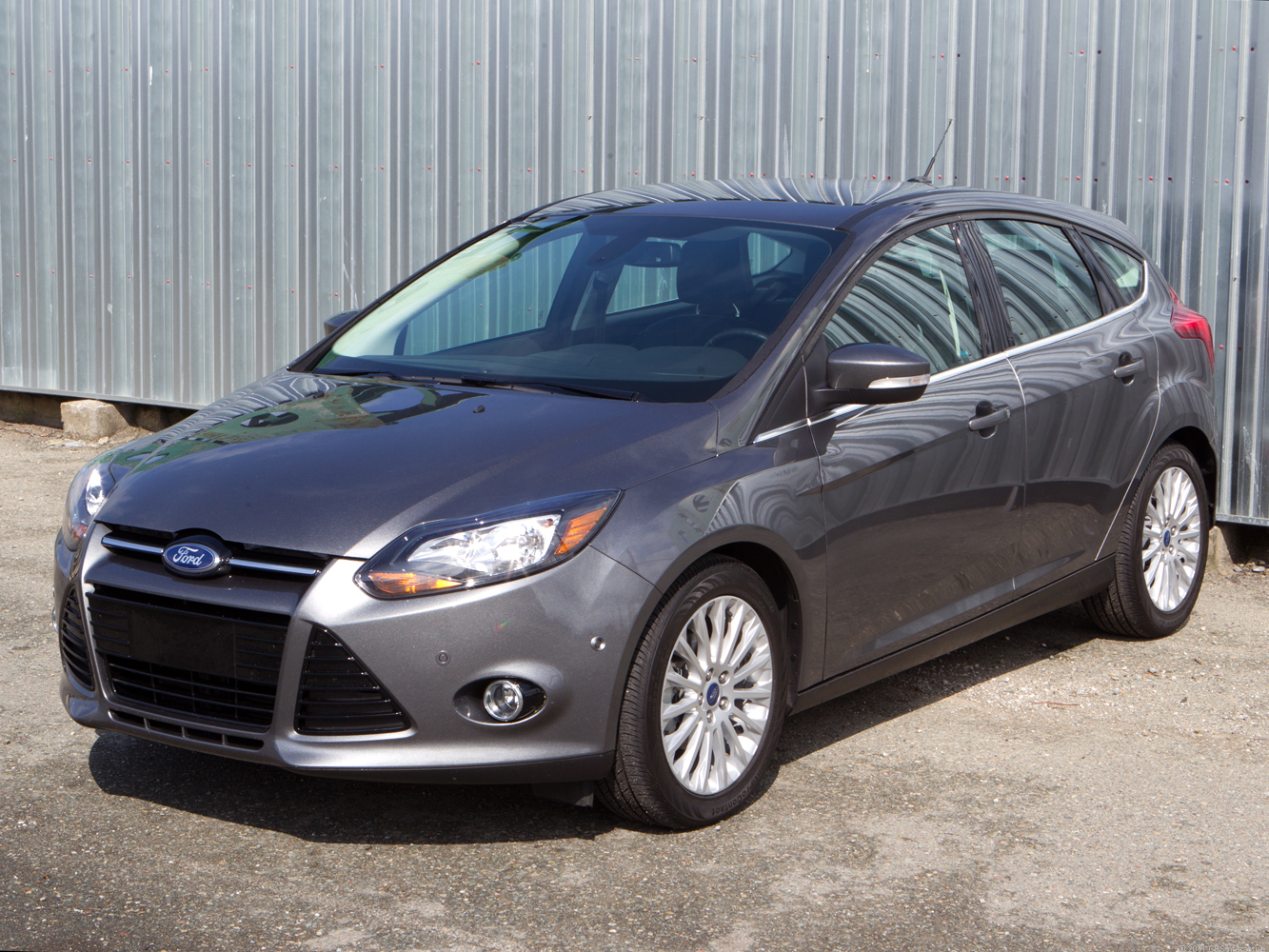
3. Ford Focus (2012-2015)
- Engine: 2.0L Inline-4
- Horsepower: 160 hp
- Torque: 146 lb-ft
- Size: 171.6 in (L) x 71.8 in (W)
Shared parts sometimes mean shared problems, and that’s exactly the situation with this compact sedan. The same defective latch design found in the recalled Escape made its way into the Focus during roughly the same production window, carrying identical vulnerabilities into a completely different vehicle platform.
Repeated freeze-thaw cycles, the kind every northern winter delivers dozens of times between November and March, accelerate wear inside the latch mechanism far faster than manufacturers originally anticipated. Internal components subjected to that repeated stress eventually crack or fail outright, leaving the door unable to latch properly no matter how carefully it’s closed.
Owners in regions with harsh winters have reported this pattern consistently enough that it’s become a recognized issue among mechanics who specialize in these platforms. Unlike the Escape, this shared defect hasn’t always received the same recall attention, meaning some Focus owners might not even realize their vehicle carries the identical underlying parts issue.
Anyone driving a Focus from this era in a cold climate should have the latch assembly inspected proactively rather than waiting for a failure to happen at an inconvenient moment.
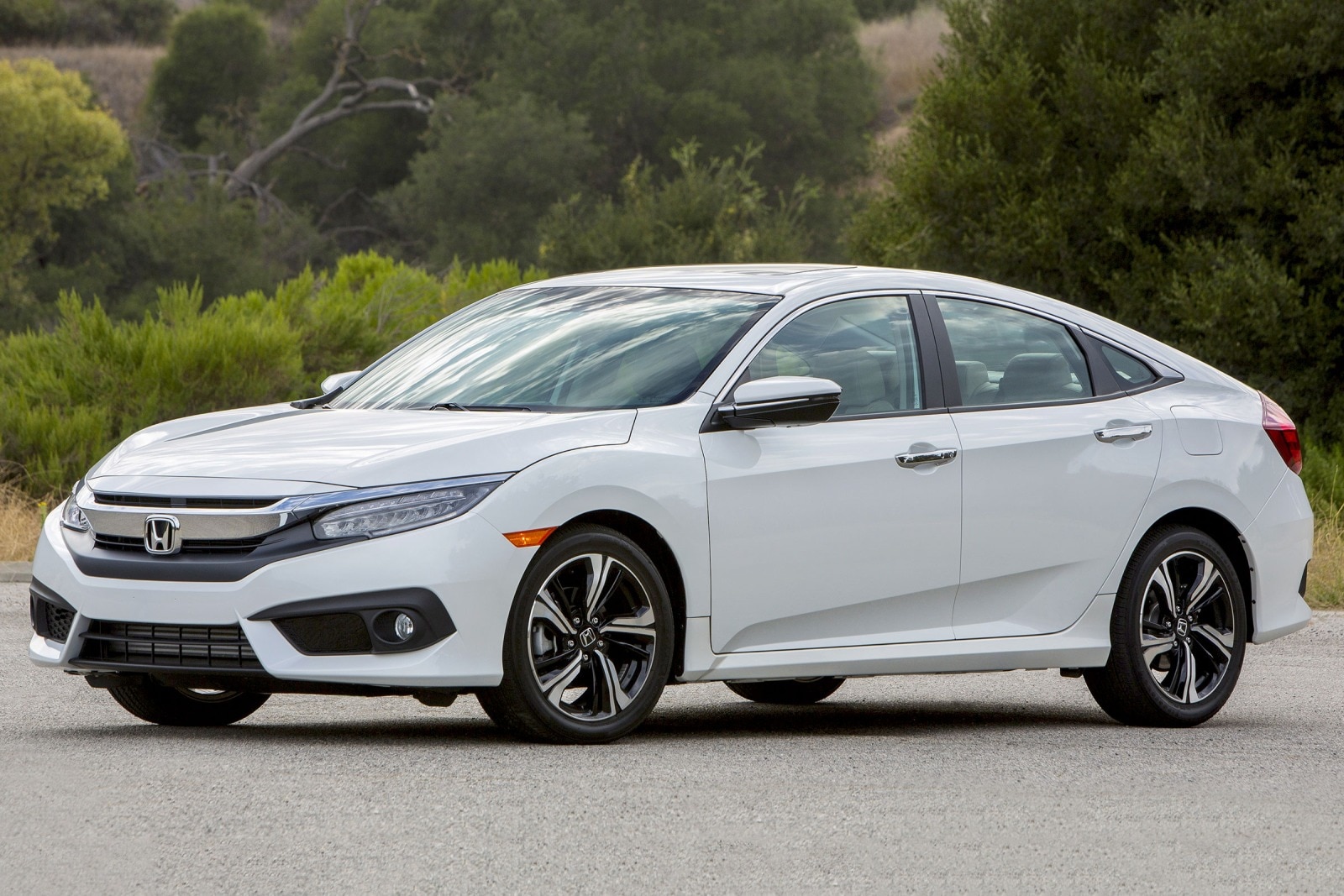
4. Honda Civic (2016-2021)
- Engine: 1.5L Turbocharged Inline-4
- Horsepower: 174 hp
- Torque: 162 lb-ft
- Size: 182.7 in (L) x 70.8 in (W)
Cold weather conditions have exposed an unusual issue with the Honda Civic, a model known for its popularity among drivers across America. The problem occurs when water enters the inner door area and gathers around the latch cables. When temperatures fall below freezing, the trapped moisture turns into ice and stops the latch system from working properly.
Many affected owners have reported doors that become difficult to open or fail to close securely after being shut. Honda responded to these complaints by releasing Technical Service Bulletin 20-038, which addresses front door latch freezing problems found during cold seasons.
The recommended repair focuses on preventing water from reaching the latch cables instead of waiting until ice forms inside the mechanism. Technicians install protective covers around the latch assembly to provide better protection against moisture entering the system.
This solution helps reduce the chances of future freezing issues and allows the doors to operate normally when winter temperatures arrive. Civic owners experiencing this problem should mention the service bulletin when visiting a dealership for assistance. Having the correct information can make the repair process easier and help technicians identify the required work faster.
Dealerships familiar with this Honda update can repair without unnecessary delays. The issue may appear minor at first, but a door that fails to secure properly can create serious safety concerns during daily driving. Ensuring the latch receives the recommended repair gives owners greater confidence during cold weather journeys. This repair also improves reliability throughout winter.
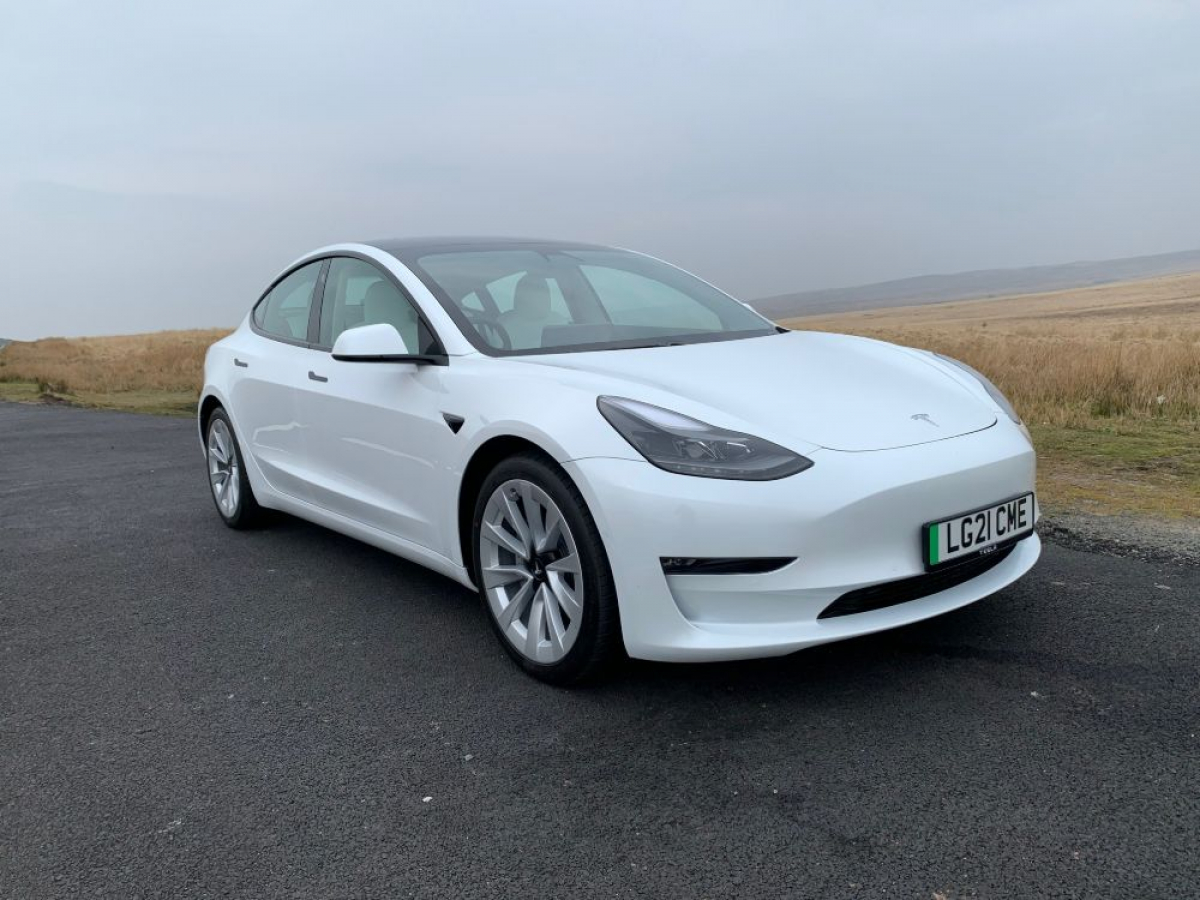
5. Tesla Model 3 (2017-Present)
- Powertrain: Dual Electric Motors (Long Range)
- Horsepower: 384 hp
- Torque: 376 lb-ft
- Size: 184.8 in (L) x 72.8 in (W)
Electric vehicles have introduced a different version of the common winter door problem. Instead of dealing with a frozen mechanical latch, Tesla owners often face difficulties caused by the vehicle’s flush door handles and frameless windows. These design choices give the car a modern appearance, but they can create challenges when ice and freezing temperatures are involved.
The door handles are designed to remain hidden until they are needed. However, ice buildup around the handle area can stop them from extending properly, leaving drivers unable to open the door even though the vehicle itself is working normally. The frameless window design adds another challenge because the glass must lower slightly when the door opens.
During freezing conditions, ice can prevent this movement, making it difficult for the door to operate as intended. Although the issue is different from a traditional frozen latch problem, the experience can still be frustrating for owners trying to enter their vehicle on a cold morning. Standing outside with a car that refuses to open can quickly become inconvenient, especially when there is ice covering the exterior.
Tesla has mainly addressed these winter concerns through software improvements rather than major hardware changes. The company has released updates designed to improve the vehicle’s response during freezing weather and make cold-weather operation more reliable.
Owners should ensure their vehicle software remains updated because these improvements are an important part of Tesla’s approach to handling winter-related door problems. Keeping the system current can help reduce difficulties when temperatures drop and improve the ownership experience during colder months.
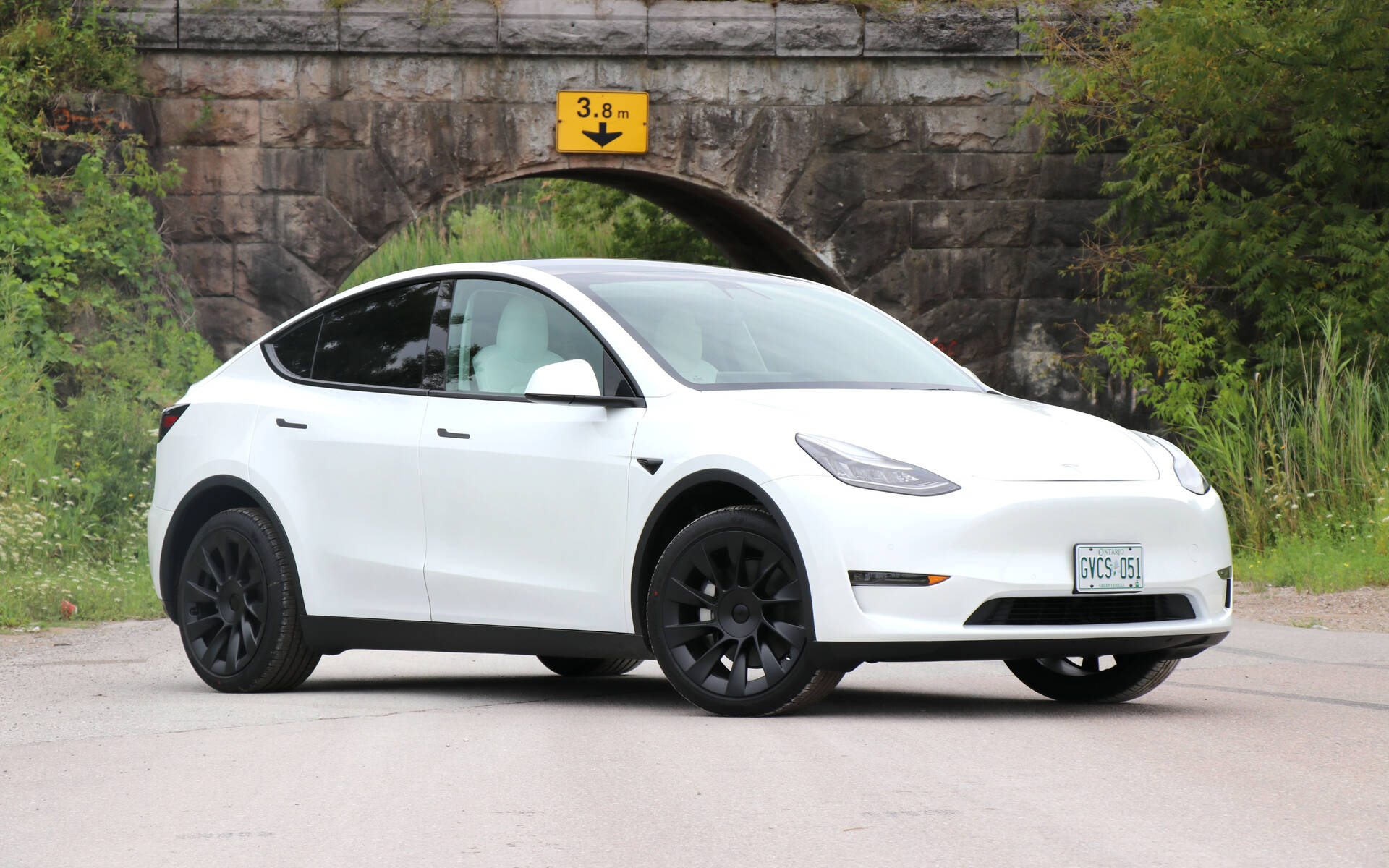
6. Tesla Model Y (2020-Present)
- Powertrain: Dual Electric Motors (Long Range)
- Horsepower: 384 hp
- Torque: 376 lb-ft
- Size: 187.0 in (L) x 75.6 in (W)
Sharing a platform with its sedan sibling means sharing its cold-weather headaches too. This crossover experiences winter door issues nearly identical to what Model 3 owners report, since both vehicles rely on similar flush-mounted handle designs and frameless window mechanisms.
Frozen handles and iced-over windows can prevent doors from opening even when the electronic latch mechanism underneath is working exactly as designed, which creates a confusing situation for owners troubleshooting the problem. The latch itself isn’t broken; it’s everything surrounding it that’s causing the trouble.
Tesla has continued refining both software behavior and heating strategies specifically aimed at reducing these winter complaints, treating it as an ongoing engineering challenge rather than a one-time fix. Given how popular this crossover has become in colder states and provinces, the company has real incentive to keep improving cold-weather performance through continued updates.
Owners living in snowy climates should pay attention to any winter-specific software releases and make sure their vehicle stays updated, since Tesla’s approach to this problem relies heavily on continuous refinement rather than a single permanent hardware solution.
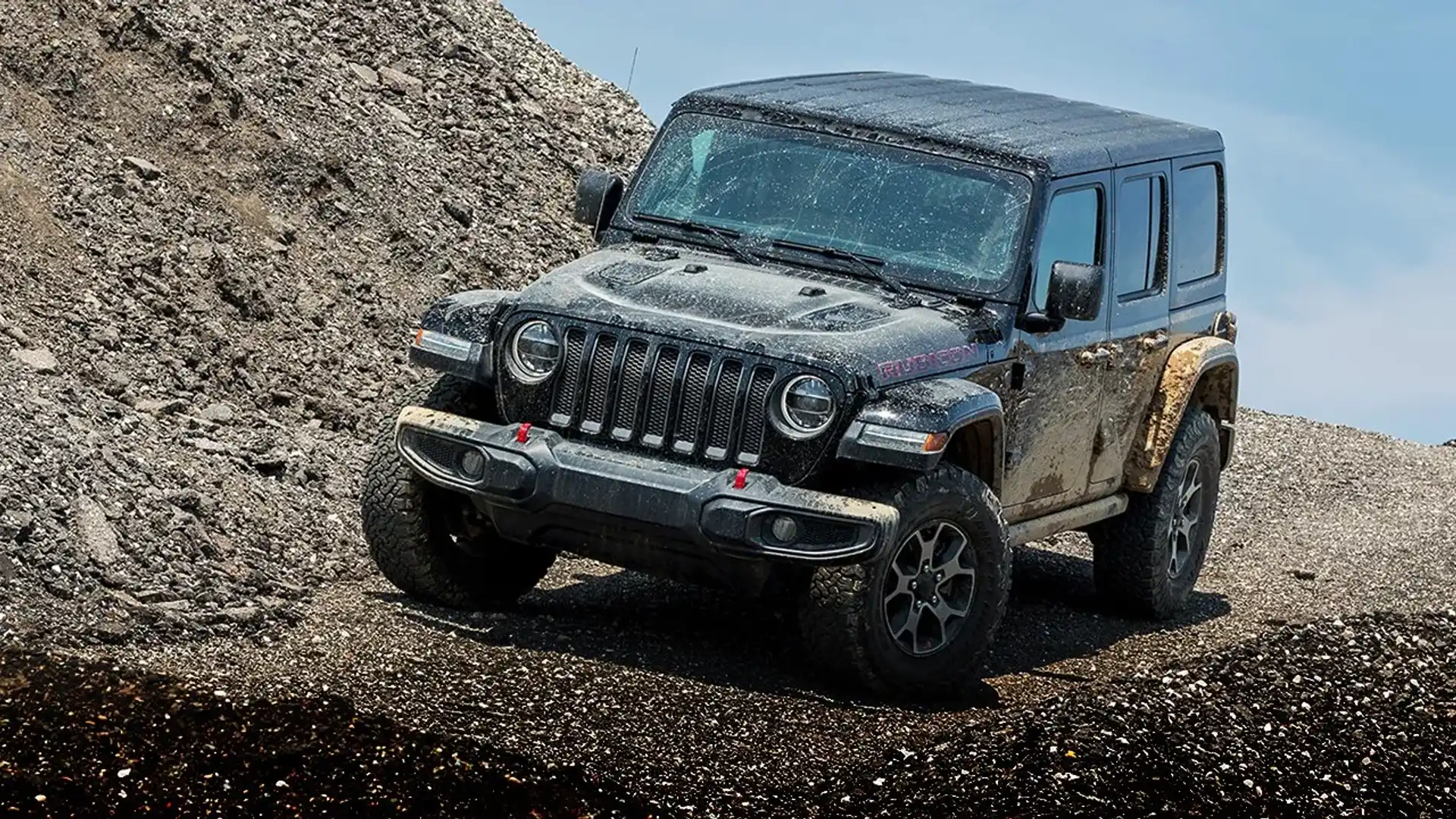
7. Jeep Wrangler JL (2018-Present)
- Engine: 3.6L Pentastar V6
- Horsepower: 285 hp
- Torque: 260 lb-ft
- Size: 188.4 in (L) x 73.8 in (W)
Winter weather has created a repeated problem for some Jeep Wrangler owners, especially those living in areas that experience heavy snow, freezing rain, and very low temperatures. Water from rain, snow, or regular washing can enter the door latch mechanism during normal use.
When the temperature falls below freezing, that trapped moisture can turn into ice and stop the latch from opening or closing properly. The result is a door that may refuse to open or fail to secure itself until the ice melts. For a vehicle known for handling outdoor conditions and rough roads, this type of winter issue has surprised many owners.
Some drivers have reported waking up to frozen doors that require extra time and effort before they can access the vehicle. In certain cases, owners have used warm water or waited for the mechanism to thaw before normal operation returns. Jeep has provided service guidance recommending better lubrication for affected latch assemblies.
This simple maintenance measure helps reduce moisture buildup and lowers the chance of freezing inside the mechanism. Drivers in colder regions should ask their service centre to inspect and lubricate the door latches during regular maintenance appointments. Taking care of the issue before winter arrives can save owners from facing an inconvenient situation when they need to leave home quickly.
A properly maintained latch system helps ensure smoother door operation and gives Wrangler owners confidence during cold weather driving. Checks and preventive care remain useful steps for keeping the vehicle ready throughout the year.
Also Read: 10 Vehicles With Fuel Doors That Open From Inside the Car
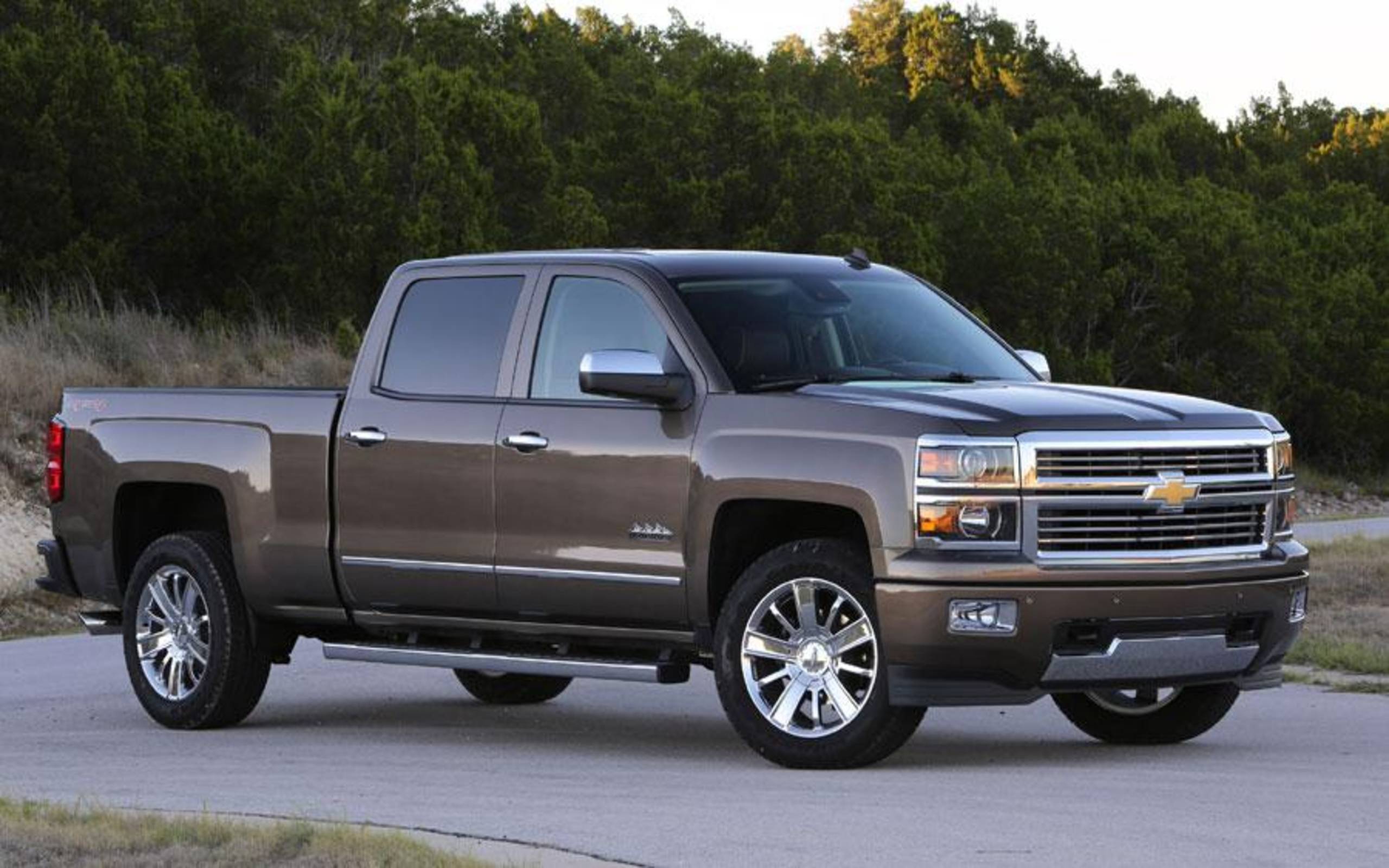
8. Chevrolet Silverado 1500 (2014-2018)
- Engine: 5.3L EcoTec3 V8
- Horsepower: 355 hp
- Torque: 383 lb-ft
- Size: 230.0 in (L) x 80.0 in (W)
Full-size trucks spend plenty of time parked outside in rough weather, and that exposure has caught up with this particular Silverado generation during colder months. Owners in northern regions have described a frustrating pattern: the door opens just fine, but ice trapped inside the latch mechanism prevents the striker from locking securely once the door swings back closed.
The result is a door that bounces back open rather than staying shut, sometimes repeatedly, until the ice inside finally melts away. That’s a particularly unwelcome surprise for anyone who assumes their door is properly secured before driving off.
General Motors has issued technical guidance directing dealers to clean, lubricate, and replace affected latch assemblies where necessary, treating it as a maintenance issue that can be resolved through proper service rather than requiring a full recall.
Owners experiencing this problem should bring documentation of the issue to their dealership and ask specifically about this guidance, since technicians familiar with the bulletin can address the root cause directly rather than offering a temporary workaround that only lasts until the next hard freeze arrives.
