
Opening a vehicle door should feel simple, steady, and free of strain. For drivers and passengers dealing with arthritis or reduced hand strength, that single action can shape the entire driving experience. Door handle design matters more than styling trends or brand image when joints feel stiff or grip strength fades. Shape, resistance, placement, and surface texture all play a role in whether a handle feels cooperative or demanding.
Vehicle manufacturers rarely advertise door handle ergonomics, yet some models quietly excel in this area. Certain designs allow the hand to wrap naturally, apply force gradually, and avoid sharp pulling motions that aggravate finger joints or wrists. These vehicles tend to favor larger handles, mechanical leverage, and consistent resistance rather than flush or tightly sprung mechanisms.
This page focuses on vehicles where door handles feel reassuring rather than challenging. Each selection highlights a different design philosophy, ranging from traditional pull handles to wide paddle-style grips that reduce finger strain. Attention remains on real-world usability rather than theoretical ergonomics.
What follows is a carefully selected group of vehicles known for door handles that are easy for arthritic hands to use. Each section examines why the handle works well, how it feels in daily use, and what makes it suitable for drivers seeking comfort without compromise.
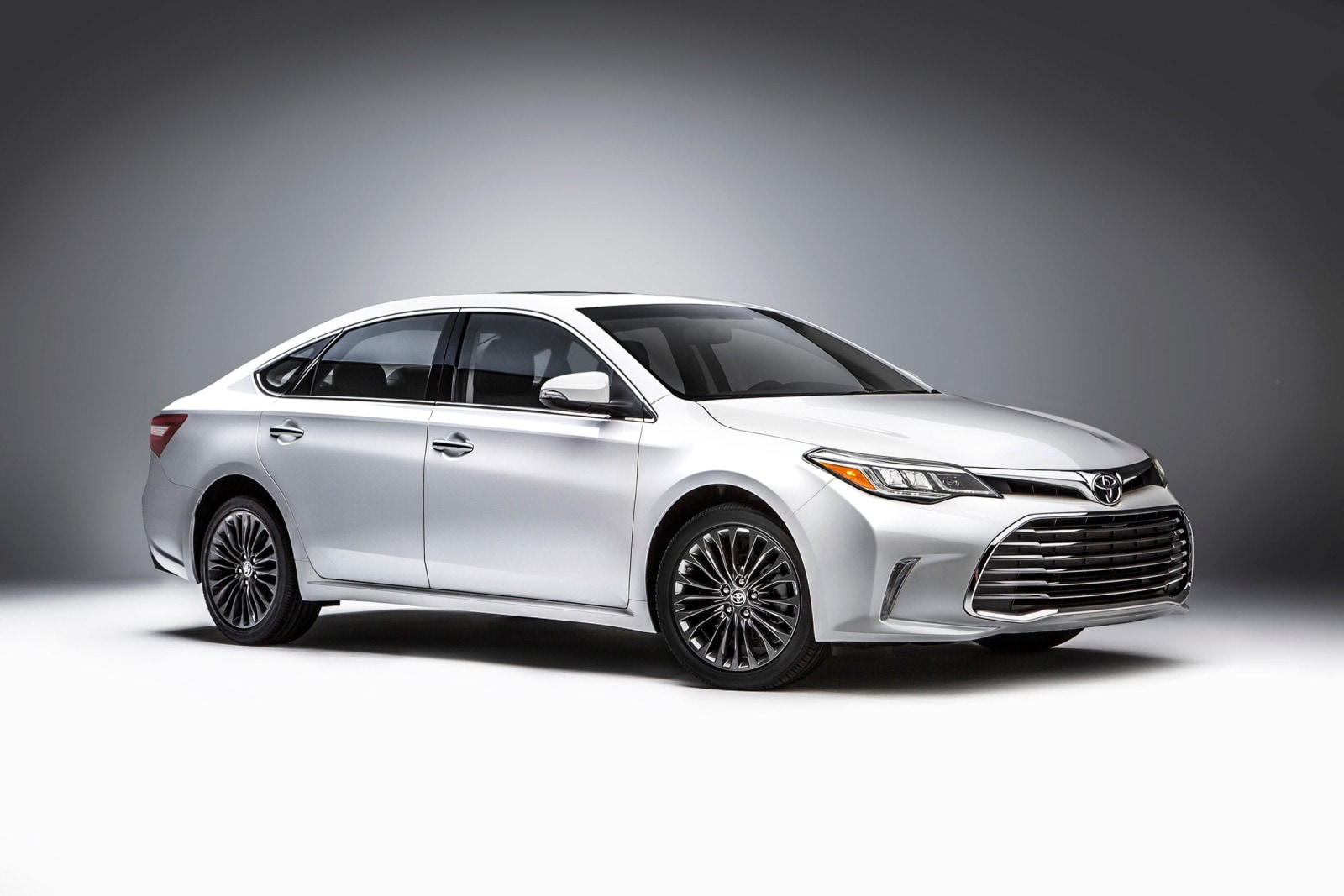
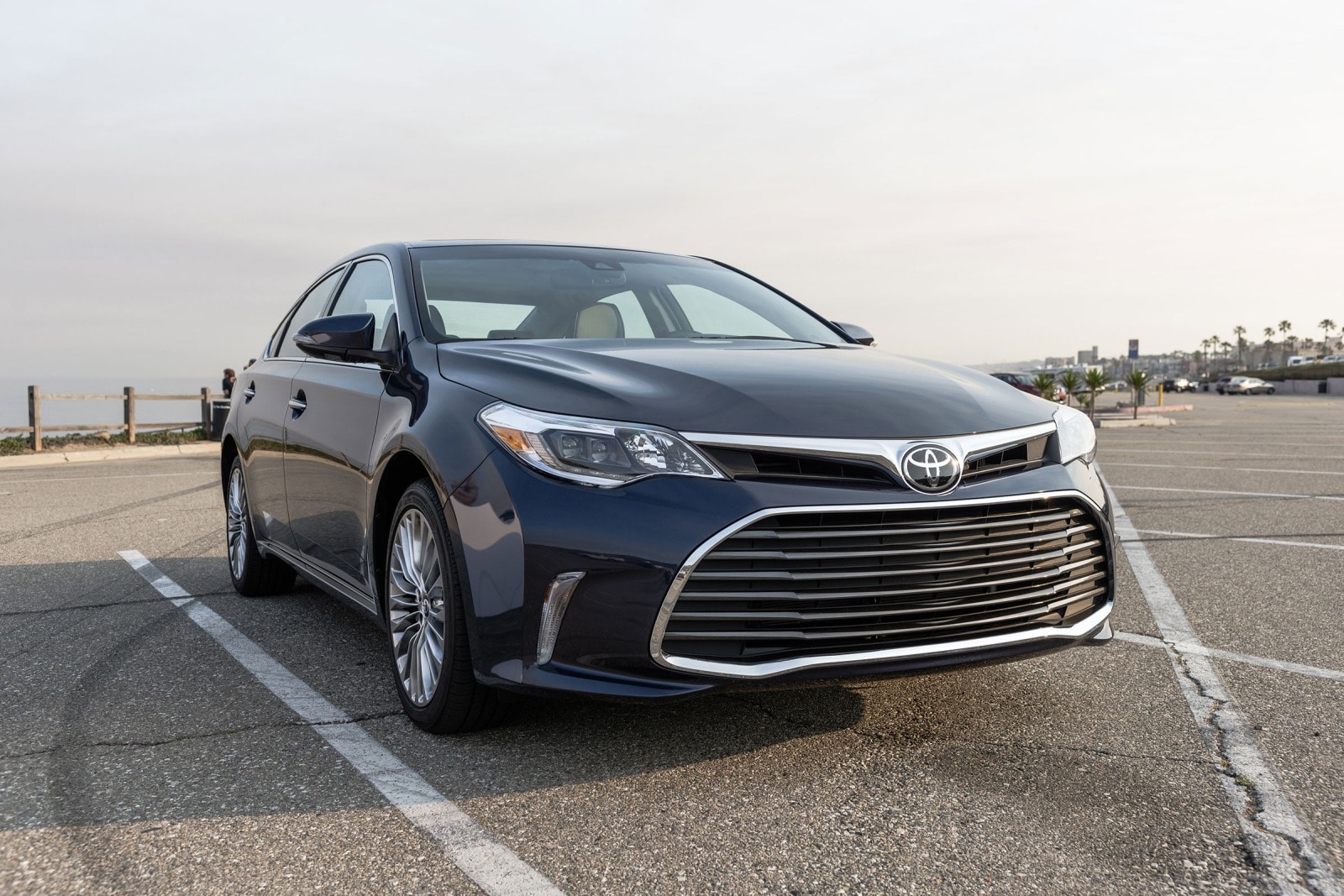
1. Toyota Avalon (Fourth Generation, 2013 to 2018)
Graceful design does not have to sacrifice comfort, and the fourth-generation Toyota Avalon demonstrates this balance through thoughtful door handle engineering. From the first touch, the exterior handles communicate ease. Broad, traditional pull handles extend outward enough to allow the entire hand to engage rather than forcing pressure onto fingertips.
Curvature plays a central role. Avalon handles the arc gently, matching the natural closing motion of the hand. This reduces the need for wrist rotation, which often causes discomfort for arthritic users. Smooth resistance in the latch mechanism allows the door to open without a sharp tug. Instead of snapping free, the latch releases gradually, giving the user full control throughout the motion.
Surface finish also contributes to comfort. Satin chrome and textured plastic options provide light friction without abrasive edges. Even during colder months, the handles remain easy to grasp with gloved or bare hands. There is no need to pinch or hook fingers underneath a tight recess, which can aggravate knuckles.
Interior handles continue this theme. Wide pull straps and solid door pulls sit at a natural height. The hand can rest flat while pulling, spreading force across the palm rather than concentrating it in the fingers. This design allows drivers to exit the vehicle without bracing or repositioning their grip.
Daily use reveals another benefit. Consistency across all doors means passengers experience the same ease as the driver. For households with varying mobility needs, this uniformity matters. Reliability also plays a part. Avalon door latches maintain smooth operation well into high mileage, avoiding the stiffening that often develops as vehicles age.
This generation Avalon earns its place by making door access feel calm and predictable. It supports users who value comfort without calling attention to itself, offering relief through quiet, practical design choices.

2. Honda CR-V (Fourth Generation, 2012 to 2016)
Practicality defines the fourth-generation Honda CR-V, and its door handles reflect that focus. Rather than chasing sleek minimalism, Honda opted for handles that prioritize hand comfort and leverage. Exterior handles are thick enough to accommodate a full grip, allowing the palm to share the workload with the fingers.
Handle placement helps reduce strain. Positioned slightly higher on the door skin, the handle aligns well with the forearm, minimizing awkward angles during pulling. This alignment allows users to rely on arm strength instead of finger pressure, which can ease joint discomfort.
Resistance tuning also deserves attention. The latch requires a steady, moderate force rather than a sudden pull. That gradual engagement gives arthritic hands time to apply pressure without pain. Even users with limited grip strength often report that CR-V doors feel cooperative rather than resistant.
Interior handles reinforce the same approach. Door pulls are wide and deeply recessed, offering room for multiple fingers or a full hand. The surface finish avoids sharp edges, and the contour supports pulling with the side of the hand if gripping becomes uncomfortable.
Weather exposure does not diminish usability. Handles resist icing and remain accessible in cold conditions. Unlike flush designs that demand precise finger placement, CR-V handles remain usable even when dexterity feels limited. Long-term ownership adds another layer of reassurance. These handles retain their smooth action after years of daily use.
Hinges and latches age predictably rather than becoming stiff. That consistency supports users who depend on familiar, low-effort motions. Honda CR-V door handles may appear ordinary at a glance, yet their shape and behavior deliver daily relief. They serve drivers who value ease of access without unnecessary complication.
Also Read: 9 Vehicles Where Brake Jobs Cost More Than the Whole Front End on a Civic

3. Buick LaCrosse (Second Generation, 2010 to 2016)
Buick’s long-standing focus on physical comfort and ease of use is clearly reflected in the second-generation LaCrosse, especially in the way its door handles are designed and executed. This vehicle targets drivers who value calm, predictable interaction with their car, and that intention begins at the first point of contact.
Exterior door handles on the LaCrosse feel solid in the hand, offering a reassuring sense of control rather than a light or decorative feel. Their size allows the hand to settle naturally, encouraging use of the palm instead of forcing pressure through the fingers alone.
The handle projection from the door skin is carefully judged. There is enough clearance to prevent finger crowding, which often causes discomfort for drivers dealing with joint stiffness. Grip does not require pinching or hooking motions. Instead, the hand closes gently around the handle, distributing effort across a wider area. This design choice reduces strain on sensitive finger joints and supports repeated use throughout the day without discomfort.
Door opening effort remains consistent from the start of the pull through full release. Hinge calibration avoids sudden resistance changes that can surprise the wrist or shoulder. This steady motion allows users to apply controlled force without fear of the door jumping outward unexpectedly. For individuals managing reduced hand strength, this predictability supports confidence during everyday entry and exit.
Surface treatment also plays an important role. Buick avoids overly slick finishes that can become difficult to grip when hands feel weak or dry. The handle finish provides subtle tactile feedback, allowing users to sense pressure and contact without roughness. Temperature transfer remains moderate as well, which helps during colder mornings when joint sensitivity can be heightened.
Inside the cabin, the same thinking continues. Interior door pulls resemble functional grab handles rather than narrow trim pieces. Their width supports palm-based pulling, allowing the larger muscles of the arm to assist rather than placing full demand on the fingers. Placement close to the armrest allows the wrist to remain in a neutral position, avoiding awkward bending during exit.
Door mass management further improves usability. Although the LaCrosse doors feel substantial, hinge balance prevents heaviness during opening. This reduces the need for abrupt force, which can aggravate joint discomfort. Closing effort remains controlled as well, avoiding slamming motions.
Ownership reports consistently describe smooth door operation well beyond high mileage thresholds. Hardware resists stiffness and maintains its original feel through years of use. This long-term consistency matters for users who rely on familiar, low-effort movements.
Buick LaCrosse demonstrates how careful attention to everyday interaction can improve the quality of life for drivers who prioritize physical comfort. Its door handles serve quietly, providing support through size, balance, and restraint rather than visual flair.

4. Subaru Outback (Fifth Generation, 2015 to 2019)
Practical thinking defines the fifth-generation Subaru Outback, and its door handle design reflects that same grounded approach. Rather than following trends toward hidden or recessed hardware, Subaru chooses a traditional pull style that favors ease of use. Exterior handles offer generous clearance, allowing the hand to approach and grip without searching for the correct angle. This directness benefits drivers whose hand mobility varies from day to day.
Handle curvature supports a relaxed grip. Fingers rest naturally along the handle without stretching, while the palm contributes to the pulling effort. This shared load reduces pressure on individual joints. The opening motion feels smooth and controlled, avoiding sudden release that can strain the wrist or forearm.
Placement along the door panel also supports comfort. Handles sit at a height that allows the arm to pull straight back rather than up or down. This alignment reduces shoulder involvement and keeps the wrist in a neutral orientation. Repeated entry and exit remain manageable even during periods of joint stiffness.
Interior door pulls continue this user-focused design. Large grab-style handles provide flexibility in how they are used. Drivers and passengers can pull with fingers, palm, or a combination of both, depending on comfort at that moment. This adaptability matters for individuals whose grip strength changes throughout the day.
Material choice contributes to confidence. Subaru favors finishes that resist slipperiness without feeling abrasive. Handles remain usable with gloves, which is important in colder climates where hand sensitivity can increase. Resistance through the latch remains consistent across temperature changes, preventing unexpected stiffness during winter.
Durability supports the Outback’s reputation. Door hardware withstands exposure to moisture, road debris, and seasonal changes without developing roughness or binding. Hinges and latches continue to operate smoothly even after years of outdoor use. Another benefit lies in uniformity.
All doors share a similar handle shape and resistance, ensuring a consistent experience for driver and passengers alike. This predictability reduces the learning curve when assisting others or switching seating positions. The Subaru Outback earns its place by offering door access that respects physical limitations without drawing attention to them. Its handles function as dependable tools, supporting daily movement with calm reliability and thoughtful execution.
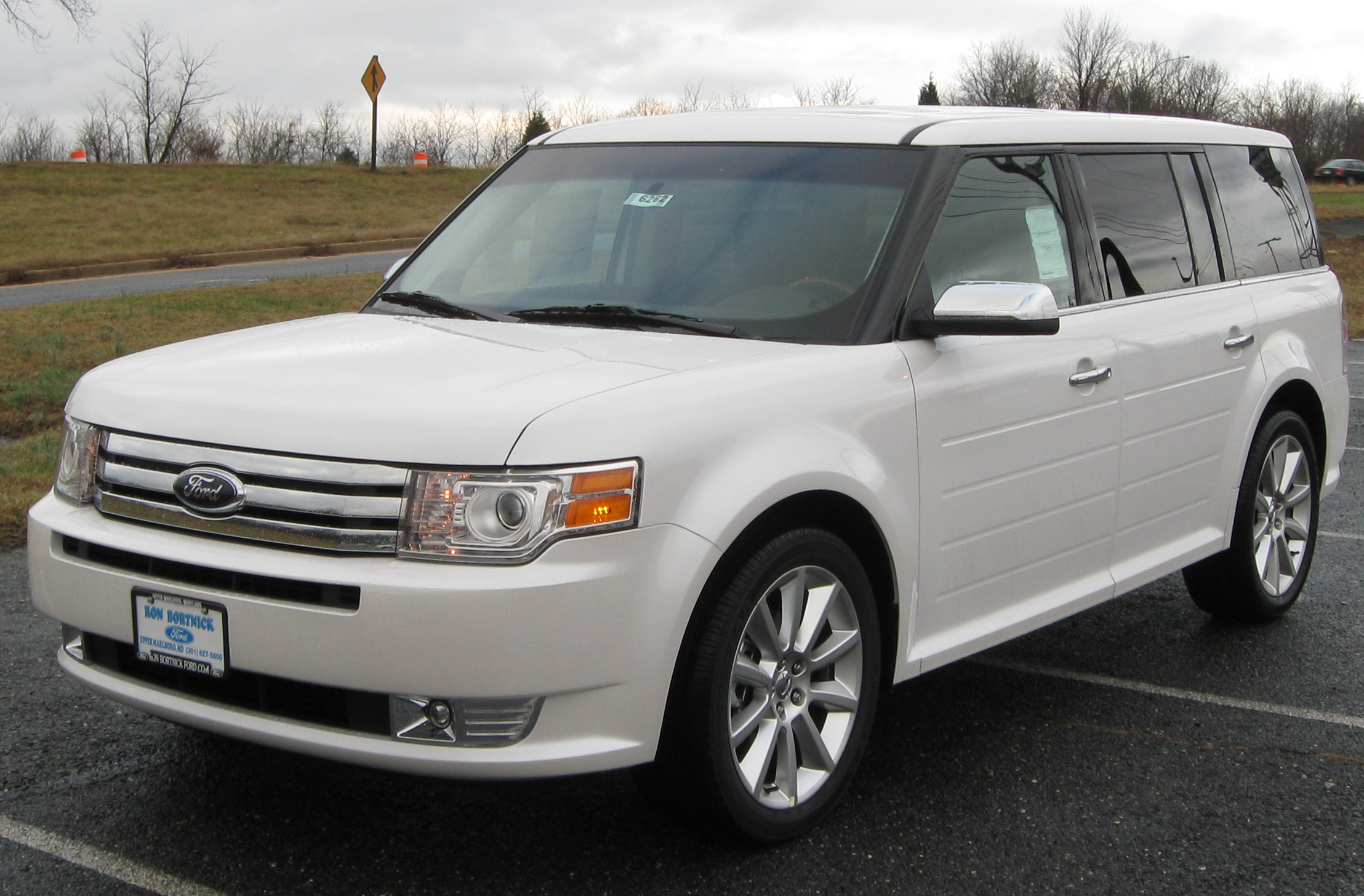
5. Ford Flex (First Generation, 2009 to 2019)
Distinctive styling sets the Ford Flex apart, yet beneath its bold appearance lies a strong emphasis on functional comfort. Door handle design reflects this balance, providing substantial hardware that feels reassuring to use. Exterior handles are large and horizontally oriented, allowing the hand to pull straight back in a natural motion. This linear action suits drivers who prefer to avoid wrist rotation due to joint discomfort.
Handle dimensions support full hand engagement. Fingers wrap comfortably without crowding, while the palm shares the effort. This reduces reliance on finger strength alone, which benefits users managing arthritis. The pulling force feels evenly distributed, allowing steady control rather than requiring a sharp tug.
Surface finish enhances usability. Handles avoid sharp edges and overly smooth coatings. Contact areas feel forgiving, reducing pressure points on sensitive skin. Even when hands feel sore, the wide grip area allows comfortable contact. Interior door pulls maintain the same practical approach. Large, squared shapes provide secure leverage.
Placement allows users to pull while rising from the seat, coordinating body movement without awkward repositioning. This helps reduce strain during exit, particularly from lower seating positions. Door weight management deserves attention. Despite the vehicle’s size, the doors open smoothly without feeling heavy. Hinges prevent rapid swing, giving users time to control movement. This controlled behavior reduces sudden demands on joints.
Consistency across ownership adds value. Flex door handles maintain their original feel through years of use. Latch mechanisms resist binding, allowing users to rely on familiar motion day after day. This stability matters for those who build muscle memory around low-effort movements.
The Flex also benefits passengers. Rear door handles match the front in size and resistance, supporting ease of use for all occupants. This uniformity helps caregivers assist others with limited hand strength. Ford Flex proves that bold design does not have to compromise physical comfort.
Its door handles deliver steady support through thoughtful sizing, placement, and mechanical balance, making daily access less demanding for arthritic hands.

6. Lexus RX 350
Comfort-focused engineering defines the Lexus RX 350, and that philosophy becomes obvious before the driver even settles into the seat. Door handle interaction feels deliberate and calm, which matters greatly for drivers managing arthritis or reduced grip strength. Exterior handles present a traditional pull style rather than a recessed or flush design, giving the hand immediate purchase without hunting for a grip point.
Handle geometry favors the natural closing motion of the fingers. Rather than forcing a pinch or hook action, the RX 350 allows the hand to wrap comfortably, with the palm sharing the load. This reduces reliance on finger joints, which are often the most sensitive areas for arthritic users. Resistance within the latch system feels evenly distributed, allowing the door to open through steady pressure instead of a sudden tug.
Finish selection plays a quiet but helpful role. Lexus avoids overly slick chrome in favor of surfaces that provide light tactile feedback. Even when hands feel stiff or slightly numb, the handle communicates where pressure should be applied. Cold weather usability remains strong, as the handle shape stays easy to grasp with gloves.
Another strength lies in consistency. All four doors offer the same handle size, shape, and resistance. Passengers experience the same ease as drivers, which matters for families or caregivers assisting others. Reliability across mileage also stands out. RX 350 door hardware maintains smooth action deep into ownership, avoiding the gradual stiffness that often appears with age.
This generation RX 350 succeeds by making door access feel reassuring rather than demanding. Without calling attention to itself, the handle design supports daily comfort for users who value ease over visual drama.

7. Toyota Sienna
Family vehicles often face constant use, and the Toyota Sienna reflects that reality through door handles designed for repeated, low-effort operation. Exterior front door handles are large, rounded, and positioned to support a full hand grip. Instead of relying on fingertip strength, users can apply force through the palm and forearm.
Sliding door handles deserve special mention. Large recessed pull points allow users to engage the door with minimal grip strength. Assisted sliding mechanisms reduce physical demand even further, allowing doors to glide open once initial resistance is overcome. For arthritic hands, this reduces strain dramatically.
Front door latch tuning favors gradual release. Rather than snapping open, doors respond smoothly to steady pressure. This predictability allows users to modulate effort without discomfort. Handle spacing also avoids crowding, giving fingers room to settle comfortably.
Interior door pulls follow a functional design language. Wide handles provide multiple grip options, including pulling with the side of the hand. Placement supports neutral wrist positioning, reducing stress during entry and exit. Material choices support comfort. Plastic and rubberized surfaces avoid sharp edges and extreme temperature transfer. Handles remain usable during winter mornings without causing shock to sensitive joints.
Long-term reliability strengthens confidence. Sienna door hardware resists wear despite frequent use, maintaining consistent resistance rather than stiffening. This consistency allows users to build muscle memory around an easy motion that does not change unexpectedly.
Toyota Sienna demonstrates how practical design choices can support physical comfort. Its door handles serve families and individuals who value accessibility without complication.

8. Volvo XC60
The Volvo XC60 reflects a long-standing approach that places human comfort and safety at the centre of vehicle design, and this thinking clearly extends to door handle construction. Exterior handles follow a familiar pull format that prioritises ease of access rather than visual drama.
Their projection from the door skin provides adequate clearance for the full hand, which allows users to avoid the pinching motion that often causes pain for individuals dealing with joint stiffness. This spacing gives the fingers room to settle naturally without crowding, supporting a calm and controlled opening action.
The handle’s curvature plays a major role in comfort. It follows the natural arc of the hand, encouraging even pressure distribution across the fingers and palm. This reduces the need for finger-driven force, which can be uncomfortable for arthritic hands. The latch resistance feels measured and predictable, offering a smooth transition from closed to open without sudden release.
Such consistency allows users to maintain wrist stability throughout the motion, reducing strain during repeated use. Inside the cabin, the same attention to physical comfort is evident. Interior door pulls are generously sized and vertically oriented, allowing users to pull using the arm rather than relying on finger strength.
This orientation supports a more natural exit movement, especially for drivers who prefer to stabilise themselves while standing. Placement near the armrest allows the wrist to remain in a neutral position, which reduces joint stress during entry and exit. Usability in cooler conditions also deserves mention.
The XC60’s handles remain easy to operate while wearing gloves, and resistance does not increase sharply in low temperatures. This reliability matters for drivers who need consistent feedback regardless of the season. The absence of stiffness during cold mornings reduces frustration and physical effort.
Durability strengthens confidence in daily use. Owners frequently report that door operation remains smooth after years of ownership, with hinges and latches resisting corrosion and wear. This stability ensures that the handle experience remains familiar and dependable rather than deteriorating with mileage.
Also Read: 10 Vehicles With Spare Keys That Cost Under $100 To Replace
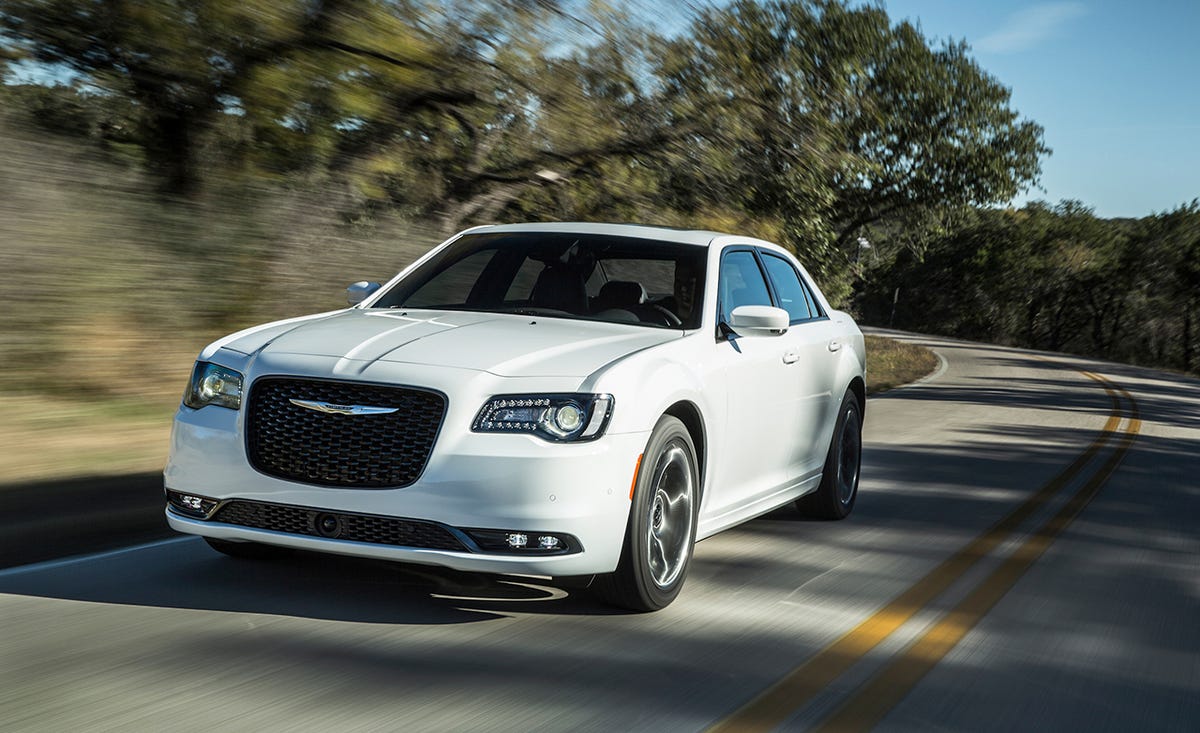
9. Chrysler 300
The Chrysler 300 carries a sense of solidity that extends beyond appearance and into physical interaction, particularly through its door handles. Exterior handles are large and horizontally aligned, making them easy to identify and grasp without visual searching.
Their size allows the entire hand to participate in the pulling motion, reducing reliance on finger strength. This approach benefits users managing joint discomfort, as the palm can contribute meaningful support during door opening. Spacing between the handle and door panel allows fingers to settle comfortably without compression.
This design avoids awkward gripping positions that can aggravate stiff joints. The pulling motion remains straight and controlled, limiting wrist rotation and reducing the risk of discomfort. Latch resistance feels deliberate rather than abrupt, giving the user confidence from the start of the motion until the door releases fully.
Material choice also supports comfort. The handle surface features rounded edges and smooth transitions that feel forgiving to sensitive hands. There are no sharp contours that concentrate pressure in one area. The finish provides sufficient grip without feeling harsh, allowing users to maintain control even when hand strength varies from day to day.
Inside the vehicle, the Chrysler 300 continues this emphasis on scale and usability. Interior door pulls resemble proper grab handles rather than decorative elements. Their size allows multiple grip options, whether using fingers, palm, or a combination of both. Placement supports a natural exit sequence, enabling users to pull while rising from the seat without awkward repositioning. This coordination reduces physical effort during frequent stops.
Long-term reliability strengthens trust in the design. Many owners report that the door hardware maintains a consistent feel across extended mileage. Hinges and latches resist stiffness that often develops with age, preserving the same opening effort year after year. This consistency allows users to build confidence in daily routines without adapting to changing resistance.
