
Buying a car already feels like a financial marathon: the sticker price, the loan, the insurance, the gas. But in eight states, the bill doesn’t stop once you drive off the lot. Every single year, these states send a fresh invoice just because you still own the vehicle. It’s not a registration fee. It’s not an inspection charge.
It’s a property tax, calculated on what your car is worth, and it can quietly cost owners hundreds of dollars annually. If you live in one of these places, or you’re thinking about moving there, this is the kind of detail that belongs on your radar long before renewal season arrives. Here’s where the recurring car tax actually lives.

1. Virginia
Virginia doesn’t send a single bill for owning a vehicle. It sends a local one. County and city treasurers assess a Personal Property Tax on every registered car, using valuation data pulled from J.D. Power. That number becomes the basis for what you owe.
There’s a partial cushion here. The state’s Personal Property Tax Relief program trims the bill on vehicles used for personal purposes, but it doesn’t erase it. Owners still write a check for whatever balance remains, and that payment goes straight to the local treasurer’s office, separate from anything paid to the DMV.
This distinction trips people up constantly. Renewing your plates and settling your property tax are two different transactions handled by two different offices. Miss one, and you can end up current on registration but delinquent on tax, which creates its own headache later.
Localities also set their own rates, so a car parked in one county can cost noticeably more, or less, than the identical model garaged one town over. New residents are often blindsided the first year, since nothing about buying the car itself hinted that an annual bill was coming.

2. Connecticut
Why would two neighbors owning the exact same car pay wildly different tax bills? In Connecticut, the answer comes down to geography.
Municipalities collect an Ad Valorem Motor Vehicle Property Tax every year, and the formula starts with the vehicle’s average retail value, assessed at 70% of that figure. From there, the local mill rate takes over. Mill rates are set town by town, which means the tax burden on identical vehicles can swing sharply depending on address alone.
A driver in a higher-rate municipality might pay two or three times what someone in a lower-rate town pays for a comparable car. That’s a strange outcome for a tax meant to reflect the value of personal property rather than the value of real estate nearby, but it’s how the system has worked for decades.
Because the bill arrives separately from registration paperwork, some owners forget it’s coming until the notice lands in the mailbox. Others get caught off guard after relocating within the state, assuming their tax rate travels with them when in fact it resets based on wherever the car is now garaged.
Checking a town’s current mill rate before signing a lease or buying a home is a small step that can prevent an unpleasant billing surprise down the road.
Also Read: 10 States With the Roughest Roads, Per Federal Data

3. Missouri
If you’ve ever renewed license plates in Missouri, you already know the sequence: pay the county first, then head to the DMV. Skip step one, and step two simply won’t happen.
That first payment is the annual Personal Property Tax, assessed by the county where the vehicle is registered. Missouri calculates the taxable value at roughly one-third of the car’s true market worth, then applies whatever rate the local jurisdiction has set.
The result varies from county to county, which means two drivers with similar vehicles can face different totals depending purely on where they live.
What makes this system stand out is the sequencing requirement. Registration renewal is directly tied to proof of tax payment, so there’s no way to quietly skip a year. The county issues a receipt, and that receipt becomes part of the paperwork trail needed to keep plates current.
For owners with multiple vehicles, or households replacing a car mid-year, this can get confusing fast, since each vehicle is assessed and billed individually. Selling a car doesn’t necessarily erase a tax obligation tied to the assessment date, either, so timing a sale around the tax calendar is worth a little planning. It’s a system built around county-level accountability, and it rewards owners who stay organized.
4. South Carolina
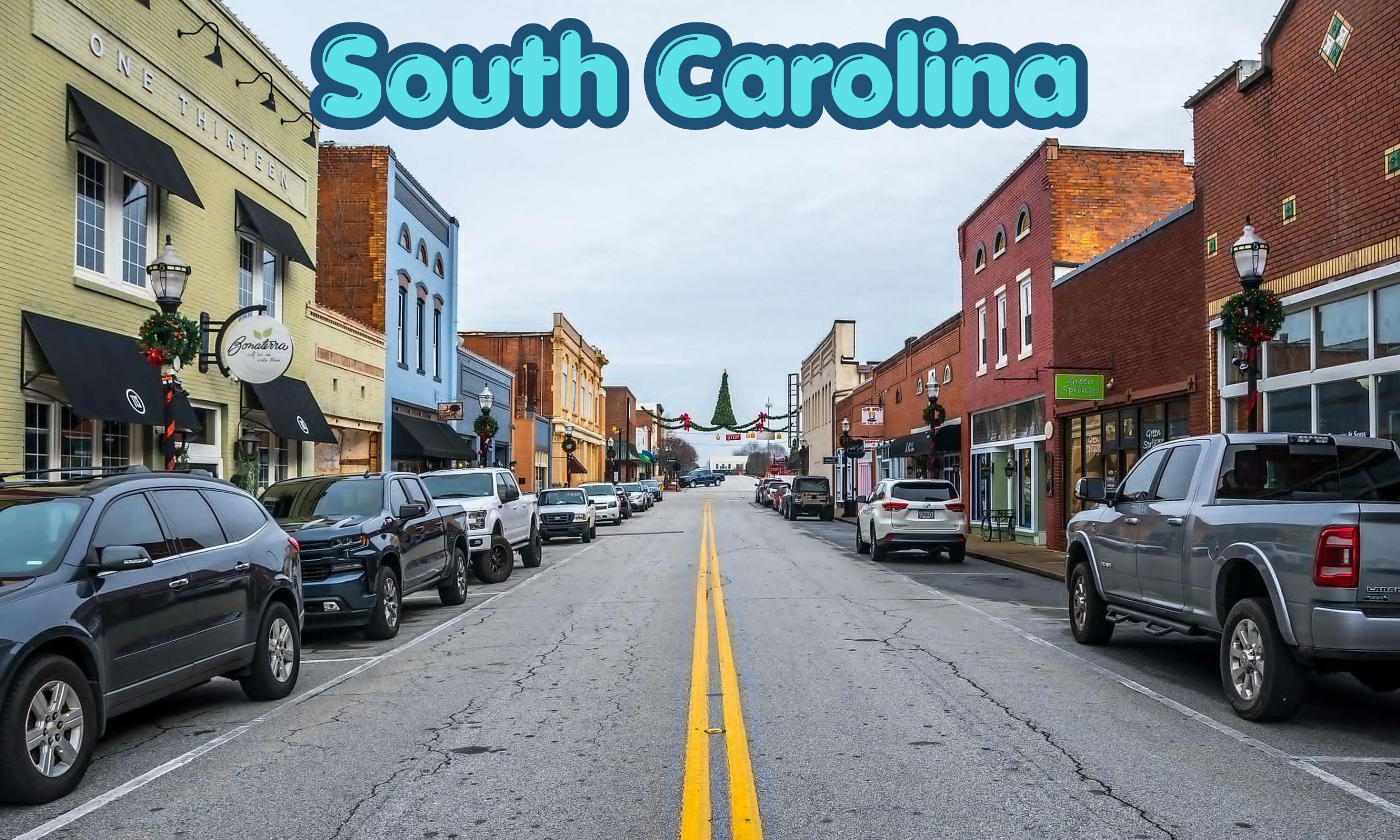
South Carolina ties the wallet directly to the windshield sticker. Before the Department of Motor Vehicles will renew a single registration, the county property tax on that vehicle has to be paid in full.
County auditors handle the valuation piece, relying on state-approved guides to determine what each vehicle is worth for tax purposes. That figure feeds directly into the bill owners receive ahead of their renewal date. Because the payment and renewal are linked, there’s no gray area, no partial compliance, and no way to push the tax to next year while keeping current plates.
Owners typically receive a tax notice before the renewal deadline, giving a window to pay ahead of time rather than scrambling at the last minute. Missing that window doesn’t just risk a late fee; it stalls the entire renewal process, since the DMV won’t process new stickers until the county confirms payment.
New vehicle owners sometimes assume the sales tax paid at purchase covers everything going forward. It doesn’t. That’s a one-time transaction tax, while the property tax is a completely separate, recurring obligation tied to ownership itself. Anyone relocating to South Carolina from a state without this system should expect the first bill to feel unfamiliar, and budget accordingly.

5. Kentucky
Picture a Kentucky driver heading to renew registration, only to learn that two separate ad valorem taxes, one state, one local, need settling first. That’s the reality of vehicle ownership in the Bluegrass State.
Both layers of tax are calculated using the assessed value of the vehicle, and both are due annually, bundled together as part of the renewal process. The combined total depends on where the vehicle is registered, since local rates differ across counties and cities, while the state portion stays consistent statewide.
This dual structure means Kentucky owners are essentially paying two governments for the privilege of keeping their car on the road each year. It’s not framed as a punishment; it’s simply how the state chooses to fund local and state services alike, treating vehicles the way many states treat real estate.
The payment happens at the point of renewal, so there’s little chance of forgetting it entirely, the way a separately mailed bill might get overlooked. Still, the combined amount can catch new residents off guard, particularly those coming from states where car ownership only triggers a one-time tax at purchase.
Understanding both pieces of the equation, state and local, before renewal season helps avoid an unwelcome surprise at the counter.

6. Kansas
Here’s a number worth knowing if you own a car in Kansas: your tax bill actually shrinks as your vehicle ages, thanks to a statutory depreciation schedule built into the formula.
County treasurers calculate the annual Motor Vehicle Property Tax using that schedule alongside whatever local rate applies in the owner’s jurisdiction. Newer vehicles carry higher assessed values, so the tax bite is larger in the early years of ownership. As the car depreciates according to the state’s set timeline, the taxable value drops, and so does the bill.
That declining structure offers a small silver lining compared to states where valuations stay static or fluctuate based on market conditions. Owners of older vehicles often pay a fraction of what they did when the car was new, which rewards holding onto a paid-off vehicle rather than trading up every few years.
Still, the tax has to be paid annually, every single year, before registration renewal can be completed. There’s no opting out and no rolling unpaid balances forward. Because rates differ by county, someone considering a move within Kansas might find it worthwhile to compare local rates first, especially if they own a newer, higher-value vehicle where the difference in assessed rates could add up to a meaningful amount over several years.

7. Massachusetts
Many people moving to Massachusetts are surprised to learn that owning a vehicle comes with a yearly tax. Even though the state officially calls it a Motor Vehicle Excise Tax instead of a property tax, it works in much the same way because you must pay it every year as long as you own and register your vehicle.
Rather than allowing each city or town to create its own tax rate, Massachusetts applies one standard rate across the entire state.
Vehicle owners pay $25 for every $1,000 of the vehicle’s taxable value. That value begins with the manufacturer’s suggested retail price when the vehicle was new, then drops according to a schedule set by state law as the vehicle gets older. As the value falls, the annual tax bill also becomes lower.
Some people mistakenly believe the excise tax is only charged once or that it is included with their registration payment. That is not how the system works. Local cities and towns send the bill every year, separate from vehicle registration documents.
Ignoring the bill can create problems later, including penalties and trouble renewing vehicle registration or, in certain cases, renewing a driver’s license until the outstanding balance is settled. One thing many owners appreciate is the consistency of the system.
Since the same tax rate applies across Massachusetts, the bill is calculated using one formula regardless of where a person lives. This makes it easier for drivers to estimate what they will owe each year and plan their vehicle expenses without unexpected changes caused by different local tax rates.
Also Read: Top 10 States Where You Don’t Need a Front License Plate

8. North Carolina
North Carolina took a different approach to solving the “did I forget to pay” problem: it made forgetting impossible. Through the Tag & Tax Together program, the state combined annual vehicle registration renewal and county property tax collection into a single, unified bill.
Counties determine the vehicle’s appraised value, and that number becomes part of the same notice that includes the registration renewal fee. Owners write one check, or make one online payment, covering both obligations at once rather than juggling separate deadlines from separate agencies.
This bundling might sound like a small administrative tweak, but it changes the experience of paying meaningfully. There’s no separate mailer to misplace, no second login to track down, and no risk of renewing plates while accidentally skipping the tax portion, since the system won’t let one happen without the other. For owners used to receiving multiple bills for their vehicle across different mailings,
North Carolina’s combined system can feel refreshingly efficient. It also means missing the payment carries an immediate consequence: registration simply won’t renew until the county’s portion is settled, since the two are inseparable parts of the same transaction. It’s a structure built for compliance first, convenience second, though most drivers end up appreciating both.
Owning a car in these eight states means budgeting for more than gas, insurance, and the occasional oil change. That annual tax bill, whether it’s called a personal property tax, an ad valorem tax, or an excise tax, is a real, recurring cost tied directly to keeping your vehicle legally on the road.
Checking your state or county Department of Revenue website before registration season is the easiest way to avoid a surprise, and it’s a habit worth building if you live in, or plan to move to, any of the states listed above.