
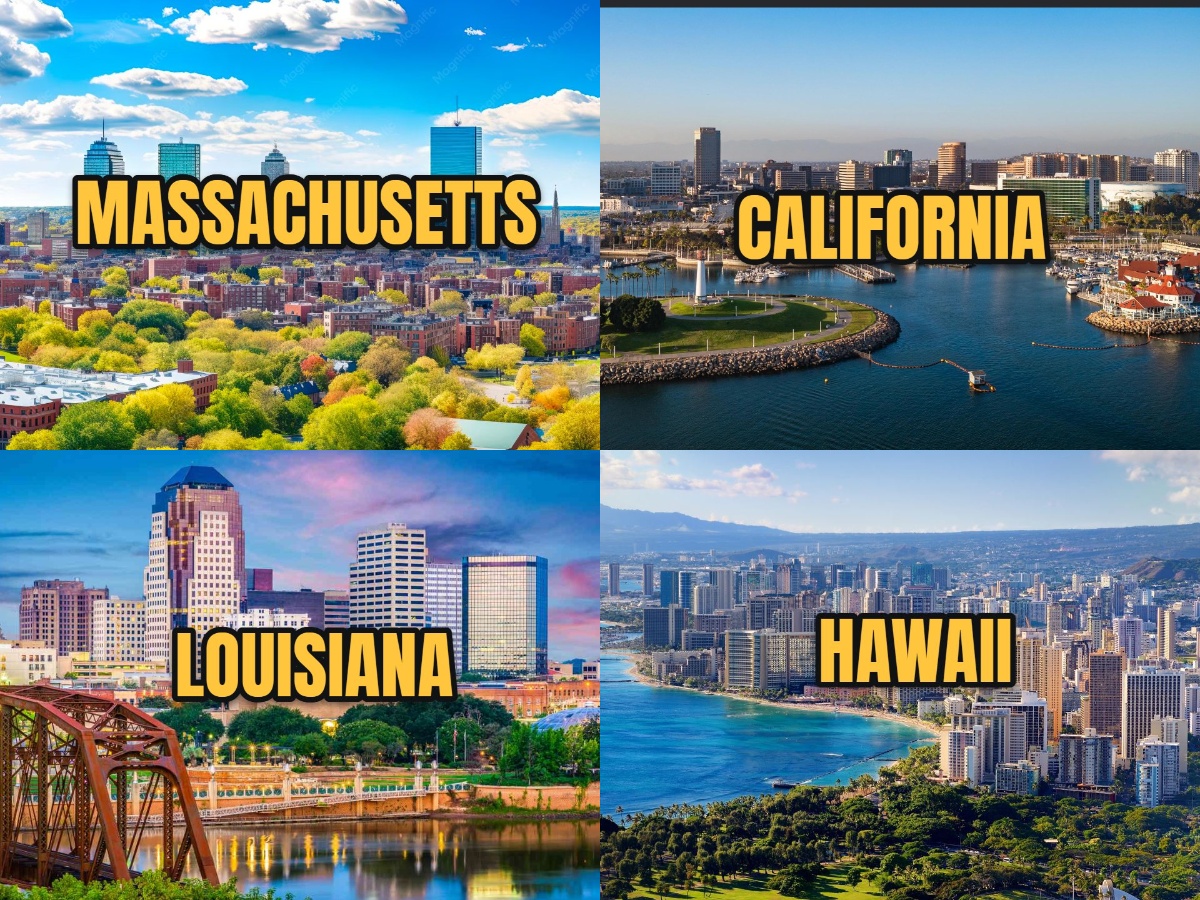
Road quality varies widely across the United States, and poor pavement can increase vehicle wear, reduce fuel efficiency, and create safety concerns.
Data from the Federal Highway Administration (FHWA), combined with road condition statistics published by the U.S. Department of Transportation and analyses using federal pavement condition data, identifies the states with the highest percentages of roads classified as being in poor condition.
Factors such as freeze-thaw cycles, heavy truck traffic, aging infrastructure, and insufficient maintenance budgets contribute to deteriorating pavement. The following states consistently rank among those with the roughest roads based on federal road condition data and related infrastructure reports.
Also Read: 10 Cars That Are Getting A Complete Redesign for 2027
1. Rhode Island
Rhode Island has consistently ranked as the state with the roughest roads according to Federal Highway Administration pavement condition data analyzed by transportation organizations.
A significant percentage of the state’s major roads are rated in poor condition, making Rhode Island one of the most challenging places in America for pavement quality. Although the state covers a relatively small geographic area, it carries an exceptionally high volume of commuter and commercial traffic, accelerating pavement deterioration.
One of the biggest reasons for Rhode Island’s poor road conditions is the age of its transportation infrastructure. Many highways, bridges, and arterial roads were built decades ago and now require extensive rehabilitation.
Heavy traffic along Interstate 95, Interstate 195, and Interstate 295 places continuous stress on pavement surfaces. Frequent stop-and-go driving also increases wear because braking and acceleration create additional strain compared with steady highway travel.
Winter weather compounds these issues. Snow, ice, and repeated freeze-thaw cycles allow water to enter pavement cracks.
As temperatures fluctuate, expanding ice widens those cracks, eventually creating potholes and uneven surfaces. Snowplows, while necessary for winter safety, also contribute to pavement wear over time.
Drivers frequently experience suspension damage, premature tire wear, wheel alignment issues, and reduced ride comfort on deteriorated roads. Businesses operating commercial fleets also face higher maintenance expenses because rough pavement accelerates wear on steering and suspension components.

Federal infrastructure funding has helped support ongoing road improvement projects throughout Rhode Island, but repairing decades of deferred maintenance remains a long-term challenge.
Until major reconstruction efforts are completed, motorists should expect some of the roughest pavement conditions in the United States, consistent with federal roadway condition statistics.
2. California
California ranks among the states with the roughest roads based on Federal Highway Administration pavement condition data, despite having one of the nation’s largest transportation budgets.
The state’s immense highway network, heavy traffic volumes, and growing infrastructure demands make maintaining pavement quality an ongoing challenge. Thousands of miles of interstate highways, state routes, and urban streets experience constant wear from passenger vehicles and commercial trucks.
Traffic is one of the primary reasons California roads deteriorate quickly. Metropolitan areas including Los Angeles, San Francisco, San Diego, Sacramento, and San Jose experience some of the highest traffic volumes in the country. Congestion causes repeated braking, acceleration, and heavy axle loads that gradually weaken pavement surfaces.
Commercial freight traffic further contributes to road damage. California serves as a gateway for international trade through major ports such as Los Angeles and Long Beach, where millions of shipping containers are transported annually by heavy-duty trucks.
These vehicles exert tremendous pressure on highways, shortening pavement life and increasing maintenance requirements.
Environmental conditions vary dramatically across the state. Coastal moisture, intense summer heat in inland valleys, mountain snow, and occasional flooding all affect road durability. Temperature fluctuations cause pavement expansion and contraction, leading to cracks that worsen if not repaired promptly.

Motorists driving on rough pavement often encounter potholes, uneven surfaces, and deteriorating lane markings. These conditions can increase tire wear, suspension repairs, and fuel consumption while reducing ride comfort.
California continues investing billions of dollars in highway rehabilitation through state and federal infrastructure programs.
However, the sheer size of its transportation system and continuous traffic demand mean many roads remain in poor condition, placing California among the highest-ranking states for rough pavement according to federal data.
3. Hawaii
Hawaii consistently ranks among the states with the roughest roads based on Federal Highway Administration pavement condition data analyzed by transportation researchers. Although the state has far fewer highway miles than most of the mainland, a surprisingly high percentage of its roads are classified as being in poor condition.
Geographic isolation, a tropical climate, and heavy traffic around major population centers make road maintenance particularly challenging.
Unlike mainland states, Hawaii must import much of the material and equipment required for highway construction and resurfacing. Shipping asphalt, aggregate, machinery, and replacement parts across the Pacific Ocean increases project costs and can delay repairs.
This makes large-scale reconstruction projects more expensive than they are elsewhere in the United States.
Weather also contributes to pavement deterioration. High humidity, frequent rainfall, salt-laden ocean air, and intense sunlight gradually weaken road surfaces. Water seeps into small pavement cracks, while ultraviolet exposure accelerates asphalt aging. Coastal roads are particularly vulnerable because salt can affect both pavement and supporting infrastructure.
Oahu carries the majority of the state’s traffic, especially around Honolulu. Congestion during peak commuting hours places repeated stress on pavement, while buses, delivery trucks, and commercial vehicles accelerate surface wear.
Roads on the neighboring islands also experience deterioration from changing weather conditions and limited maintenance resources.
For motorists, rough pavement often means increased tire wear, suspension repairs, and occasional wheel damage after striking potholes. Motorcyclists and cyclists face additional challenges because uneven surfaces reduce stability.

Federal and state transportation agencies continue investing in pavement rehabilitation projects throughout Hawaii.
However, high construction costs and unique logistical challenges mean improving road conditions takes longer than in many other states. Federal pavement condition data continues to place Hawaii among the states with some of America’s roughest roads.
4. New Jersey
New Jersey consistently appears near the top of federal pavement condition rankings for rough roads despite maintaining one of the country’s most heavily traveled highway systems.
The state’s transportation network supports millions of daily commuters traveling between New York City, Philadelphia, and numerous suburban communities. Constant traffic places extraordinary pressure on highways, accelerating pavement deterioration faster than many states experience.
Interstate highways such as I-95, I-80, the New Jersey Turnpike, and the Garden State Parkway carry enormous numbers of passenger vehicles alongside commercial trucks. Heavy freight movement through ports and distribution centers further contributes to pavement wear because loaded tractor-trailers generate significantly greater stress than passenger cars.
Seasonal weather creates additional maintenance challenges. Winter brings snow, freezing temperatures, and repeated freeze-thaw cycles that expand existing cracks and produce potholes.
Road salt helps improve winter safety but also contributes to infrastructure deterioration over time. Spring often reveals new pavement damage that requires extensive repair before summer travel begins.
Another issue is the age of much of New Jersey’s transportation infrastructure. Many highways were constructed decades ago when traffic volumes were considerably lower. Modern traffic levels now exceed original design expectations, increasing the need for resurfacing and reconstruction.

Drivers frequently report rough pavement, patched road sections, uneven expansion joints, and potholes on busy commuter routes. Poor pavement conditions can shorten the lifespan of tires, wheel bearings, suspension components, and steering systems, increasing vehicle ownership costs.
Federal funding and state transportation programs continue supporting major rehabilitation projects across New Jersey.
Even so, the combination of aging highways, dense traffic, commercial freight activity, and demanding winter weather keeps New Jersey among the states with the roughest roads according to Federal Highway Administration pavement condition data.
5. Massachusetts
Massachusetts ranks among the states with the roughest roads based on Federal Highway Administration pavement condition data. Despite being home to one of the nation’s oldest transportation networks, many highways and local roads continue to experience deterioration caused by heavy traffic, aging infrastructure, and harsh New England winters.
A significant percentage of the state’s roadways are classified as being in poor condition, requiring continuous maintenance and reconstruction.
The Boston metropolitan area is one of the busiest transportation hubs in the northeastern United States. Daily commuter traffic, commercial delivery vehicles, public transit buses, and interstate freight place constant pressure on highways such as Interstate 90, Interstate 93, and Route 128.
Stop-and-go traffic creates repeated braking and acceleration forces that gradually weaken pavement surfaces.
Winter weather remains one of the biggest challenges. Snowstorms, freezing rain, and repeated freeze-thaw cycles allow moisture to enter pavement cracks. As temperatures fluctuate, expanding ice widens those cracks until potholes develop.
Snowplows, although essential for keeping roads open, also contribute to long-term pavement wear by scraping road surfaces throughout the winter season.
Many roads throughout Massachusetts were originally designed decades ago when vehicle volumes and weights were considerably lower.
Today’s higher traffic levels exceed many original engineering expectations, accelerating deterioration and increasing maintenance costs. Urban construction projects also require frequent utility work beneath roadways, resulting in patched pavement that often creates uneven driving surfaces.

Drivers commonly experience potholes, rough pavement, cracked asphalt, and uneven lane transitions. These conditions can increase tire wear, suspension repairs, and wheel alignment issues while reducing ride comfort.
Federal infrastructure funding and state transportation investments continue improving major highways, but maintaining thousands of miles of aging pavement remains an ongoing challenge. According to federal roadway condition data, Massachusetts continues to rank among the states with the roughest roads in America.
6. Louisiana
Louisiana consistently appears among the states with the roughest roads in analyses based on Federal Highway Administration pavement condition data. Unlike northern states where freeze-thaw cycles dominate pavement deterioration, Louisiana faces a different combination of environmental and infrastructure challenges.
Heavy rainfall, flooding, high humidity, and substantial commercial truck traffic all contribute to road surfaces wearing out more quickly than expected.
One of the state’s biggest transportation responsibilities is supporting freight movement throughout the Gulf Coast. Major highways such as Interstate 10, Interstate 12, Interstate 20, and Interstate 49 carry large numbers of heavy trucks transporting agricultural products, manufactured goods, and cargo linked to Gulf ports.
These vehicles exert significant pressure on pavement, shortening its lifespan and increasing maintenance requirements.
Louisiana’s climate further complicates road preservation. Frequent rainfall allows water to penetrate pavement through small cracks. Saturated soil beneath the roadway can weaken structural support, leading to uneven pavement, rutting, and potholes.
Hurricanes and tropical storms periodically cause additional roadway damage through flooding, debris, and erosion.
The state’s soft soil conditions also create engineering challenges. Some highways require extensive foundation work because unstable ground can shift over time, producing uneven pavement and increasing repair frequency. Maintaining these roads requires substantial long-term investment.
Motorists often encounter cracked pavement, potholes, patched surfaces, and uneven road sections that contribute to higher maintenance costs for tires, suspension systems, and steering components. Commercial fleet operators also experience increased operating expenses due to accelerated vehicle wear.

Federal transportation funding continues supporting numerous rehabilitation projects throughout Louisiana, but the combination of severe weather, heavy freight traffic, aging infrastructure, and difficult soil conditions keeps the state among those with the roughest roads according to federal pavement condition statistics.
7. New York
New York consistently ranks among the states with the roughest roads according to Federal Highway Administration pavement condition data. The state’s vast highway system supports one of the largest populations in the country, carrying millions of commuters, commercial vehicles, and interstate travelers every day.
Maintaining this extensive network is a constant challenge, particularly because many roads and bridges were built decades ago and now require significant rehabilitation.
The state’s climate plays a major role in pavement deterioration. Northern and western New York experience long winters with repeated freeze-thaw cycles that allow moisture to seep into pavement cracks.
As water freezes and expands, cracks widen until potholes form. Snowplows and winter road treatments help keep highways safe, but they also contribute to gradual surface wear throughout the season.
Traffic volume adds another layer of stress. New York City, Long Island, Buffalo, Rochester, Albany, and Syracuse all experience heavy commuter traffic. Frequent braking, lane changes, and congestion place greater strain on pavement than uninterrupted highway travel.
Commercial trucks carrying freight throughout the Northeast further accelerate road wear because of their heavier axle loads.
Many urban streets are also repeatedly excavated for utility upgrades, including water, sewer, gas, and telecommunications projects. Although repairs are completed afterward, patched pavement often creates uneven surfaces that reduce ride quality and require additional maintenance in the future.

Drivers commonly encounter potholes, cracked asphalt, uneven pavement, and deteriorating lane surfaces. These conditions can lead to premature tire wear, suspension damage, wheel alignment problems, and higher vehicle maintenance costs over time.
Federal and state transportation agencies continue investing billions of dollars in resurfacing highways and replacing aging infrastructure. However, the combination of harsh winters, extremely heavy traffic, aging roadways, and continuous construction keeps New York among the states with the roughest roads according to federal pavement condition data.
8. Washington
Washington is frequently listed among the states with the roughest roads based on Federal Highway Administration pavement condition statistics. Although the state invests heavily in transportation infrastructure, several factors make pavement preservation particularly difficult.
Heavy rainfall, mountain weather, growing population centers, and substantial freight traffic all contribute to road surfaces wearing down faster than desired.
Western Washington receives significant rainfall for much of the year. Persistent moisture gradually enters small pavement cracks, weakening asphalt layers over time.
During colder periods, freezing temperatures in higher elevations allow water to expand within those cracks, creating larger defects that eventually develop into potholes. Mountain highways crossing the Cascade Range face especially demanding weather conditions.
Population growth throughout the Seattle metropolitan area has dramatically increased traffic volumes over the past two decades. Congested highways such as Interstate 5, Interstate 405, and State Route 520 carry hundreds of thousands of vehicles daily.
Stop-and-go traffic increases pavement stress while slowing maintenance operations because construction crews have limited opportunities to close busy roadways.
Washington also serves as an important gateway for international trade through the ports of Seattle and Tacoma. Heavy commercial trucks transporting shipping containers place substantial loads on highways, accelerating pavement deterioration and increasing the need for resurfacing projects.
Drivers often report uneven pavement, worn expansion joints, patched asphalt, and potholes, particularly after winter weather. These conditions increase wear on tires, steering components, and suspension systems while reducing ride comfort.
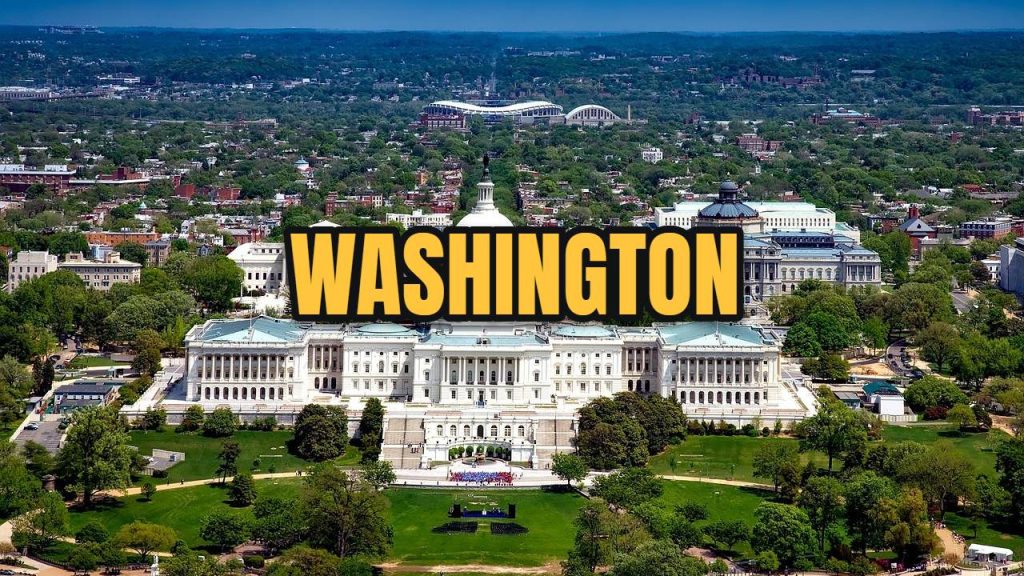
Although Washington continues funding major highway improvements through state and federal programs, maintaining thousands of miles of heavily traveled roads remains a significant undertaking.
Federal pavement condition data consistently places Washington among the states where motorists encounter some of the roughest road surfaces in the United States.
9. Michigan
Michigan consistently ranks among the states with the roughest roads according to Federal Highway Administration pavement condition data. The state’s climate, aging transportation infrastructure, and heavy commercial traffic combine to create conditions that are particularly challenging for maintaining pavement quality.
Drivers across both the Lower and Upper Peninsulas regularly encounter deteriorating highways, potholes, cracked asphalt, and uneven road surfaces.
One of the biggest reasons for Michigan’s road conditions is its climate. The state experiences long, cold winters with frequent snow, freezing rain, and repeated freeze-thaw cycles.
Water enters small cracks in the pavement, freezes as temperatures fall, and expands, gradually breaking apart the asphalt. By spring, thousands of potholes require repair across state and local road networks.
Michigan also supports one of the nation’s busiest freight corridors because of its large automotive manufacturing industry and its border crossings with Canada.
Interstate highways such as I-75, I-94, and I-96 carry substantial volumes of heavy commercial trucks every day. These vehicles generate significantly greater pavement stress than passenger cars, accelerating deterioration and shortening the lifespan of road surfaces.
Many highways and local roads were originally constructed decades ago and now require major reconstruction rather than routine resurfacing. As infrastructure ages, repair costs continue increasing, making it difficult to address every deteriorating roadway at the same pace.
Poor pavement affects motorists in several ways. Tire wear increases, wheel alignments can be thrown off by repeated impacts, and suspension components such as shocks, struts, and control arms often require replacement sooner than expected.
Commercial fleet operators also face higher maintenance costs because rough roads accelerate vehicle wear.
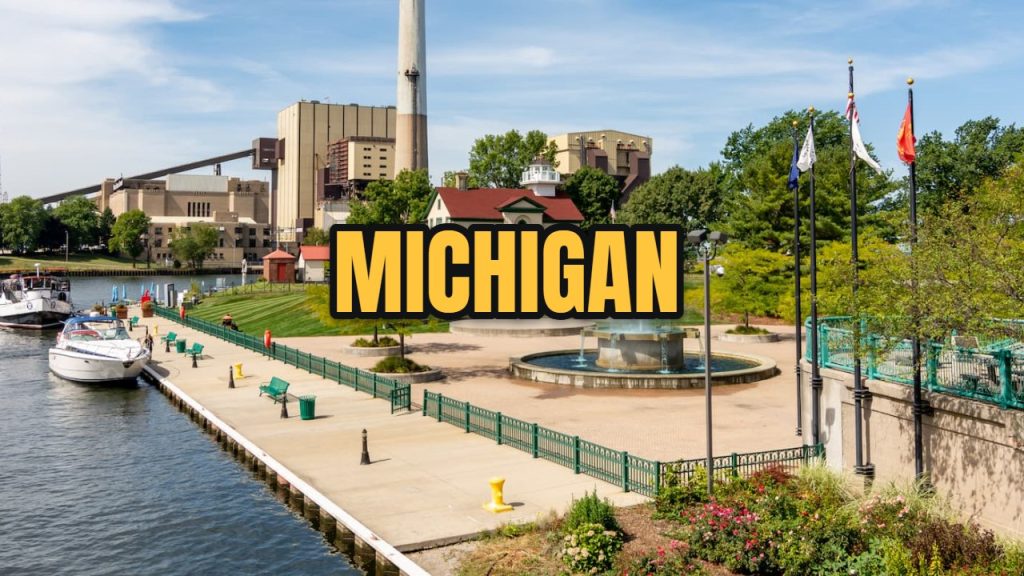
Federal infrastructure funding and long-term transportation improvement programs continue supporting major reconstruction projects throughout Michigan.
Even with these investments, federal pavement condition data places the state among those with the roughest roads because of its demanding climate, aging highways, and extensive commercial traffic.
10. Mississippi
Mississippi completes this list of states with the roughest roads based on Federal Highway Administration pavement condition data. Although the state has fewer large metropolitan areas than many others on this ranking, maintaining thousands of miles of highways and rural roads presents considerable challenges.
Weather, freight transportation, and aging infrastructure all contribute to pavement conditions that fall below national averages on many road segments.
The state’s climate plays a significant role in pavement deterioration. Mississippi experiences high temperatures during the summer, frequent heavy rainfall, and occasional tropical systems moving inland from the Gulf Coast.
Excess moisture can weaken pavement foundations, while prolonged heat causes asphalt to soften and gradually deform under repeated traffic loads.
Commercial trucking is another important factor. Mississippi serves as a transportation corridor connecting the Southeast with the Midwest and Gulf Coast.
Interstate highways including I-10, I-20, I-55, and I-59 carry large numbers of heavy trucks transporting agricultural products, manufactured goods, and commercial freight. Continuous heavy axle loads accelerate rutting, cracking, and pavement fatigue.
Many rural roads also require ongoing maintenance because they support farming operations, timber transportation, and local industries. Limited maintenance budgets can delay resurfacing projects, allowing small pavement defects to become larger problems over time.

Motorists driving across Mississippi frequently encounter patched asphalt, rough pavement transitions, cracked surfaces, and potholes that increase wear on tires, suspension systems, steering components, and wheel bearings. These conditions can also reduce fuel efficiency by increasing rolling resistance.
Federal transportation funding continues helping Mississippi improve highways and bridges through resurfacing and reconstruction projects.
Despite these efforts, the combination of heavy freight traffic, challenging weather conditions, aging infrastructure, and extensive rural road networks keeps Mississippi among the states with the roughest roads according to federal pavement condition statistics.
Also Read: 10 Cars That Are Hardest to Repair Outside the Dealership
