
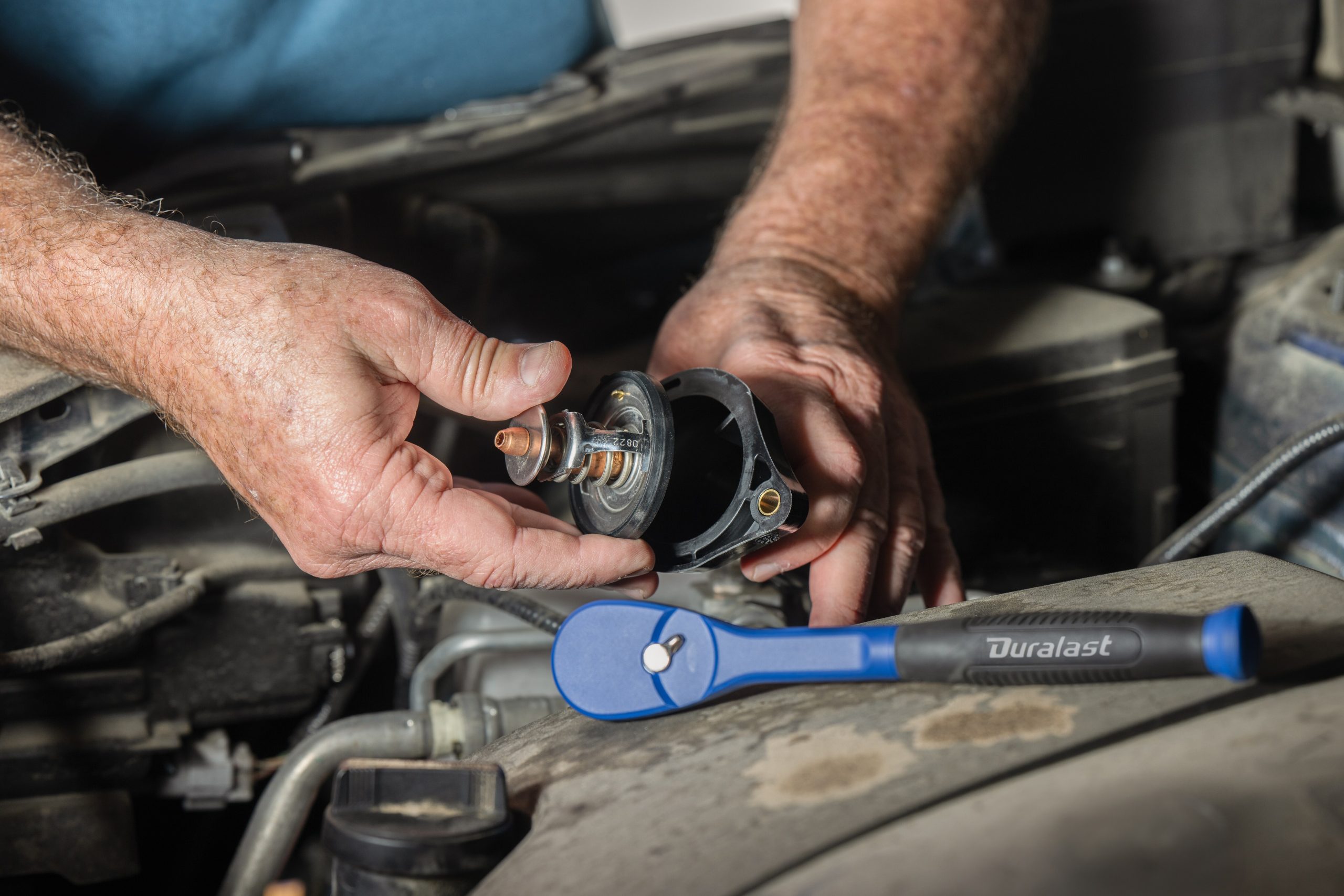
Some repairs make your wallet sigh in relief. Others make it flinch. Thermostat replacement is one of those jobs where the price tag depends almost entirely on how the engineers decided to bury that tiny part. On some vehicles, it’s a fifteen-minute bolt-off job sitting right on top of the engine.
On others, it’s tucked beneath turbochargers, superchargers, or entire intake systems, turning a $30 component into a repair bill that rivals a car payment. Below, we break down five vehicles where thermostat jobs stay cheap and painless, followed by five where the same repair can blow past $800. Whether you’re budgeting for maintenance or just curious why your neighbor’s German sedan costs so much to fix, this list has answers.
5 Cars With Cheap Thermostat Jobs (Usually Under $250)
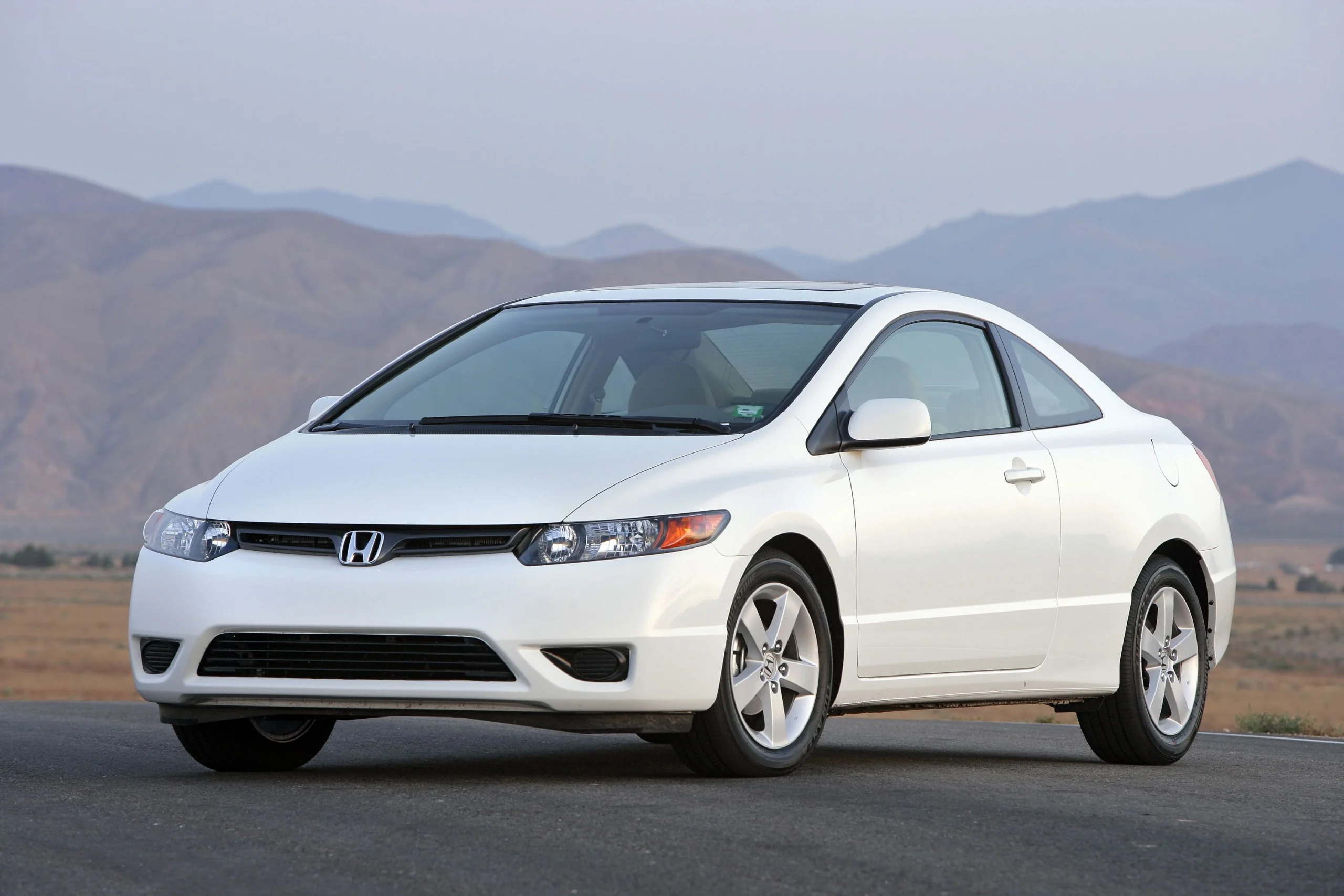
1. Honda Civic (2006-2021 1.8L R18 / 2.0L K20)
- Engine: 1.8L Naturally Aspirated Inline-4 (R18) / 2.0L Naturally Aspirated Inline-4 (K20)
- Horsepower: 140-158 hp
- Torque: 128-138 lb-ft
- Size: 177.3-184.0″ Long × 70.8″ Wide
Anyone thinking about future repair costs will appreciate how the Honda Civic keeps this particular job simple. Many mechanics recommend it because the thermostat housing is placed where it can be reached without unnecessary effort. It sits close to the lower radiator hose where it connects to the engine block, making it easy to spot.
There is no need to remove the intake system, take off protective covers, or struggle with bolts hidden behind other engine parts. Because access is so straightforward, many workshops finish the repair within a short time, helping to reduce labour charges.
Another advantage comes from the Civic’s cooling system, which does not require a large amount of coolant. Even when Honda’s recommended coolant is used, the cost of replacing the fluid remains quite reasonable.
The process of removing trapped air from the system is also uncomplicated, so independent repair shops can complete the work without relying on specialised tools or equipment available only at authorised service centres. This gives owners more affordable repair options without affecting the quality of the job.
Many Civic owners who enjoy handling basic vehicle maintenance also find this repair easy enough to complete at home. A standard socket set, a drain pan, and about an hour of free time are usually all that is required. Since many Civic models are still on Nigerian roads today, this practical design has helped plenty of drivers avoid expensive workshop visits.
For people who want a dependable car with affordable cooling system maintenance, the Civic remains a smart choice that gives confidence for many years of ownership.
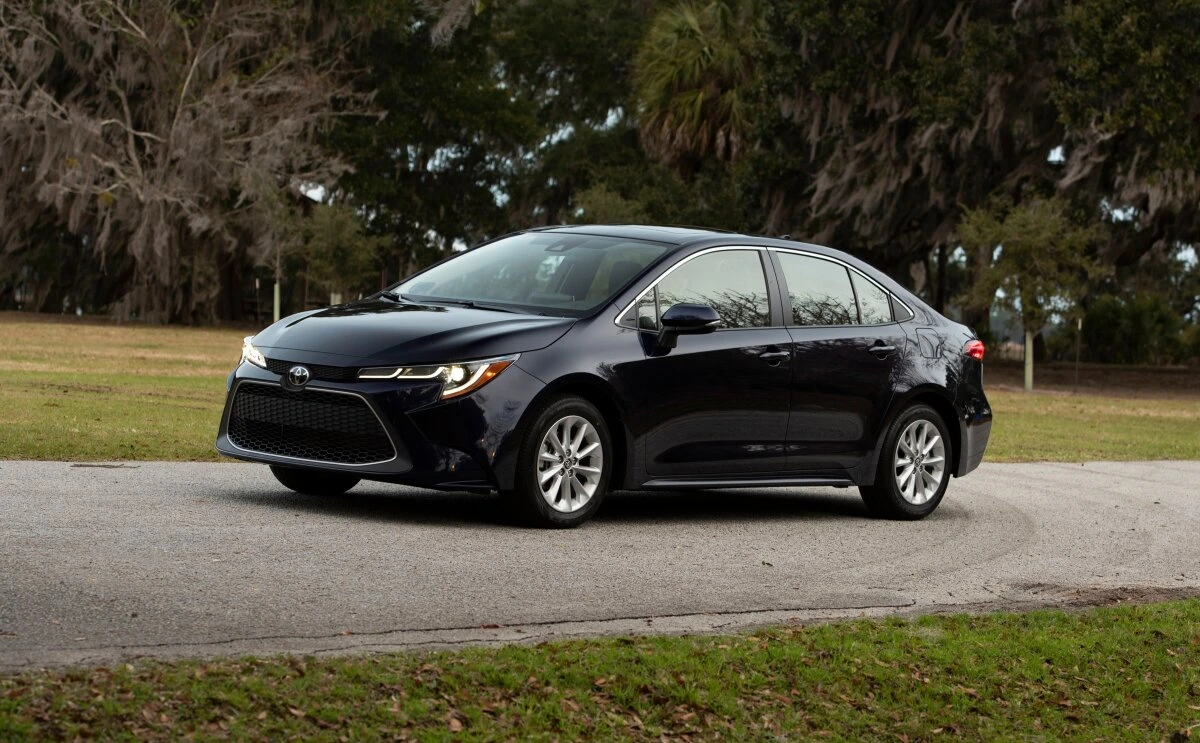
2. Toyota Corolla (2003-2022 1.8L 1ZZ-FE / 2ZR-FE)
- Engine: 1.8L Naturally Aspirated Inline-4
- Horsepower: 130-139 hp
- Torque: 126-126 lb-ft
- Size: 178.3-182.5″ Long × 69.9-70.1″ Wide
Many car owners trust the Corolla because it keeps proving itself through simple, dependable engineering, and replacing the water inlet housing gives another good example of that reputation.
Since the housing sits close to the outside of the engine, a mechanic can reach it without bringing out special equipment. In most cases, the repair takes less than an hour, provided nothing unusual appears during the process. That saves both time and labour costs, making routine servicing less stressful for owners who depend on their vehicles every day.
Another reason this repair stays straightforward is Toyota’s long-life coolant. It lasts for a long period before replacement becomes necessary, helping owners avoid frequent maintenance visits. Once the new part has been installed, removing trapped air from the cooling system is also simple.
The engine is allowed to run with the radiator cap removed while the coolant level is checked and topped up until air bubbles stop appearing. Any experienced mechanic or capable person working at home can complete this step with confidence.
What gives the Corolla lasting appeal is its practical design rather than fancy mechanical ideas. Regular maintenance stays simple, saving owners from unnecessary frustration when repairs become necessary. Replacement parts such as thermostats and gaskets are also widely available at reasonable prices, making them easy to buy in many places.
People who rely on their vehicles for work, family duties, or daily travel can appreciate a car that keeps repairs affordable and avoids unnecessary complications whenever maintenance becomes due during ownership.
Also Read: 5 Cars With Cheap Alternator Jobs and 5 That Cost $1,100
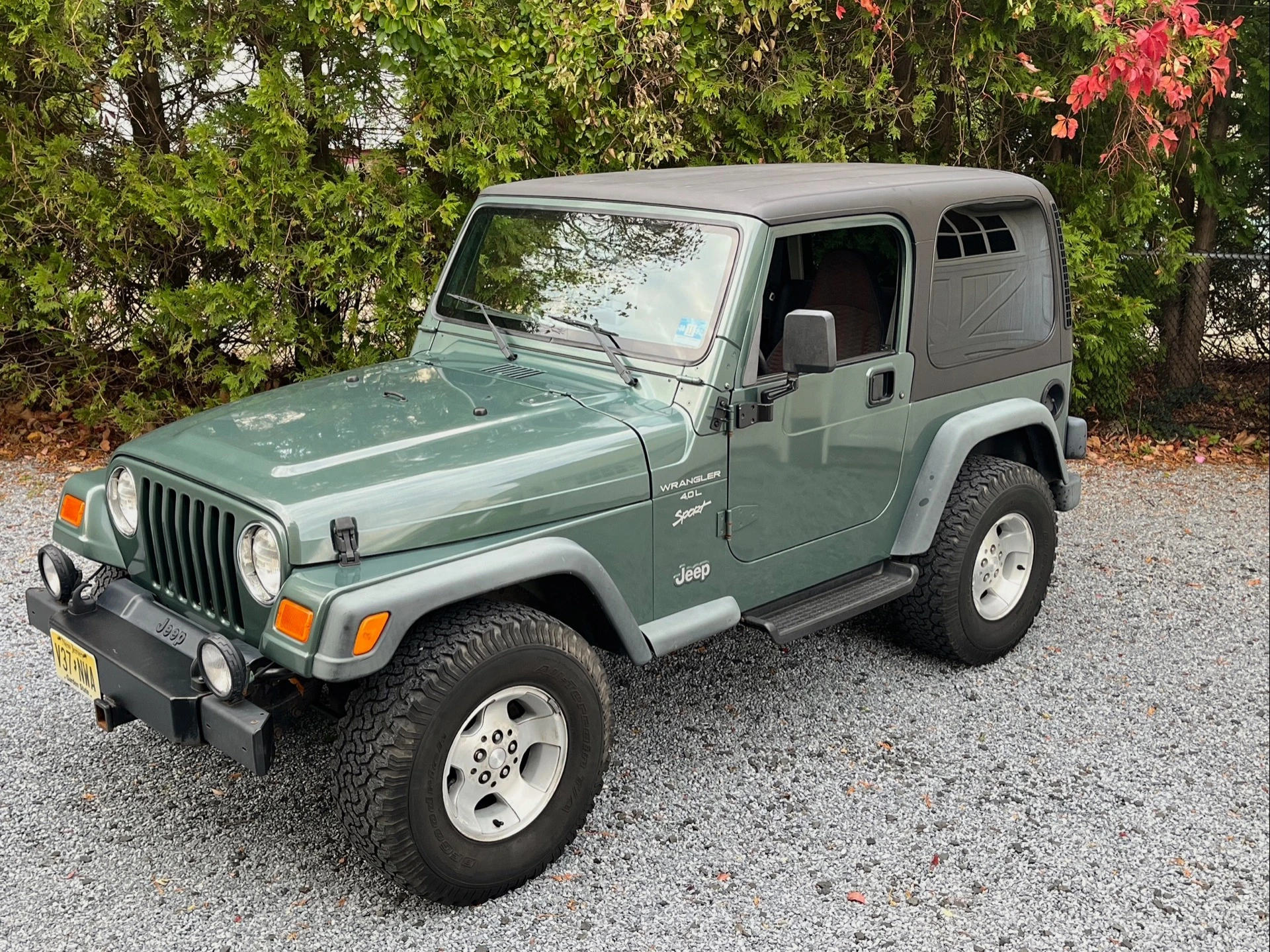
3. Jeep Wrangler (1997-2006 4.0L Inline-6)
- Engine: 4.0L Naturally Aspirated Inline-6
- Horsepower: 190 hp
- Torque: 235 lb-ft
- Size: 155.4-167.0″ Long × 66.7-68.3″ Wide
Here’s a fun fact: the 4.0L inline-six found under the hood of these Wranglers is often praised by mechanics as one of the easiest engines built in the last few decades to wrench on, and the thermostat housing is a perfect example of why. Bolted straight to the front of the cylinder head, it practically waves at you the moment the hood pops open.
No plastic covers to pry loose, no sensors to unplug first, just a handful of bolts standing between a technician and a finished job. Off-road enthusiasts who service their own rigs frequently mention this engine when explaining why they’ve stuck with older Wranglers instead of upgrading to newer, more electronically dense platforms.
Conventional coolant works fine here too, no special formulas required, which keeps parts stores stocked and prices low nationwide. Because this generation predates the heavy electronics found in modern SUVs, there’s little risk of triggering unrelated fault codes during the swap.
For anyone who values a vehicle that won’t punish them financially for basic upkeep, this Wrangler generation remains a standout, especially among off-road communities that prize mechanical simplicity above nearly everything else.
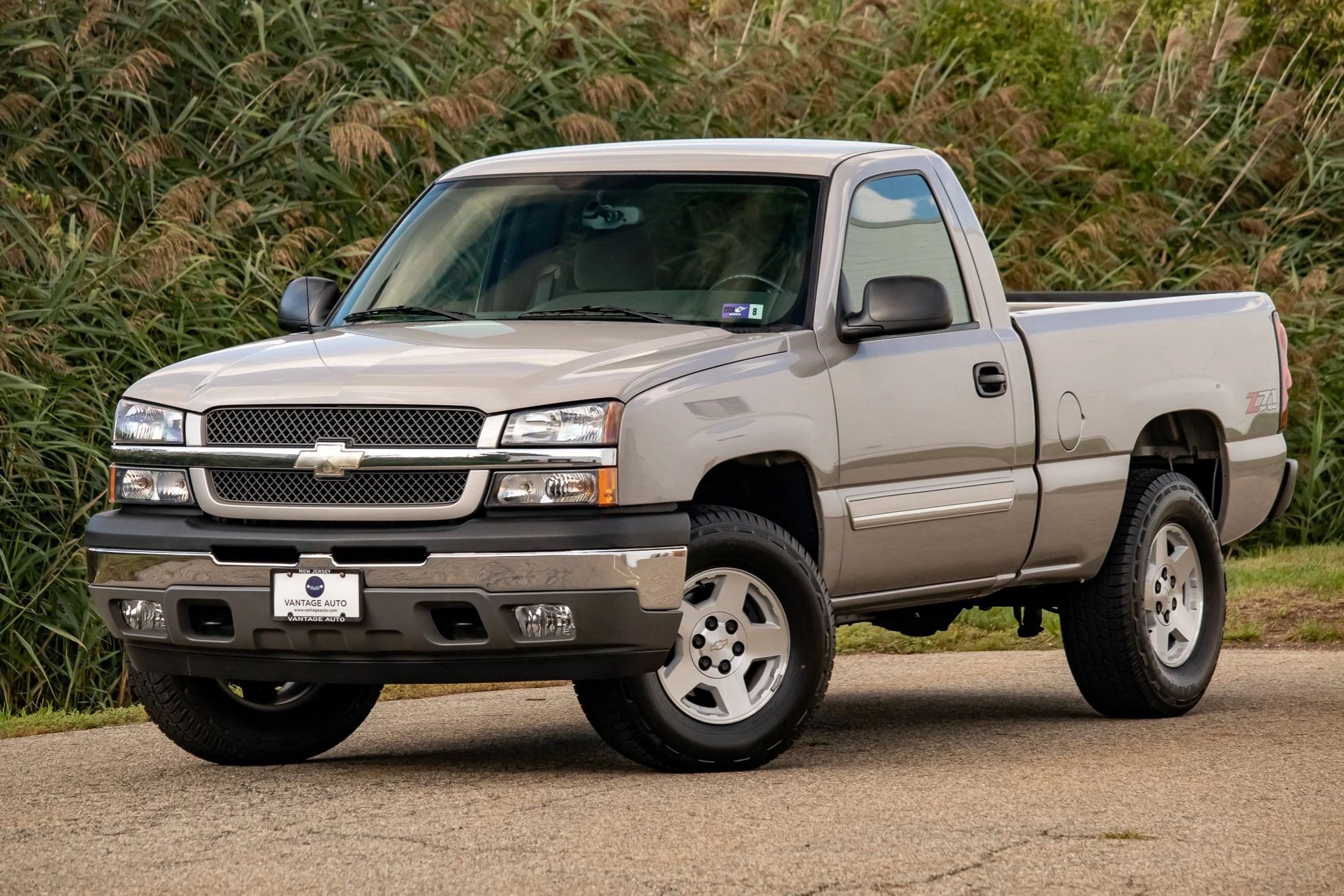
4. Chevrolet Silverado 1500 (1999-2013 4.8L / 5.3L / 6.0L LS V8)
- Engine: 4.8L / 5.3L / 6.0L Naturally Aspirated LS V8
- Horsepower: 270-367 hp
- Torque: 285-380 lb-ft
- Size: 205.7-230.2″ Long × 78.5-80.0″ Wide
Big engine, small hassle. That’s the honest summary for anyone who’s popped the hood on one of these full-size trucks expecting a fight and instead found a straightforward water outlet housing sitting right on the passenger side near the water pump.
GM’s LS-series V8 has earned a cult following among gearheads for its durability, and part of that reputation comes from how forgiving it is to maintain. Swapping the thermostat rarely requires removing anything beyond a hose clamp and a couple of bolts, which explains why labor rarely stretches past an hour even at full-service shops.
Dex-Cool, while sometimes debated online for its long-term compatibility with certain gasket materials, doesn’t complicate the actual replacement process itself. Running the heater during refill helps push trapped air out of the system without needing specialized bleeder valves or vacuum equipment.
Truck owners who tow regularly or put high mileage on these trucks appreciate knowing that cooling system upkeep won’t eat into their budget the way it might on a European counterpart, making this generation of Silverado a dependable workhorse in every sense of the word.
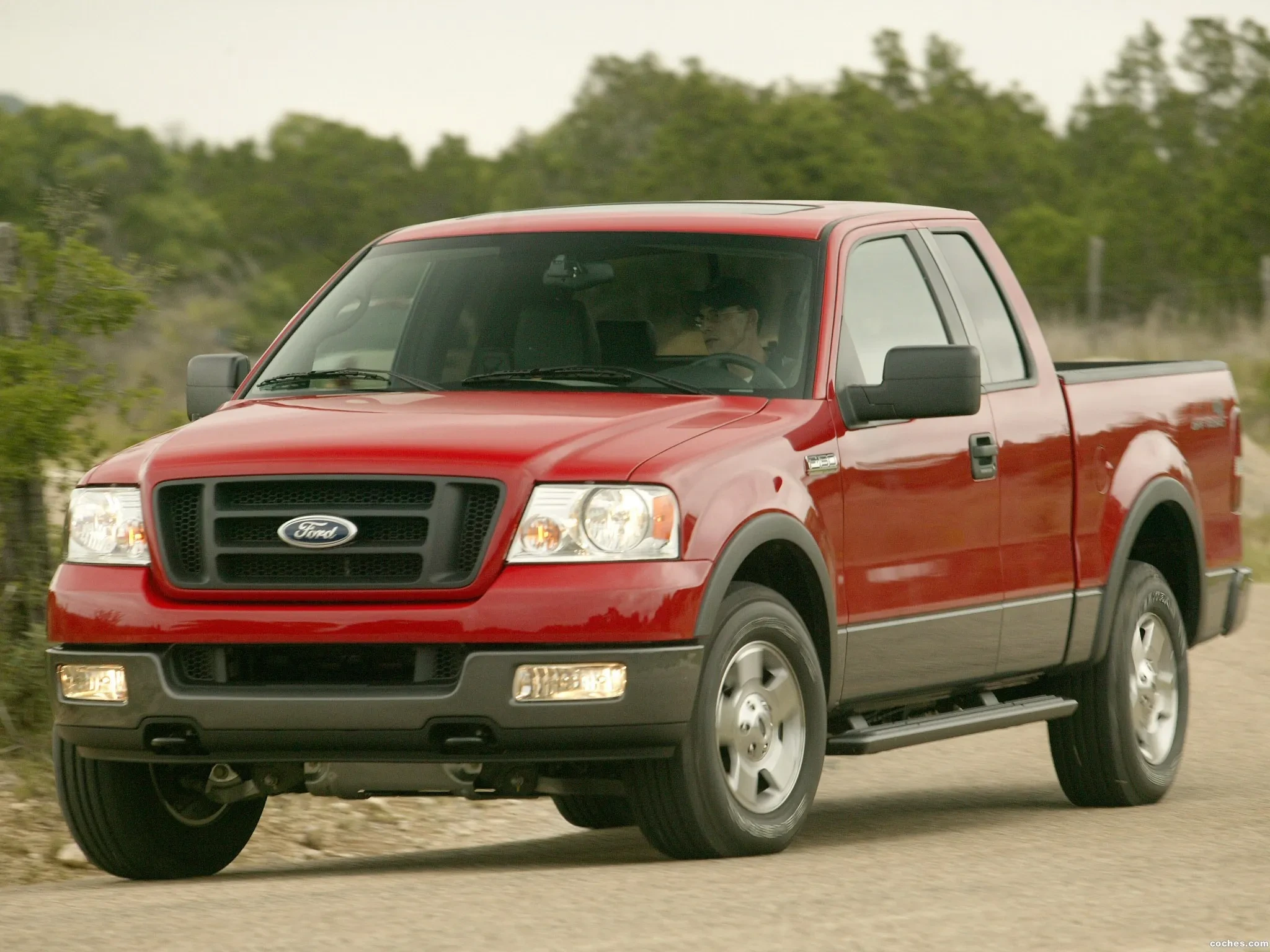
5. Ford F-150 (2004-2010 4.6L & 5.4L Triton V8)
- Engine: 4.6L or 5.4L Naturally Aspirated Triton V8
- Horsepower: 231-320 hp
- Torque: 293-390 lb-ft
- Size: 211.0-250.4″ Long × 78.9-79.0″ Wide
America’s favorite truck earns its reputation partly through repairs like this one, where a job that could be a headache turns into a routine task instead. Positioned beneath the upper radiator hose right on the front of the intake manifold, the housing stays easy to reach even for owners with limited garage experience.
Ford’s decision to keep this component accessible reflects a broader pattern seen across the Triton V8 lineup, where serviceability was clearly considered during the design process rather than treated as an afterthought.
Motorcraft coolant, sold at nearly every auto parts store and Ford dealership nationwide, keeps replacement costs predictable without forcing owners to hunt down specialty fluids. Minimal air bleeding means fewer chances of comebacks caused by trapped air pockets, a common frustration on more complicated systems.
Fleet operators and personal truck owners alike benefit from this straightforward layout, since downtime stays limited and labor costs remain reasonable across independent shops. For a truck that logs serious mileage hauling equipment, families, or weekend gear, having a cooling system that won’t punish owners with expensive surprises adds real value to long-term ownership.
5 Cars Where Thermostat Replacement Commonly Exceeds $800
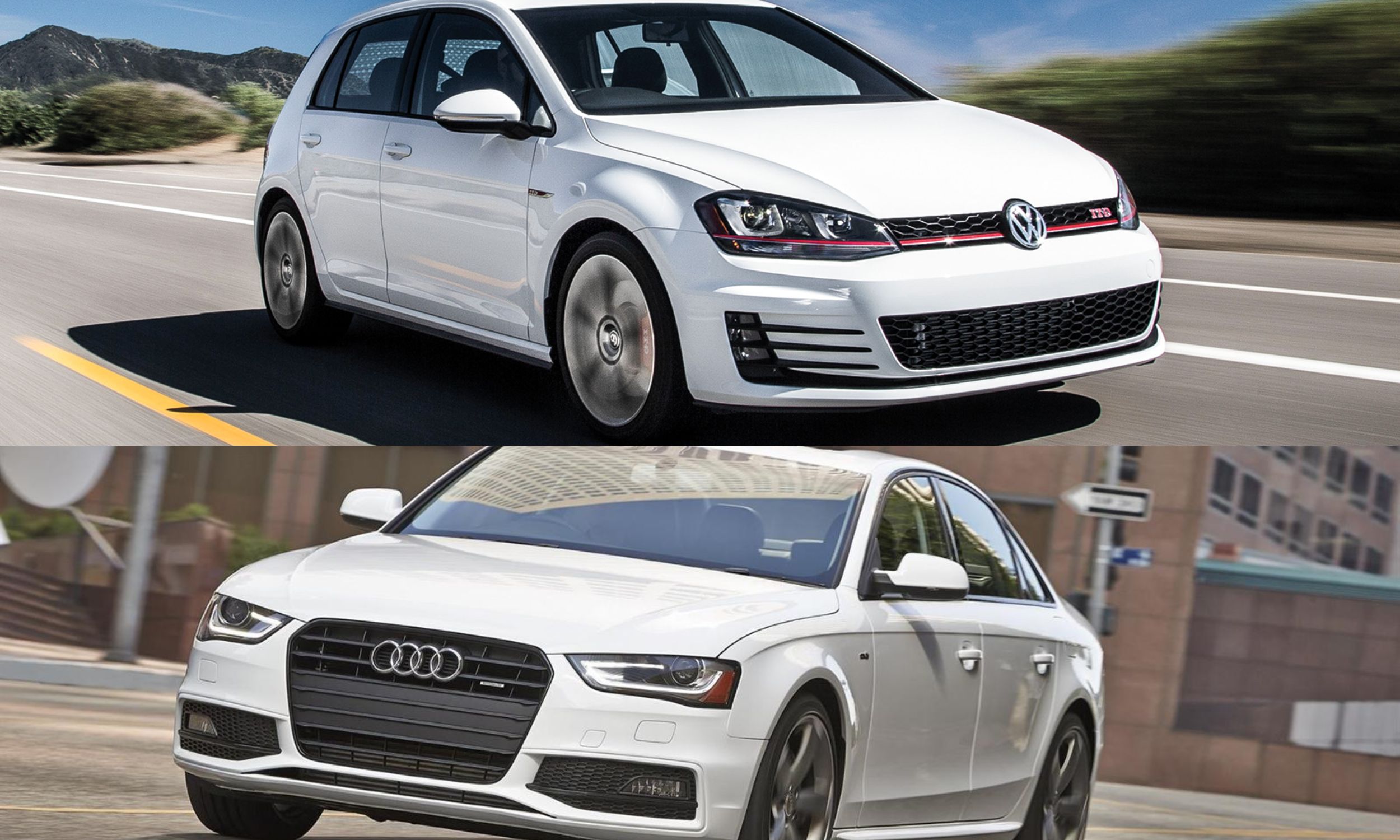
1. Volkswagen Golf GTI / Audi A4 (2015-2024 EA888 Gen 3 2.0T)
- Engine: 2.0L Turbocharged Inline-4 (EA888 Gen 3)
- Horsepower: 220-261 hp
- Torque: 258-273 lb-ft
- Size: GTI: 168.0″ Long × 70.8″ Wide / A4: 187.5″ Long × 72.7″ Wide
Brace yourself, because this repair doesn’t play by the same rules as older, simpler engines. Volkswagen and Audi engineers folded the thermostat directly into the water pump housing, a design choice that sounds clever on paper but creates real headaches when failure eventually strikes.
Shops can’t just swap the thermostat alone since the two components exist as a single sealed unit, meaning the entire assembly gets replaced together whether the pump itself has failed or not. That design decision alone pushes costs upward before labor even enters the conversation.
Reaching the unit requires removing the intake manifold, a process that eats hours rather than minutes and demands careful reassembly to avoid vacuum leaks afterward. Owners who’ve dealt with this repair often describe a strange mix of frustration and resignation, since there’s no cheaper workaround available through aftermarket parts that split the components apart.
VW’s specific coolant formula adds another line item to the invoice, and dealership labor rates in particular can push totals well past $900 without much room for negotiation. For anyone shopping used in this segment, budgeting for this eventual repair isn’t optional, it’s simply smart planning ahead of time.

2. BMW 335i / 535i (N54 & N55 Turbo Six)
- Engine: 3.0L Twin-Turbo (N54) / Single Twin-Scroll Turbo (N55) Inline-6
- Horsepower: 300 hp
- Torque: 300 lb-ft
- Size: 335i: 178.2″ Long × 71.5″ Wide / 535i: 193.1″ Long × 73.2″ Wide
Owning one of these turbocharged sixes comes with a quiet understanding among enthusiasts: eventually, the cooling system bill arrives, and it won’t be small. BMW paired the thermostat with an electric water pump low on the passenger side, a location that sounds simple until you consider how much surrounding hardware needs to move out of the way first.
Since both components share nearly identical labor steps once a technician gets that deep into the engine, most shops recommend replacing them together rather than paying for the same labor twice down the road. That logic makes financial sense, but it also means bills routinely stretch well beyond what owners of simpler cars would expect for what’s technically a basic cooling part.
BMW’s proprietary coolant and the electronic bleeding procedure required afterward add further cost, since this isn’t a job that tolerates guesswork or improvised methods. Independent BMW specialists sometimes offer relief compared to dealership pricing, though savings rarely bring the total under four figures once parts and labor combine.
For drivers chasing that smooth inline-six character, this repair has become something of a rite of passage within enthusiast communities.

3. Porsche Panamera (970 4.8L V8)
- Engine: 4.8L Naturally Aspirated or Twin-Turbocharged V8
- Horsepower: 400-570 hp
- Torque: 369-553 lb-ft
- Size: 195.7″ Long × 76.0″ Wide
Luxury and accessibility rarely travel together, and the Panamera proves that point emphatically once its cooling system needs attention. Porsche tucked the thermostat beneath the intake manifold, nestled within a crossover assembly that requires meaningful disassembly before a technician can even lay eyes on the failed part.
This repair is not well suited for a home garage or a simple weekend project. It requires specialized knowledge of the vehicle platform and the patience to work through multiple layers of components that most drivers never see. After the repair is complete, the cooling system should be vacuum filled to remove trapped air. This step is essential because air pockets in a complex cooling system can lead to overheating and create repair costs that exceed those of the original problem.
Dealership technicians familiar with Porsche’s specific torque sequences and reassembly requirements typically handle this job, which explains why independent shops rarely offer much of a discount even when they’re capable of the work. Bills exceeding $1,200 aren’t unusual once labor, parts, and specialty coolant combine on the final invoice.
For Panamera owners, this repair serves as a blunt reminder that German performance luxury comes with maintenance costs that match the badge on the trunk.
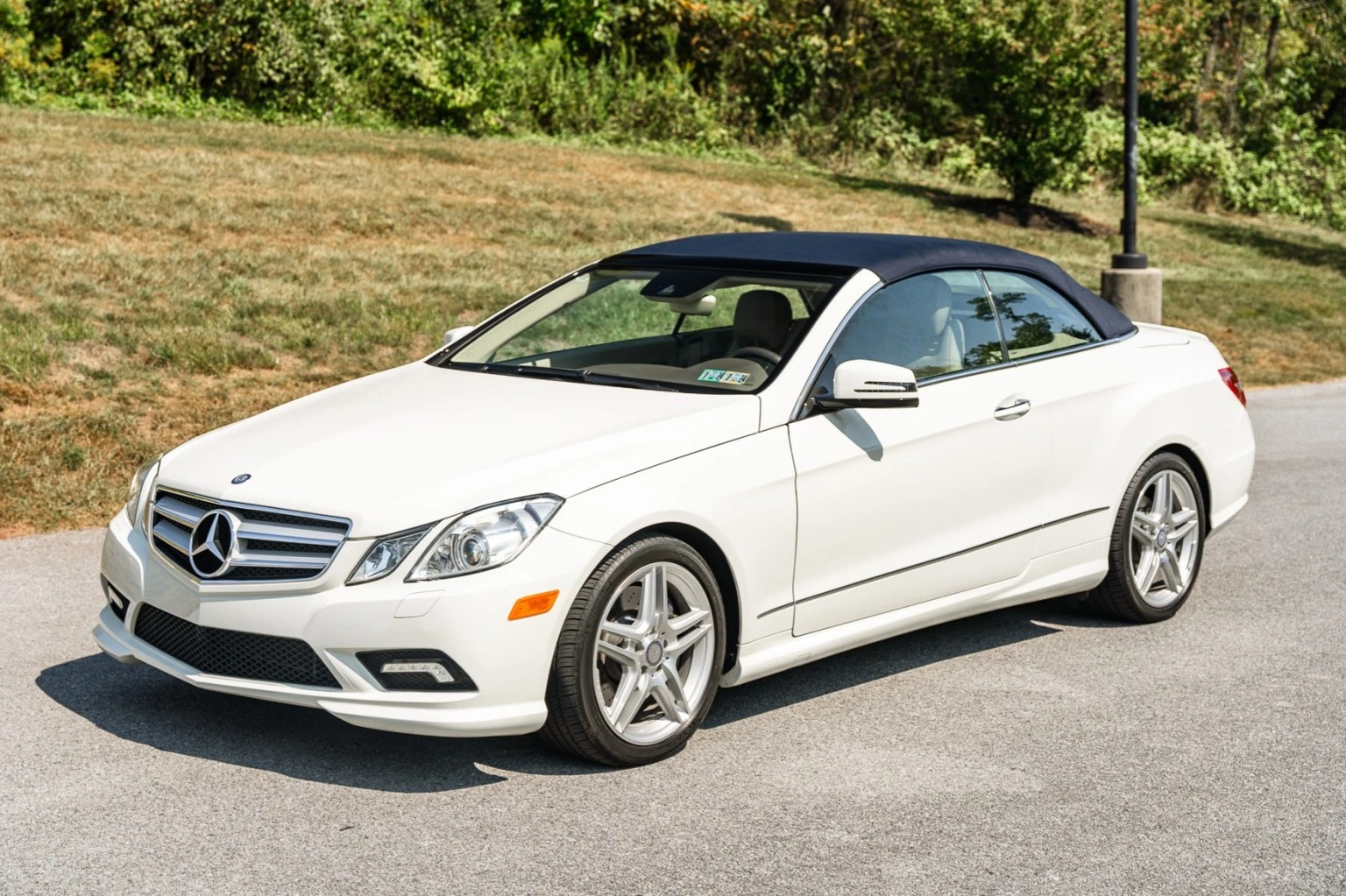
4. Mercedes-Benz E550 / CLS550 / S550 (M278 4.7L Twin-Turbo V8)
- Engine: 4.7L Twin-Turbocharged V8 (M278)
- Horsepower: 402-449 hp
- Torque: 443-516 lb-ft
- Size: 192.1-206.5″ Long × 73.0-74.8″ Wide
Anyone thinking about buying one of these sedans on the used market should consider one important question: are you prepared for repair costs that can rise much faster than expected? The thermostat may be a small component, but replacing it on this Mercedes is far from a simple task.
Mercedes positioned it deep inside the front cooling system, behind turbocharger pipework and several coolant lines. Before a mechanic can even touch the thermostat, many surrounding parts must first be removed just to gain access.
Experienced technicians who work on the M278 V8 engine often explain that much of the repair time is spent taking off components that are not faulty. They only come off because they stand in the way of the thermostat. After the new part is installed, the cooling system must also be refilled with care.
Mercedes recommends using a vacuum-fill procedure to prevent air from getting trapped inside the system. Ignoring that process can cause overheating and create fresh problems that could have been avoided. Labour charges alone can easily pass five hours at many dealerships, even before the cost of the thermostat, coolant, and other required materials is added.
Many owners admit the final bill still catches them by surprise, even when they already expect luxury vehicles to cost more to maintain. A repair that usually falls between $900 and $1,400 feels expensive, especially when the thermostat itself is not particularly costly.
It is a clear reminder that labour, rather than the replacement part, makes this job one of the more expensive cooling system repairs on the car.
Also Read: 10 Cars That Need AGM Batteries and Not a Cheap Swap

5. Range Rover Sport (2014-2022 5.0L Supercharged V8)
- Engine: 5.0L Supercharged V8
- Horsepower: 510-575 hp
- Torque: 461-516 lb-ft
- Size: 191.0″ Long × 78.1″ Wide
Supercharged power comes with a hidden tax, and this repair is Exhibit A. Land Rover positioned the thermostat beneath the supercharger itself, integrated into a plastic coolant crossover assembly that sits right in the thick of the engine’s most cramped real estate.
Getting to it means partially removing the supercharger and disturbing components that would otherwise sit untouched for years. Shops handling this repair frequently recommend replacing the surrounding crossover pipes at the same time, not out of upselling instinct but because those plastic components tend to grow brittle with age and fail shortly after a cooling system has been opened up anyway.
That preventive approach adds parts cost but saves owners from paying for the same labor twice within a short window. Bleeding the system properly afterward takes real care, since trapped air in a supercharged V8 running under this much pressure can create problems far worse than a simple coolant top-off.
Repair totals frequently cross $1,200 once everything gets tallied, a bill that catches many owners off guard despite the vehicle’s premium price tag. For Range Rover Sport owners, this repair stands as one of the platform’s more punishing maintenance realities.
