
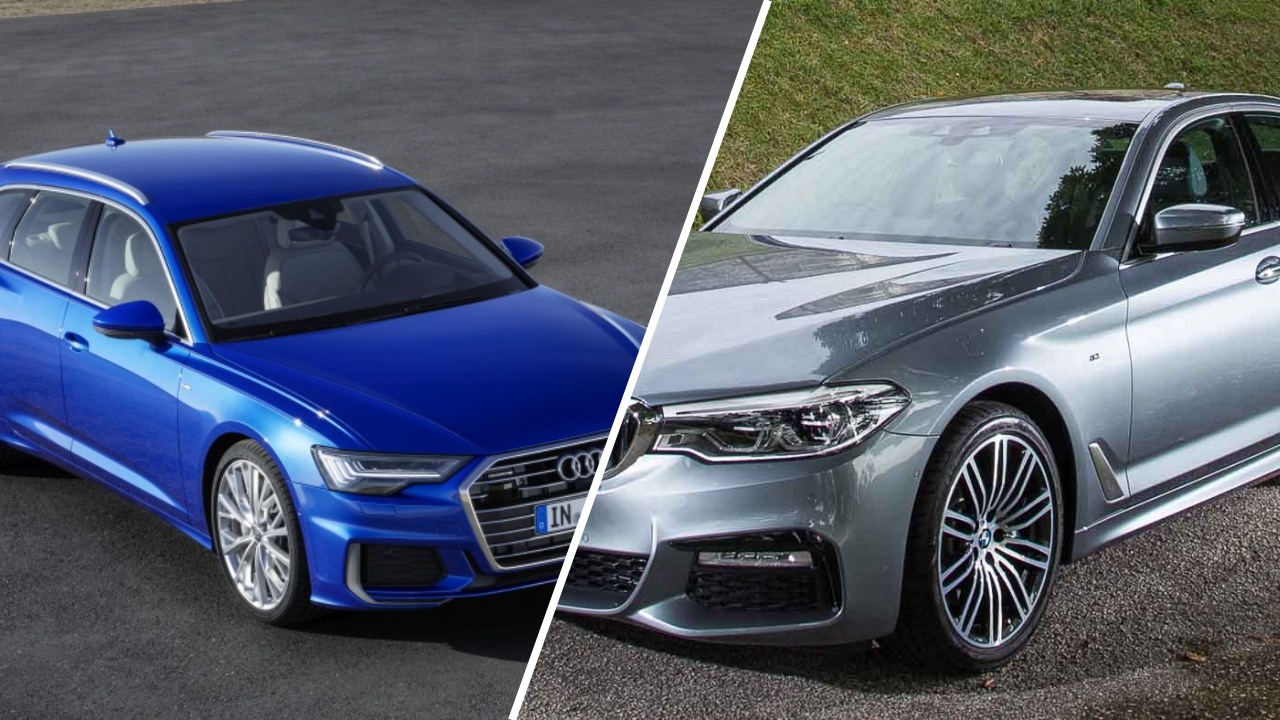
Modern vehicles equipped with automatic start-stop systems, regenerative charging, and sophisticated battery management systems are engineered around Absorbent Glass Mat (AGM) batteries rather than conventional flooded lead-acid batteries.
AGM batteries tolerate far more charge and discharge cycles, recover faster after repeated engine restarts, and work with charging profiles programmed into the vehicle’s electronic control modules.
Installing a cheaper conventional battery may save money initially, but it can reduce battery life, disable start-stop operation, trigger warning messages, and even shorten alternator life. Here are ten U.S.-market cars that should receive the correct AGM battery when replacement time arrives.
Also Read: 10 Cars With Water Pumps Buried Behind the Timing Cover
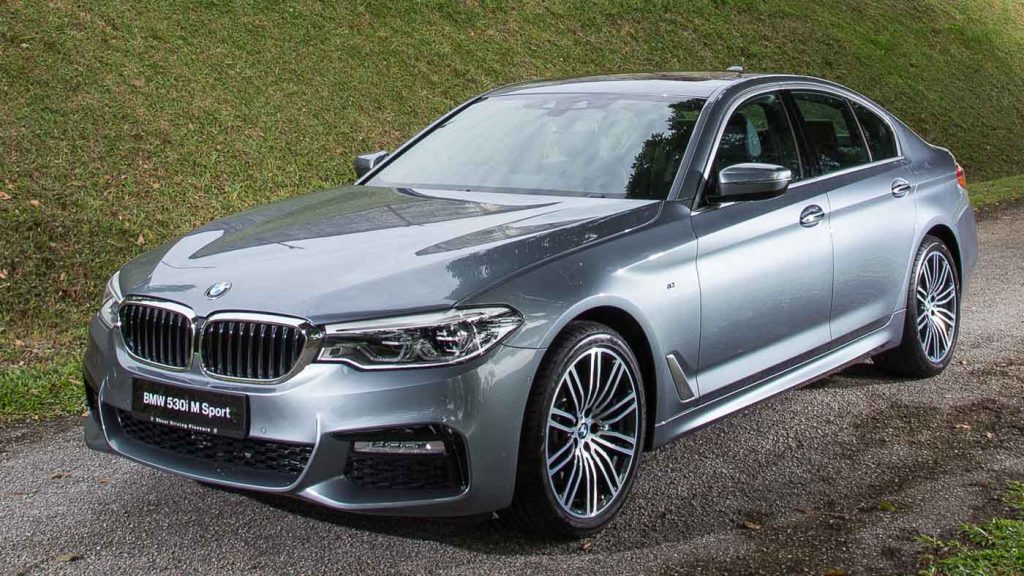
1. BMW 530i (G30)
BMW has long been an early adopter of advanced electrical systems, and the G30-generation 530i is a prime example. Every time the engine shuts off at a traffic light and restarts almost instantly, the battery experiences another deep cycling event.
Forget the limits of standard flooded batteries, which are built mostly just to start an engine. AGM technology is crafted to conquer hundreds of thousands of deep charge and discharge cycles, all while delivering rock-solid voltage to power your car’s modern electronics.
The 530i also uses Intelligent Battery Sensor (IBS) technology and an energy management system that constantly monitors battery temperature, state of charge, and battery age. The alternator does not simply charge at a fixed voltage.
Instead, it adjusts charging output based on driving conditions, electrical demand, and battery condition. BMW calibrates this charging strategy specifically for AGM battery chemistry.
Installing a standard flooded battery can create several problems. Start-stop performance may become inconsistent, charging efficiency declines, and battery life is often shortened because the charging profile is incompatible with the battery’s design.
Owners may also experience battery-related warning messages or unexpected electrical behavior as the vehicle attempts to manage a battery it was never programmed to use.
Another important service requirement is battery registration. Whenever the battery is replaced, BMW service procedures require the new battery to be registered with the vehicle using diagnostic equipment. This allows the battery management module to reset charging history and apply the proper charging strategy for the new battery.
Although AGM batteries cost more upfront, they are an essential component of the G30’s electrical architecture rather than an optional upgrade.
Specifications
- Engine: 2.0-liter Turbocharged Inline-4
- Torque: 295 lb-ft
- Horsepower: 255 hp
- Length/Width: 195.8 inches / 73.5 inches
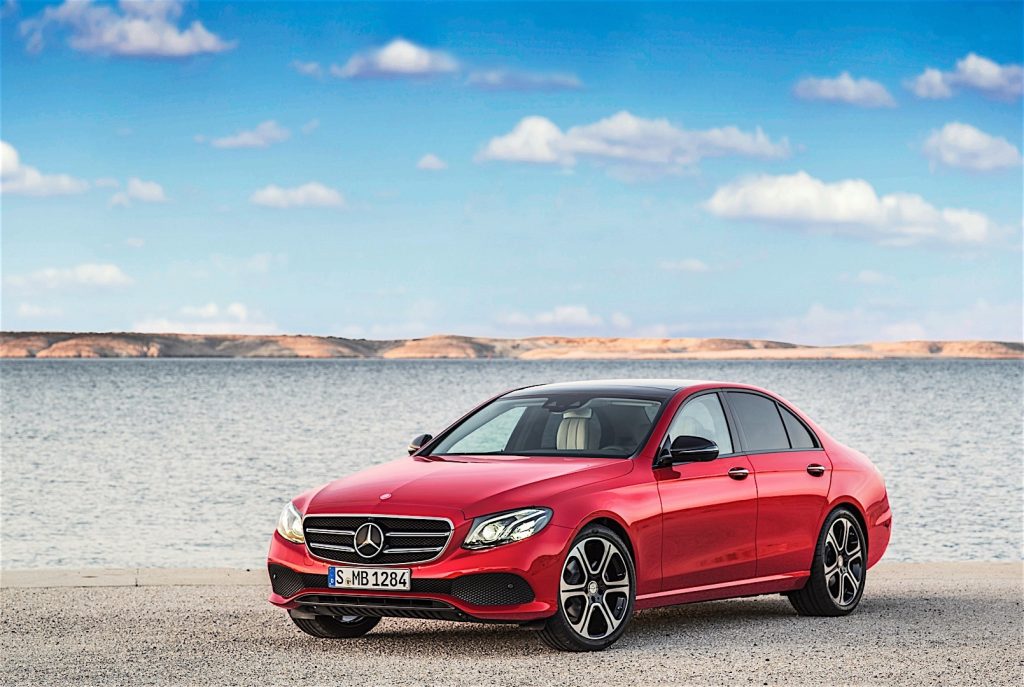
2. Mercedes-Benz E 350 (W213)
Luxury sedans place unusually high demands on their electrical systems even before the engine starts. The Mercedes-Benz E 350 combines automatic start-stop capability with dozens of electronic control modules, multiple networked computers, power accessories, advanced driver-assistance systems, and intelligent charging software.
To support this environment, Mercedes specifies an AGM battery with characteristics that differ significantly from a traditional flooded lead-acid unit. The AGM battery delivers higher resistance to repeated discharge cycles while maintaining stable voltage during engine restarts.
That stability is especially important because modern Mercedes vehicles continue powering climate control, infotainment, safety systems, lighting, and communication modules while the engine is temporarily switched off at intersections.
A conventional battery experiences much greater stress under these conditions and generally cannot provide the same service life.
Mercedes also employs a battery management system that actively controls charging voltage. The alternator communicates with vehicle electronics to optimize charging based on battery condition and operating temperature.
Installing an inexpensive flooded battery disrupts that carefully engineered charging strategy, potentially reducing battery longevity and affecting start-stop operation.
Many replacement procedures also require battery adaptation or coding so the vehicle recognizes the characteristics of the new battery. Skipping this step can prevent the charging system from operating as intended.
Owners sometimes view AGM batteries as an unnecessary expense because they appear similar to conventional batteries externally.
In reality, the internal construction is completely different. The glass mat separators securely hold the electrolyte, improve vibration resistance, support rapid charging, and tolerate substantially more cycling, making them the proper choice for the W213 E350.
Specifications
- Engine: 2.0-liter Turbocharged Inline-4
- Torque: 295 lb-ft
- Horsepower: 255 hp
- Length/Width: 194.3 inches / 73.7 inches
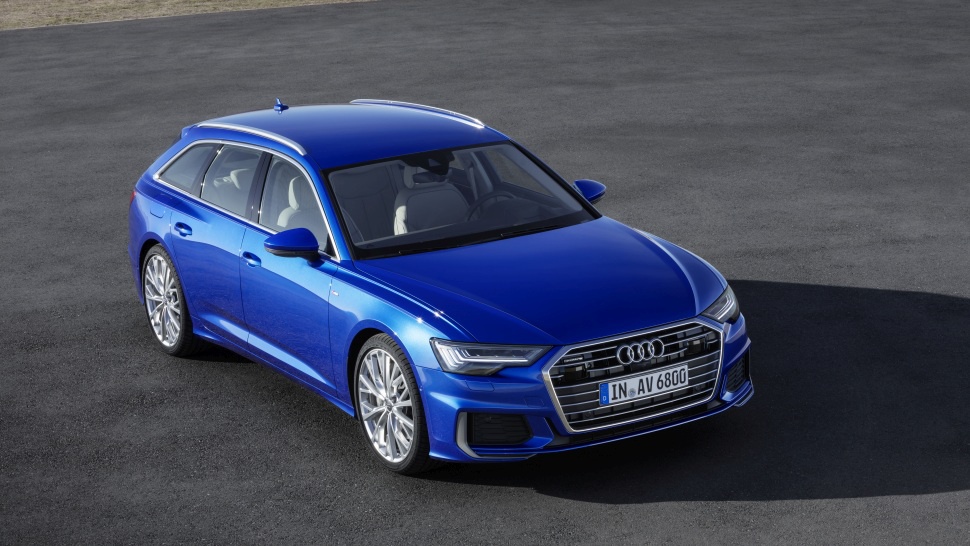
3. Audi A6 45 TFSI (C8)
Audi designed the C8-generation A6 around an advanced electrical architecture that depends on an AGM battery for reliable operation.
Even the entry-level 45 TFSI model uses automatic start-stop technology, intelligent energy management, and a network of control modules that remain active whether the engine is running or temporarily shut off.
Those systems place repeated cycling demands on the battery that a conventional flooded battery simply was not engineered to handle.
Rather than charging the battery at a constant voltage, the A6 continuously adjusts charging output through its battery management system. Sensors monitor battery temperature, state of charge, and electrical load in real time.
During deceleration, the alternator may increase charging output to improve efficiency, while during acceleration it can reduce alternator load to lessen engine drag. Audi calibrates this charging strategy specifically for AGM battery chemistry.
Replacing the factory AGM battery with a lower-cost flooded battery can create a variety of issues. The automatic start-stop function may become unavailable, charging efficiency can decline, and the battery may age prematurely because the charging profile no longer matches its internal design.
Owners can also see battery-related warning messages or reduced electrical performance during periods of high accessory usage.
Battery replacement is more involved than simply swapping parts. Audi service procedures call for battery adaptation using diagnostic equipment so the energy management system recognizes the specifications of the new battery.
Registering the replacement battery allows the charging algorithm to adjust correctly, maximizing battery life and maintaining system reliability.
Although AGM batteries carry a higher purchase price, they are an essential part of the vehicle’s electrical system. Choosing the correct replacement protects charging performance, preserves start-stop functionality, and helps avoid unnecessary electrical faults.
Specifications
- Engine: 2.0-liter Turbocharged Inline-4
- Torque: 273 lb-ft
- Horsepower: 261 hp
- Length/Width: 194.4 inches / 74.3 inches
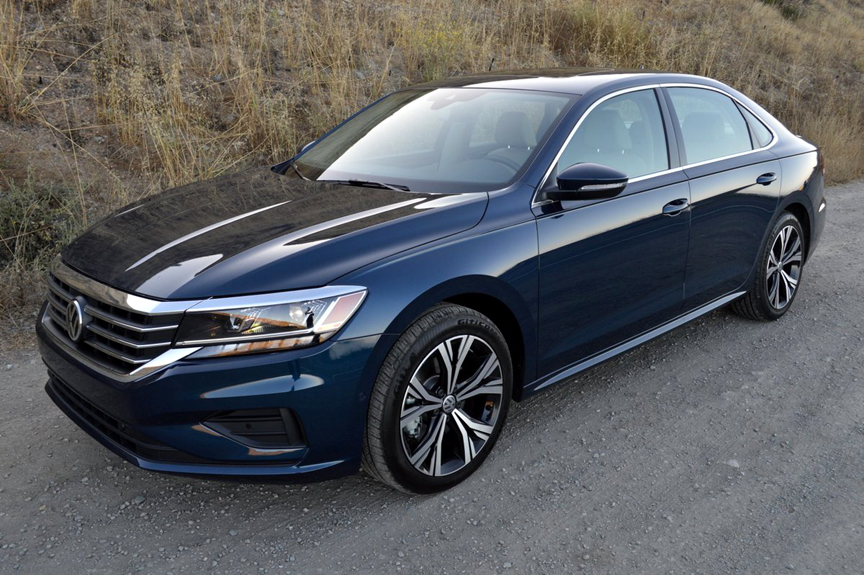
4. Volkswagen Passat 2.0T (B8)
The Volkswagen Passat may appear to be a conventional midsize sedan, but versions equipped with automatic start-stop technology rely heavily on an AGM battery to support their electrical systems.
Volkswagen engineered the charging strategy around AGM characteristics because the battery must withstand frequent engine restarts while simultaneously supplying stable voltage to safety systems, infotainment features, climate controls, and numerous electronic control modules.
Volkswagen breaks away from traditional charging methods, which rely on a near-constant alternator output, by implementing an intelligent system that dynamically adjusts voltage to match current driving conditions.
During braking or coasting, charging intensity may increase to recover energy, while under acceleration the alternator load can decrease to improve fuel efficiency. AGM batteries accept these changing charging patterns much more effectively than conventional flooded batteries.
Installing a standard lead-acid battery may seem like an easy way to lower replacement costs, but the savings are often temporary. Flooded batteries are not designed for repeated deep cycling associated with start-stop operation, causing them to wear out more quickly.
As battery performance declines, drivers may notice the start-stop feature becoming inactive, warning lights appearing on the instrument panel, or inconsistent electrical performance.
Volkswagen also recommends battery coding after replacement on many models equipped with battery management systems. This procedure updates the vehicle with information about the battery’s capacity and type, allowing the charging system to operate according to factory specifications.
Using the correct AGM battery helps maintain the charging profile Volkswagen engineered into the vehicle, reduces the likelihood of electrical faults, and provides the durability necessary for modern start-stop operation.
Specifications
- Engine: 2.0-liter Turbocharged Inline-4
- Torque: 207 lb-ft
- Horsepower: 174 hp
- Length/Width: 193.6 inches / 72.2 inches
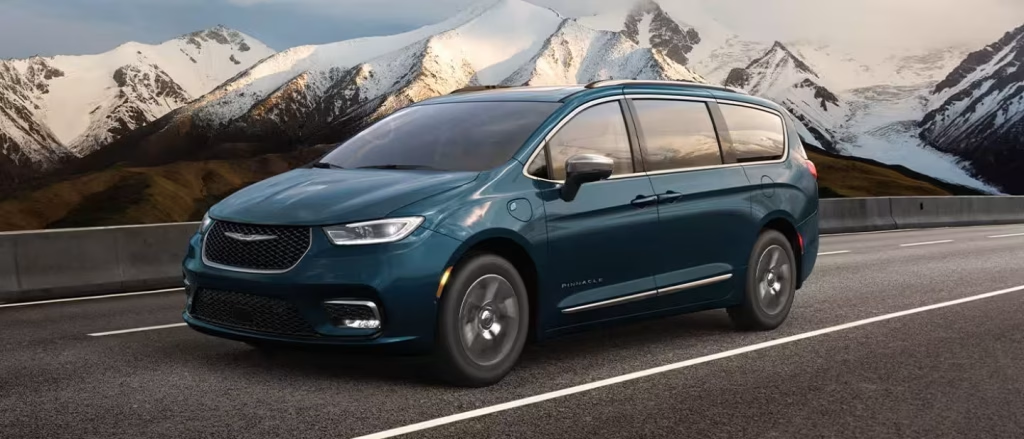
5. Chrysler Pacifica (Start-Stop Equipped)
Minivans are rarely the first vehicles people associate with sophisticated battery technology, yet the Chrysler Pacifica is one of the clearest examples of why installing the correct battery matters.
Models equipped with Engine Stop/Start (ESS) rely on an AGM battery because the system repeatedly shuts the engine off during city driving while keeping numerous electrical accessories operating.
Sliding power doors, a power liftgate, multiple USB ports, infotainment screens, climate control, and safety systems all continue drawing power when the engine is temporarily stopped.
To handle these demands, Chrysler pairs the AGM battery with a battery management system that carefully controls charging voltage.
AGM batteries accept rapid charging more efficiently than conventional flooded batteries and tolerate substantially more discharge cycles. This makes them well suited for vehicles where the starter engages dozens of times during a single commute.
Replacing the AGM battery with a cheaper flooded battery often leads to immediate consequences. The ESS system may disable itself, and owners can see a “Stop/Start Unavailable” message on the instrument cluster.
Even if the vehicle starts normally, the charging profile is no longer matched to the battery chemistry, accelerating battery wear and reducing long-term reliability.
Another consideration is that many Pacifica models use both a primary AGM battery and a smaller auxiliary battery to support the stop-start system. If either battery weakens, the ESS feature may stop functioning correctly. Technicians frequently test both batteries before recommending replacement.
Although AGM batteries cost more initially, they are engineered to work with the Pacifica’s charging strategy and high electrical demands. Choosing the correct replacement helps preserve start-stop operation, supports the vehicle’s extensive electronics, and reduces the likelihood of premature battery failure.
Specifications
- Engine: 3.6-liter Naturally Aspirated Pentastar V6
- Torque: 262 lb-ft
- Horsepower: 287 hp
- Length/Width: 204.3 inches / 79.6 inches
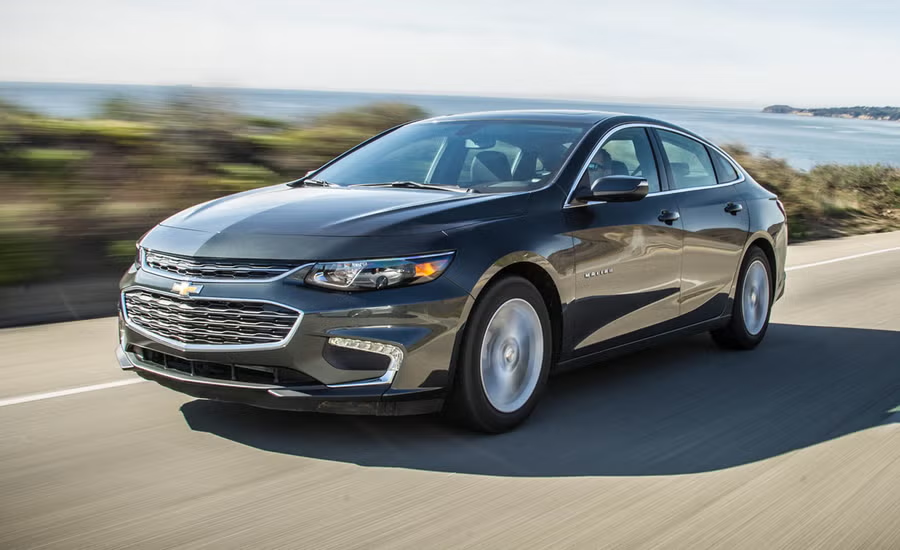
6. Chevrolet Malibu 1.5T (Start-Stop Equipped)
General Motors introduced automatic engine stop-start technology across several passenger cars to improve fuel economy, and the Chevrolet Malibu 1.5T is among the models engineered around an AGM battery.
While the system appears simple from the driver’s seat, every engine restart places significant stress on the battery. Unlike a conventional battery designed mainly for starting the engine once per trip, an AGM battery is built to withstand repeated cycling while maintaining consistent voltage for sensitive electronics.
The Malibu’s charging system continuously monitors battery condition through dedicated sensors. Charging voltage changes according to battery temperature, electrical demand, and operating conditions to maximize efficiency and battery life.
This charging strategy is specifically calibrated for AGM battery characteristics rather than traditional flooded battery chemistry.
Installing a conventional battery may allow the engine to start initially, but long-term operation can become problematic. Drivers may notice that the automatic stop-start feature rarely activates or becomes completely disabled.
Battery life may also be shortened because the charging system is delivering a profile intended for AGM construction.
Battery replacement on many late-model GM vehicles also requires a Battery Sensor Module reset through diagnostic equipment so the charging system recognizes the new battery’s condition. Skipping this procedure can reduce charging efficiency and affect battery longevity.
The additional purchase price of an AGM battery is small compared with the inconvenience of repeated battery replacements or electrical system warnings.
Using the battery type specified by General Motors helps maintain proper charging performance, dependable start-stop operation, and stable electrical power for the Malibu’s growing number of onboard electronic systems.
Specifications
- Engine: 1.5-liter Turbocharged Inline-4
- Torque: 184 lb-ft
- Horsepower: 163 hp
- Length/Width: 194.2 inches / 73.0 inches
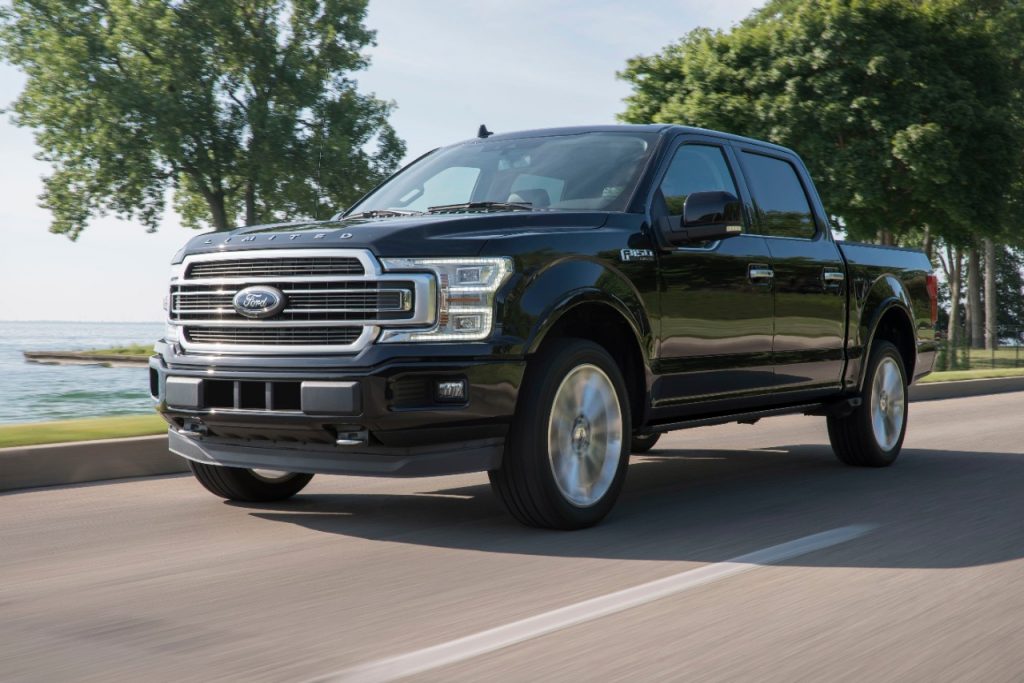
7. Ford F-150 3.5L EcoBoost (Auto Start-Stop)
The Ford F-150 has remained America’s best-selling pickup for decades, and recent generations introduced Auto Start-Stop technology to improve fuel economy. While the system appears straightforward, it significantly increases the workload placed on the battery.
Ford specifies an AGM battery on F-150 models equipped with Auto Start-Stop because the battery must support frequent engine restarts while simultaneously powering lighting, climate control, infotainment, trailer brake controllers, and numerous electronic control modules.
An AGM battery differs internally from a conventional flooded battery by using fiberglass mats that hold the electrolyte in place. This design improves vibration resistance, increases charge acceptance, and allows the battery to survive many more deep charge and discharge cycles.
Those characteristics are particularly important in a pickup truck that may spend time towing heavy trailers, idling at job sites, or operating electrical accessories with the engine temporarily shut off.
Ford’s battery management system continuously measures battery condition and adjusts alternator output to maximize efficiency. The charging profile is calibrated specifically for AGM technology.
Installing a lower-cost flooded battery may initially seem successful, but owners often report that Auto Start-Stop becomes unavailable, charging performance declines, or battery life is shortened because the battery is not designed for the charging strategy being used.
During battery replacement, Ford recommends resetting the Battery Monitoring System using an appropriate scan tool so the vehicle recognizes the installation of a new battery. This helps restore the proper charging algorithm and prevents unnecessary charging errors.
Although an AGM battery carries a higher purchase price, it is a critical component of the F-150’s electrical system rather than an optional upgrade. Using the specified battery helps maintain dependable operation and supports the truck’s extensive electrical equipment.
Specifications
- Engine: 3.5-liter Twin-Turbocharged EcoBoost V6
- Torque: 500 lb-ft
- Horsepower: 400 hp
- Length/Width: 231.7 inches / 79.9 inches
8. Honda Accord Hybrid
The Honda Accord Hybrid concludes this list because its electrical system places demands on the 12-volt battery that differ from those of a conventional gasoline-powered sedan.
Although the high-voltage hybrid battery propels the vehicle, the 12-volt AGM battery remains responsible for powering control modules, vehicle computers, lighting, infotainment, security systems, and initiating the startup sequence that brings the hybrid system online.
Stable voltage is essential because dozens of electronic modules communicate before the gasoline engine even starts.
Honda specifies an AGM battery because it provides greater cycle durability and faster charge acceptance than a traditional flooded battery. During normal driving, the hybrid system carefully manages charging to maximize efficiency while maintaining battery health.
This charging strategy is designed around AGM characteristics, allowing the battery to recover quickly after repeated electrical loads.
Installing a standard flooded battery may reduce replacement costs initially, but it can create charging mismatches that shorten battery life.
Drivers may encounter warning messages, inconsistent accessory operation, or reduced battery longevity because the charging profile no longer aligns with the battery’s construction. In some cases, diagnostic trouble codes related to battery performance may also appear.
Another advantage of AGM technology is improved resistance to vibration and lower internal resistance, allowing it to deliver consistent voltage even when numerous electronic systems operate simultaneously. That reliability becomes increasingly important as modern vehicles add more driver-assistance features and connected technologies.
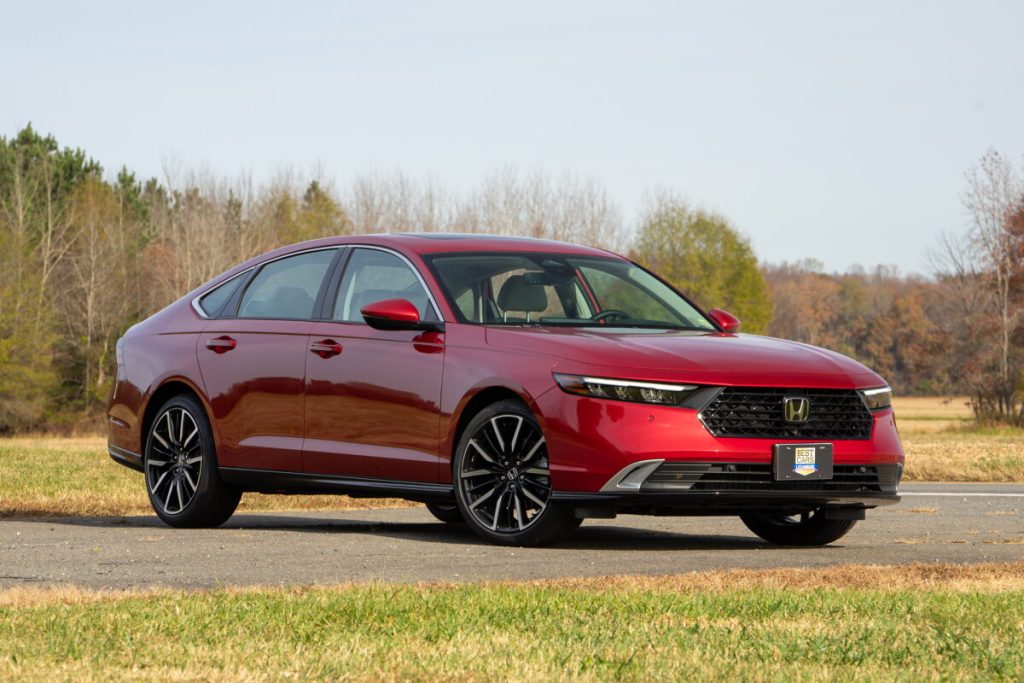
For Accord Hybrid owners, following Honda’s battery specification is the most cost-effective long-term decision. An AGM battery supports the vehicle’s charging strategy, preserves dependable electrical performance, and helps avoid unnecessary diagnostic issues that can result from installing an incorrect replacement battery.
Specifications
- Engine: 2.0-liter Naturally Aspirated Inline-4 Hybrid
- Torque: 247 lb-ft (combined system)
- Horsepower: 204 hp (combined system)
- Length/Width: 195.7 inches / 73.3 inches
9. Volvo XC90 B6 Mild Hybrid
The Volvo XC90 B6 demonstrates how modern mild-hybrid technology has increased the importance of using the correct 12-volt battery.
Although the SUV includes a 48-volt mild-hybrid system for improved efficiency, the conventional 12-volt electrical system still powers dozens of control modules, lighting, infotainment, power accessories, and safety features.
Volvo specifies an AGM battery because it is capable of handling the repeated charging and discharge cycles created by the vehicle’s advanced electrical architecture.
The XC90’s battery management system constantly monitors battery voltage, temperature, and state of charge. Rather than maintaining a fixed charging voltage, the system adjusts alternator output according to operating conditions to maximize battery life and fuel efficiency.
This charging strategy is specifically engineered for AGM chemistry. Installing a standard flooded battery can interfere with that strategy, causing reduced battery life and inconsistent charging performance.
The automatic start-stop system is another reason an AGM battery is essential. During urban driving, the engine may stop and restart dozens of times, requiring the battery to deliver high current repeatedly while continuing to supply power to climate control, navigation, adaptive cruise control, and other electronic systems.
AGM batteries are built for this demanding cycle life, while conventional batteries deteriorate much faster under the same conditions.
Battery replacement on late-model Volvos often requires registering or adapting the new battery through factory-level diagnostic software so the battery management system can recognize its capacity and age. Skipping this step may prevent the charging system from operating at peak efficiency.

For XC90 owners, selecting the factory-specified AGM battery protects the charging system, preserves start-stop functionality, and supports the SUV’s extensive collection of electronic safety technologies that have become a hallmark of the Volvo brand.
Specifications
- Engine: 2.0-liter Turbocharged and Supercharged Inline-4 Mild Hybrid
- Torque: 295 lb-ft
- Horsepower: 295 hp
- Length/Width: 195.0 inches / 79.1 inches
10. Jeep Grand Cherokee (WL 2.0L 4xe Plug-in Hybrid)
The Jeep Grand Cherokee 4xe illustrates why modern electrified vehicles cannot simply accept the least expensive replacement battery available at a parts store.
Although propulsion comes primarily from its plug-in hybrid system, the vehicle still depends on a 12-volt AGM battery to power electronic control units, lighting, security systems, infotainment, and the startup sequence that initializes the hybrid drivetrain. Jeep engineered the charging profile specifically around AGM battery characteristics.
Moving far beyond the static charging routines of traditional SUVs, the Grand Cherokee 4xe relies on active onboard intelligence. Its dynamic battery management system continuously tracks real-time battery conditions, fine-tuning the charging voltage on the fly to ensure maximum power efficiency and longevity.
AGM batteries respond efficiently to these changing charging patterns while offering significantly greater resistance to repeated cycling than conventional flooded batteries.
Installing a cheaper flooded battery may initially allow the vehicle to operate, but long-term issues can develop. Owners may experience disabled start-stop functionality, charging system warnings, or battery-related diagnostic trouble codes because the battery management system detects performance outside its expected operating range.
The incorrect battery may also wear out considerably faster due to the frequent cycling associated with hybrid operation.
During replacement, many repair procedures require battery registration or system initialization so the vehicle recognizes the specifications of the newly installed battery. This ensures the charging algorithm functions correctly and helps maximize battery service life.

The additional investment in an AGM battery is small compared with the cost of diagnosing charging system faults or replacing an improperly matched battery prematurely. Following Jeep’s factory battery specification helps maintain reliable electrical performance and supports the complex electronics integrated into the Grand Cherokee 4xe.
Specifications
- Engine: 2.0-liter Turbocharged Plug-in Hybrid Inline-4
- Torque: 470 lb-ft (combined system)
- Horsepower: 375 hp (combined system)
- Length/Width: 193.5 inches / 77.5 inches
Also Read: 10 Used SUV Listings That Signal a Flood Car
