
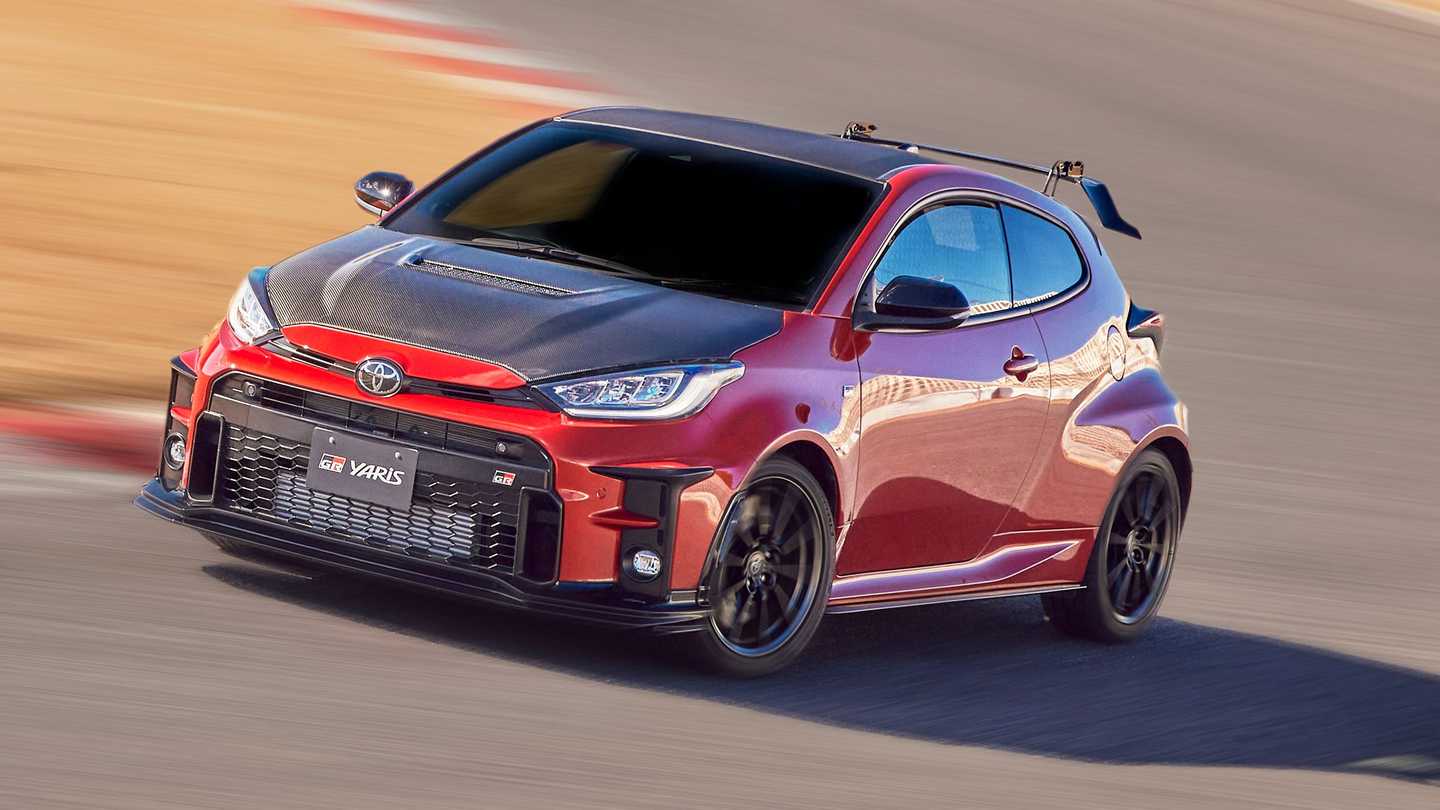
The United States has one of the strictest vehicle import systems in the world. Under federal law, most foreign-market vehicles that were never certified to meet U.S. safety and emissions standards cannot be permanently imported until they are at least 25 years old.
This regulation, commonly known as the 25-year import rule, is enforced by the National Highway Traffic Safety Administration, while the Environmental Protection Agency oversees emissions compliance.
As a result, many highly desirable performance cars remain out of reach for American enthusiasts. Here are ten vehicles that, as of 2026, still cannot be legally imported for normal road use in the United States.
Also Read: 10 SUVs Moving to a New Platform for 2027
1. Nissan Skyline GT-R R35 NISMO (2024)
For decades, the Skyline GT-R name has represented Japanese performance engineering at its finest, and the latest GT-R NISMO continues that legacy.
Although the standard Nissan GT-R has been sold in the United States, the Japanese-market 2024 GT-R NISMO specification was never certified for the U.S. market in its domestic configuration. Because of that, enthusiasts cannot simply purchase one in Japan and import it for permanent road use in America.
The obstacle is not the vehicle’s quality or reliability. Instead, it comes down to federal certification. Every passenger vehicle permanently imported into the United States must comply with Federal Motor Vehicle Safety Standards and Environmental Protection Agency emissions requirements unless it qualifies for an exemption.
The most common exemption is the 25-year rule, which allows vehicles at least 25 years old to bypass many of those certification requirements. A 2024 GT-R NISMO is decades away from reaching that milestone.
Importing one prematurely can lead to serious consequences. U.S. Customs and Border Protection has the authority to deny entry, seize the vehicle, or require it to be exported. Even if the car arrives in the country, registering it for normal highway use is not possible without satisfying the applicable federal regulations.
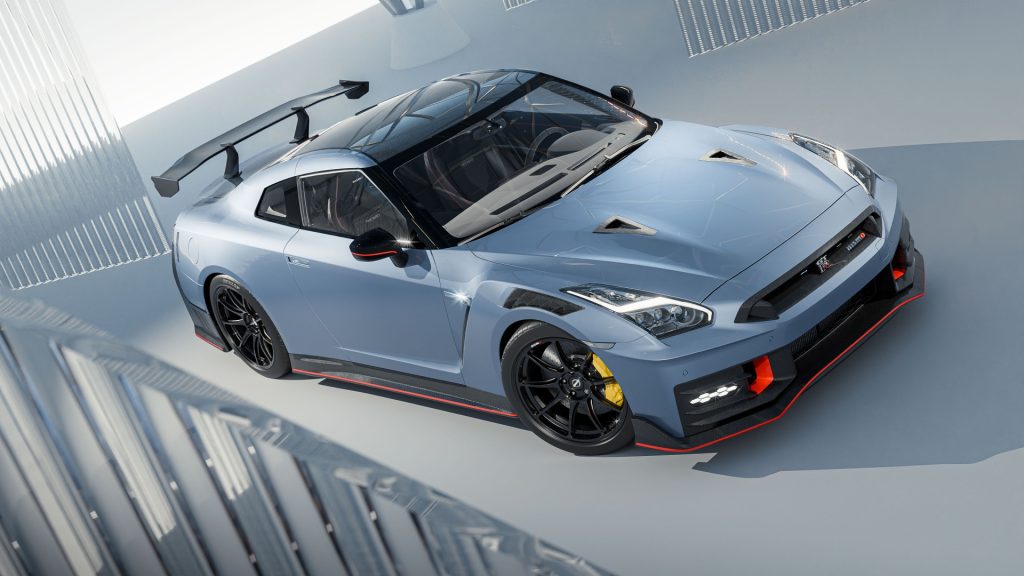
The GT-R NISMO remains highly sought after because of its track-focused suspension, aerodynamic upgrades, lightweight construction, and enhanced engine tuning.
Those qualities have made it one of Japan’s flagship performance cars, but American collectors must either purchase the officially sold U.S. GT-R variants from previous years or patiently wait until the import exemption eventually applies.
Specifications
- Engine: 3.8-liter twin-turbocharged V6
- Torque: 481 lb-ft
- Horsepower: 600 hp
- Length/Width: 185.4 inches / 74.6 inches
2. Toyota GR Yaris (2025)
Few modern hot hatches have generated as much excitement as the Toyota GR Yaris. Developed with significant input from Toyota’s Gazoo Racing division, the compact performance car was engineered primarily to satisfy World Rally Championship homologation requirements.
Despite strong demand from American enthusiasts, Toyota never certified the GR Yaris for sale in the United States, making direct importation impossible under normal circumstances.
The reason has nothing to do with performance. The GR Yaris features a sophisticated all-wheel-drive system, a lightweight three-door body, and one of the most powerful production three-cylinder engines ever built.
However, because it lacks U.S. certification for safety and emissions compliance, it cannot receive permanent road registration through the normal import process.
Many buyers mistakenly believe purchasing a foreign vehicle overseas automatically allows ownership in America. In reality, the National Highway Traffic Safety Administration requires imported vehicles to comply with Federal Motor Vehicle Safety Standards unless an exemption applies.
The 25-year exemption does not apply to the 2025 GR Yaris because it is a current-generation vehicle.
Toyota instead introduced the GR Corolla to the U.S. market, giving American buyers access to a related performance platform that fully complies with domestic regulations.
While the GR Corolla shares the same turbocharged three-cylinder engine family and all-wheel-drive philosophy, the GR Yaris remains a separate model unavailable through official U.S. dealerships.
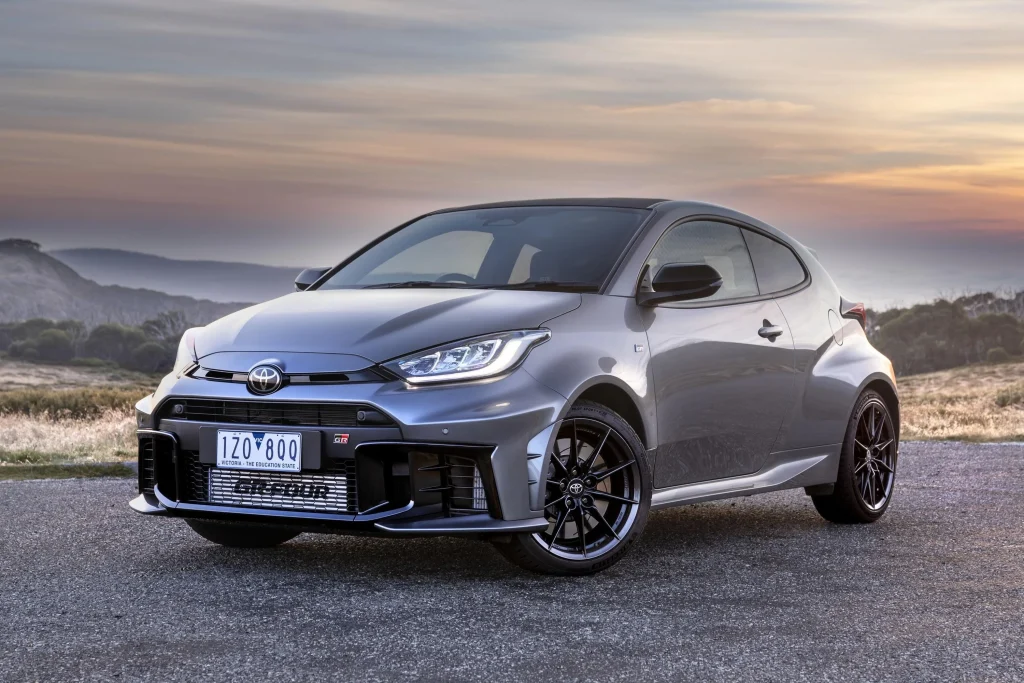
Collectors frequently place the GR Yaris on their future import wish lists because of its rally heritage and limited production. Until the vehicle reaches 25 years of age or federal regulations change, however, it remains unavailable for permanent legal import into the United States.
Specifications
- Engine: 1.6-liter turbocharged inline-three
- Torque: 295 lb-ft
- Horsepower: 296 hp
- Length/Width: 157.3 inches / 70.5 inches
3. Honda Civic Type R Ultimate Edition (2025 European Specification)
The Honda Civic Type R is familiar to American enthusiasts because Honda officially sells the FL5 Type R in the United States. However, certain overseas special editions and market-specific versions are a different story.
One example is the European-market 2025 Civic Type R Ultimate Edition, produced as a farewell model for Europe with unique trim, limited production, and regional certification. Since this specific version was never certified for the U.S. market, it cannot simply be imported and registered for permanent road use.
Many enthusiasts assume that if a similar model is already sold in America, importing a foreign-market version is straightforward. Federal regulations do not work that way. Each vehicle configuration must comply with U.S. safety and emissions requirements.
Differences involving lighting systems, onboard diagnostics, emissions calibration, or crash certification can prevent direct importation, even when the cars appear nearly identical.
The 25-year import rule exists precisely for situations like this. Once the vehicle reaches 25 years of age, many federal certification requirements no longer apply, allowing collectors to legally import historically significant models that were never offered domestically.
Until then, American buyers interested in the Civic Type R must purchase officially imported U.S.-spec models through Honda dealerships or the used market. Those vehicles already comply with every applicable federal regulation and can be registered without issue.
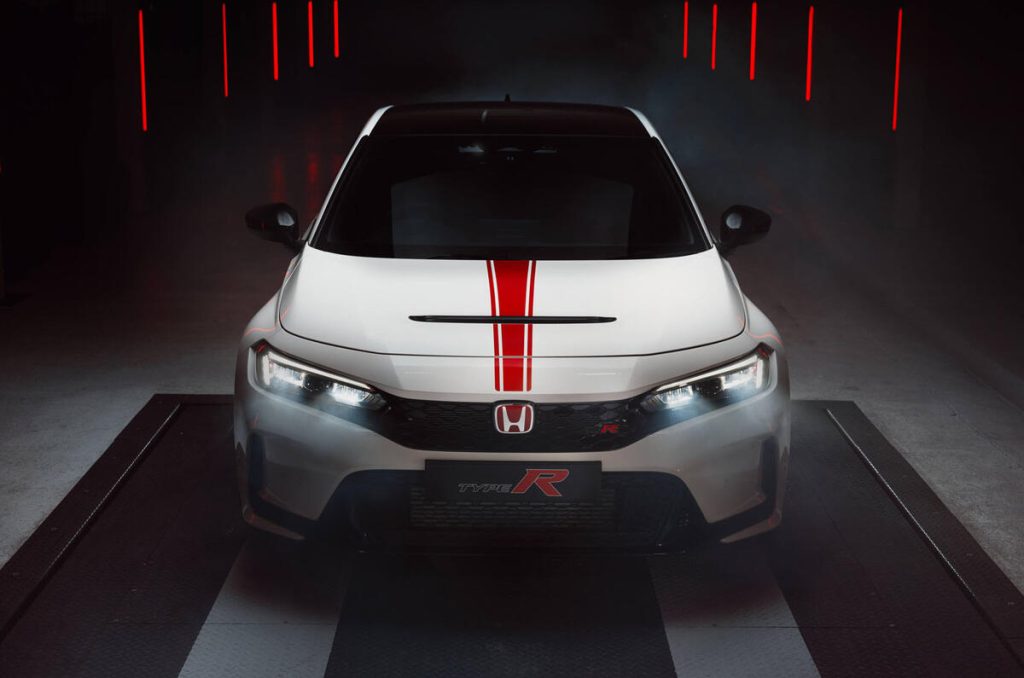
Limited-production versions such as the Ultimate Edition continue attracting collector interest because of their rarity, exclusive equipment, and historical significance.
Their scarcity makes them highly desirable internationally, but for American enthusiasts, patience remains the only legal path to ownership under current federal import laws.
Specifications
- Engine: 2.0-liter turbocharged inline-four
- Torque: 310 lb-ft
- Horsepower: 324 hp
- Length/Width: 180.9 inches / 74.4 inches
4. BMW M3 CS Touring (G81)
BMW enthusiasts have long wanted an M3 wagon in America, yet the G81 M3 CS Touring remains unavailable for permanent import. Sold in selected international markets, this high-performance wagon combines the practicality of a long-roof body with the performance expected from BMW’s M division.
Unfortunately for American buyers, BMW never certified the model for U.S. sale, placing it under the same import restrictions as many other foreign-market performance vehicles.
The issue is not whether the vehicle is safe or capable. Instead, federal law requires imported passenger vehicles to meet applicable Federal Motor Vehicle Safety Standards and emissions regulations unless they qualify for a statutory exemption. Since the G81 M3 CS Touring is a current-generation model, it does not qualify under the 25-year exemption.
American drivers can purchase the M3 sedan because BMW officially imports and certifies it for the U.S. market. The touring version, however, follows a different certification path intended for Europe and other global markets. That distinction alone prevents private importation for standard highway use.
Performance enthusiasts continue requesting high-performance wagons because they offer sports car acceleration with SUV-like cargo capacity. The M3 CS Touring delivers exactly that combination through upgraded suspension, extensive carbon-fiber components, and a twin-turbocharged inline-six engine producing impressive performance figures.
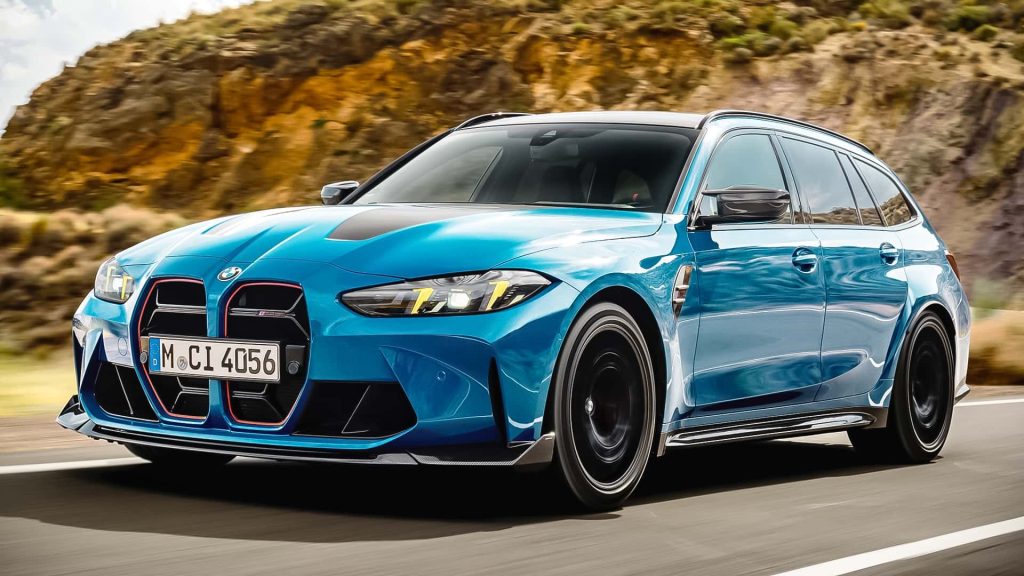
Until the vehicle becomes eligible under the 25-year rule or BMW decides to certify a future wagon for American sale, enthusiasts will have to admire it from overseas markets. For now, it remains one of the most desirable performance wagons unavailable to U.S. collectors.
Specifications
- Engine: 3.0-liter twin-turbocharged inline-six
- Torque: 479 lb-ft
- Horsepower: 543 hp
- Length/Width: 189.1 inches / 74.9 inches
5. Audi RS 4 Avant Competition Plus (2025)
American enthusiasts have repeatedly asked Audi to bring the RS 4 Avant to the United States, but the company has instead focused on the larger RS 6 Avant. As a result, the 2025 Audi RS 4 Avant Competition Plus remains unavailable for permanent import because it was never certified to meet U.S. safety and emissions requirements.
Its absence from American showrooms has only increased demand. The RS 4 Avant blends everyday practicality with genuine sports car performance, featuring upgraded suspension, sharper steering calibration, and enhanced aerodynamics compared with the standard RS 4.
Buyers in Europe can enjoy this combination immediately, while American collectors must wait decades before the 25-year exemption becomes available.
Some enthusiasts mistakenly believe purchasing the vehicle overseas and shipping it to the United States is enough. Federal law says otherwise.
Unless the vehicle qualifies under a specific exemption, including the 25-year rule, it cannot be permanently imported for normal road use. U.S. Customs and Border Protection may refuse entry or require export if the vehicle does not meet federal requirements.
Audi already sells several high-performance RS models in America, demonstrating that the company can certify vehicles when it chooses to do so. However, certification is completed model by model, and the RS 4 Avant Competition Plus has never gone through that process for the U.S. market.
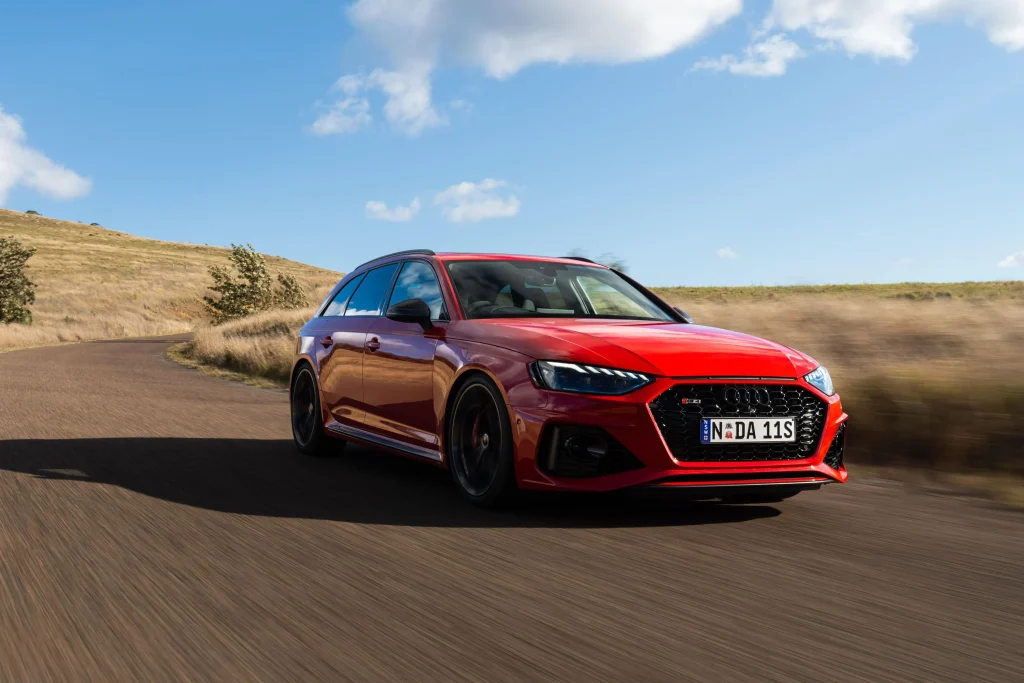
Its combination of luxury, practicality, and high output continues to make it one of Europe’s most desirable performance wagons. For American buyers, though, ownership remains out of reach until federal import laws allow the model to enter legally under the age exemption.
Specifications
- Engine: 2.9-liter twin-turbocharged V6
- Torque: 443 lb-ft
- Horsepower: 464 hp
- Length/Width: 188.2 inches / 73.0 inches
6. Hyundai i30 N Facelift (2025)
The Hyundai i30 N helped establish Hyundai’s N performance division as a serious competitor in the hot hatch segment, but American buyers never received the model.
Instead, Hyundai developed the Elantra N and Veloster N for the U.S. market. Because the European-market 2025 i30 N was never certified for sale in America, it remains ineligible for permanent import under current federal regulations.
Despite sharing engineering philosophy with other N models, the i30 N is considered a separate vehicle from a regulatory perspective. Federal certification applies to each specific model intended for American sale.
Since Hyundai never completed that certification process for the i30 N, importing one for permanent highway use is prohibited until the vehicle reaches 25 years of age.
The i30 N has earned praise internationally for its engaging handling, responsive turbocharged engine, and practical hatchback design. It appeals to enthusiasts who want performance without sacrificing everyday usability. Those qualities explain why American enthusiasts frequently ask Hyundai to bring the model stateside.
Import laws, however, are based on compliance rather than popularity. Without meeting Federal Motor Vehicle Safety Standards and Environmental Protection Agency requirements, the vehicle cannot receive standard road registration in the United States.
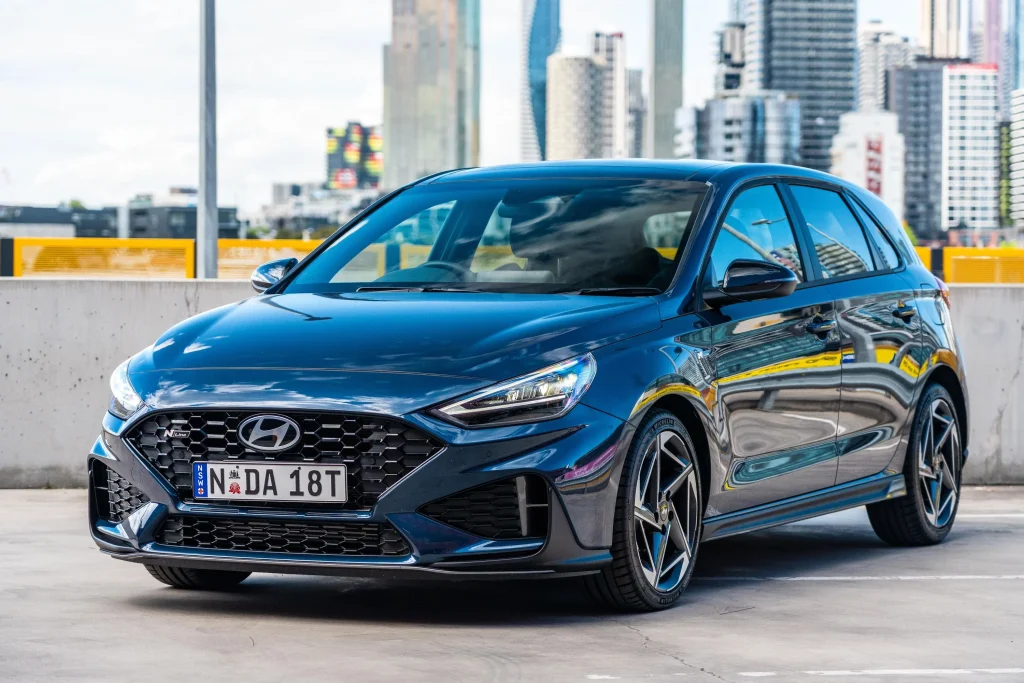
For drivers wanting a similar experience, Hyundai’s officially imported Elantra N delivers many of the same performance characteristics while fully complying with American regulations. The i30 N remains a compelling alternative abroad, but legal ownership in the United States must wait until the 25-year exemption eventually applies.
Specifications
- Engine: 2.0-liter turbocharged inline-four
- Torque: 289 lb-ft
- Horsepower: 276 hp
- Length/Width: 172.4 inches / 70.9 inches
7. Lexus LBX Morizo RR (2025)
Toyota’s Gazoo Racing division surprised enthusiasts by creating the Lexus LBX Morizo RR, a compact luxury crossover powered by the same turbocharged three-cylinder engine found in the GR Corolla.
Although it delivers genuine performance in a small premium package, the model was developed primarily for select international markets and was never certified for sale in the United States. That means Americans cannot legally import one for permanent road use until it qualifies under the 25-year exemption.
The appeal of the LBX Morizo RR comes from its unusual combination of luxury and rally-inspired engineering.
It features a sophisticated all-wheel-drive system, performance-tuned suspension, and upgraded brakes while maintaining the comfort expected from a Lexus. It occupies a niche that currently does not exist in the American Lexus lineup.
Import regulations focus on compliance rather than brand recognition. Even though Lexus already sells numerous vehicles in the United States, every individual model must meet applicable Federal Motor Vehicle Safety Standards and EPA emissions requirements before it can be permanently imported.
Since the LBX Morizo RR never completed that certification process for the U.S. market, private buyers cannot simply purchase one overseas and register it at home.
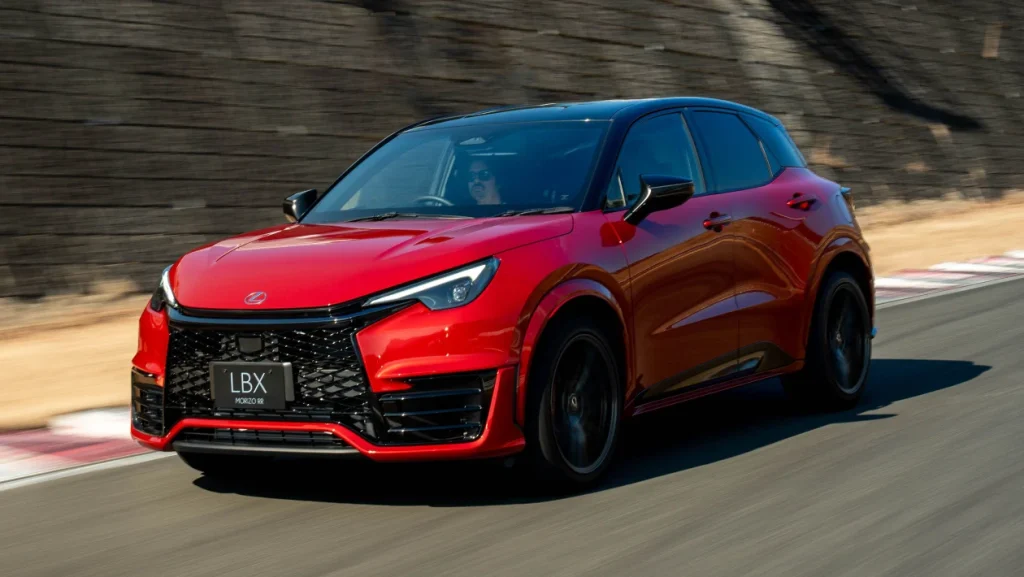
Collectors already view the model as a future import favorite because of its limited production and unique engineering. Until it reaches 25 years of age, however, American enthusiasts will have to admire it from afar or experience it while traveling overseas.
Specifications
- Engine: 1.6-liter turbocharged inline-three
- Torque: 295 lb-ft
- Horsepower: 300 hp
- Length/Width: 165.4 inches / 72.4 inches
8. Alpine A110 R (2025)
The Alpine A110 R represents one of Europe’s purest modern sports cars. Built with an emphasis on lightweight construction rather than outright horsepower, it delivers an engaging driving experience that has drawn praise from automotive journalists worldwide.
Unfortunately, Alpine has never officially entered the American passenger car market, leaving the A110 R unavailable for permanent import under current federal rules.
Its lightweight aluminum chassis, carbon-fiber components, and mid-engine layout distinguish it from many modern sports cars that rely primarily on engine output. Instead of overwhelming power, the A110 R emphasizes agility, balance, and driver involvement.
American enthusiasts occasionally assume specialty sports cars can be imported through private channels without difficulty. Federal law says otherwise. Unless the manufacturer certifies the vehicle for U.S. sale or the car qualifies for a statutory exemption such as the 25-year rule, it cannot be permanently imported for normal highway use.
The Alpine name carries significant motorsport history, particularly in rally racing and endurance competition. That heritage has helped the A110 R become one of Europe’s most respected driver’s cars despite relatively limited production.
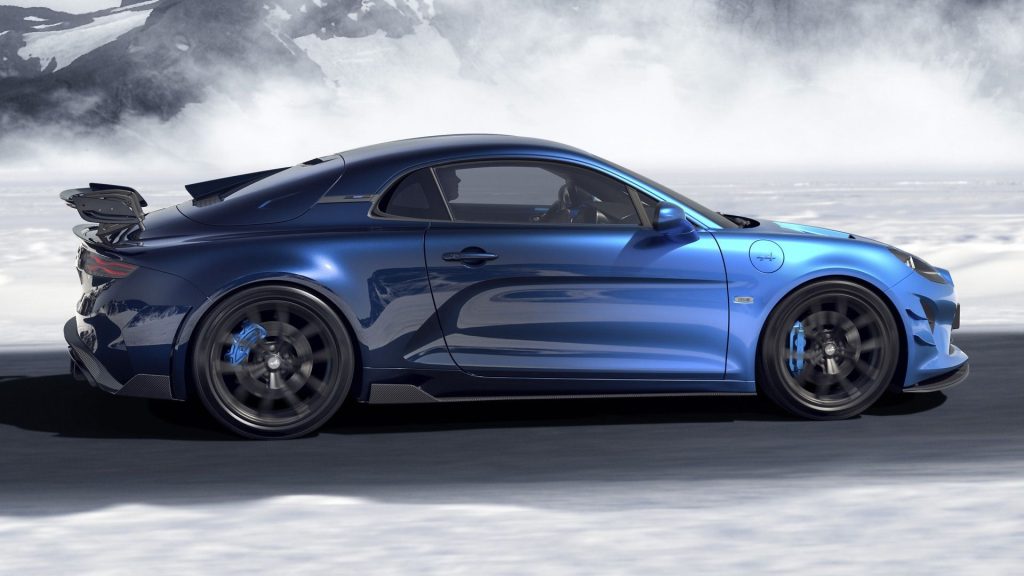
For now, Americans interested in owning one must wait patiently for the import exemption to become available decades from now. Until then, the A110 R remains another outstanding performance car that cannot legally join American roads through ordinary import procedures.
Specifications
- Engine: 1.8-liter turbocharged inline-four
- Torque: 251 lb-ft
- Horsepower: 300 hp
- Length/Width: 165.0 inches / 70.1 inches
9. Volkswagen Golf R Variant (2025)
Volkswagen offers the Golf R hatchback in the United States, but the high-performance Golf R Variant wagon remains exclusive to overseas markets.
For enthusiasts who appreciate the practicality of a wagon combined with impressive performance, that makes the Variant one of the most desirable forbidden imports still unavailable under the 25-year rule.
The Golf R Variant delivers the same all-wheel-drive capability and turbocharged performance that made the hatchback popular, while adding significantly more cargo space. Families and enthusiasts alike have praised its versatility, making it one of Europe’s benchmark performance wagons.
Despite sharing much of its engineering with the U.S.-market Golf R hatchback, the Variant is treated as a separate model for certification purposes. Since Volkswagen never certified the wagon for American sale, it cannot be permanently imported for road use under current federal regulations.
Importing the vehicle before it qualifies for an exemption exposes buyers to serious legal and financial risks, including refusal of entry or seizure by federal authorities. The 25-year rule remains the primary legal pathway for future ownership.
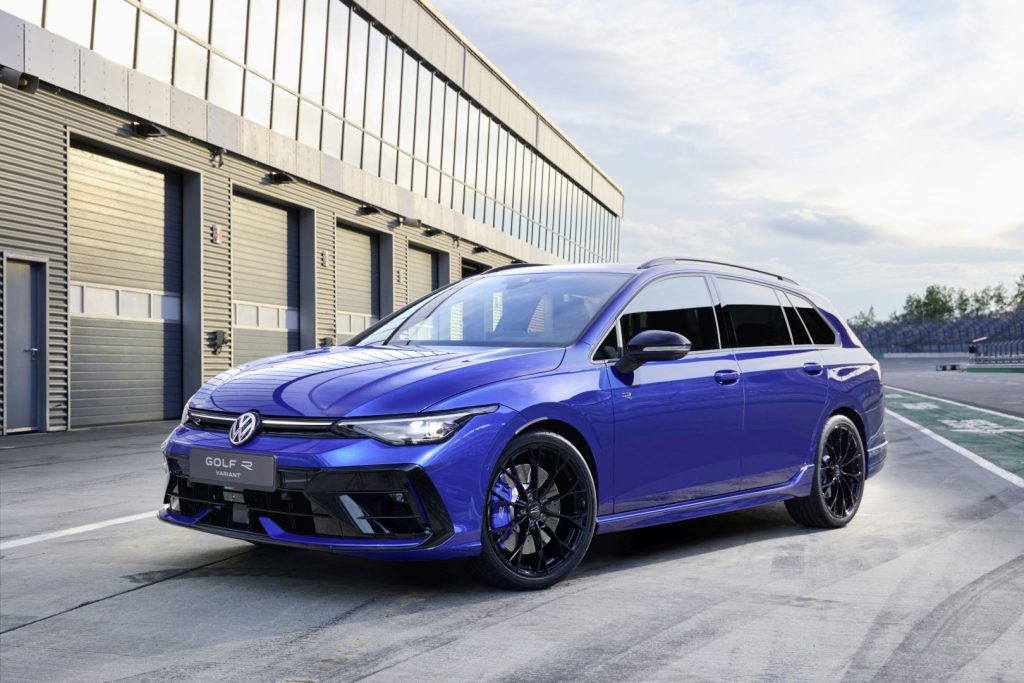
Until then, the officially imported Golf R hatchback remains the closest alternative available to American buyers. While both vehicles share exceptional performance credentials, the unique body style of the Variant continues to make it a highly anticipated future collectible among U.S. enthusiasts.
Specifications
- Engine: 2.0-liter turbocharged inline-four
- Torque: 310 lb-ft
- Horsepower: 328 hp
- Length/Width: 182.9 inches / 70.4 inches
10. BMW Alpina B3 Touring (2025)
The final vehicle on this list is the BMW Alpina B3 Touring, a luxury performance wagon that blends understated styling with remarkable speed.
Alpina has earned a reputation for transforming BMW models into refined grand touring machines, but the B3 Touring has never been certified for the American market. As a result, it remains unavailable for permanent legal import until the 25-year exemption applies.
Unlike many high-performance vehicles that emphasize aggressive styling, the B3 Touring takes a more subtle approach. Its upgraded engine, revised suspension, and handcrafted interior create a unique driving experience that appeals to enthusiasts seeking both luxury and performance.
Certification remains the deciding factor. Although BMW sells many vehicles in the United States, Alpina-specific models intended for overseas markets follow different certification pathways. Without compliance with U.S. safety and emissions standards, the B3 Touring cannot receive permanent registration under current law.
Collectors already recognize the B3 Touring as a future classic because of its limited production, exceptional engineering, and practicality. High-performance wagons have become increasingly rare, making exclusive models like this even more desirable among enthusiasts.
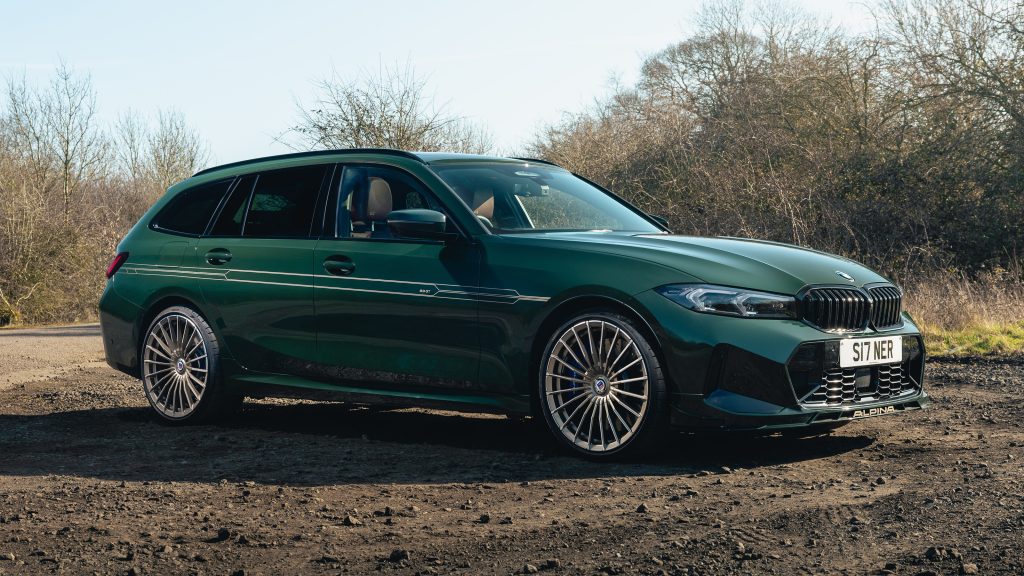
For American buyers, the waiting period may be long, but it is the only legal route. Once the vehicle becomes at least 25 years old, importation becomes substantially easier under federal regulations, allowing future collectors to finally enjoy one on U.S. roads.
Specifications
- Engine: 3.0-liter twin-turbocharged inline-six
- Torque: 538 lb-ft
- Horsepower: 495 hp
- Length/Width: 185.9 inches / 71.9 inches
Also Read: 10 Trucks That Shed $15,000 in Their First Two Years
