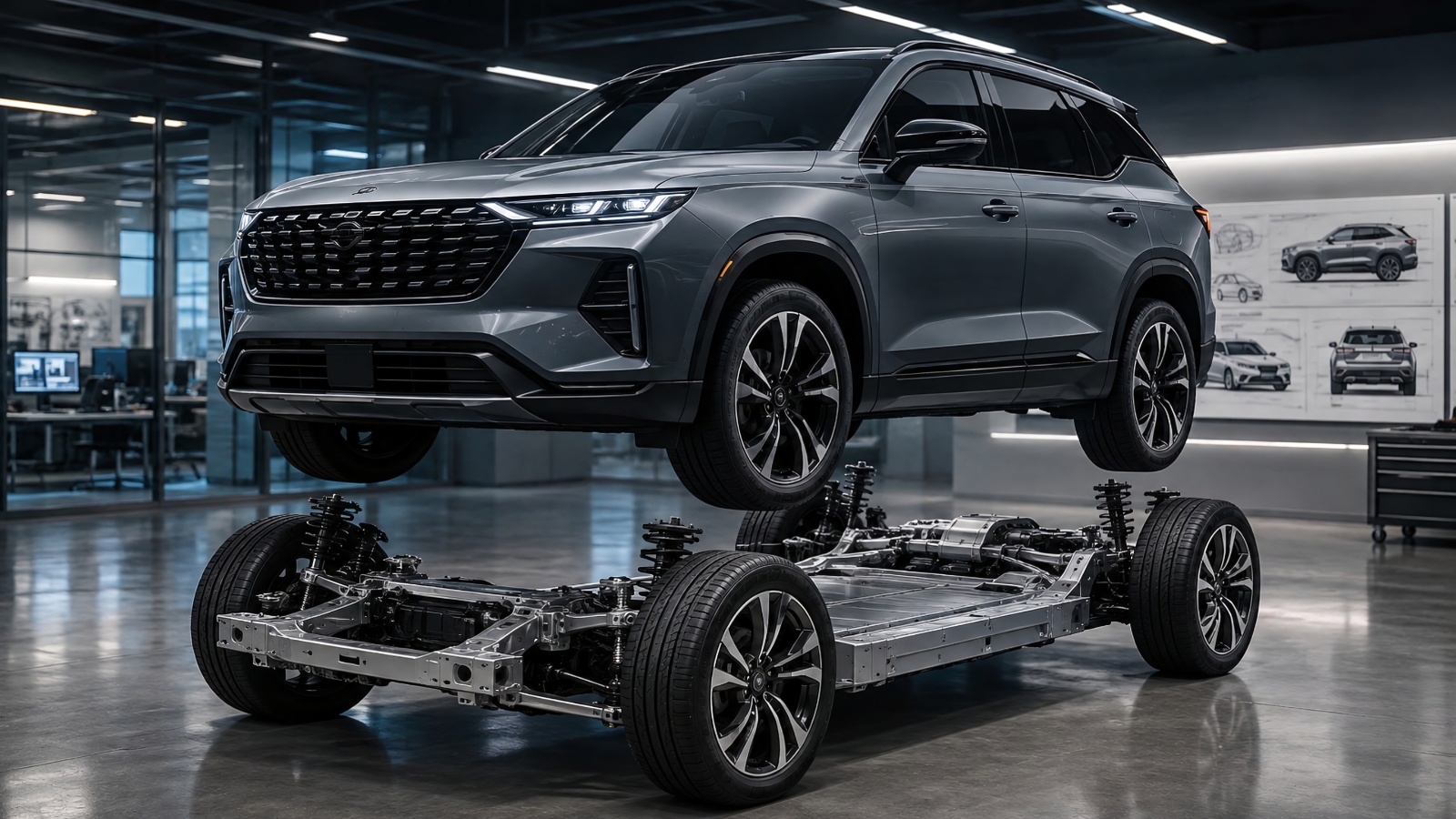
A platform change is the deepest kind of SUV redesign. It can alter wheelbase, cabin space, suspension geometry, electrical systems, powertrain choices, crash structure, and even how software is updated. For 2027, several familiar SUVs are leaving older architectures for newer modular platforms designed around electrification, faster computing, improved packaging, or more flexible manufacturing.
This global list uses “2027” to cover both 2027 model-year vehicles and redesigns scheduled to enter showrooms during calendar year 2027. It excludes ordinary facelifts and powertrain-only updates.
Some architectures are clean-sheet designs, while others are formally named next-generation evolutions, such as MQB Evo or a modified TNGA-K. Availability differs by country, and unannounced prices or specifications remain subject to change before local production and certification.
1. Audi Q7 – Premium Platform Combustion
The third-generation Audi Q7 moves from the Volkswagen Group’s MLB Evo architecture to Audi’s newer Premium Platform Combustion, usually shortened to PPC. That is a meaningful structural transition rather than a normal styling refresh.
PPC was developed for Audi’s latest combustion-powered and plug-in-hybrid models, allowing the Q7 to share newer electronic, suspension, powertrain, and software systems with vehicles such as the latest Q5, A5, and A6. The new architecture also allows Audi to retain conventional engines while making greater use of electrification and integrated vehicle software.
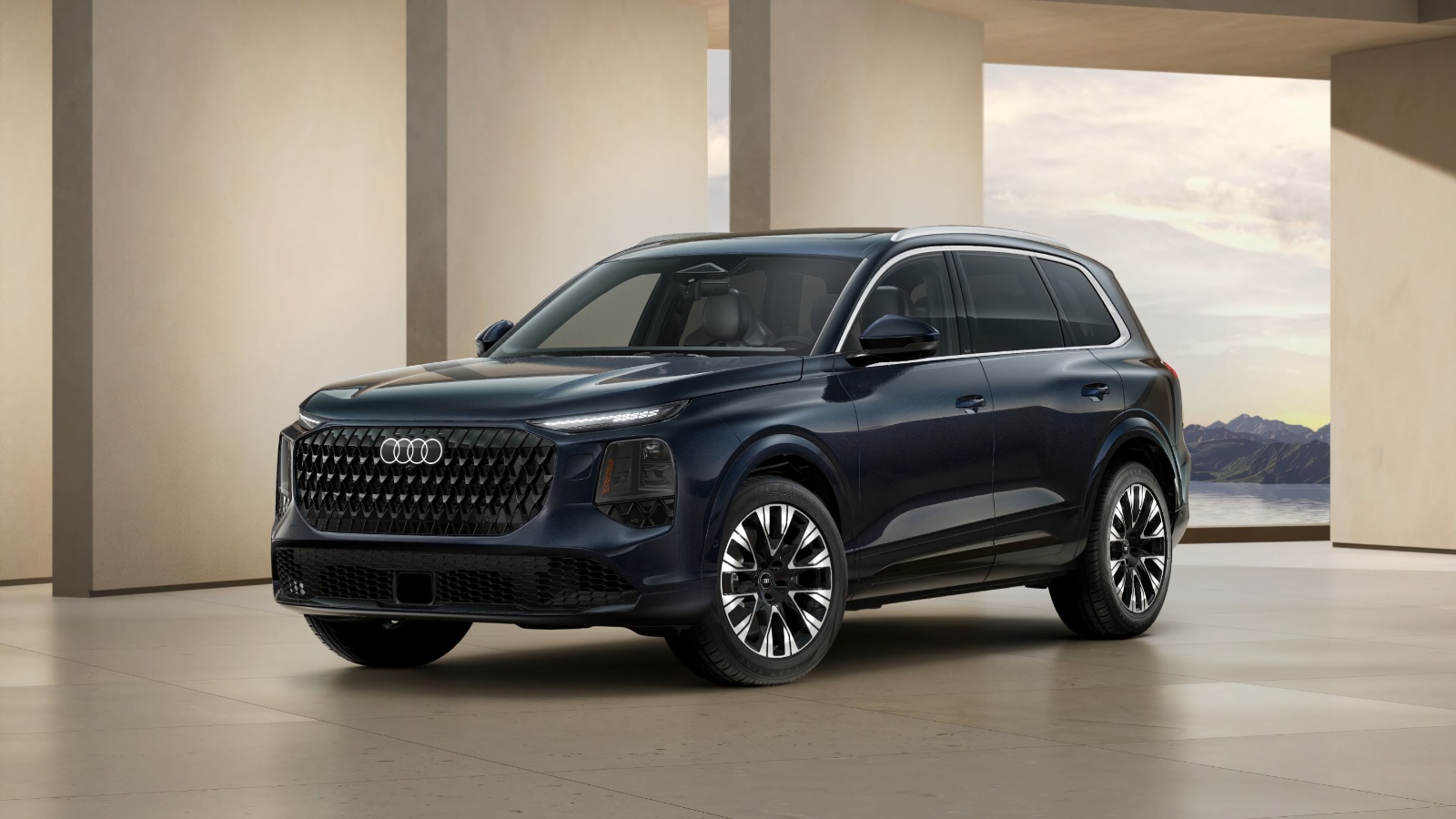
Audi has retained the Q7’s three-row mission, with configurations for six or seven occupants. The redesigned SUV receives a new interior display arrangement, updated assistance systems, more sophisticated lighting, and revised chassis technology. European versions launch with electrified three-liter V-6 diesel engines, an eight-speed automatic transmission, and quattro all-wheel drive.
The MHEV Plus system can contribute as much as 24 horsepower through its powertrain generator, while an electric compressor is intended to improve low-speed response. U.S. specifications differ and include a 429-horsepower turbocharged 2.9-liter V-6, along with a maximum advertised towing capacity of 7,700 pounds when properly equipped.
The platform change should make the Q7 more digitally advanced without turning it into a battery-only SUV. It remains a traditional luxury family vehicle, but its electronic backbone, chassis controls, lighting, and mild-hybrid systems are now being developed as a unified package. The 2027 Q7 is scheduled to reach American dealerships during the fourth quarter of 2026.
- Engine: 3.6-liter FSI V6 / 4.2-liter FSI V8
- Torque: 266 lb-ft / 325 lb-ft
- Horsepower: 280 hp / 350 hp
- Length/Width: 200.2 inches / 78.1 inches
2. Volkswagen Atlas – MQB Evo
Volkswagen’s Atlas enters its second generation for 2027 by moving from the original MQB architecture to MQB Evo. The name may sound like an incremental update, but MQB Evo incorporates newer electronics, assistance systems, infotainment technology, and chassis-control capabilities.
It is the same broad architectural evolution that supports several newer Volkswagen Group products. For the Atlas, it gives engineers a more modern foundation without abandoning the transverse-engine layout that helps provide its spacious three-row cabin.
The redesign does not radically alter the Atlas’s proportions. Its length grows by approximately one inch, while its width, height, and wheelbase remain close to those of the previous vehicle. The familiar upright roof and squared-off body continue, but almost every exterior panel is new.
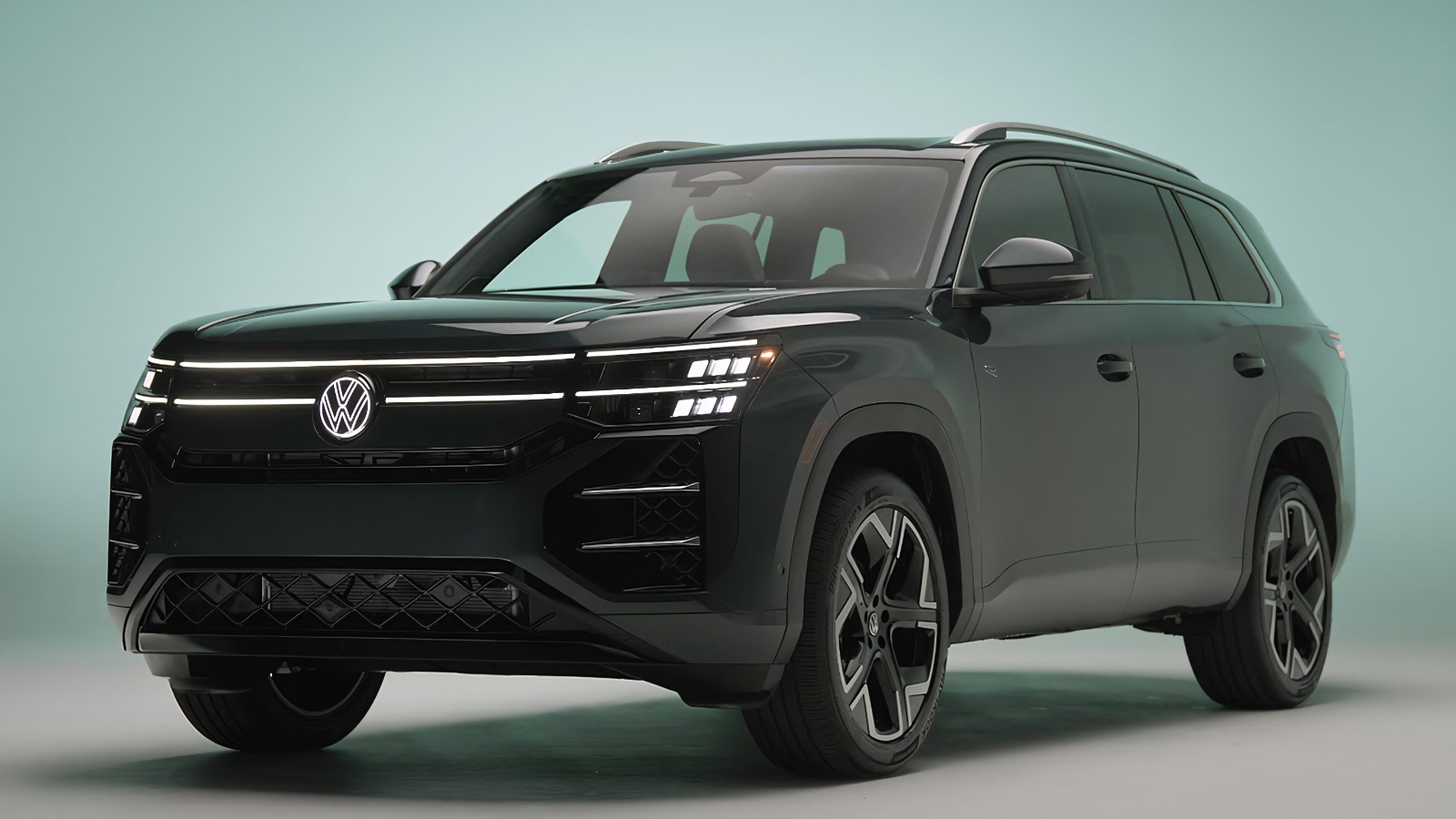
Volkswagen adds full-width lighting elements, available illuminated door handles, revised wheels, and a cleaner body-colored grille treatment. Inside, most versions receive a 15-inch central touchscreen, while the entry model uses a 12.9-inch display. A multifunction center-console dial can control audio volume, drive modes, and coordinated cabin “Atmospheres.”
The updated EA888 2.0-liter turbocharged four-cylinder produces 282 horsepower, an increase of 13 horsepower over the previous version. It remains paired with an eight-speed automatic transmission, with front- or all-wheel drive available. Properly equipped versions retain a 5,000-pound towing rating.
Volkswagen has also said a hybrid is planned later in the model’s life, illustrating how MQB Evo gives the Atlas more room for future electrification. The result is a redesign that looks evolutionary but changes much of the technology underneath.
- Engine: 2.0-liter turbocharged inline-4
- Torque: 258 lb-ft
- Horsepower: 282 hp
- Length/Width: 201.7 inches / 78.3 inches
3. Kia Seltos – K3 Platform
The second-generation 2027 Kia Seltos moves to Kia’s latest K3 platform. Kia describes the redesigned crossover as comprehensively re-engineered and built on an entirely new platform, rather than a heavily modified version of the outgoing Seltos.
The architecture uses greater amounts of ultra-high-strength and hot-stamped steel. In Korean-built versions, those materials account for as much as 60 percent of the body structure, helping improve rigidity, crash protection, suspension response, and cabin refinement.
The new foundation also allows the Seltos to grow without becoming an oversized compact SUV. Its longer wheelbase produces additional rear-seat room, while the wider body creates more shoulder space. Depending on configuration, cargo capacity behind the second row approaches 28 cubic feet.
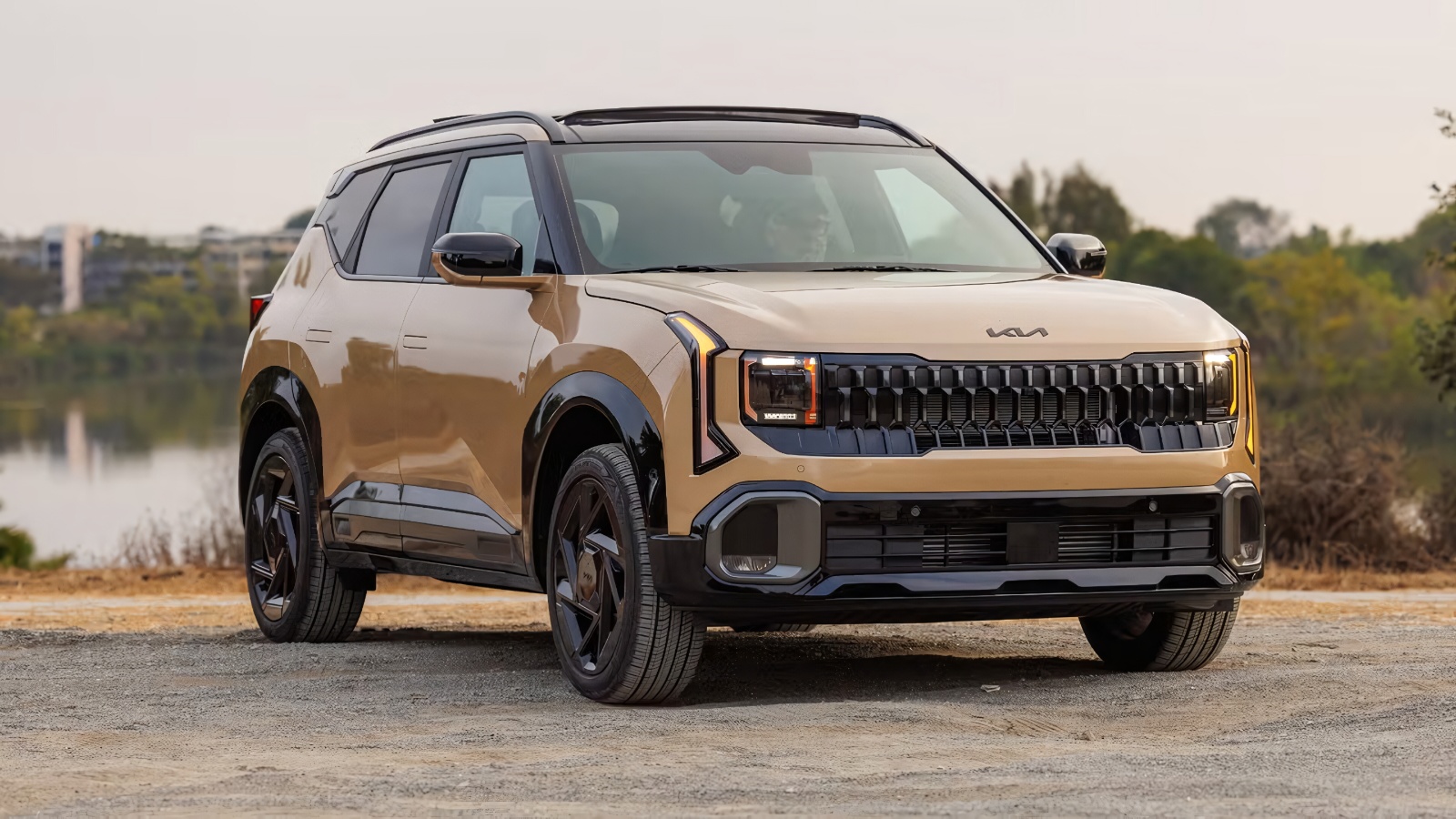
Kia has added reclining rear backrests, available flush door handles, a panoramic roof, a surround-view camera, and nearly 30 inches of combined digital-display area. The company’s latest connected-car navigation system supports over-the-air updates, reducing the need for dealership visits for certain software improvements.
North American buyers receive a choice of a naturally aspirated 2.0-liter engine, a turbocharged 1.6-liter engine, and a new hybrid. The turbocharged engine is offered in several markets with approximately 180 PS and 265 Nm, although final output varies by region. The hybrid introduces features including vehicle-to-load capability and an advanced regenerative-braking system that can consider traffic and navigation information.
Gasoline versions were scheduled to reach U.S. showrooms during 2026 carrying 2027 model-year badges, with the hybrid following later. The K3 platform therefore changes not only the Seltos’s size and structure, but also the types of powertrain and software Kia can install.
- Engine: 1.5-liter naturally aspirated I4 / 1.5-liter turbo I4 / 1.5-liter turbo diesel I4
- Torque: 106 lb-ft / 173–187 lb-ft / 184 lb-ft
- Horsepower: 113 hp / 158–160 hp / 114–116 hp
- Length/Width: 175.6 inches / 72.0 inches
4. BMW iX3 – Neue Klasse
The 2027 BMW iX3 is the first production vehicle based on BMW’s Neue Klasse architecture. The original iX3 was closely related to the combustion-powered X3, but the new model was developed as an electric vehicle from the beginning.
BMW describes the change as the start of a new era that will eventually influence dozens of other models. The architecture integrates the battery, electric motors, body structure, software, and vehicle-control computers more closely than BMW’s earlier EV conversions.
Neue Klasse introduces BMW’s sixth-generation eDrive system, cylindrical battery cells, an 800-volt electrical system, and four high-performance computers that BMW calls “superbrains.” These computers manage driving dynamics, automated-driving functions, infotainment, comfort systems, and basic vehicle operations.
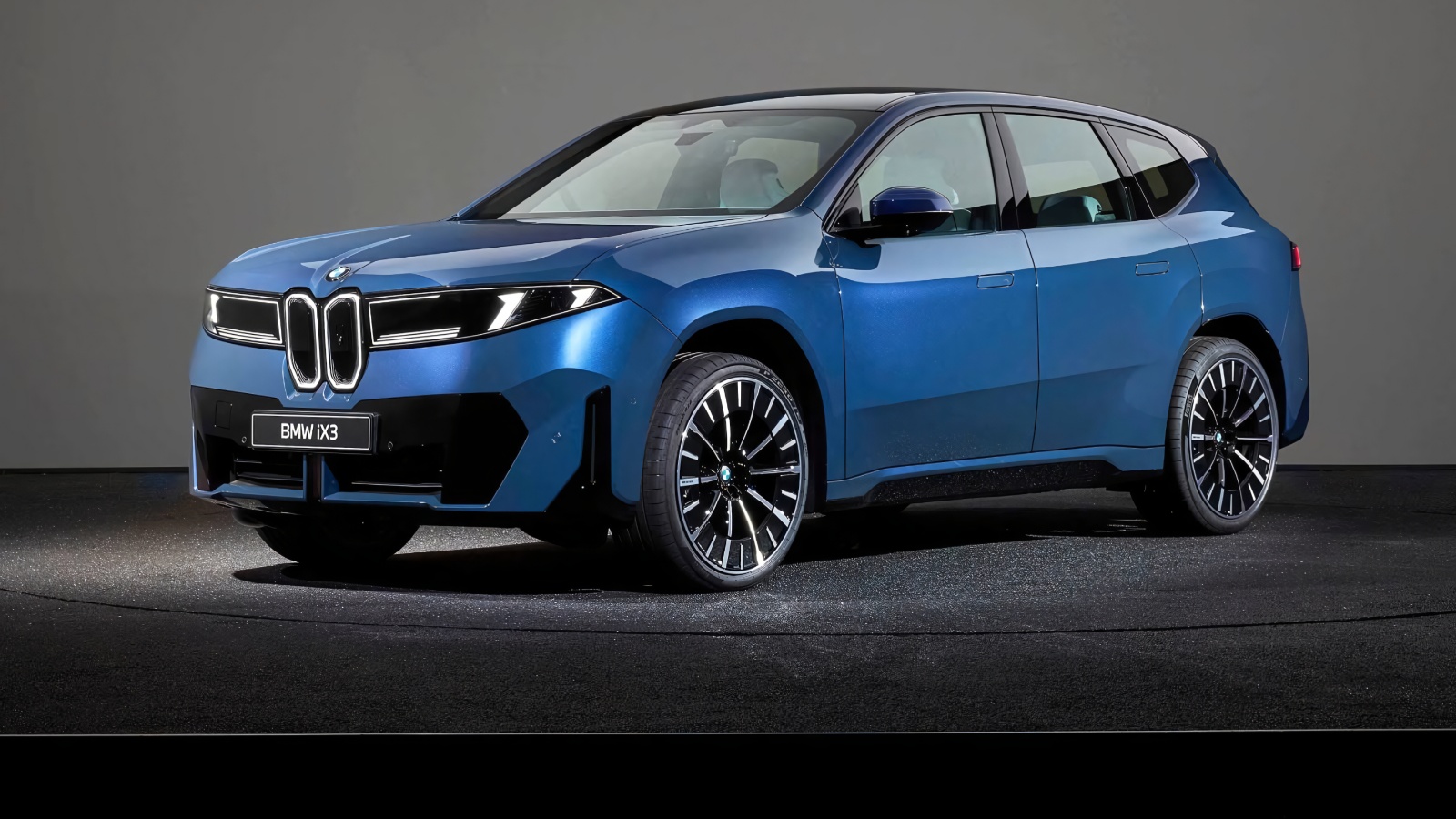
The new “Heart of Joy” control unit coordinates acceleration, regenerative braking, steering, and chassis responses with much lower processing delay than separate conventional controllers. BMW’s Panoramic iDrive display system also makes its production debut in the iX3.
The initial iX3 50 xDrive uses two motors and all-wheel drive, producing 463 horsepower. BMW initially estimated up to 400 miles of U.S. range under preliminary testing, while its 400-kW maximum charging capability can add approximately 175 miles of range in ten minutes under suitable conditions.
The vehicle is 188.3 inches long and has a 114.1-inch wheelbase, but its electric-only packaging is intended to provide more passenger space than a conventional SUV of similar exterior size.
Production is based at BMW’s new Debrecen plant in Hungary, with the U.S. launch beginning during 2026 as a 2027 model. More importantly, the iX3 establishes the platform, software, battery technology, and design language that BMW intends to spread throughout its future lineup.
- Engine: Dual electric motors (AWD)
- Torque: 476 lb-ft
- Horsepower: 463–469 hp
- Length/Width: 188.3 inches / 74.6 inches
5. Mercedes-Benz GLC Electric – MB.EA
The 2027 Mercedes-Benz GLC Electric moves onto Mercedes-Benz Electric Architecture, or MB.EA. It is not simply a combustion-powered GLC with an electric motor and battery inserted underneath. Mercedes developed the electric version around a new architecture intended for midsize and larger battery-powered models.
The company’s production material identifies the GLC as one of the first vehicles launching the MB.EA generation, while combustion and plug-in-hybrid GLC models continue on a separate platform.
The electric architecture uses an 800-volt system, a usable battery capacity of approximately 94 kWh, and electric drive units developed by Mercedes. The rear motor uses a two-speed transmission, while all-wheel-drive versions add a front motor that can be disconnected when it is unnecessary, reducing drag and energy use.
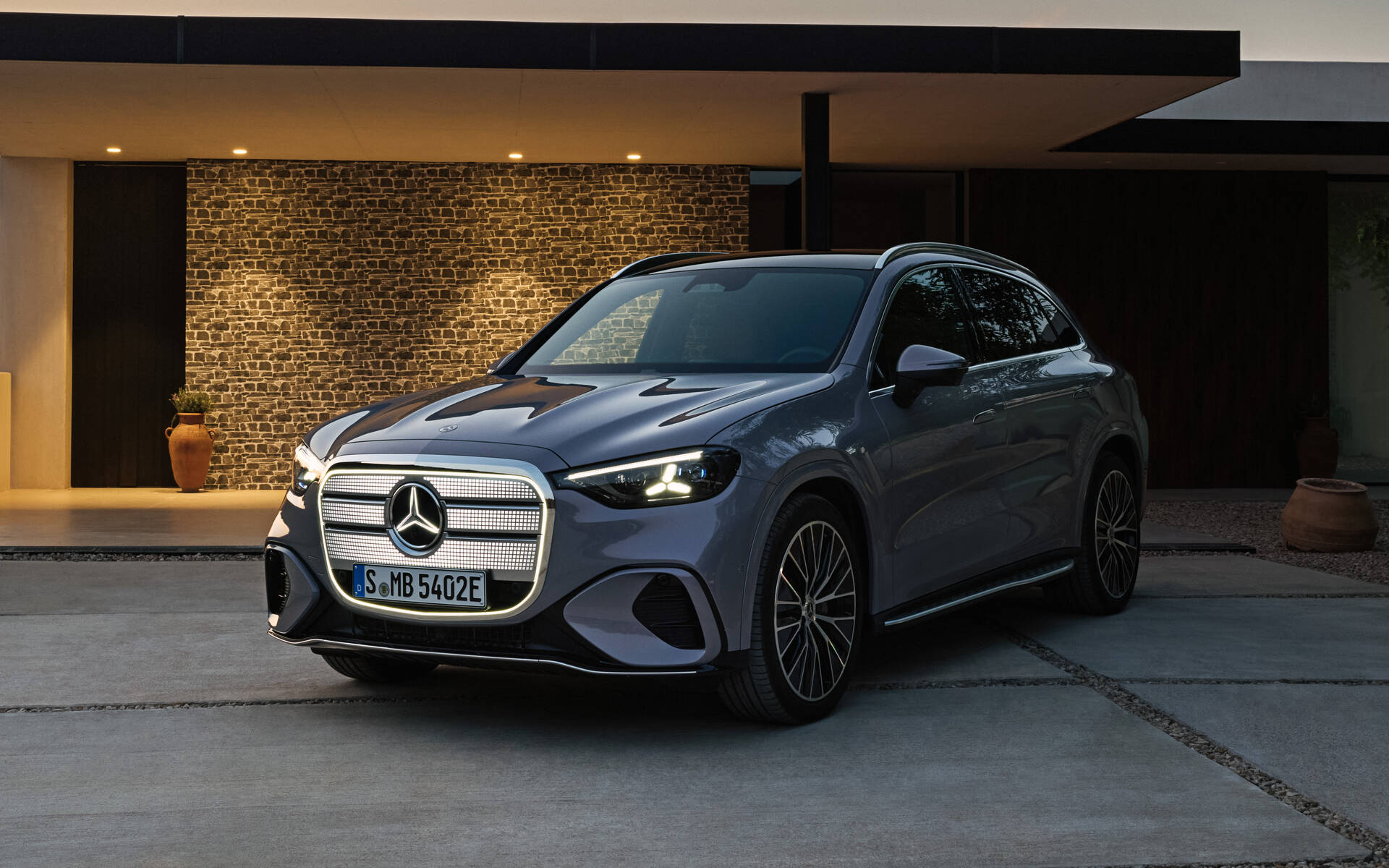
Mercedes quotes up to 715 kilometres, or approximately 444 miles, of WLTP range for the GLC 400 4MATIC with EQ Technology. The company also says ten minutes of suitable rapid charging can add as much as 305 kilometres, or around 190 miles, of WLTP range. These figures use European testing and should not be treated as official EPA estimates.
The platform brings the Mercedes-Benz Operating System, or MB.OS, into the GLC family, connecting infotainment, navigation, vehicle settings, driver assistance, and charging management. Production ramped up at Mercedes’ Bremen plant in 2026, where the electric SUV is assembled alongside combustion, hybrid, and other electric models.
That flexible manufacturing arrangement allows Mercedes to adjust production according to regional demand. For shoppers, the critical change is that the electric GLC now has the proportions, battery layout, electronics, and charging hardware of a purpose-developed EV rather than an adapted combustion vehicle.
- Engine: Single or dual permanent-magnet synchronous electric motors
- Torque: 372 lb-ft / 596 lb-ft
- Horsepower: 354–369 hp / 489 hp
- Length/Width: 190.7 inches / 75.3 inches
Also read: 5 Cars With the Highest Theft Rates in Missouri, 5 With the Lowest
6. Mercedes-Benz GLB – MMA
The redesigned 2027 Mercedes-Benz GLB abandons the original model’s MFA2 underpinnings for Mercedes-Benz Modular Architecture, known as MMA. MMA was conceived as an electric-first platform that can also support electrified combustion powertrains.
That flexibility allows Mercedes to produce electric and hybrid GLBs with similar bodies while giving the battery-powered version an 800-volt system, rear-wheel-drive-based layout, and dedicated underfloor battery packaging.
Maintaining the qualities that made the original popular, the second-generation GLB retains its upright profile, practical cabin layout, and available seven-seat configuration. The updated model features a longer wheelbase and larger dimensions, creating additional passenger space and improving comfort throughout all three seating rows.
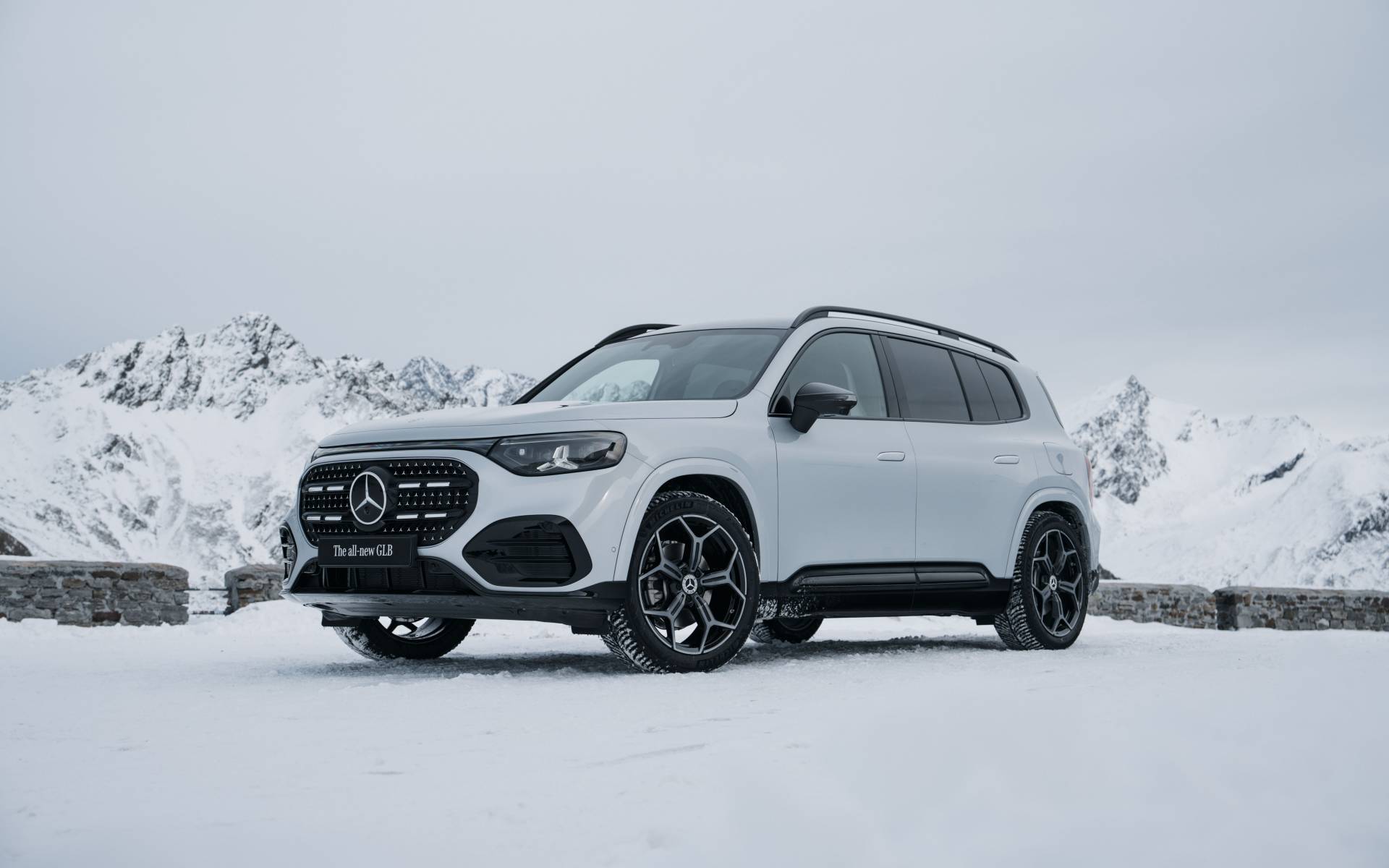
Electric versions launch as the rear-wheel-drive GLB 250+ and dual-motor GLB 350 4MATIC. Reported specifications include 268 horsepower for the single-motor version and 349 horsepower for the all-wheel-drive model. An 85-kWh battery and charging rates of up to 320 kW are expected, although final U.S. certification figures and EPA range ratings may differ from European numbers.
Hybrid models will follow with an electrified four-cylinder engine and an eight-speed dual-clutch transmission. Inside, the optional MBUX Superscreen places the digital instrument panel, central infotainment screen, and passenger display beneath a continuous glass surface.
MB.OS provides the underlying software environment, while the simplified dashboard and column-mounted gear selector open additional storage space in the center console. Mercedes-Benz USA says the all-new 2027 GLB is scheduled to reach dealerships in early 2027, with electric and hybrid availability varying by launch phase. The move from MFA2 to MMA changes the GLB from a conventional front-drive-based crossover into an electric-first SUV family.
- Engine: Single or dual permanent-magnet electric motors / 1.5-liter hybrid I4
- Torque: 247 lb-ft / 380 lb-ft / 280 lb-ft
- Horsepower: 268 hp / 349 hp / 208 hp
- Length/Width: 186.3 inches / 73.3 inches
7. Toyota Highlander – Modified TNGA-K EV Architecture
The fifth-generation 2027 Toyota Highlander remains connected to the TNGA-K family, but Toyota has extensively modified the architecture to accommodate a large battery and an exclusively electric powertrain.
Toyota says the revised platform was newly developed to house the Highlander’s high-capacity battery while maximizing passenger space. Unlike the outgoing gasoline and hybrid models, the redesigned Highlander will initially be sold in the United States solely as a battery-electric SUV.
Toyota offers 77.0- and 95.8-kWh battery configurations. The XLE is available with front-wheel drive or electronic all-wheel drive, while the Limited receives all-wheel drive and the larger battery as standard. Toyota’s preliminary range estimates vary according to battery, drivetrain, and trim, with the longest-range configuration expected to reach approximately 320 miles.
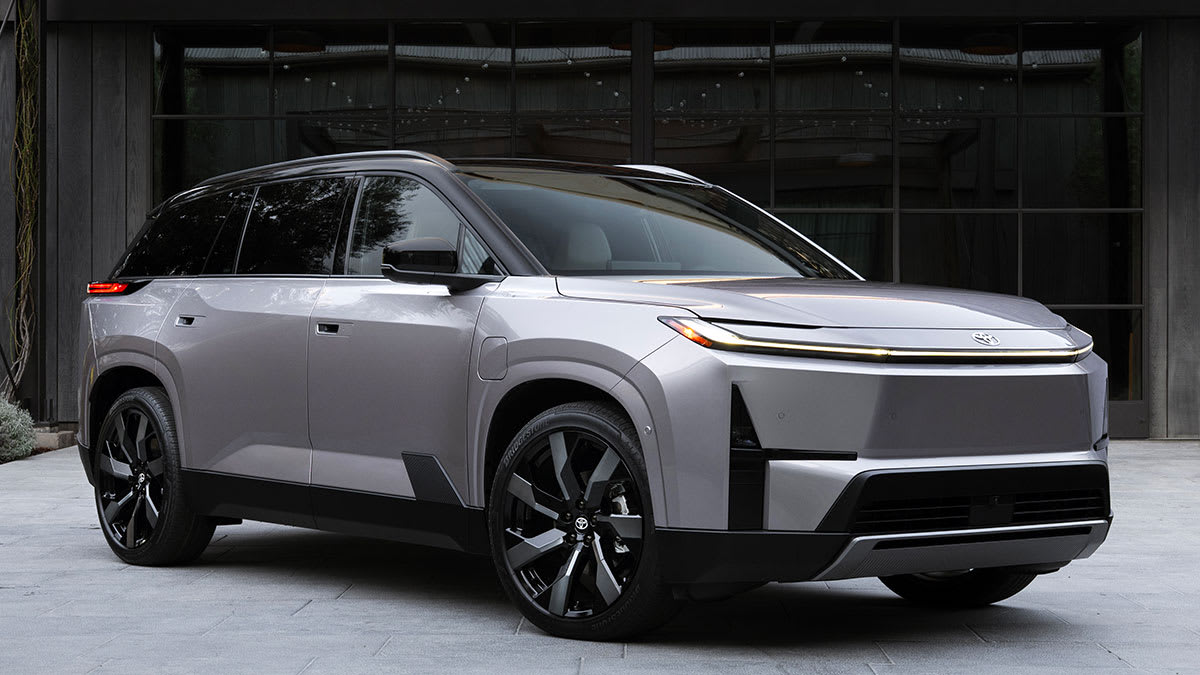
A native North American Charging System port provides access to compatible charging networks without an adapter. AWD versions also offer Multi-Terrain Select and Crawl Control, showing that Toyota intends the electric Highlander to retain some capability beyond paved family transportation.
The platform supports seating for up to seven, a flat-folding third row, and more than 45 cubic feet of cargo space when that row is lowered. A 14-inch infotainment screen, 12.3-inch driver display, Toyota Safety Sense 4.0, and vehicle-to-load power output are standard or available depending on grade.
The Highlander will be Toyota’s first three-row battery-electric vehicle for the U.S. and its first American-assembled BEV, with production assigned to Georgetown, Kentucky. Sales are scheduled to begin in late 2026 and continue expanding during early 2027.
The platform may retain the TNGA-K name, but the battery installation, floor structure, packaging, powertrain, and electrical systems make this a fundamentally different Highlander.
- Engine: Single or dual electric motors (FWD/AWD)
- Torque: 198 lb-ft / 323 lb-ft
- Horsepower: 221 hp / 338 hp
- Length/Width: 198.8 inches / 78.3 inches
8. Nissan Juke – CMF-EV
Nissan’s third-generation Juke moves from a combustion-oriented compact-car architecture to the Alliance’s CMF-EV platform. For the first time, the Juke will be sold as a fully electric vehicle rather than with gasoline or conventional hybrid propulsion.
Nissan officially identifies CMF-EV as the new model’s foundation and has scheduled its European introduction for spring 2027. Production will take place at Nissan’s Sunderland plant in the United Kingdom.
CMF-EV also supports electric vehicles such as Nissan’s Ariya and newer Leaf, allowing the Juke to use a flat underfloor battery, EV-specific suspension geometry, modern power electronics, and a longer wheelbase. That should provide more rear-seat and luggage space than the unusually packaged first- and second-generation Jukes.
The production design retains the nameplate’s unconventional personality, drawing inspiration from Nissan’s angular Hyper Punk concept instead of adopting the smoother shape used by many small electric crossovers. Nissan has not yet published complete, market-certified battery, motor, range, or charging specifications, so figures derived from related models should not be treated as confirmed Juke specifications.
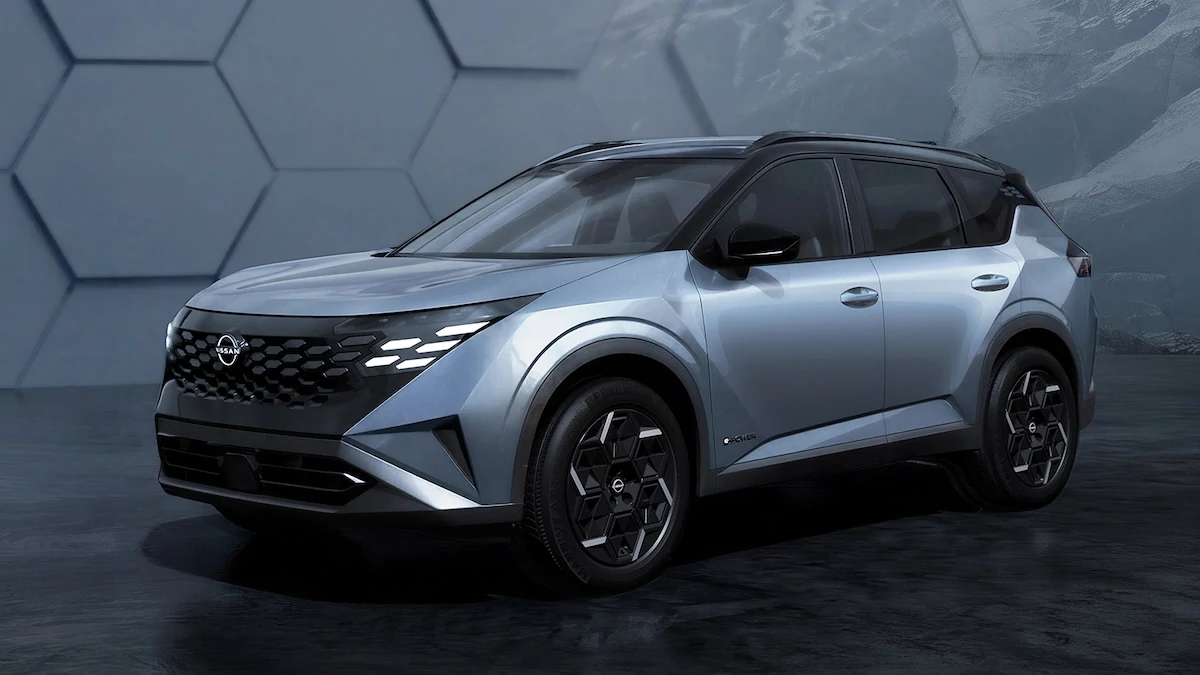
The architecture is also expected to support vehicle-to-grid functionality, enabling a compatible Juke to return stored electricity to the power network where regulations and charging equipment permit. Nissan describes the model as part of its broader strategy to offer different types of electrified vehicles for European customers.
There is currently no confirmed North American release, and the new Juke is primarily a European-market product. Even so, it is one of the clearest platform changes in the 2027 class: a distinctive gasoline crossover becomes a dedicated electric SUV while keeping an established name rather than launching under an unfamiliar EV badge.
- Engine: Single electric motor
- Torque: 255–262 lb-ft
- Horsepower: 177 hp / 215–218 hp
- Length/Width: 165.7 inches / 70.9 inches
9. Jeep Compass – STLA Medium
The next-generation Jeep Compass moves onto Stellantis’ STLA Medium platform. European production began before the model’s planned North American manufacturing launch, but Stellantis has confirmed that production of the Compass for the U.S. market is expected to begin in 2027 at the reopened Belvidere Assembly Plant in Illinois.
The new architecture replaces the older platform used by the current American-market Compass and supports combustion-assisted and fully electric powertrains.
At 4.55 metres, or approximately 179 inches, long, the new Compass remains relatively compact. Nevertheless, Jeep says the platform provides 55 millimetres of additional rear legroom, 34 litres of front-cabin storage, and a 45-litre increase in cargo capacity, bringing maximum rear storage to approximately 550 litres in the European measurement.
A 10-inch instrument display, 16-inch infotainment screen, over-the-air software updates, and Level 2 driver assistance are offered across much of the range. Ground clearance reaches approximately 200 millimetres, while the body is designed with protected sensors, reinforced bumpers, and approach and departure angles intended to preserve Jeep capability.
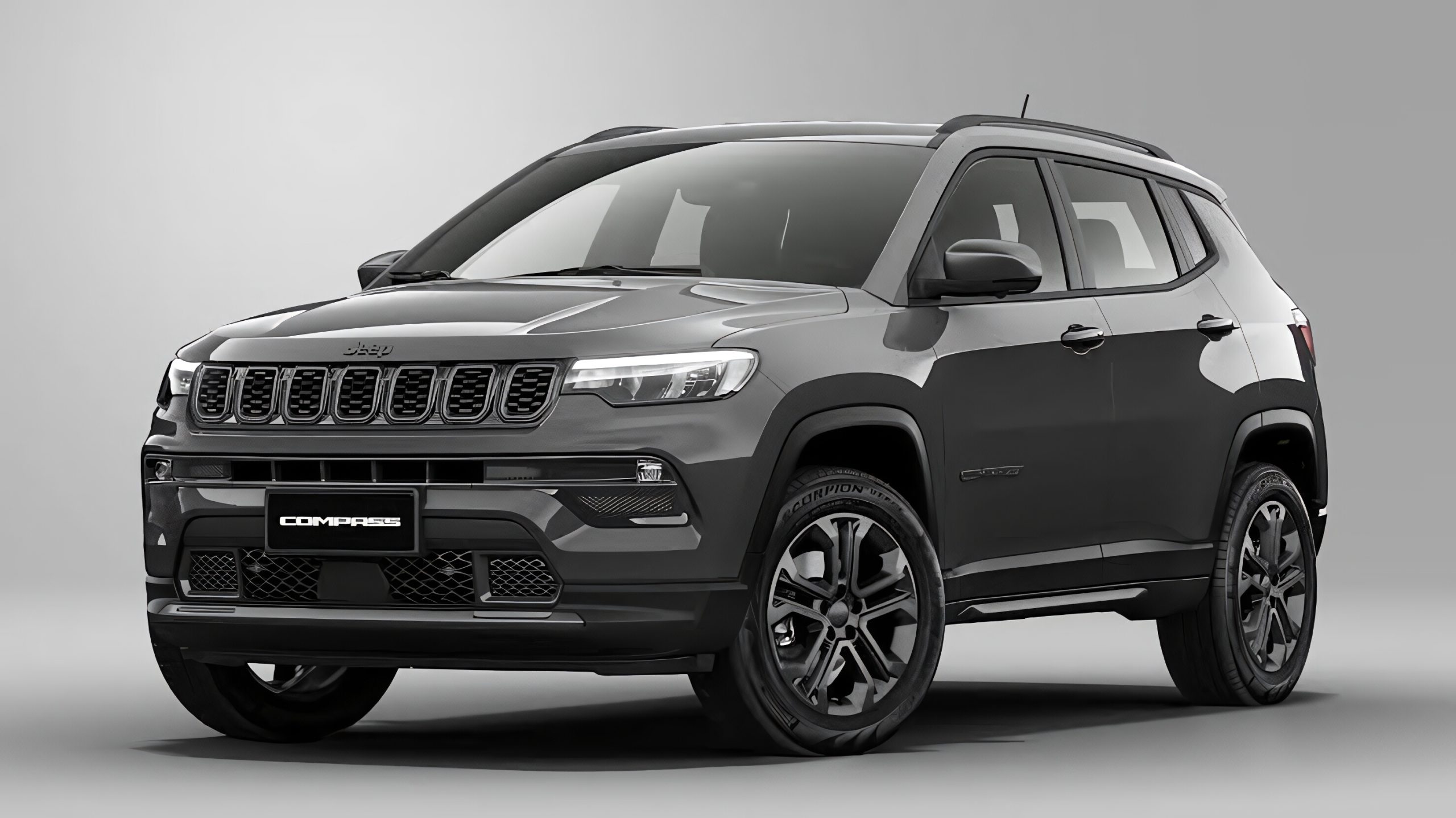
Global powertrain choices include an e-Hybrid, a plug-in hybrid, and several battery-electric versions. Jeep has announced a front-wheel-drive EV with a 74-kWh battery and 213 horsepower, while a more powerful electric all-wheel-drive model sits above it in selected markets.
The highest-range variant is expected to deliver up to 650 kilometres based on European testing standards. Final U.S. specifications have not yet been announced and could vary significantly in terms of powertrain options, battery capacity, performance figures, driving range, and pricing.
The major change is the move to the STLA Medium platform, which provides Jeep with a more adaptable architecture capable of supporting gasoline-assisted, hybrid, and fully electric versions in the future.
- Engine: 48V mild hybrid / plug-in hybrid / electric motors / 2.0-liter turbocharged I4
- Torque: 254.5 lb-ft (BEV) / 221 lb-ft (gas)
- Horsepower: 145 hp / 195 hp / 213 hp / 375 hp / 200 hp
- Length/Width: 173.4–174.8 inches / 73.8 inches
10. Mitsubishi Pajero – Triton Ladder Frame
The returning Mitsubishi Pajero adopts the ladder-frame platform of the current Triton pickup, sold as the L200 in some markets. Mitsubishi officially confirmed the architecture when announcing the revived SUV in May 2026.
The company says the Pajero receives its own cabin development and model-specific front and rear suspension rather than simply adding an enclosed body to the pickup. Its world premiere is scheduled for autumn 2026, placing most anticipated international showroom activity in the 2027 cycle, although exact sales dates have not been confirmed for every country.
Using the Triton’s frame gives the new Pajero a modern truck-based foundation with the durability, axle-load capacity, and towing potential expected from a serious cross-country SUV. At the same time, Mitsubishi says the unique suspension and passenger compartment are being developed to provide a more refined and comfortable ride.
That distinction will be important because a pickup-derived SUV can feel unsettled when engineers do not sufficiently retune its springs, dampers, steering, body mounts, and weight distribution for passenger use. Final engines, transmissions, four-wheel-drive systems, dimensions, towing limits, and fuel-economy figures remain unannounced.
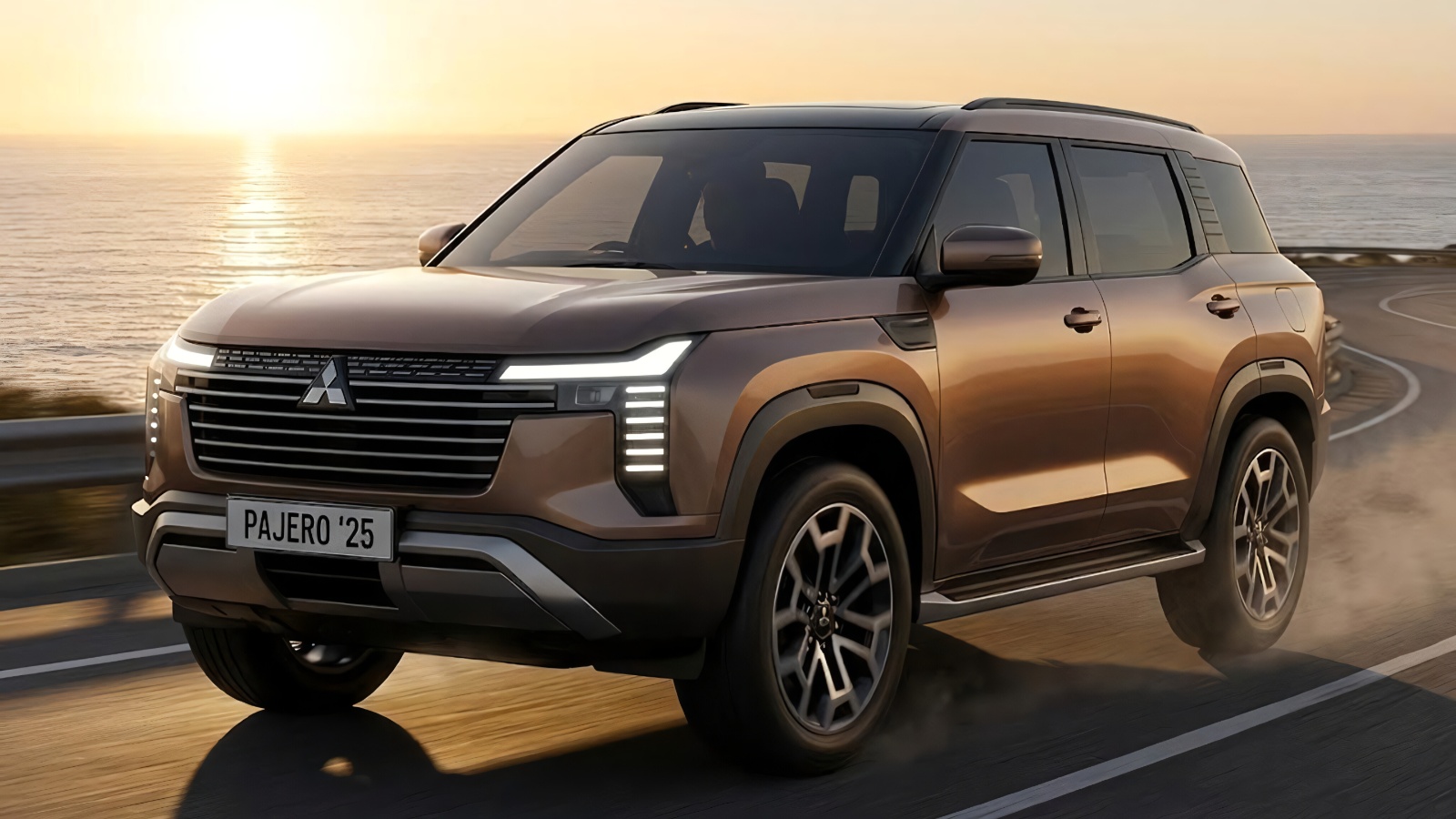
The Pajero name left international markets in 2021 after four generations and over 3.25 million units sold worldwide. Its legendary status was built through motorsport success, with 12 Dakar Rally victories including an impressive streak of seven straight wins.
Mitsubishi now plans to position the upcoming model as a flagship vehicle that reflects its commitment to off-road performance, long-term toughness, and advanced all-wheel-control systems.
Some regions may see the vehicle return under the Montero name, although Mitsubishi has yet to confirm whether it will come back to the United States. The switch to a new platform signals a clear move toward a true body-on-frame SUV designed for rugged capability rather than a crossover that simply borrows the Pajero legacy.
- Engine: 2.4-liter twin-turbo diesel inline-4
- Torque: 347 lb-ft
- Horsepower: 204 hp
- Length/Width: Not yet released/expected shorter than Triton (Triton: 209.4 inches / 73.4 inches)
Also read: 10 Trucks That Shed $15,000 in Their First Two Years