
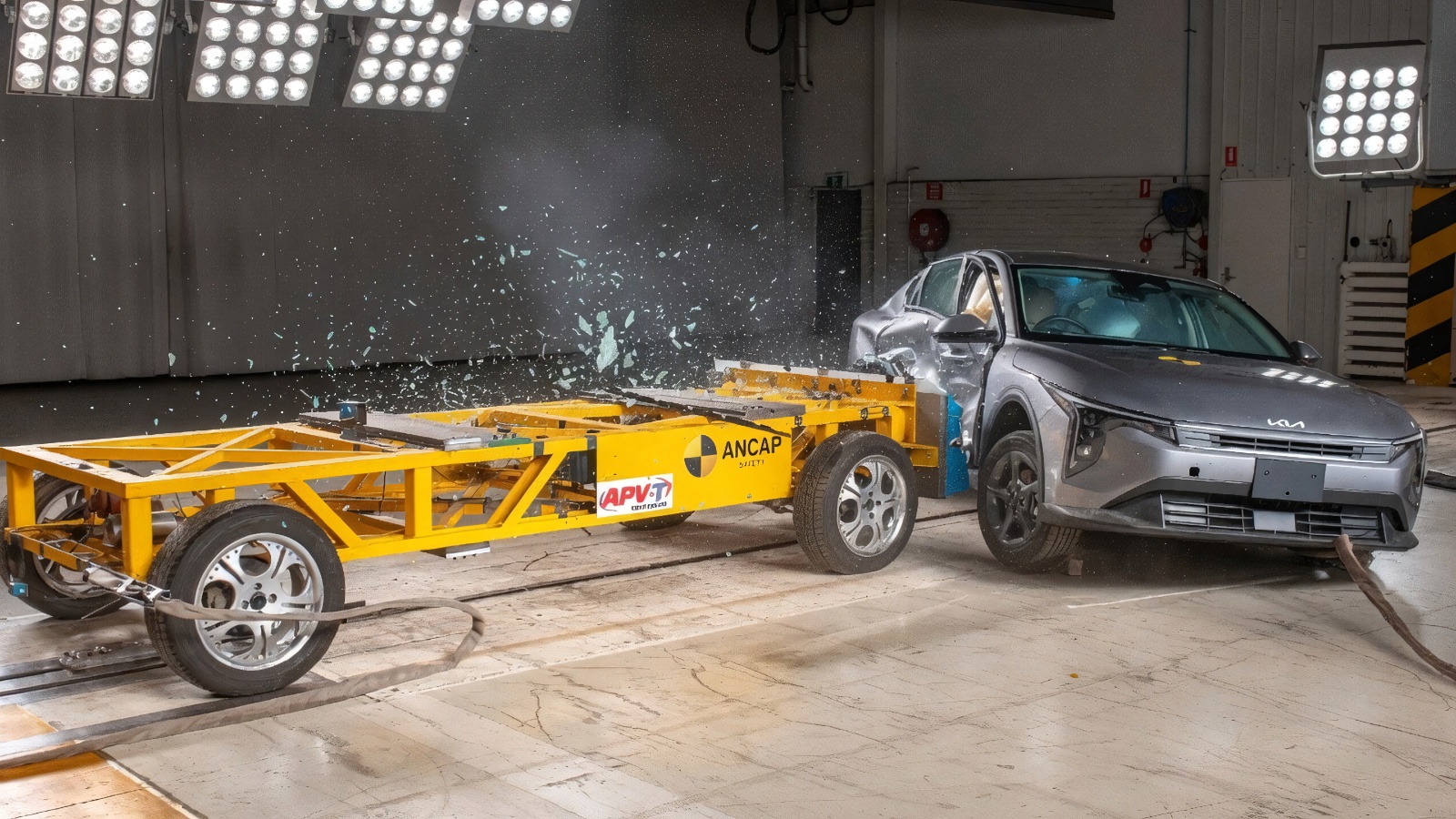
Vehicle safety regulations have evolved rapidly over the past decade, but the United States and Europe have often taken different paths.
While both regions prioritize protecting drivers and passengers, the European Union has introduced several mandatory safety technologies that are still optional or uncommon on many vehicles sold in the American market.
These features are designed to reduce collisions, improve driver awareness, and protect vulnerable road users.
Some are already available on select U.S. models, but they are not required nationwide. Here are eight safety features that have become standard across many new European vehicles yet remain relatively rare on American roads.
Also Read: 10 Charges That Belong to the Dealer and Not the Buyer
1. Intelligent Speed Assistance (ISA)
One of the most significant changes introduced under the European Union’s General Safety Regulation is Intelligent Speed Assistance, commonly called ISA. Since July 2024, new passenger vehicles sold throughout the European Union are generally required to include this technology as standard equipment.
ISA uses a combination of camera-based traffic sign recognition and GPS mapping data to determine the current speed limit and notify the driver when the vehicle exceeds it.
Unlike traditional cruise control, ISA actively monitors changing speed limits as the vehicle travels. Depending on the manufacturer’s implementation, the system may provide visual warnings, audible alerts, haptic feedback through the accelerator pedal, or gentle speed reduction assistance.
Drivers can generally override or temporarily disable the intervention, but the feature automatically becomes available again each time the vehicle is restarted.
In the United States, Intelligent Speed Assistance remains relatively uncommon. While some premium manufacturers have introduced similar technologies on selected models, there is currently no federal requirement under the National Highway Traffic Safety Administration requiring new passenger vehicles to include ISA as standard equipment.
Supporters believe the technology could significantly reduce speeding-related crashes. Speeding continues to contribute to thousands of traffic fatalities annually in the United States, making automated speed awareness an increasingly important area of vehicle safety research.
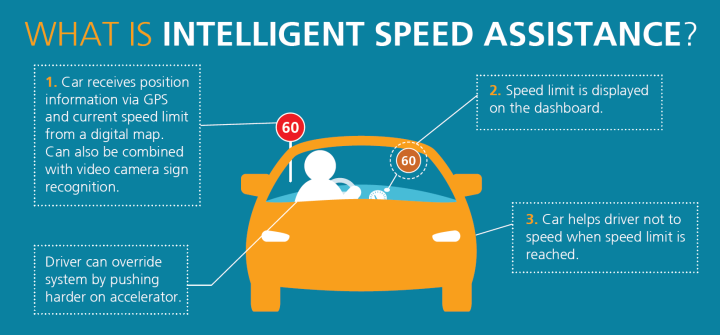
Manufacturers have also improved ISA by combining multiple information sources to increase accuracy, particularly when temporary construction-zone limits or electronic highway signs are encountered.
As digital mapping continues improving, more American vehicles may eventually adopt similar capabilities, even if they remain optional rather than mandatory.
2. Driver Drowsiness and Attention Monitoring
Fatigue remains one of the most underestimated causes of roadway crashes, prompting European regulators to require advanced driver drowsiness and attention monitoring systems on newly approved passenger vehicles.
These systems continuously evaluate driving behavior and, in many cases, monitor the driver’s level of attention using steering inputs, lane positioning, braking patterns, eye movement, or facial recognition cameras.
Unlike simple coffee-cup reminders that appeared on earlier vehicles, today’s European systems use sophisticated algorithms capable of recognizing subtle behavioral changes associated with fatigue or distraction.
If the system detects declining attention, it provides progressively stronger warnings encouraging the driver to take a break before the situation becomes dangerous.
The technology has become increasingly common across Europe because fatigue-related crashes often occur at highway speeds with little or no braking before impact. Early intervention allows drivers to rest before their concentration deteriorates further.
Although several American manufacturers now offer similar technology on premium vehicles, widespread adoption remains limited. Driver monitoring is often included only as part of advanced driver-assistance packages rather than standard equipment across an entire model range.
Modern systems continue evolving rapidly through artificial intelligence and improved camera technology. Some are now capable of distinguishing between ordinary head movements and genuine distraction while accounting for drivers wearing sunglasses or operating in varying lighting conditions.
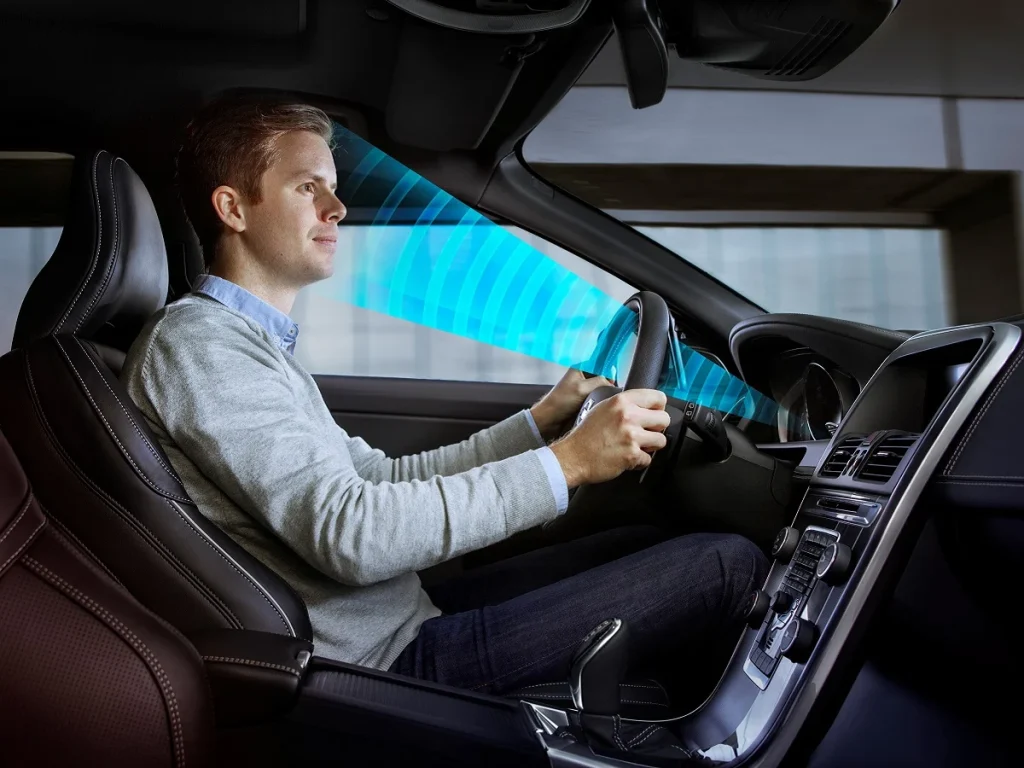
As semi-automated driving systems become more common, monitoring driver attention will likely become increasingly important in the United States. European experience demonstrates that maintaining driver engagement remains essential even when sophisticated assistance technologies are available.
3. Emergency Lane Keeping System (ELKS)
Modern vehicles sold throughout Europe increasingly include an Emergency Lane Keeping System as standard equipment under the European Union’s General Safety Regulation.
While many American vehicles offer lane-keeping assistance, the European requirement generally goes a step further by emphasizing emergency intervention when a vehicle is about to leave its lane, and a collision appears likely.
The system continuously monitors lane markings using forward-facing cameras and, in many cases, combines that information with radar sensors. If the vehicle begins drifting toward the edge of the roadway or into another lane without the turn signal being activated, the technology first warns the driver.
If the driver fails to respond and a collision risk exists, the system can apply steering input to guide the vehicle back toward the center of its lane.
European regulators introduced this requirement because unintentional lane departures contribute to a significant number of serious crashes involving head-on collisions and roadway departures.
By intervening before the vehicle crosses lane markings, the system provides an additional layer of protection when distraction, fatigue, or momentary inattention occurs.
In the United States, lane-keeping assistance has become more common in recent years, especially on vehicles equipped with advanced driver-assistance packages.
However, federal regulations do not require every new passenger vehicle to include emergency lane-keeping systems as standard equipment. Availability often depends on trim level, manufacturer, or optional safety packages.
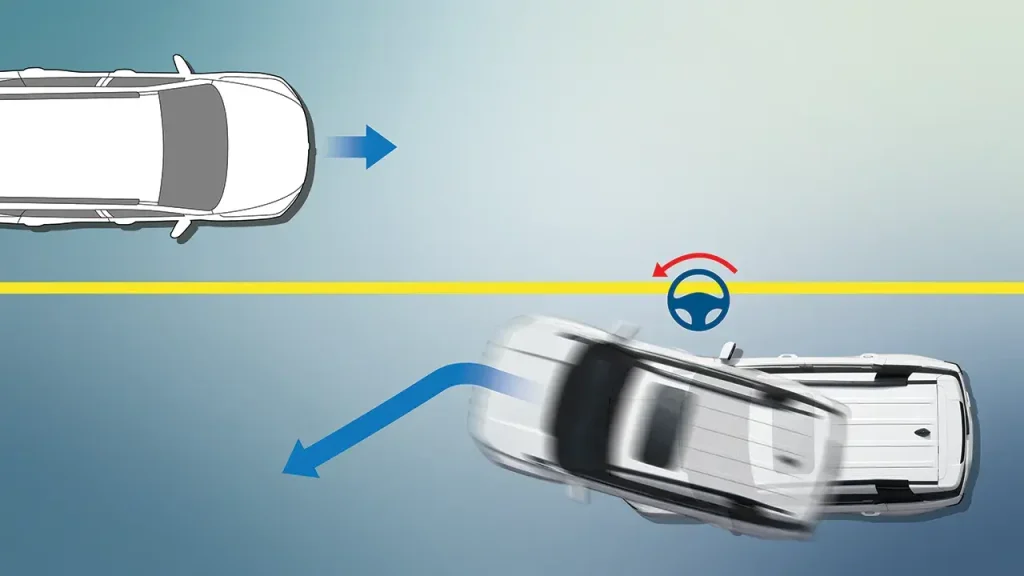
The technology continues improving through higher-resolution cameras, better object recognition, and enhanced steering control. These advancements allow the system to operate more smoothly while reducing false interventions caused by faded lane markings or challenging weather conditions.
As safety standards continue evolving, emergency lane-keeping systems are expected to become increasingly common in North American vehicles as well.
4. Alcohol Interlock Installation Interface
One of the lesser-known requirements introduced by the European Union is the mandatory installation interface for alcohol interlock devices. It is important to understand that this does not mean every new European vehicle includes a built-in breathalyzer.
Instead, manufacturers must provide standardized wiring and electronic compatibility that allows an approved alcohol interlock device to be installed easily if required by national authorities or court orders.
This requirement simplifies the installation process while ensuring that aftermarket alcohol interlock equipment integrates correctly with the vehicle’s electrical and engine management systems.
Drivers who are ordered to use an alcohol interlock because of impaired driving offenses can have the equipment installed without major modifications to the vehicle.
The system itself prevents the engine from starting if the driver’s breath alcohol concentration exceeds the programmed legal threshold. Once installed, it serves as an effective tool for reducing repeat impaired driving offenses while allowing monitored drivers to continue operating a vehicle legally under specific conditions.
In the United States, alcohol interlock devices are widely used following DUI convictions, and many states require them for certain offenders. However, manufacturers are generally not required to build standardized installation interfaces into every new passenger vehicle.
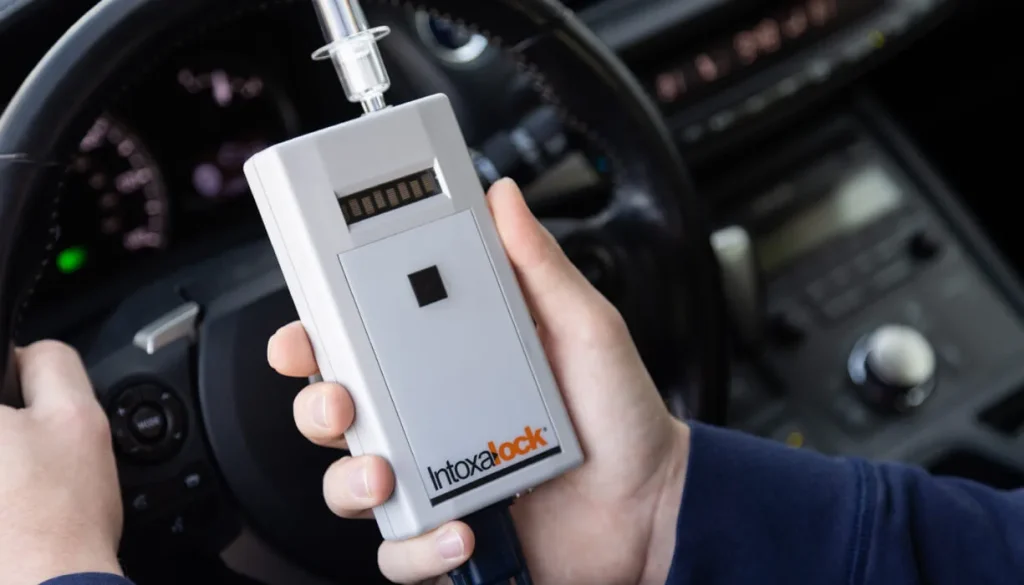
As a result, installation procedures vary depending on the vehicle model and the equipment provider.
European regulators adopted the interface requirement to support future road safety initiatives without forcing every driver to use an interlock device. It represents a forward-looking approach that prepares vehicles for easier integration if the technology is needed during the vehicle’s lifetime.
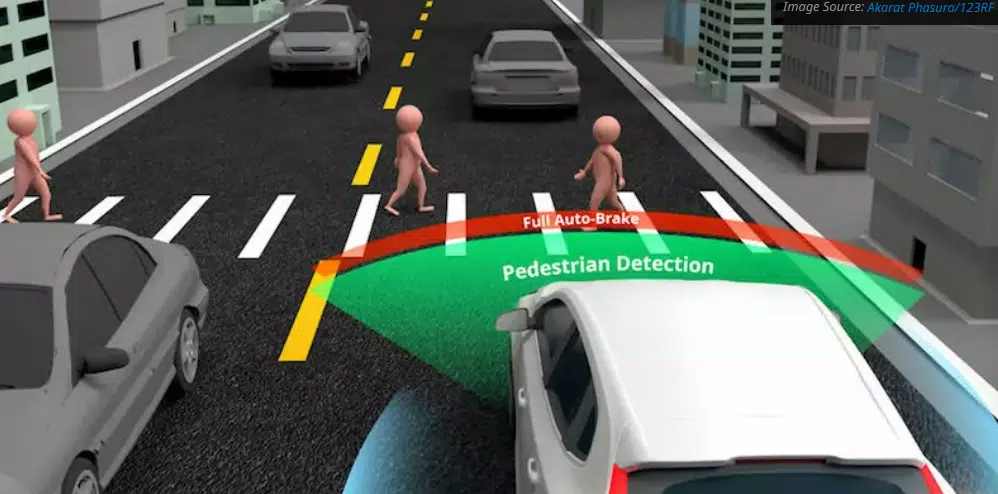
5. Advanced Autonomous Emergency Braking With Pedestrian and Cyclist Detection
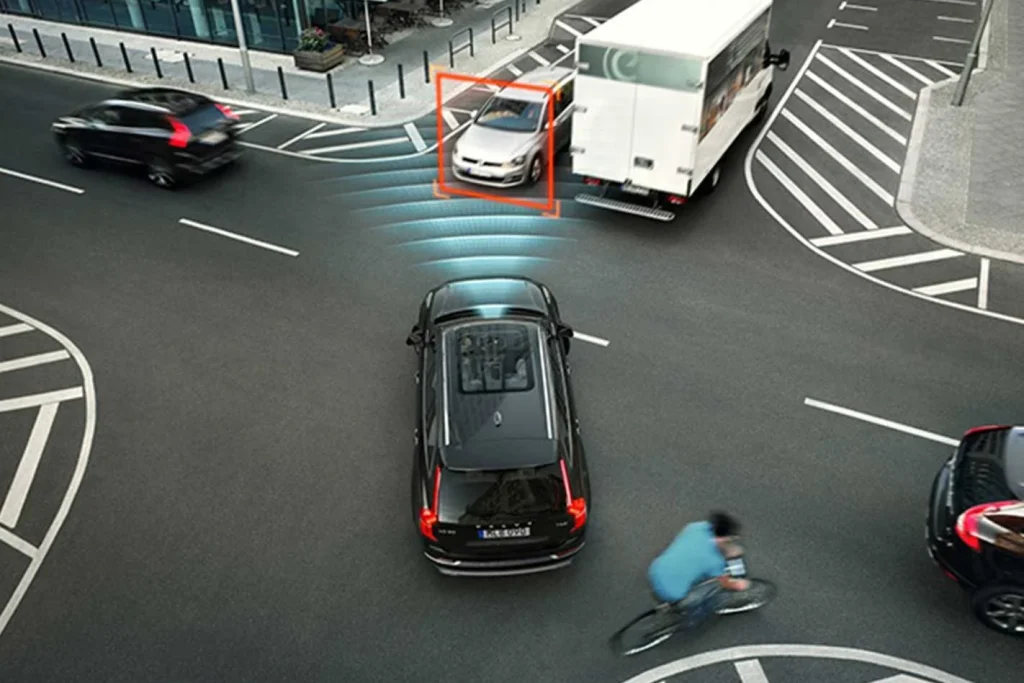
Automatic emergency braking has become increasingly common in the United States, but Europe has moved further by requiring more advanced systems capable of recognizing pedestrians, cyclists, and other vulnerable road users across a wider range of driving conditions.
Under the European Union’s General Safety Regulation, newly approved passenger vehicles must include enhanced autonomous emergency braking systems designed to reduce the severity of collisions or prevent them entirely.
Unlike earlier emergency braking technology that focused primarily on preventing rear-end crashes with other vehicles, the latest European systems use a combination of radar, cameras, and sophisticated image recognition software to identify pedestrians crossing the road, cyclists approaching intersections, and stationary vehicles.
The vehicle continuously evaluates closing speed and driver response. If the driver fails to react in time, the system automatically applies the brakes.
This technology is especially valuable in urban environments where interactions between vehicles, pedestrians, and cyclists occur frequently.
European cities often have dense traffic, narrower streets, and significantly higher numbers of cyclists than many American communities, making comprehensive detection systems particularly important.
Many new vehicles sold in the United States already offer similar technology, particularly through voluntary commitments by manufacturers and higher trim levels.
However, the exact performance requirements and mandatory installation standards differ from those established in Europe, where the feature has become a regulatory requirement for newly approved vehicle types.
Continuous improvements in artificial intelligence have also increased system reliability. Modern software can distinguish between different road users while reducing unnecessary emergency braking caused by harmless roadside objects.
These advances continue making autonomous emergency braking one of the most significant vehicle safety developments of the past decade.
6. Rear Seat Occupant Detection With Enhanced Warnings
Leaving a child or pet inside a parked vehicle can quickly become life-threatening, particularly during hot weather. To reduce these tragedies, many new vehicles sold in Europe include enhanced rear seat occupant detection systems that actively remind drivers to check the rear seats before leaving the vehicle.
Under the European Union’s updated safety requirements, manufacturers have increasingly incorporated more advanced reminder systems into new models.
Basic reminder systems simply display a dashboard message if a rear door was opened before the trip began. European manufacturers are increasingly going further by integrating interior sensors capable of detecting movement, breathing, or continued occupancy after the vehicle has been parked.
Some systems can trigger audible alarms, flash exterior lights, or send smartphone notifications if someone remains inside.
These technologies address a tragic but preventable problem. Heatstroke inside parked vehicles can occur rapidly, even when outside temperatures appear moderate. Advanced occupant detection provides an additional safeguard against human error by reminding drivers to inspect the rear seats before walking away.
In the United States, rear seat reminder systems have become more common in recent years, and many manufacturers now include them voluntarily. However, advanced occupant detection capable of sensing movement or breathing remains relatively uncommon outside premium vehicles and is not uniformly required across the industry.
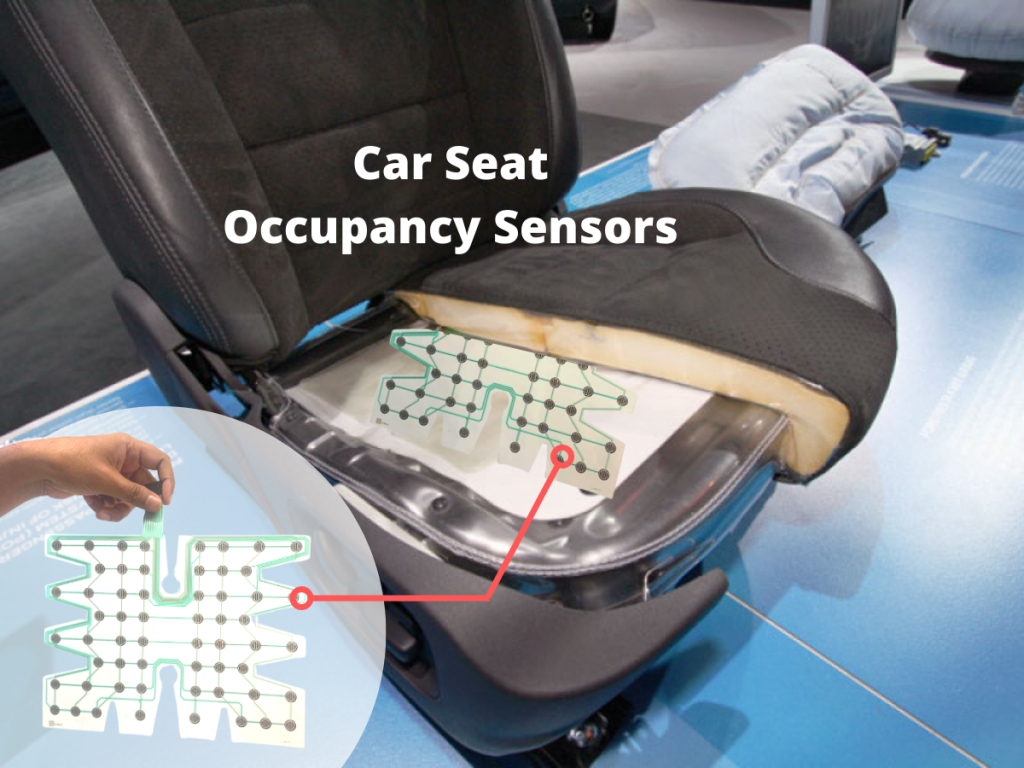
Sensor technology continues improving through radar-based detection systems that can identify extremely small body movements, including normal breathing.
These improvements greatly reduce false alerts while providing greater protection for children, elderly passengers, and pets who may otherwise remain unnoticed inside a parked vehicle.
7. Event Data Recorder With Expanded Safety Data Collection
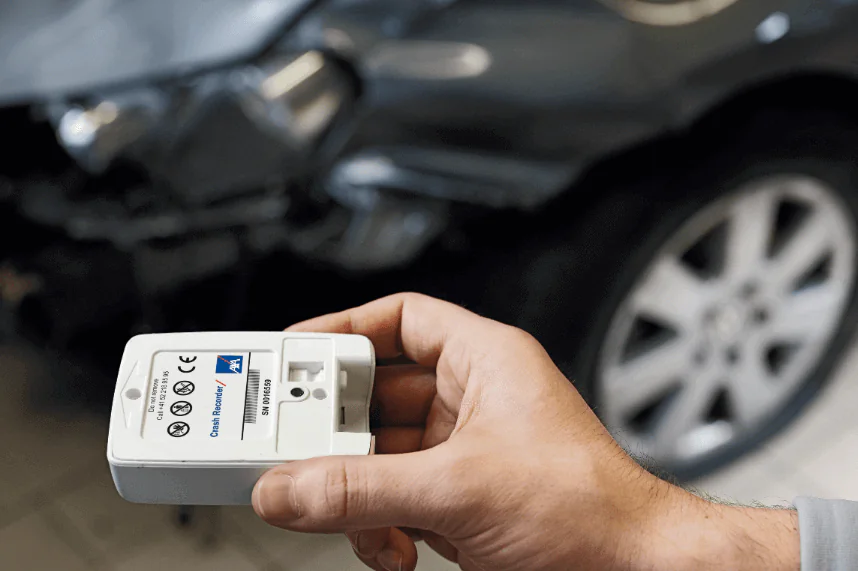
Most modern vehicles sold in the United States already contain an Event Data Recorder, commonly called an EDR, which captures limited information immediately before and during certain crashes.
Europe has expanded the role of this technology by requiring standardized Event Data Recorders on newly approved vehicles under the European Union’s General Safety Regulation. These systems are designed to support crash investigations and improve future vehicle safety by collecting consistent, anonymized collision data.
European Event Data Recorders capture information such as vehicle speed, braking activity, steering inputs, seat belt usage, and airbag deployment during the moments surrounding a collision.
The data is stored in a standardized format intended to help investigators better understand crash circumstances while also assisting manufacturers and regulators in improving future vehicle designs.
Privacy protections are an important part of the European framework. The information is not intended to track drivers during everyday travel. Instead, it records only a limited amount of technical data immediately surrounding specific collision events. Personal identity information is generally not included in the recorded dataset.
American vehicles often contain similar hardware, but the level of standardization and regulatory requirements differs. Individual manufacturers may record different information depending on vehicle design, and the regulatory approach is not identical to that adopted throughout the European Union.
As advanced driver-assistance systems continue evolving, standardized crash data will become increasingly valuable. Engineers can use real-world collision information to refine automatic emergency braking, occupant protection systems, and other technologies designed to reduce injuries.
Europe’s approach reflects a broader effort to create consistent crash analysis across all manufacturers while supporting future improvements in vehicle safety.
8. Reversing Detection Systems for Pedestrians and Cyclists
Backing accidents remain a serious safety concern, particularly in crowded urban areas where pedestrians and cyclists may suddenly enter a vehicle’s path.
To address this risk, European safety regulations require newly approved vehicles to include reversing detection systems capable of helping drivers identify obstacles behind the vehicle before a collision occurs.
These systems extend beyond the traditional backup camera that has become standard in the United States. European implementations frequently combine rear cameras with ultrasonic sensors, radar, and intelligent software capable of recognizing pedestrians, cyclists, and other moving objects.
If the system detects an imminent collision while reversing, it first provides visual and audible warnings. If the driver does not respond, some vehicles can automatically apply the brakes to prevent or reduce the severity of the impact.
The technology is particularly effective in busy parking lots, residential neighborhoods, school zones, and commercial areas where visibility behind larger vehicles can be limited. Cyclists approaching from the side and small children moving behind a vehicle are among the hazards these systems are designed to identify.
American vehicles increasingly offer Rear Cross Traffic Alert and Rear Automatic Braking, especially on higher trim levels and luxury models.
However, these features are not yet as universally available across all vehicle segments as they are on many newly approved European models, where regulatory requirements have accelerated widespread adoption.
Advances in sensor fusion continue improving reversing safety technology. By combining multiple sensor types with artificial intelligence, modern systems can identify complex situations more accurately while reducing unnecessary warnings.
As manufacturers continue expanding these capabilities, reversing detection systems are expected to become increasingly common on future vehicles sold in both Europe and the United States.
