
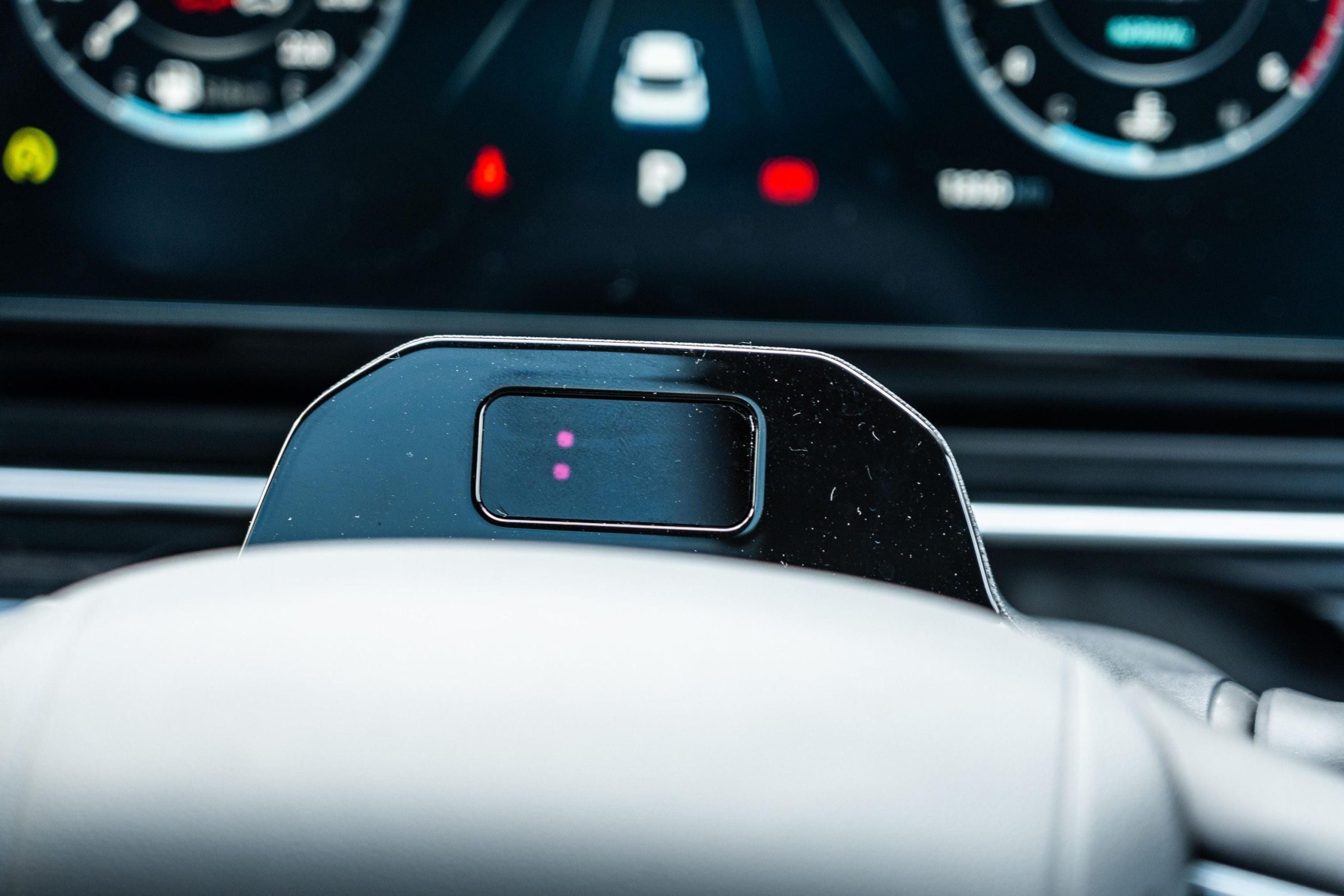
Driver-monitoring cameras have quietly become one of the most polarizing pieces of automotive technology. They watch your eyes. They track your head position. And in a growing number of vehicles, covering or disabling them isn’t a simple option anymore.
These cameras exist for a real reason. They power hands-free driving systems like Super Cruise and BlueCruise. They also feed advanced safety features that watch for drowsiness and distraction. Automakers have started engineering these systems so that taping over the lens doesn’t just annoy the dashboard. It shuts down the very features you paid for.
Some vehicles will disable adaptive cruise control entirely. Others lock out lane-centering the moment the camera loses sight of your face. A few will not even let hands-free mode engage at all.
This list covers ten vehicles where the cabin camera is functionally mandatory. We’ll look at how each system works, why it can’t simply be blocked, and the core specifications of each car. This is not a scare piece. It’s a practical guide to what’s actually happening inside your dashboard.
1. Tesla Model 3
The Tesla Model 3 integrates a small, discreet cabin camera positioned just above the rearview mirror housing, serving as a primary optical sensor that constantly monitors the driver whenever Autopilot or Full Self-Driving (FSD) features are active.
This system was originally introduced to monitor driver attentiveness, check for signs of distraction, and ensure that the person behind the steering wheel remains engaged while the vehicle handles autonomous navigation.
However, vehicle owners have quickly discovered that attempting to physically block, tape over, or obstruct this lens does not go unnoticed by the vehicle’s onboard software.
When the car’s computer detects an obstructed or blinded lens, it immediately logs a safety flag and actively restricts advanced hands-free and driver-assistance features until the obstruction is completely cleared.
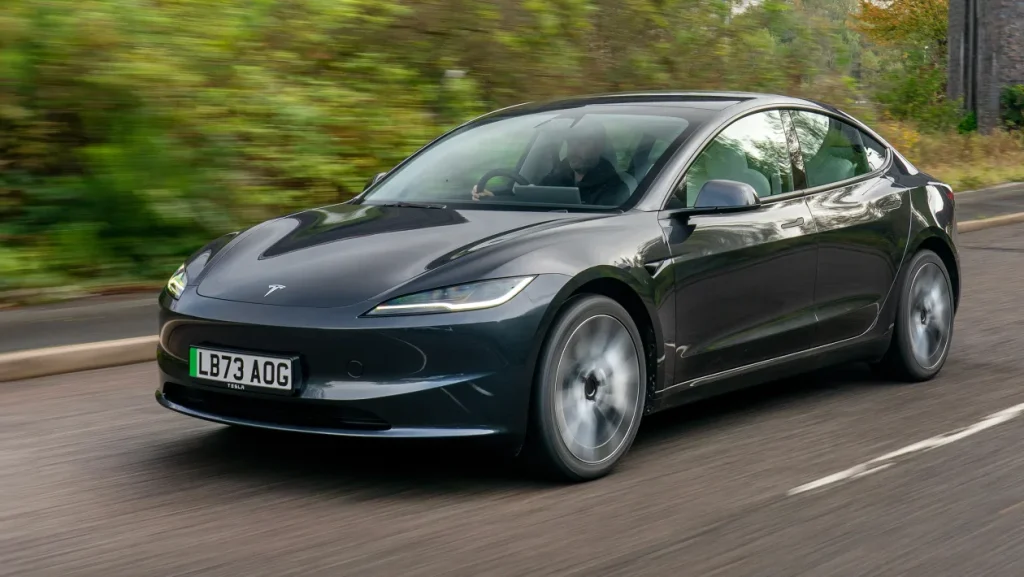
Tesla’s official privacy documentation explicitly states that cabin camera video footage remains processed locally within the car by default and is not directly tied to a vehicle identification number (VIN) unless data sharing is manually enabled.
However, if owners opt into software improvement programs, short video clips can be uploaded to Tesla servers following a collision, sudden automatic braking event, or safety disengagement.
Consumer advocacy groups, including Consumer Reports, have historically flagged concerning wrinkles regarding this technology. Specifically, the camera system can assess driver attentiveness or distraction patterns without necessarily delivering an immediate, proactive warning to the driver in real time, a dynamic that safety advocates have criticized as reactive rather than preventative.
Furthermore, this internal camera operates completely separately from the vehicle’s exterior-facing Autopilot sensor array. Even though it has distinct operational boundaries, losing the cabin camera severely degrades the vehicle’s capability to verify human presence and readiness, cementing the reality that owners cannot easily circumvent or cover the hardware without sacrificing core autonomous software capabilities.
Specifications:
- Engine: Dual permanent-magnet synchronous electric motors (Long Range AWD)
- Horsepower: 366 hp combined
- Torque: Approximately 420 Nm (310 lb-ft) per motor
- Length: 185.8 inches
- Width: 72.8 inches (excluding mirrors)
2. Cadillac Escalade
The Cadillac Escalade represents the pinnacle of full-size American luxury, equipped with cutting-edge driver-assist technology centered around GM’s industry-leading Super Cruise hands-free driving system.
To ensure safety and compliance during autonomous operation, the Escalade relies heavily on a dedicated Driver Attention Camera mounted directly on top of the steering column.
This specialized optical sensor utilizes infrared technology to track head positioning, eye movement, and line-of-sight continuously, ensuring that the driver is actively maintaining situational awareness even when their hands are completely off the steering wheel.
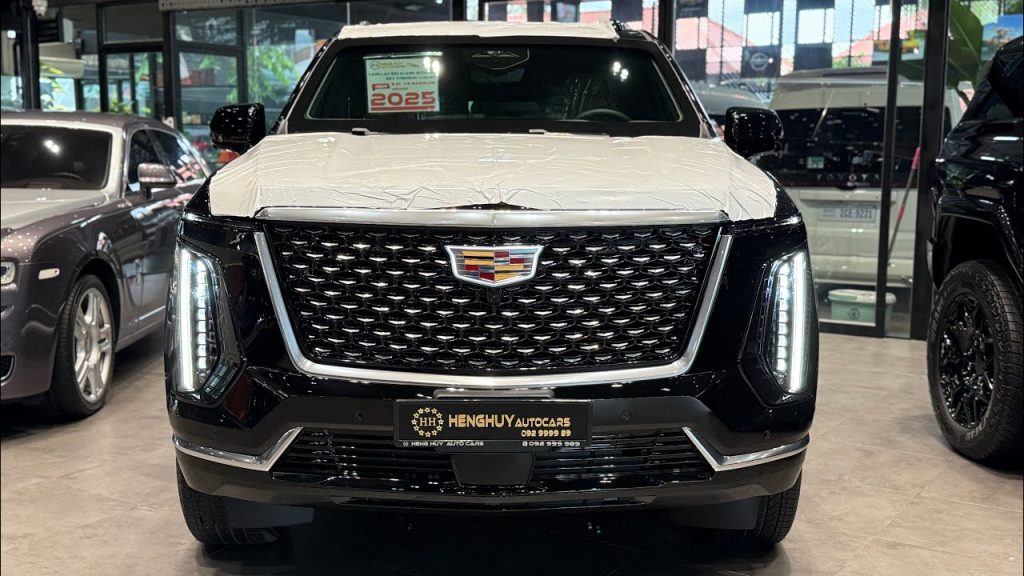
General Motors’ official vehicle support documentation and user guides are exceptionally blunt regarding this hardware: owners are strictly prohibited from covering, taping over, or physically obstructing the camera lens or its accompanying infrared light-bar sensors if they expect the Super Cruise feature to function at all.
If the driver’s eyes or head movements become obscured by clothing, hats, or physical blockages, vital safety protocols such as Drowsiness Detection and Attention Alert simply cease to function. Under these conditions, Super Cruise will refuse to engage, or will safely disengage itself, declining to operate hands-free until a clear, unobstructed view of the driver’s face is re-established.
This design is intentional and acts as a strict functional safeguard rather than a soft warning system. GM’s technical troubleshooting guides explicitly confirm that a blocked, smudged, or dirty lens directly forces a mid-drive deactivation of the hands-free driving capability, requiring the driver to retake manual control immediately.
To maintain optimal performance, Cadillac explicitly recommends routine maintenance, such as gently cleaning the lens cover with specialized glass cleaner, rather than attempting to bypass or mask the camera.
Ultimately, the entire operational premise of Super Cruise depends on the vehicle’s uncompromised ability to verify that a human operator is actively watching the road ahead.
Specifications:
- Engine: 6.2L naturally aspirated V8
- Horsepower: 420 hp
- Torque: 460 lb-ft
- Length: 211.9 inches
- Width: 81.0 inches
3. Ford F-150 (BlueCruise Equipped)
The Ford F-150 equipped with BlueCruise technology represents a major leap forward in hands-free highway driving assistance, but it also introduces strict interior monitoring via an advanced infrared driver-facing camera typically mounted discreetly on the steering column shroud or the instrument panel cluster.
This optical sensor is specifically engineered to emit invisible infrared light that tracks head orientation, eye gaze, and alertness, ensuring the driver maintains focus on the road ahead even when their hands are resting off the wheel.
However, owner forums are flooded with frustrated F-150 drivers discussing the strict nature of this hardware. One popular community post famously described the system’s infrared sensor as an inescapable “nanny camera” that is completely impossible to disable, adjust, or turn off through any of the vehicle’s standard touchscreen menus or customization settings.
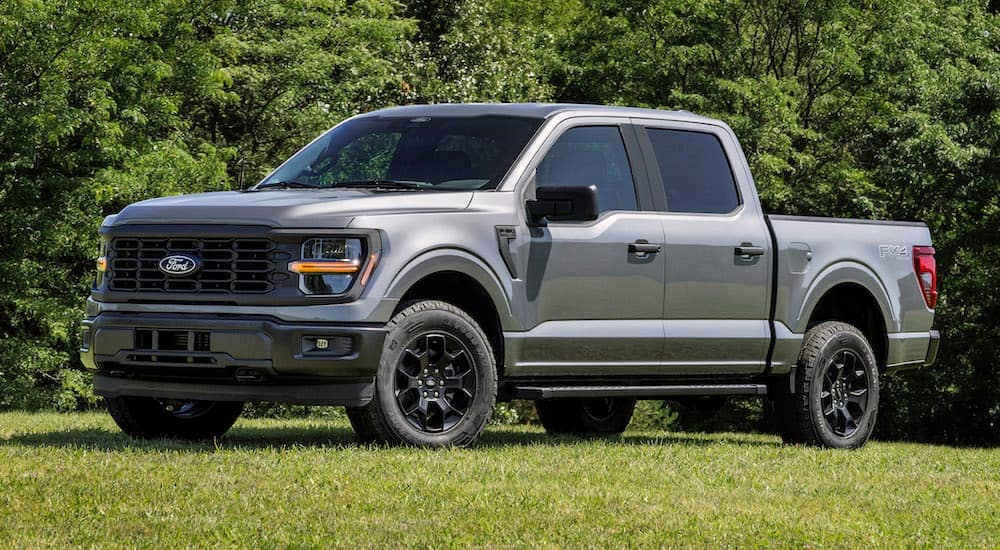
Ford’s official vehicle troubleshooting and owner support pages list any physical obstruction of facial features as an immediate cause of system failure and automatic deactivation.
Heavy winter masks, brimmed hats, and dark polarized sunglasses can all block the infrared spectrum, immediately triggering a dashboard warning chime, escalating visual alerts, and eventually forcing a complete drop out of BlueCruise hands-free mode if the driver fails to clear their face.
Because Ford refuses to offer an official soft-switch or menu option to deactivate the monitoring camera, some tech-savvy owners have resorted to utilizing third-party diagnostic software tools like Forscan to dive deep into the truck’s computer modules and attempt to disable the sensor entirely, risking software warranty complications in the process.
Regulatory bodies have also taken close interest in how these monitoring systems perform during real-world driving. For instance, the National Highway Traffic Safety Administration (NHTSA) previously opened formal engineering probes into advanced driver-assistance systems and monitoring performance following high-profile incidents involving stationary emergency vehicles.
Ford maintains that continuous driver monitoring is a non-negotiable safety pillar required to keep drivers from over-relying on automation. Consequently, F-150 owners must accept that this un-deactivatable camera is an immutable part of the high-tech towing and cruising experience.
Specifications:
- Engine: 3.5L twin-turbocharged PowerBoost hybrid V6
- Horsepower: 430 hp
- Torque: 570 lb-ft
- Length: 231.7 inches (SuperCrew, 6.5-ft bed)
- Width: 79.9 inches
4. Volvo EX90
Volvo built its flagship all-electric SUV, the EX90, around an advanced safety philosophy anchored by what the Swedish manufacturer calls a “Driver Understanding System.”
Rather than relying on a single lens, this comprehensive safety suite utilizes two distinct interior-facing cameras developed in direct collaboration with prominent driver-monitoring specialists Smart Eye.
One camera is positioned discreetly right by the primary driver display instrument panel, while the second optical sensor is mounted securely just above the central infotainment screen.
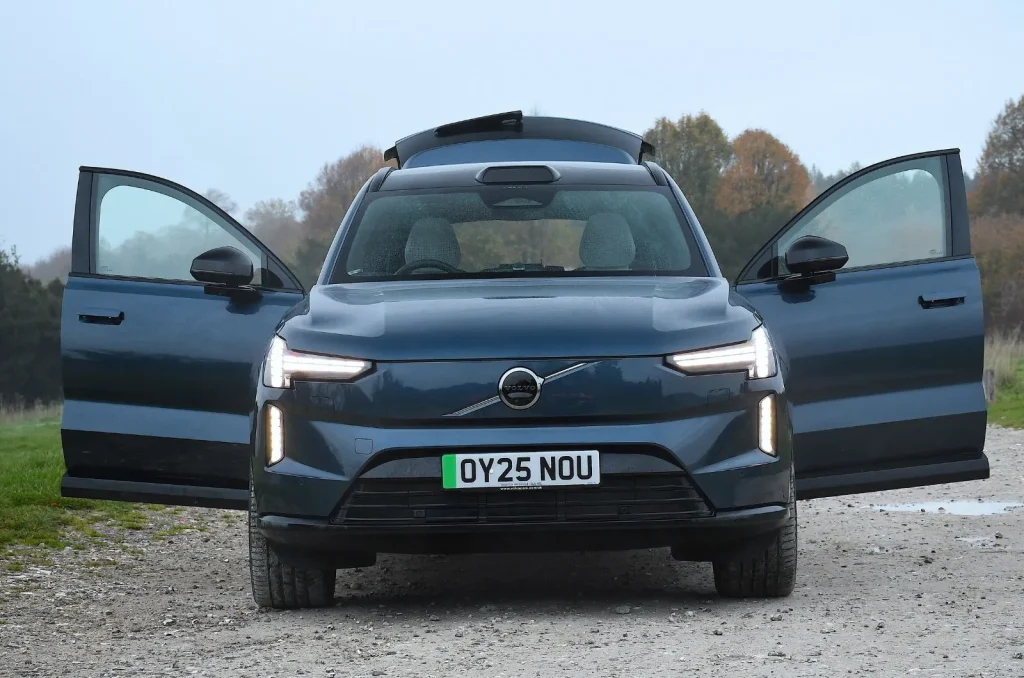
Working in tandem, these dual cameras track micro-expressions, head posture, eye closure rates, and distraction patterns continuously in real time, though Volvo emphasizes that the system analyzes behavior via software algorithms locally without constantly saving or recording raw video footage to the cloud.
Despite safety assurances, official Volvo support documentation explicitly states that the Driver Understanding System requires an entirely unobscured, crystal-clear view of the driver’s face at all times to function properly.
Common everyday items such as heavy winter clothing, scarves, accessories, hats, or even thick cabin smoke can severely interfere with optical tracking accuracy.
Dedicated Reddit threads and EV owner forums discussing the EX90 show significant consumer pushback regarding this deep level of cabin observation.
Several early buyers expressed genuine surprise upon discovering the existence of multiple internal monitoring cameras, immediately questioning whether the hardware could be permanently switched off or physically masked when privacy is preferred.
Volvo’s corporate position, which is frequently echoed by safety advocates and several pragmatic EX90 owners alike, remains straightforward and unyielding.
The core philosophy dictates that drivers should not be granted advanced hands-free or unsupervised autonomous driving assistance without simultaneously accepting the continuous biometric monitoring that regulatory agencies and engineers deem necessary to make such powerful technology safe on public highways.
Specifications:
- Engine: Dual permanent-magnet electric motors (Twin Motor)
- Horsepower: 402 hp
- Torque: 568 lb-ft
- Length: 198.3 inches
- Width: 77.3 inches
Also Read: Hertz Rented a Shelby Mustang to the Public in 1966
5. Subaru Forester
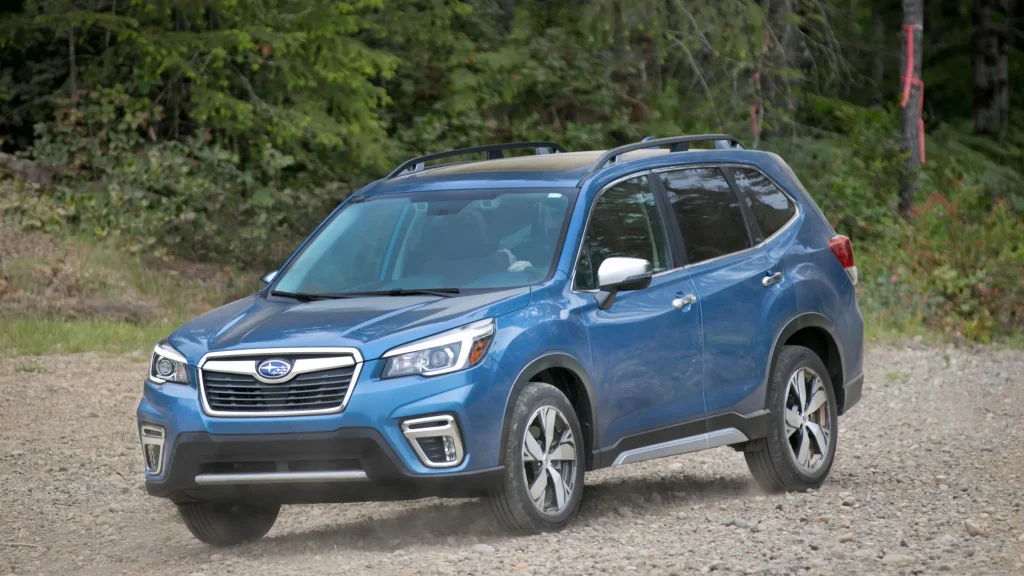
The Subaru Forester integrates the brand’s proprietary DriverFocus distraction mitigation system, which relies on a specialized small infrared camera prominently mounted on the dash housing near the base of the rearview mirror.
This camera is engineered to actively watch for clinical signs of driver fatigue, micro-sleeps, head drooping, and visual distraction on every single drive, regardless of whether the vehicle is traveling on a remote dirt road or going through heavy metropolitan traffic.
Unlike semi-autonomous hands-free setups that only activate during specific highway cruising modes, DriverFocus runs continuously from the moment the engine starts to the second it shuts off, making it one of the most persistent cabin monitoring setups available in the mainstream compact SUV market.
Automotive enthusiast communities frequently cross-reference this technology; in fact, frustrated truck and SUV drivers, including Ford F-150 owners, often reference Subaru directly in online forum complaints regarding aggressive interior monitoring.
One widely shared thread bluntly described Subaru’s version of driver attention tracking as “annoying as hell” by comparison to simpler systems, citing frequent chimes triggered by sunglasses or looking down at climate controls.
If the onboard software senses your gaze drifting away from the road for more than a couple of seconds, the system immediately issues escalating visual warnings and audible chimes.
Attempting to physically cover the lens with tape or a makeshift barrier does not solve the issue; instead, it typically triggers a persistent dashboard fault warning rather than silent compliance.
Subaru explicitly markets DriverFocus as an indispensable core pillar of its broader EyeSight advanced safety architecture rather than an optional, easily dismissible convenience feature.
Because it is tied deeply into the vehicle’s structural safety identity, disabling the system through standard infotainment menus is intentionally restricted by the manufacturer. This hardwired philosophy makes bypassing the camera a difficult challenge for owners who value absolute digital privacy inside their personal cabins.
Specifications:
- Engine: 2.5L naturally aspirated flat-four “Boxer” engine
- Horsepower: 180 hp
- Torque: 178 lb-ft
- Length: 182.7 inches
- Width: 72.0 inches
6. Genesis GV60
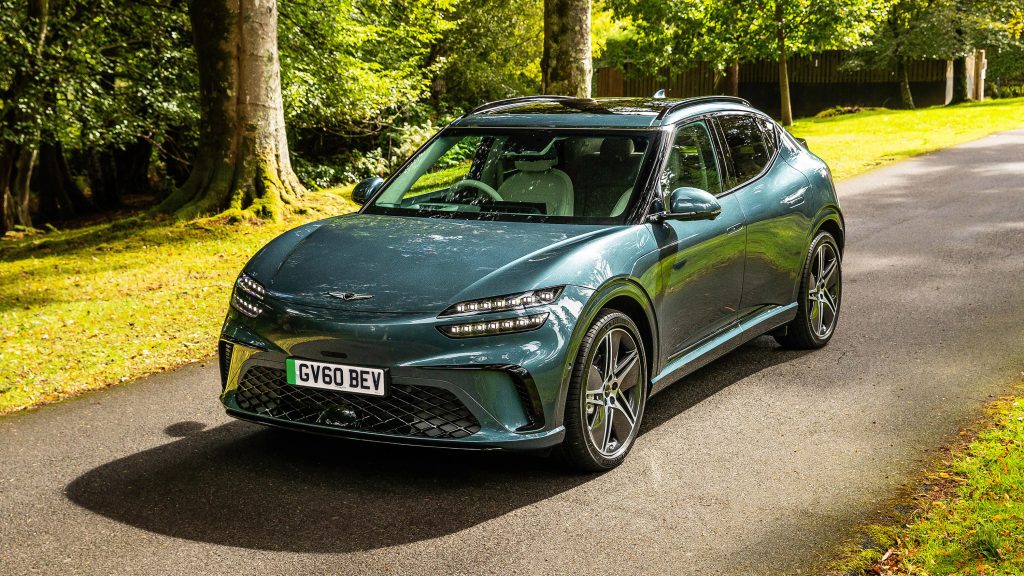
The Genesis GV60, serving as an avant-garde electric luxury crossover, equips its sophisticated cabin with a dedicated driver-facing optical camera as an integral component of its Highway Driving Assist (HDA) suite.
This advanced sensor is meticulously designed to monitor driver attentiveness, alertness, and head position during extended highway driving stints, ensuring that full-time supervision is maintained even when the vehicle is handling lane centering and adaptive speed control automatically.
Mechanically, the camera sits positioned low on the steering column shroud, angled deliberately upward toward the driver’s face to capture a clean sightline. It remains a compact but persistent, ever-watchful presence during any semi-autonomous driving session.
Automotive legal and engineering teams across Hyundai Motor Group brands tie this biometric camera directly to corporate liability concerns surrounding partial automation technology.
Blinding or blocking the lens effectively removes the electronic safety net that automakers rely on to prove operator supervision. Owners who have experimented with taping over similar camera sensors within the Hyundai corporate family report immediate, unyielding dashboard alerts and fault codes.
The vehicle’s computer logic assumes absolute driver inattention or system failure rather than recognizing a deliberate manual obstruction, forcing the driver to clear the lens before autonomous features will re-engage.
This uncompromising hardware integration aligns seamlessly with the broader automotive industry trend toward mandatory, un-bypassable driver verification.
Genesis positions the feature as fundamentally inseparable from its advanced assistance technology, establishing a strict standard where cabin privacy is deliberately traded for high-tech semi-autonomous capability.
Specifications:
- Engine: Dual electric motors, all-wheel drive
- Horsepower: 314 hp
- Torque: 446 lb-ft
- Length: 175.5 inches
- Width: 74.4 inches
7. Mercedes-Benz S-Class (Drive Pilot)
Mercedes built its Drive Pilot system, one of the few Level 3 systems approved for real-world use, around strict cabin monitoring. A camera confirms the driver stays ready to intervene.
This isn’t optional hardware on Drive Pilot-equipped cars. The entire legal certification for conditional automation depends on proving the driver can resume control quickly.
German regulators required this kind of verification before approving hands-off, eyes-off driving on limited highway stretches. Ford faced a similar requirement to gain German approval for BlueCruise.
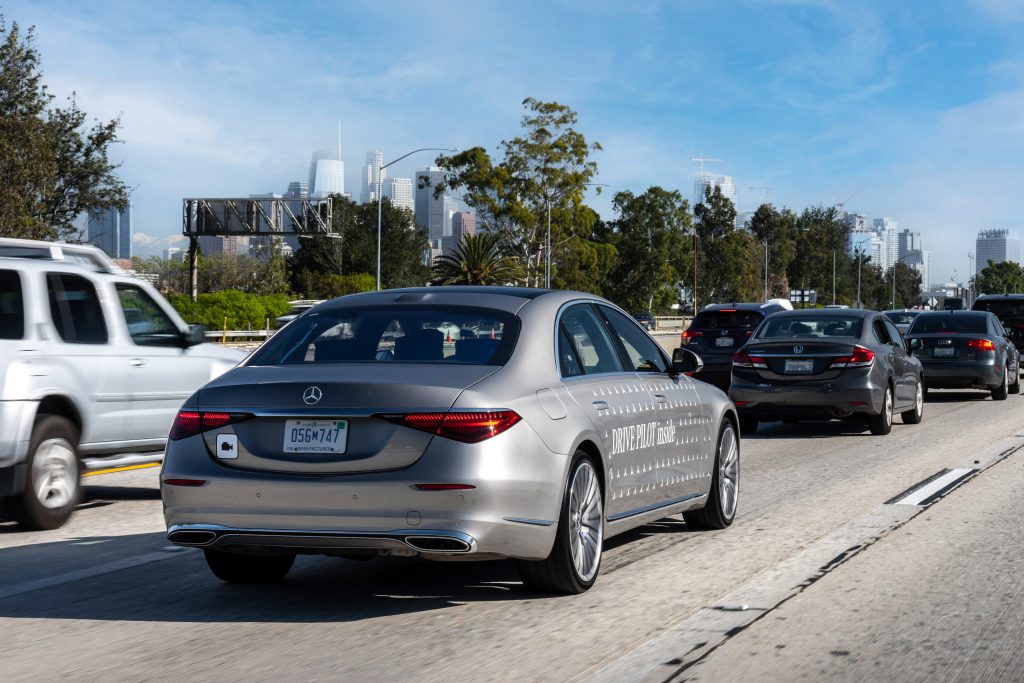
Covering the sensor doesn’t just annoy the S-Class. It legally cannot offer Level 3 automation without confirmed occupant readiness, so the feature simply locks out.
Mercedes frames this as a trust mechanism rather than surveillance. Without it, regulators wouldn’t have cleared the system for public roads at all.
Specifications:
- Engine: 4.0L twin-turbocharged V8 with 48-volt EQ Boost (S 580 4MATIC)
- Horsepower: 496 hp
- Torque: 516 lb-ft
- Length: 208.6 inches (long-wheelbase)
- Width: 76.9 inches
8. BMW iX
BMW’s iX uses a camera-based system tied to its Personal CoPilot suite. It watches for prolonged inattention during extended highway driving.
The sensor is discreetly integrated near the instrument cluster. BMW designed it to blend into the dashboard rather than stand out as an obvious lens.
Like its German rival Mercedes, BMW’s monitoring is tightly linked to insurance and regulatory expectations across Europe. Blocking the camera removes the legal basis for assisted driving credits.
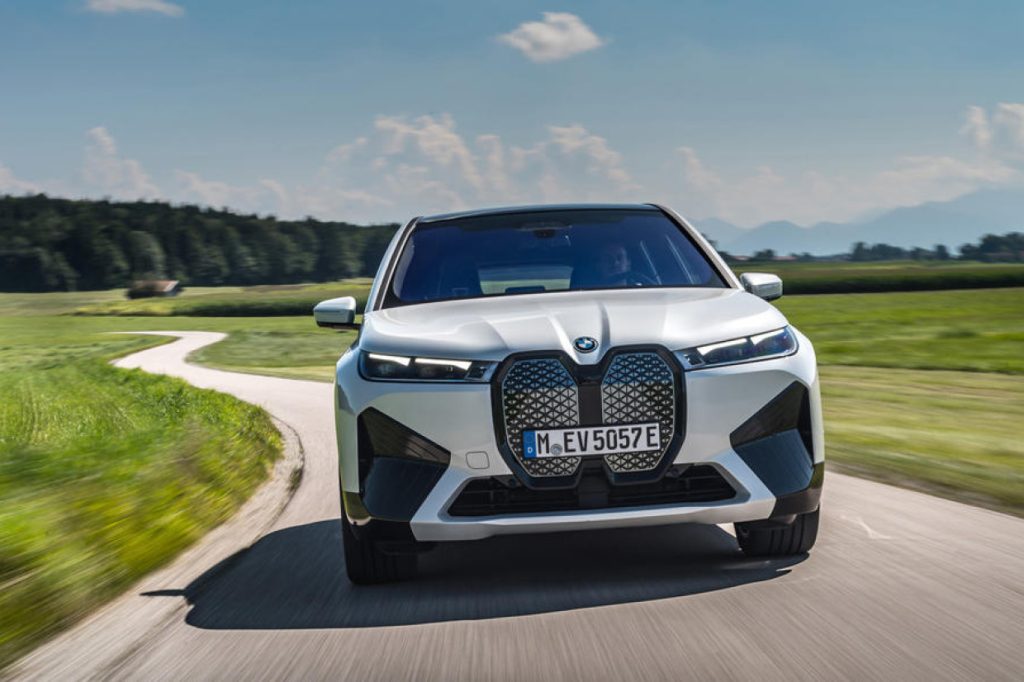
BMW’s owner documentation frames this less as an optional feature and more as a prerequisite. Without verified attentiveness, the highest tiers of assistance simply won’t activate.
The iX represents BMW’s most tech-forward model, making it a natural testbed for stricter monitoring standards the brand plans to expand further.
Specifications:
- Engine: Dual electric motors, all-wheel drive (xDrive50)
- Horsepower: 516 hp
- Torque: 564 lb-ft
- Length: 195.0 inches
- Width: 76.2 inches
9. Rivian R1S
Rivian’s R1S includes a driver-facing camera as part of its Driver+ assistance package. It’s positioned to track eye movement during hands-free highway driving.
Rivian, as a newer automaker, built its monitoring architecture with regulatory scrutiny already in mind. The company knew driver-facing cameras would soon become an industry expectation.
Owners attempting DIY covers on similar systems typically trigger persistent dashboard alerts. The R1S treats an obstructed camera as a fault rather than a preference.
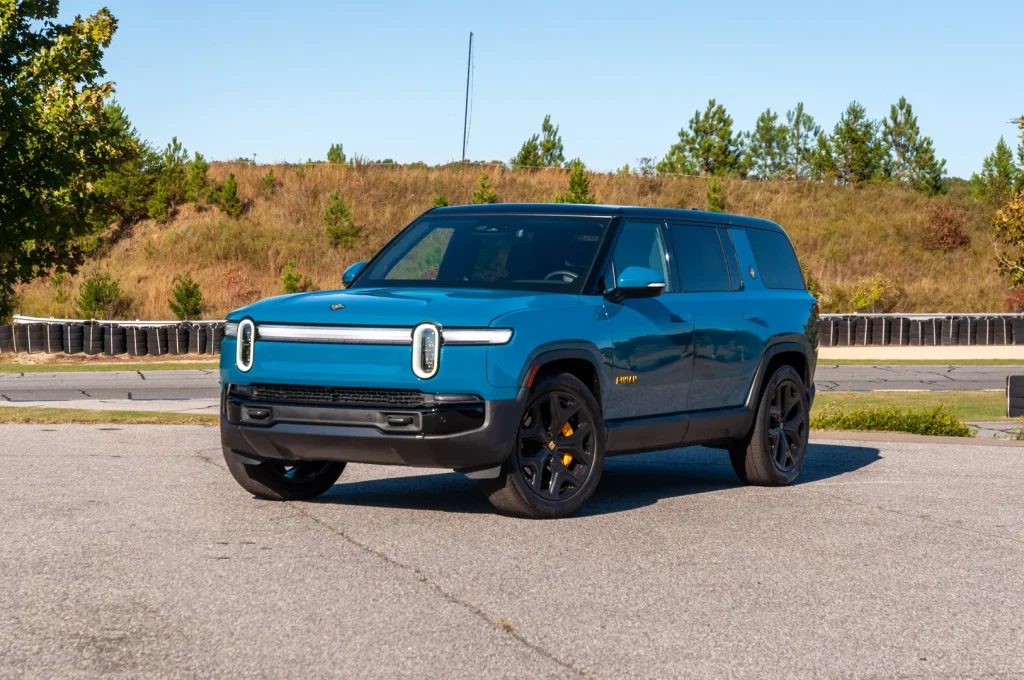
This is similar to the issues already noted for Ford and Cadillac owners elsewhere on this list. A blocked lens does not stop the monitoring system from functioning, but it can prevent the features that rely on it from operating properly.
Rivian continues refining Driver+ through over-the-air updates. Future software could tighten camera requirements even further as hands-free capabilities expand.
Specifications:
- Engine: Dual electric motors, all-wheel drive (Performance Dual-Motor)
- Horsepower: 665 hp
- Torque: 610 lb-ft
- Length: 200.8 inches
- Width: 81.8 inches
10. Nissan Ariya
Nissan’s ProPILOT Assist 2.0, available on the Ariya, uses a driver-facing camera to enable hands-off driving on mapped highways. It’s Nissan’s answer to Super Cruise and BlueCruise.
The camera monitors gaze direction constantly while hands-free mode is engaged. Losing sight of the driver’s eyes triggers immediate warnings and eventual disengagement.
Nissan’s system escalates quickly compared to some rivals. Audible alerts arrive within seconds of detected inattention, followed by braking if unaddressed.
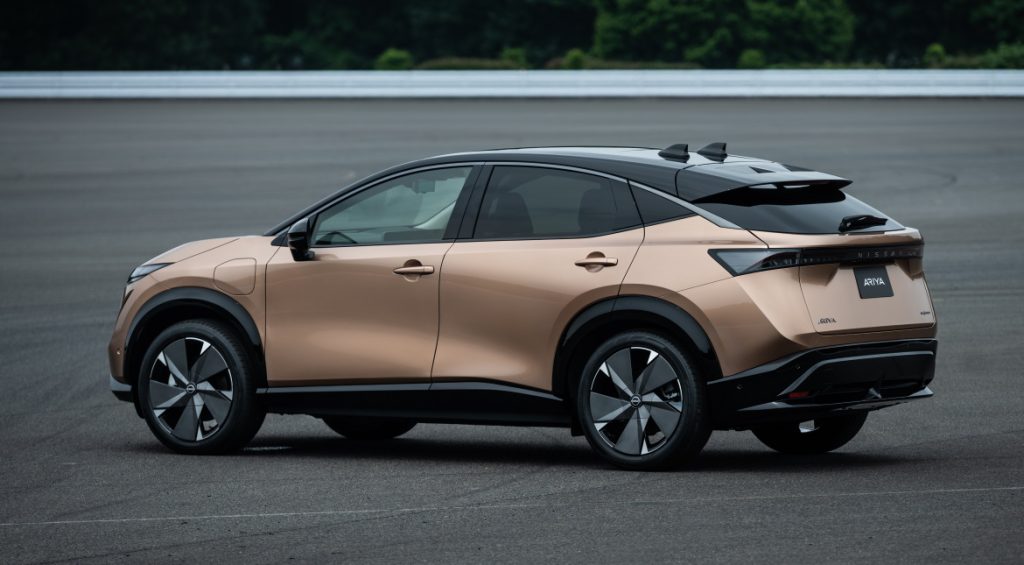
This aggressive response makes covering the lens especially disruptive. The Ariya essentially assumes the worst-case scenario the moment tracking data disappears.
Nissan has positioned ProPILOT 2.0 as a flagship differentiator for the Ariya. That makes robust, hard-to-bypass camera monitoring central to the car’s identity.
Specifications:
- Engine: Dual electric motors, all-wheel drive (Platinum+ e-4ORCE)
- Horsepower: 389 hp
- Torque: 442 lb-ft
- Length: 182.9 inches
- Width: 74.8 inches
Also Read: 10 Cars With the Biggest Heat-Related Reliability Issues
