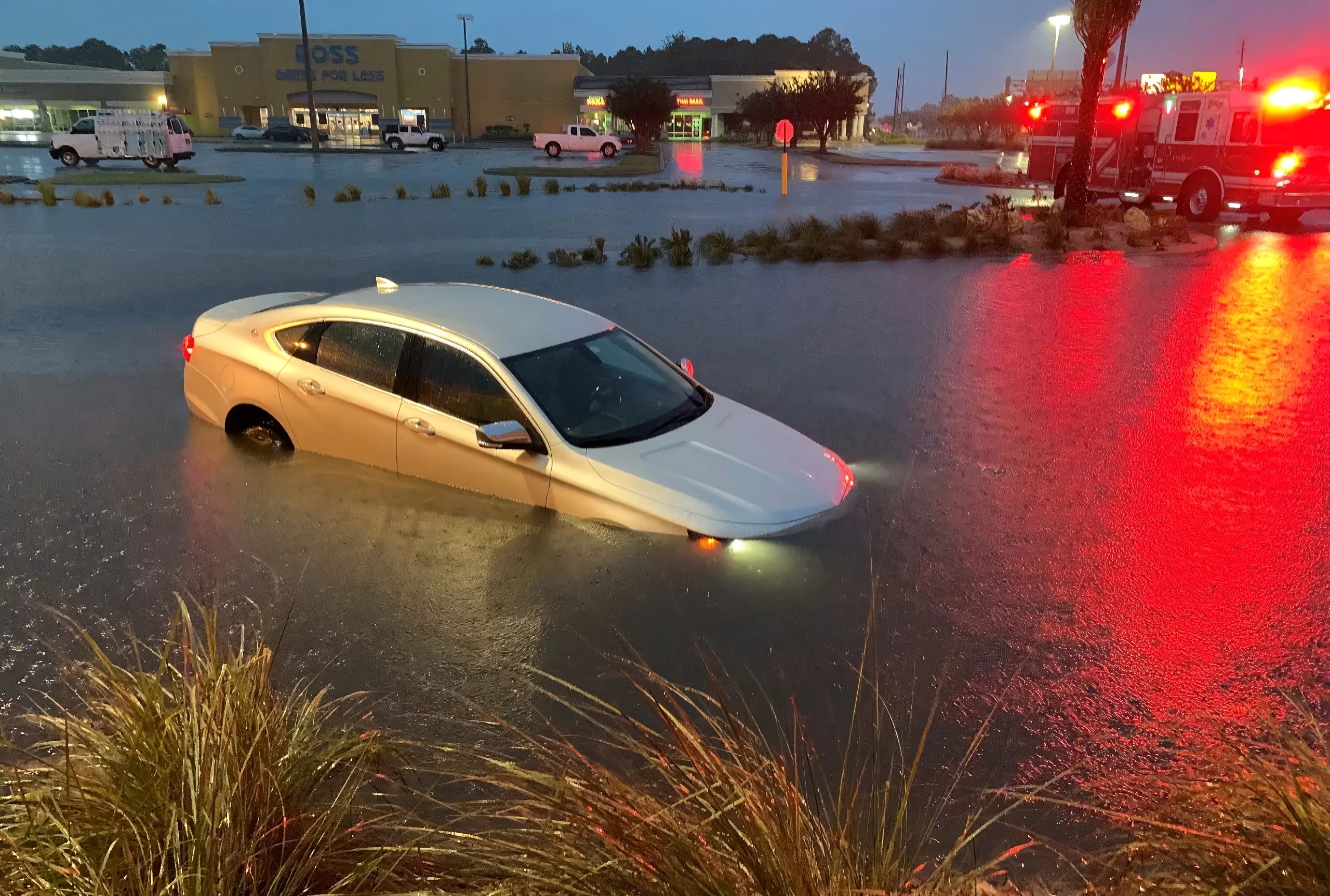
Imagine coming across what seems like the ideal used sedan online. The price feels like a great deal, the title appears legitimate, and the seller comes across as trustworthy. But hidden beneath that polished listing could be a history you never notice, such as a flood mark that once reached the vehicle’s doors during a storm in Texas or Florida. Each hurricane season results in thousands of water-damaged cars, and many of them eventually make their way far from where the damage first happened.
They travel, get cleaned up, and resurface hundreds or even thousands of miles away, often in states where buyers never think to ask about storm damage. According to CARFAX and the National Insurance Crime Bureau (NICB), this cycle repeats after nearly every major flood event. Here’s how these vehicles quietly cross state lines and land back on dealer lots and driveways elsewhere in the country.
The Storm Creates the Problem First
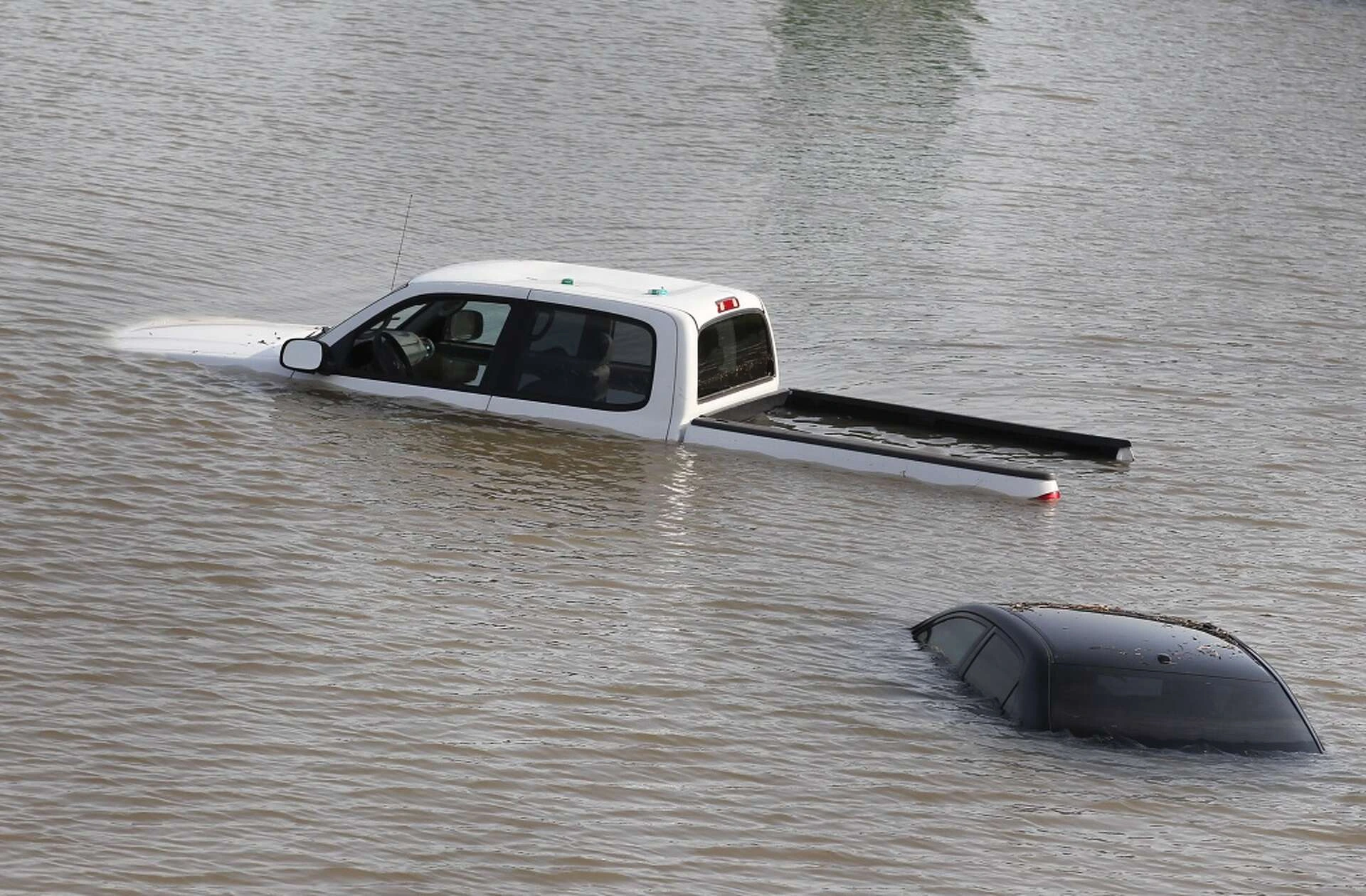
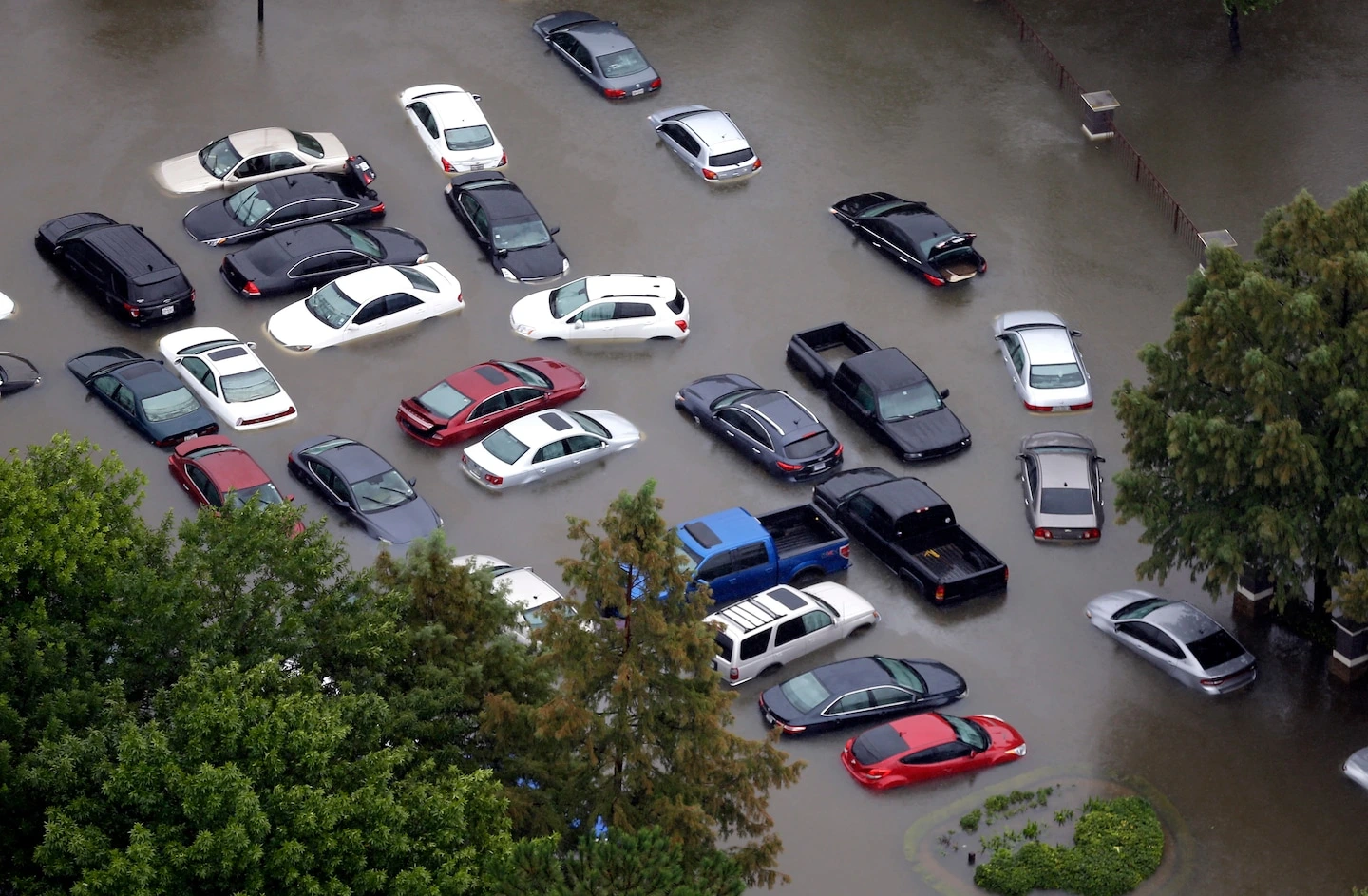
Every flood event follows a familiar pattern, and understanding that pattern helps explain everything that happens afterward. When hurricanes or heavy storms hit Texas, Florida, or nearby regions, thousands of vehicles sit submerged in standing water for hours or days at a time.
Water seeps into wiring harnesses, carpet padding, door panels, and electrical modules, causing damage that isn’t always visible right away. CARFAX reported that storms between April and July of 2025 alone flooded an estimated 45,000 vehicles across Texas, Kentucky, West Virginia, and surrounding states.
That number sits on top of roughly 482,000 water-damaged vehicles already circulating nationwide as of early 2025. Insurance companies typically total out a portion of these vehicles, but plenty were never insured in the first place, meaning there’s no insurer involved to flag the damage or issue a salvage title.
Owners without coverage often have little financial choice but to sell or trade the vehicle rather than pay for repairs themselves. That single fact opens the door for flood cars to enter the resale pipeline looking, on paper, like any other used vehicle on the market.
Auctions Move Cars Across State Lines Fast
Once a flooded vehicle enters the resale chain, distance becomes its biggest advantage for anyone looking to hide its history. Wholesale auctions operate on a national scale, meaning a car damaged in Houston can sell to a buyer in Ohio within days, often changing hands two or three times before reaching a retail lot.
Dealers searching for extra inventory frequently buy in bulk from auctions without physically inspecting every unit beforehand, relying instead on paperwork and brief arbitration windows to catch problems. Once that arbitration period closes, the vehicle typically can’t be returned, even if hidden flood damage surfaces weeks later.
CARFAX data specifically flagged Pennsylvania, Illinois, New Jersey, and California as states showing unusually high concentrations of flood-damaged vehicles, despite experiencing little to no direct storm impact themselves. That pattern only makes sense once you consider how national the auction system really is.
Cars simply follow demand, not weather patterns. A dealership restocking used inventory in the Midwest has no built-in reason to suspect a clean-looking trade-in came from a flood zone a thousand miles away, which is exactly what makes this loophole so persistent and so hard to close through inspection alone.
Also Read: 9 Best Cars For Rainy, Flood-Prone Regions
Title Washing Hides the Real History
Here’s where things get genuinely frustrating for anyone trying to buy responsibly. Not every state brands vehicle titles for flood damage the same way, and some barely require it at all. That inconsistency creates an opening for what’s known as title washing, where someone registers a flood-damaged vehicle in a state with looser rules, receives a clean title, then resells the car in a different state entirely.
The original flood history essentially disappears on paper, even though the physical damage never actually went away. According to the Florida Automobile Dealers Association, roughly half of all hurricane-damaged vehicles eventually reenter the market in some form. Scammers count on the paperwork trail going cold before a buyer ever asks the right questions.
Faisal Hasan, CARFAX’s VP of Data Acquisition, put it bluntly, noting that the same vehicles once pictured floating in floodwaters can get cleaned up and resold by opportunists elsewhere, looking showroom fresh while quietly falling apart from the inside out.
Wiring corrodes, mold grows behind panels, and electrical systems fail months or years down the road, long after the seller has cashed the check and moved on without consequence.
Warning Signs Buyers Often Miss
Spotting a flood car isn’t always obvious, but there are patterns worth knowing. Trust your nose first: a musty, mildew smell that air fresheners can’t quite cover often signals trouble no detailer can fully erase.
Check the carpet and upholstery for water stains, mismatched coloring, or fabric that feels stiff compared to surrounding material. Look under the dashboard and inside door panels for rust, corrosion, or a fine layer of silt that a quick wash wouldn’t remove.
Seatbelts deserve a tug too, since manufacturers rarely factor floodwater exposure into stitching durability, and frayed or discolored webbing can be a giveaway. Interior lights and instrument clusters sometimes trap moisture behind the lens, leaving a foggy or water-line appearance that’s hard to fake.
Beyond a visual check, pulling a vehicle history report and running the VIN through NICB’s free VINCheck service can reveal whether a car has ever carried a salvage or total-loss record. None of these checks guarantee a spotless bill of health on their own, but combined, they build a picture that’s much harder for a seller to talk around, especially paired with a pre-purchase inspection from a mechanic who isn’t rushing the process.
Also Read: 10 Cars With Sunroof Drains That Flood the Carpet
What Buyers Can Do to Protect Themselves
Protecting yourself starts before you ever set foot on a lot. Run every VIN through NICB’s VINCheck and a paid vehicle history service, since flood damage sometimes shows up on one report but not the other, depending on which insurers reported the claim.
Ask direct questions about the vehicle’s ownership history, including where it was previously registered, and treat vague or shifting answers as a red flag worth walking away from. Insist on a pre-purchase inspection from an independent mechanic, ideally one who lifts carpet, checks under the dash, and inspects wiring connectors rather than relying on a glance under the hood.
If a deal seems unusually cheap for the mileage and condition, ask yourself why, since flood-damaged inventory often gets priced to move quickly before problems surface. Buying from a reputable, established dealership rather than a private seller or unfamiliar lot adds another layer of accountability, particularly if that dealer offers a return window or warranty.
None of these steps take more than an afternoon, yet together they offer real protection against a problem that, according to both CARFAX and NICB, shows no sign of slowing down anytime soon.