
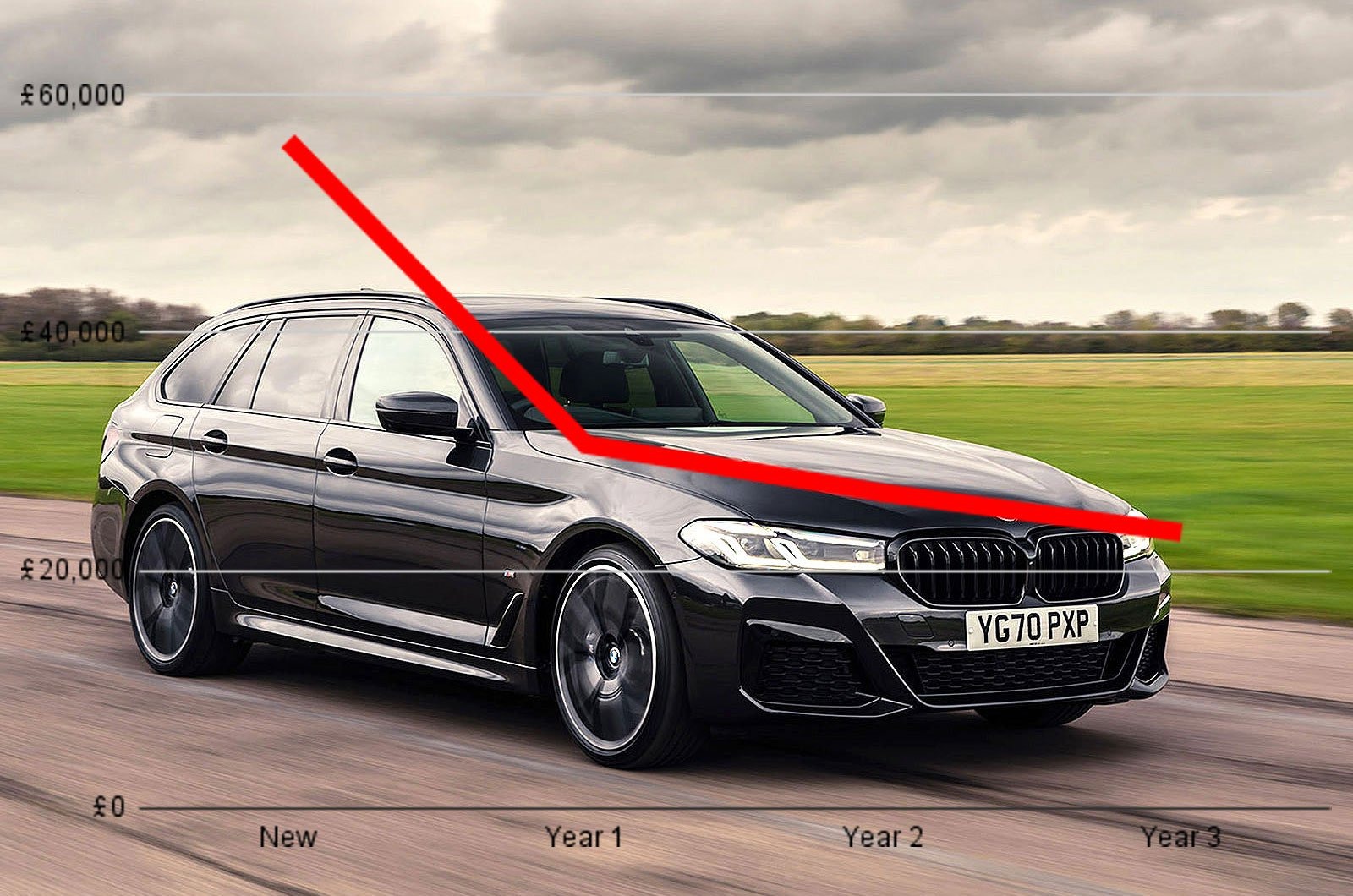
Buying a luxury car feels like a reward. Watching it lose tens of thousands of dollars in resale value a few years later feels like a punishment nobody warned you about. According to data compiled by iSeeCars, certain premium sedans, oversized SUVs, and electric flagships lose staggering dollar amounts almost as soon as the new-car smell fades.
These aren’t small percentage dips. We’re talking about real cash disappearing from a vehicle’s worth within a three-to-five-year window. If you’re shopping used, this list could save you a fortune. If you’re shopping new, consider it a warning label. Here are eight vehicles that lose more money than most people earn in a year.
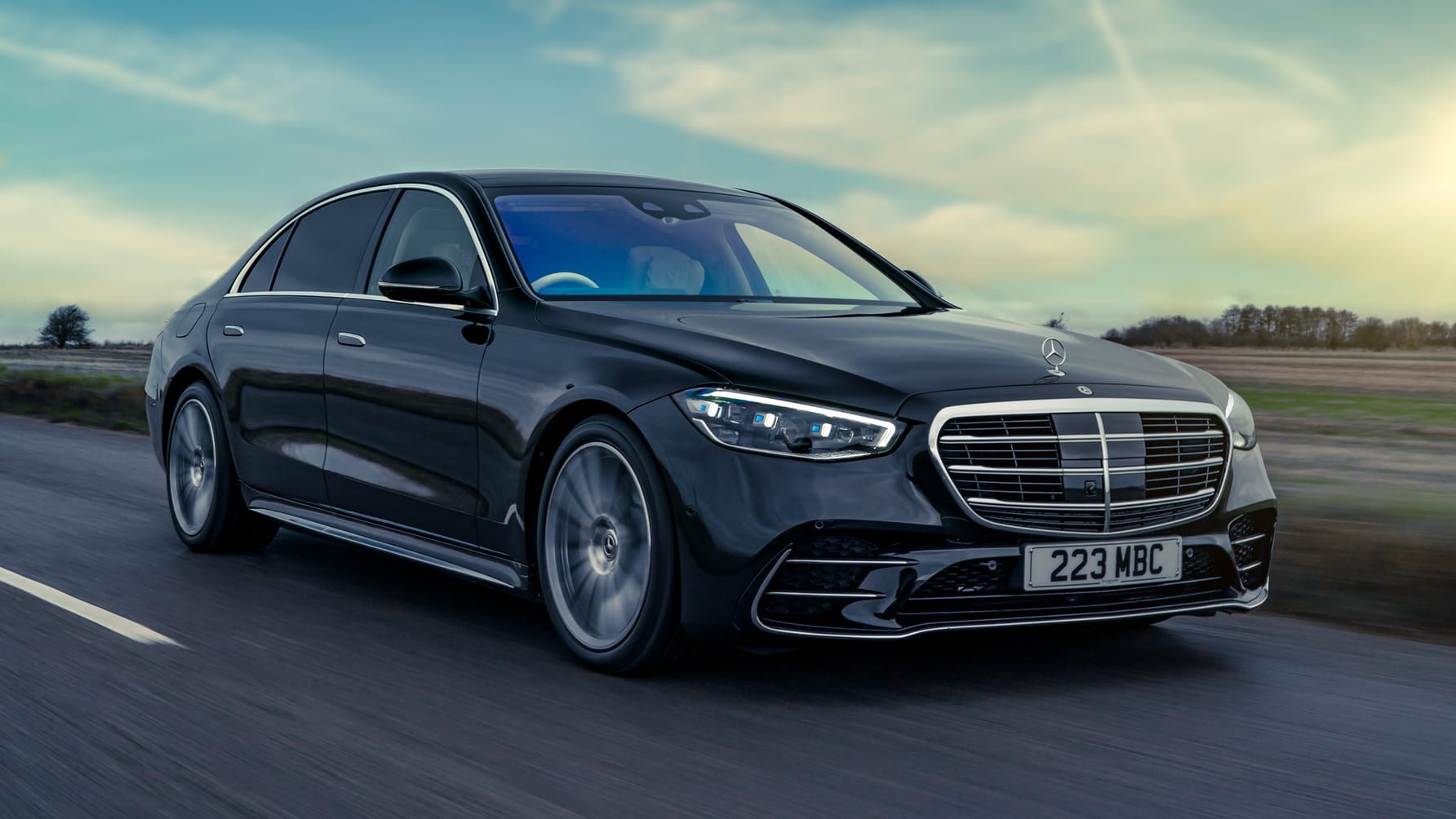
1. Mercedes-Benz S-Class
Average Dollar Loss: About $43,354
- Engine: 3.0L Turbocharged Inline-6 Mild Hybrid
- Horsepower: 429 hp
- Torque: 384 lb-ft
- Size: 208.2 in Long × 76.9 in Wide
Owning the Mercedes-Benz S-Class has always been seen as a mark of success, and that reputation comes with a very high purchase price. While many buyers gladly pay for the comfort, luxury, and prestige, the vehicle begins losing value almost immediately after it leaves the dealer.
Even though it remains one of the finest luxury sedans available, its resale value falls much faster than many people expect. Since the starting price is already very high, even a small drop in value can translate into tens of thousands of dollars lost within just a few years.
Another reason the S-Class depreciates so quickly is the buying habits of wealthy owners. Many replace their vehicles long before they become old or develop mechanical problems. As a result, the used market is filled with clean, low-mileage examples competing for attention.
Buyers have many options, which puts pressure on resale prices. Luxury vehicles also depend heavily on advanced technology, and features that seem impressive today can appear dated after only a short period. Many shoppers prefer the latest safety systems, infotainment upgrades, and cabin features instead of purchasing an older version.
For the first owner, this means taking the biggest financial hit. They enjoy driving a premium sedan with the latest features, but they also carry the burden of rapid depreciation. Someone buying the same car a few years later can enjoy nearly the same comfort, performance, and luxury while spending far less money.
That sharp drop in value has become one of the biggest financial realities of owning the Mercedes-Benz S-Class.
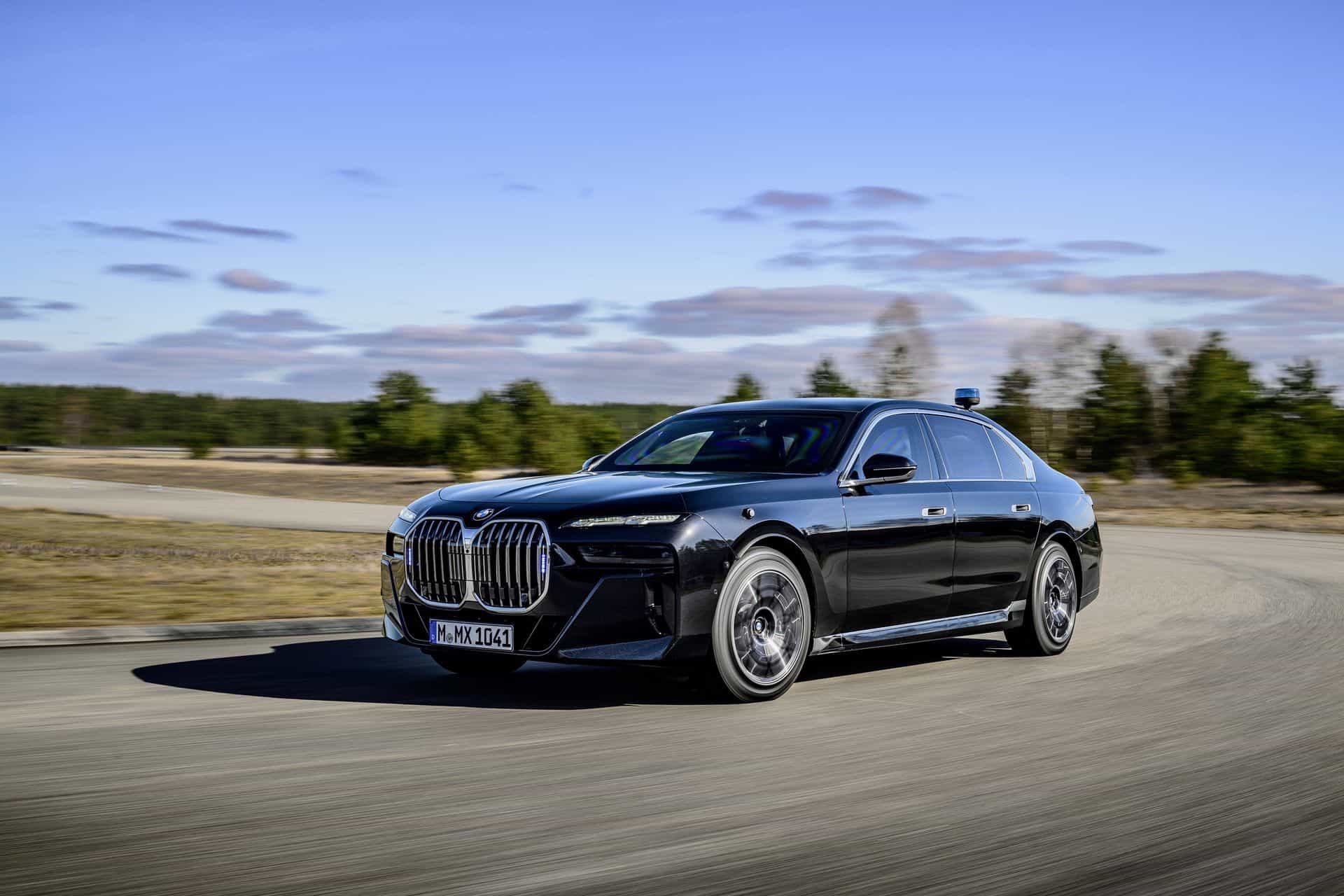
2. BMW 7 Series
Average Dollar Loss: About $41,000 to $43,000
- Engine: 3.0L Turbocharged Inline-6
- Horsepower: 375 hp
- Torque: 398 lb-ft
- Size: 212.2 in Long × 76.8 in Wide
Big sedans like the 7 Series face a tough sales environment. Buyers who can afford a car at this price point often gravitate toward SUVs instead, leaving fewer shoppers competing for large luxury sedans on the resale market. That imbalance between supply and demand pushes used values downward fast.
Corporate and executive lease programs also dump a steady stream of low-mileage 7 Series models onto dealer lots every year, which adds even more competition for sellers trying to get a fair price. Buyers who do want a car this size and this refined tend to prefer waiting for the newest styling refresh rather than settling for last year’s model.
Style updates arrive often enough in this segment that older versions start to look dated surprisingly quickly, even when nothing mechanical has changed. That perception problem hits resale value just as hard as any spec sheet comparison would.
Add a reputation for costly repairs once the factory warranty expires, and plenty of used buyers simply walk away toward something with lower ownership risk. The result is a sedan that looks fantastic driving off the lot and far less appealing three years later on a used car listing.
Also Read: 6 Luxury Cars That Depreciate the Fastest in Two Years
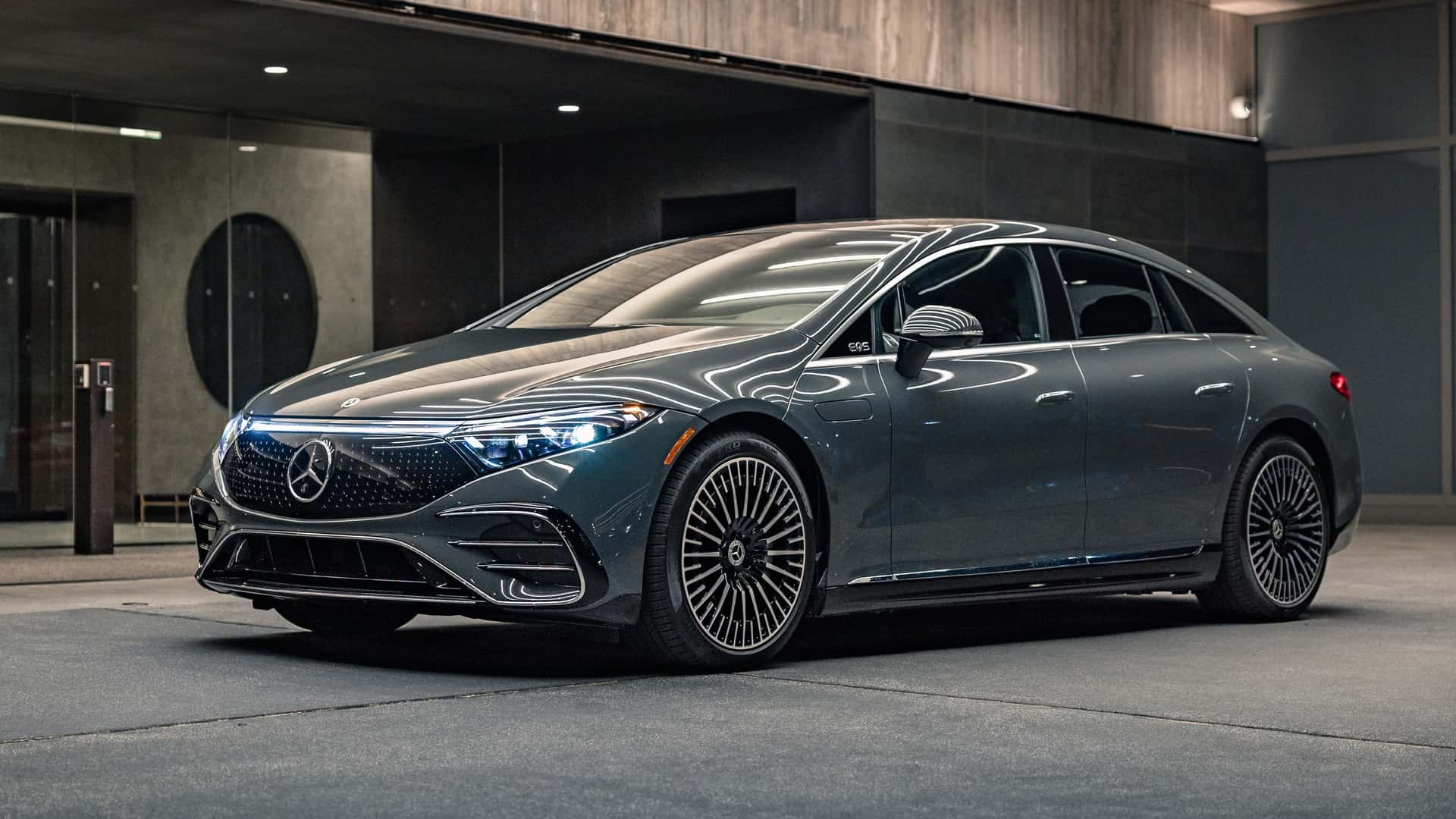
3. Mercedes-Benz EQS Sedan
Average Dollar Loss: About $40,000 to $42,000
- Engine: Dual Electric Motors
- Horsepower: 516 hp
- Torque: 611 lb-ft
- Size: 205.4 in Long × 75.8 in Wide
Electric luxury cars face a resale problem that gas-powered models rarely deal with, namely fast-moving battery technology. A three-year-old electric sedan can lag behind newer releases in range, charging speed, and efficiency, even if it still looks brand new.
Buyers shopping the used electric market are often laser-focused on those numbers, which makes an aging EQS a harder sell compared to a gas-powered luxury sedan of similar age. Government incentives available on new electric purchases also chip away at used demand, since many shoppers would rather buy fresh and claim a credit than save money on a slightly older model.
Styling choices on the EQS have drawn mixed reactions too, and taste plays a real role in how quickly a car loses appeal on the secondary market. When a design doesn’t hold universal approval, resale prices tend to soften faster than they would for a more conventional shape.
Charging infrastructure concerns still linger for plenty of shoppers as well, and that hesitation shows up directly in what people are willing to pay for a used electric flagship. Put all of that together, and a car built around innovation ends up penalized by how quickly innovation moves.
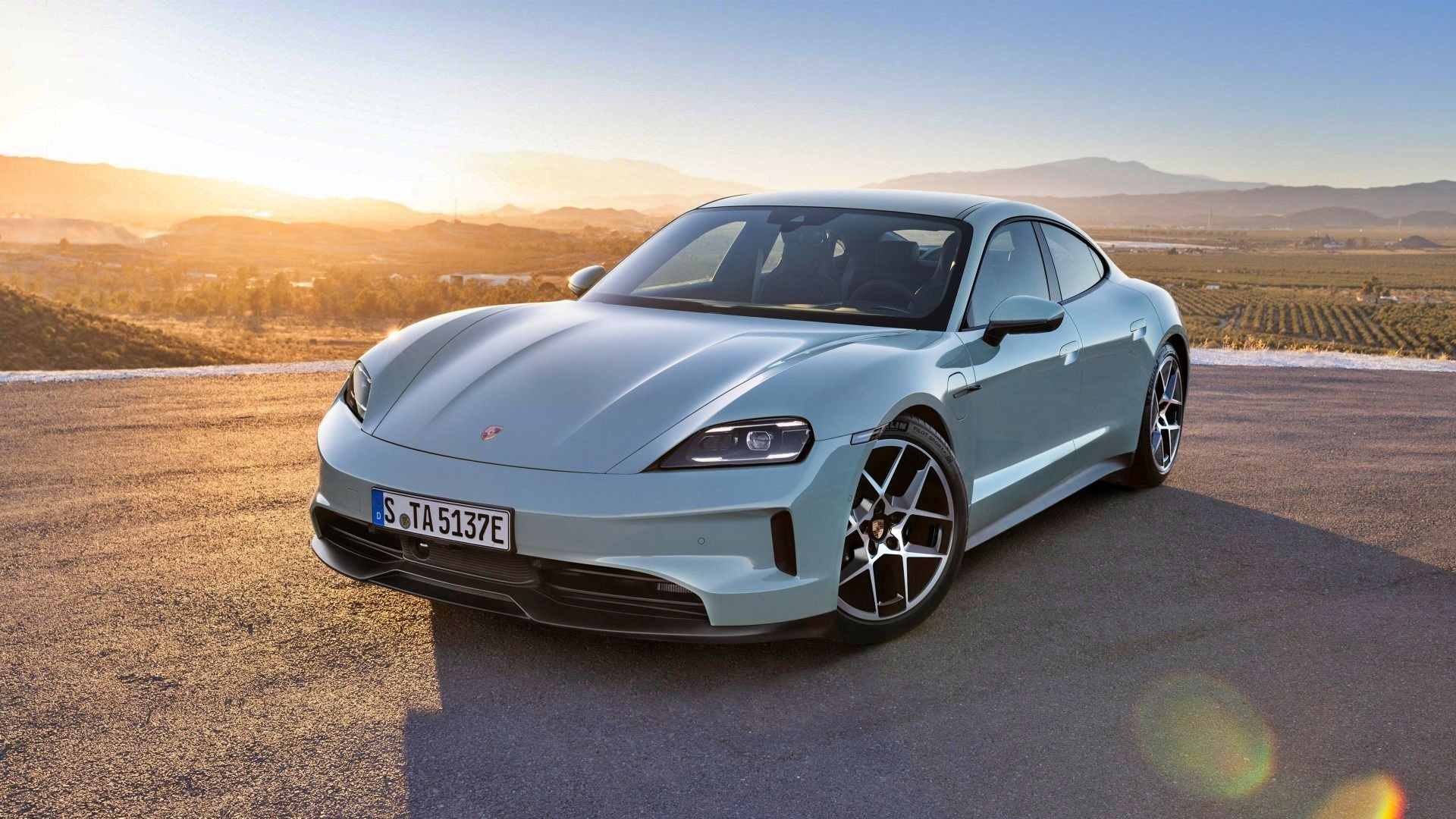
4. Porsche Taycan
Average Dollar Loss: About $39,000 to $41,000
- Engine: Dual Electric Motors
- Horsepower: 522 hp
- Torque: 472 lb-ft
- Size: 195.4 in Long × 77.4 in Wide
Performance electric cars carry a premium at purchase that’s tough to hold onto once newer, faster competitors hit the market. The Taycan launched to plenty of praise, but rival electric performance cars have closed the gap quickly, and some have surpassed it on raw numbers.
That competitive pressure alone pushes used prices lower every year. Battery degradation worries also weigh on buyer decisions, even when actual real-world data suggests those fears are often overblown. Perception still drives price more than most people realize.
Options and packages on a Taycan can add tens of thousands of dollars to a new build, and those extras rarely translate into equivalent value once the car changes hands. A buyer paying full price for a loaded example is often paying for features that a used buyer simply won’t reimburse later.
Charging habits factor in here too, since a Taycan that spent years on fast public chargers may raise flags for cautious used shoppers, regardless of actual battery health. Sports car buyers also tend to prize the newest model year above almost everything else, which leaves older versions sitting on lots longer and pushes sellers to drop asking prices just to move inventory.
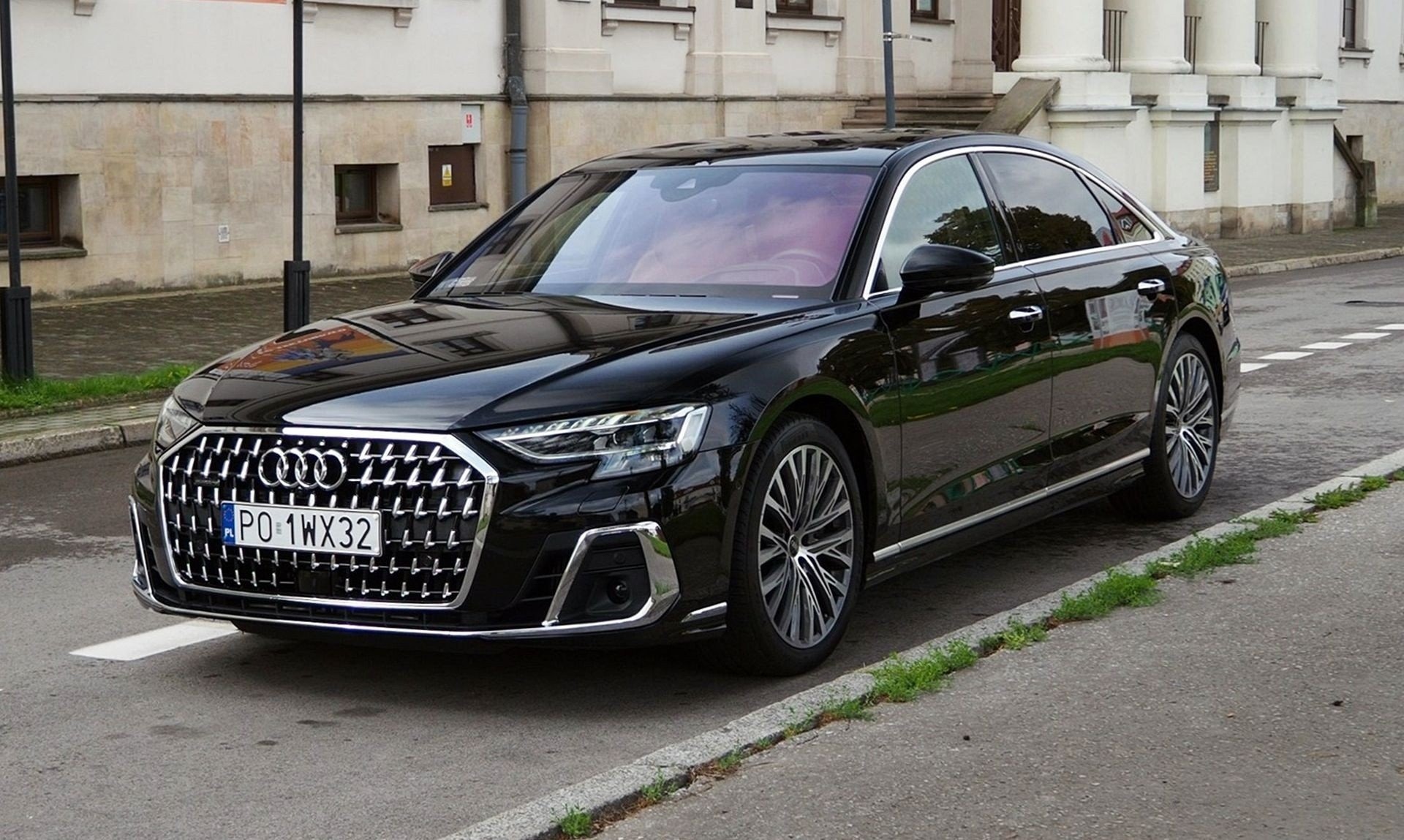
5. Audi A8 L
Average Dollar Loss: About $38,000 to $40,000
- Engine: 3.0L Turbocharged V6 Mild Hybrid
- Horsepower: 335 hp
- Torque: 369 lb-ft
- Size: 208.7 in Long × 76.6 in Wide
Unlike some luxury sedans that receive plenty of public attention, the Audi A8 L usually stays out of the spotlight. Even though it delivers premium comfort, refined performance, and modern technology, many luxury car buyers do not place it at the top of their shopping list.
That limited recognition affects its resale value because fewer people actively search for a used A8 L. Sellers often have no choice but to lower their asking prices to attract serious buyers. Since demand is not as strong as that of some competing German luxury brands, depreciation becomes much more noticeable within the first few years of ownership.
Another factor affecting resale value is the steady supply of used models entering the market through company fleets and lease returns. When several well-maintained vehicles become available at the same time, buyers gain more bargaining power. Many people shopping for an expensive vehicle also prefer a luxury SUV instead of a full-size sedan.
That buying preference reduces interest in cars like the A8 L, making it harder for sellers to command stronger prices. As more buyers move toward SUVs, luxury sedans continue losing ground in the used market. There is also the issue of ownership costs. A used all-wheel-drive luxury sedan can be expensive to maintain and repair, especially after the factory warranty expires.
Many buyers consider those future expenses before making an offer, and they usually negotiate for a lower price. Despite its excellent engineering, comfort, and quality, the Audi A8 L loses value quickly because demand remains limited while supply stays fairly healthy.
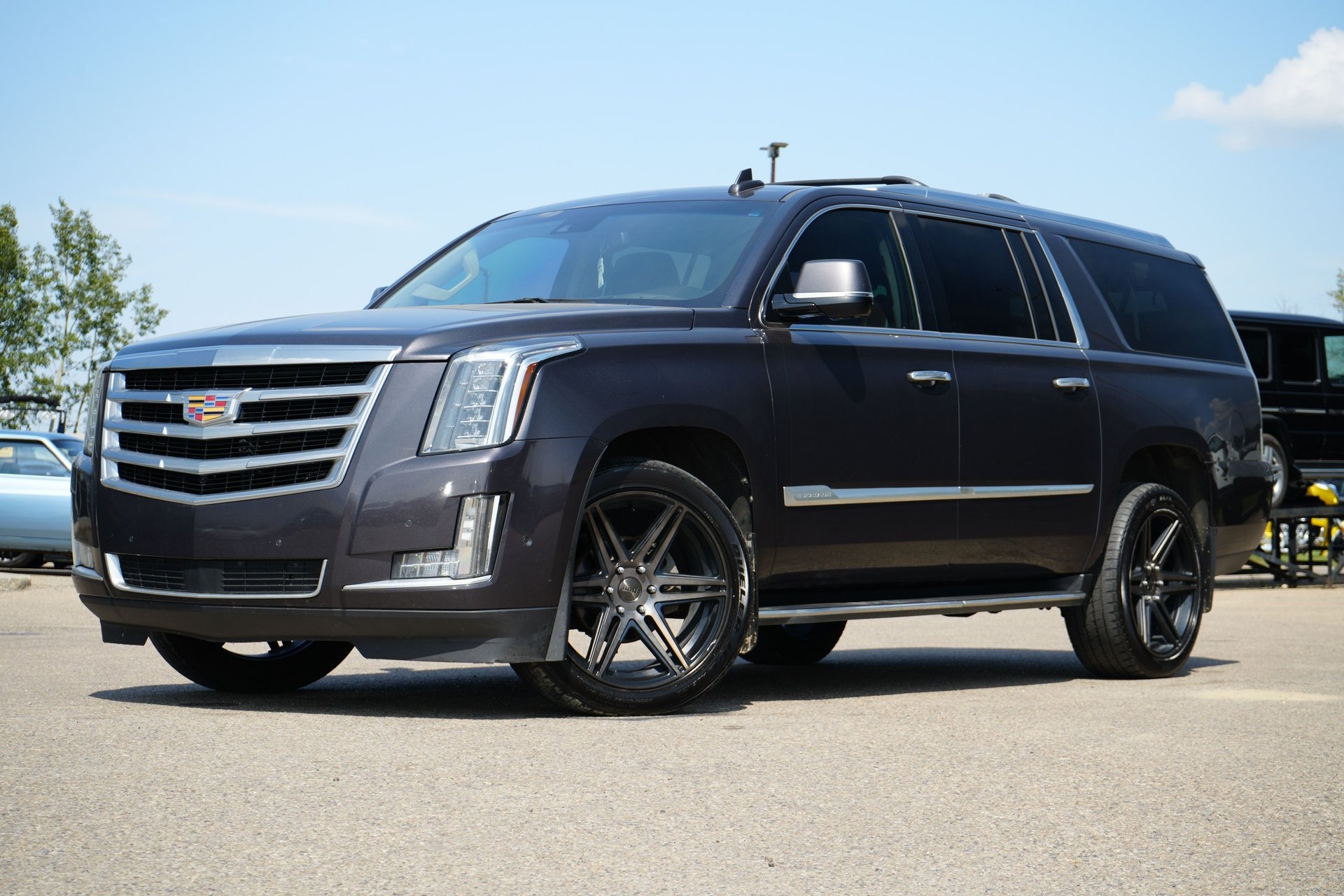
6. Cadillac Escalade ESV
Average Dollar Loss: About $37,000 to $39,000
- Engine: 6.2L V8
- Horsepower: 420 hp
- Torque: 460 lb-ft
- Size: 227.0 in Long × 81.1 in Wide
Big, bold, and unmistakably American, the Escalade ESV carries a price tag that climbs fast once buyers start adding premium trims and packages. That inflated starting point sets up an equally steep drop once the vehicle hits the used market.
Full-size SUVs also see frequent redesigns and trim updates, and each new release makes the outgoing model feel instantly less special to shoppers browsing dealer lots. Fuel costs play a role here as well, since a V8-powered SUV this large isn’t cheap to fill up, and that ongoing expense factors into what used buyers are willing to offer.
Rental and fleet programs occasionally add extra units to the used pool too, which softens pricing further for private sellers trying to get top dollar. Buyers cross-shopping this segment often compare the Escalade directly against rivals from other domestic and import brands, and a few thousand dollars of difference in asking price can sway a decision quickly.
Interior technology also advances fast in this class, so a three-year-old cabin can start to feel behind the times compared to the newest competing models rolling into showrooms. All of that combines into one of the steepest dollar losses among full-size SUVs on the road today.
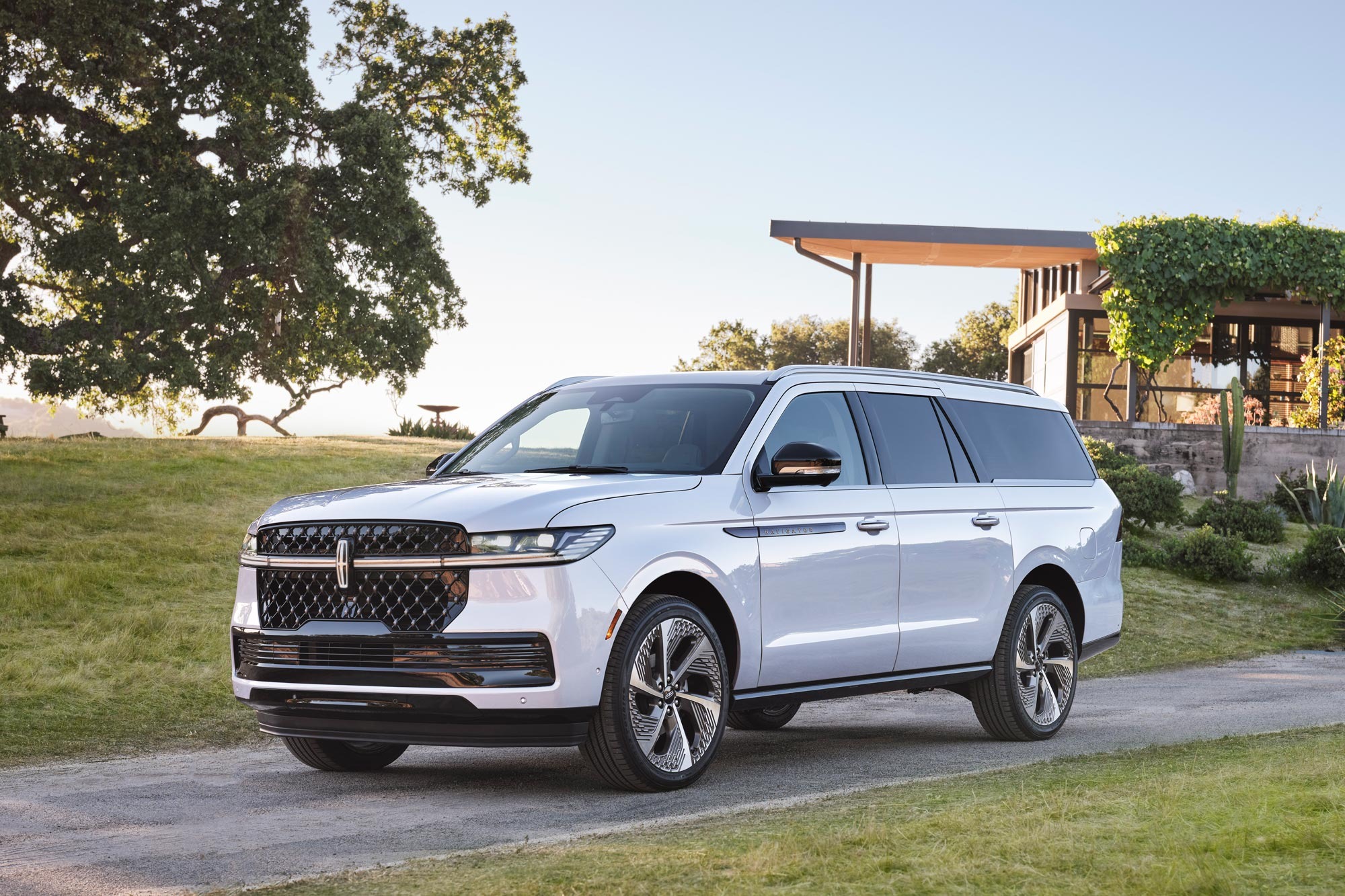
7. Lincoln Navigator L
Average Dollar Loss: About $36,000 to $38,000
- Engine: 3.5L Twin-Turbocharged V6
- Horsepower: 440 hp
- Torque: 510 lb-ft
- Size: 221.9 in Long × 79.9 in Wide
Lincoln built the Navigator L to compete directly with the biggest names in full-size luxury SUVs, and it largely succeeds on comfort and cabin quality. Success on paper doesn’t always protect resale value, though.
Buyers shopping this price range often default to more recognizable badges, leaving the Navigator to compete on price rather than reputation once it hits the used market. That pressure forces sellers to lower expectations year after year just to find a buyer.
Fuel economy on a large twin-turbo V6 isn’t a strong selling point either, and rising gas prices tend to make big three-row SUVs a harder sell across the board, regardless of brand. Lease programs move a steady number of these vehicles back to dealers every few years too, adding fresh competition to an already crowded used inventory.
Buyers who want the biggest, most comfortable three-row SUV often gravitate toward the newest model year available, since interior refinements and technology updates arrive frequently in this segment.
An outgoing model, even one in excellent condition, can start to feel like yesterday’s news surprisingly fast. That constant push toward the newest version keeps resale prices under steady downward pressure for anyone trying to sell.
Also Read: 8 EVs That Depreciate Slower Than the Average Gas Car
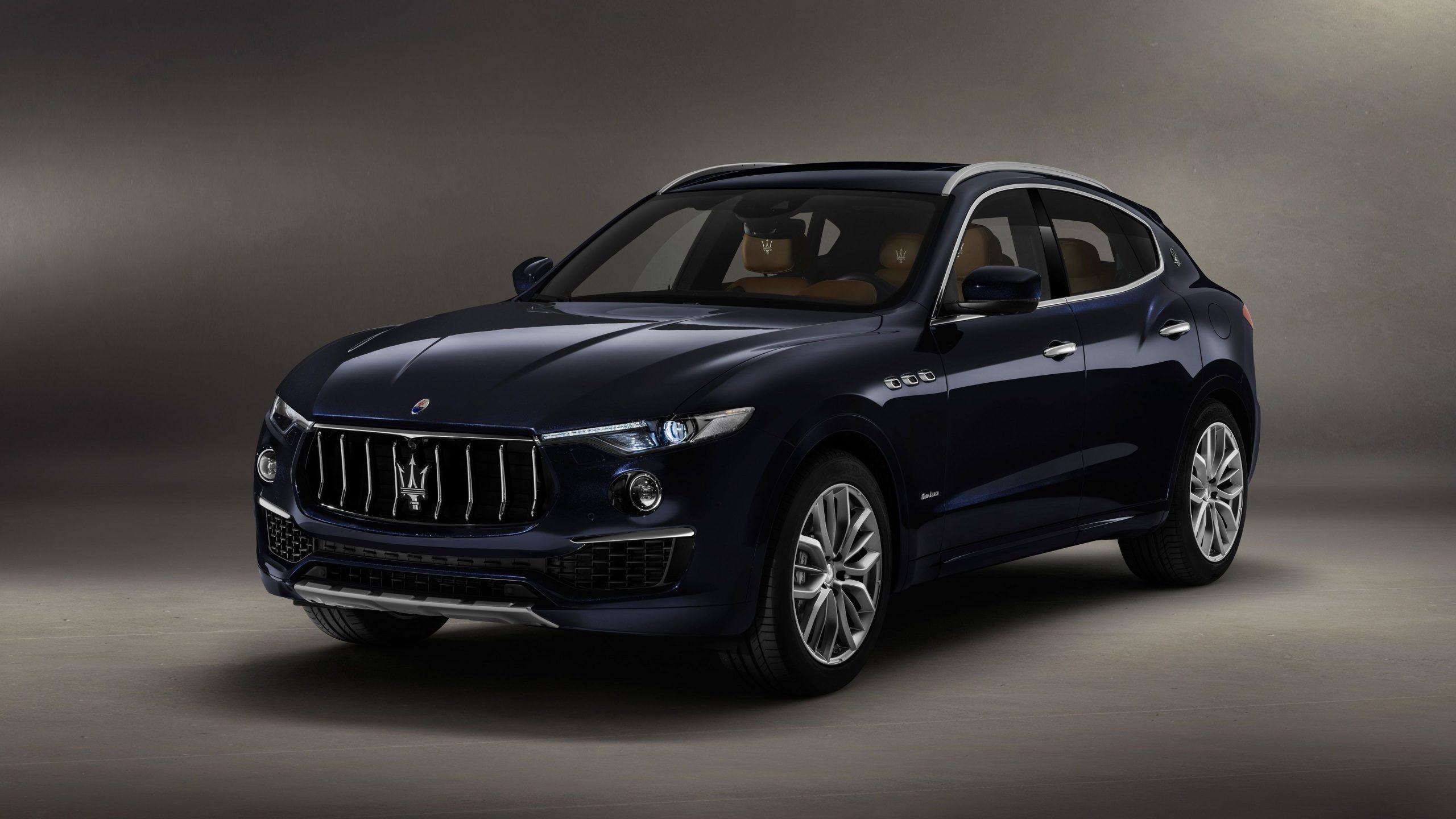
8. Maserati Levante
Average Dollar Loss: About $35,000 to $37,000
- Engine: 3.0L Twin-Turbocharged V6
- Horsepower: 345 hp
- Torque: 369 lb-ft
- Size: 197.6 in Long × 77.5 in Wide
An Italian badge on an SUV sounds exciting at the dealership, but that excitement fades fast once repair bills start arriving. The Levante carries a reputation for higher-than-average maintenance costs, and that reputation follows the car directly into the used market, where cautious buyers negotiate hard or simply look elsewhere.
A smaller dealer network than mainstream luxury brands also makes servicing less convenient in many areas, discouraging some shoppers before they even consider a test drive.
Limited sales volume compared to competitors from Germany or the United States means fewer used examples change hands each year too, and thinner data on resale trends can make buyers nervous about pricing fairly. Styling on the Levante still turns heads, and that emotional appeal keeps a certain type of buyer interested despite the risks.
That group tends to be small, though, and small demand pools rarely support strong pricing once supply starts to build. Buyers who do want a used Levante often use its depreciation as leverage during negotiations, pointing to exactly this kind of dollar loss data to justify a lower offer.
The badge might be rare on the road, but that rarity doesn’t translate into strong resale numbers the way it does for some other exotic brands.
