
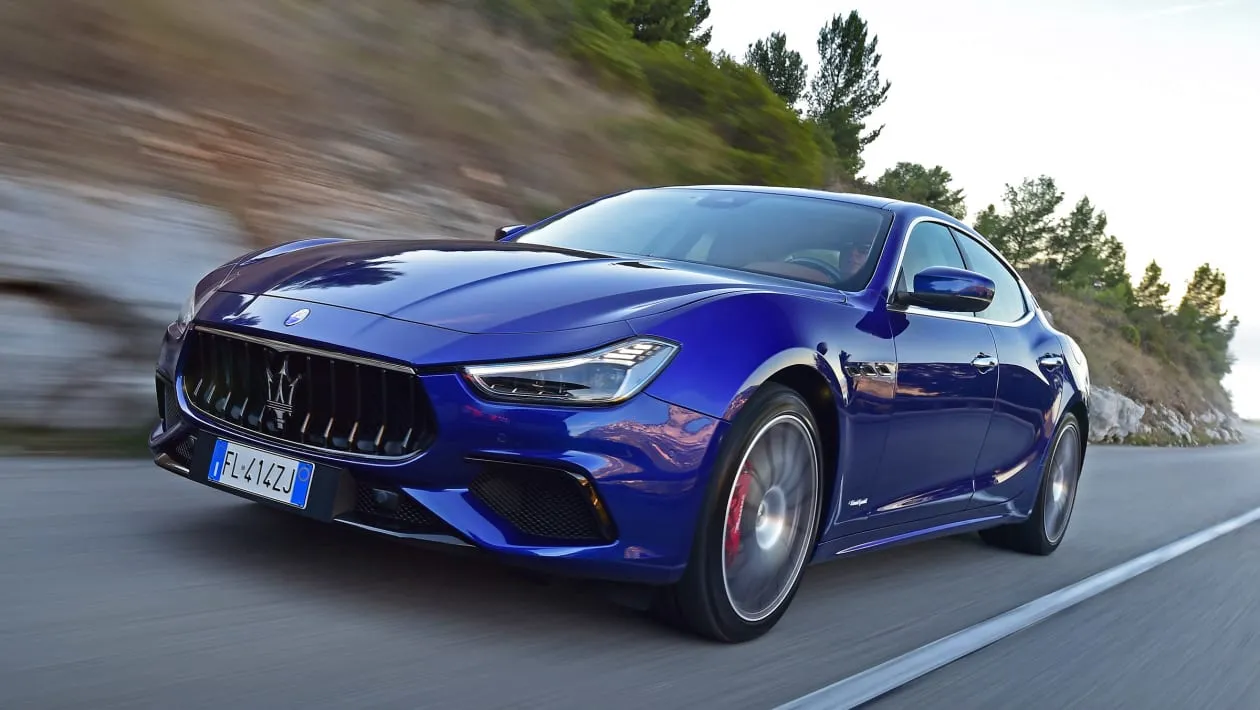
Luxury cars deliver a level of comfort, technology, craftsmanship, and performance that few mainstream vehicles can match. Premium materials, advanced driver assistance systems, powerful engines, and prestigious badges make them highly desirable when new.
However, these same vehicles often experience some of the steepest depreciation in the automotive market, especially during their first two years of ownership. While buyers of new vehicles absorb much of this financial loss, second- or third-owners can often acquire the same vehicle for a fraction of its original price.
Several factors contribute to rapid depreciation. Luxury brands frequently introduce updated technology, refreshed styling, and improved powertrains, making earlier models feel outdated more quickly.
High maintenance costs, expensive repairs outside warranty coverage, and a limited pool of used luxury car buyers also reduce resale values. Lease returns flooding the used market further increase supply, putting additional pressure on prices.
Rapid depreciation does not necessarily indicate a poor vehicle. Many of these luxury models remain exceptionally comfortable, refined, and reliable.
Their declining values are often driven more by market trends than by mechanical shortcomings. In fact, buying one after the initial depreciation period can represent outstanding value for shoppers seeking premium features without paying showroom prices.
The following six luxury cars are known for losing value faster than many of their competitors in the first two years, making them excellent used-car bargains but costly purchases when bought new.
Also Read: 10 Most Stolen Sedans From 2000
1. BMW 7 Series
The BMW 7 Series has long represented the brand’s flagship luxury sedan, showcasing its latest innovations in technology, comfort, and performance.
Buyers receive an exceptionally refined cabin with premium leather upholstery, advanced driver assistance systems, large digital displays, sophisticated air suspension, and powerful engine choices. Despite these strengths, the 7 Series consistently ranks among the fastest depreciating luxury vehicles during its first two years on the market.
One reason is the pace at which BMW introduces technological advancements. Every new generation or significant mid-cycle update brings improved infotainment systems, additional autonomous driving features, and revised powertrains that quickly make earlier versions seem less desirable.
Luxury sedan buyers also tend to prioritize the newest technology, reducing demand for nearly new models.
Another contributing factor is ownership cost. While the 7 Series delivers impressive engineering, maintenance and repair expenses can become substantial once the factory warranty expires.
Many second-hand buyers hesitate because of concerns surrounding long-term servicing costs, electronic complexity, and premium replacement parts. This smaller buyer pool naturally places downward pressure on resale values.
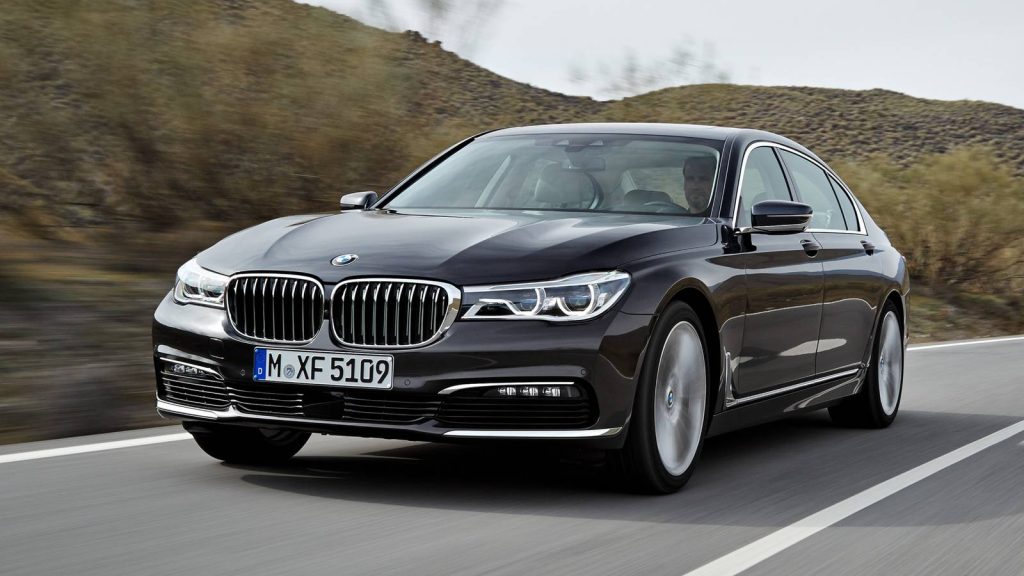
Large luxury sedans have also lost market share as buyers increasingly favor premium SUVs. That shift further limits demand for used flagship sedans, accelerating depreciation even when the vehicle itself remains highly capable.
For buyers entering the used market, this rapid value decline creates an opportunity to own one of the world’s most advanced luxury sedans for significantly less than its original purchase price while still enjoying exceptional comfort, refinement, and performance.
Specifications
- Engine: 3.0 liter turbocharged inline six
- Torque: 398 lb ft
- Horsepower: 375 hp
- Length/Width: 212.2 inches / 75.2 inches
2. Maserati Ghibli
Few luxury sedans possess the visual drama and unmistakable character of the Maserati Ghibli. Its Italian styling, distinctive grille, elegant proportions, and emotional exhaust note create an experience that feels different from German competitors.
Yet despite its exclusivity and prestigious heritage, the Ghibli experiences some of the sharpest depreciation among modern luxury sedans.
Part of this decline stems from limited demand in the pre-owned market. Buyers interested in used executive sedans often gravitate toward more familiar brands with stronger reputations for resale value and dealer support.
Maserati’s relatively small sales volume also means fewer independent repair specialists and generally higher ownership costs, making cautious buyers think twice before purchasing a used example.
Technology updates have also influenced resale performance. Earlier Ghibli models featured infotainment systems and driver assistance technology that quickly began to trail rivals from Germany.
As competitors introduced larger displays, faster software, and more advanced safety features, used buyers increasingly viewed older Ghiblis as less competitive despite their engaging driving dynamics.
Maintenance expenses contribute further to depreciation. Premium parts, specialized servicing, and luxury vehicle insurance costs can discourage shoppers looking for affordable long-term ownership. Consequently, resale prices often fall rapidly during the first few years.
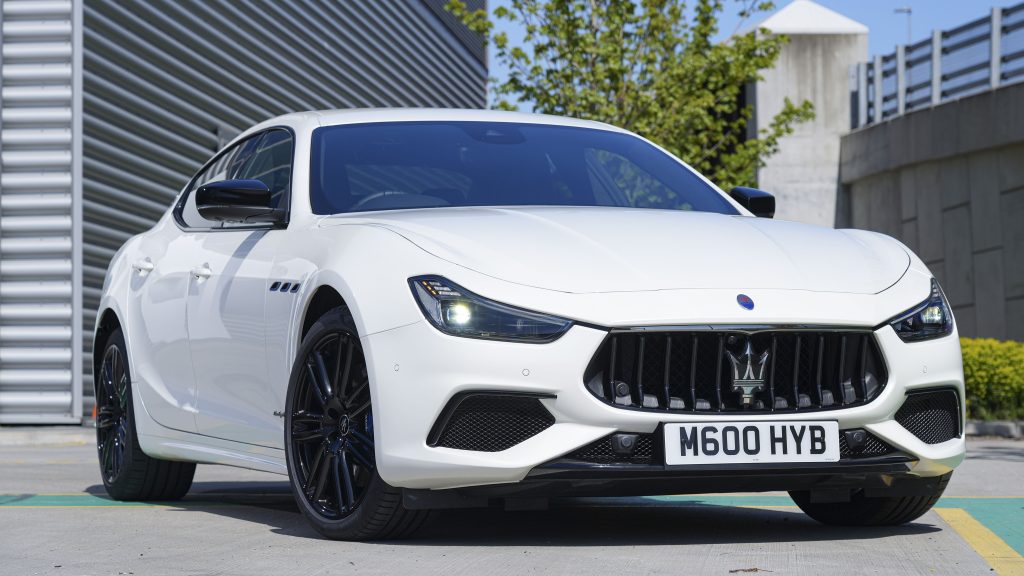
For enthusiasts, however, this depreciation represents exceptional value. A lightly used Ghibli offers striking design, rewarding performance, an unmistakable engine soundtrack, and genuine exclusivity at a price that can be dramatically lower than its original showroom sticker.
Specifications
- Engine: 3.0 liter twin-turbocharged V6
- Torque: 369 lb ft
- Horsepower: 345 hp
- Length/Width: 195.7 inches / 76.7 inches
3. Audi A8
Luxury buyers often admire the Audi A8 for its understated appearance, cutting-edge technology, and remarkably quiet cabin. Unlike some flagship sedans that emphasize dramatic styling, the A8 projects confidence through elegant design and meticulous attention to detail.
Despite these strengths, it has developed a reputation for losing value rapidly during its first two years, making it one of the more attractive bargains in the used luxury market.
The A8’s depreciation is influenced by several market factors rather than a lack of quality. Audi continually updates its digital interfaces, lighting technology, and driver assistance systems, encouraging many buyers to pursue the newest version instead of a slightly older model.
Since flagship luxury sedans often serve as showcases for the latest innovations, previous examples can appear outdated sooner than smaller vehicles.
Another consideration is ownership cost. Air suspension systems, advanced electronics, premium materials, and sophisticated powertrains contribute to the A8’s refined driving experience, but they can also increase maintenance expenses after the factory warranty expires.
Prospective buyers often factor these costs into purchase decisions, leading to softer resale values.
Consumer preferences have also shifted toward premium luxury SUVs, reducing demand for full-size executive sedans across the industry. As more lease returns enter the used market, supply frequently exceeds demand, pushing prices lower.
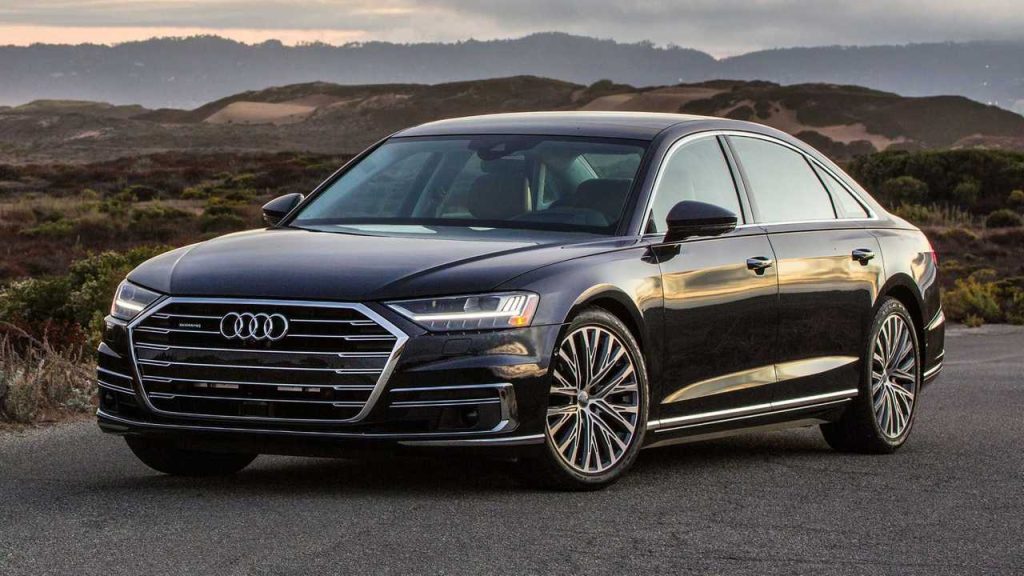
For shoppers willing to purchase pre-owned, the A8 delivers remarkable value. It offers limousine-level comfort, excellent highway refinement, advanced safety technology, and impressive craftsmanship at a fraction of its original purchase price.
That combination makes its steep depreciation particularly appealing for second owners rather than the original buyer.
Specifications
- Engine: 3.0-liter turbocharged V6
- Torque: 369 lb ft
- Horsepower: 335 hp
- Length/Width: 208.7 inches / 76.6 inches
4. Mercedes-Benz S-Class
Few automobiles symbolize automotive luxury as completely as the Mercedes-Benz S-Class. Every generation introduces innovations that eventually spread throughout the industry, from advanced safety technologies to sophisticated comfort features.
The cabin showcases premium craftsmanship, exceptionally supportive seating, impressive sound insulation, and an effortless driving experience that has defined the flagship sedan segment for decades. Yet despite its remarkable reputation, the S Class experiences substantial depreciation during its first two years.
One major reason is its exceptionally high original purchase price. Even a modest percentage drop translates into tens of thousands of dollars in lost value within a relatively short period.
As newer versions introduce updated infotainment systems, improved autonomous driving capabilities, and fresh styling elements, previous models naturally become less desirable in the luxury marketplace.
Maintenance expectations also affect resale performance. The S Class incorporates highly advanced electronics, air suspension systems, complex climate control technology, and numerous premium convenience features.
While these systems provide an extraordinary ownership experience, buyers in the used market often anticipate higher repair and servicing costs after warranty coverage ends.
Changing buyer preferences further accelerates depreciation. Many luxury shoppers who once selected flagship sedans now prefer premium SUVs that offer similar comfort with greater practicality. This shift reduces demand for used executive sedans despite their outstanding capabilities.
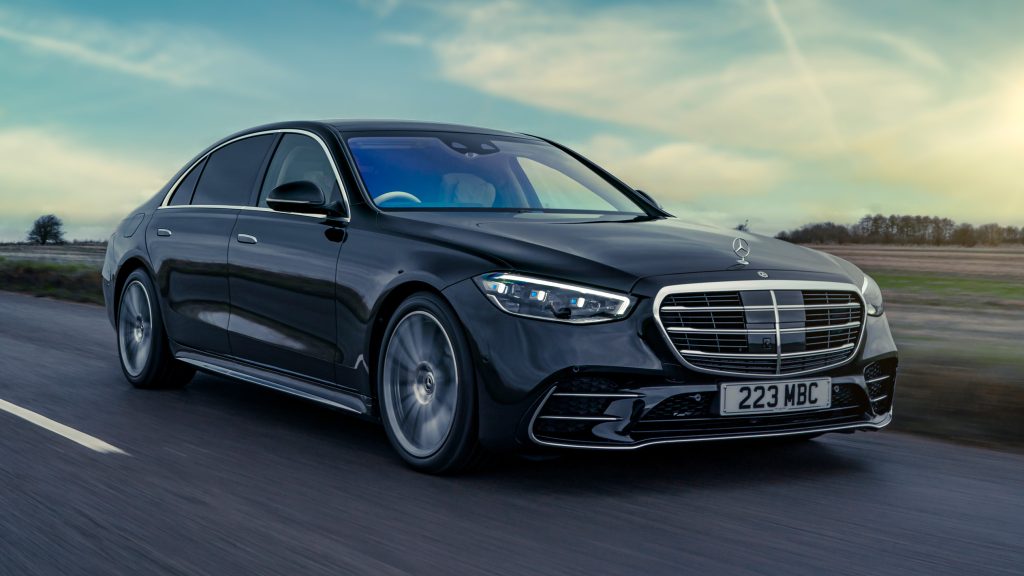
For informed buyers, however, depreciation becomes a significant advantage. Purchasing a lightly used S-Class can provide access to world-class refinement, engineering excellence, and exceptional comfort at a price dramatically below its original showroom cost.
Specifications
- Engine: 3.0 liter turbocharged inline six
- Torque: 369 lb ft
- Horsepower: 442 hp
- Length/Width: 208.2 inches / 76.9 inches
5. Jaguar XF
The Jaguar XF has always appealed to drivers seeking something different from the established German luxury brands. Its sleek British styling, engaging handling, and refined interior create a distinctive personality that separates it from more common executive sedans.
Despite receiving praise for its driving dynamics and elegant design, the XF has consistently experienced rapid depreciation during its first two years on the market.
One of the primary reasons is brand perception. Although Jaguar has produced several outstanding vehicles, it sells in much lower volumes than BMW, Mercedes-Benz, and Audi. This smaller customer base naturally limits demand in the pre-owned market, making resale values decline faster than many direct competitors.
The executive sedan segment has also become increasingly competitive. Buyers comparing used luxury vehicles often prioritize larger dealer networks, stronger resale histories, and broader availability of service centers.
As a result, the XF frequently competes against rivals with stronger market recognition despite offering a rewarding ownership experience.
Technology has played another role. Newer competitors have introduced increasingly sophisticated infotainment systems, larger digital displays, and expanded driver assistance features at a rapid pace. While the XF remains well equipped, earlier examples can appear less current when placed alongside recently updated alternatives.
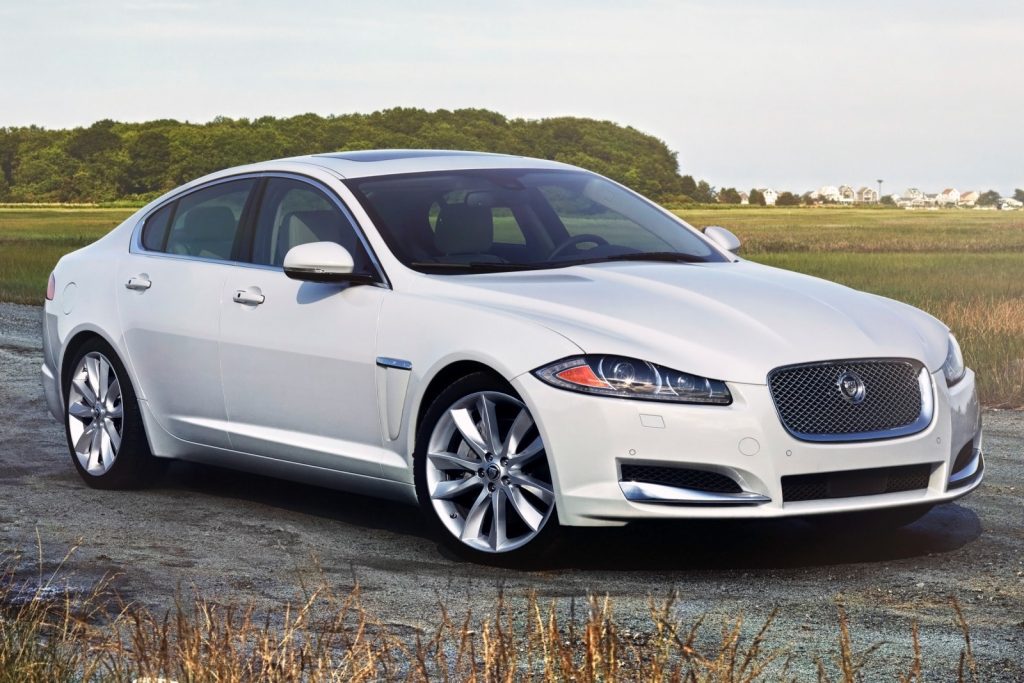
For value-focused shoppers, however, the Jaguar XF represents an intriguing opportunity. A two-year-old example often costs dramatically less than its original sticker price while still delivering premium comfort, composed handling, attractive styling, and a level of exclusivity that is difficult to match in the executive sedan category.
Specifications
- Engine: 2.0 liter turbocharged inline four
- Torque: 295 lb ft
- Horsepower: 296 hp
- Length/Width: 195.0 inches / 78.2 inches
6. Genesis G90
The Genesis G90 has earned widespread praise for combining premium craftsmanship, advanced technology, and exceptional comfort at a price that undercuts many established luxury rivals.
Despite these strengths, the flagship sedan experiences significant depreciation during its first two years, largely because the Genesis brand is still building long-term recognition within the luxury marketplace.
Unlike brands with decades of prestige, Genesis continues to establish its reputation among buyers shopping in the premium segment.
Many customers purchasing a used flagship sedan instinctively consider traditional German luxury brands first, limiting demand for pre-owned G90 models despite their impressive quality and generous equipment levels.
Rapid product development also contributes to depreciation. Genesis regularly introduces styling updates, improved infotainment systems, enhanced driver assistance technologies, and additional comfort features. These improvements make newer examples especially attractive, placing downward pressure on the resale values of earlier vehicles.
The luxury sedan market itself has also become more challenging as premium SUVs continue attracting buyers who once preferred large executive cars. Reduced demand means resale prices soften more quickly, even for vehicles that receive excellent reviews from automotive journalists.
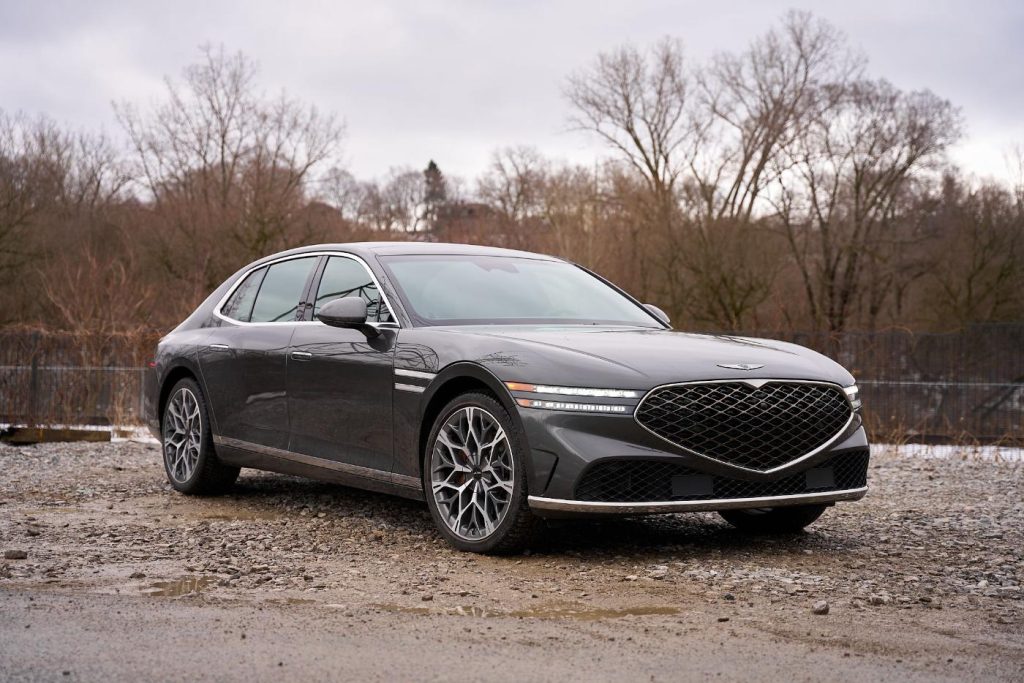
For second owners, this depreciation creates one of the strongest values in the luxury segment. A lightly used G90 provides an exceptionally quiet cabin, high-quality materials, advanced safety technology, generous rear-seat comfort, and a refined driving experience for substantially less than its original purchase price.
Buyers willing to look beyond the badge often discover a flagship sedan that delivers luxury comparable to far more expensive competitors.
Specifications
- Engine: 3.5-liter twin-turbocharged V6
- Torque: 391 lb ft
- Horsepower: 375 hp
- Length/Width: 207.7 inches / 76.0 inches
Also Read: 10 Electric Vehicles That Spend the Least Time at Charging Stations
