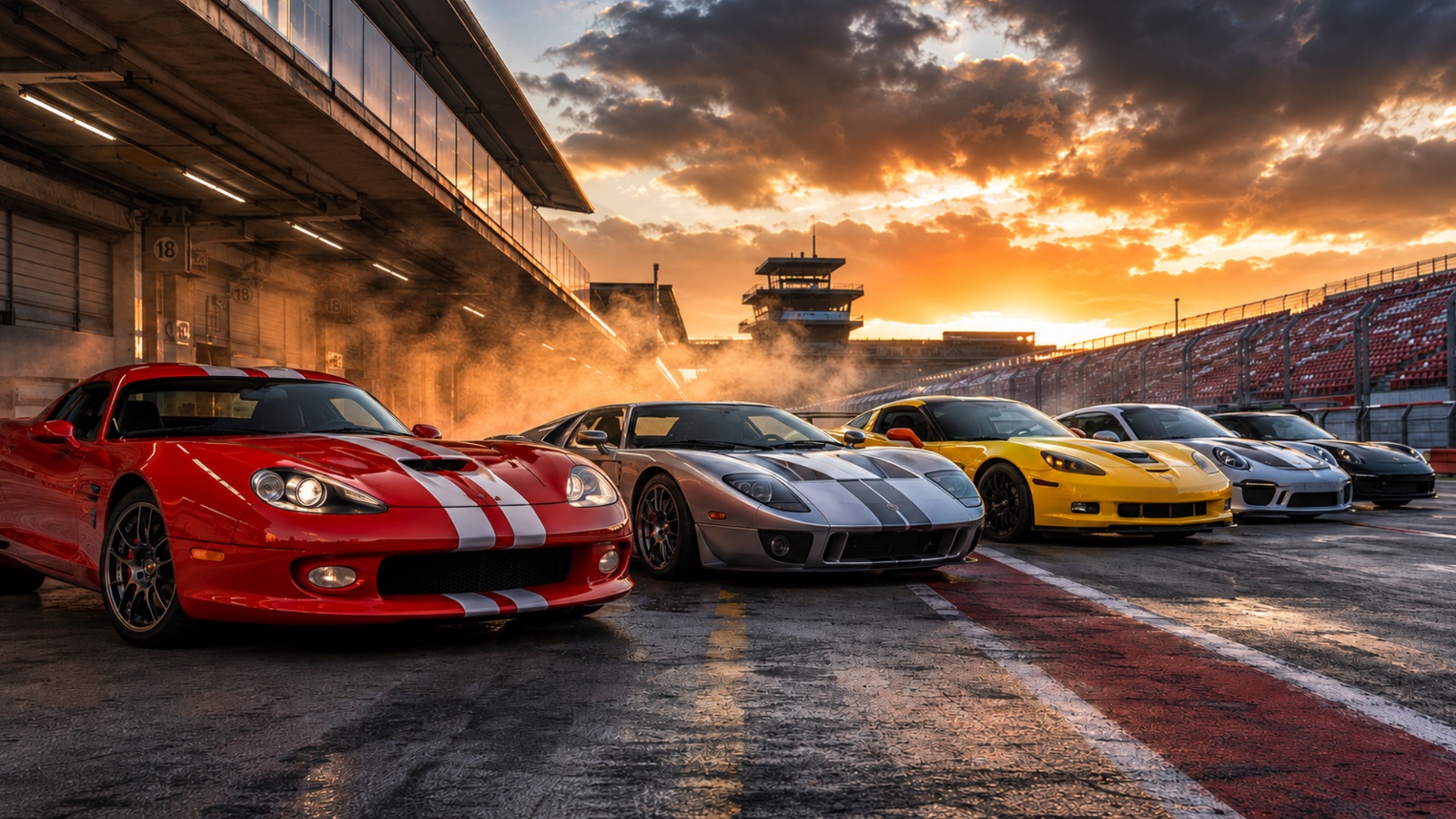
Although “quickest” is technically more accurate when discussing acceleration, this ranking uses the familiar “fastest” wording and orders the cars by their best independently published 0–60-mph results.
Only factory-stock, road-legal production cars offered in the United States with a genuine clutch pedal and driver-operated manual gearbox qualify. Dual-clutch transmissions, paddle-shift automated manuals, tuner-modified vehicles, kit cars, and manufacturer-only acceleration claims are excluded. Cars recording identical 0–60 times are ordered according to their tested quarter-mile elapsed time and then trap speed.
Testing procedures vary between publications. Rollout allowances, tires, weather, track surfaces, and launch methods can affect results by several tenths of a second.
1. 2010 Porsche 911 Turbo – 3.0 Seconds
The 2010 Porsche 911 Turbo leads this ranking because MotorTrend recorded a remarkable 3.0-second sprint from zero to 60 mph with its six-speed manual transmission. That was only two-tenths slower than the same-generation Turbo equipped with Porsche’s quicker PDK dual-clutch gearbox. The manual car also completed the quarter-mile in 11.2 seconds at 125.3 mph.
Its performance came from a 3.8-liter twin-turbocharged flat-six producing 500 horsepower and 480 pound-feet of torque. Porsche’s all-wheel-drive system supplied the launch traction that many powerful rear-wheel-drive manuals lacked.
MotorTrend achieved the result by releasing the clutch at approximately 4,000 rpm and shifting cleanly through the conventional H-pattern gearbox. At around 3,500 pounds, the Porsche was not exceptionally light, but its broad torque delivery, rear-engine weight distribution, and four driven wheels helped it leave the line with extraordinary force.
The result is significant because the driver still controlled the clutch and every gear change. There was no computer-operated clutch changing ratios in milliseconds. The 911 Turbo therefore combined genuine three-pedal involvement with acceleration that remains exceptional beside much newer performance cars. It also retained the comfort, visibility, and everyday practicality that helped distinguish the Turbo from less accommodating exotics.
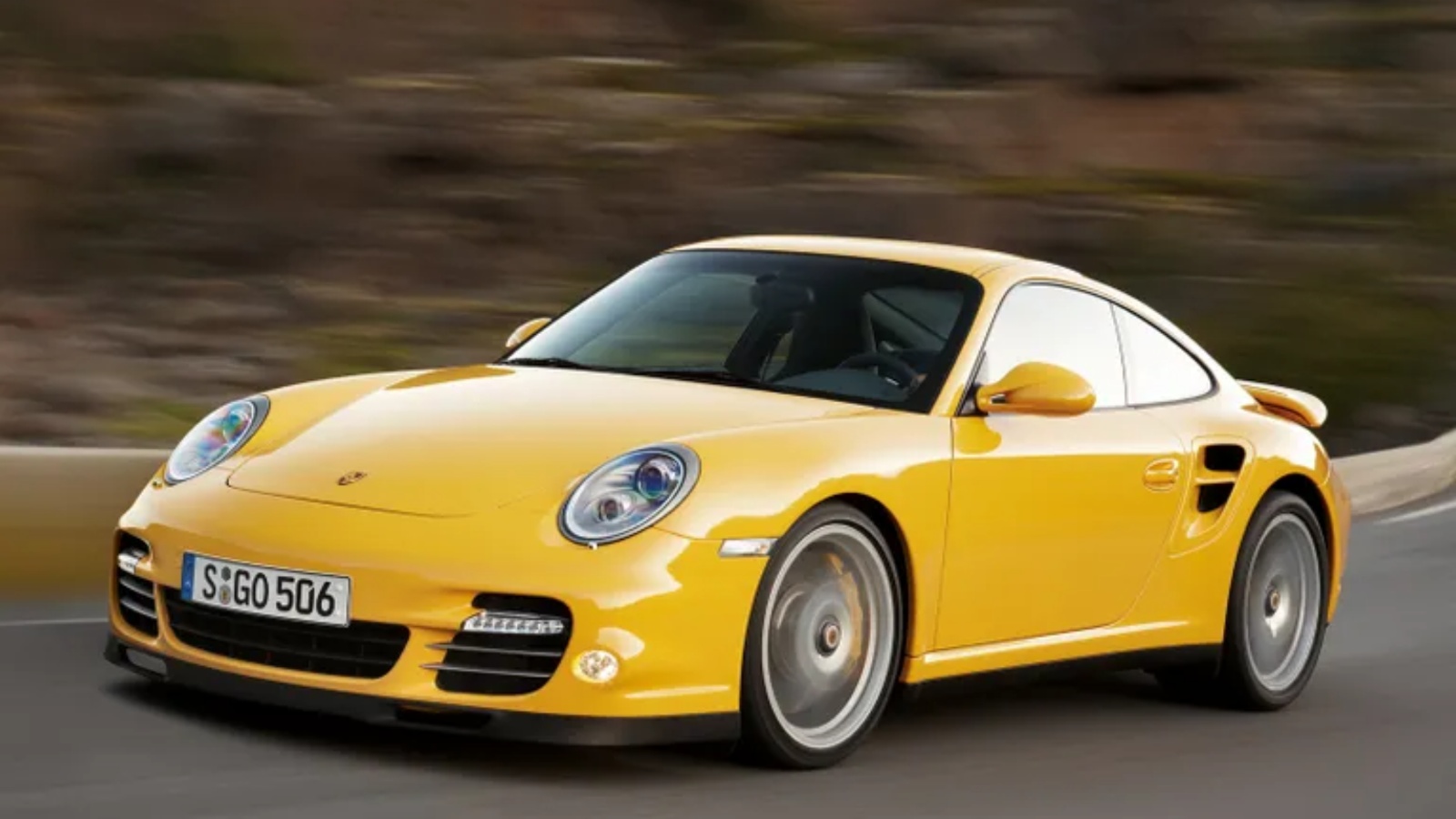
Test methods vary among publications, particularly in their use of rollout, track surfaces, weather corrections, and tires. Under this article’s methodology, however, the 2010 Turbo holds the quickest verified factory-stock result found for a manual production car sold in America.
- Engine: 3.8-liter twin-turbocharged flat-6
- Torque: 480 lb-ft
- Horsepower: 500 hp
- Length/Width: 175.2 inches / 72.9 inches
2. 2025 Porsche 911 GT3 Touring – 3.2 Seconds
The 2025 Porsche 911 GT3 Touring is the newest addition to the ranking and one of the strongest examples of how a naturally aspirated engine paired with a manual transmission can still achieve true supercar-level performance. The car delivers breathtaking acceleration while maintaining the traditional driver-focused experience that has defined the GT3 lineup.
Independent testing recorded a 0–60 mph time of 3.2 seconds and a quarter-mile run of 11.3 seconds at 127 mph. These figures highlight the remarkable capability of its high-revving flat-six engine and six-speed manual gearbox. It is important to note that the published acceleration results exclude a one-foot rollout, which accounts for approximately 0.3 seconds and can affect comparisons between different testing methods.
Behind the driver is Porsche’s 4.0-liter naturally aspirated flat-six, rated at 502 horsepower and 331 pound-feet of torque. It revs to 9,000 rpm, giving the GT3 a completely different character from the twin-turbocharged 911 Turbo. Porsche shortened the final-drive ratio for the updated model, helping the manual car accelerate more aggressively even though the driver must interrupt power delivery for each shift. The tested Touring weighed 3,267 pounds.
The Touring package removes the standard GT3’s large fixed rear wing, but it does not turn the car into a relaxed grand tourer. Beneath the more subtle exterior design, the 911 GT3 Touring retains the same performance-focused engineering that connects it to Porsche’s track-oriented GT program.
Its chassis tuning, braking system, aerodynamic development, and powertrain remain designed for high-performance driving. Testing has demonstrated its impressive cornering and braking capabilities, including 1.11 g of lateral grip on the skidpad and a 133-foot stop from 70 mph. These results highlight that the GT3 Touring is not only a quick-accelerating sports car but also a precision instrument built for handling and driver engagement.
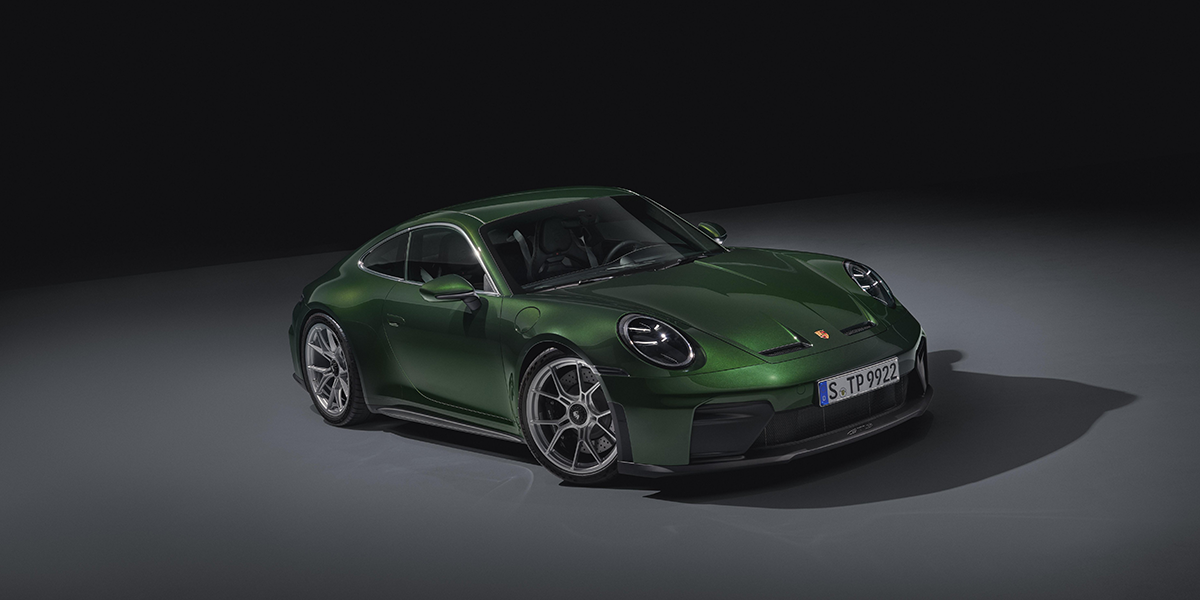
Second place is especially impressive because the car relies on rear-wheel drive, no turbochargers, and a driver-operated clutch. It cannot match the repeatability of an all-wheel-drive dual-clutch supercar, but its verified 3.2-second run proves that traditional mechanical engagement does not require surrendering modern performance.
- Engine: 4.0-liter naturally aspirated flat-6
- Torque: 331 lb-ft
- Horsepower: 502 hp
- Length/Width: 180.0 inches / 72.9 inches
3. 2011 Porsche 911 GT2 RS – 3.3 Seconds
The 2011 Porsche 911 GT2 RS shares a 3.3-second 0–60 mph time with several other high-performance machines, but it stands above that group with an exceptional quarter-mile performance figure of 11.1 seconds at 133 mph.
The GT2 RS combined a six-speed manual transmission, rear-wheel drive, and a twin-turbocharged 3.6-liter flat-six engine producing 620 horsepower and 516 lb-ft of torque. Weighing only 3,085 pounds, it delivered an outstanding power-to-weight ratio that helped it achieve supercar-level acceleration.
The GT2 RS directed all of its power through the rear tires, creating a raw and demanding driving experience. Launching the car required precision because the enormous torque output could easily overwhelm the rear wheels, but once traction was established, the acceleration became relentless. The car reached 100 mph in 6.6 seconds and 150 mph in 14.4 seconds, showcasing the strength of its turbocharged engine and lightweight design.
With an estimated top speed of 209 mph, the GT2 RS ranked among the fastest production cars of its time. Its performance credentials were reinforced by 1.07 g of lateral grip and a 145-foot stop from 70 mph, highlighting its ability to deliver speed in more than just a straight line. Combining immense power, rear-wheel-drive balance, and a six-speed manual transmission, the GT2 RS became one of Porsche’s most celebrated driver-focused machines.
The RS treatment included extensive weight reduction and track preparation. Porsche used a single-mass flywheel, carbon-fiber panels, lightweight suspension components, center-lock wheels, reduced sound insulation, and optional lightweight equipment. Even so, the drivetrain remained mechanically direct: the driver worked a firm clutch and conventional gear lever while managing one of the most powerful rear-wheel-drive 911s of its era.
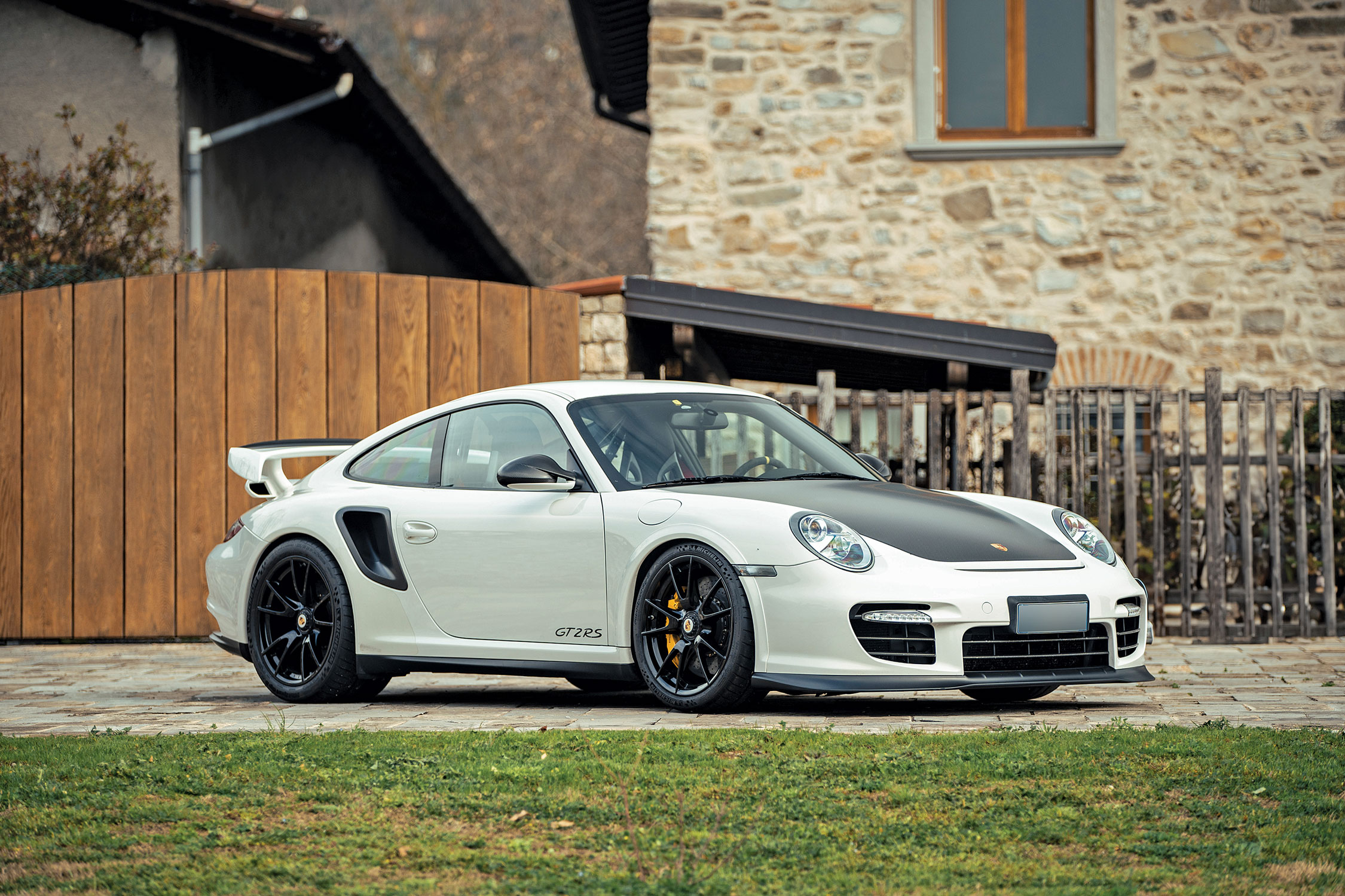
The 3.3-second sprint does not separate it from the cars below, but the 133-mph quarter-mile trap speed reveals its exceptional high-speed thrust. No other 3.3-second car in this ranking completed the quarter-mile sooner or crossed the line faster, earning the GT2 RS the highest position within the tie.
- Engine: 3.6-liter twin-turbocharged Mezger flat-6
- Torque: 516 lb-ft
- Horsepower: 620 hp
- Length/Width: 175.94 inches / 72.91 inches
4. 2009 Chevrolet Corvette ZR1 – 3.3 Seconds
The 2009 Chevrolet Corvette ZR1 brought a 3.3-second zero-to-60-mph time to a comparatively familiar front-engine, rear-wheel-drive platform. MotorTrend’s instrumented test also produced an 11.2-second quarter-mile at 130.5 mph and a wind-corrected top speed of 200.5 mph. Those results placed the ZR1 among the world’s quickest road cars while retaining a six-speed manual as its only transmission.
Its supercharged 6.2-liter LS9 V-8 generated 638 horsepower and 604 pound-feet of torque. The engine drove the rear wheels through a manually operated clutch, so extracting the headline acceleration required carefully balancing enough engine speed to avoid bogging without overwhelming the rear tires. MotorTrend’s test car weighed 3,364 pounds, light by modern supercar standards, but substantial enough that the ZR1 still depended on its broad torque curve and 335-section rear tires.
Chevrolet reinforced the Corvette’s chassis, fitted carbon-ceramic brakes, and used adaptive dampers to give the ZR1 both track capability and everyday usability. MotorTrend measured a 60-to-zero-mph braking distance of 97 feet and approximately 1.10 g of lateral acceleration. It was therefore not merely an engine-and-drag-strip special; it could brake and corner at a level appropriate to its speed.
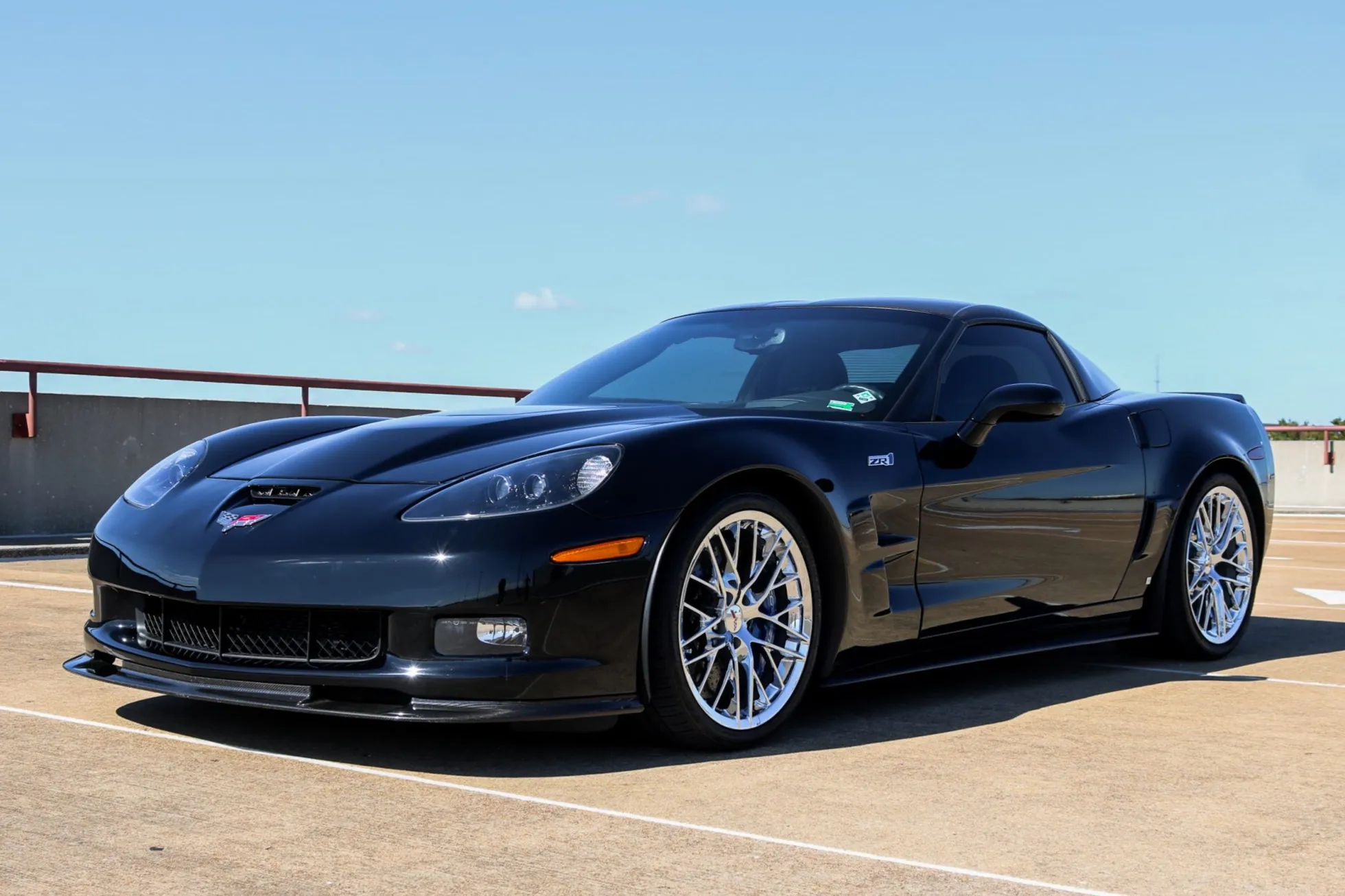
The ZR1 ranks behind the tied GT2 RS because the Porsche completed the quarter-mile one-tenth sooner and trapped 2.5 mph faster. Still, the Corvette’s 3.3-second launch and independently verified 200-mph performance were extraordinary for a manual American production car. It delivered exotic pace through a recognizable and relatively practical platform.
- Engine: 6.2-liter supercharged LS9 V8
- Torque: 604 lb-ft
- Horsepower: 638 hp
- Length/Width: 176.2 inches / 75.9 inches
5. 2017 Dodge Viper ACR – 3.3 Seconds
The 2017 Dodge Viper ACR sprinted to 60 mph in 3.3 seconds, matching the acceleration of several legendary manual supercars. Its quarter-mile performance was even more impressive, recording an 11.5-second pass at 126 mph and outperforming other cars with similar 0–60 times through a quicker elapsed time or higher trap speed. Every fifth-generation Viper came exclusively with a six-speed manual transmission, maintaining its uncompromising three-pedal character until production ended.
Power came from an 8.4-liter naturally aspirated V-10 producing 645 horsepower and 600 pound-feet of torque. The engine sent its output exclusively to the rear wheels, and the tested car weighed approximately 3,400 pounds. Unlike an all-wheel-drive performance car, the Viper could not use its front tires to help manage the launch, making the 3.3-second result an achievement in traction and driver control.
The ACR was engineered primarily for circuit performance, with an extreme aerodynamic package that produced substantial downforce while limiting its top speed to a drag-limited 177 mph.
That compromise delivered exceptional cornering capability, with the car achieving 1.15 g on the skidpad and stopping from 70 mph in 134 feet. Adjustable suspension, massive brakes, track-focused tires, and aggressive aero components made the Viper ACR one of the most serious street-legal track cars ever produced by an American manufacturer.
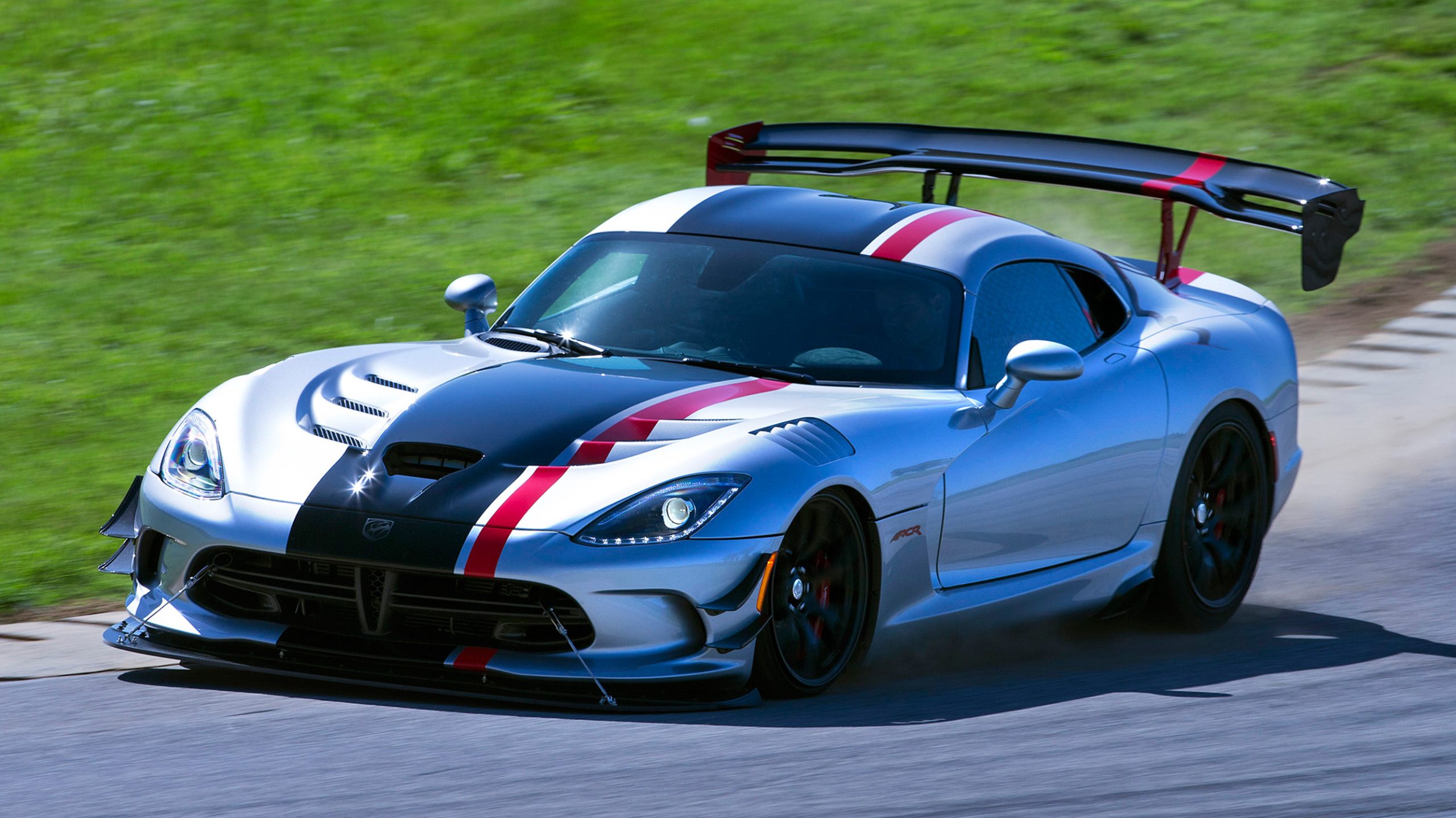
The acceleration number tells only part of its story. The Viper’s huge engine, manual gearbox, long hood, and absence of an automatic option demanded active participation from the driver. It was not engineered to make speed effortless; it required skill and respect. That raw character, combined with a verified 3.3-second sprint, secures its place among America’s quickest factory-stock manual cars.
- Engine: 8.4-liter naturally aspirated V10
- Torque: 600 lb-ft
- Horsepower: 645 hp
- Length/Width: 175.7 inches / 76.4 inches
6. 2015 Chevrolet Corvette Z06 – 3.3 Seconds
The 2015 Chevrolet Corvette Z06 paired a seven-speed manual transmission with a supercharged V-8, achieving a 0–60 mph time of 3.3 seconds and completing the quarter-mile in 11.5 seconds at 125 mph. Since the Viper ACR matched the elapsed time while recording a slightly higher trap speed, the Z06 follows it in the ranking despite sharing the same acceleration figure.
Power came from a 6.2-liter LT4 V-8 producing 650 horsepower and 650 lb-ft of torque. Managing that output through the rear tires made launches challenging, requiring a smooth and progressive application of throttle rather than immediate full power. First gear reached approximately 66 mph, allowing the Z06 to hit 60 mph without an upshift, an advantage that helped minimize the time lost during manual gear changes.
Its seven-speed transmission was unusual among production cars. It provided tightly spaced performance ratios plus a tall cruising gear, while an automatic rev-matching function helped smooth downshifts. The driver still controlled the clutch and selected each ratio, preserving the mechanical connection expected from a true manual. The tested coupe weighed approximately 3,530 pounds and generated 1.15 g of skidpad grip.
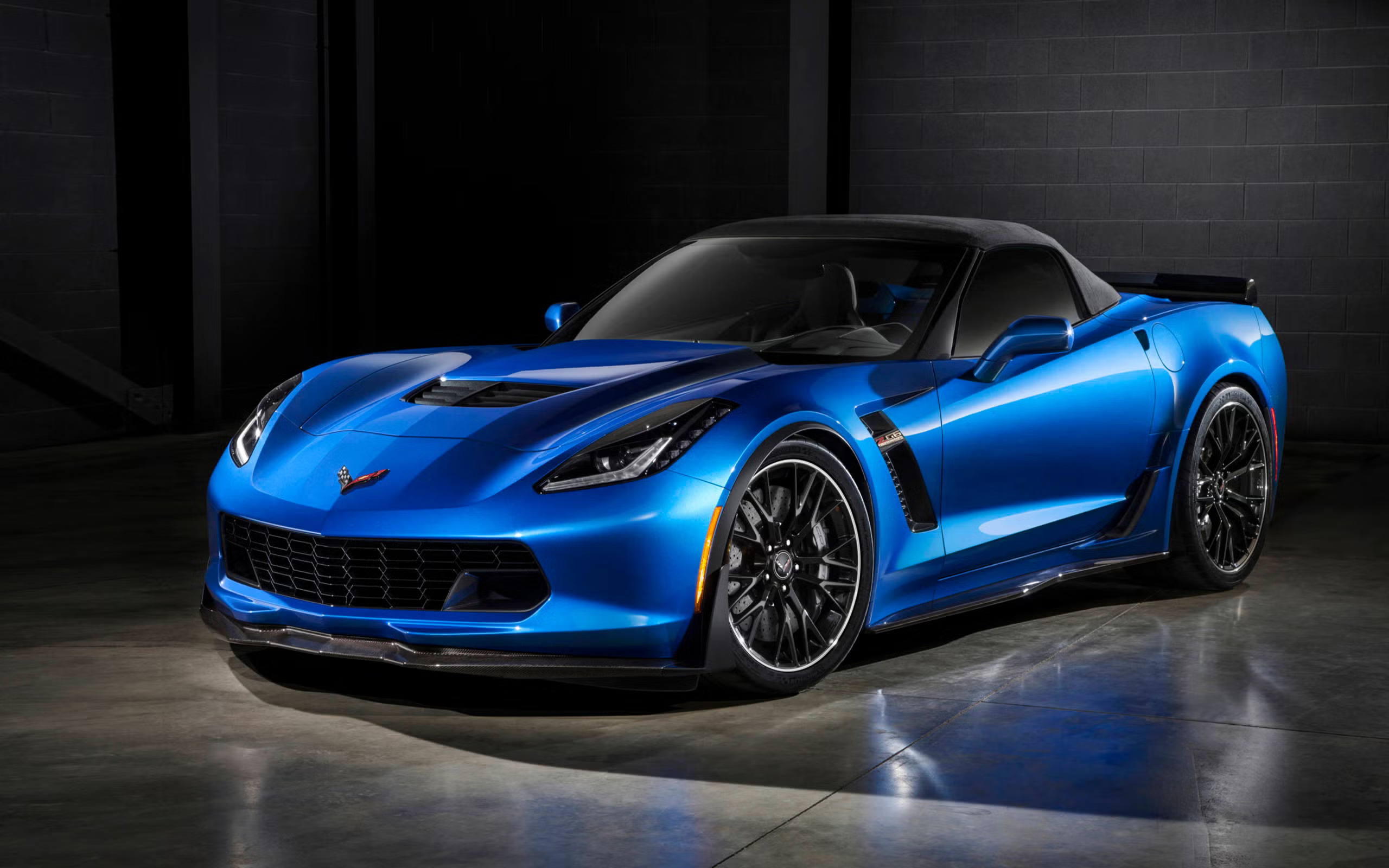
This generation also broadened the Z06’s mission. It offered immense track capability, but its removable roof panel, usable cargo area, and available comfort features made it practical enough for regular road use. Its 3.3-second result shows how close a front-engine, rear-wheel-drive manual could come to the launch performance of more complex all-wheel-drive and dual-clutch machines while retaining the involvement enthusiasts valued.
- Engine: 6.2-liter supercharged LT4 V8
- Torque: 650 lb-ft
- Horsepower: 650 hp
- Length/Width: 176.9 inches / 75.9 inches
7. 2022 Porsche 911 GT3 – 3.3 Seconds
The 2022 Porsche 911 GT3 achieved a 0–60 mph time of 3.3 seconds with its six-speed manual transmission. It completed the quarter-mile in 11.5 seconds at 124 mph, placing it behind the Viper ACR and Corvette Z06 under the ranking’s tiebreak rules. Achieving that manual transmission result required an exceptionally precise launch, while the available PDK-equipped version delivered significantly quicker acceleration, reaching 60 mph in 2.7 seconds.
Its naturally aspirated 4.0-liter flat-six produced 502 horsepower and 346 pound-feet of torque and revved to 9,000 rpm. The manual gearbox traced its lineage to the limited-production 911 R and differed from the seven-speed unit used in regular 911 models. The tested GT3 weighed 3,199 pounds, 23 pounds less than the PDK car, and sent all power to the rear wheels.
Although the manual sacrificed acceleration, it strengthened the GT3’s central appeal. The driver had to watch the large central tachometer, operate the clutch, and time shifts near an engine speed more commonly associated with motorcycles and racing engines. Automatic rev matching was available in Sport and Track modes, but the car still used a genuine clutch pedal and H-pattern selector.
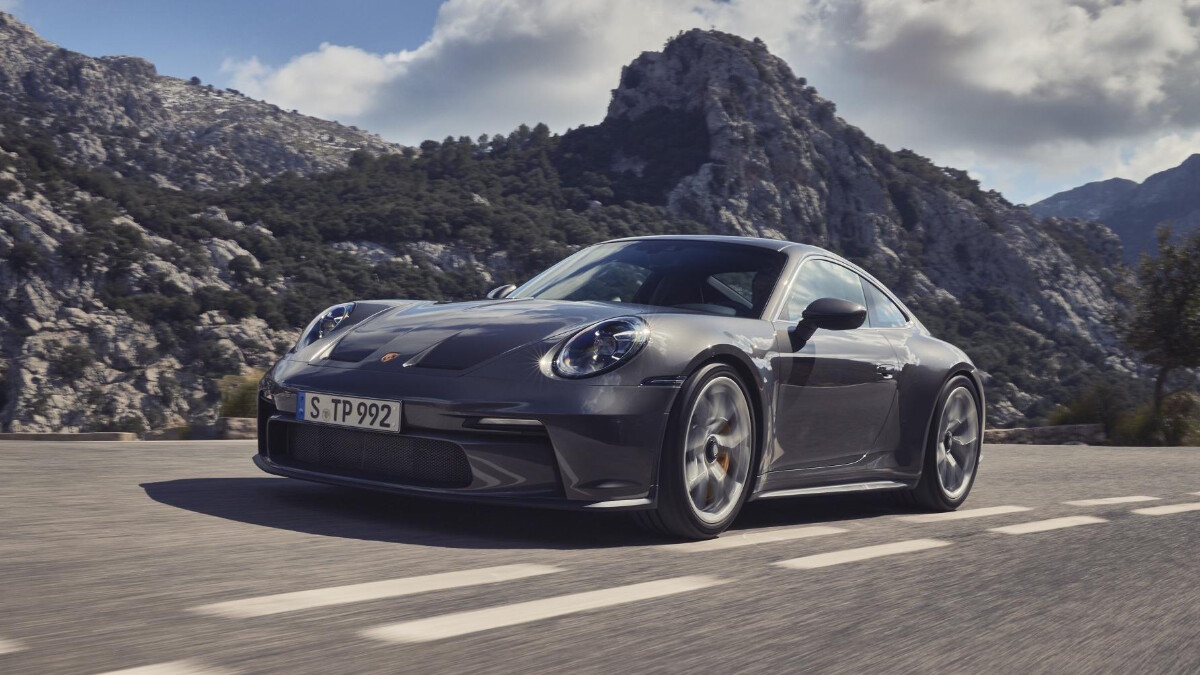
The GT3 demonstrated exceptional handling capability, recording 1.16 g of skidpad grip and a 134-foot stop from 70 mph. Those figures highlight its purpose as a complete track-focused sports car rather than a machine built solely for straight-line acceleration.
Its 3.3-second sprint to 60 mph places it among the quickest manual cars ever sold in America, while its high-revving engine and precise six-speed transmission make the experience of reaching that speed just as significant as the performance figure itself.
- Engine: 4.0-liter naturally aspirated flat-6
- Torque: 346 lb-ft
- Horsepower: 502 hp
- Length/Width: 180.0 inches / 72.9 inches
8. 2005 Ford GT – 3.3 Seconds
The 2005 Ford GT remains one of the most iconic American supercars, achieving a 0–60 mph time of 3.3 seconds and completing the quarter-mile in 11.6 seconds at 128 mph. Its higher trap speed compared with the Saleen S7 placed it ahead among vehicles tied at the same acceleration figure. The Ford GT was offered exclusively with a six-speed manual transmission, featuring a clutch pedal and a distinctive center-console shifter.
The GT’s performance came from a supercharged 5.4-liter V-8 delivering 500 horsepower and 500 lb-ft of torque through the rear wheels. Weighing 3,429 pounds in testing, it benefited from smooth clutch action and carefully chosen gearing that allowed first gear to carry past 60 mph, eliminating the need for an upshift during the acceleration run. Its 3.7-second 5-to-60 mph rolling start further proved that the Ford’s speed was rooted in strong power delivery and drivability, not just a carefully executed launch.
The Ford GT’s aluminum structure, mid-engine layout, wide tires, and carefully engineered aerodynamics delivered performance that matched its GT40-inspired styling. It recorded 0.98 g of lateral grip and a 153-foot stop from 70 mph, while its projected top speed exceeded 200 mph.
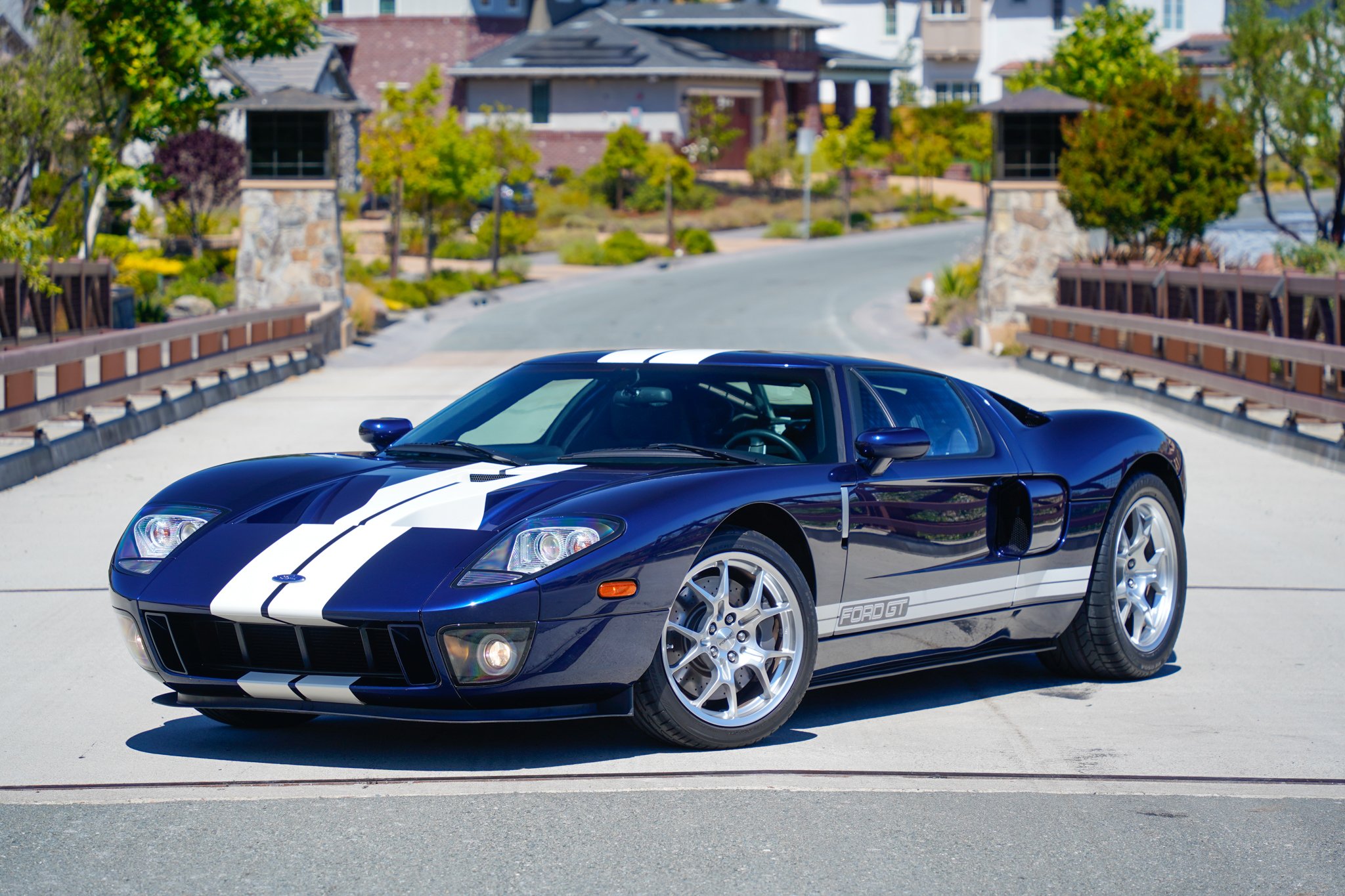
Unlike some low-volume exotics, the GT was also recognized for its approachable controls and relatively compliant road manners, making its extreme performance more accessible in everyday driving.
Its 3.3-second result was exceptional in 2005 and remains remarkable for a car without all-wheel drive, an automated clutch, or electronic launch control. The Ford GT translated endurance-racing imagery into a modern American road car while keeping the driver directly involved in every start and shift.
- Engine: 5.4-liter supercharged V8
- Torque: 500 lb-ft
- Horsepower: 550 hp
- Length/Width: 182.8 inches / 76.9 inches
9. 2003 Saleen S7 – 3.3 Seconds
The 2003 Saleen S7 was the quickest production car built in the United States at the time of its first instrumented evaluation, delivering a 0–60 mph sprint in 3.3 seconds. It reached 100 mph in 7.6 seconds and completed the quarter-mile in 11.6 seconds at 126 mph. Although its quarter-mile elapsed time matched the Ford GT’s, the Ford’s higher trap speed gave it the advantage in the ranking’s tiebreak order.
Saleen built the S7 around a steel-tube chassis and carbon-fiber body, with the engine mounted behind the occupants. Its naturally aspirated 7.0-liter pushrod V-8 produced 550 horsepower and 525 pound-feet of torque.
An eight-pound flywheel, twin-plate hydraulic clutch, and six-speed manual transferred power to the rear wheels. Strong low-speed torque and low mass gave the car acceleration close to the most advanced European exotics of its era.
The S7 was not simply a rebodied race car or experimental prototype. It was a genuine production vehicle, with documented assembly at Saleen’s Irvine facility and completed examples tested on the road.
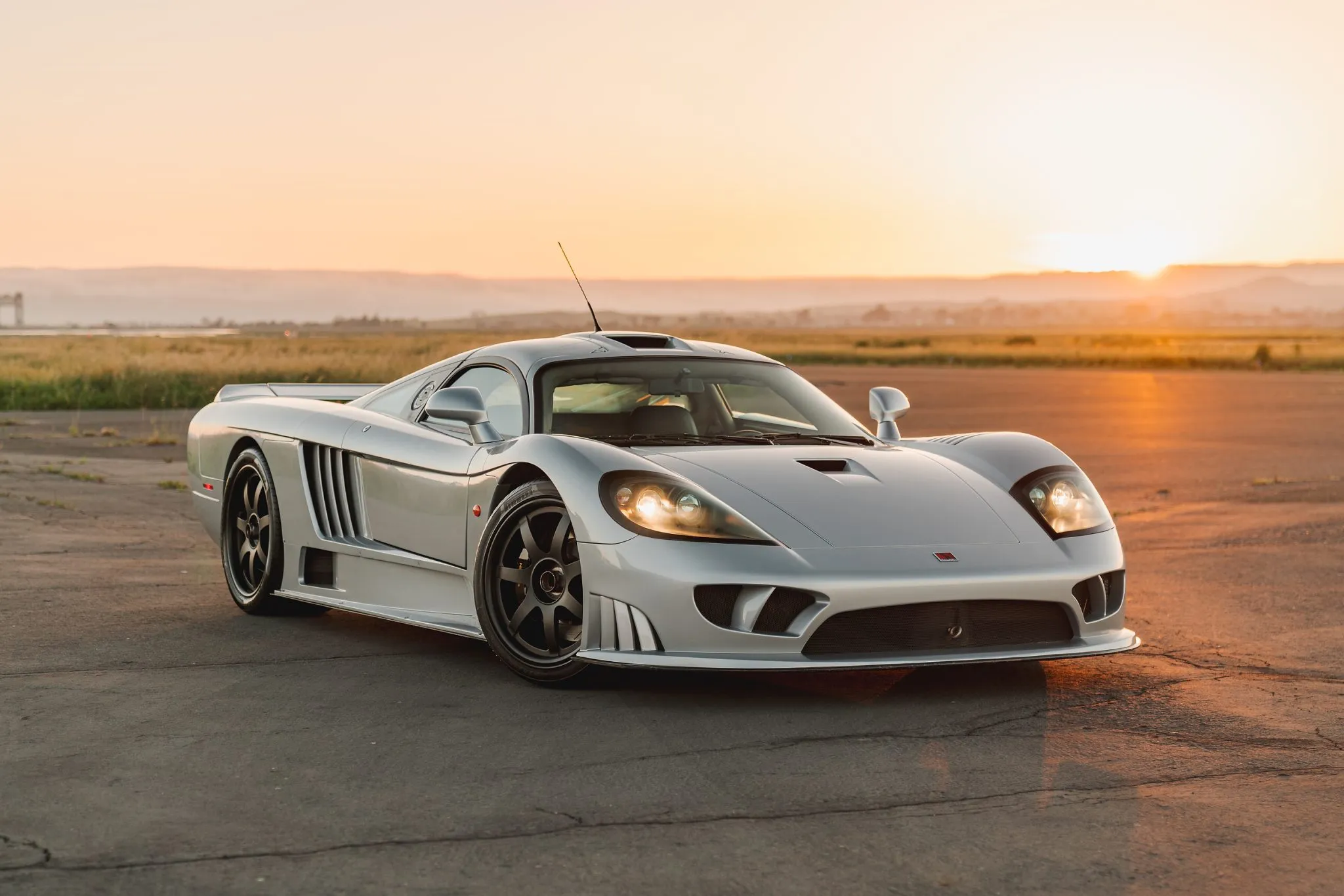
Even so, the street version retained a strong competition-focused character. Its clutch engagement was aggressive, the fixed seat required pedal-box adjustment to suit the driver, and its suspension transmitted nearly every road imperfection into the cabin.
Its capabilities extended well beyond straight-line acceleration. The S7 achieved 1.02 g of skidpad grip and stopped from 70 mph in 156 feet, all without anti-lock brakes. It required more commitment and compromise than a typical sports car, but its 3.3-second acceleration demonstrated that a small American manufacturer could build a true manual-transmission supercar capable of competing with the world’s most advanced performance cars.
- Engine: 7.0-liter naturally aspirated V8
- Torque: 525 lb-ft
- Horsepower: 550 hp
- Length/Width: 187.95 inches / 78.34 inches
10. 2010 Audi R8 5.2 FSI – 3.4 Seconds
The 2010 Audi R8 5.2 FSI closes the ranking with a 3.4-second zero-to-60-mph result for a stock car fitted with its gated six-speed manual. MotorTrend also cited an 11.6-second quarter-mile at 122.1 mph for that configuration. Although some R8s used Audi’s R tronic automated manual, this entry specifically concerns the version with a clutch pedal and the polished open-gate shifter that became one of the car’s signature features.
The naturally aspirated 5.2-liter V-10 produced 525 horsepower, while Audi’s quattro all-wheel-drive system supplied a major traction advantage during hard launches. Unlike the rear-wheel-drive Corvette, Viper, Ford GT, and Saleen S7, the Audi could distribute power across four tires. Its mid-engine layout also placed substantial mass over the driven rear axle. These characteristics allowed the manual R8 to reach 60 with genuine supercar pace.
The R8 was unusually usable for an exotic. Its aluminum-intensive structure, predictable handling, refined cabin, and compliant ride made it less intimidating than several low-volume cars on this list. Selecting the manual did not turn it into a slow or merely nostalgic alternative. MotorTrend’s cited figures show that the three-pedal car could launch hard while giving the driver complete control over clutch engagement and gear selection.
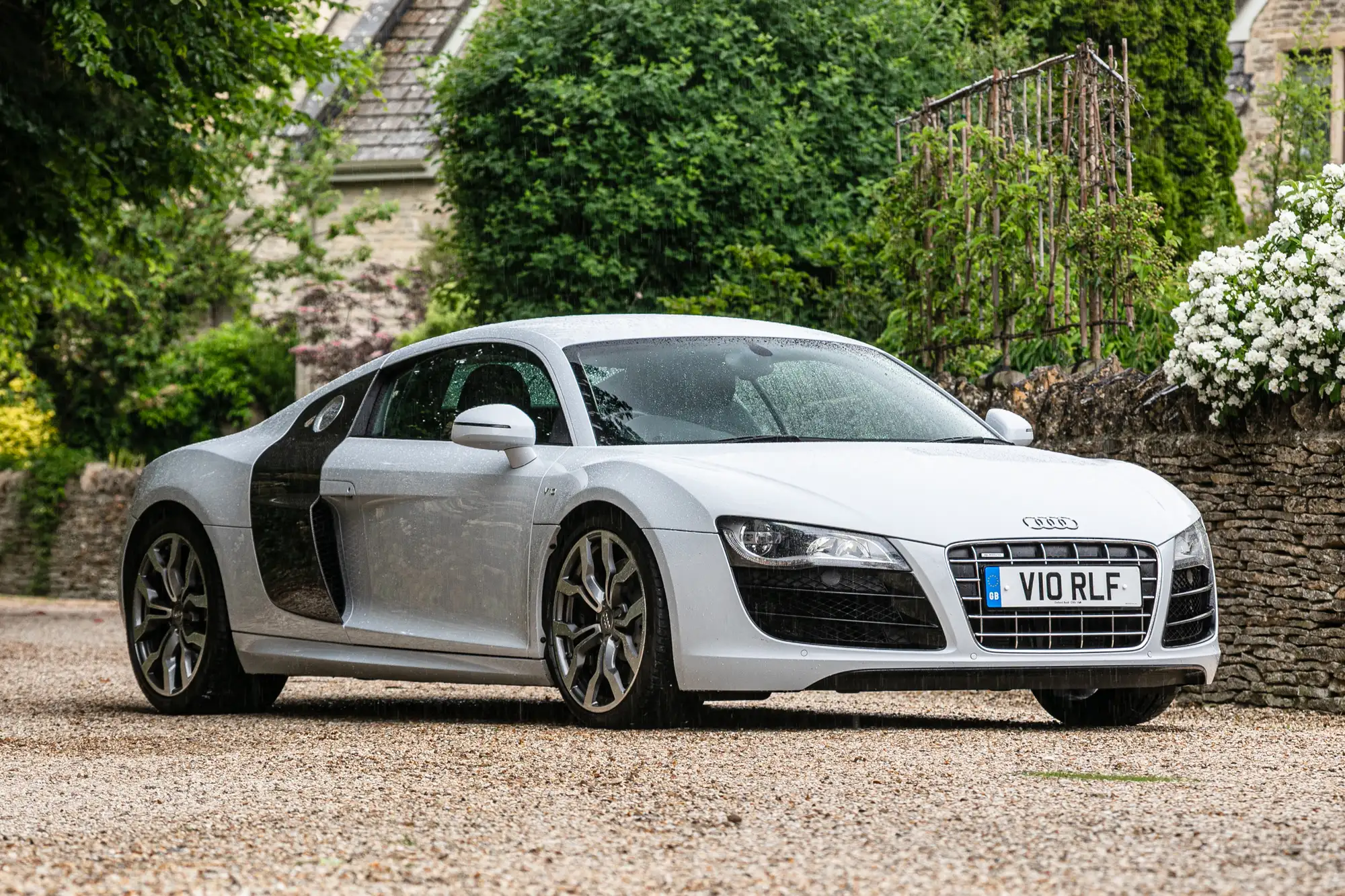
Only four-tenths separate the R8 from the first-place Porsche. Weather, tires, surface preparation, and rollout conventions can easily influence differences of a tenth or two, so this order should be read as a ranking of published instrumented results rather than an absolute scientific comparison. With that caution, the R8’s 3.4-second run makes it one of the quickest verified factory-stock manual cars sold in America.
- Engine: 5.2-liter naturally aspirated V10
- Torque: 391 lb-ft
- Horsepower: 525 hp
- Length/Width: 174.4 inches / 75.0 inches
Also read: 10 Cars With the Biggest Heat-Related Reliability Issues