

Heat is the silent killer of modern engines. Turbochargers, tight engine bays, and plastic cooling components all raise the stakes. Some cars handle summer traffic and long highway pulls just fine. Others develop a well-earned reputation for cooking their own internals.
This list counts down ten vehicles whose owners have repeatedly dealt with overheating, cracked plastic components, or heat-triggered transmission failures. These aren’t obscure complaints.
They show up across owner forums, NHTSA complaint databases, and independent repair shop reports. Some even triggered recalls, class-action lawsuits, or extended factory warranties.
The common threads are familiar. Aggressive turbocharging crammed into small engine bays. Plastic cooling components that were never built for a decade of heat cycling. Transmissions that lack adequate cooling for stop-and-go traffic or towing.
Below, each entry includes a breakdown of the specific heat-related failure, why it happens, and the core specifications of a representative model. This isn’t a generic “check your coolant” list. It’s a closer look at engineering choices that made these ten vehicles genuinely heat-vulnerable.
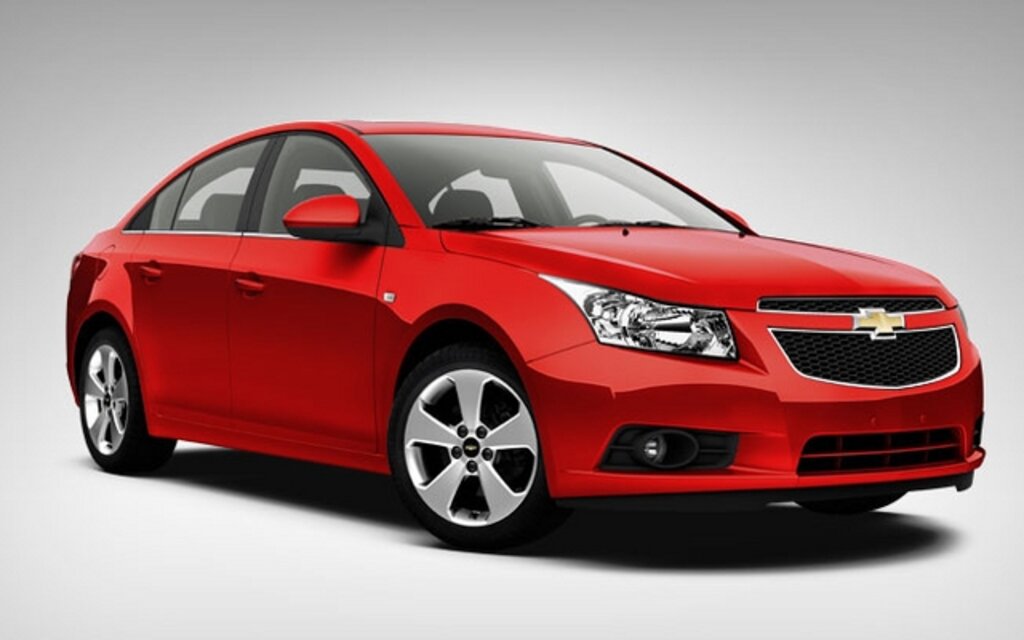
10. Chevrolet Cruze (1.4L Turbo, 2011–2016)
The Cruze’s 1.4-liter turbo engine (RPO LUV) was praised for efficiency when new. It quickly became notorious for coolant system failures instead. Owners report the plastic water outlet housing cracking under repeated heat cycling. This causes slow coolant loss that’s hard to spot early.
GM issued a service bulletin addressing low coolant levels, coolant odor, and overheating on 2013 Cruze and Sonic models. That bulletin alone signals how widespread the complaint volume was.
The PCV valve and intake manifold assembly is another weak point. Its failure can mimic overheating symptoms and confuse diagnosis for weeks. Owners frequently cycle through thermostats, coolant temperature sensors, and water pumps chasing false leads. Many still end up with recurring “AC off due to high engine temperature” warnings.
In the worst cases, a leaking lower radiator hose sprays coolant onto hot engine components. This produces white smoke that owners often mistake for head gasket failure.
The turbocharger’s proximity to coolant lines under the hood compounds the problem. Heat soak after hard driving stresses already brittle plastic fittings.
Specifications:
- Engine: 1.4L Turbocharged Inline-4 (LUV)
- Horsepower: 138 hp
- Torque: 148 lb-ft
- Length: 181.7 inches
- Width: 70.7 inches
The Cruze earns its spot here through sheer volume of complaints. It’s not a catastrophic engine failure, but a chronic, expensive drip of small heat-related repairs.
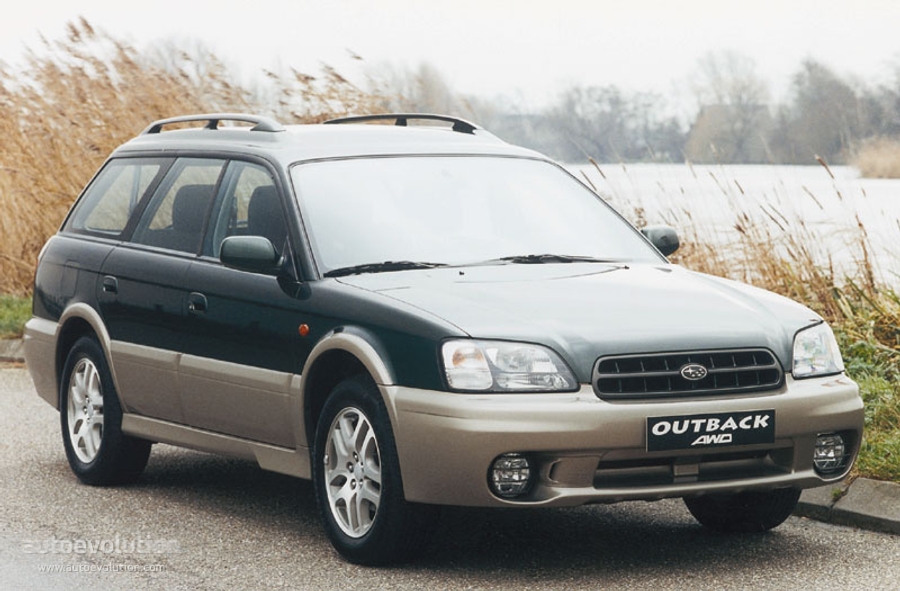
9. Subaru Outback / Forester (EJ25 Engine, 1999–2010)
Subaru’s boxer-four EJ25 engine is famous for two waves of head gasket failure. Both are directly tied to heat cycling stress. The horizontally opposed layout puts gaskets under unique thermal strain. Every heat-up and cool-down cycle pushes the gasket material past its design limits.
Early DOHC versions from 1996–1999 suffered internal leaks. Coolant loss caused overheating, and overheating caused more gasket damage in a vicious cycle.
The later single-cam EJ251, EJ252, and EJ253 engines had a different failure mode. External leaks let coolant and oil mix near the base of the engine.
Most failures appear around the 100,000-mile mark. Owners typically notice a sweet smell, white exhaust smoke, or milky residue on the dipstick first.
A single overheating event can warp the cylinder head entirely. That turns a gasket replacement into a much costlier head resurfacing job. Subaru’s later FB-series engines largely fixed this with improved gasket materials. But EJ25-powered Outbacks and Foresters from this era remain a known used-car risk.
Specifications:
- Engine: 2.5L Naturally Aspirated Boxer-4 (EJ25)
- Horsepower: 168 hp
- Torque: 166 lb-ft
- Length: 187.6 inches
- Width: 68.3 inches
Repair costs for a full head gasket job run between $1,200 and $2,500. That’s a steep bill for a car often marketed on reliability alone.
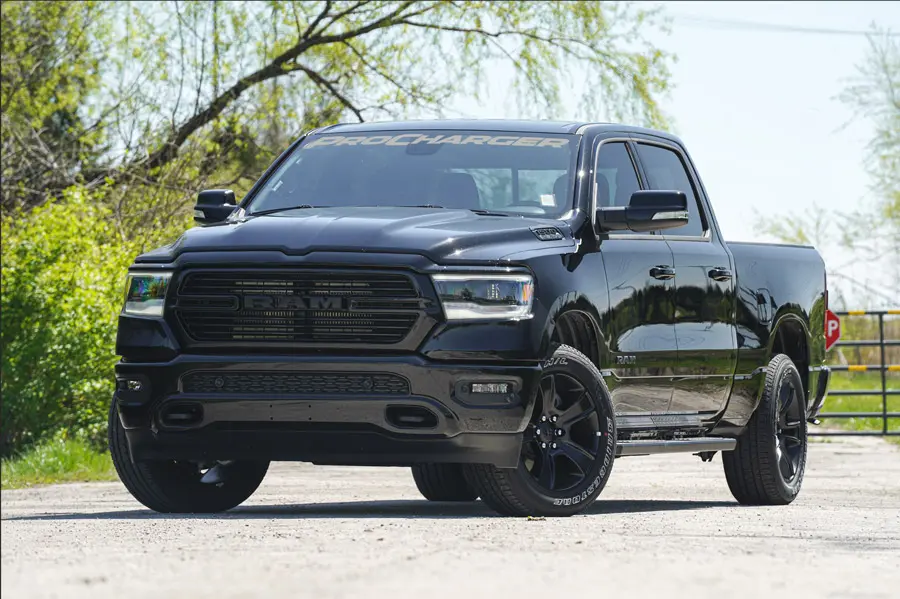
8. Ram 1500 / 2500 (5.7L and 6.4L HEMI)
The HEMI V8’s biggest heat-related weakness isn’t the engine block. It’s the exhaust manifold and its bolts. Cast-iron manifolds and aluminum cylinder heads expand at very different rates. Thousands of heat cycles create a persistent tug-of-war at the bolt interface.
Pre-2018 trucks used lower-grade steel bolts prone to snapping. Once a bolt breaks, the manifold warps slightly and starts leaking exhaust gas. Stellantis issued a technical service bulletin in 2022 covering 2019–2021 Ram 1500s. It specifically addressed cold-start ticking linked to cracked manifolds.
On 6.4L trucks, the stress concentrates most at cylinders seven and eight. That’s where thermal buildup runs hottest during towing or hard acceleration.
A separate and more serious issue involves the Multi-Displacement System. MDS lifters that shut down cylinders under light load can collapse from heat and oil starvation.
Valve seat drop is the worst-case outcome on 5.7L heads. Overheating can loosen pressed-in valve seats until they fall into the combustion chamber.
Specifications:
- Engine: 5.7L V8 (HEMI, with MDS)
- Horsepower: 395 hp
- Torque: 410 lb-ft
- Length: 232.9 inches
- Width: 82.1 inches
Exhaust manifold repairs typically run $250 to $1,000. Lifter and camshaft failures push into thousands of dollars in the worst scenarios.
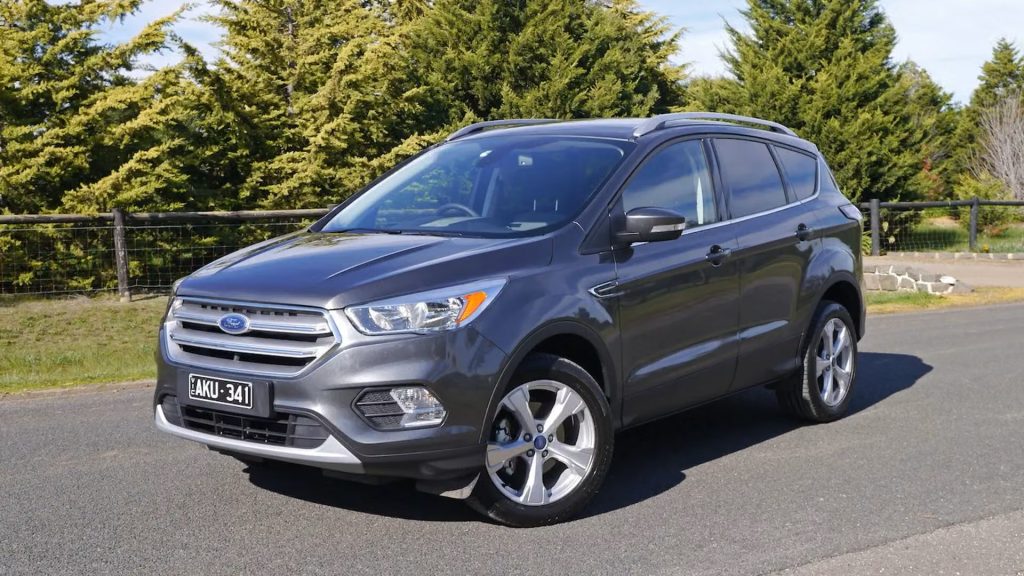
7. Ford Escape / Fusion (EcoBoost 1.5L / 1.6L / 2.0L)
Ford’s small EcoBoost engines suffer from a documented design flaw in the cylinder block. Cylinders two and three lack full coolant jacket coverage on all sides.
That creates hot spots at the top of the block. Over time, those hot spots cause head gasket failure and coolant intrusion into the cylinders. The issue affects 2013–2019 Escape, Fusion, Edge, and related Lincoln models. It’s serious enough to prompt a class-action lawsuit over coolant leaks and total engine failures.
Owners often get little warning before the damage is severe. Some see a low coolant alert; others discover it only after white smoke appears from the exhaust.
Once coolant enters the cylinders, Ford’s only real fix is a full long block replacement. That job typically costs between $6,000 and $9,400 depending on the vehicle.
Some owners report the failure appearing with as little as 44,000 to 55,000 miles on the odometer. That’s far earlier than most buyers would expect from a mainstream crossover. Ford’s updated long block uses a cross-drilled coolant jacket design to fix the hot spot problem. But millions of earlier units remain on the road.
Specifications:
- Engine: 1.5L Turbocharged Inline-4 EcoBoost
- Horsepower: 179 hp
- Torque: 177 lb-ft
- Length: 178.1 inches
- Width: 72.4 inches
This is one of the more expensive heat failures on this list. It’s also one of the hardest for an average owner to catch early.
6. Hyundai Sonata (Theta II Engine, 2011–2019)
The Sonata’s Theta II engine failure starts at the factory, not on the road. Metal debris left in oil passages during crankshaft machining chokes off lubrication.
Starved connecting rod bearings wear through over time. Once they fail, friction generates extreme localized heat inside the engine. In the worst documented cases, a damaged bearing punctures the engine block entirely. Oil then leaks onto hot exhaust surfaces and can ignite.
Hyundai paid a record $210 million in civil penalties for delaying disclosure of the defect. Regulators found the company knew about the risk for years before acting.
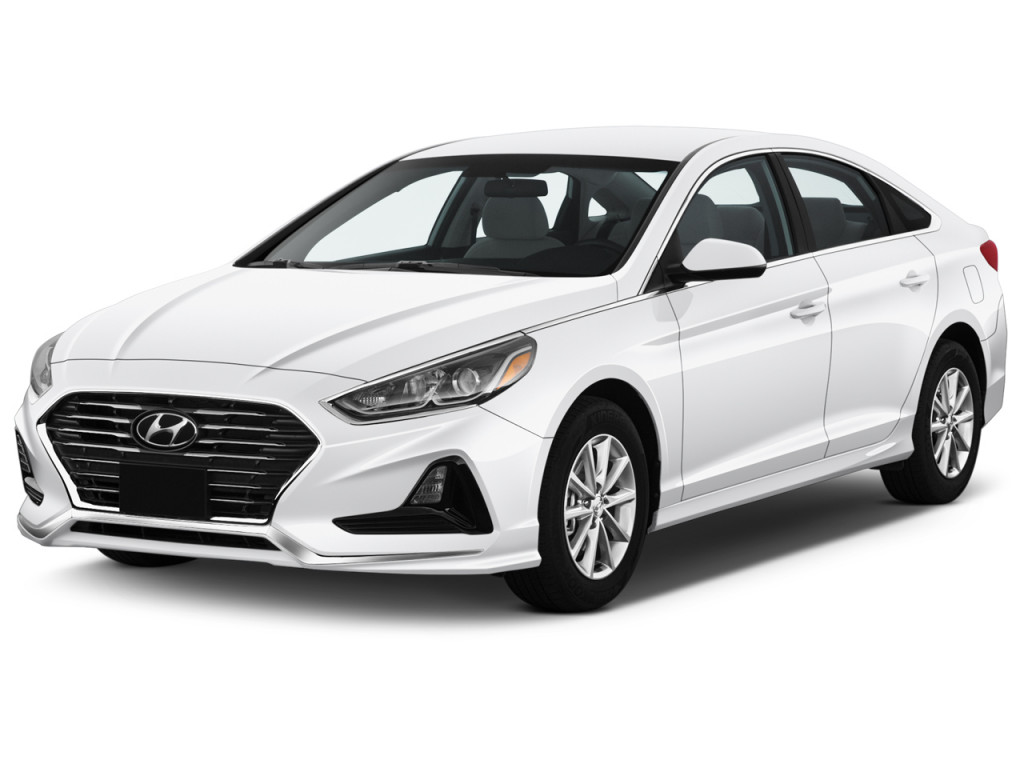
The fix Hyundai deployed is software, not hardware. A Knock Sensor Detection System monitors vibration patterns to flag bearing damage before catastrophic failure.
Nearly a third of all NHTSA complaints on the 2011 Sonata reference engine problems specifically. That’s an extraordinarily high concentration for a single component system. The average failure point lands around 90,000 miles. That’s well within a typical ownership window, not a high-mileage edge case.
Specifications:
- Engine: 2.4L Naturally Aspirated Inline-4 (Theta II)
- Horsepower: 198 hp
- Torque: 184 lb-ft
- Length: 189.8 inches
- Width: 72.2 inches
Affected owners can qualify for a lifetime short-block warranty after a software update. It’s a rare case where the manufacturer’s response matches the severity of the defect.
Also Read: 10 Cars With Wiper Blades That Streak Before 12 Months
5. Mini Cooper S (R56/F56 Turbo Models)
The Mini Cooper S relies heavily on its cooling fan and expansion tank once heat builds up in traffic. Even minor component failures cascade quickly.
Cracked plastic expansion tanks are a common long-term complaint. So are coolant leaks from aging hose connections that were never designed for a decade of service.
Turbocharged S and JCW variants generate noticeably more underhood heat than base models. That heat compounds fast after spirited driving followed immediately by stop-and-go traffic.
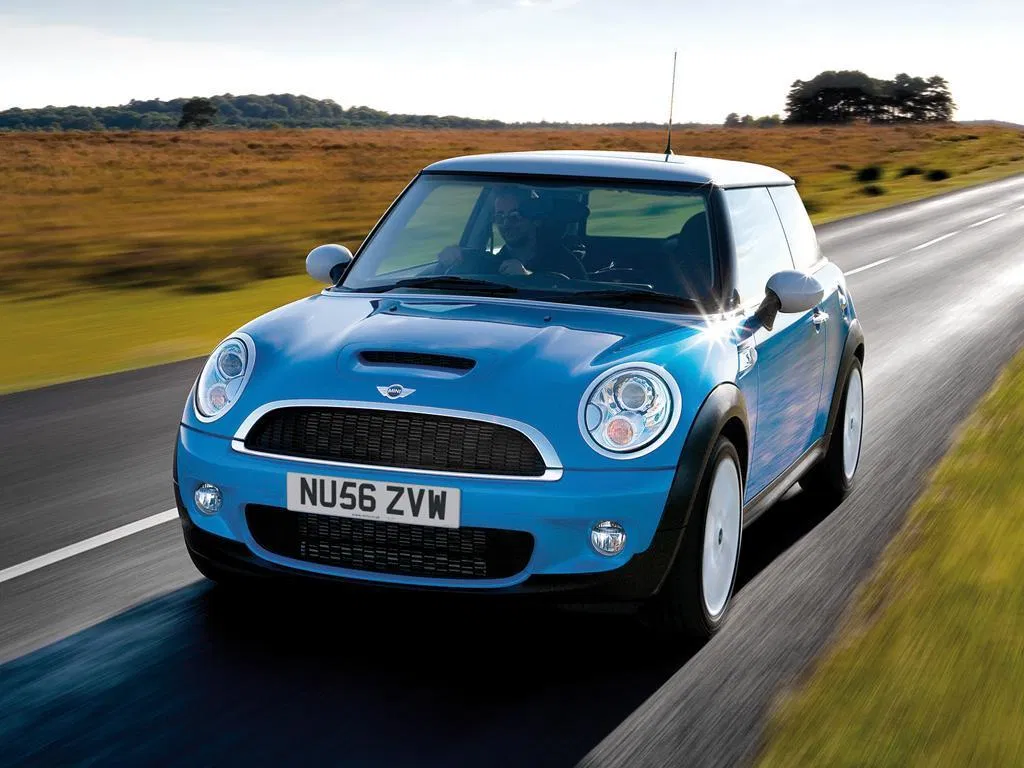
Without a proper cooldown period, thermal buildup can outpace what the cooling system can dissipate. Owners in hot climates report this pattern most frequently.
In worst-case scenarios, this leads to warped components or blown head gaskets. Coolant boiling over in the reservoir is a frequent warning sign that gets ignored.
Newer Mini models have addressed some of these weaknesses with revised materials. Older R56-generation Coopers remain the most heat-vulnerable in the lineup. The compact engine bay design leaves little room for airflow. That’s a structural disadvantage no amount of maintenance fully solves.
Specifications:
- Engine: 1.6L Turbocharged Inline-4
- Horsepower: 181 hp
- Torque: 177 lb-ft
- Length: 146.6 inches
- Width: 66.3 inches
Owners in Arizona, Nevada, and similar climates report the most frequent issues. Cooler climates tend to mask the underlying design weakness.
4. Nissan Pathfinder (CVT, 2013–2021)
Nissan’s Xtronic CVT is the centerpiece of this entry, and heat is its primary enemy. The transmission relies on hydraulic pressure and belt friction rather than traditional gears.
That design makes it far more sensitive to fluid temperature than a conventional automatic. Towing, mountain driving, and stop-and-go traffic all push fluid temperatures past safe limits.
One especially notorious failure mode earned its own nickname among owners and mechanics. The “strawberry milkshake” failure happens when coolant leaks into the transmission fluid.
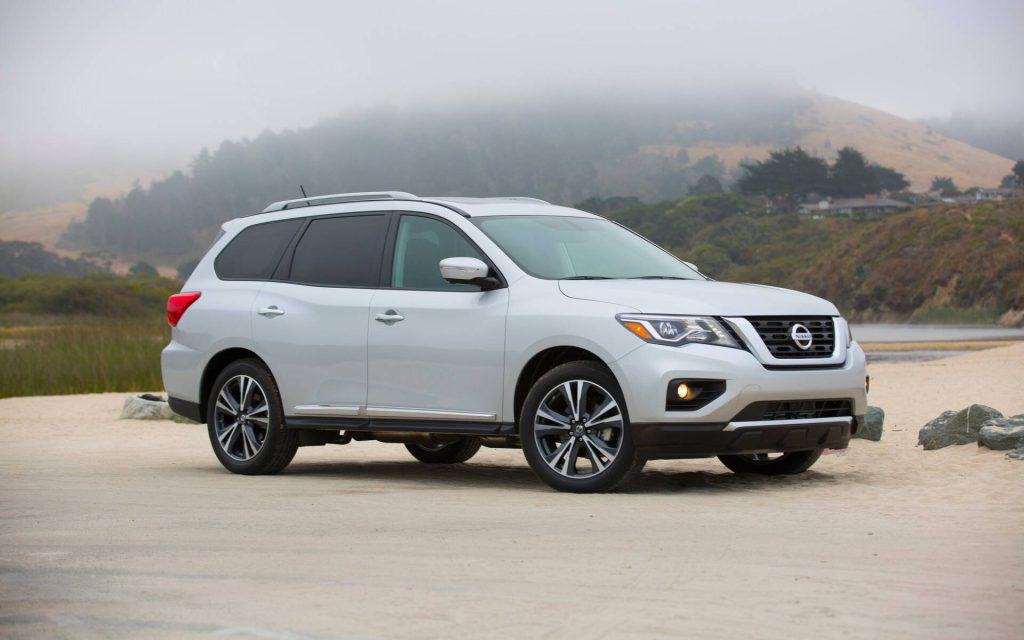
That contamination causes slipping, overheating, and eventually total transmission breakdown. Repair costs commonly land between $5,000 and $7,000.
As fluid gets hot, it shears and loses grip on the steel belt inside the variator. Micro-slipping generates even more heat, accelerating the damage in a feedback loop. Metal debris from the belt eventually circulates into the valve body. That clogs solenoids and throws pressure control into chaos.
Nissan’s response came in 2022, when the redesigned R53 generation switched to a conventional 9-speed automatic. That change effectively ended the CVT overheating saga for new Pathfinders.
Specifications:
- Engine: 3.5L Naturally Aspirated V6
- Horsepower: 260 hp
- Torque: 240 lb-ft
- Length: 197.2 inches
- Width: 76.9 inches
Owners who added external transmission coolers and changed fluid every 30,000 miles saw fewer failures. That confirms heat management, not just wear, was the real culprit.
3. Jeep Grand Cherokee / Wrangler (3.6L Pentastar V6)
The Pentastar V6 itself has a strong reputation for durability. Its cooling system is the actual weak point, not the engine internals. A well-documented manufacturing issue involved sand residue left in some radiators during production. That debris circulated through the cooling system, causing coolant loss and overheating.
A more serious problem affected 2011–2013 Grand Cherokees and 2012–2013 Wranglers specifically. Overheating valve seats in the left cylinder head caused misfires and required an extended warranty program.
Owners report the thermostat housing developing hairline cracks over time. These cracks are often invisible until the system is warm and pressurized.
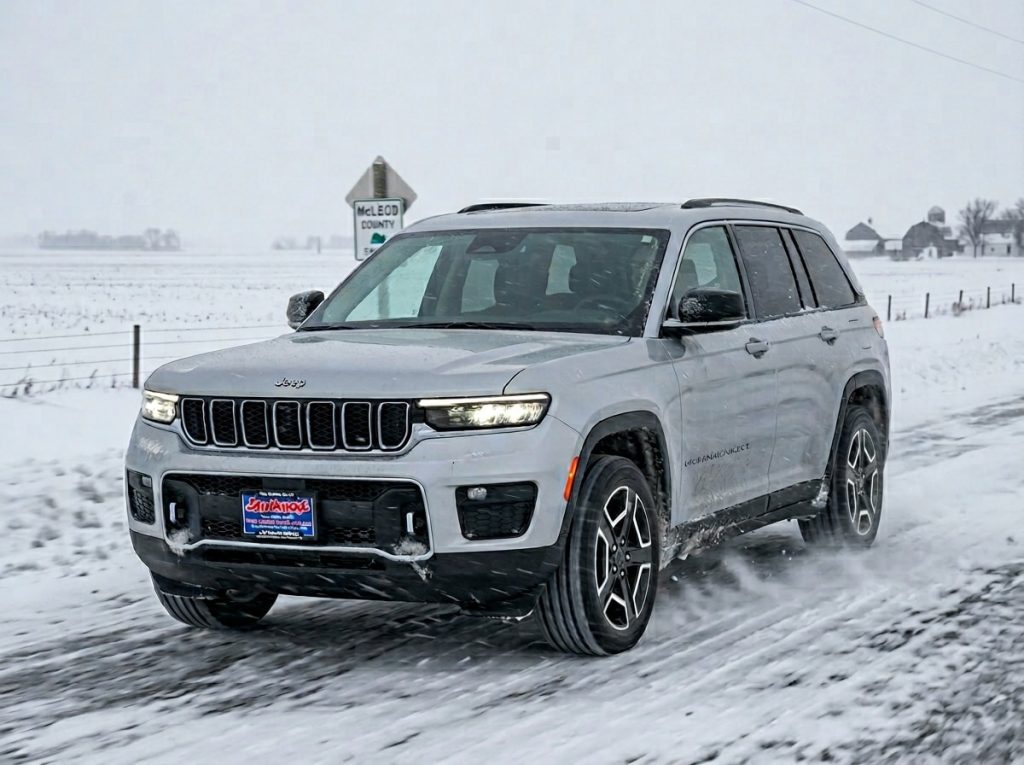
Faulty oil coolers are described by some mechanics as nearly a trademark weakness of this engine family. They fail quietly and let coolant contaminate engine oil.
Overheating episodes at highway speeds above 80 mph are a recurring forum complaint. Diagnosing them often requires ruling out belt routing, air pockets, and fan wiring one by one.
The high normal operating temperature of the Pentastar leaves little margin for error. Any small cooling system fault escalates into overheating faster than in older, cooler-running engines.
Specifications:
- Engine: 3.6L Naturally Aspirated V6 (Pentastar)
- Horsepower: 290 hp
- Torque: 260 lb-ft
- Length: 189.8 inches
- Width: 84.8 inches
Radiator replacement at a dealership can run around $1,000 with parts and labor. DIY repairs cost significantly less but require careful system bleeding to avoid air pockets.
2. Land Rover Range Rover (L322 / L405 Generations)
Land Rover’s cooling systems rely heavily on plastic components throughout the engine bay. Thermostat housings, coolant pipes, and radiator end tanks all become brittle with age.
These parts can crack without warning, especially under repeated pressure and heat cycling. Discovery 3, Discovery 4, and Range Rover Sport L320 models share a documented thermostat housing failure.
Once overheating starts, the damage rarely stays contained to the cooling system alone. It can warp cylinder heads, blow head gaskets, or damage cylinder liners entirely.

High-altitude driving makes the problem measurably worse. Thinner air forces the engine to work harder, generating more heat than the marginal cooling system can handle.
A separate failure mode involves the EGR system pressurizing the cooling system with exhaust gas. This is notoriously difficult to diagnose without specialized testing equipment.
Many Range Rover and Jaguar models also suffer from unreliable coolant level sensors. Some owners report sensors that fail silently, masking a developing overheating problem until it’s severe.
Recommended fixes include installing a lower-temperature thermostat in extreme climates. This adds a margin of protection but doesn’t address the root plastic component weakness.
Specifications:
- Engine: 5.0L Supercharged V8
- Horsepower: 510 hp
- Torque: 461 lb-ft
- Length: 196.8 inches
- Width: 87.4 inches
Owners in mountainous regions are advised to carry spare thermostat housings. That’s an unusual but common precaution among long-term Land Rover owners.
1. BMW 550i / X5 / 750i (N63 Twin-Turbo V8)
The N63 engine takes the top spot because its overheating problems stem directly from its core architecture. Its “hot-vee” design places both turbochargers inside the V of the engine block.
That layout improves throttle response and reduces engine size. It also dramatically increases thermal stress in an area with poor natural airflow.
In everyday driving, where airflow is far lower than on a track, this causes component overheating. Seals, timing chains, and lubrication systems all degrade faster as a result.
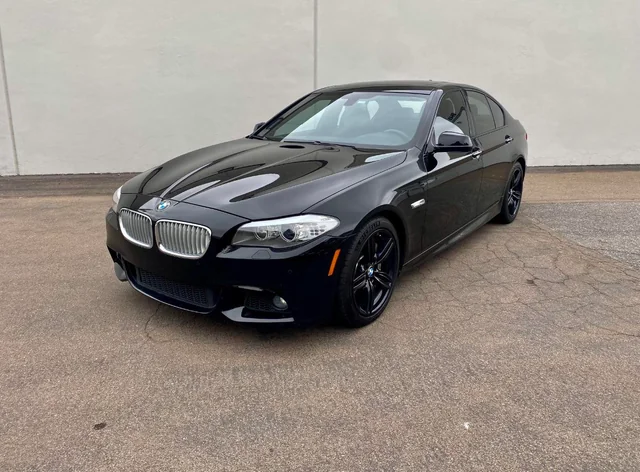
The plastic coolant expansion tank is a known weak point shared across multiple BMW models. On the N63, a crack here can escalate into head gasket failure on a V8.
Water pump and thermostat failures are common first symptoms. Owners typically notice a rising temperature gauge or a heater blowing cold air instead of warm.
BMW’s 2014 N63TU update addressed many first-generation flaws with improved cooling and revised turbochargers. Pre-2014 models remain the most heat-vulnerable in the family.
Turbocharger failure from overheating or oil starvation is a frequent and expensive outcome. Combined with timing chain wear, repair bills on high-mileage N63s regularly reach into the thousands.
Specifications:
- Engine: 4.4L Twin-Turbocharged V8 (N63)
- Horsepower: 400 hp
- Torque: 450 lb-ft
- Length: 193.1 inches
- Width: 73.2 inches
Replacing the water pump, thermostat, and expansion tank together is the standard preventive fix. Doing all three at once avoids repeating labor costs on parts that age at similar rates.
Also Read: 5 Cars With Cheap Alternator Jobs and 5 That Cost $1,100
