
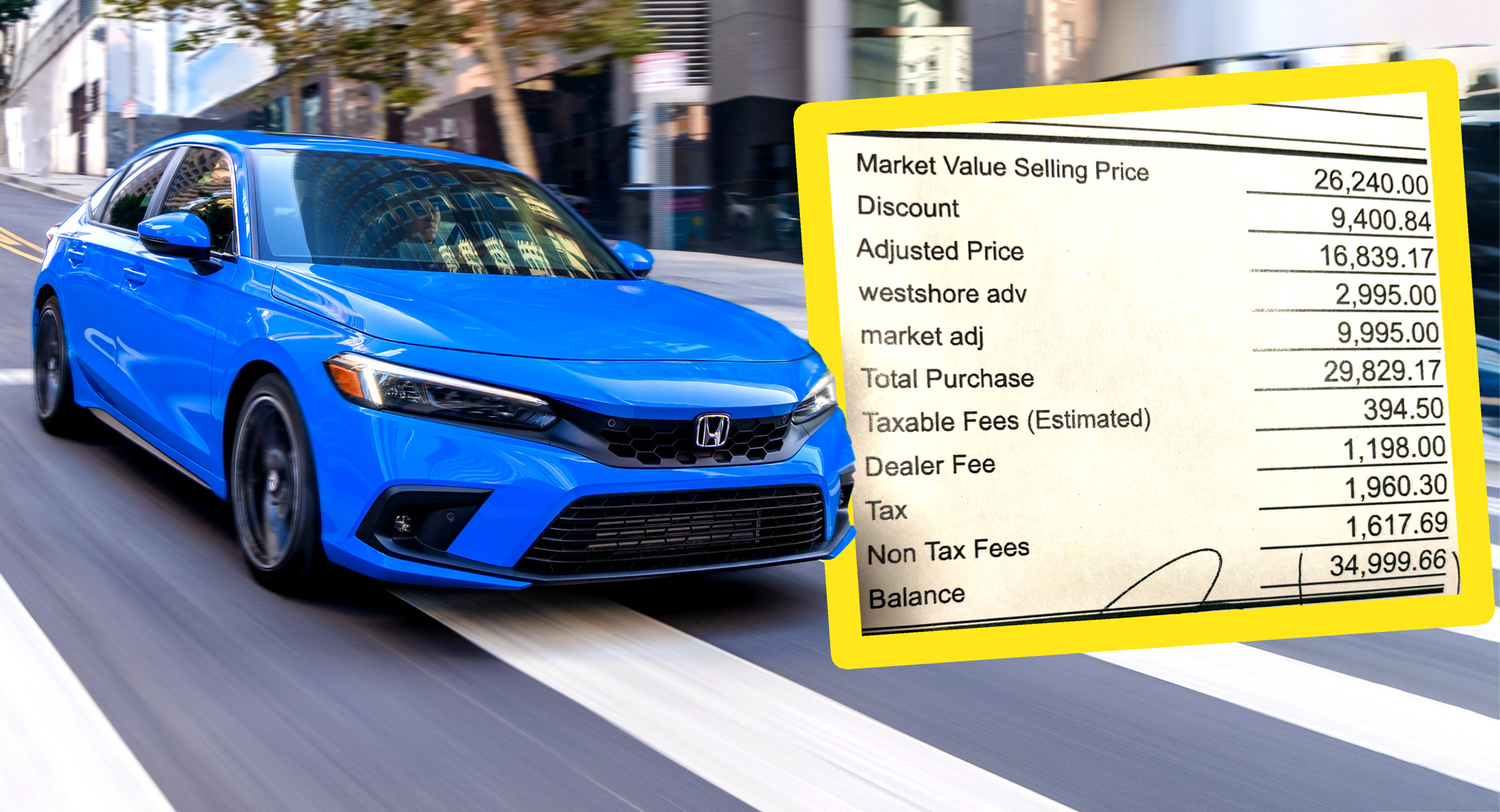
Sitting in the finance office with a pen in hand is not the moment most people feel like scrutinizing a spreadsheet, yet that is exactly when a handful of charges quietly slide onto the bill that were never really yours to pay. Some of these fees sound official, even necessary. Still, a closer look reveals they cover costs the dealership already gets paid for elsewhere, or expenses tied to running a business rather than delivering your specific car.
Knowing which line items are fair game and which ones deserve a raised eyebrow can save you real money before you sign anything. Here are ten charges worth questioning the next time you find yourself staring at a stack of paperwork with a total that looks higher than it should.

1. Dealer Prep Fee
This charge supposedly covers washing the car, pulling off shipping wrap, checking fluid levels, and running a basic inspection before handing you the keys. On paper, that sounds like reasonable labor deserving payment.
The catch is that manufacturers typically already compensate dealerships for exactly this kind of pre-delivery work, folding it into the wholesale arrangement between the factory and the dealer long before your name ever enters the picture. Charging you a second time for the same service means the dealership collects payment twice for a single job, once from the manufacturer and once from you.
Buyers rarely realize this overlap exists because the fee gets presented as though it were unique to their purchase, something done specifically for them rather than a standard step every new vehicle goes through regardless of who eventually buys it.
Asking directly whether the manufacturer already reimburses this cost puts the dealership in a position of either justifying the charge with real documentation or removing it altogether. Many will drop it once a buyer pushes back with a specific, informed question rather than a vague objection, since salespeople know exactly which fees are built to survive scrutiny and which ones are not.
2. Advertising Fee
Buying a vehicle already comes with many expenses, so every charge listed on the paperwork deserves careful attention. One fee that often raises questions is the advertising charge added by some dealerships.
Although dealers spend money promoting their business through television commercials, online marketing, and radio promotions, those campaigns are meant to attract buyers in general rather than provide a direct service to any single customer.
Another point worth considering is that many vehicle manufacturers already include a regional advertising allowance in the invoice price paid by the dealership. Since that amount is built into the dealer’s cost, the selling price you negotiated may already cover those marketing expenses.
Adding another advertising fee later can leave you paying for the same purpose twice under a different description. Most buyers never get the opportunity to review the manufacturer’s invoice, making it difficult to know whether this extra charge has already been accounted for.
Dealers usually do not point out this possibility because customers rarely have access to the documents needed to compare the figures. Without those details, it becomes much easier for an additional fee to pass without question. Whenever an advertising charge appears on the purchase agreement, ask the salesperson whether it repeats any amount already included in the vehicle’s price.
If a clear explanation is not provided, request that the fee be removed. Promoting vehicles is part of running the dealership’s business, while completing your purchase is the service directly connected to you. Those responsibilities should not be treated as the same expense at all.
3. Floor Plan Fee
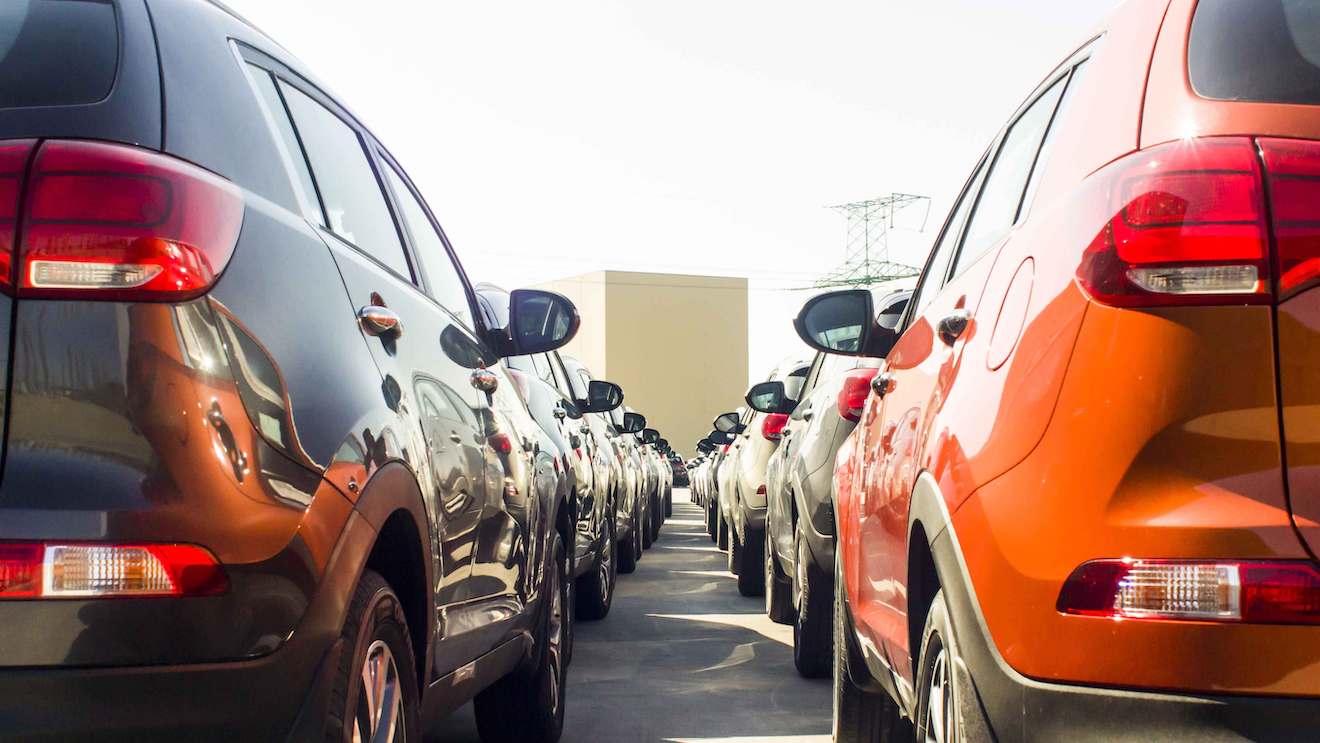
Dealerships borrow money to keep vehicles sitting on their lots, paying interest on that financing arrangement the same way any business pays interest on inventory it has not yet sold. That interest is called floor plan financing, and it exists purely because the dealership chose to stock a particular car before you ever expressed interest in buying it.
Passing that cost onto you treats a routine part of running an inventory-based business as though it were something you personally caused or requested. You did not ask the dealership to order dozens of trucks in anticipation of buyers who might show up someday; that decision belongs entirely to the dealership’s own purchasing and inventory strategy.
Whether a car sat on the lot for three days or three months has nothing to do with the buyer who eventually chooses it, yet this fee sometimes appears as though the length of time directly created an obligation on your part.
Any dealership attempting to charge floor plan interest separately is effectively asking you to subsidize how they manage their own cash flow and lending relationships. That expense sits squarely on the business side of the ledger, and a firm request to remove it is entirely reasonable, since nothing about it relates to the specific transaction happening in front of you.

4. Inventory Storage Fee
Many people focus on the vehicle’s price and forget to examine the extra charges listed on the invoice. One fee that deserves careful attention is the storage charge. Dealerships need parking areas, security personnel, proper lighting, and enough space to keep many vehicles ready for sale.
These expenses are part of running the business and should not be transferred to individual buyers without a valid reason. Another point to remember is that every vehicle displayed for sale occupies space before anyone decides to buy it. Keeping those vehicles safe and accessible is the dealer’s responsibility.
Unless you specifically requested that your purchased vehicle remain at the dealership after the sale, perhaps because you needed extra time to complete payment arrangements or collect it on a later date, there is little reason for a storage fee to appear on your bill.
Before accepting such a charge, ask the salesperson when the storage took place and why it applies to your purchase. Find out whether the vehicle was kept after the sale because of your request or whether it was simply sitting in the dealer’s inventory before you agreed to buy it. The answer will help you decide whether the fee is justified.
Keeping vehicles on the premises is a normal part of selling cars. It is no different from paying staff, maintaining the showroom, or covering electricity bills. If the storage was not requested by you after completing the purchase, there is little justification for adding that expense to your final invoice or charging you separately for it at all.
5. Pre-Delivery Inspection (PDI) Fee
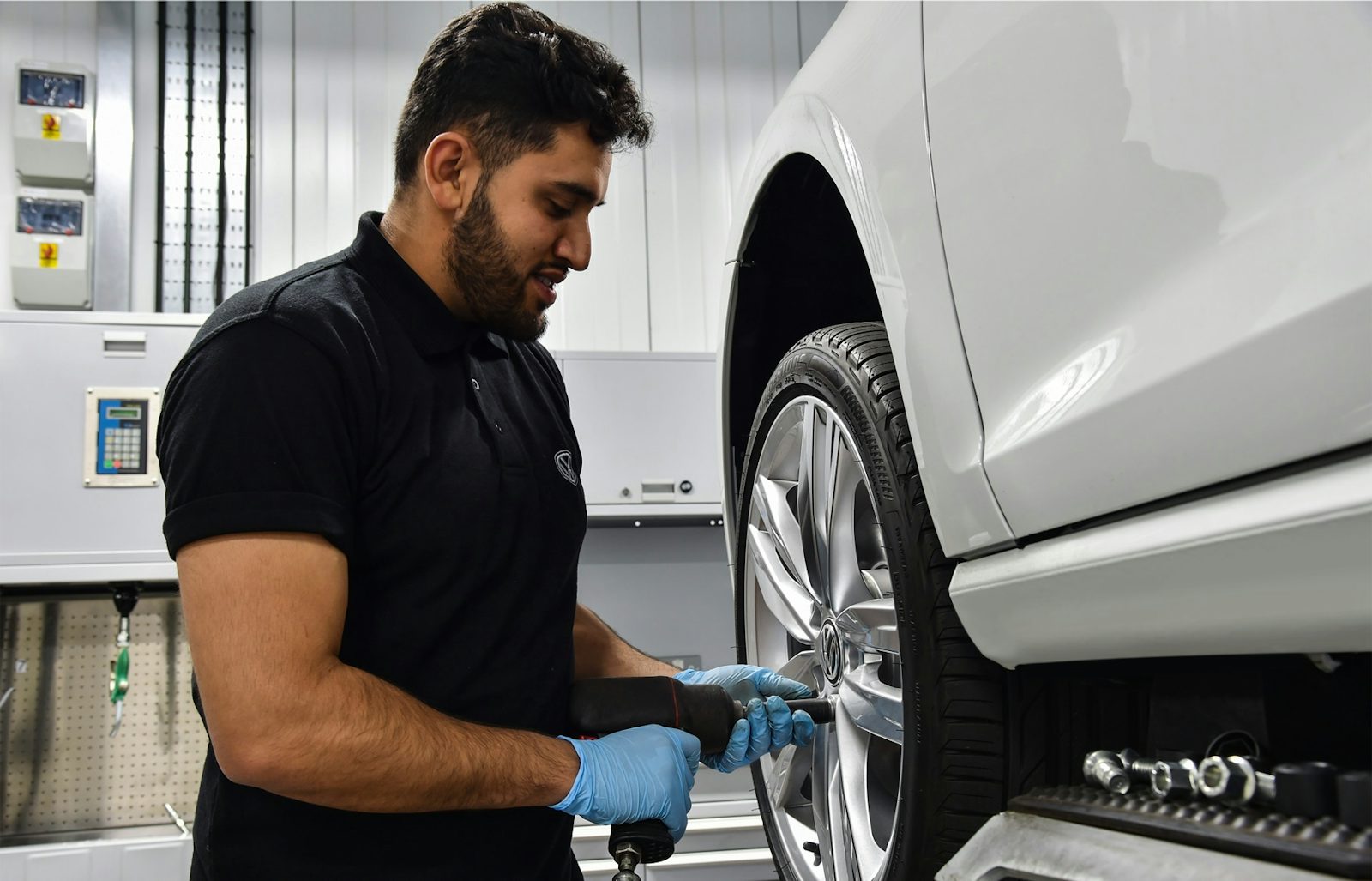
Every new vehicle goes through a final round of checks before it reaches a customer, confirming that brakes, fluids, lights, and safety systems all function the way the manufacturer intended. This inspection is required, not optional, which means it happens to every single new car regardless of who ends up buying it.
Manufacturers generally reimburse dealerships for performing this required work as part of their standard business relationship, similar to how prep fees get handled elsewhere in the process. Charging a customer separately for a PDI fee risks the same duplication problem found with prep charges: payment collected once from the manufacturer and again from the buyer for identical work.
Because this inspection is federally encouraged and closely tied to vehicle safety, dealerships sometimes lean on that seriousness to make the fee feel non-negotiable, implying that refusing to pay somehow means skipping a safety step.
That framing is misleading. The inspection itself will happen regardless of whether you agree to pay an additional fee for it, since it is required before any new vehicle leaves the lot. Asking for documentation showing this cost was not already covered by the manufacturer is a fair and direct way to challenge the charge before it makes its way onto your final bill.
Also read: 5 Cars With the Highest Theft Rates in Missouri, 5 With the Lowest
6. Paint or Fabric Protection You Didn’t Request
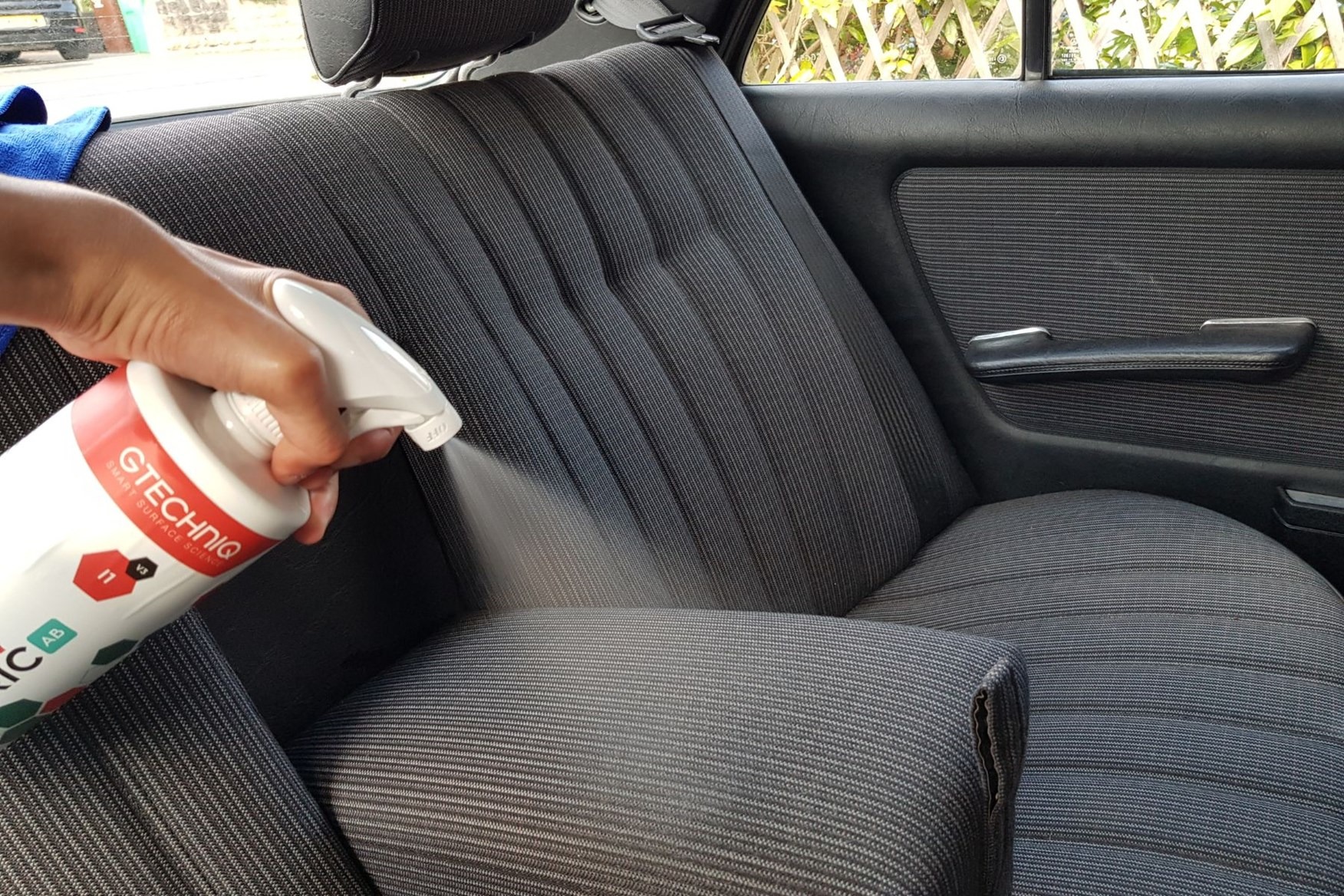
Somewhere between test-driving the car and signing the paperwork, a sealant or fabric treatment sometimes gets applied without ever being discussed, then quietly appears as a line item near the bottom of your invoice. These products promise protection against stains, fading, or minor scratches, and in some cases they may offer modest value.
What makes this charge different from a legitimate service is consent. If nobody asked whether you wanted a coating applied to your seats or paint before it happened, the dealership made a unilateral decision to perform optional work and then billed you as though you had requested it.
That sequence puts you in the position of either accepting a cost you never agreed to or pushing back after the fact, which understandably feels uncomfortable for many buyers sitting across from a finance manager. The straightforward response is to ask when this service was requested and by whom, since a truthful answer will usually reveal that it was never actually part of your original order.
Negotiating its removal, or refusing to pay for something applied without your input, is entirely reasonable, particularly for a product you can often purchase independently for less money if you decide later that you actually want it.
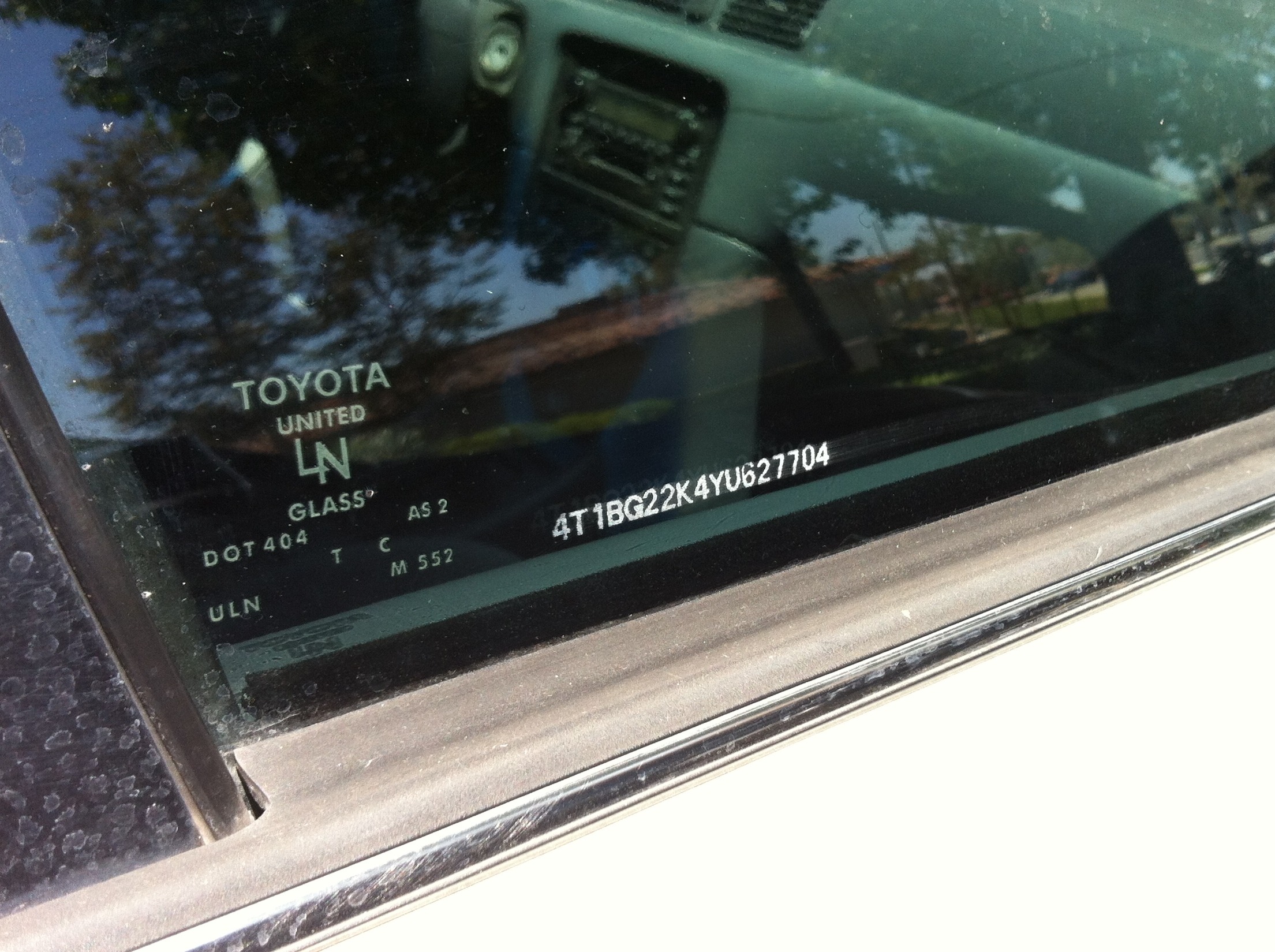
7. VIN Etching
Etching your vehicle identification number onto the windows is marketed as a theft deterrent, making stolen vehicles harder to resell with matching glass. There may be a sliver of truth to that claim, since it can complicate things for opportunistic thieves looking for an easy resale. The trouble is cost.
This service takes a technician only a few minutes and requires minimal material, yet dealerships routinely charge several hundred dollars for something that costs them very little to actually perform. That gap between the real cost and the retail price is where the profit lives, dressed up as a safety feature rather than what it mostly is, a high-margin add-on.
Buyers who genuinely want this kind of protection can often find independent shops offering the same etching service for a small fraction of what a dealership charges, or in some cases purchase a do-it-yourself kit designed for exactly this purpose.
Since VIN etching provides only modest real-world benefit and is entirely optional regardless of how it gets presented, there is little reason to accept a dealership’s price without at least asking what alternative options exist, or simply declining the service outright if theft deterrence was never something you were shopping for.
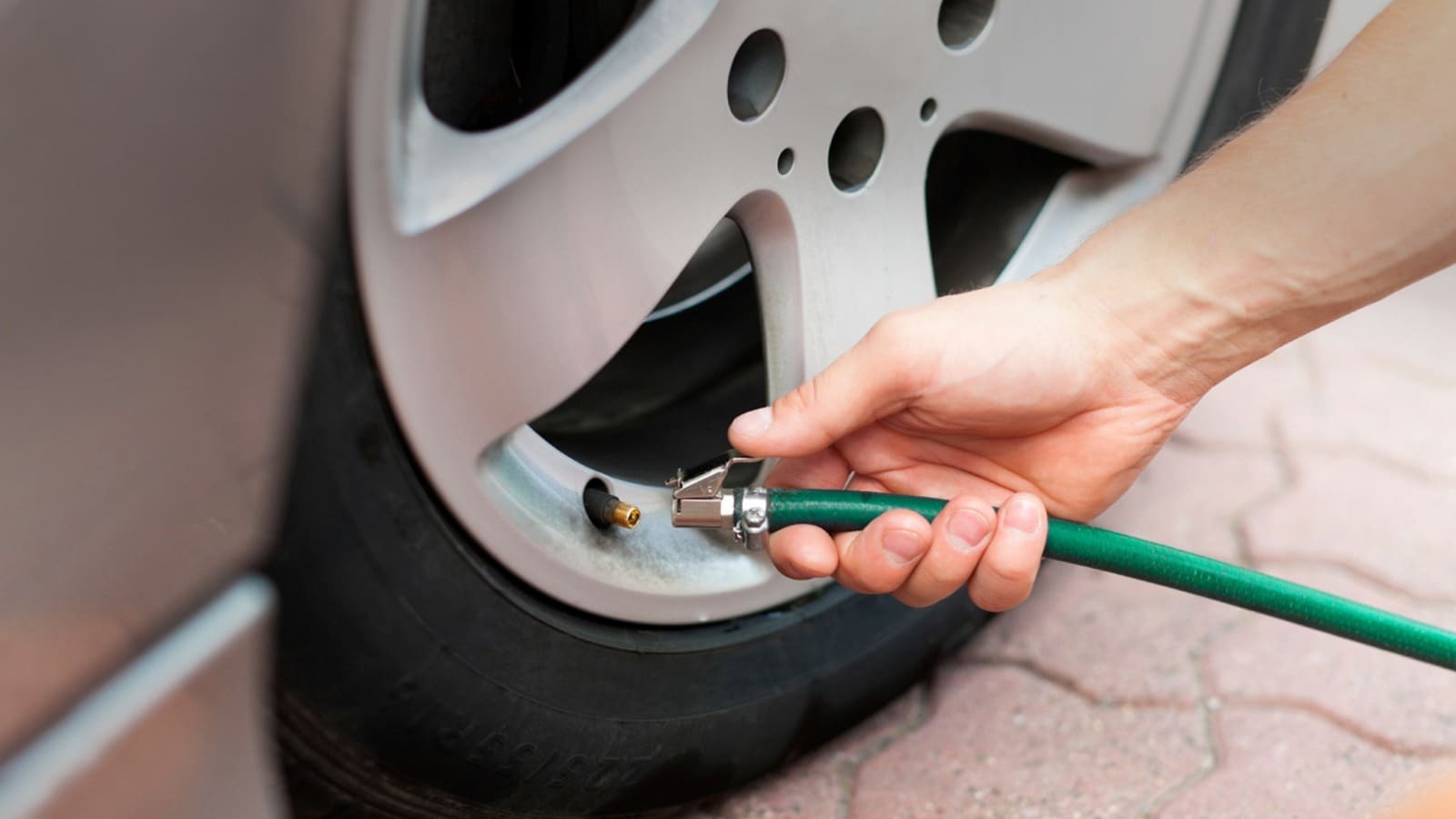
8. Nitrogen Tire Fill
Many car dealerships promote nitrogen-filled tires as an upgrade, saying they help maintain steadier tire pressure and may deliver a small improvement in fuel economy. Those claims can sound attractive to buyers who want every available benefit from a new vehicle.
Still, anyone who uses a car mainly for daily commuting, school runs, shopping, and similar trips is unlikely to notice any meaningful difference during normal driving. For most people, standard compressed air performs well enough without creating any practical disadvantage in everyday use.
A point many buyers do not realise is that ordinary compressed air already contains a high amount of nitrogen. Because of that, the gap between regular air and pure nitrogen is much smaller than many advertisements suggest. The issue is not that nitrogen has no value.
It does offer certain advantages under specific conditions. The real concern is whether the extra amount charged reflects the limited benefit that many motorists are likely to experience during regular use. Another factor worth thinking about is convenience.
If the tires need to be topped up with nitrogen later, drivers may have to visit a dealership or another approved location instead of using the nearest service station. That extra effort can outweigh the small benefit for everyday driving. Anyone who has no strong preference can simply request regular compressed air and avoid paying an unnecessary charge.
Choosing nitrogen remains a personal decision. Even so, buyers should understand what they are paying for and should always have the opportunity to refuse the extra charge if they believe regular air meets their driving needs.

9. GPS Tracking or Theft Recovery Devices
Dealerships sometimes install aftermarket tracking systems on vehicles sitting in inventory, aiming to protect their own investment against theft while the car remains unsold on the lot. That security measure makes sense from the dealership’s perspective, since a stolen vehicle represents a direct financial loss to the business before it ever reaches a customer.
The problem arises when that same device, installed purely to protect dealership inventory, gets billed to the buyer as though it were a requested feature rather than a security measure benefiting the seller. Unless you specifically expressed interest in ongoing GPS tracking or theft recovery service for your own use, there is little justification for absorbing a cost tied to protecting someone else’s property before the sale closed.
Many of these systems also come with recurring subscription fees attached after the initial purchase, meaning the upfront charge is sometimes just the beginning of an ongoing cost buyers never asked to take on. Declining this device, or negotiating its removal from your final price, is a reasonable response when the service was clearly installed for the dealership’s benefit rather than yours.
If tracking genuinely interests you, comparable aftermarket options are often available independently for considerably less money.
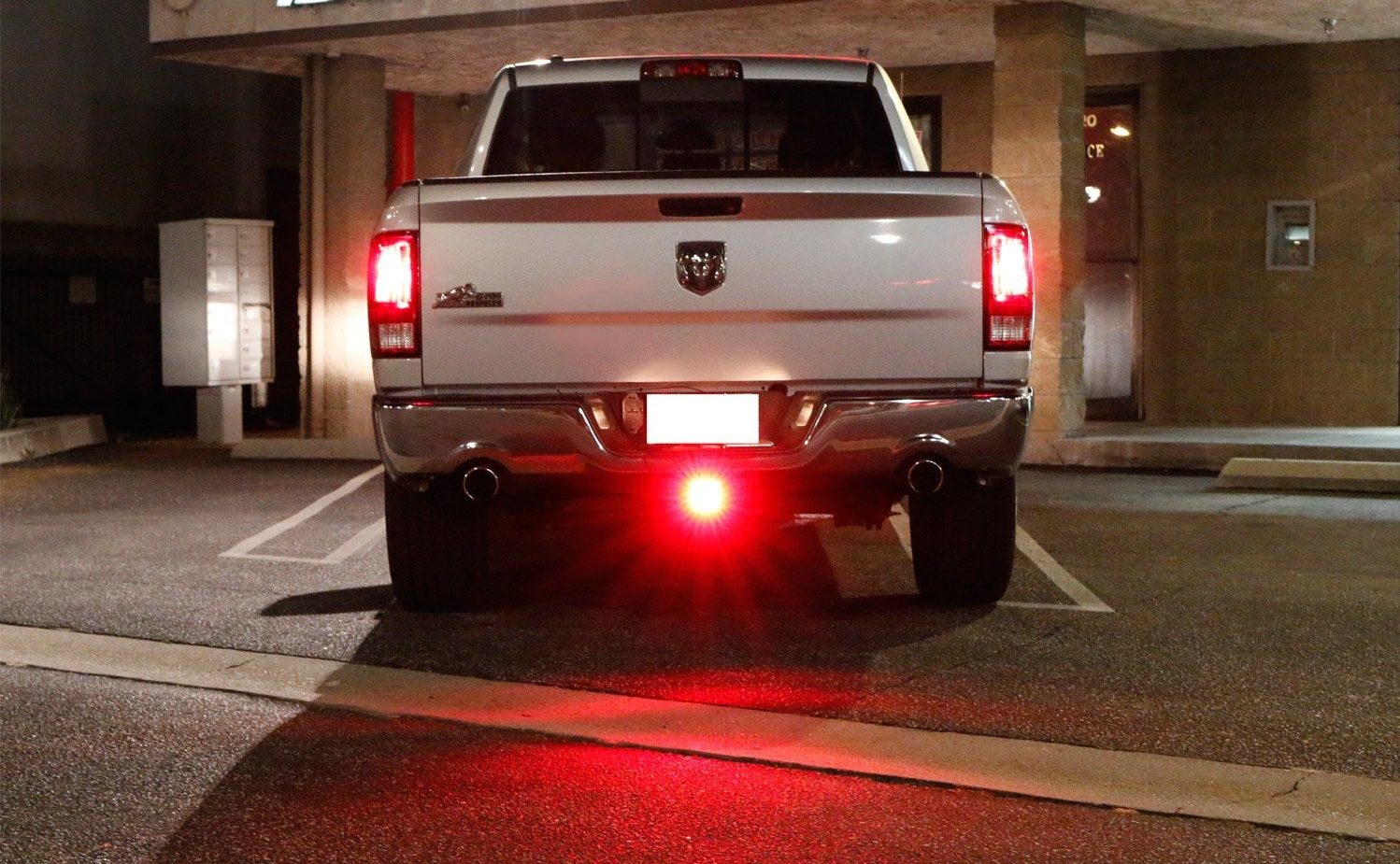
10. Pulse Brake Lights or Other Dealer Add-ons
Extra accessories fitted by a dealership can make a vehicle look more attractive, but that does not always mean you should pay for them. Items such as flashing brake light modules, wheel locks, door edge guards, pinstripes, and window tint are sometimes installed before any customer shows interest in the vehicle.
While some of these additions may offer practical value, others are mainly for appearance. The common factor is that the dealership decided to install them without waiting for a buyer’s approval. It is common for some dealers to fit these accessories on every vehicle available for sale.
They then present them as though they are part of the standard package instead of giving customers the chance to choose whether they want them. Once the accessories have already been fitted, many buyers feel they have no option except to accept the extra charges attached to them, even though they never requested any of those additions.
Take time to review every item listed on the sales agreement before accepting the final price. If you did not ask for wheel locks, decorative pinstripes, or similar accessories, ask the dealership to remove the related charges or reduce the vehicle’s price accordingly. You should not be expected to cover the cost of items added without your approval.
Choosing to make vehicles look more appealing is a business decision made by the dealership to attract customers. Since those accessories were installed without your instruction, paying for them should never be treated as an automatic part of your purchase agreement or final vehicle cost.
Also read: 10 Cars That Cannot Be Driven During a System Update