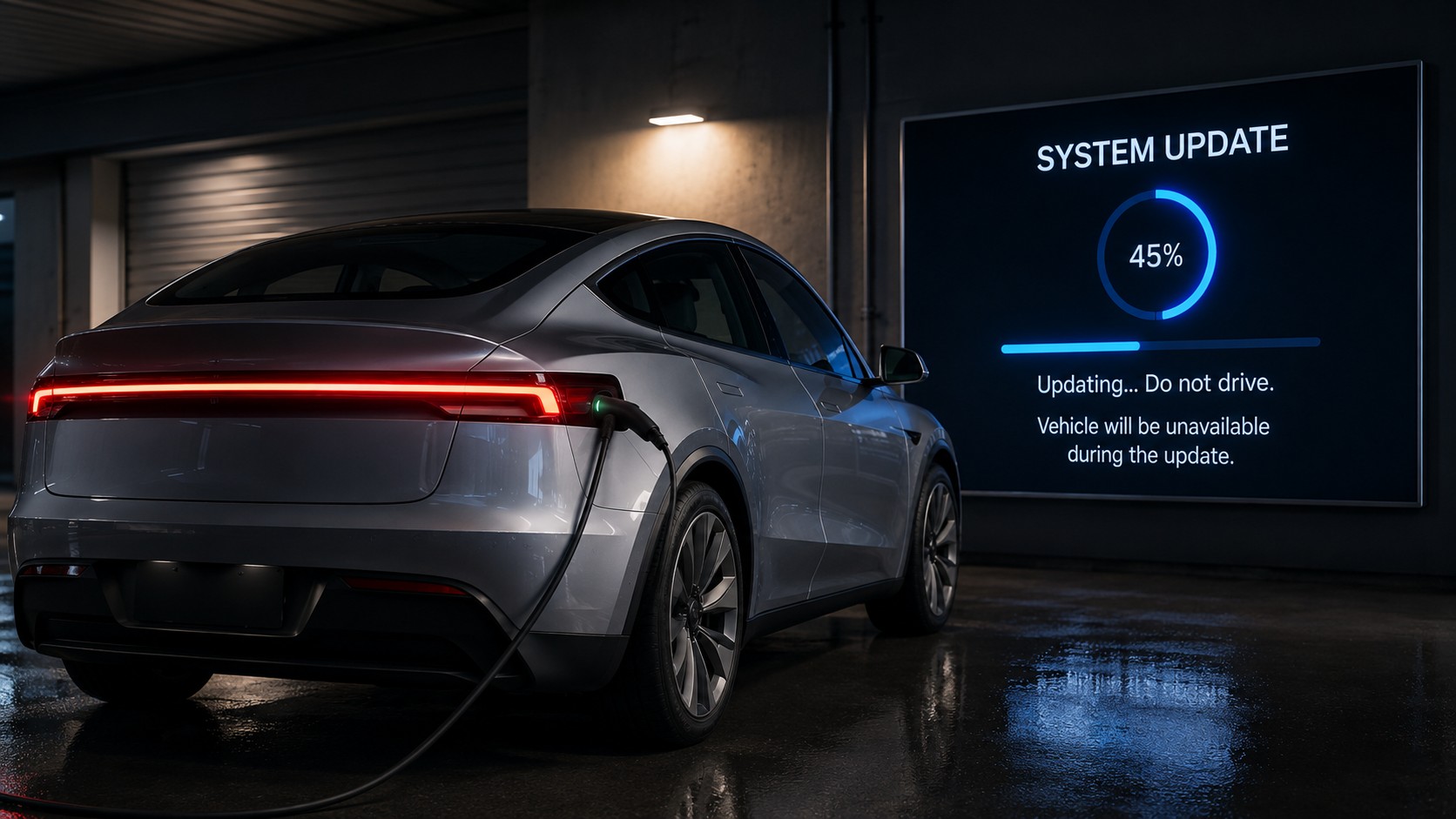
Modern cars are no longer just machines built from steel and rubber. They are rolling computers that receive constant software updates. These updates fix bugs, add features, and even change performance.
But there’s a catch that surprises many new EV owners. During an active system update, several popular cars completely lock the driver out. You cannot start the motor, shift into drive, or move an inch until the installation finishes.
This happens because critical electronic control units are being rewritten in real time. Interrupting that process mid-flash could corrupt the software permanently. Automakers disable propulsion as a safety measure to protect the vehicle’s brain.
Tesla popularized this behavior years ago with its over-the-air update system. Since then, Kia, Ford, Rivian, Hyundai, and several luxury brands have adopted similar protocols. Owners are usually notified in advance and can schedule the update for a convenient time.
Below are ten vehicles known for this update-lockout behavior. Each entry includes real specifications so you understand exactly what car you’re dealing with. Plan your driveway time accordingly, because these machines simply won’t budge mid-update.
1. Tesla Model 3
The Tesla Model 3 is the vehicle that made this lockout behavior mainstream. Consumer Reports has repeatedly confirmed the car becomes fully undriveable during installation.
Updates typically take between 20 and 90 minutes to complete. Tesla gives owners the ability to schedule the install time, but not to skip it entirely.
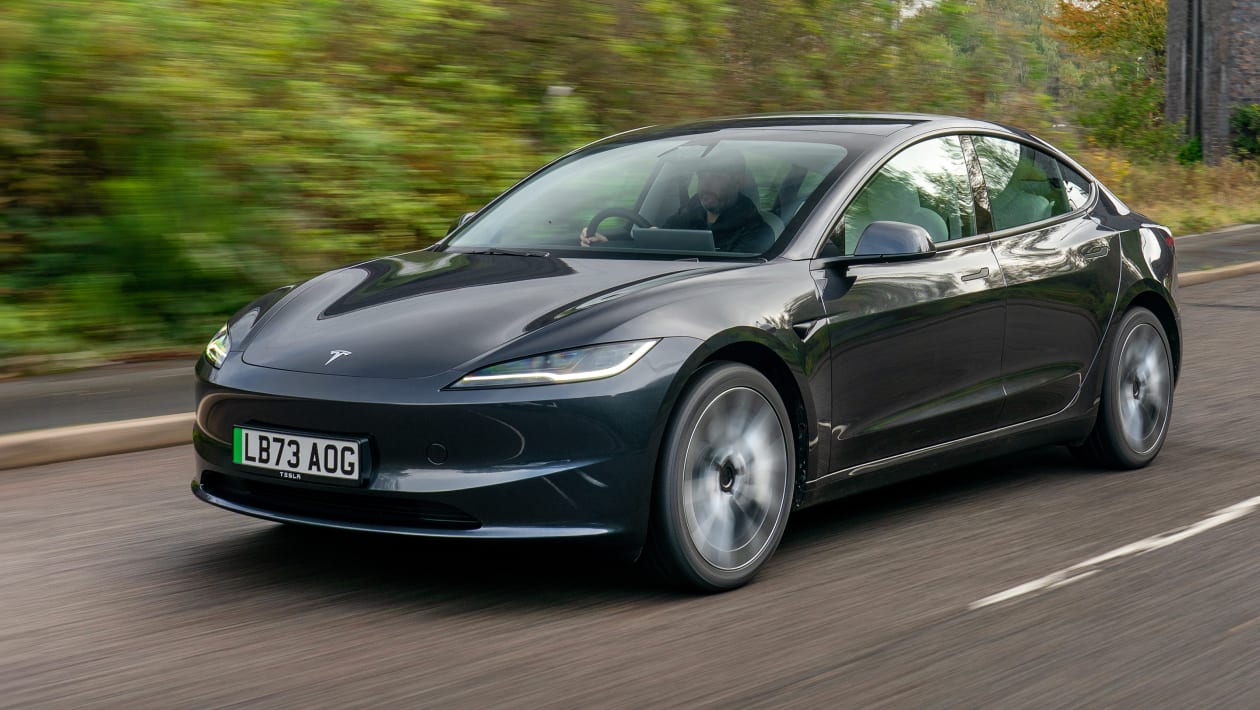
Once the update begins, the touchscreen displays a countdown and the drive selector disappears. The car essentially becomes a parked brick until the process finishes.
This matters because the Model 3 remains one of the best-selling electric sedans worldwide. Its constant software refinements have improved everything from acceleration to Autopilot behavior over time.
Specifications:
- Engine: Dual permanent-magnet electric motors, 194 kW rear + 137 kW front
- Horsepower: 341 hp combined
- Torque: 340 Nm rear / 219 Nm front motor
- Length: 185.8 in (4,720 mm)
- Width: 72.8 in (1,848 mm)
The sedan’s low-slung stance and dual-motor setup give it genuine performance credentials. A 0-60 mph time of around 4.2 seconds keeps it competitive against gas-powered rivals.
Despite its speed, the Model 3 still goes completely silent and immobile during a software flash. Owners have learned to treat update notifications like a mandatory pit stop.
2. Tesla Model Y
The Model Y shares its underlying platform and software architecture with the Model 3. Naturally, it inherits the exact same update-lockout restriction.
Tesla’s compact SUV has become the brand’s top-selling model globally. That popularity means millions of drivers regularly encounter this driving freeze.
The infotainment screen warns users before installation begins. It clearly states the vehicle cannot be driven until the process is complete.
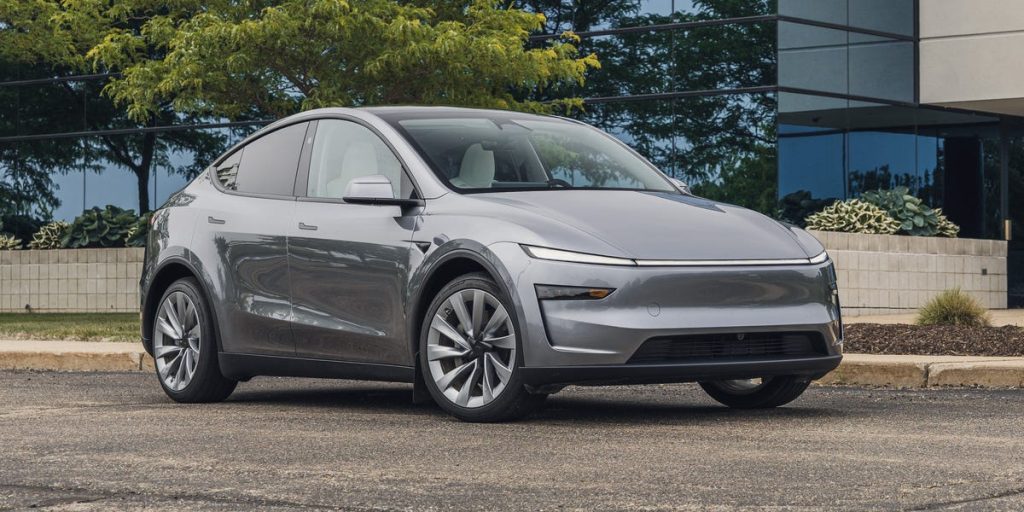
Because the Model Y often serves as a family hauler, this lockout can be genuinely inconvenient. Parents have reported being stuck mid-errand waiting for updates to finish.
Specifications:
- Engine: Dual permanent-magnet electric motors, 194 kW rear + 137 kW front
- Horsepower: 397 hp combined
- Torque: 340 Nm rear motor, 219 Nm front motor
- Length: 188.6 in (4,790 mm)
- Width: 75.6 in (1,920 mm)
The SUV accelerates from 0-60 mph in roughly 4.6 seconds despite its taller ride height. That’s quick for a family-oriented crossover of this size. Tesla recommends parking in a safe, level location before triggering any update. This prevents rollaway risk while the propulsion system is temporarily disabled.
3. Kia EV6 GT
Kia’s flagship electric performance crossover also locks out driving during OTA installs. Kia’s official owner documentation confirms the vehicle becomes fully disabled mid-update.
Unlike Tesla, Kia sends push notifications through its Connect app. Drivers get advance warning before the car refuses to move. The EV6 GT is Kia’s high-performance halo model built on the E-GMP platform. It shares its underlying architecture with the Hyundai Ioniq 5.
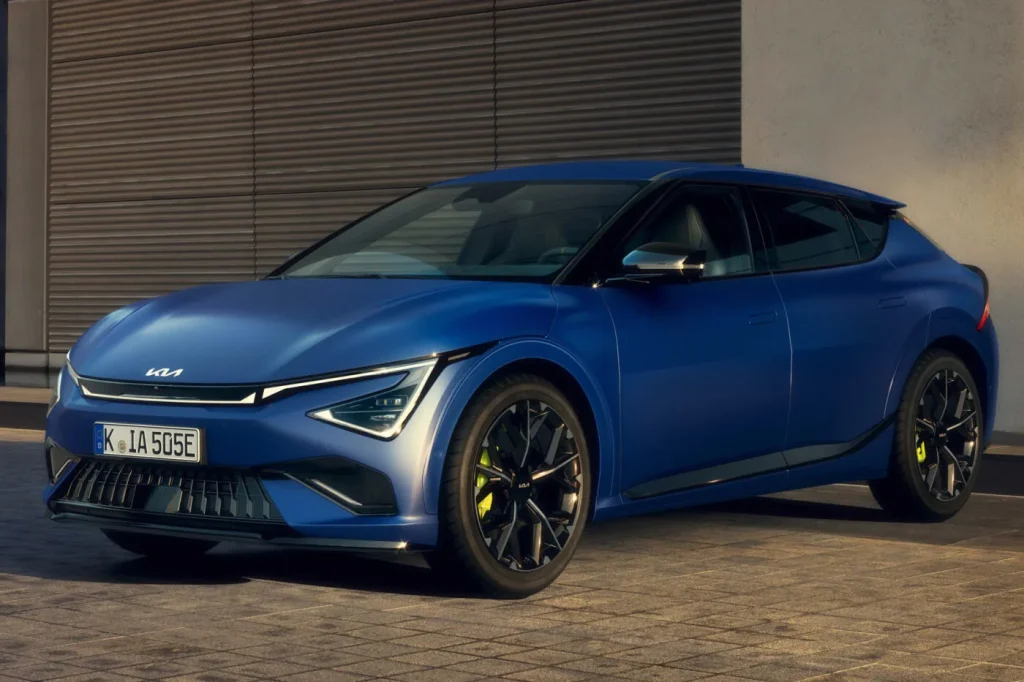
Kia states that owners don’t need to stay inside the vehicle during installation. Progress can be tracked remotely, then resumed once it’s finished.
Specifications:
- Engine: Dual electric motors, 270 kW rear + 175 kW front
- Horsepower: 576 hp combined
- Torque: 545 lb-ft (740 Nm) combined
- Length: 184.3 in (4,695 mm)
- Width: 74.0 in (1,890 mm)
That power output lets the EV6 GT sprint from 0-60 mph in roughly 3.4 seconds. It’s one of the quickest Kias ever produced. Owners must park in a secure spot, since the brakes and drivetrain remain locked during the flash. A failed install mid-drive would be dangerous, so Kia disables movement entirely.
4. Hyundai Ioniq 5
The Ioniq 5 shares its E-GMP platform with the Kia EV6, along with its update behavior. Hyundai’s system disables propulsion whenever a critical controller receives new firmware.
This crossover became one of the most awarded EVs after its 2021 launch. Its retro-futuristic design and fast charging made it an instant favorite. Hyundai’s app notifies owners when updates are ready. Drivers can choose to install immediately or wait for a more convenient moment.
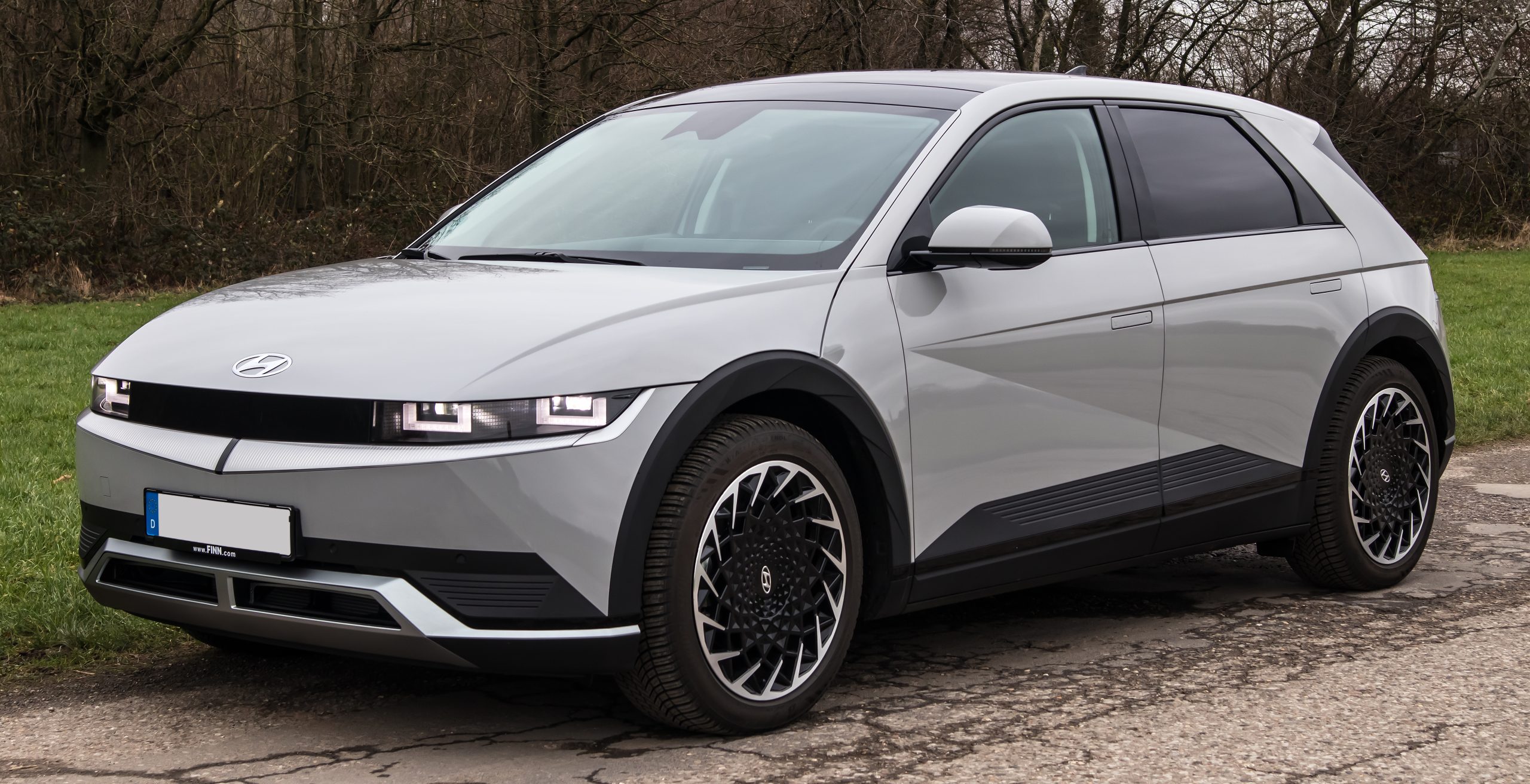
Because the update rewrites core vehicle systems, Hyundai recommends parking somewhere safe and stable. The car cannot be interrupted once the flash begins.
Specifications:
- Engine: Dual permanent-magnet synchronous motors
- Horsepower: 320 hp
- Torque: 446 lb-ft (605 Nm)
- Length: 182.5 in (4,635 mm)
- Width: 74.4 in (1,890 mm)
The dual-motor variant reaches 60 mph in around 4.5 seconds, which is brisk for a family crossover. Its 800-volt architecture also enables ultra-fast charging speeds.
That same 800-volt system requires careful software management during updates. This is part of why Hyundai keeps the vehicle locked until installation finishes safely.
Also Read: Cybertruck Overpass Incident Adds to Tesla Autopilot Controversy
5. Rivian R1T
Rivian’s electric adventure truck runs an extremely complex software stack across dozens of controllers. Updating this many systems simultaneously requires the truck to stay parked and powered off from a driving standpoint.
The R1T uses independent motors at each wheel in its quad-motor configuration. That level of complexity means more software to manage during every update cycle. Rivian owners receive scheduling options through the mobile app. Updates often run overnight while the truck sits in the driveway.
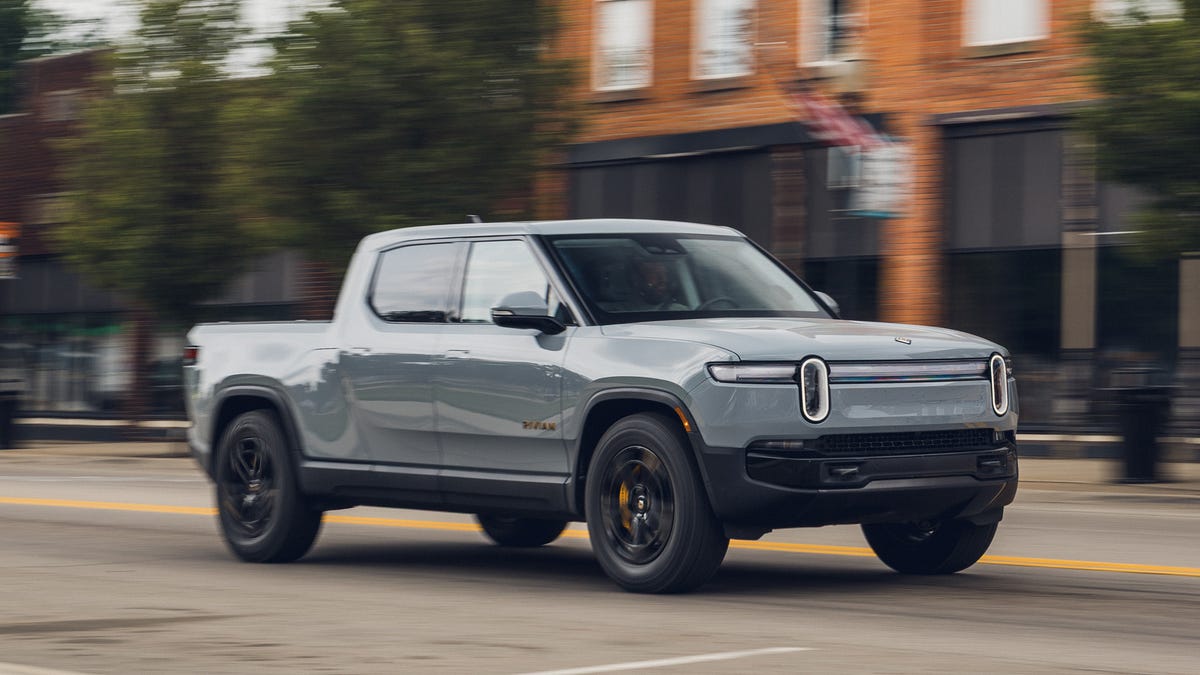
Given the R1T’s off-road capabilities, being stuck mid-trail during an update would be a serious problem. Rivian designed the system to prevent installs from starting unless the truck is parked safely.
Specifications:
- Engine: Four independent permanent-magnet motors
- Horsepower: 835 hp combined
- Torque: 908 lb-ft (1,231 Nm)
- Length: 217.1 in (5,514 mm)
- Width: 79.3 in (2,015 mm)
This truck can rocket from 0-60 mph in roughly 3.0 seconds despite its considerable weight. That kind of power demands equally sophisticated software oversight.
Rivian’s over-the-air system touches everything from suspension height to drive modes. A mid-update interruption could leave critical systems in an unpredictable state, so movement stays blocked.
6. Ford F-150 Lightning
Ford’s electric pickup brought OTA updates to mainstream truck buyers for the first time. Like its EV rivals, the Lightning becomes undriveable while installing new firmware.
This truck retains the F-150’s massive popularity while going fully electric underneath. Ford built an entirely new software backbone to support constant updates.
The Lightning’s central computer, dubbed the Ford Power-Up system, manages dozens of connected modules. Rewriting them requires the truck to remain stationary and disconnected from active driving.
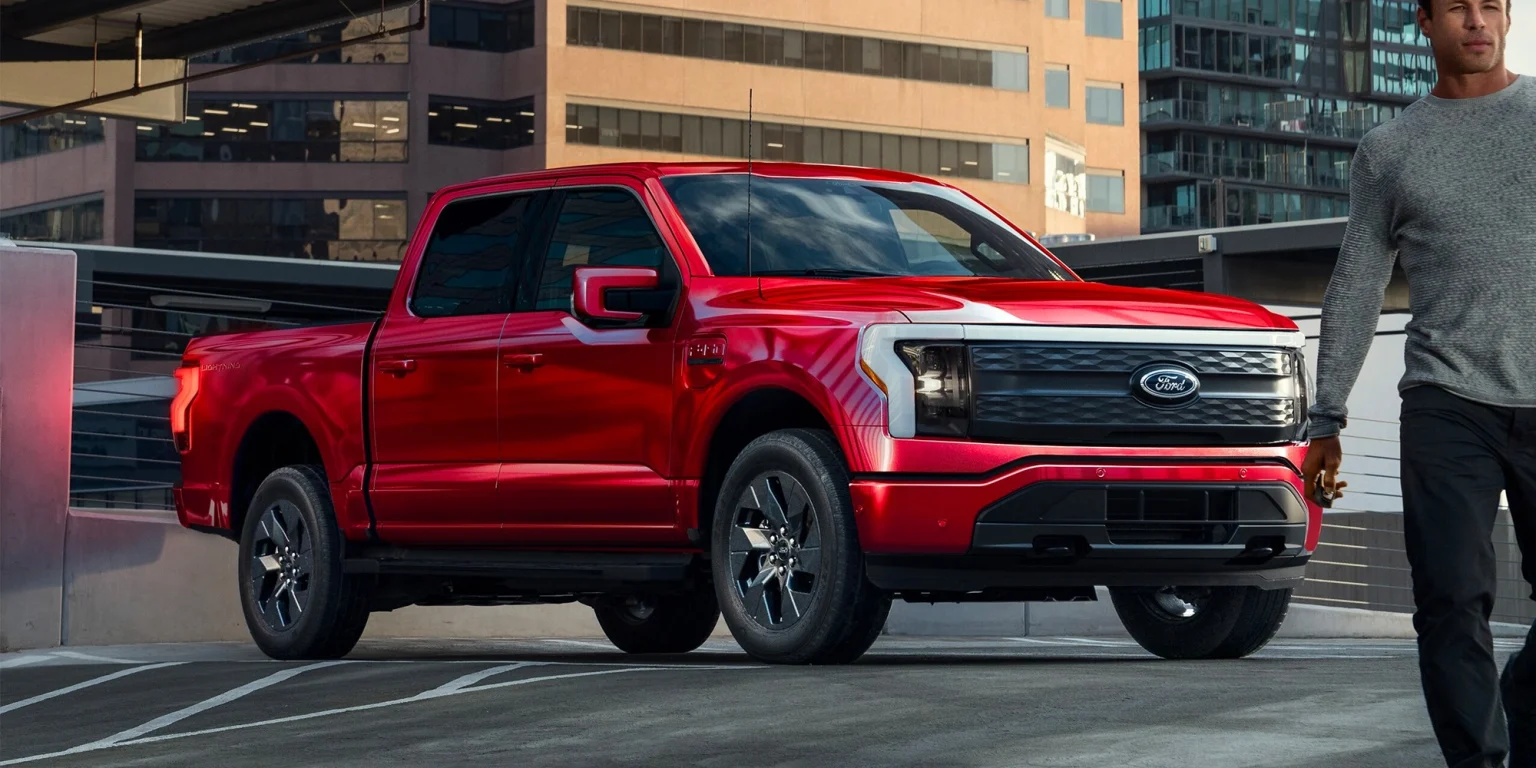
Ford recommends charging the truck while updates install, since the process can take significant time. Owners are notified through the FordPass app before installation begins.
Specifications:
- Engine: Dual permanent-magnet electric motors
- Horsepower: 580 hp
- Torque: 775 lb-ft (1,050 Nm)
- Length: 232.7 in (5,911 mm)
- Width: 80.0 in (2,032 mm)
Despite its truck-sized dimensions, the Lightning sprints to 60 mph in around 4.0 seconds with the extended battery. That torque figure exceeds every gas-powered F-150 variant ever built.
Because the Lightning also functions as a mobile power source for homes, its software governs energy backup features too. Updates to this system require the truck to sit fully idle during installation.
7. Cadillac Lyriq
GM’s luxury electric SUV runs on the Ultium platform, which relies heavily on over-the-air software. The Lyriq follows the same driving-lockout pattern during major installs. Cadillac markets the Lyriq as its first fully electric production vehicle.
It represents a significant technological leap for the historic luxury brand. GM’s OnStar system handles update scheduling and notifications remotely. Drivers see a dashboard alert confirming the vehicle is temporarily disabled.
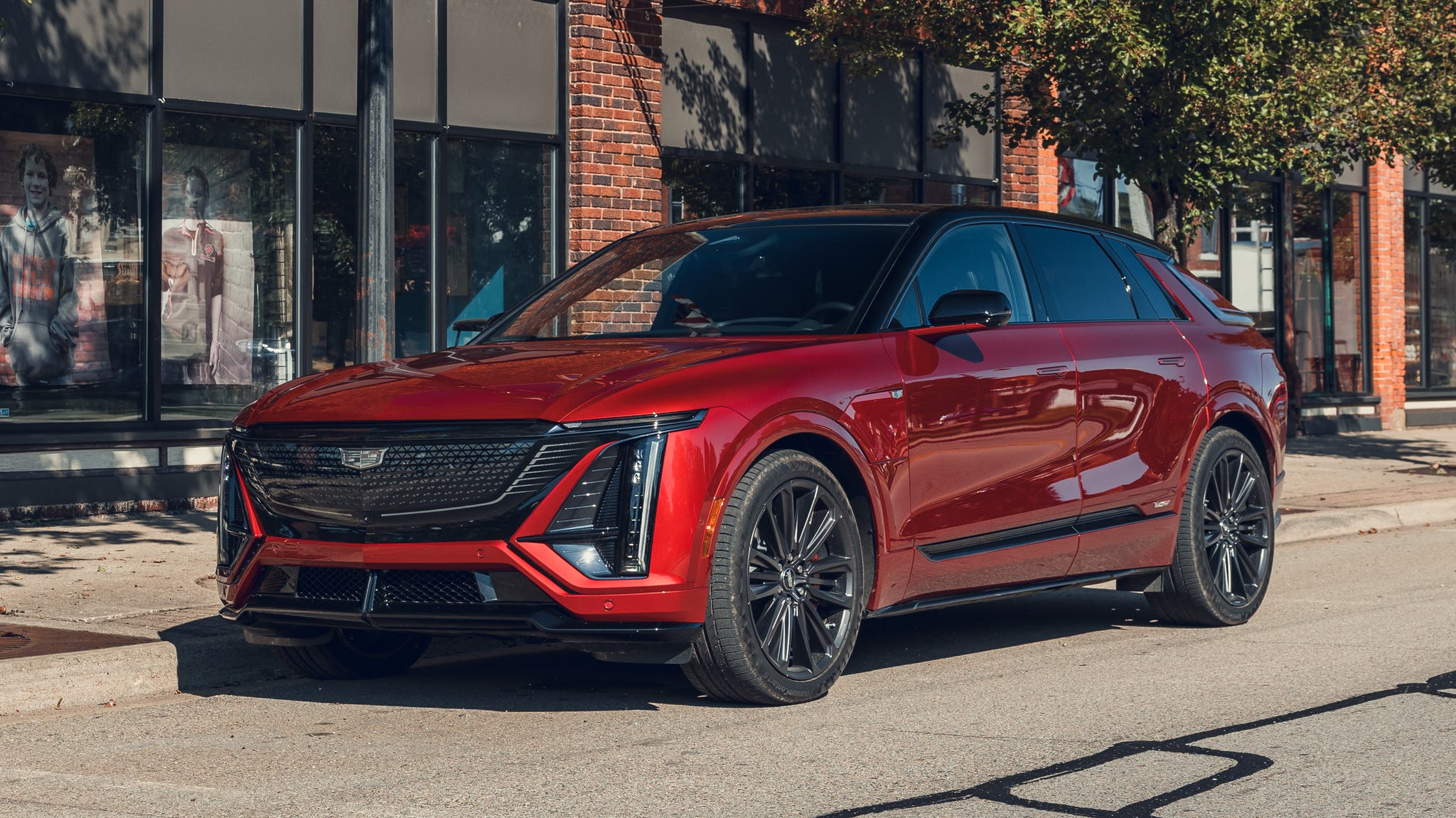
This lockout protects the Ultium battery management software from corruption. GM considers this a critical safety measure rather than a mere inconvenience.
Specifications:
- Engine: Dual permanent-magnet electric motors
- Horsepower: 515 hp
- Torque: 450 lb-ft (610 Nm)
- Length: 196.7 in (4,996 mm)
- Width: 86.9 in (2,207 mm, including mirrors)
The dual-motor Lyriq reaches 60 mph in about 4.5 seconds, respectable for a three-row luxury SUV. Its 102-kWh battery pack demands careful software calibration throughout its lifespan.
Owners are advised to park in a garage or driveway before triggering any update manually. GM’s system won’t allow the update to begin unless the vehicle is stationary and secured.
8. Volvo EX90
Volvo’s flagship electric SUV was built specifically around continuous software evolution. The EX90 cannot be driven while its central computer receives major updates.
This SUV debuted as Volvo’s most technologically advanced vehicle to date. It integrates lidar sensors, dozens of cameras, and a unified computing core.
Because so many safety systems run through one central brain, Volvo locks the vehicle during updates. This prevents any inconsistency between braking, steering, and collision-avoidance software.
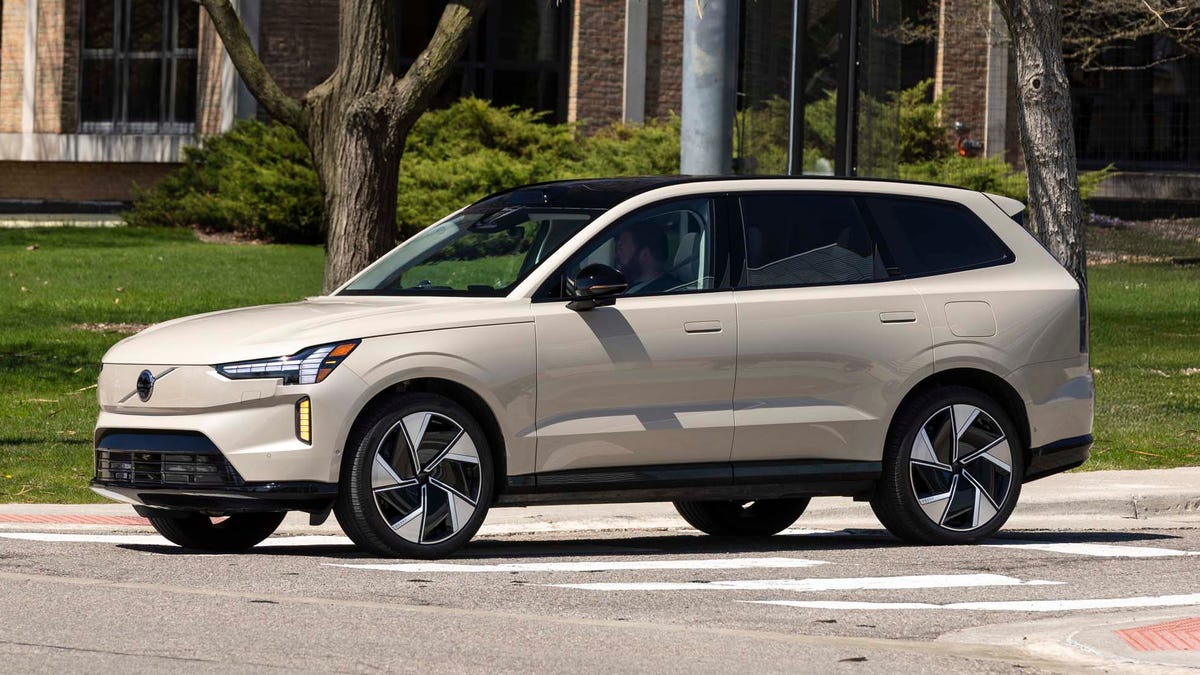
Volvo notifies owners through the app and dashboard before installation starts. The process can take anywhere from twenty minutes to over an hour.
Specifications:
- Engine: Dual permanent-magnet electric motors
- Horsepower: 517 hp
- Torque: 671 lb-ft (910 Nm)
- Length: 198.3 in (5,037 mm)
- Width: 80.3 in (2,039 mm)
This performance variant hits 60 mph in around 4.0 seconds, which is remarkable for a three-row family SUV. Its 111-kWh battery also supports bidirectional charging capability.
Volvo’s emphasis on safety extends directly to its update protocol. The company would rather inconvenience drivers briefly than risk a partially updated safety system.
9. Polestar 3
Polestar shares its SPA2 platform and software foundation with the Volvo EX90. Consequently, the Polestar 3 exhibits identical driving-lockout behavior during updates.
This SUV represents Polestar’s move into larger, more powerful electric vehicles. It blends Scandinavian minimalism with genuine performance credentials.
Polestar’s software team pushes frequent updates to refine range estimates and driving dynamics. Each major install temporarily disables the propulsion system entirely.
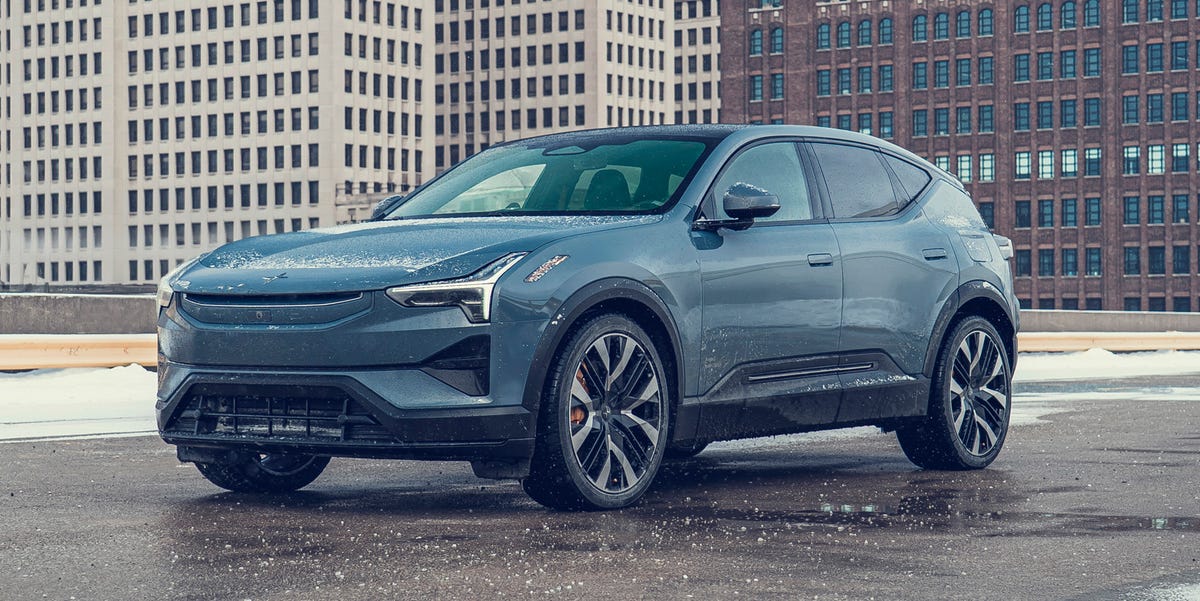
Owners receive in-app scheduling tools similar to Volvo’s system. This shared backend reflects the close corporate relationship between both brands.
Specifications:
- Engine: Dual permanent-magnet synchronous motors
- Horsepower: 517 hp
- Torque: 671 lb-ft (910 Nm)
- Length: 192.9 in (4,900 mm)
- Width: 77.5 in (1,968 mm, excluding mirrors)
With the Performance Pack equipped, the Polestar 3 reaches 60 mph in roughly 4.6 seconds. That’s quick considering its nearly 5,700-pound curb weight.
Because the SUV relies on a single integrated computer for most functions, an interrupted update could disable multiple systems at once. Locking out driving entirely eliminates that risk.
10. Lucid Air
The Lucid Air Grand Touring is one of the most software-dense luxury sedans on sale today. Its update lockout mirrors what Tesla popularized years earlier.
Lucid built this car around an in-house computing platform called Lucid UX. Nearly every subsystem, from suspension to climate control, ties into this central brain.
During major updates, the Air’s drive selector becomes inaccessible entirely. Owners must wait until the dashboard confirms installation is complete before attempting to move.
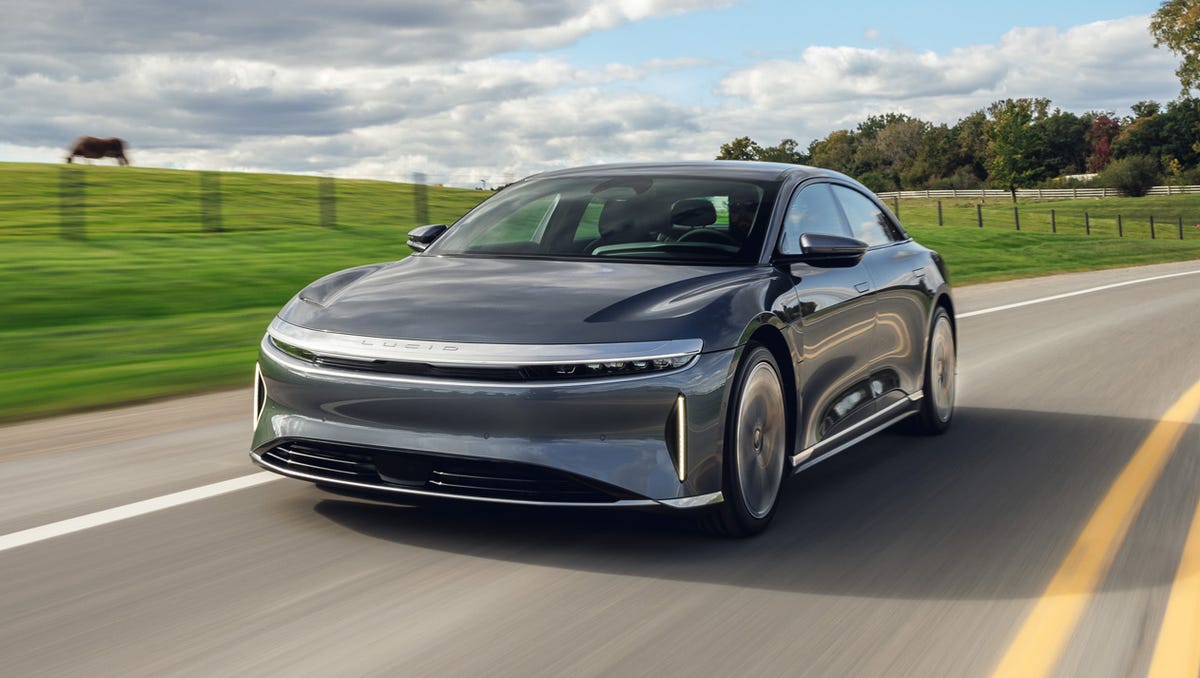
Lucid’s engineering team designed this restriction to protect the car’s advanced 800-volt architecture. A corrupted mid-update file could compromise battery safety systems.
Specifications:
- Engine: Dual permanent-magnet electric motors
- Horsepower: 819 hp
- Torque: 886 lb-ft (1,200 Nm)
- Length: 195.9 in (4,975 mm)
- Width: 86.4 in (2,195 mm, including mirrors)
This sedan rockets from 0-60 mph in just 3.0 seconds flat. Few luxury sedans anywhere can match that combination of range and raw acceleration.
Also Read: 5 Trucks With Cheap Clutch Jobs and 5 That Run $2,400