
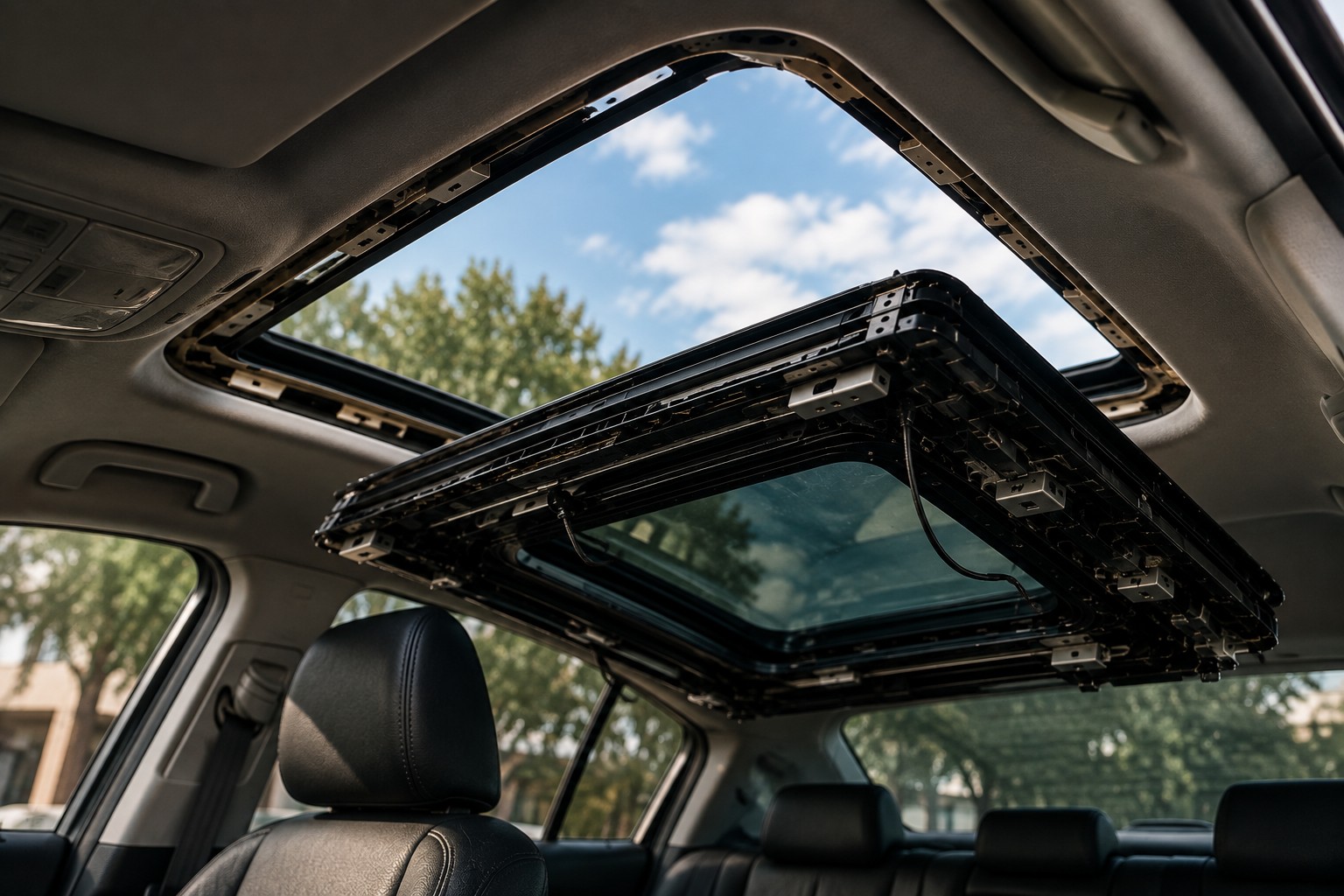
A panoramic sunroof feels like a luxury. It floods the cabin with light and opens up the view overhead. But that glass comes with hidden risk. One stray rock or hard hailstorm can turn it into an expensive problem.
Unlike a windshield, sunroof glass is rarely available as cheap aftermarket stock. Most automakers keep it as an OEM-only part. That exclusivity drives prices up fast. Add several hours of headliner removal and trim work, and the bill climbs quickly.
Across the SUV and crossover segment, several popular panoramic-roof vehicles land in a similar repair bracket. Glass, seals, labor, and shop time routinely combine into a bill near $2,800.
This article breaks down eight vehicles where that number shows up often. Each one uses a large fixed or sliding panoramic roof panel. We’ll look at why the repair costs what it does.
We’ll also cover the core specs of each vehicle for context. None of this is a scare tactic. It’s simply repair economics that owners should know before they buy.
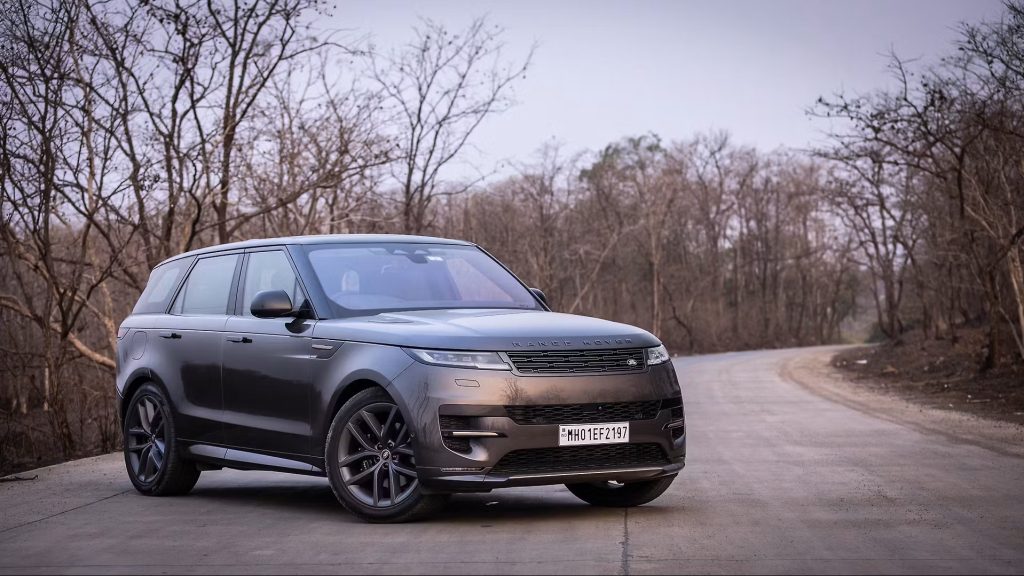
1. Land Rover Range Rover Sport
The Land Rover Range Rover Sport represents the pinnacle of luxury, performance, and modern British design, carrying a large fixed panoramic roof on most of its trims.
This architectural marvel features one continuous glass panel stretching dynamically over both rows of seating, flooding the opulent cabin with natural light and providing an airy, open-air environment.
However, this design choice comes with complex structural engineering requirements. Land Rover sources this enormous sheet of specialized acoustic glass exclusively through its own factory parts network, meaning there is no meaningful aftermarket alternative available to consumers looking to save money.
This single-source supply chain keeps replacement parts prices aggressively high. When a stray rock cracks the glass on the highway, owners cannot simply visit a discount auto-glass chain; a replacement panel must be ordered directly from the authorized dealer network.
Labor adds to the total bill very quickly because replacing a fixed panoramic roof on a modern luxury SUV is not a surface-level job. Technicians must carefully pull multiple interior trim pieces, disconnect side-curtain airbag modules safely, and lower substantial sections of the headliner to access the factory mounting bolts and structural bonding agents.
Between the high cost of the OEM glass panel, specialized urethane adhesives, new gaskets, and several intensive hours of specialized technician labor, owners frequently find themselves landing near $2,800 completely out of pocket for a standard replacement.
Fortunately, comprehensive auto insurance policies often cover the majority of this expense, though drivers still have to shoulder their agreed-upon policy deductible.
The Range Rover Sport successfully blends legendary off-road capability with a genuinely refined, whisper-quiet interior. The panoramic roof is a major part of that upscale, high-end feel, transforming ordinary commutes into scenic experiences.
Owners thoroughly love the brilliant open-air ambiance on long cross-country road trips, appreciating the expansive view of the sky above. Yet, few think about the steep financial reality of the repair bill until an unexpected road hazard cracks the glass, turning an aesthetic luxury into an expensive lesson in automotive maintenance and proprietary parts management.
Specifications:
- Engine: 3.0L Turbocharged Inline-6 Mild-Hybrid
- Horsepower: 355 hp
- Torque: 369 lb-ft
- Length: 195.8 in
- Width: 79.7 in
2. BMW X5
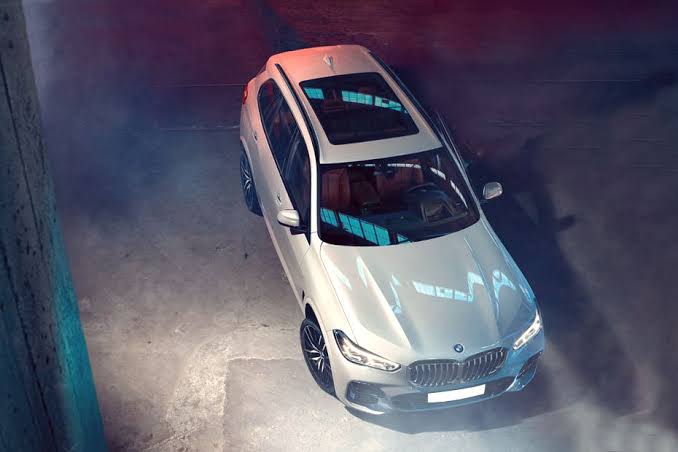
The BMW X5 is widely celebrated as a benchmark in the luxury midsize SUV segment, offering a brilliant mix of dynamic handling, potent powertrains, and cutting-edge technology.
One of its most popular options is the expansive panoramic glass sunroof, which spans nearly the entire ceiling of the cabin. Unlike fixed glass designs, the X5 utilizes a sophisticated dual-pane sliding design on most of its trim levels, allowing the front section to tilt and slide open at the touch of a button.
That mechanical complexity, however, is the real cost driver behind its maintenance footprint. More moving parts, tracks, electronic control modules, and automated sunshades mean significantly more components that can eventually wear out, jam, or crack under structural stress.
BMW glass components are heavily proprietary and tightly controlled through strict quality and distribution channels. Independent auto glass shops often find themselves unable to source the exact replacement glass without going directly through official BMW dealership channels, eliminating competitive pricing options.
Furthermore, the labor time required for a proper replacement is substantial. Technicians cannot simply swap the glass from the outside; they need to carefully detach the intricate electronic sunshade motor, clear out alignment tracks, and strip down surrounding interior pillars before the heavy glass assembly itself can be safely extracted and replaced.
When all factors are tallied up, owners routinely report total repair costs landing close to $2,800 for a full panel replacement and recalibration. That hefty financial figure typically increases the cost of the proprietary glass part, specialized shop labor, structural resealing, and system testing to ensure the sunroof mechanism closes tightly against wind noise and water leaks.
Despite the looming threat of high repair bills, the X5 remains one of BMW’s best-selling models worldwide. Its cabin technology, ergonomics, and driving dynamics are consistently praised by automotive critics and loyal drivers alike.
The panoramic roof is consistently listed as a top-tier option when buyers configure a new model, adding an undeniable sense of prestige and space to the interior. It remains an incredible feature for daily enjoyment, but it is also undeniably one of the pricier components to fix if bad luck strikes on the highway.
Specifications:
- Engine: 3.0L Turbocharged Inline-6
- Horsepower: 375 hp
- Torque: 383 lb-ft
- Length: 194.3 in
- Width: 78.9 in
3. Mercedes-Benz GLE
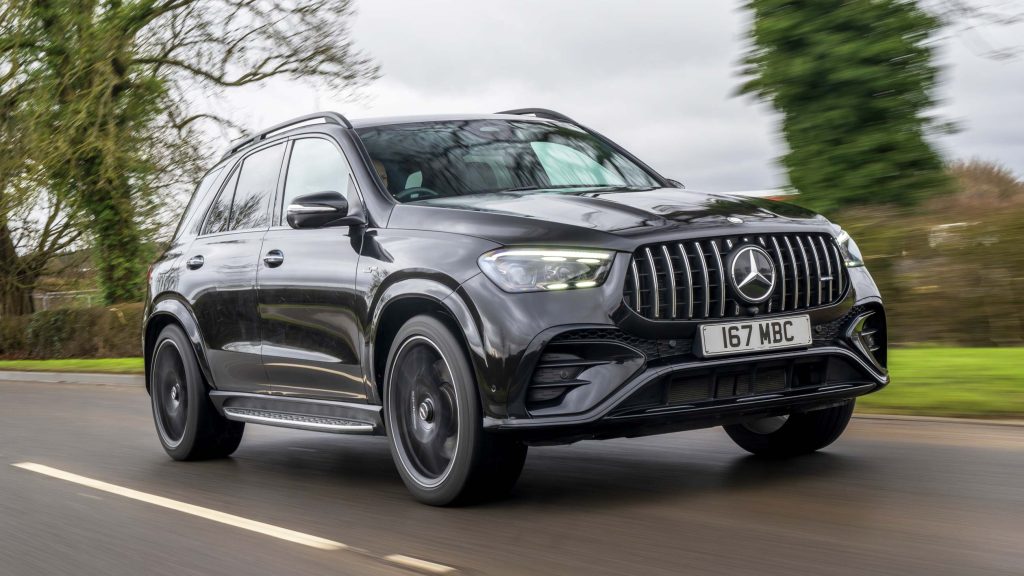
The Mercedes-Benz GLE represents a masterclass in luxury, blending cutting-edge technology with world-class comfort. One of its most striking features is the optional panoramic sunroof, which covers the vast majority of the vehicle’s roofline to flood the cabin with natural light.
Unlike standard glass panels, the GLE utilizes advanced laminated safety glass layered with specialized ultraviolet (UV) and acoustic coatings designed to reduce wind noise and cabin heat. Those high-tech coatings add real, tangible manufacturing costs.
Laminated, tinted, and acoustically treated glass is significantly more expensive to engineer and produce than basic tempered panels found in economy vehicles.
Mercedes-Benz parts pricing notoriously runs at the absolute higher end of the automotive market. This premium pricing applies to delicate sunroof glass just as much as heavy structural body panels or mechanical components.
When a replacement becomes necessary, the labor for a GLE roof job is notoriously intensive and usually spans several hours of meticulous work. Technicians must carefully remove delicate headliner trim, side pillar covers, and electronic overhead consoles without scratching or damaging the luxury interior finishes.
When combining the cost of the factory-certified laminated glass, specialized adhesives, and dealership labor rates, owners typically see total repair bills landing squarely in the $2,700 to $2,900 range. This consistently puts the GLE right in the middle of the $2,800 repair bracket.
The GLE competes directly against heavyweights like the BMW X5 and the Land Rover Range Rover Sport, and it naturally shares a very similar cost profile for major glass repairs.
Luxury buyers frequently check the box for the panoramic roof to enhance interior ambiance and make the cabin feel even more expansive. Yet, few drivers ever connect that brilliant overhead view mentally to long-term ownership costs until a rogue rock shatters the glass.
Specifications:
- Engine: 2.0L Turbocharged Inline-4
- Horsepower: 255 hp
- Torque: 273 lb-ft
- Length: 194.3 in
- Width: 76.7 in
4. Volkswagen Atlas
The Volkswagen Atlas is designed from the ground up for family-hauling practicality, offering massive interior volume, flexible seating, and plenty of modern tech.
To enhance that airy, spacious feel, the Atlas offers a massive panoramic sunroof spanning both rows of seating, creating an open atmosphere for everyone on board.
It stands out as one of the single biggest glass panels available in the mainstream three-row SUV segment. Size matters immensely when it comes to replacement costs; a larger panel means significantly more raw material, heavier shipping logistics, and a drastically higher base parts cost right out of the gate.
Unlike mass-market body panels, Volkswagen does not have a deep, inexpensive aftermarket glass network widely distributed across the United States for this specific oversized roof.
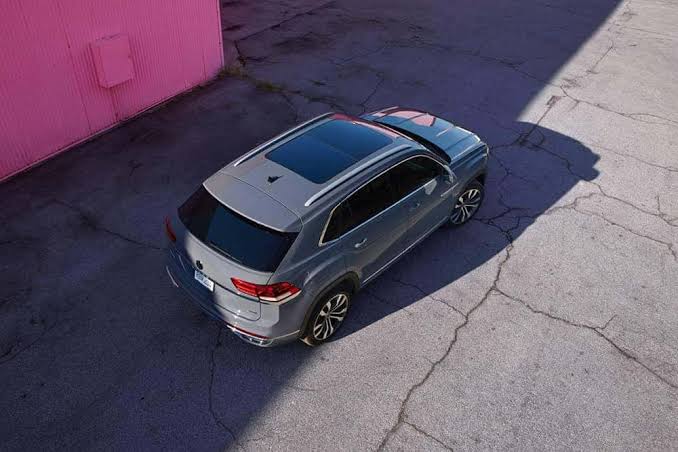
Most replacement jobs must route directly through official Volkswagen parts distribution channels, bypassing cheaper generic alternatives. Labor adds meaningfully to the final bill as well.
The sheer physical size of the Atlas’s wide glass panel requires extreme precision and careful structural alignment during reinstallation to completely avoid annoying highway wind noise, rattling, or water leaks during heavy rain storms.
Total repair costs commonly land very close to $2,800, perfectly bundling the cost of the massive glass unit, interior trim clips, and specialized shop labor. Some independent specialty shops might quote slightly less depending on regional labor rates, while dealership service centers often trend higher.
The Atlas is heavily built around everyday utility and family-friendly adventures. Its panoramic roof is an immensely popular feature, especially for rear-seat passengers who love gazing up at the sky.
However, that popularity and expansive surface area also mean greater exposure to potential environmental damage. Highway debris kicked up by semi-trucks and falling tree branches during seasonal storms remain the most common culprits behind unexpected glass failures.
Specifications:
- Engine: 2.0L Turbocharged Inline-4
- Horsepower: 235 hp
- Torque: 258 lb-ft
- Length: 200.7 in
- Width: 78.4 in
Also Read: 8 Odometer Rollback Signs on a Used Car Listing
5. Jeep Grand Cherokee L
The extended Jeep Grand Cherokee L is a powerhouse in the three-row SUV segment, offering rugged capability alongside upscale styling and impressive interior volume.
One of the standout amenities found on higher trim levels is the expansive dual-pane panoramic sunroof. It stretches dramatically overhead, providing an open, airy feeling for passengers seated in both the second and third rows.
However, maintaining or replacing this massive glass feature comes with significant financial considerations. Stellantis parts pricing for specialized panoramic glass tends to run quite high across their brand portfolio, and this is especially true for the larger L-body variant due to its unique architectural dimensions and extended roofline geometry.
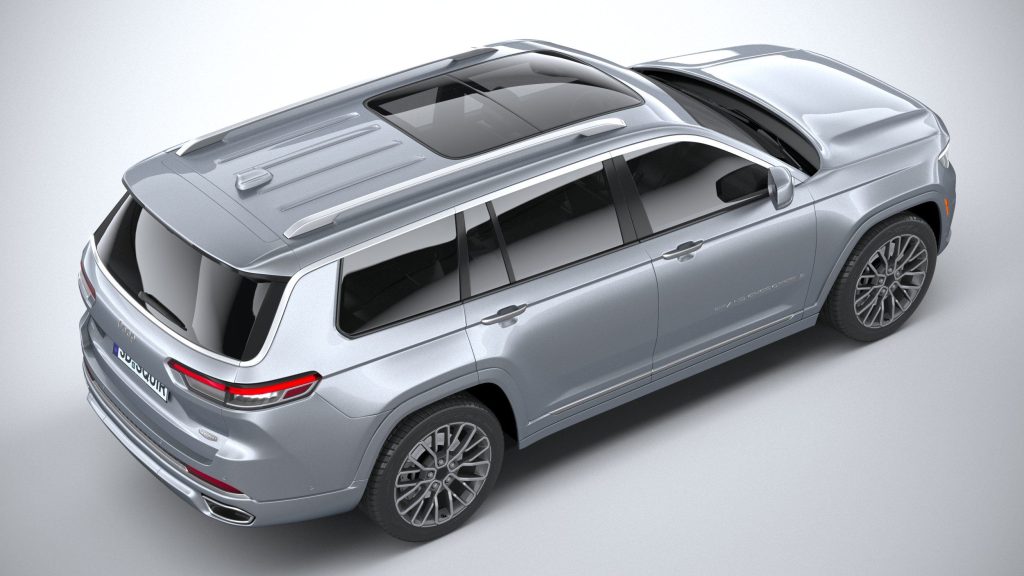
The dual-pane design inherently adds another complex layer to any repair scenario. Having two separate glass sections means dealing with twice the specialized material compared to a traditional single-panel roof, directly increasing the base cost of the hardware components.
Labor hours also climb rapidly because of this added mechanical complexity. When a replacement is required, technicians cannot simply swap a single sheet; they must carefully service weatherstripping, drainage channels, mounting brackets, and motorized tracks for both front and rear panels separately to ensure a watertight seal.
When owners face a cracked or shattered panel, total replacement costs frequently hover near the $2,800 threshold. In some complex cases where falling debris impacts structural components or damages both glass sections simultaneously, the repair bills can run even higher, testing the limits of standard insurance coverage.
The Grand Cherokee L stands out as one of Jeep’s most spacious and feature-rich models, designed for families who demand both off-road readiness and modern highway comfort.
Its panoramic roof serves as a signature feature on upper trims, dramatically enhancing the cabin ambiance. Buyers deeply value the extra sense of space and headroom it creates on long journeys.
Ultimately, going through the repair economics associated with this large glass roof is simply part of the trade-off for enjoying such an upscale, light-filled driving environment.
Specifications:
- Engine: 3.6L V6
- Horsepower: 293 hp
- Torque: 260 lb-ft
- Length: 204.9 in
- Width: 77.6 in
6. Kia Telluride
The Kia Telluride has taken the midsize three-row SUV market by storm, earning widespread acclaim for its striking design, comfortable cabin, and incredible value proposition.
A major selling point on higher trim levels is its massive panoramic sunroof, which floods the interior with natural light and creates a limousine-like atmosphere for everyone on board.
Unlike some competitors, it is designed as a large single-piece fixed glass panel. However, owner forums and automotive maintenance communities frequently mention how common stone chips on the highway can quickly turn into full structural cracks due to thermal stress and road vibrations.
The sheer surface area and forward-facing angle of the panel make it inherently more exposed to flying road debris. When replacement becomes inevitable, Kia sources this specialized glass strictly through its own original equipment manufacturer channels.
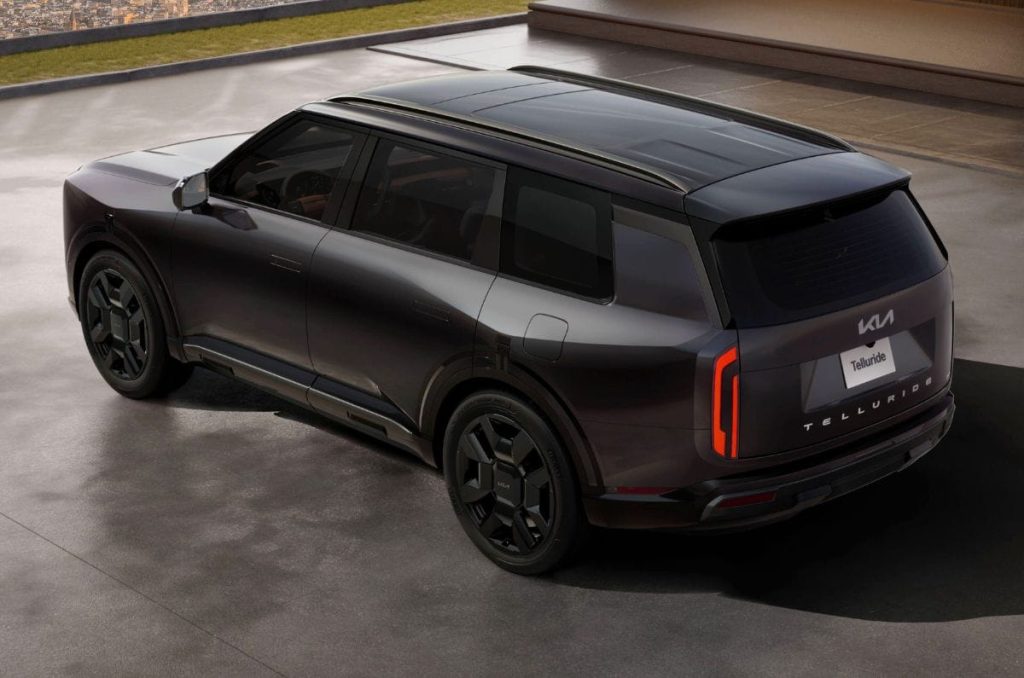
There is currently very little aftermarket competition or generic alternatives available to bring prices down, leaving owners reliant on official parts pricing.
Fortunately, the labor required for the job is somewhat moderate compared to complex European luxury brands. Kia’s roof architecture is mechanically simpler, requiring fewer hidden clips and specialized electronics to access the mounting points.
Even with more straightforward labor requirements, total replacement costs commonly reach close to $2,800 once the expensive OEM glass, specialized adhesives, and professional shop labor are combined.
Furthermore, regional glass shop labor rates and dealership markup can easily push that final number slightly higher depending on the geographic location of the repair facility.
The Telluride has firmly established itself as a benchmark vehicle in its class, redefining what consumers expect from a mainstream family SUV. Its panoramic roof helps comfortably justify its near-luxury positioning within the broader Kia lineup.
Yet, that same expansive glass roof remains a known vulnerability for stone-chip damage, with owners living in gravel-heavy rural areas or regions with heavy winter highway sanding reporting incidents most frequently.
Specifications:
- Engine: 3.8L V6
- Horsepower: 291 hp
- Torque: 262 lb-ft
- Length: 196.9 in
- Width: 78.3 in
7. Hyundai Palisade
The Palisade shares its platform and many parts with the Telluride. Its panoramic sunroof follows a similar single-panel design. Because the two vehicles are mechanically related, repair costs track closely together. Glass sourcing and labor times are nearly identical.
Hyundai’s OEM parts network controls most of the glass supply. Aftermarket panoramic glass remains rare for this model. Labor typically runs several hours for headliner and trim removal. Alignment during reinstallation is critical to prevent wind noise.
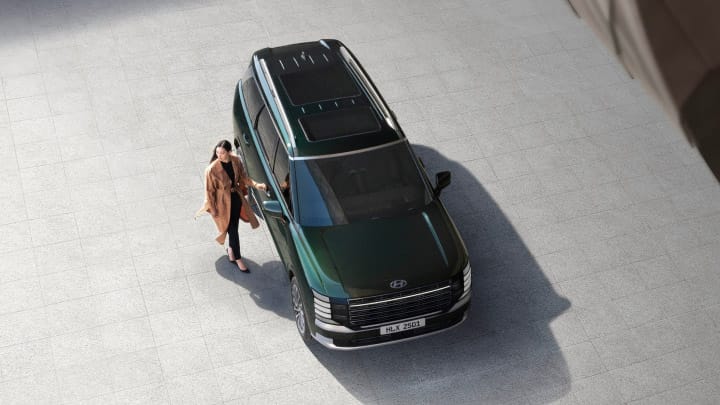
Total repair bills commonly land in the same $2,800 territory as the Telluride. Insurance claims are common given the frequency of stone-chip failures.
Specifications:
- Engine: 3.8L V6
- Horsepower: 291 hp
- Torque: 262 lb-ft
- Length: 196.7 in
- Width: 78.1 in
The Palisade is Hyundai’s flagship three-row SUV. Its cabin design leans heavily on the open, airy feel of the panoramic roof. That same design choice carries real repair exposure. It’s a trade-off buyers should weigh going in.
8. Subaru Ascent
The Ascent’s panoramic sunroof is one of the largest in its class. It spans nearly the full length of the cabin roof. Subaru’s glass parts pricing sits in the mid-to-upper range for mainstream brands. The Ascent’s oversized panel adds to the base material cost.
All-wheel-drive Subaru buyers often live in regions with harsher weather. Snow load and falling ice are common causes of panel damage. Labor for the Ascent’s roof job is fairly standard. Most shops estimate four to six hours for a full glass swap.
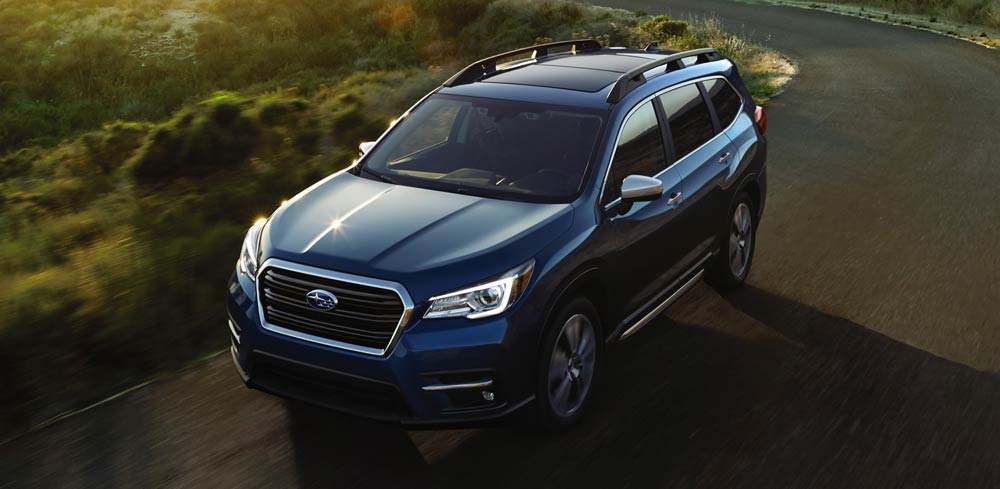
When parts, seals, and labor come together, totals frequently approach $2,800. Comprehensive coverage is the most common way owners handle the expense.
Specifications:
- Engine: 2.4L Turbocharged Flat-4
- Horsepower: 260 hp
- Torque: 277 lb-ft
- Length: 196.8 in
- Width: 76.0 in
The Ascent is Subaru’s largest and most family-oriented model. Its panoramic roof is one of its most talked-about cabin features. That same feature is also one of its priciest repairs. It’s a detail worth knowing before winter road trips begin.
