
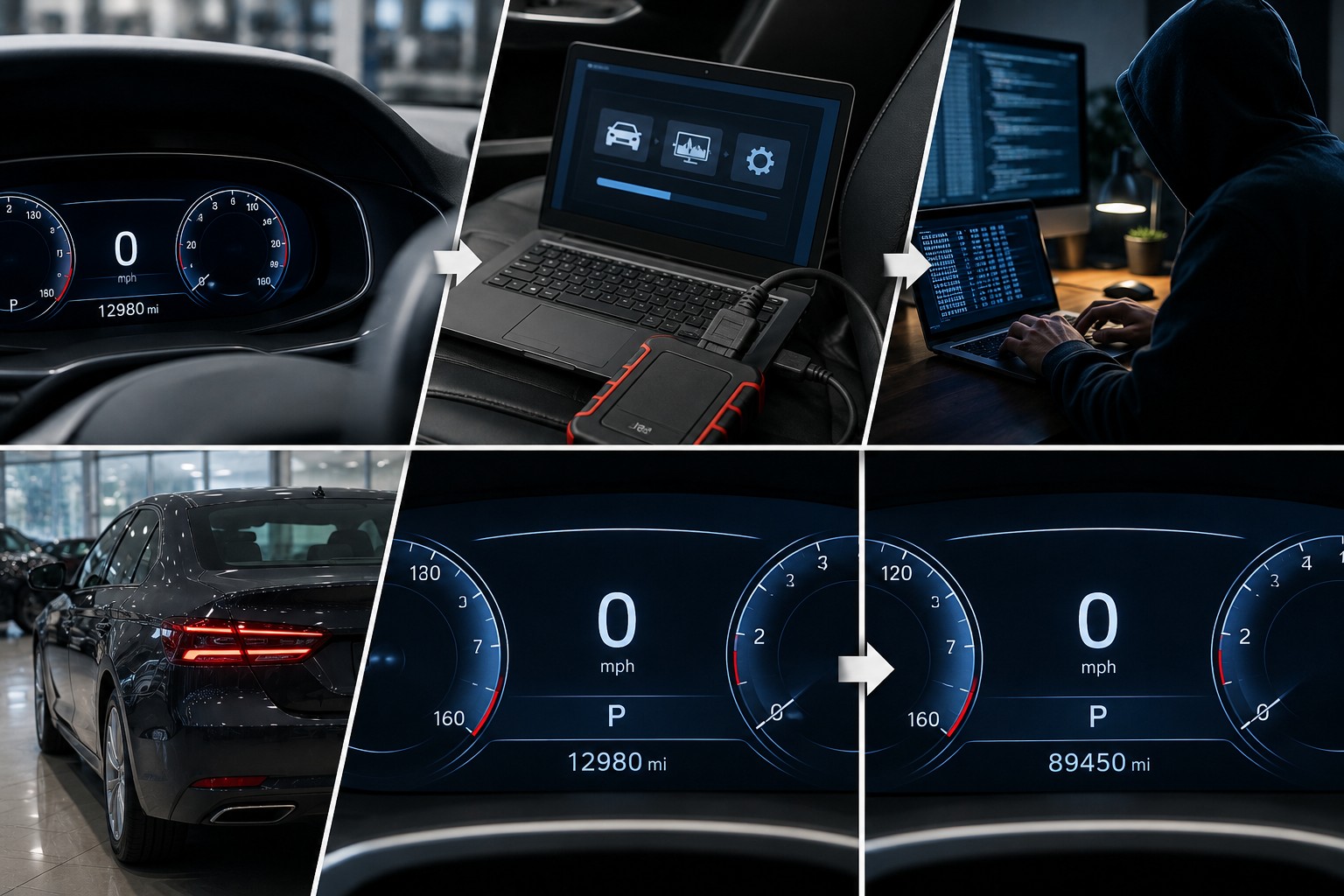
Odometer fraud used to mean turning back a mechanical dial with a screwdriver. Today it looks completely different. Modern cars store mileage inside electronic modules, not on a simple spinning wheel. This has created a new, faster, and harder-to-spot version of an old crime.
Federal regulators say the problem is large and growing. NHTSA estimates that more than 450,000 vehicles are sold each year with false odometer readings, costing American buyers over $1 billion annually. Newer industry data suggests the scale is even bigger now.
CARFAX reported that odometer fraud affected over 2.14 million vehicles in 2024, an 18% rise since 2021. The average victim doesn’t just overpay. The Department of Justice estimates the average consumer loss from odometer fraud is close to $4,000 per vehicle once repair costs are factored in.
This article explains how digital odometer manipulation actually works, what warning signs buyers should watch for, and how the law and technology are fighting back. No links are included, only explanations. The goal is awareness, not a how-to guide.
How Digital Odometer Manipulation Actually Works
Older cars used a mechanical cable connected to a spinning drum. Anyone with a screwdriver and patience could physically wind it backward. Digital dashboards work differently. Mileage is stored as a number in the vehicle’s electronic control unit, often called the ECU or instrument cluster module.
That number isn’t hardwired or locked away safely. It’s just data sitting in memory, waiting to be read or rewritten. This is where fraud shifted. The problem intensified as digital odometer reprogramming tools became widely and cheaply available.
These tools plug into a car’s diagnostic port, the same port mechanics use to read engine codes. In legitimate hands, this port helps technicians fix real problems. In fraudulent hands, the same connection lets someone access the stored mileage value directly. From there, the number can simply be overwritten.
Modern vehicles rely on electronic systems to record and display odometer readings, making mileage manipulation very different from the methods used in older cars. Rather than physically rolling back numbered wheels, a tampered digital odometer simply displays the value that has been programmed into it. Because many vehicles store mileage information in multiple electronic modules for verification, altering only the instrument cluster often leaves conflicting records that can expose the fraud.
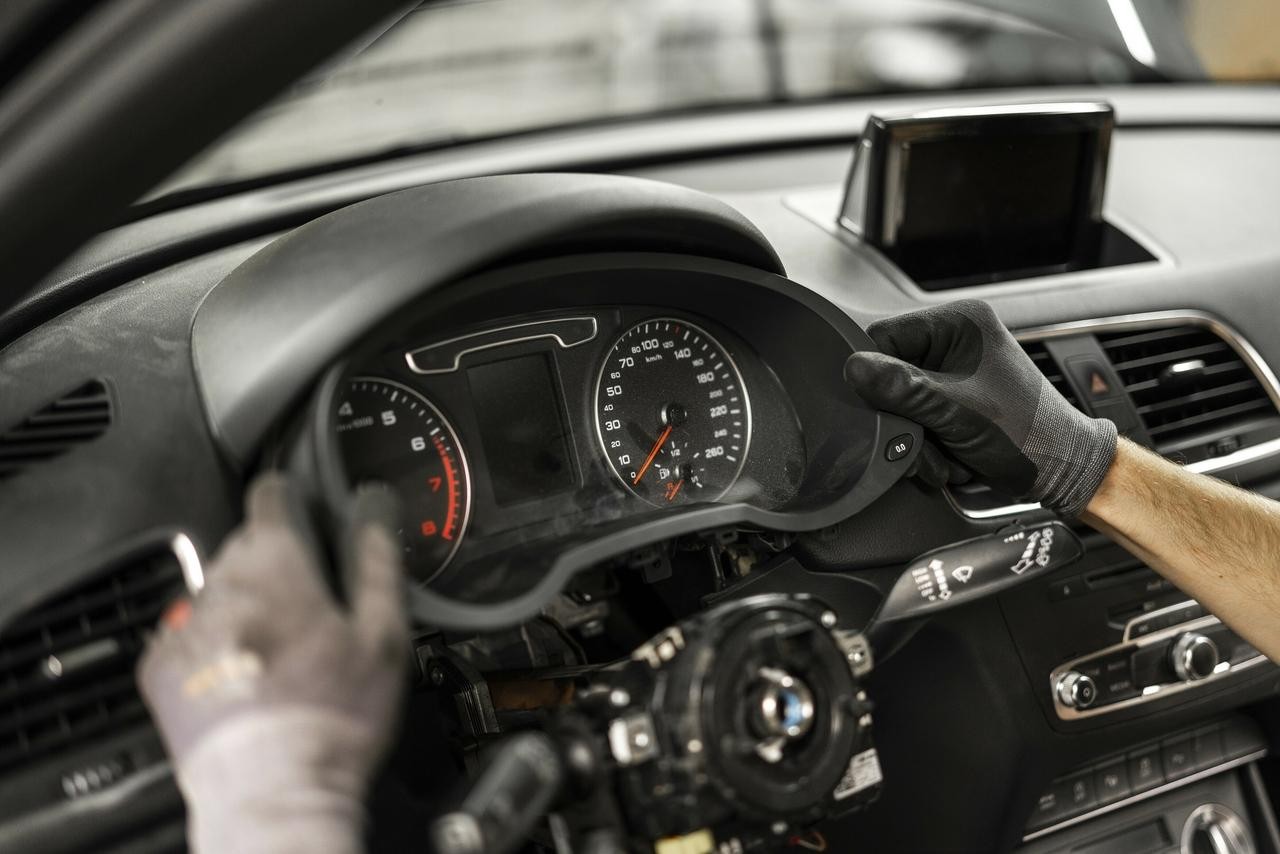
This mismatch between modules is actually one of the biggest clues investigators use. It happens because digital rollback is fast, but rarely perfect across every system. Fraud also happens through swapped components. A high-mileage instrument cluster is sometimes replaced entirely with a low-mileage unit from another vehicle.
This avoids reprogramming altogether, since the new cluster simply arrives with a lower number already built in. Federal law requires disclosure whenever a cluster is replaced, but dishonest sellers often skip this step.
Salvage and flood-damaged vehicles are common targets for this scheme. Criminals buy wrecked cars cheaply, then dress them up with a “cleaner” cluster before resale. Leasing fraud is another driver of this crime. Drivers who exceed mileage limits sometimes roll back the number before returning a leased vehicle to avoid steep overage fees.
Dealers sometimes participate too, since lower mileage means a higher resale price. The fraud typically occurs when sellers alter vehicle mileage displays to avoid lease charges or increase vehicle value.
The tools involved aren’t exotic hacking devices. Many are marketed as ordinary diagnostic equipment, which makes the practice harder to police than it sounds.
This is precisely why regulators call it a national problem instead of a niche one. Odometer fraud involves the disconnection, resetting, or alteration of a vehicle’s odometer with the intent to manipulate the displayed mileage, and digital tools have made that manipulation far easier to execute quietly.
Warning Signs Buyers Should Watch For
Detecting digital rollback fraud takes more effort than checking the dashboard number. The display itself can no longer be trusted on its own. Start with the paperwork trail. Buyers should ask to see the title and compare its recorded mileage with the vehicle’s current odometer reading.
Pay close attention if the mileage entry looks smudged, altered, or hard to read. That’s often a deliberate attempt to hide a mismatch. Service records offer another strong clue. Buyers should compare the odometer reading against mileage listed on maintenance and inspection records.
Oil change stickers are especially useful here. They’re small, easy to overlook, and rarely thought about by someone tampering with a dashboard. If a sticker says 85,000 miles but the odometer reads 45,000, something is clearly wrong. This single detail has exposed countless rollback cases over the years.
Wear patterns on the vehicle itself matter too. A steering wheel, gas pedal, and seat that look heavily worn don’t match a “low mileage” claim. Tires can also tell a story. Deeply worn original tires on a car claiming under 20,000 miles is a mismatch worth questioning immediately.

Digital systems leave their own kind of trail as well. Buyers can check the mileage recorded independently inside the OBD-II ECU, which stores data separately from the odometer display.
When that hidden number disagrees with the dashboard, fraud becomes much easier to prove. This is exactly the redundancy gap fraudsters often fail to erase completely. Vehicle history reports add another layer of protection. These reports track mileage reported at past sales, inspections, and title transfers over time.
A sudden drop in reported mileage between two records is a massive red flag. Legitimate cars simply don’t get “younger” as they change hands. State-by-state patterns matter too. Nine out of the top ten states saw increases in odometer fraud, with Virginia showing the sharpest rise.
Buyers in high-fraud regions should be extra cautious with private sales. Deals that seem unusually good for the mileage claimed deserve a second look. An independent mechanic inspection before purchase is one of the strongest defenses available. A trained eye can often spot inconsistencies a casual buyer would miss entirely.
Ask specifically whether the instrument cluster shows any signs of replacement. Mismatched screws, gaps, or fresh wiring around the dashboard housing are telling details.
The Law, Penalties, and How to Protect Yourself
Odometer fraud isn’t a gray area legally. It is a clearly defined federal crime in the United States. The Motor Vehicle Information and Cost Savings Act requires written mileage disclosure at every vehicle transfer and prohibits tampering with odometers. This law applies whether the fraud is mechanical or digital in nature.
Enforcement is active, not just theoretical. NHTSA’s Office of Odometer Fraud Investigation operates four regional offices covering the Northeast, Southeast, Midwest, and Western United States.
These offices work criminal cases, not just consumer complaints. Convictions carry real consequences for the people involved. Past prison sentences for odometer fraud have ranged from one month to ten years, with criminal fines totaling more than $2.8 million. Courts have also ordered restitution payments totaling more than $15 million to victims.

State laws add another layer of consequences on top of federal charges. In Georgia, for example, “clocking” an odometer is classified as a misdemeanor under state law, separate from federal penalties.
Consumers who suspect they’ve been victimized aren’t without options. NHTSA maintains a dedicated hotline for odometer fraud complaints, and civil lawsuits against dealers are also possible.
Victims can often recover damages well beyond the price of the car. Consumers who prove odometer fraud may have the right to sue the dealership involved, sometimes recovering treble damages under federal statute.
Protecting yourself starts before you ever sign paperwork. Always request a full vehicle history report tied to the car’s unique identification number. Cross-check that report against the seller’s claimed mileage carefully. Any unexplained gap or downward jump should end the conversation immediately.
Bring the car to an independent mechanic, not one recommended by the seller. A pre-purchase inspection costs little compared to the thousands lost to fraud. Ask the seller directly whether any dashboard components have ever been repaired or replaced. Federal disclosure rules require this information to be shared honestly.
Photograph the title, the odometer, and any service documents at the time of sale. This creates a paper trail if a dispute arises later. If numbers don’t add up, walk away rather than negotiate. Fraudulent sellers often prefer a nervous buyer who wants to close the deal quickly.
Financing companies and insurers are also affected by this crime, not just individual buyers. Inflated resale values distort loan amounts and insurance payouts across the industry.
That’s part of why enforcement has intensified alongside rising fraud numbers. Technology made the crime easier, but it has also made detection tools more accessible than ever. Awareness is the strongest defense available to ordinary buyers. Digital dashboards changed how odometer fraud happens, but they haven’t erased the traces it leaves behind.
Careful buyers who check records, inspect the vehicle, and question mismatches remain far less likely to become victims. The crime has evolved, but so have the tools people can use to catch it.
Also Read: 7 Sedans With the Priciest Engine Repairs
