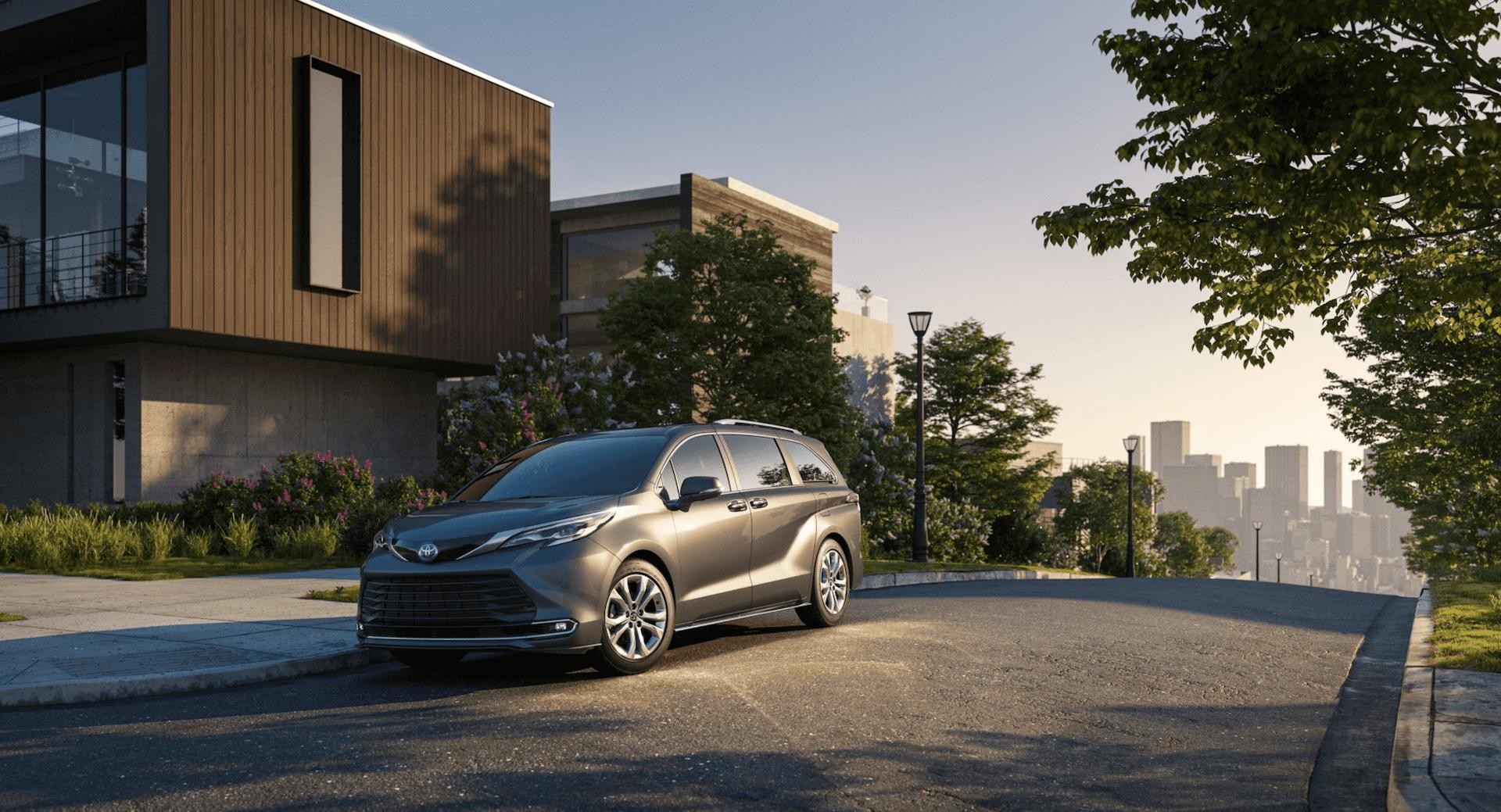
Minivans get mocked constantly. But nothing hauls a family, cargo, and gear like they do. The segment has shrunk hard over the last decade. Only a handful of automakers still bother building them. That shrinkage has actually improved quality. The survivors Toyota, Honda, Kia, and Chrysler had to fight for every buyer left. But the used market is littered with landmines.
Reliability varies wildly by generation and brand. Some vans from the 2000s and early 2010s are notorious money pits. Transmission failures, electrical gremlins, and weak resale value plague specific models.
This guide breaks down five minivans genuinely worth your money today. It also flags five you should walk away from, especially used. Specs are included for every entry.
5 Worth the Money
The Toyota Sienna leads with hybrid-only efficiency and legendary durability, while the Honda Odyssey offers the segment’s best driving dynamics and a strong V6.
The Kia Carnival wins on space and a 10-year warranty, and the Chrysler Pacifica stands out for Stow ‘n Go seating and class-leading towing. The now-discontinued Pacifica Hybrid rounds out the list with up to 32 miles of electric-only range.
1. Toyota Sienna
The Sienna stands uniquely alone in the modern automotive world as the only minivan sold exclusively as a hybrid. That single strategic decision completely shifted the fuel economy conversation for the entire segment, redefining what families should expect from a multi-passenger vehicle.
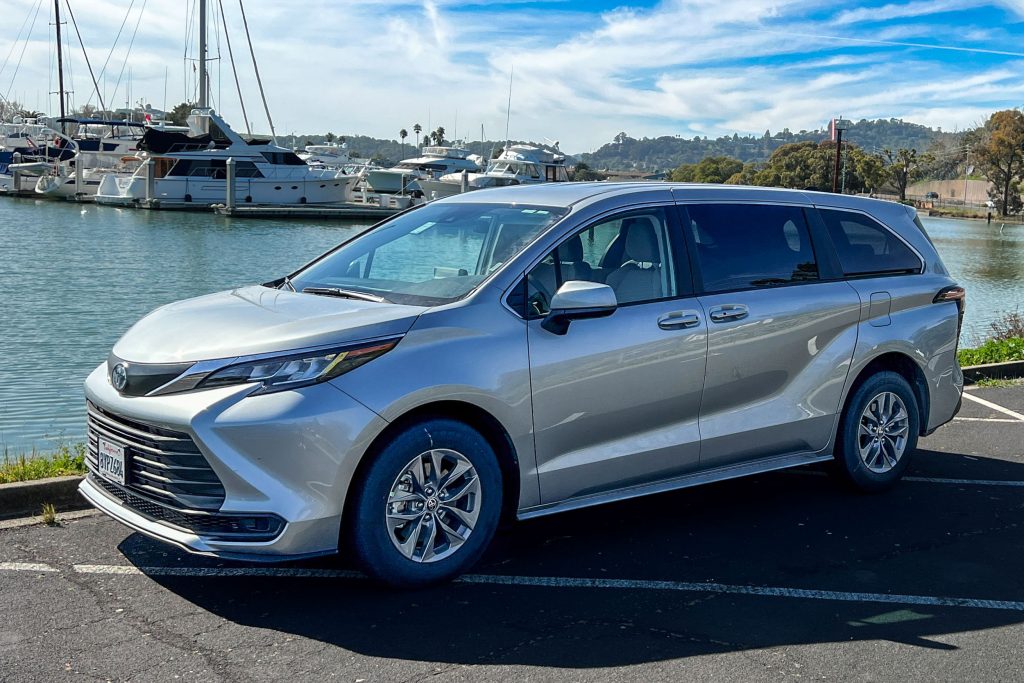
Specifications:
- Engine: 2.5L four-cylinder hybrid
- Horsepower: 245 hp
- Torque: 176 lb-ft (gas engine only, combined system output higher)
- Length: 203.7 inches
- Width: 78.1 inches
Backed by Toyota’s legendary reputation for long-term durability, owners routinely report pushing their odometers past 200,000 miles with little more than routine fluid changes and basic maintenance.
Fuel economy is class-leading, topping out at an impressive 36 mpg combined. That efficiency beats out almost every compact crossover SUV on the market, translating into massive savings at the pump during long road trips and endless school drop-off lines.
The primary compromise for this exceptional efficiency is powertrain performance under heavy loads. Reviewers consistently note that the 2.5-liter four-cylinder hybrid setup feels somewhat sluggish and loud under hard throttle, particularly when the cabin is packed with passengers and gear.
However, the Sienna fights back with a rare trump card: available electronic all-wheel drive. By utilizing an independent electric motor to drive the rear wheels, it gives snow-belt families winter confidence that front-wheel-drive competitors simply cannot match. Cargo space behind the third row sits at a competitive 33.5 cubic feet, accompanied by clever cabin storage solutions and up to 18 cup holders.
Furthermore, Toyota refuses to gate-keep critical safety architecture, including the full Toyota Safety Sense suite as standard equipment across all trim levels. Combined with traditionally phenomenal resale value, the Sienna easily justifies every penny for buyers prioritizing long-term financial sense.
2. Honda Odyssey
The Honda Odyssey proudly proves that family utility does not require sacrificing driving enjoyment, performing with a dynamic composure that outclasses almost every rival in its class.
Underneath the hood lies a robust 3.5-liter naturally aspirated V6 engine mated to a wonderfully smooth 10-speed automatic transmission, delivering 280 horsepower that makes highway merging and passing effortless.
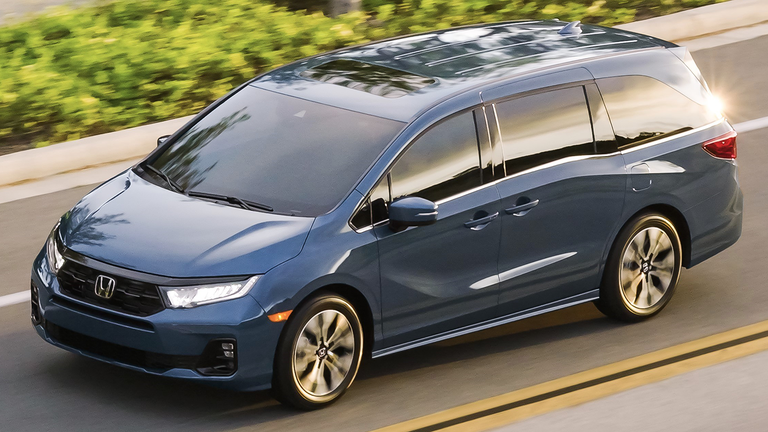
Specifications:
- Engine: 3.5L V6
- Horsepower: 280 hp
- Torque: 262 lb-ft
- Length: 205.2 inches
- Width: 78.5 inches
As one of the longer vehicles in the segment, the Odyssey translates its physical footprint into expansive interior room, exceptional third-row legroom, and a stable, planted highway ride that keeps rear-seat passengers relaxed on cross-country journeys.
Where the Odyssey trails the segment leader is fuel economy. Its traditional gas-powered V6 achieves a combined average of around 22 mpg, which falls significantly behind hybrid alternatives.
Yet, Honda compensates with absolute genius in interior packaging, highlighted by its famous Magic Slide second-row seats. These versatile seats slide both laterally and longitudinally, allowing parents to configure middle-row access or push children closer together without needing to unbolt and physically remove heavy seats from the vehicle.
Reliability history remains strong and reassuring, building on decades of refined V6 engineering, though older transmission iterations have long since been ironed out.
Cargo space matches or leads the segment, easily swallowing groceries, camping gear, or bulky furniture. For families who view the daily commute as a pleasure rather than a chore, the Odyssey’s superior driving dynamics, responsive steering, and clever cabin flexibility easily justify its price tag.
3. Kia Carnival
The Kia Carnival completely redefines consumer expectations by shedding traditional minivan styling cues in favor of bold, rugged SUV-inspired aesthetics.
Kia markets the vehicle heavily as a “Multi-Purpose Vehicle,” and its striking exterior presence, squared-off lines, and aggressive front fascia successfully trick the eye away from traditional family-hauler shapes.
However, cargo space is the true headline feature that sets this vehicle apart from the competition. With all rear seats folded flat or removed, the Carnival delivers a staggering 145.1 cubic feet of maximum cargo capacity, thoroughly crushing every single rival in its class.
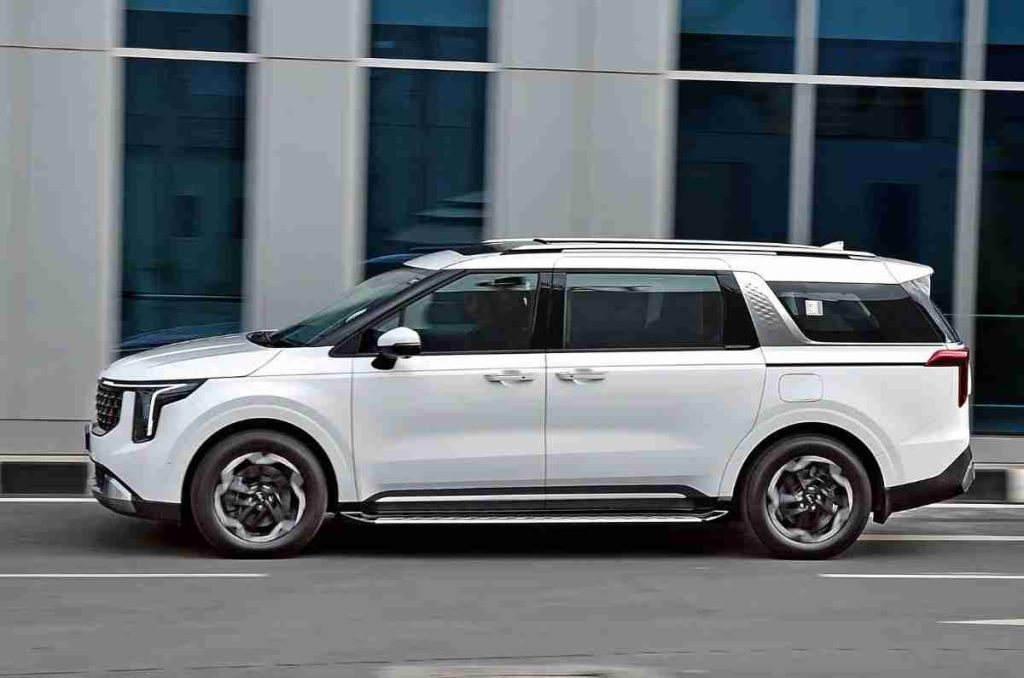
Specifications:
- Engine: 3.5L V6 (Hybrid: 1.6L turbo-four hybrid)
- Horsepower: 290 hp (gas) / roughly 242 hp (hybrid)
- Torque: 262 lb-ft (gas)
- Length: 203.6 inches
- Width: 78.2 inches
Behind the third row alone, it offers 40.2 cubic feet of storage, a massive volume that easily embarrasses most large three-row SUVs on the market, not just traditional minivans.
Backing up its impressive interior utility, Kia offers an industry-leading 10-year or 100,000-mile powertrain warranty, completely doubling the protection offered by Toyota, Honda, and Chrysler.
Pricing strategy remains genuinely aggressive, with the base V6 Carnival starting thousands of dollars less than comparable trims of the Sienna or Pacifica.
Generous standard equipment is baked into every tier, including dual digital display screens and convenient sliding doors. Furthermore, the introduction of a hybrid variant successfully narrows the fuel economy gap with Toyota, making efficiency much more competitive.
While long-term reliability tracking is still developing compared to legacy Japanese brands, early consumer data and exceptional warranty backing provide strong peace of mind. For families prioritizing raw space, modern tech, and unmatched monetary value, the Carnival stands out as an exceptionally smart purchase.
4. Chrysler Pacifica
The Chrysler Pacifica stands out as arguably the most versatile and innovative vehicle in the modern minivan segment, seamlessly blending family utility with clever engineering.
It remains unique in offering an available all-wheel-drive system paired with exceptional handling dynamics. The absolute crown jewel of the Pacifica is its revolutionary Stow ‘n Go seating system.
Unlike competing vans that require owners to manually haul heavy second-row seats out of the vehicle and store them in a garage, the Pacifica’s second and third-row seats fold entirely flat directly into built-in floor wells.
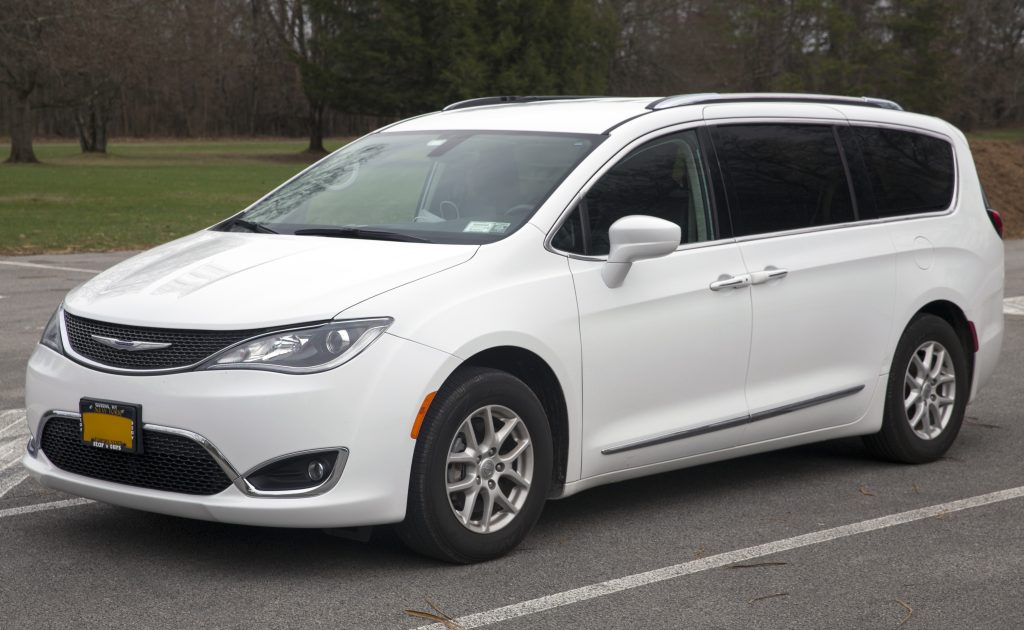
Specifications:
- Engine: 3.6L Pentastar V6
- Horsepower: 287 hp
- Torque: 262 lb-ft
- Length: 203.8 inches
- Width: 79.6 inches
Furthermore, it proudly holds the title of the widest van in its class, translating that extra physical footprint into generous shoulder room and an airy, open feel across all three passenger rows.
Performance and capability are equally strong, with the Pacifica boasting a segment-leading towing capacity of 3,600 pounds, making it the go-to choice for families hauling small camping trailers or utility gear.
Interior materials, cabin comfort, and infotainment tech feel upscale and refined, leaning heavily into a near-luxury experience. However, prospective buyers must go through a checkered reliability history; earlier model years, particularly between 2017 and 2018, accumulated significant consumer complaints concerning complex electrical systems and transmission glitches.
Later model years successfully resolved most of those teething problems. For shoppers evaluating the used market, experts recommend targeting 2020 or newer models to avoid early gremlins.
Ultimately, for maximum day-to-day configurability, clever storage, and heavy-duty utility, the Pacifica remains the undisputed Swiss Army knife of the automotive family segment.
Also Read: The Ford Taurus SHO Ran a Yamaha V6 to 7,000 RPM
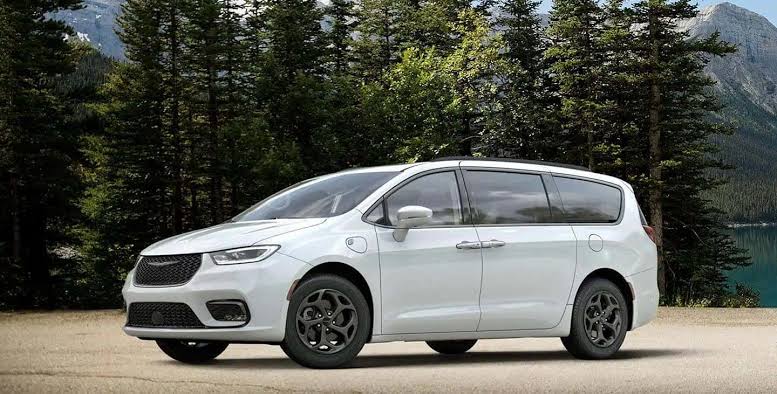
5. Chrysler Pacifica Hybrid
Before its discontinuation for the 2027 model year, the Pacifica Hybrid stood alone in the segment. No other automaker offered a plug-in hybrid minivan.
It shares its body and most mechanicals with the standard Pacifica. But the electrified powertrain changes the ownership math entirely. Electric-only range reaches roughly 32 miles per charge. For short school runs and errands, many owners rarely burn gas.
Specifications:
- Engine: 3.6L Pentastar V6 plug-in hybrid
- Horsepower: 260 hp (combined)
- Torque: 235 lb-ft
- Length: 203.8 inches
- Width: 79.6 inches
Combined efficiency once the battery depletes still beats the standard Pacifica. That’s a meaningful upgrade for high-mileage families. Federal and state tax incentives often applied to new purchases. That softened the higher sticker price considerably.
Used examples are now appearing on the market at more accessible prices. This is a smart moment to shop one. It retains all the Stow ‘n Go practicality of the standard model. Nothing about the hybrid system compromises interior flexibility.
Charging infrastructure at home is basically required to see the real benefit. Without a home charger, the appeal shrinks significantly. For families wanting hybrid efficiency without giving up all-wheel drive practicality, this was the segment’s most interesting van.
5 Minivans to Avoid
The third-gen Nissan Quest (2004-2009), Volkswagen Routan (2009-2014), and 2008-2013 Dodge Grand Caravan all suffer notorious transmission failures.
The Ford Freestar (2004-2007) and 2005-2007 Chrysler Town & Country round out the list, plagued by weak transmissions, electrical issues, and poor resale value.
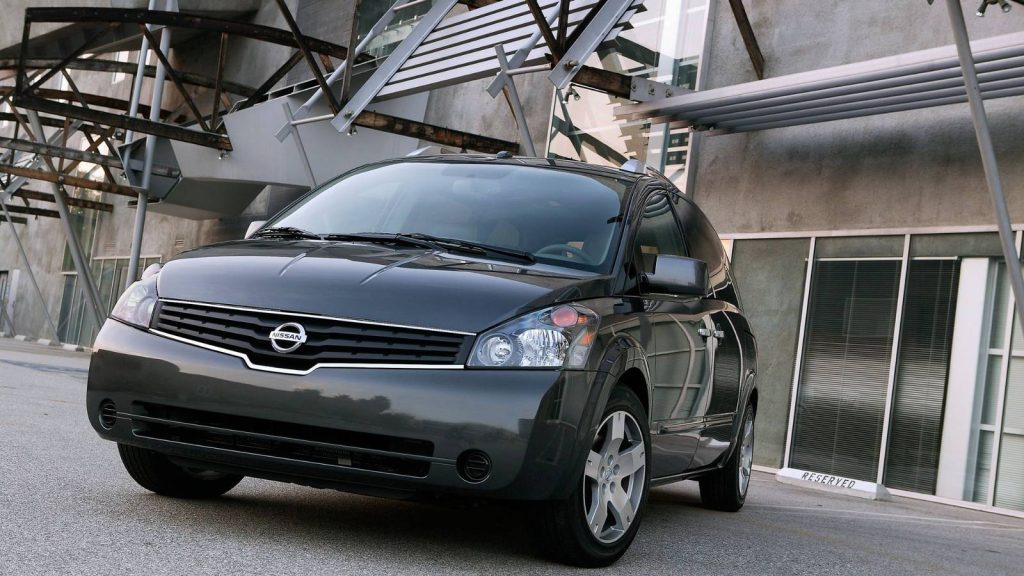
1. Nissan Quest (2004-2009, Third Generation)
The third-generation Quest looked genuinely bold for its time. Unfortunately, the styling risk wasn’t matched by mechanical dependability. Transmission problems dominate owner complaints from this generation. Nissan faced a wave of complaints starting almost immediately after launch.
Owners reported hesitant shifting and jerking during acceleration. Some units suffered total transmission failure, sending the engine into dangerous RPM spikes.
Specifications:
- Engine: 3.5L V6
- Horsepower: 235 hp
- Torque: 240 lb-ft
- Length: 204.1 inches
- Width: 77.6 inches
Brake wear complaints were also common across this generation. Combined with suspension squeaks, interior quality issues piled onto the mechanical concerns.
Resale value collapsed as a result. Nissan eventually discontinued the Quest entirely due to weak sales. RepairPal data consistently ranks the Quest near the bottom of minivan reliability. Annual repair costs run notably higher than Toyota or Honda equivalents.
If you find a cheap used Quest from this era, budget heavily for transmission work. It’s often not a matter of if, but when. Later Quest generations improved somewhat, but the brand never fully recovered its minivan reputation. This generation is a clear pass unless the price reflects the serious risk involved.
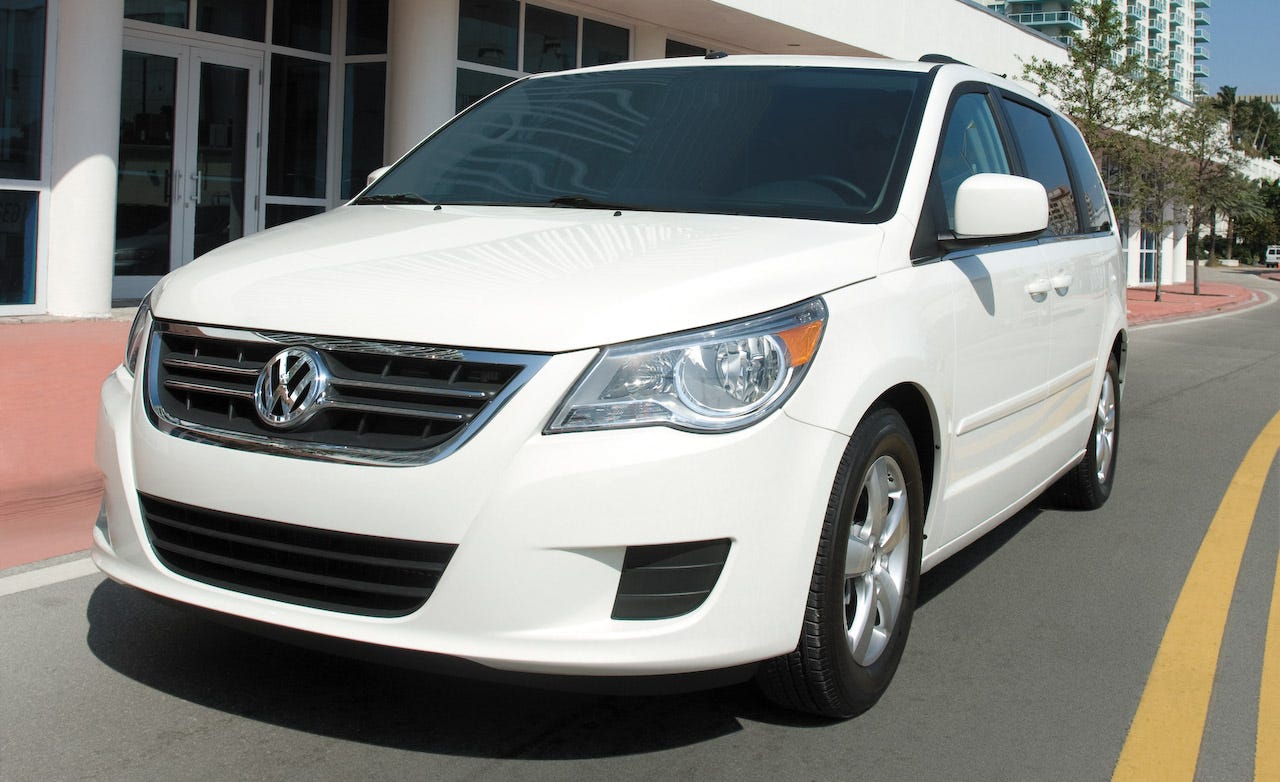
2. Volkswagen Routan (2009-2014)
The Routan was Volkswagen’s attempt to enter the minivan market without building one from scratch. It shared its platform entirely with Chrysler’s Town & Country. That badge-engineering approach backfired. Buyers got Chrysler’s mechanical issues wrapped in a German nameplate at a premium price.
Transmission reliability mirrored Chrysler’s well-documented problems. TrueDelta reliability comparisons show the Routan performing worse than even the Grand Caravan it was based on.
Specifications:
- Engine: 3.6L Pentastar V6 (later years) / 4.0L V6 (earlier years)
- Horsepower: 283 hp (3.6L) / 251 hp (4.0L)
- Torque: 260 lb-ft
- Length: 202.2 inches
- Width: 78.6 inches
RepairPal lists the Routan among the least reliable minivans tracked. Average annual repair costs run higher than nearly every rival. Parts and service also became a headache over time. VW dealers weren’t always equipped to handle Chrysler-based drivetrain issues efficiently.
Sales were weak throughout its run. Volkswagen discontinued the Routan after just five model years in the U.S. market. Resale value dropped fast as a result. Finding parts or knowledgeable service techs became harder as VW distanced itself from the platform.
If you see a used Routan priced attractively, understand you’re really buying a Chrysler with a worse ownership experience. There’s no compelling reason to choose this over an actual Town & Country or Grand Caravan of the same era.
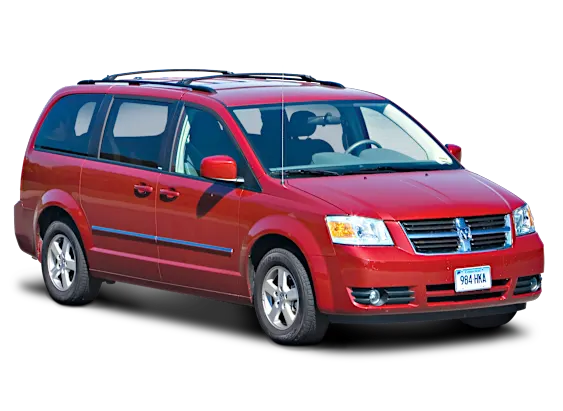
3. Dodge Grand Caravan (2008-2013)
The Grand Caravan sold well for decades on price alone. But this specific generation carries one of the worst reliability records in the segment’s history.
The 62TE automatic transmission is the headline problem. A critical snap ring flaw caused cascading wear and sudden pump failures. Consumer Reports gave this generation its worst possible rating for predicted used-car reliability multiple years running. That’s a serious red flag for used buyers.
Specifications:
- Engine: 3.8L V6 / 4.0L V6 (trim dependent)
- Horsepower: 197 hp (3.8L) / 251 hp (4.0L)
- Torque: 230 lb-ft (3.8L)
- Length: 202.8 inches
- Width: 78.7 inches
Complaints included rough shifting, premature brake wear, and complicated infotainment controls. None of these are cheap or simple fixes. TrueDelta data shows repair frequency for this generation running well above segment average. Some model years reached nearly 150% of typical repair rates.
A significant recall affected over 100,000 units for a rear window switch fire risk. That’s on top of the transmission concerns already documented. Fuel economy also lagged rivals from Toyota and Honda during this era. You weren’t saving much at the pump to offset repair costs.
If you’re shopping used Chrysler minivans, this specific generation deserves extra scrutiny. A pre-purchase inspection focused on the transmission is essential. Later Grand Caravan and Pacifica models addressed many of these issues. This particular window remains the one to avoid.
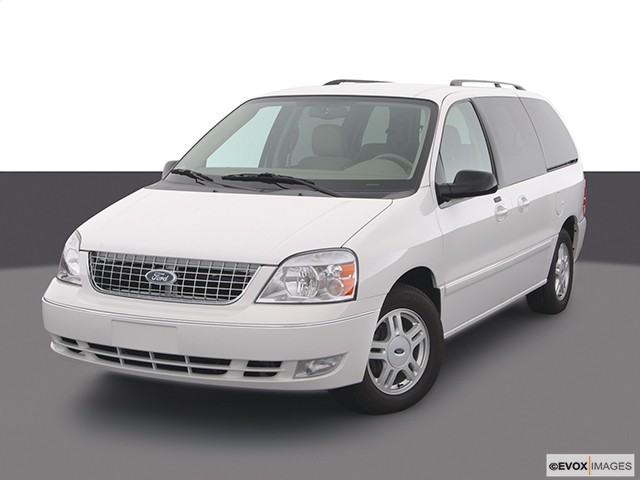
4. Ford Freestar (2004-2007)
Ford’s last serious minivan attempt before exiting the segment entirely. The Freestar replaced the Windstar but inherited many of the same underlying problems.
Transmission durability was a persistent weak point throughout its short production run. Complaints mirror many of the same failure patterns seen industry-wide during this era. Rear axle and wheel bearing issues were also commonly reported. These aren’t minor fixes and add up quickly on an aging vehicle.
Specifications:
- Engine: 4.2L V6
- Horsepower: 201 hp
- Torque: 263 lb-ft
- Length: 201.5 inches
- Width: 76.9 inches
Interior quality never matched Honda or Toyota’s offerings from the same period. Materials felt notably cheaper even when the Freestar was new.
Ford discontinued the Freestar after just three model years without a true replacement. That tells you how the automaker itself viewed its prospects. Resale value cratered accordingly. Finding a clean, low-mileage example today is genuinely difficult.
Parts availability has also thinned considerably since Ford abandoned the minivan segment entirely. Independent mechanics may need extra time sourcing components.
RepairPal and other tracking services consistently place this era of Ford minivan near the bottom of the segment. Annual repair costs run high relative to its low resale value.
Unless you’re getting one essentially free, there are better options in this exact price bracket. Even an older Sienna or Odyssey holds up better long-term.
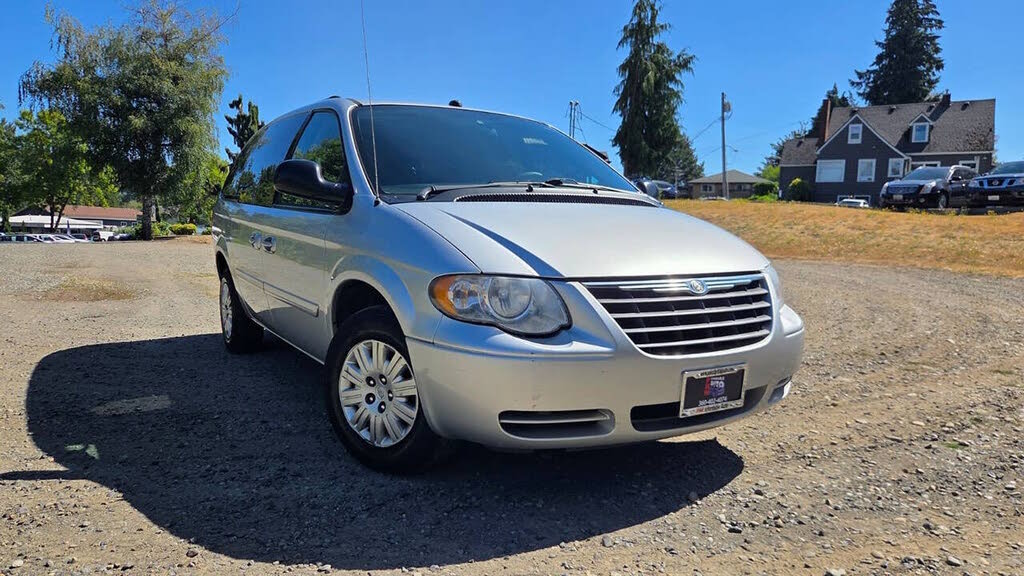
5. Chrysler Town & Country (2005-2007)
This generation predates Chrysler’s more recent reliability improvements. It represents an era when Chrysler’s minivan quality control was genuinely inconsistent.
Transmission problems again dominate the complaint history. The same 4-speed automatic criticized in period Dodge Caravans appeared here too.
Owner reviews describe the 4-speed unit as a “perennial nightmare” dating back decades. That’s a damning assessment from long-term Chrysler owners themselves.
Specifications:
- Engine: 3.8L V6 / 4.0L V6 (trim dependent)
- Horsepower: 197 hp (3.8L) / 251 hp (4.0L)
- Torque: 230 lb-ft (3.8L)
- Length: 200.5 inches
- Width: 78.9 inches
Electrical issues were also common, particularly with power sliding doors and window switches. These repairs aren’t always straightforward or cheap.
One notable safety concern involved potential carbon monoxide venting into the cabin on certain trims. That’s a serious issue beyond simple mechanical annoyance.
Fit and finish complaints were frequent even when these vans were new. Interior materials wore quickly under regular family use. Resale value has dropped substantially given the reliability reputation. That makes them tempting on price, which is exactly the trap.
TrueDelta repair frequency data places this generation well above segment average for unscheduled repairs. Budget accordingly if you’re still considering one. Later Town & Country generations, especially 2011 onward, improved meaningfully. This specific window is the one worth skipping entirely.
Also Read: Honda CR-V Trim Guide for Buyers Spending Under $36,000