
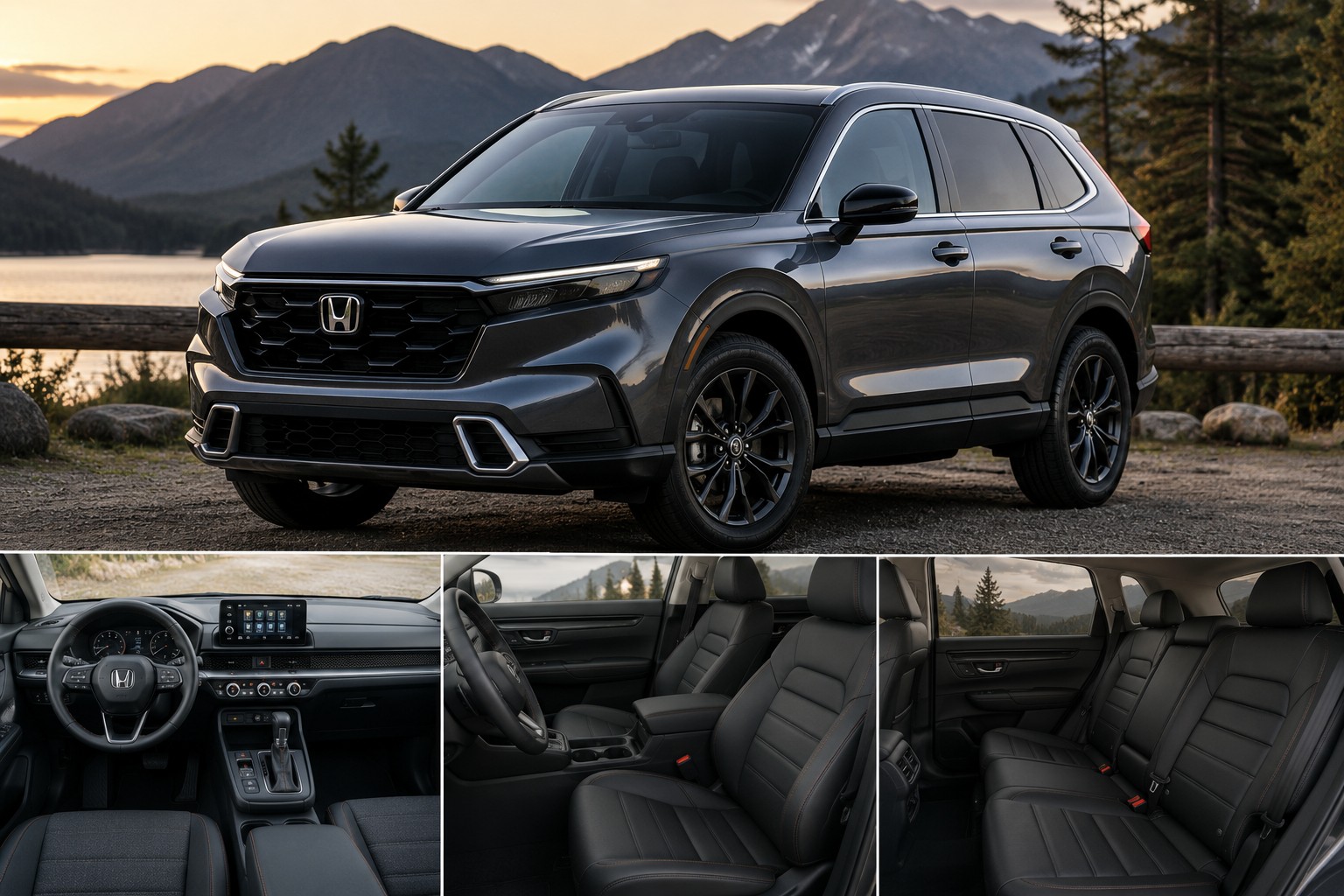
Choosing the right Honda CR-V trim can feel overwhelming with so many options on the table. For buyers working with a strict budget of under $36,000, the decision often comes down to two very different paths.
The EX-L trim sits comfortably within this price range, offering leather seating, a power tailgate, and an upgraded digital instrument cluster. It represents the point in the lineup where Honda adds genuine luxury touches without pushing into premium territory.
The Sport Touring Hybrid, on the other hand, is the flagship of the CR-V family. It comes loaded with a two-motor hybrid powertrain, a Bose premium sound system, and Google built-in technology.
However, its starting price sits well above the $36,000 ceiling most budget-conscious buyers are working with. This creates a real tension for shoppers who want top-tier features but also want to stay financially disciplined.
This guide breaks down what each trim actually offers. It also explains why the EX-L remains the smarter pick for anyone serious about staying under $36,000.
Understanding the Price Gap Between EX-L and Sport Touring
The 2026 Honda CR-V EX-L starts at roughly $35,400 for the gasoline version. With destination fees and popular options included, that number can climb closer to $36,850.
This puts the EX-L right at the edge of a $36,000 budget. It’s tight, but achievable for buyers who negotiate or skip a few optional extras. The Sport Touring Hybrid tells a very different story. Its starting MSRP is approximately $42,550, and fully loaded configurations can approach $43,700.
That’s a gap of roughly $7,000 to $8,000 between the two trims. For most households, that difference represents a meaningful chunk of a car payment plan.
It’s also worth noting the Sport Touring trim only comes with the hybrid powertrain. There is no gasoline-only version available at a lower price point.
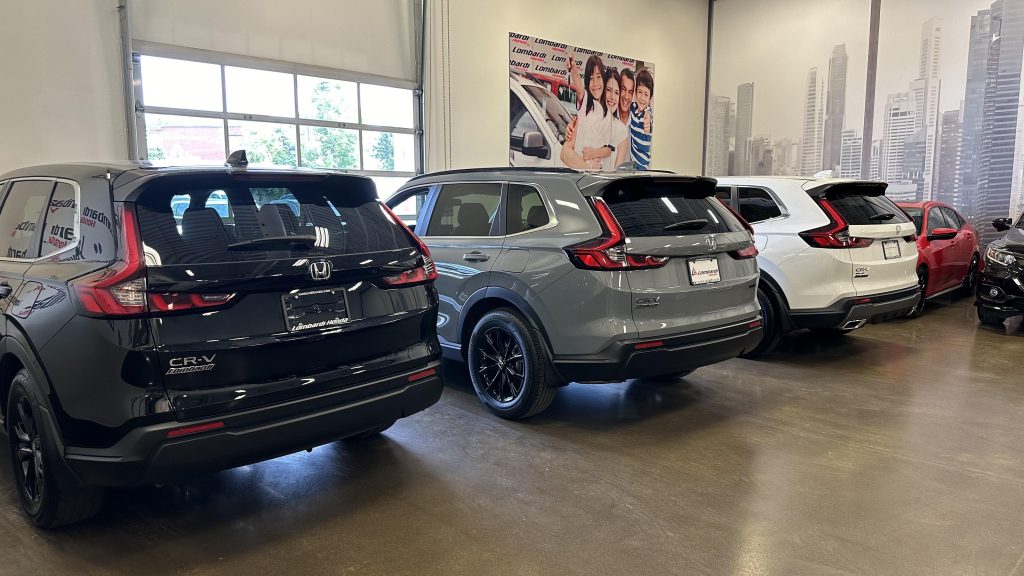
This means buyers cannot “split the difference” by choosing a cheaper engine option. The Sport Touring package is bundled entirely with hybrid technology and its associated premium.
For someone strictly capped at $36,000, the Sport Touring trim simply isn’t reachable. Financing tricks or dealer discounts rarely close a gap this large.
Even with typical incentives, Kelley Blue Book data suggests savings of only a few hundred dollars off MSRP. That’s nowhere near enough to bridge the divide.
This is why the real comparison for budget-conscious buyers isn’t about which trim is “better”. It’s about whether stretching the budget for Sport Touring features is worth sacrificing financial comfort.
Understanding this price gap upfront helps frame every other decision. It also explains why so many shoppers ultimately settle on EX-L as their practical ceiling.
What You Actually Get with the EX-L Trim
The EX-L is often described by reviewers as the “sweet spot” of the CR-V lineup. It delivers most of the comfort and technology buyers want without chasing flagship pricing.
Standout features include a leather-trimmed interior and a power tailgate for easier cargo access. Parking sensors and an automatic-dimming rearview mirror also come standard.
The EX-L gets a 10.2-inch digital instrument cluster, a notable upgrade over lower trims. This gives the cabin a more modern, premium feel behind the wheel.
All 2026 CR-V models, including the EX-L, now include a 9-inch touchscreen display. Wireless Apple CarPlay and Android Auto come standard as well.
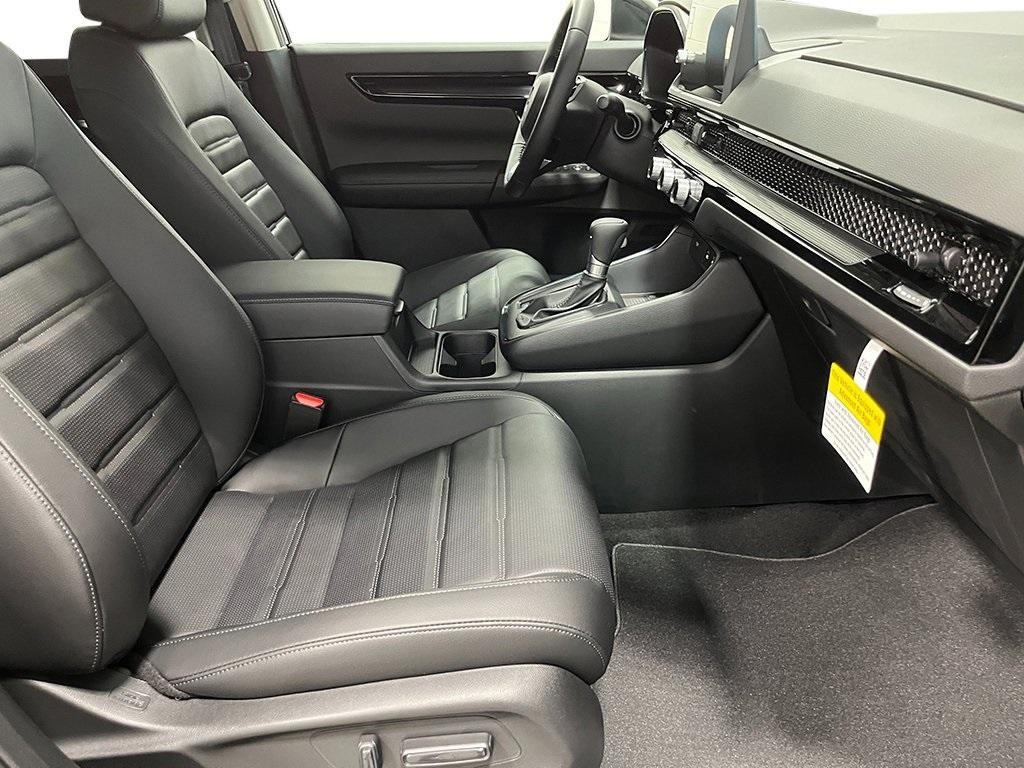
Heated front seats and dual-zone automatic climate control add everyday comfort. These are the kinds of features people actually use on a daily commute.
Fuel economy on the gasoline EX-L is respectable too, with EPA estimates around 27 city and 31 highway. That’s solid for a compact SUV in this class.
The EX-L also offers Real Time AWD as an available option for buyers in colder climates. This adds confidence during winter driving without requiring a hybrid powertrain.
Body Stabilizing Seats are a CR-V signature feature carried into this trim. They’re designed to reduce fatigue on longer drives, and most reviewers find them genuinely comfortable.
Rear passengers get an impressive 41 inches of legroom. That’s a meaningful advantage for families or anyone regularly carrying adult passengers.
When you total the EX-L’s features against its price, the value proposition becomes clear. You’re getting near-flagship comfort without flagship-level cost.
One review from a longtime auto industry veteran called the EX-L the best value in the entire lineup. He argued it delivers nearly all the comfort and technology buyers want while staying under $40,000.
For someone capped at $36,000, this trim represents the most feature-rich option realistically available. It’s not the top of the mountain, but it’s close enough to satisfy most needs.
Why Sport Touring Remains Out of Reach and What You’d Be Missing
The Sport Touring Hybrid is undeniably the most impressive CR-V trim available. It combines a 204-horsepower two-motor hybrid powertrain with a genuinely premium features list.
Buyers get a Bose premium sound system, which noticeably improves audio quality over standard setups. Google built-in technology also comes standard, offering smoother navigation and voice control.
A hands-free power tailgate adds convenience that the EX-L doesn’t quite match. Simply gesturing near the rear bumper opens the cargo area, which is handy when your hands are full.
Fuel economy is another major advantage of the hybrid powertrain. Hybrid CR-V models typically deliver noticeably better city mileage than their gasoline counterparts.
However, none of these advantages change the fundamental math for a $36,000 budget. The Sport Touring Hybrid starts nearly $7,000 above that ceiling before any options are added.

Financing this gap usually means either extending loan terms or increasing monthly payments substantially. Neither option is ideal for someone trying to stick to a firm budget.
There’s also the resale and depreciation angle to consider. Kelley Blue Book estimates a 5-year cost to own for the EX-L at around $54,000, including depreciation and running costs.
Higher trims like Sport Touring will naturally carry higher absolute ownership costs. Depreciation tends to scale with the vehicle’s starting price, even if percentage losses look similar.
For buyers who genuinely need hybrid efficiency, a lower hybrid trim might be worth exploring. The Sport Hybrid trim starts closer to $35,630, which sits nearer the target budget.
That said, this guide is specifically comparing EX-L against Sport Touring, not every hybrid variant. And on that specific comparison, Sport Touring simply doesn’t fit the stated budget.
The honest takeaway is that Sport Touring’s extra polish comes at a real financial cost. Unless your budget has genuine flexibility, that polish isn’t accessible right now.
Buyers determined to stay near $36,000 are better served focusing on EX-L’s strengths. Chasing Sport Touring features under this budget usually leads to compromise elsewhere, like a longer loan term.
Making the Right Choice for Your Budget
If you’re working with a hard ceiling of $36,000, the EX-L is the clear practical choice. It offers leather comfort, solid technology, and dependable everyday features.
Sport Touring is a fantastic trim on paper, with better sound, hybrid efficiency, and added convenience touches. But its price point simply doesn’t align with the budget outlined here.
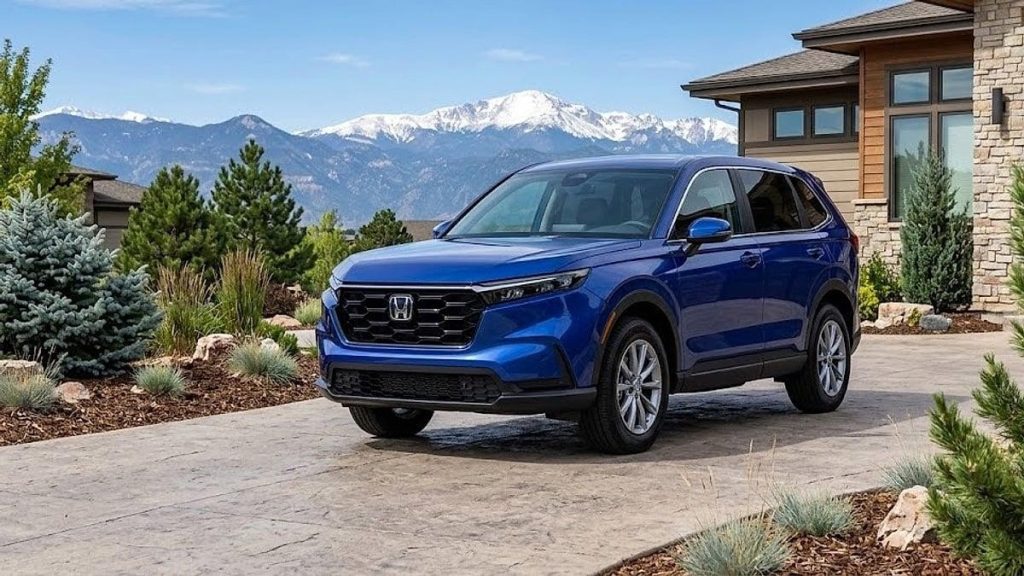
Rather than stretching finances to reach Sport Touring, most buyers will find the EX-L delivers nearly everything they need. The gap in daily usability between these two trims is smaller than the price difference suggests.
Test driving both trims can still be worthwhile before finalizing a decision. Sometimes feeling the difference in person clarifies whether any upgrade truly matters to you.
Ultimately, smart car buying is about matching features to genuine needs, not chasing every available option. For most shoppers under $36,000, the EX-L represents that balance perfectly.
Also Read: 5 Trucks With Cheap Clutch Jobs and 5 That Run $2,400
