
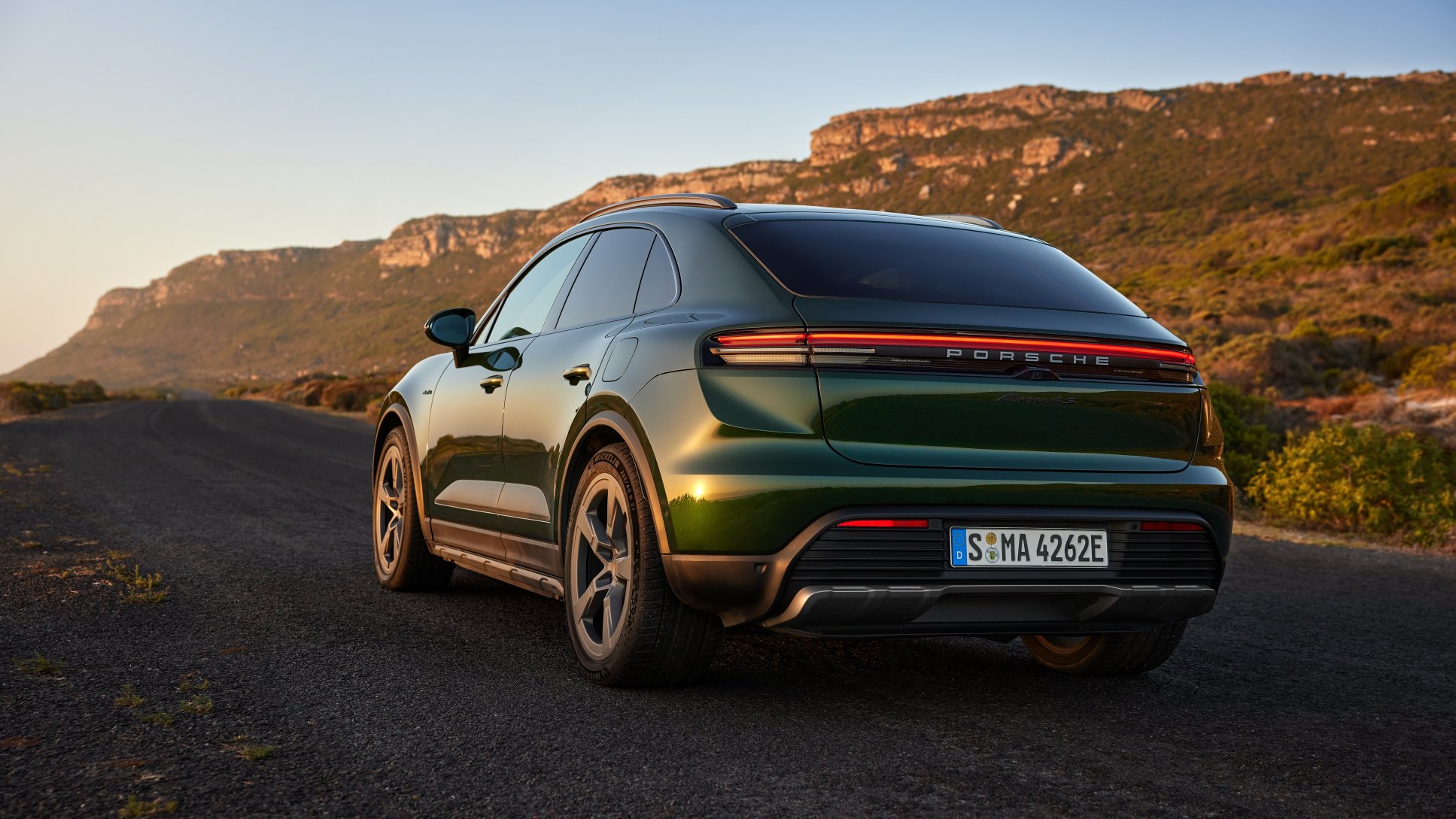
Vehicle repairs have become a major financial concern for drivers, insurers, and the automotive industry. Modern cars include advanced electronics, safety systems, lightweight materials, and complex mechanical components that can increase repair expenses after accidents.
A repair bill exceeding $4,000 is no longer unusual, especially for vehicles with expensive parts or advanced technology. Insurance companies carefully evaluate repair costs before deciding whether to approve repairs or declare a vehicle a total loss.
Understanding why certain cars create higher claims helps explain the economic decisions insurers make when managing vehicle damage, repair expenses, and policy costs.
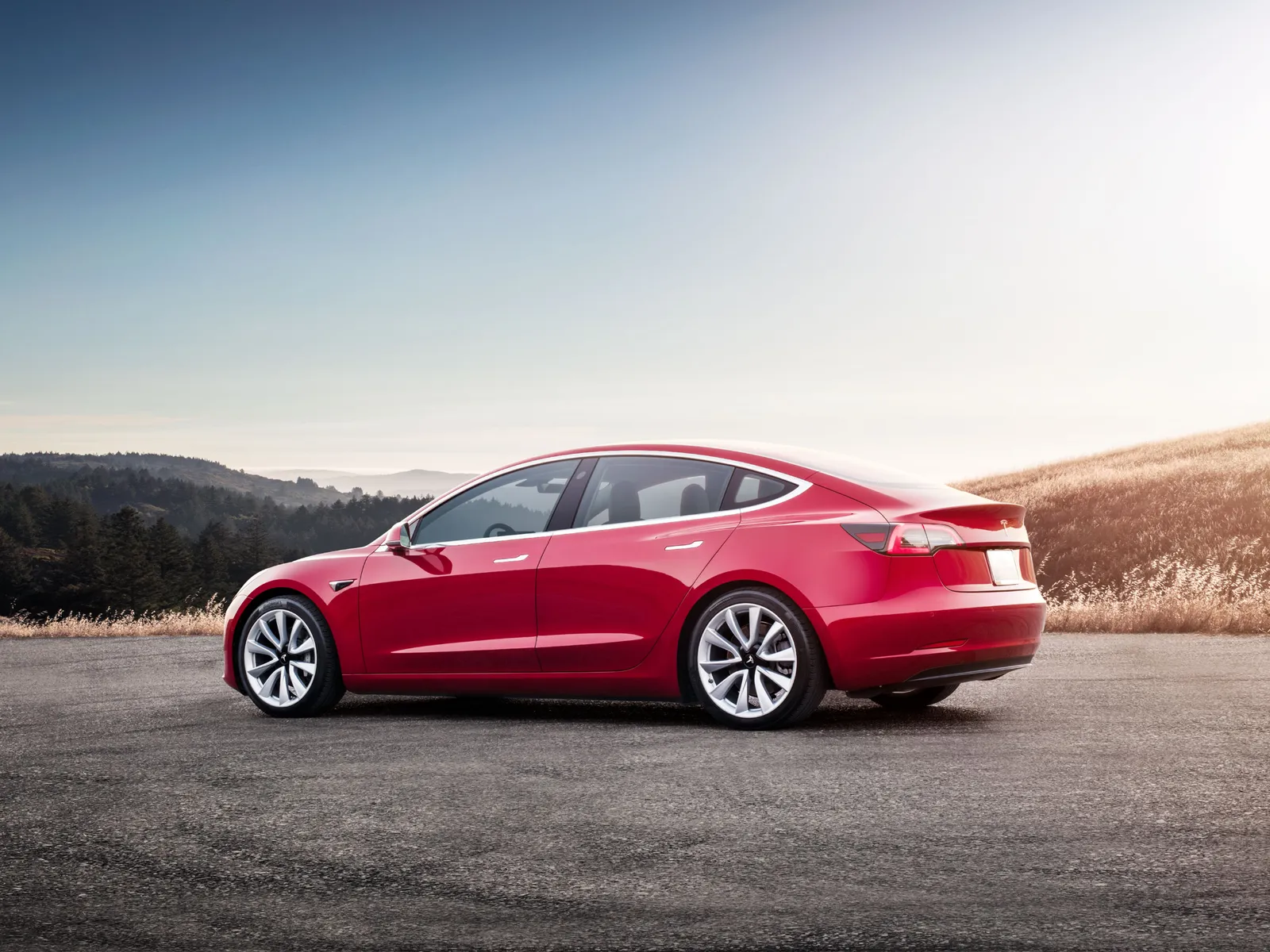
- Engine: Dual electric motors (Long Range/Performance variants) or single electric motor (Rear-Wheel Drive variant)
- Horsepower: Approximately 283 hp (RWD), up to 510 hp (Performance)
- Torque: Approximately 310 lb-ft (RWD), up to 487 lb-ft (Performance)
- Length: 185.8 inches (4,720 mm)
- Width: 72.8 inches (1,849 mm)
1. Tesla Model 3: High Technology Creates Expensive Repairs
The Tesla Model 3 represents how electric vehicle technology can influence insurance economics. While the vehicle has gained popularity because of its electric performance and efficiency, repair costs can become significant after accidents.
The vehicle includes advanced electronics, battery systems, cameras, sensors, and specialized components that require trained technicians. A collision affecting areas near these systems can create repair expenses that quickly exceed $4,000.
One major factor affecting repair costs is the use of technology throughout the vehicle. Tesla vehicles depend heavily on cameras and computer systems for safety features and driving assistance functions.
After certain repairs, technicians may need to perform calibration procedures to ensure these systems operate correctly. These additional steps increase labor costs and repair time compared with older vehicles that rely on fewer electronic components.
The vehicle’s body construction also affects repair economics. Electric vehicles often use different materials and designs compared with traditional gasoline-powered cars.
Repair facilities must follow manufacturer guidelines to maintain safety standards, especially when working near battery systems or structural components. Incorrect repairs can create safety risks, which means insurers often require specialized repair procedures.
Parts availability can also influence claim expenses. When replacement parts are limited or require ordering from specific suppliers, repair times may increase. Longer repair periods can create additional costs related to rental vehicles and customer inconvenience. Insurance companies consider these factors when calculating the total financial impact of a claim.
The Tesla Model 3 demonstrates how innovation can create both benefits and challenges for the insurance industry. Electric vehicles may reduce some ownership costs through lower fuel expenses and fewer traditional maintenance requirements, but accident repairs can involve expensive technology and specialized labor.
For insurers, understanding these repair patterns is essential when setting premiums and evaluating claims.
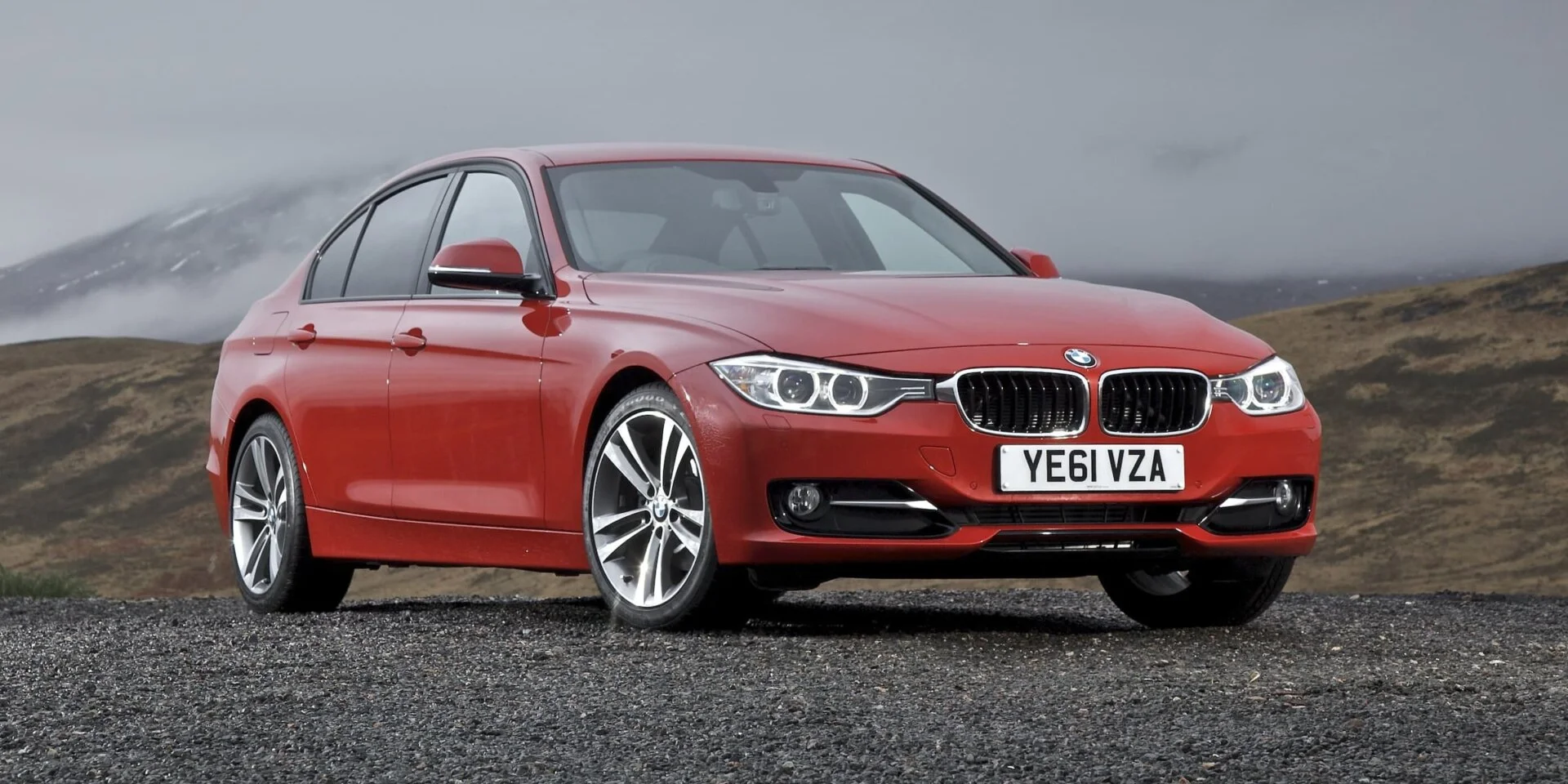
- Engine: 2.0-liter turbocharged 4-cylinder gasoline engine (330i), 3.0-liter turbocharged inline-6 engine available in higher variants
- Horsepower: 255 hp (330i), up to 386 hp (M340i)
- Torque: 295 lb-ft (330i), up to 369 lb-ft (M340i)
- Length: 185.9 inches (4,713 mm)
- Width: 71.9 inches (1,827 mm)
2. BMW 3 Series: Luxury Engineering and Premium Repair Costs
The BMW 3 Series has long been associated with performance, advanced engineering, and premium features. These qualities contribute to the vehicle’s appeal, but they can also increase repair expenses after collisions.
Luxury vehicles often use high-quality materials, advanced electronics, and specialized components that cost more to replace compared with standard vehicles. A damaged BMW 3 Series can easily produce a repair estimate above $4,000 depending on the location and severity of the damage.
One reason insurers pay close attention to luxury vehicle claims is the price of replacement parts. Components such as headlights, sensors, body panels, and interior systems can carry higher costs because they are designed specifically for premium vehicles. Even a moderate accident involving the front or rear section of the vehicle may require multiple expensive replacements.
Labor costs are another important factor. Luxury vehicles often require technicians with specific training and access to specialized diagnostic equipment. Repair shops must follow detailed procedures to maintain performance, safety, and manufacturer standards. These requirements can increase the total claim amount paid by insurance companies.
Depreciation also affects the insurer’s decision-making process. A newer BMW may justify a major repair because its market value remains high.
An older model with significant damage may reach a point where repairs become less financially reasonable. Insurers compare the repair estimate against the vehicle’s value to determine the best economic outcome.
The BMW 3 Series highlights the connection between premium vehicle ownership and insurance economics. Drivers benefit from advanced features and refined engineering, but those advantages can create higher repair costs after accidents. Insurance companies must carefully measure these expenses when managing claims and developing pricing strategies.
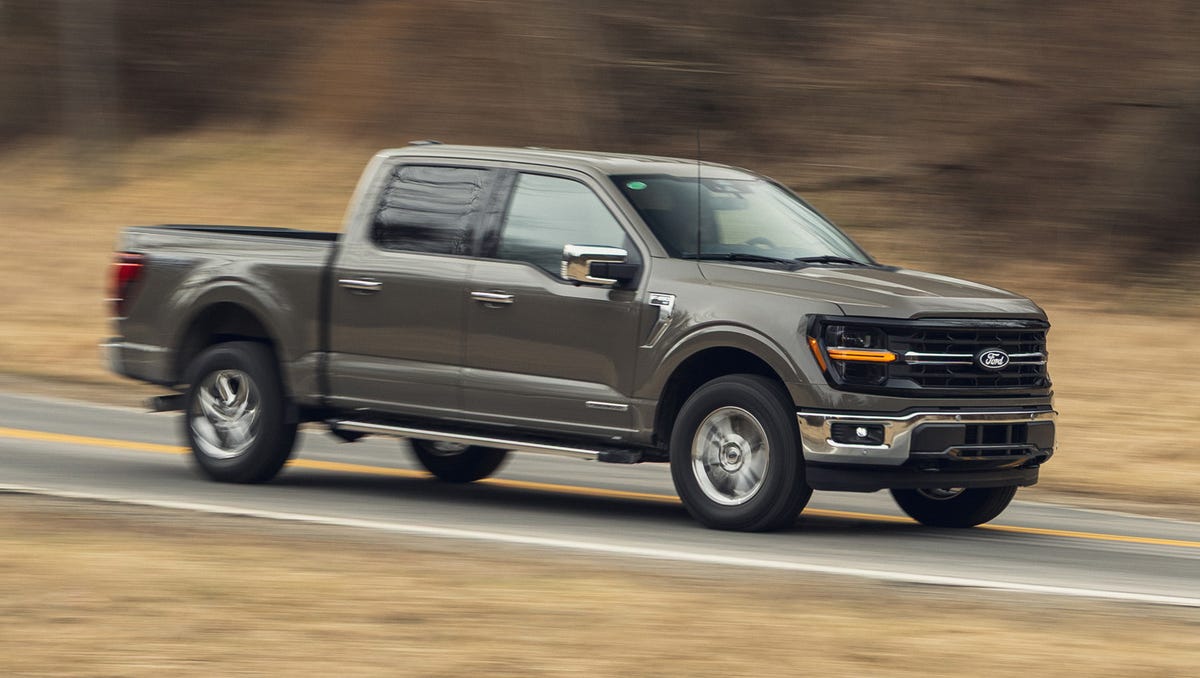
- Engine: Multiple options including 2.7-liter EcoBoost V6, 3.5-liter EcoBoost V6, 5.0-liter V8, and hybrid powertrain
- Horsepower: 325 hp (2.7L EcoBoost), up to 430 hp (PowerBoost Hybrid)
- Torque: 400 lb-ft (2.7L EcoBoost), up to 570 lb-ft (PowerBoost Hybrid)
- Length: Approximately 209.1 to 243.5 inches depending on cab and bed configuration
- Width: 79.9 inches (2,029 mm)
3. Ford F-150: Popular Truck With Costly Accident Repairs
The Ford F-150 is among the most widely used trucks, serving personal, commercial, and recreational purposes. Its popularity means insurers process many claims involving this vehicle. While the truck is known for durability and practicality, repair costs can become high when accidents damage modern safety systems, body panels, or specialized equipment.
The size and construction of pickup trucks contribute to repair expenses. Larger vehicles often contain more material that may require replacement after collisions.
Aluminum body panels used in certain models can require different repair techniques compared with traditional steel components. These specialized methods may increase labor expenses.
Modern Ford F-150 models also include advanced safety technology. Features such as adaptive cruise control, cameras, and collision warning systems depend on sensors positioned throughout the vehicle. Damage to these systems can require expensive replacement parts and calibration services after repairs.
Commercial use can further affect insurance economics. Many F-150 trucks are used for business purposes, meaning downtime can create additional financial losses for owners.
Insurance claims can include rental vehicle expenses, lost productivity, and extended repair timelines, which can significantly increase the cost linked to an accident.
The Ford F-150 shows that even high-volume vehicles can generate expensive claims. Popularity does not always mean low repair costs. When manufacturers add advanced technology and improved materials, repair economics change for both vehicle owners and insurance providers.
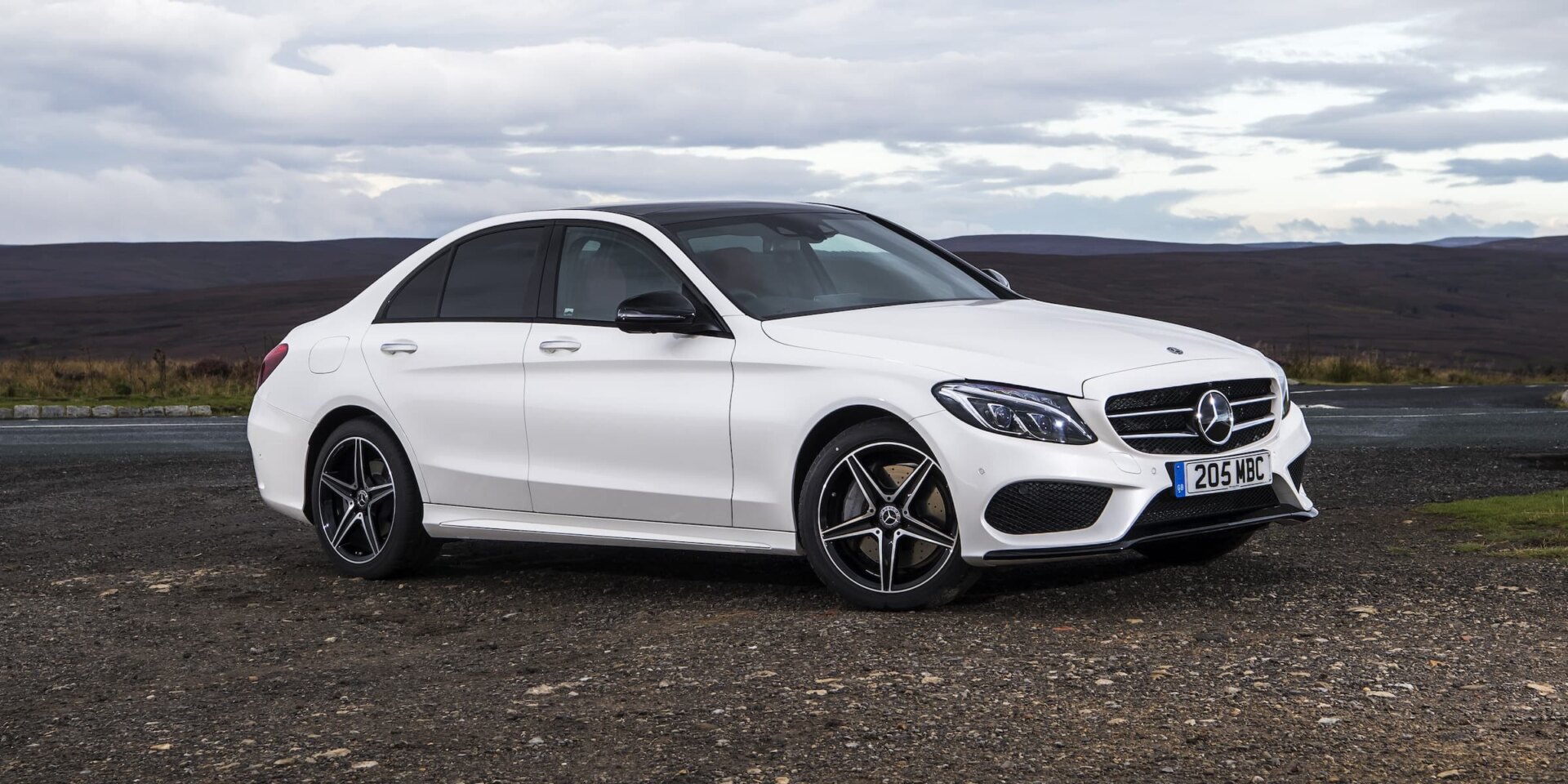
- Engine: 2.0-liter turbocharged 4-cylinder mild hybrid gasoline engine
- Horsepower: 255 hp (C300), up to 402 hp (AMG C43)
- Torque: 295 lb-ft (C300), up to 369 lb-ft (AMG C43)
- Length: 187 inches (4,751 mm)
- Width: 80.4 inches including mirrors, approximately 71.4 inches body width
4. Mercedes-Benz C-Class: Premium Features Increase Claim Expenses
The Mercedes-Benz C-Class represents a segment where luxury design and advanced engineering influence repair economics. The vehicle includes premium materials, sophisticated electronics, and safety systems that improve the driving experience but can increase expenses after accidents.
When insurers receive claims involving this type of vehicle, they must consider the cost of restoring the car to its original condition while maintaining manufacturer standards.
Many repair costs come from components that are more expensive than those found in standard vehicles. Headlights, bumpers, sensors, navigation systems, and interior technology can carry significant replacement prices.
A collision that appears minor from the outside may involve hidden damage to electronic systems or structural areas, causing the final repair estimate to rise above initial expectations.
Mercedes-Benz vehicles often require specialized diagnostic equipment during repairs. Technicians need accurate information from the vehicle’s computer systems to identify damaged components and complete repairs correctly.
This process adds labor time and increases the total claim amount. Insurance providers factor these requirements into their calculations when reviewing repair estimates.
Vehicle depreciation also plays an important role in insurance decisions. A newer C-Class model may have enough value to justify expensive repairs, while an older model with similar damage may become less economical to fix. Insurers compare repair costs with the vehicle’s current value to determine whether repairing or replacing the vehicle makes better financial sense.
The Mercedes-Benz C-Class demonstrates how luxury ownership affects insurance calculations. Customers receive advanced engineering, comfort, and safety features, but these benefits can lead to higher repair bills. Insurance companies must manage these costs carefully to maintain balanced premiums and sustainable claim operations.
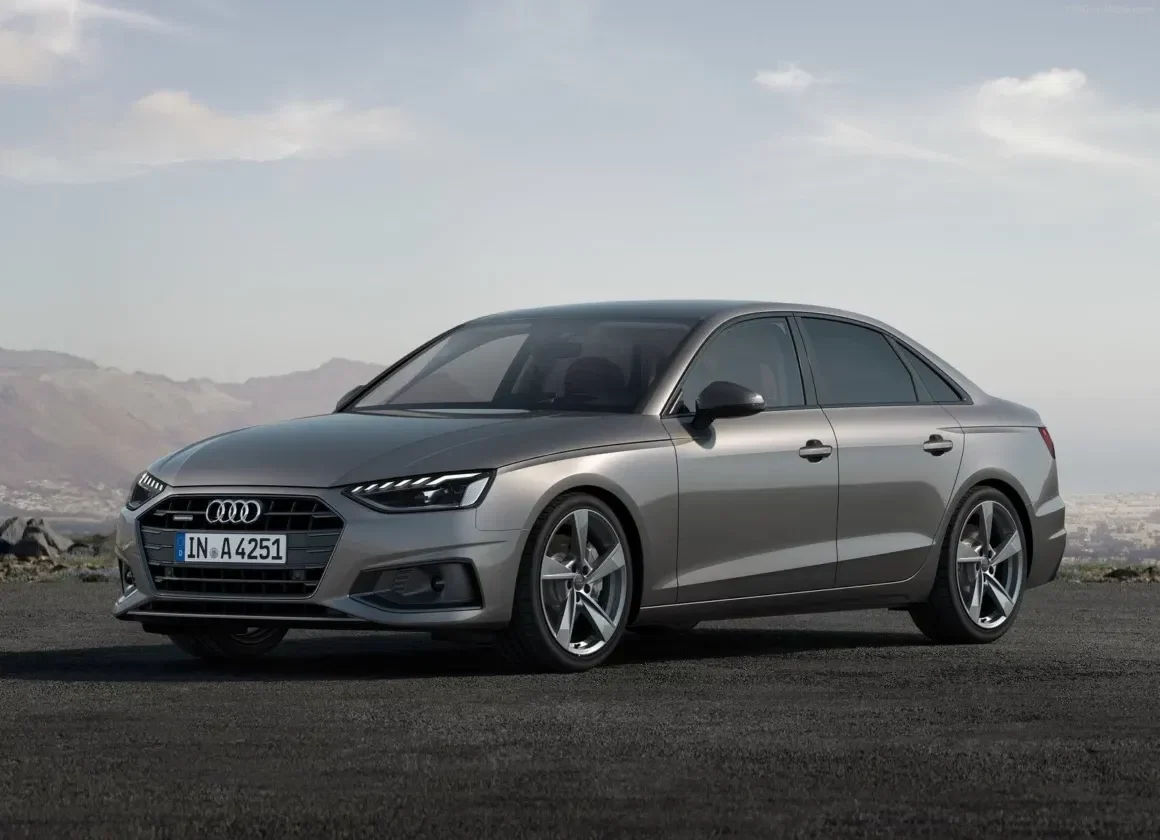
- Engine: 2.0-liter turbocharged 4-cylinder TFSI gasoline engine
- Horsepower: 201 hp or 261 hp depending on configuration
- Torque: 236 lb-ft (base), up to 273 lb-ft (higher output versions)
- Length: 187.5 inches (4,762 mm)
- Width: 72.7 inches (1,847 mm)
5. Audi A4: Advanced Technology Raises Repair Complexity
The Audi A4 is another vehicle where technology and premium engineering influence repair expenses. The model includes sophisticated systems designed to improve comfort, performance, and safety.
However, these features can make accident repairs more complicated and expensive. A repair bill exceeding $4,000 can occur when multiple systems are affected during a collision.
Audi vehicles commonly use advanced electronic systems throughout the cabin and exterior. Components such as digital displays, driver assistance features, sensors, and specialized lighting systems can require costly replacements. Even when the visible damage appears limited, technicians may discover additional issues during inspections.
Insurance companies pay attention to repair complexity because expensive technology creates uncertainty in claim estimates. A simple body repair may expand when technicians identify damaged wiring, sensors, or control modules. These unexpected expenses make accurate claim forecasting more difficult for insurers.
Specialized repair procedures also affect costs. Premium manufacturers often provide detailed repair guidelines that shops must follow to maintain vehicle safety and performance. These procedures may require additional equipment, trained workers, and more time compared with conventional repairs.
The Audi A4 highlights how modern vehicle design changes the economics of insurance claims. Drivers benefit from advanced features, but insurers must account for higher repair expenses when evaluating risk. The relationship between technology and repair costs continues to influence insurance pricing decisions.
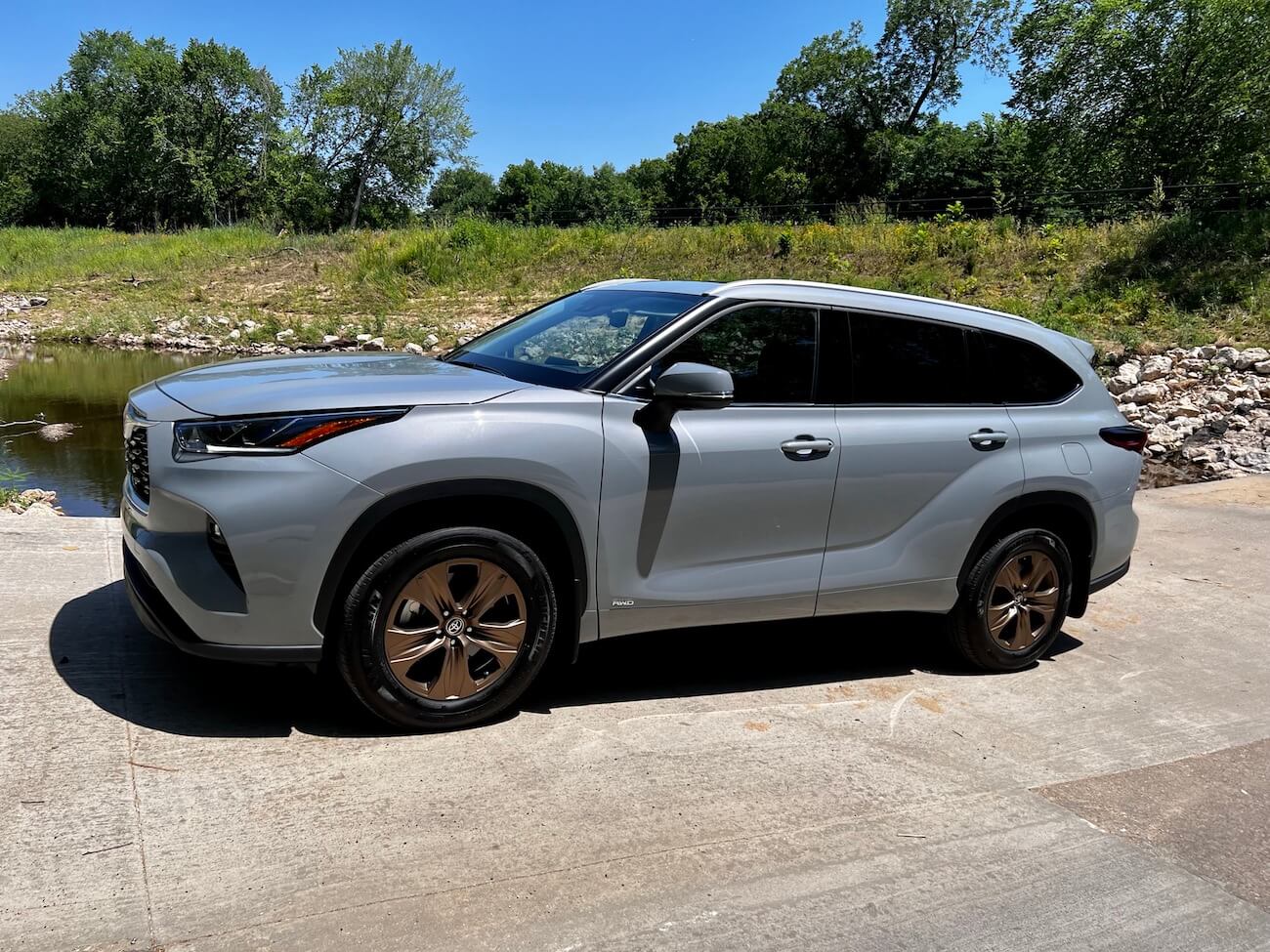
- Engine: 2.4-liter turbocharged 4-cylinder gasoline engine or 2.5-liter hybrid system
- Horsepower: 265 hp (turbo gasoline), 243 hp (hybrid)
- Torque: 310 lb-ft (turbo gasoline), approximately 263 lb-ft (hybrid system)
- Length: 194.9 inches (4,950 mm)
- Width: 76 inches (1,930 mm)
6. Toyota Highlander: Family SUVs With Rising Repair Costs
The Toyota Highlander is a popular family SUV known for reliability, comfort, and practicality. However, modern versions include advanced safety features and hybrid technology that can increase repair expenses after accidents. SUVs have become more complex over time, and insurers now evaluate more than basic mechanical damage when processing claims.
The Highlander’s size can contribute to higher repair costs. Larger vehicles often require more replacement materials after collisions. Damage involving doors, bumpers, headlights, and structural areas may create expenses that quickly exceed several thousand dollars.
Toyota’s safety technology also affects repair calculations. Systems designed to assist drivers rely on cameras and sensors that must work accurately after repairs. If these components are damaged, replacement and recalibration procedures add to the total claim cost.
Hybrid versions introduce additional considerations for insurers. Hybrid systems contain specialized electrical components that require trained technicians and proper repair procedures. This technology provides fuel efficiency benefits but may increase repair complexity after certain types of damage.
The Toyota Highlander shows how mainstream vehicles can experience rising repair costs. Expensive claims are not limited to luxury brands. As manufacturers add more safety and convenience features, repair economics change across many vehicle categories.
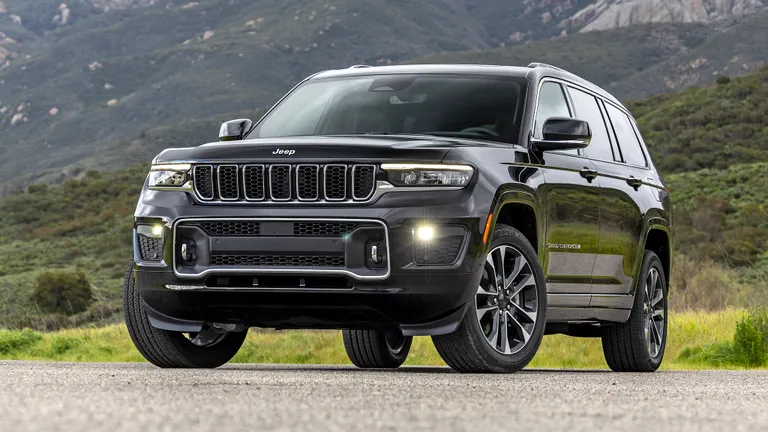
- Engine: 3.6-liter Pentastar V6, 5.7-liter HEMI V8 (availability varies), or 2.0-liter turbocharged plug-in hybrid system
- Horsepower: 293 hp (V6), 357 hp (V8), 375 hp (4xe plug-in hybrid)
- Torque: 260 lb-ft (V6), 390 lb-ft (V8), 470 lb-ft (4xe)
- Length: 193.5 inches (4,914 mm)
- Width: 77.9 inches (1,979 mm)
7. Jeep Grand Cherokee: Advanced SUVs With Expensive Components
The Jeep Grand Cherokee combines off-road capability, comfort, and modern technology. Its popularity among SUV buyers has made it a common vehicle in insurance claims. Repair costs can exceed $4,000 when accidents involve advanced systems, body damage, or specialized components.
SUV designs often include features that improve performance and safety but add repair complexity. The Grand Cherokee may include advanced suspension systems, electronic controls, cameras, and driver assistance technology. Damage to these areas can require expensive repairs beyond simple exterior replacement.
Parts costs influence the total claim amount significantly. Certain components are designed specifically for the vehicle and may require replacement rather than repair. Insurance companies consider these expenses when determining claim payments and future risk assessments.
The vehicle’s size and weight also influence accident outcomes. Larger SUVs can experience different types of damage compared with smaller cars. Repair technicians may need additional time and equipment to restore damaged areas properly.
The Jeep Grand Cherokee reflects the changing nature of SUV insurance economics. Consumers continue choosing feature-rich vehicles, but insurers must adapt to higher repair expenses caused by modern designs and technology.
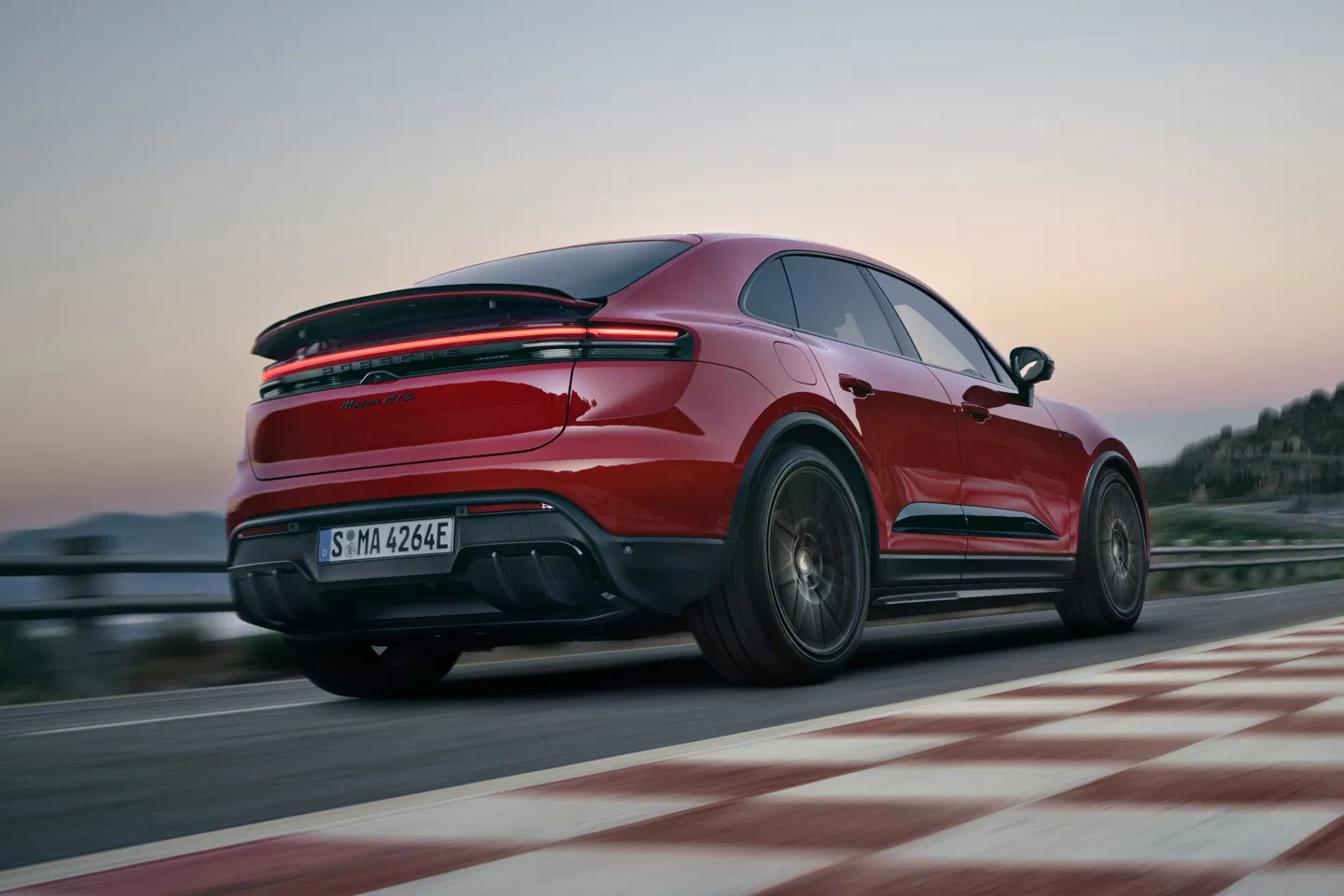
- Engine: 2.0-liter turbocharged 4-cylinder engine (Macan), 2.9-liter twin-turbo V6 (higher trims)
- Horsepower: 261 hp (base), up to 434 hp (Macan GTS)
- Torque: 295 lb-ft (base), up to 405 lb-ft (Macan GTS)
- Length: 186.1 inches (4,726 mm)
- Width: 76.1 inches (1,938 mm)
8. Porsche Macan: Performance Engineering Comes With Higher Costs
The Porsche Macan is a luxury performance SUV that demonstrates how specialized engineering affects repair economics. Performance vehicles often include unique components designed for handling, speed, and driving quality. These features can increase repair expenses after accidents.
Porsche vehicles require specialized knowledge and equipment for proper repairs. Technicians must understand the vehicle’s engineering and follow manufacturer procedures. These requirements contribute to higher labor costs compared with many standard vehicles.
Replacement parts can also be expensive because performance vehicles often use specialized materials and components. Exterior panels, suspension parts, electronic systems, and braking components may cost more than similar parts on everyday vehicles.
Insurance providers consider repair complexity when evaluating claims. A damaged performance vehicle may require longer repair periods and specialized facilities. These factors increase the total financial impact of an accident.
The Porsche Macan shows the relationship between premium performance and insurance expenses. Owners receive advanced engineering and driving features, but those benefits can lead to higher claim costs when repairs are needed.
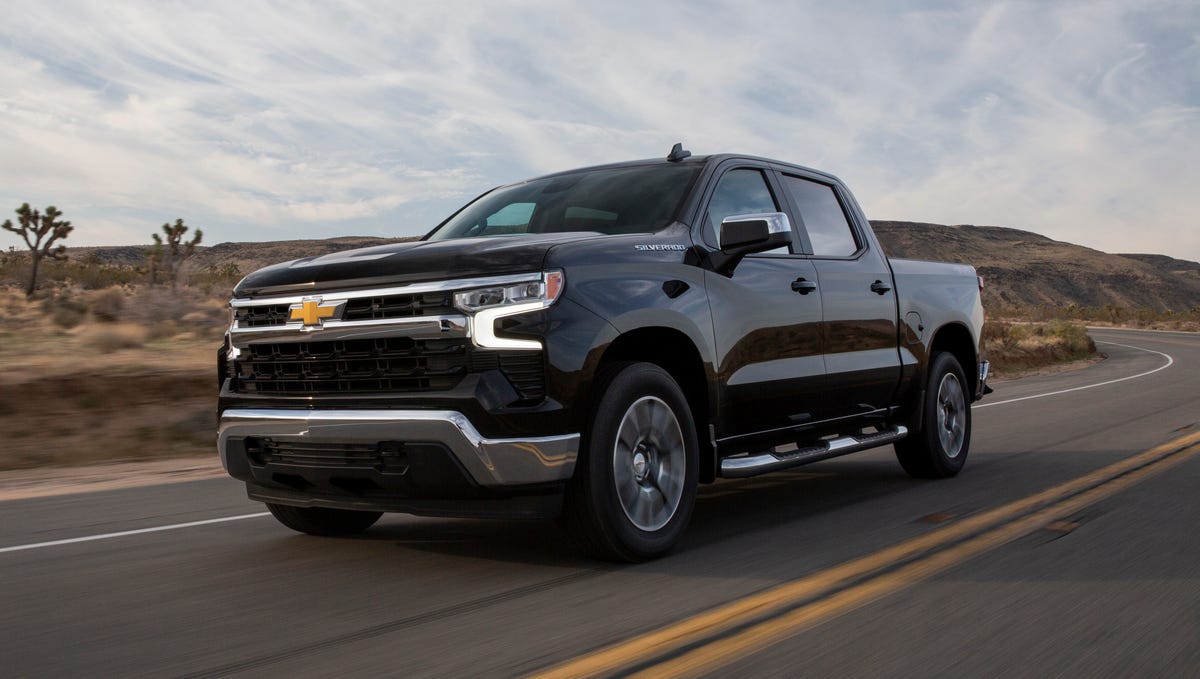
- Engine: 2.7-liter turbocharged 4-cylinder, 5.3-liter V8, 6.2-liter V8, and 3.0-liter Duramax diesel inline-6
- Horsepower: 310 hp (2.7L Turbo), up to 420 hp (6.2L V8)
- Torque: 430 lb-ft (2.7L Turbo), up to 460 lb-ft (Duramax diesel)
- Length: Approximately 210.9 to 241.2 inches depending on configuration
- Width: 81.2 inches (2,062 mm)
9. Chevrolet Silverado: Large Trucks and Expensive Repairs
The Chevrolet Silverado is another popular pickup truck where repair economics can become significant. Like other modern trucks, it includes advanced technology, larger components, and specialized systems that influence repair costs.
Truck repairs often involve expensive body parts because of their size. A damaged bed, bumper, grille, or structural component can require substantial replacement expenses. Labor costs may increase because technicians need additional time to complete repairs.
Modern Silverado models also include safety technologies such as cameras and driver assistance systems. These features require proper calibration after certain repairs, adding complexity to insurance claims.
Commercial use can affect claim values as well. Many Silverado trucks serve business purposes, meaning repairs can involve additional costs related to vehicle downtime. Insurance companies consider these factors when reviewing claims.
The Chevrolet Silverado demonstrates how utility vehicles can generate expensive insurance claims. Practical vehicles are not always inexpensive to repair, especially when equipped with modern technology and advanced features.
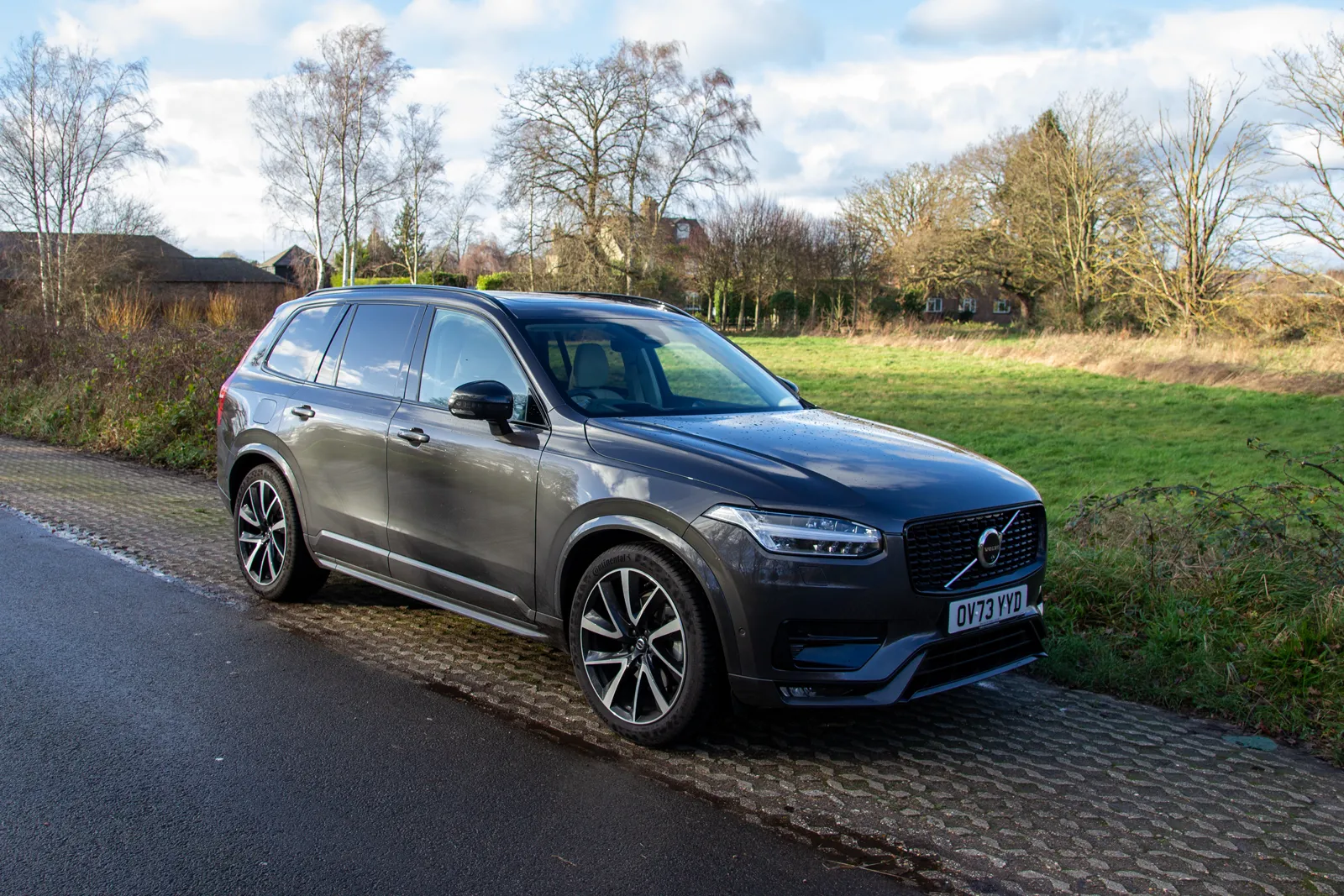
- Engine: 2.0-liter turbocharged and supercharged 4-cylinder mild hybrid engine or plug-in hybrid system
- Horsepower: 247 hp (B5 mild hybrid), up to 455 hp (T8 plug-in hybrid)
- Torque: 258 lb-ft (B5), up to 523 lb-ft (T8 plug-in hybrid)
- Length: 195 inches (4,953 mm)
- Width: 79.1 inches (2,009 mm)
10. Volvo XC90: Safety Technology Adds Repair Complexity
The Volvo XC90 is recognized for safety-focused engineering and advanced vehicle systems. While these features help protect passengers, they can increase repair costs after accidents. Insurance companies often evaluate the complexity of safety technology when estimating claims.
The XC90 includes multiple sensors, cameras, and electronic systems designed to support driver assistance features. Damage to these components requires careful inspection and specialized repairs. A collision affecting the front or rear sections of the vehicle may involve more than visible body damage.
Volvo’s emphasis on safety means repairs must meet strict standards. Repair shops need proper training and equipment to restore vehicle systems correctly. These requirements can increase both labor expenses and repair timelines.
Luxury SUV components also contribute to higher costs. Interior technology, lighting systems, and premium materials may require expensive replacements after damage. Insurers consider all these factors when calculating claim expenses.
The Volvo XC90 represents how safety innovation influences insurance economics. Advanced protection systems provide important benefits, but they also create more complex repair situations when accidents occur.
Also read: 10 Cars With the Biggest Heat-Related Reliability Issues
