
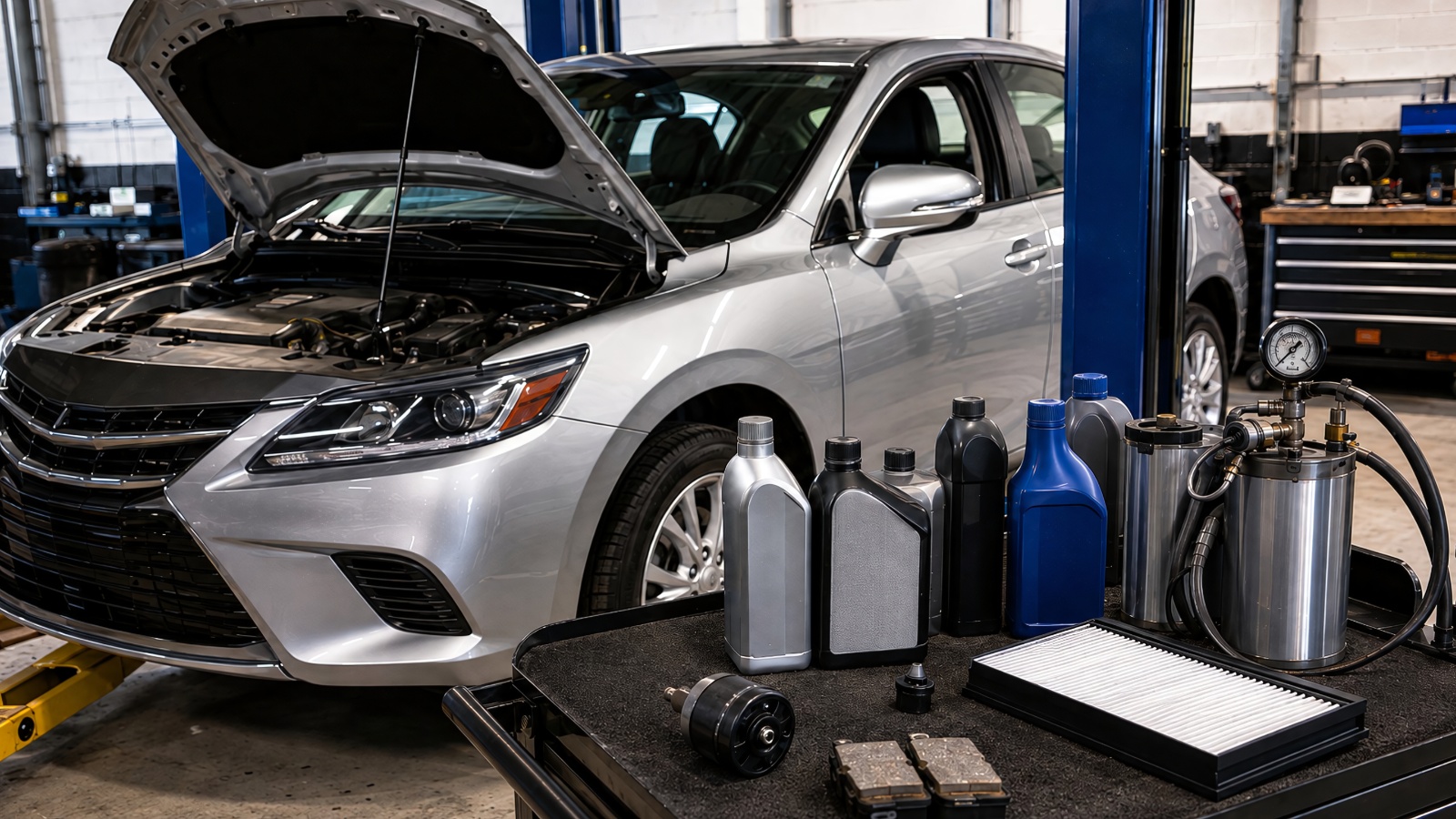
A service adviser can turn a routine oil change into a four-figure visit by presenting optional treatments as urgent maintenance. The strongest defense is not refusing everything; it is asking whether the work appears in the manufacturer’s schedule for your exact model, engine, mileage, and operating conditions. Toyota advises owners to consult the vehicle’s manual for recommended service intervals, while Ford says aftermarket additives generally do not improve system performance.
That distinction matters because several familiar upsells are legitimate only after diagnosis, contamination, a documented symptom, or a model-specific requirement. A transmission service may be due without a machine-powered flush being approved. Brake fluid may need replacement, but not at a shop-invented interval.
Before authorizing extra work, request the manual reference, inspection measurement, trouble code, fluid-condition evidence, and written estimate. The FTC similarly advises consumers to obtain estimates identifying the condition, parts, and anticipated labor before repairs begin.
1. Engine-Oil Flushes
An engine-oil flush is usually sold as a chemical treatment poured into the old oil and circulated before draining. The pitch sounds preventive: dissolve sludge now or face expensive engine damage later. Yet a blanket flush at every 30,000, 50,000, or 60,000 miles is not the same thing as manufacturer-scheduled maintenance.
Ford states that it does not believe aftermarket additives improve the performance of its systems and says vehicle owners should follow the recommendations in their manuals regarding additives and flushes.
That does not mean sludge is imaginary. It means the shop should prove that the engine has a condition requiring corrective cleaning. Possible evidence would include documented sludge beneath the valve cover, restricted oil circulation, an extensively neglected oil-change history, or a manufacturer-approved repair procedure. Dark oil on the dipstick alone is not enough because engine oil is designed to collect and suspend contaminants.
Normal preventive maintenance consists of using the manufacturer-specified oil viscosity and quality standard, installing the correct filter, and following the vehicle’s oil-life monitor or published interval. Ford emphasizes that oil-change requirements vary by vehicle and should be confirmed through the owner’s manual or maintenance schedule.
Your defense: Ask, “Where does my manufacturer require this flush, and what evidence shows my engine needs it?” Request photographs, diagnostic findings, and the name and approval status of the chemical. When the adviser cannot provide them, authorize only the scheduled oil and filter change. For a severely neglected engine, obtain a second opinion before introducing aggressive solvents.
2. Automatic-Transmission Power Flushes
Transmission maintenance and a transmission “power flush” are not interchangeable. Your owner’s manual may require fluid replacement at a particular mileage, after severe operation, or when a maintenance monitor requests it. However, that instruction may call for a basic drain-and-refill with approved fluid, not a machine that forces cleaner and replacement fluid through the transmission.
The sales tactic is often based on a universal interval: “Every vehicle needs a flush at 30,000 miles.” That ignores transmission design, fluid specification, towing history, operating temperature, previous maintenance, and whether the unit has a serviceable filter. Ford directs owners to the manual for the transmission-fluid type and vehicle-specific maintenance schedule rather than applying one fluid or procedure to every model.
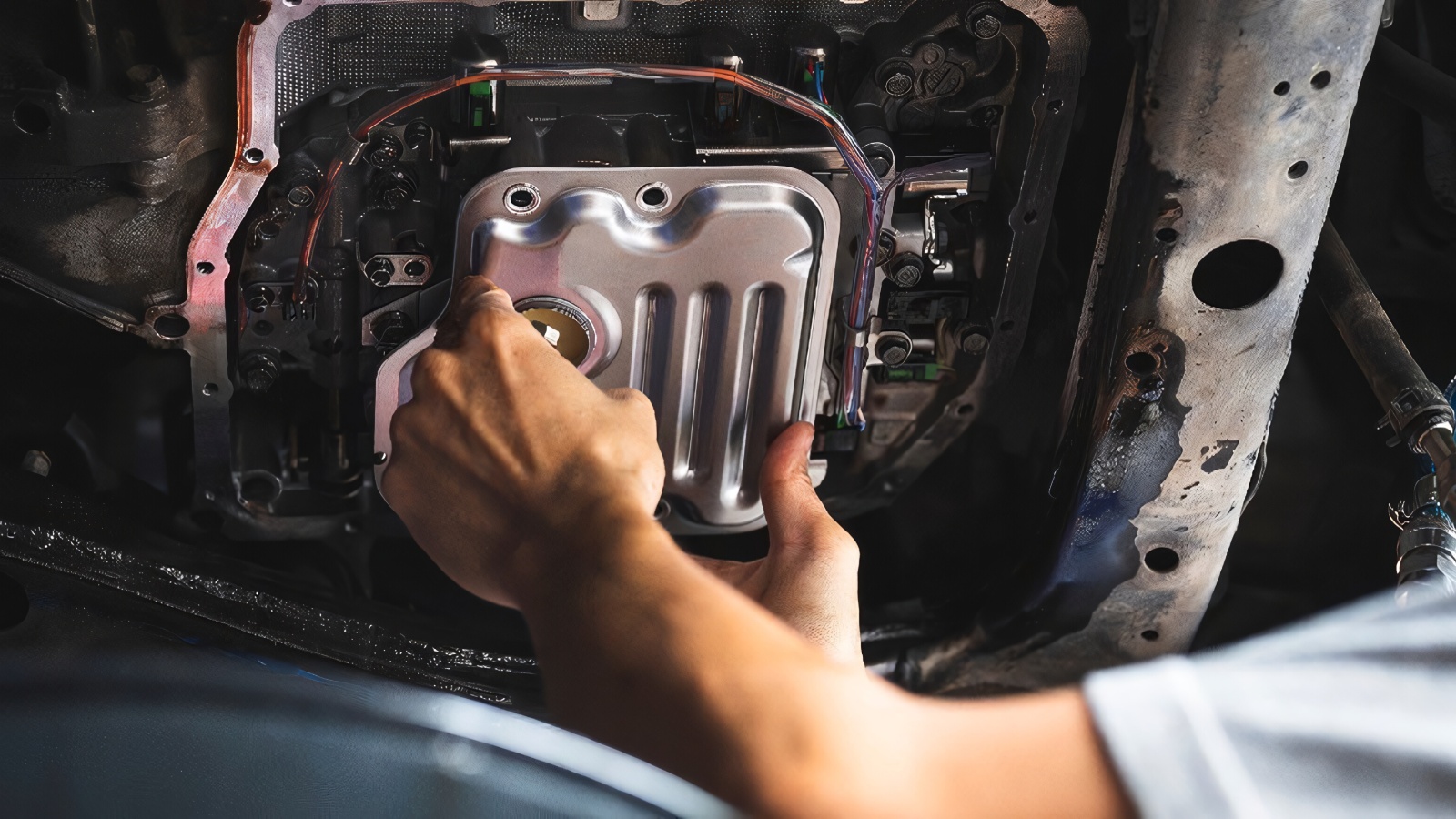
A fluid exchange may be appropriate for one transmission but premature or procedurally incorrect for another. Rough shifting, delayed engagement, overheating, contamination or a recent mechanical repair may justify diagnosis and service. However, a flush should not be presented as a guaranteed cure for worn clutches, damaged solenoids, internal leaks or valve-body problems.
Your defense: Ask the adviser to show the exact maintenance requirement for your VIN. Determine whether the quoted procedure is a drain-and-fill, pan removal, filter replacement or machine-powered flush. Require the proposed fluid specification in writing.
When the manual calls for transmission-fluid replacement, approve the manufacturer-prescribed procedure rather than automatically purchasing the shop’s most expensive package. If the vehicle already has shifting symptoms, authorize diagnosis first. New fluid cannot reliably reverse existing mechanical damage.
3. Fuel-Injector Cleaning Packages
Fuel-injector cleaning is frequently added to an oil-change estimate even when the engine starts normally, has no fuel-related trouble codes and shows no verified drivability problem. The service may involve pouring cleaner into the fuel tank, pressurizing solvent through the fuel rail or combining injector treatment with intake cleaning.
None of those procedures should automatically be considered necessary because the odometer has crossed a round number. Manufacturer guidance is specific to the vehicle, fuel system, and market. Ford states that aftermarket additives generally are not expected to improve system performance, while Toyota directs owners to consult the scheduled-maintenance information for services their vehicle actually requires.
Injector cleaning can be justified when diagnosis identifies restricted or uneven injectors, contaminated fuel, abnormal fuel-trim readings, repeat misfires, or an approved manufacturer repair procedure. The shop should demonstrate that condition rather than selling a cleaner solely on mileage.
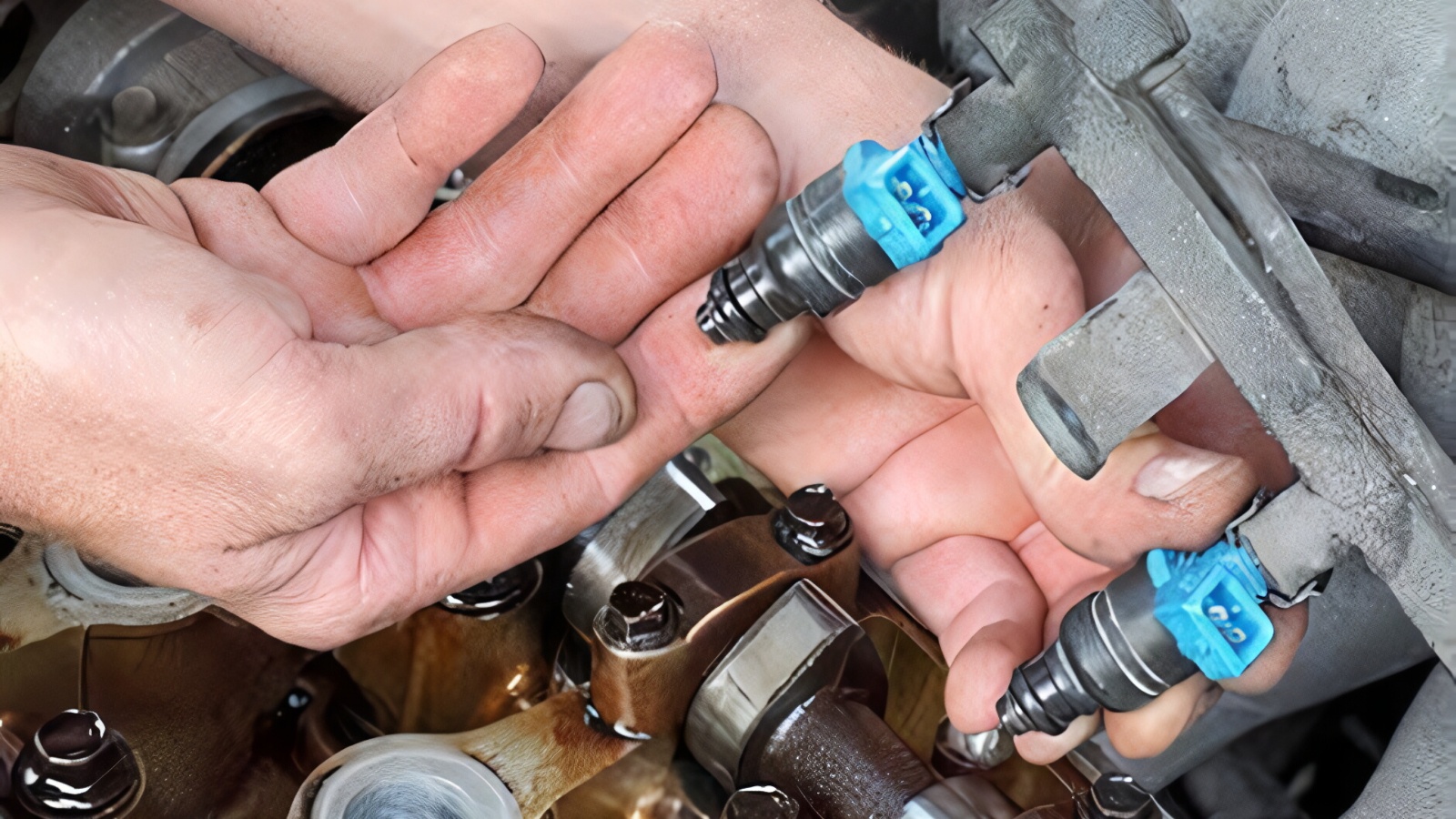
The proposed treatment should also match the problem. A bottle added to the fuel tank is different from an injector balance service or professional rail cleaning. An intake treatment may target an entirely different area of the engine and should not automatically be described as injector cleaning.
Your defense: Request the trouble codes, fuel-trim readings, misfire data or injector balance-test results. Ask whether the engine uses port injection, direct injection or a combination system and how the proposed procedure addresses the diagnosed deposit.
When no symptom, test result or maintenance requirement exists, decline the package. Continue using the fuel grade specified in the owner’s manual and investigate actual performance problems through proper diagnosis rather than purchasing a generic cleaning treatment.
4. Throttle-Body and Air-Induction Cleaning
“Air-induction service” can describe several different procedures: wiping the throttle plate, spraying solvent through the throttle body, introducing cleaner into the intake or attempting to remove deposits from intake valves. Shops often combine these operations into a premium package and recommend it at a fixed mileage, even when the vehicle idles normally.
Routine maintenance may include inspecting or replacing the engine air filter, but that does not automatically authorize chemical cleaning of the throttle body and intake tract. Toyota advises following the vehicle-specific services and intervals in the owner’s manual. Ford, meanwhile, cautions that aftermarket additives generally do not improve system performance.
A throttle body can legitimately require cleaning when deposits cause a sticking plate, unstable idle, reduced airflow, or another verified operating problem. However, a technician should demonstrate the deposit and connect it to the symptom. A generic photograph displayed at the service counter is not evidence of what is inside your engine.
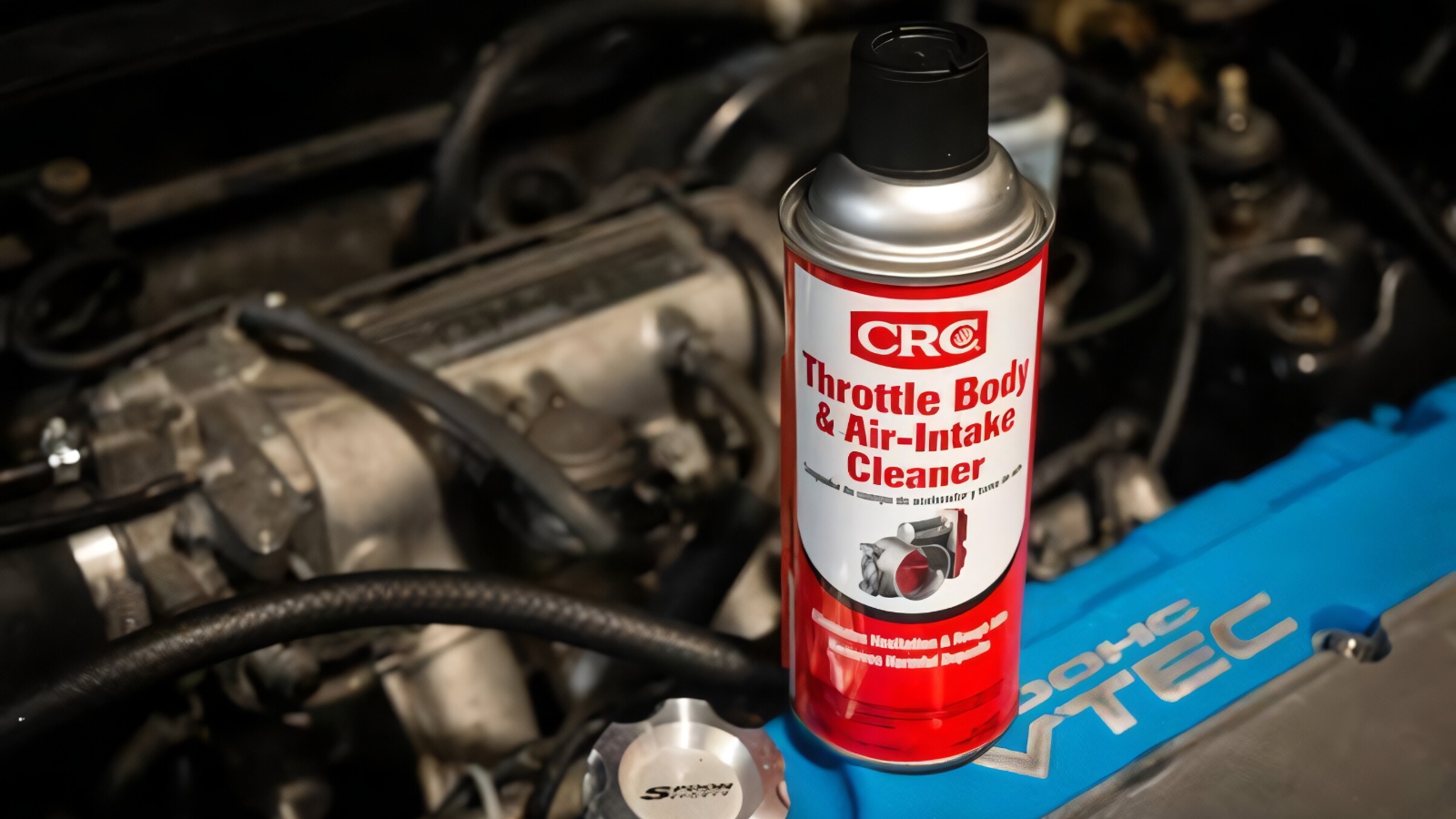
Different engines can also require different methods. Spraying cleaner ahead of the throttle body is not automatically equivalent to cleaning the throttle plate, injectors, or intake valves. A treatment that does not reach the affected component cannot reasonably be expected to correct the problem.
Your defense: Ask the shop to separate every procedure included in the package. Request photographs of your throttle body, relevant diagnostic codes, airflow information, and the manufacturer-approved cleaning method. Ask what exact product will be used and whether electronic throttle relearning will be required afterward.
Approve cleaning only when the shop identifies a real condition and proposes a method suitable for the vehicle. Decline a generic mileage-based package unsupported by inspection, symptoms, or manufacturer instructions.
5. Power-Steering-Fluid Flushes
A power-steering-fluid flush is particularly easy to challenge because many newer vehicles have electric power-assisted steering and contain no power-steering fluid. Ford explicitly states that many modern vehicles use Electric Power-Assist Steering, or EPAS, and therefore do not use hydraulic steering fluid.
Some maintenance schedules still include a recommended power steering service at certain mileage intervals without checking the type of steering system the vehicle has. Vehicles equipped with electric power steering do not use power steering fluid. As a result, offering a fluid flush for these models is unnecessary because there is no hydraulic system that requires this type of maintenance.
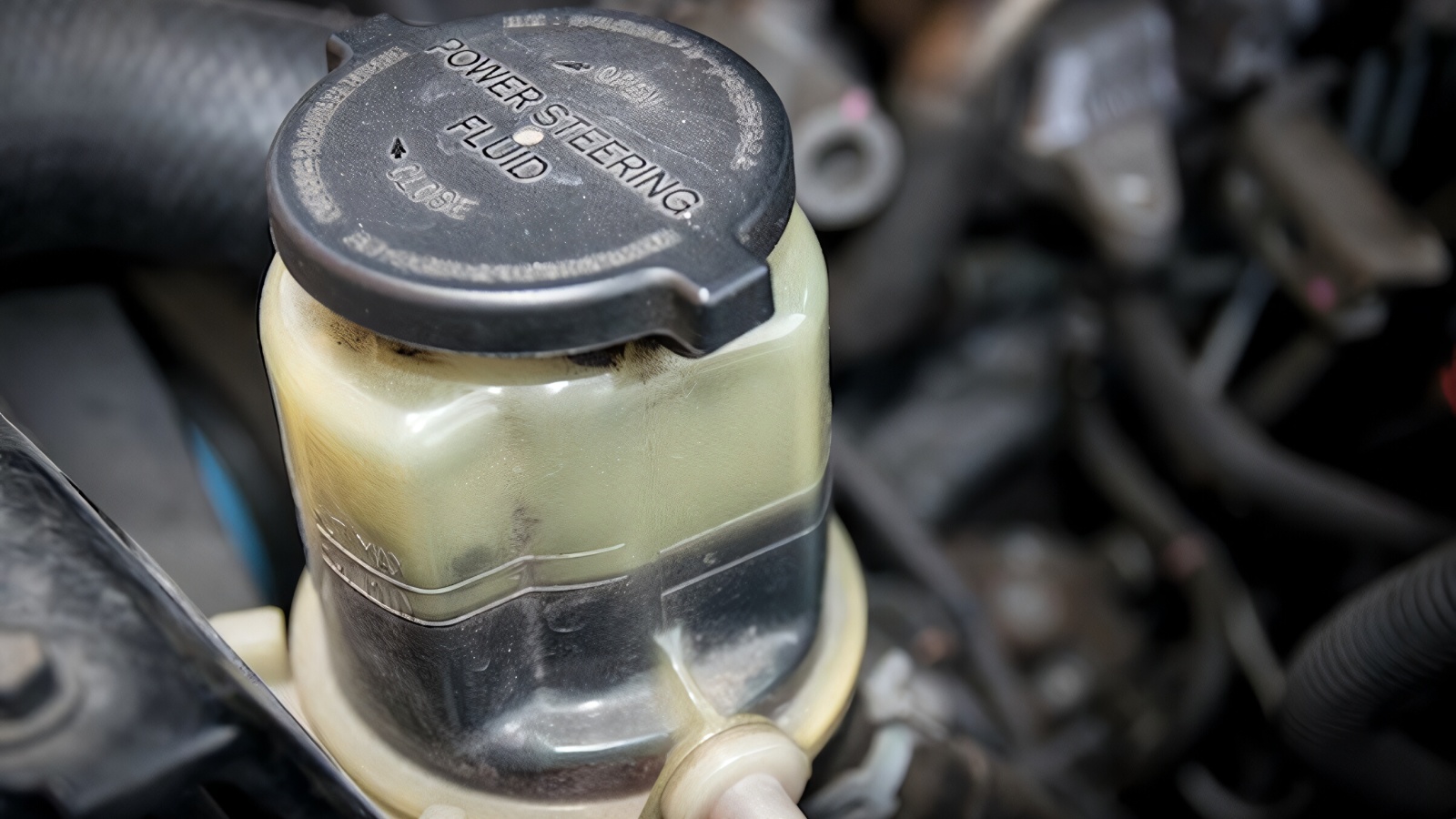
Older hydraulic systems do use power-steering fluid, and some vehicles may require fluid inspections or model-specific servicing. A low reservoir, visible leak, contaminated fluid, pump noise, heavy steering, hose replacement, or component repair can make service necessary. However, the appropriate response to a low fluid level is to locate the leak rather than merely topping up the reservoir or selling an exchange.
Your defense: Begin with one question: “Does my vehicle actually have hydraulic power steering?” Ask the adviser to show you the reservoir and the corresponding maintenance requirement in the owner’s manual. If the vehicle uses electric steering, decline the fluid service immediately.
For a hydraulic system, request the required fluid specification, the technician’s findings and the manufacturer-prescribed procedure. Make sure the quotation distinguishes between exchanging fluid, replacing a leaking hose and repairing a failing pump or steering rack.
Steering symptoms should never be ignored because the system affects vehicle control. Nevertheless, an unsupported flush can waste money, introduce incompatible fluid or distract from the actual mechanical or electrical problem causing the complaint.
Also read: 10 Car Fees That Vanish the Moment a Buyer Questions Them
6. Premature Brake-Fluid Exchanges
Brake-fluid replacement is legitimate maintenance. The upsell occurs when a shop invents a shorter interval than the manufacturer, recommends the exchange at nearly every service visit, or relies on an unexplained visual judgment.
Manufacturer schedules vary. Subaru maintenance recommendations, for example, include brake-fluid replacement at defined intervals on applicable models, while Ford advises owners to replace brake fluid according to the maintenance schedule for their specific vehicle. These instructions support model-specific service, not a universal annual or mileage-only rule.
A recommendation made before the scheduled interval should include objective evidence. That could involve a documented test result, contamination introduced during hydraulic repairs, or another condition identified during brake-system diagnosis. Merely pointing out that used fluid looks different from fluid in a new bottle does not establish that it has failed its specification.
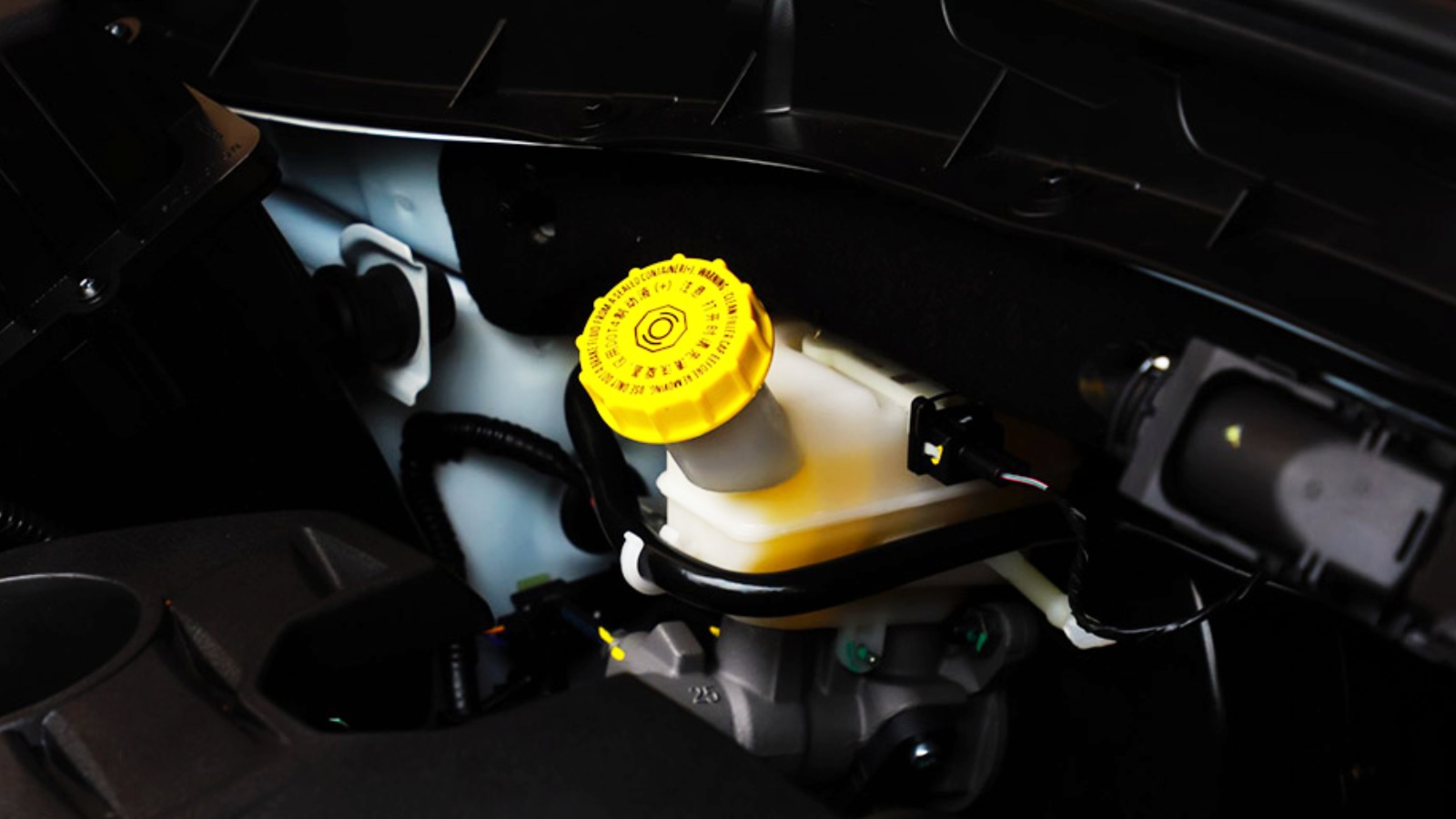
The shop should also verify the correct fluid type. Using an incompatible product or performing an improper bleeding procedure can create problems in a safety-critical system.
Your defense: Ask, “What replacement interval applies to my exact model and year, and when was this fluid last changed?” Request the actual test reading, the acceptable threshold and the required DOT specification. Ask whether the service includes bleeding all applicable brake circuits.
When the service is due, complete it and record the date and mileage. When it is not due, and the shop cannot provide a failed measurement, postpone it until the manufacturer’s interval. Maintaining a service history prevents another adviser from recommending the same exchange at the next oil change.
7. Battery-Terminal Protection Packages
Battery-terminal service is often presented as a preventive package containing cleaning, colored anti-corrosion spray, felt washers and a battery test. Cleaning is appropriate when corrosion is present, but charging every customer for the package regardless of condition has little support.
Toyota’s current owner guidance instructs drivers to make sure the 12-volt battery terminals are not corroded and that there are no loose connections, cracks or unsecured clamps. Toyota’s battery-replacement instructions recommend cleaning the terminals to remove existing corrosion and applying a thin layer of terminal grease during installation. That is condition-based work, not proof that a paid terminal treatment is required during every oil change.
A proper inspection should identify visible white, blue or green buildup, loose cables, acid residue, damaged terminals or a failed battery test. If the terminals are already clean and tight, repeatedly coating them may provide little practical value.
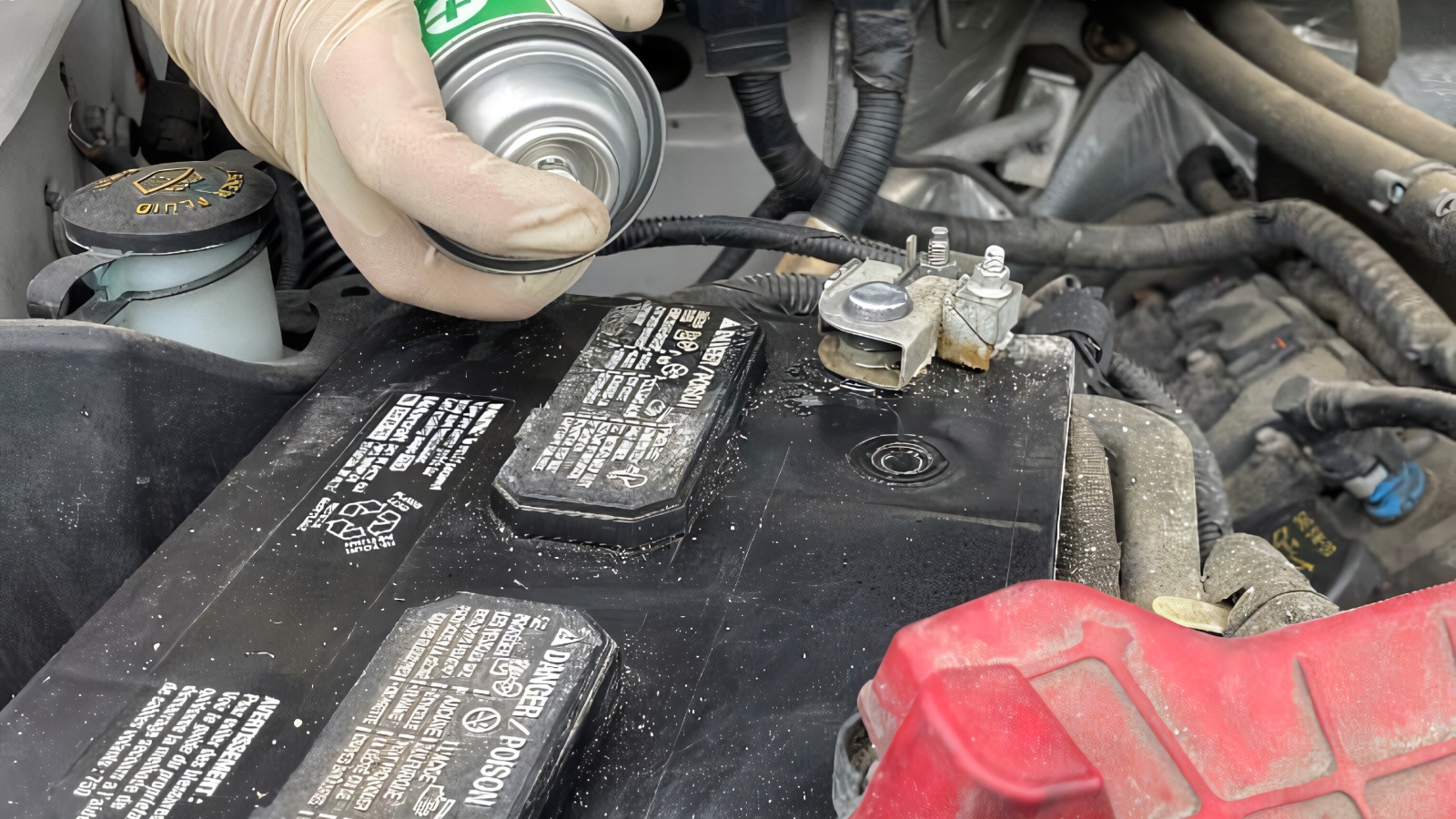
Terminal spray also cannot correct low battery capacity, an internal battery failure, alternator trouble or an excessive electrical draw. Those conditions require testing and diagnosis.
Your defense: Ask to see the terminals before authorizing cleaning. Request the complete battery-test result, including measured voltage, battery rating and reported state of health. Confirm that the tester was programmed with the correct battery type and cold-cranking-amp rating.
Approve cleaning when deposits or connection problems are visible, particularly during battery replacement. Decline the package when the terminals are clean, and the adviser offers no evidence. Pay for an accurate battery and charging-system evaluation, not a decorative coating presented as mandatory maintenance.
8. Nitrogen Tire Inflation
Nitrogen tire inflation is frequently sold as a premium maintenance service, sometimes with recurring refill charges or claims that it eliminates routine pressure checks. Nitrogen can escape more slowly than ordinary compressed air, and dry nitrogen may offer limited moisture-related benefits. That does not make it required maintenance for normal passenger vehicles.
Michelin states that most tires can be inflated with either air or nitrogen as long as the pressure recommended by the vehicle manufacturer is maintained. Michelin also warns that nitrogen cannot keep tires at the correct pressure indefinitely and that pressure must still be checked regularly.
Ordinary dry air is already approximately 78 percent nitrogen. More importantly, pressure can be lost through punctures, valve leaks, wheel-sealing problems and natural leakage regardless of which gas is inside the tire. A nitrogen-filled tire can therefore become dangerously underinflated.
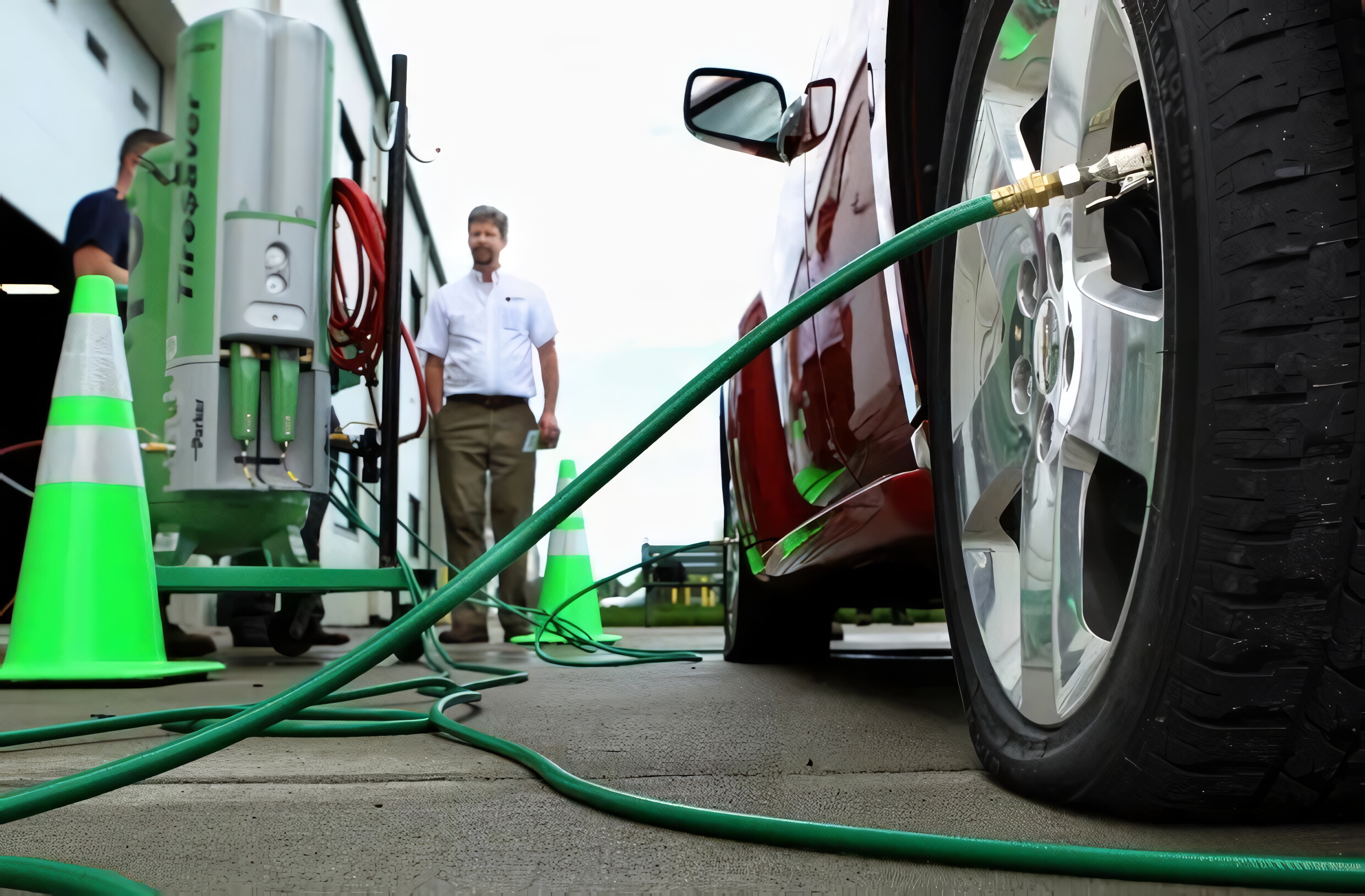
Regular air and nitrogen can also be mixed. When a tire is low, correcting the pressure promptly with available compressed air is safer than driving underinflated while searching for a nitrogen machine.
Your defense: Ask what measurable benefit the fee provides for your driving conditions and whether future top-offs are included. Do not accept claims that nitrogen removes the need for pressure monitoring. Use the cold-pressure figure printed on the vehicle’s door-jamb label and investigate any tire that repeatedly loses pressure.
Nitrogen may be reasonable when it is complimentary or used in a specialized application. For an everyday road car, repeatedly paying for it is usually an optional purchase rather than manufacturer-backed scheduled maintenance. A dependable pressure gauge and regular checks provide more useful protection.
Also read: 5 Cars With Cheap Alternator Jobs and 5 That Cost $1,100
