

Buying a vehicle can become complicated when the advertised price is replaced by a long list of unfamiliar fees. While taxes, title charges, and government registration costs are usually required, many dealership add-ons are optional and may be removed, reduced, or negotiated into a lower purchase price.
To avoid unnecessary costs, buyers should focus on the out-the-door price rather than monthly payments. Requesting an itemized buyer’s order, reviewing each charge, and asking whether fees are required can reveal unwanted additions.
The FTC has warned against misleading pricing practices and recommends getting written quotes before visiting dealerships. Although not every fee can be eliminated, questioning each charge gives buyers a better chance of avoiding unnecessary expenses.
1. Nitrogen-Filled Tire Fee
A nitrogen-filled tire package is one of the easiest dealership add-ons to challenge. It may appear under names such as “nitrogen protection,” “tire enhancement,” “NitroFill,” or “premium tire service.” The charge can range from a modest amount to several hundred dollars, particularly when bundled with valve-stem caps, roadside assistance, tire warranties, or other protection products.
The problem is not that nitrogen has no legitimate use. Tires used in specialized aviation, racing, industrial, or extreme-temperature applications may benefit from controlled nitrogen inflation. For an ordinary passenger vehicle, however, the buyer should question whether the dealership’s package provides enough measurable value to justify its price. Ordinary compressed air already contains mostly nitrogen, and drivers can maintain safe tire pressure using readily available air.
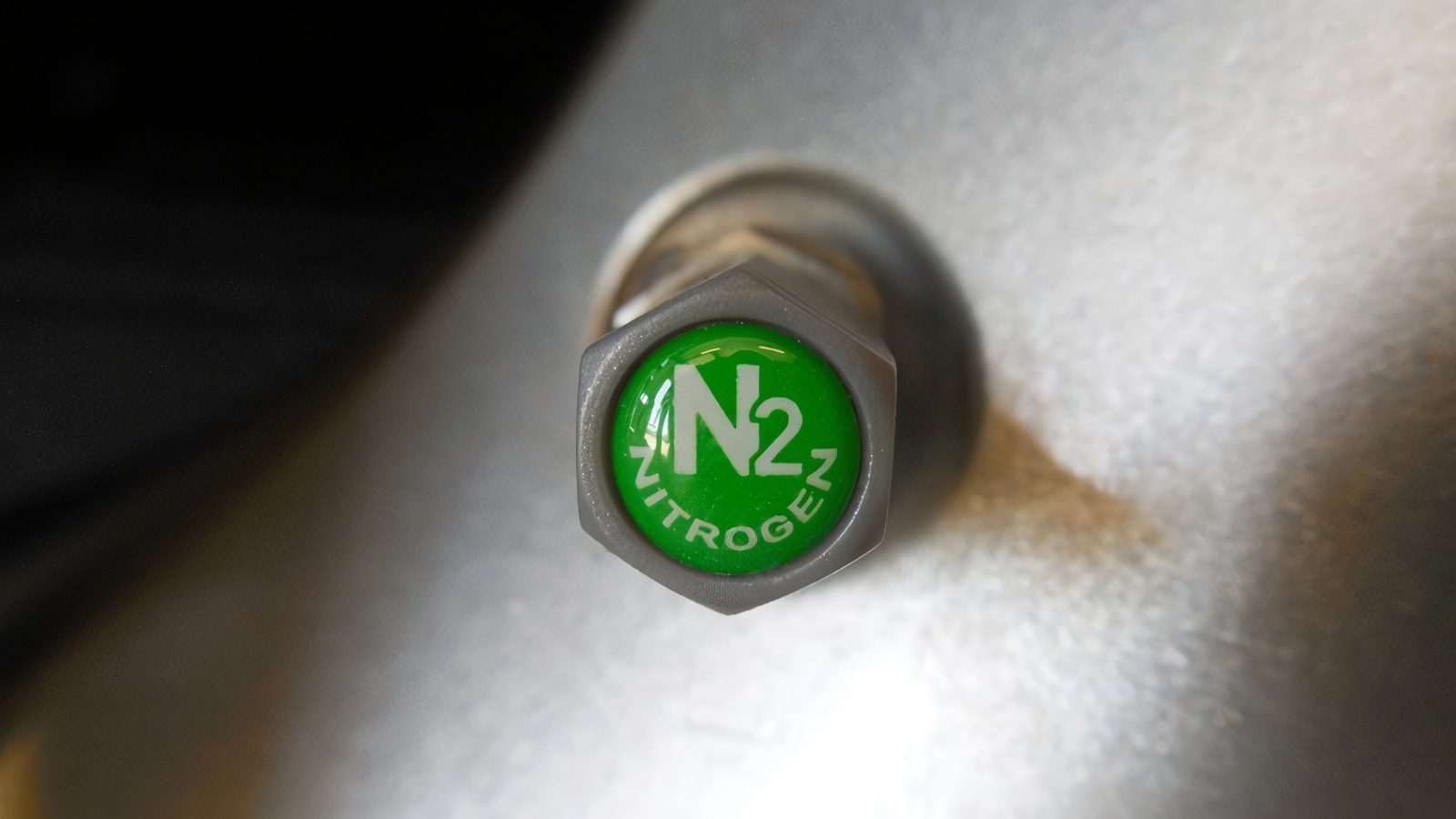
Nitrogen tires have repeatedly appeared in federal auto-dealer enforcement materials. In a 2024 case, the FTC and Arizona alleged that a dealership added products such as nitrogen-filled tires, VIN etching, window tint, and theft-recovery services while telling some buyers that the products were required. The FTC has also identified nitrogen products containing no more nitrogen than normal air as an example of an add-on that may provide no meaningful benefit.
The buyer’s strongest response is direct:
Fee defense: “I did not request nitrogen service. Please remove the charge and deliver the tires at the manufacturer’s recommended pressure.”
If the dealership says the tires have already been filled, ask whether the nitrogen can be left in the tires at no charge. The dealer does not need to remove the gas to remove the price. When the package remains mandatory, compare the revised out-the-door price with another dealership rather than debating the claimed retail value of nitrogen.
2. VIN-Etching Fee
VIN etching places all or part of a vehicle’s identification number on its windows. Dealers commonly promote it as a theft deterrent because marked glass may make a stolen vehicle more difficult to resell or dismantle. The service itself is real, but the dealership’s price and claim that it is mandatory deserve scrutiny.
Some stores charge hundreds of dollars for etching that may be available through independent providers or do-it-yourself kits for considerably less. Other dealerships attach the fee to a broader theft-registration program, making it difficult to determine whether the buyer is paying for physical etching, database registration, an insurance-style benefit, or all three.
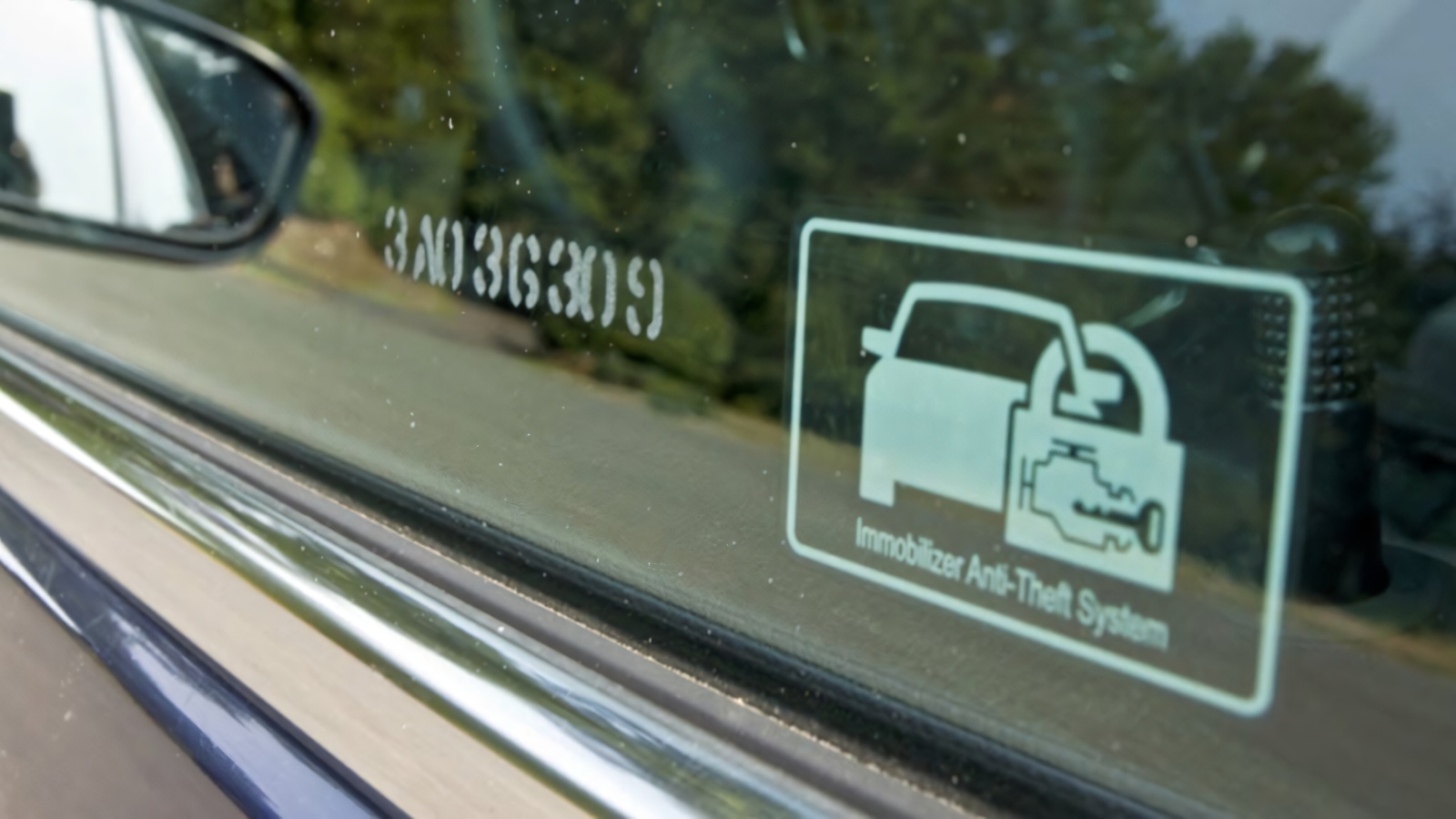
Federal consumer agencies classify VIN etching as an optional dealership add-on. The FTC advises used-car buyers that they can usually purchase a vehicle without add-ons such as GAP coverage, VIN etching, and rustproofing. It recommends asking exactly how much each product costs and what the buyer receives in return.
VIN etching has also appeared in FTC complaints involving products allegedly added without consent or described as necessary for financing. The agency has challenged dealerships accused of packing financing agreements with VIN etching, extended warranties, maintenance plans, and GAP products that consumers had not knowingly chosen.
Fee defense: “Is VIN etching required by the state, the lender, or the manufacturer? Please show me that requirement in writing. Otherwise, remove it.”
Inspect the vehicle before negotiating. Etching may already be present, but that does not automatically establish that the buyer ordered it. If the dealership insists that every vehicle includes the product, focus on the total transaction: require an equivalent reduction in the vehicle price or obtain an unbundled quote from a competing seller.
3. Paint, Fabric, and Rustproofing Package
Paint sealant, ceramic-style coatings, fabric protection, undercoating, and rustproofing are frequently bundled into a dealership protection package. These products can provide some benefit when properly applied, but their value depends heavily on the actual material, preparation, workmanship, warranty exclusions, and price.
The first warning sign is a vague description. A buyer may see a charge such as “appearance protection $1,495” without knowing whether the vehicle received a professional coating, a basic spray application, an interior treatment, or merely enrollment in a limited repair program. Some warranties cover only specific stains or environmental damage and may exclude neglect, commercial use, pre-existing defects, or claims that are not reported promptly.
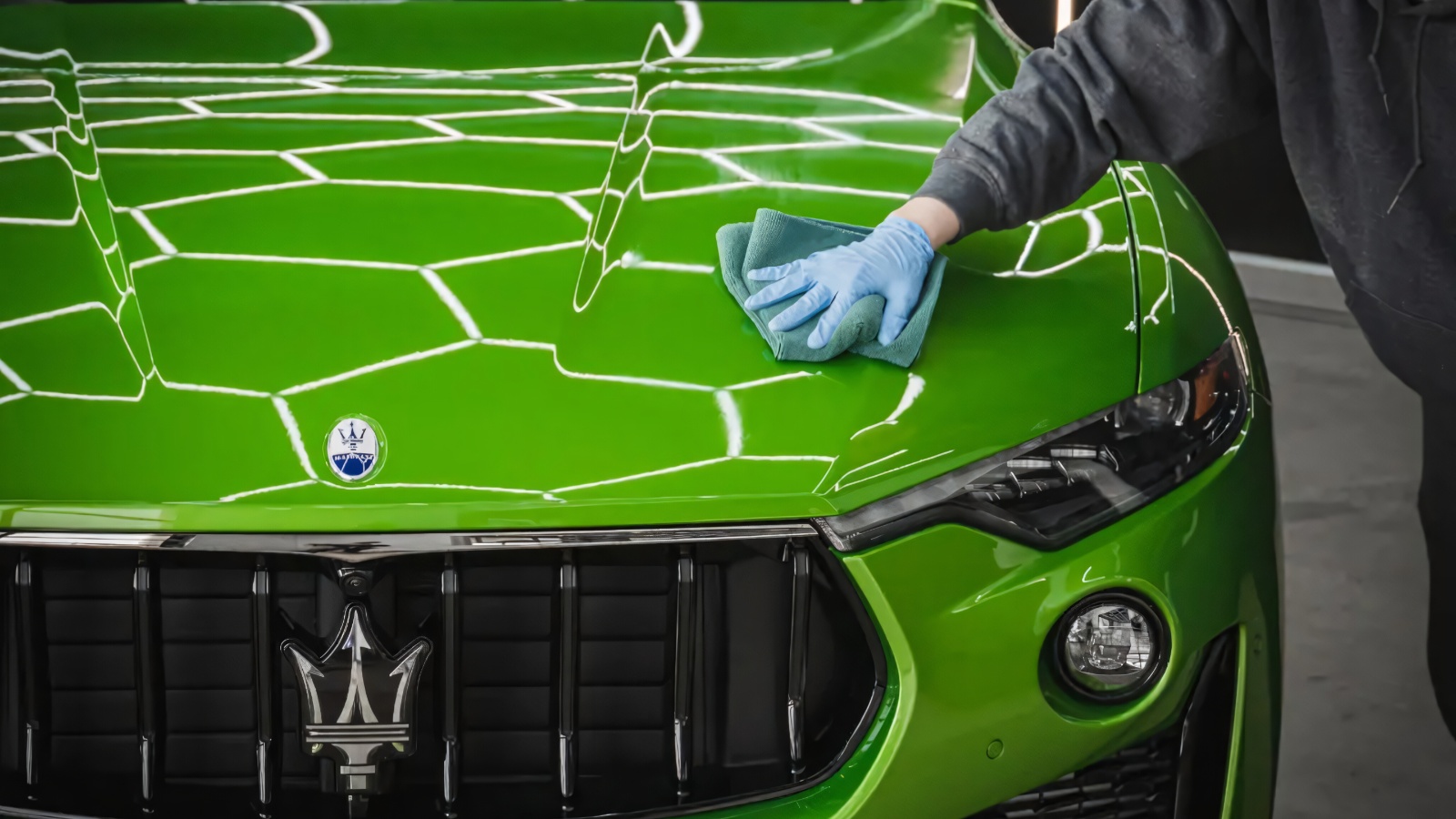
The CFPB lists tire, dent, paint, and fabric protection among the add-ons dealerships may offer. The FTC similarly identifies rustproofing as an optional product that buyers can usually decline or obtain from an independent provider.
Before accepting the charge, request the product name, application date, installer, warranty administrator, coverage limits, exclusions, cancellation terms, and stand-alone cash price. Do not evaluate it solely by how little it adds to the monthly payment.
Fee defense: “I did not select an appearance-protection package. Remove it from the buyer’s order, or reduce the vehicle price by the full amount.”
The dealership may argue that the coating has already been applied. That affects whether the physical product can be removed, not whether the buyer must accept an undisclosed charge.
If the dealer refuses to sell the car without it, treat the package as part of the real vehicle price and compare that total against competing offers. A pre-installed product is not free, but neither should it be introduced only after the buyer has negotiated around a lower advertised figure.
4. Theft-Recovery or GPS-Tracking Fee
Theft-recovery products may use GPS hardware, identification labels, registration databases, or partnerships with recovery services. They can appear as “LoJack,” “vehicle recovery,” “security package,” “anti-theft registration,” or “location protection.” Buyers should not assume that the product is the same as the vehicle’s factory-connected services or that it is required by the lender.
The key questions are whether hardware is actually installed, how long the service lasts, whether a subscription renewal is needed, who can access location data, and what happens if the provider closes or stops supporting the device. A large upfront fee may cover only a limited service period. Some programs offer a payment if the car is not recovered, but the benefit may contain conditions, deadlines, deductibles, or geographic restrictions.
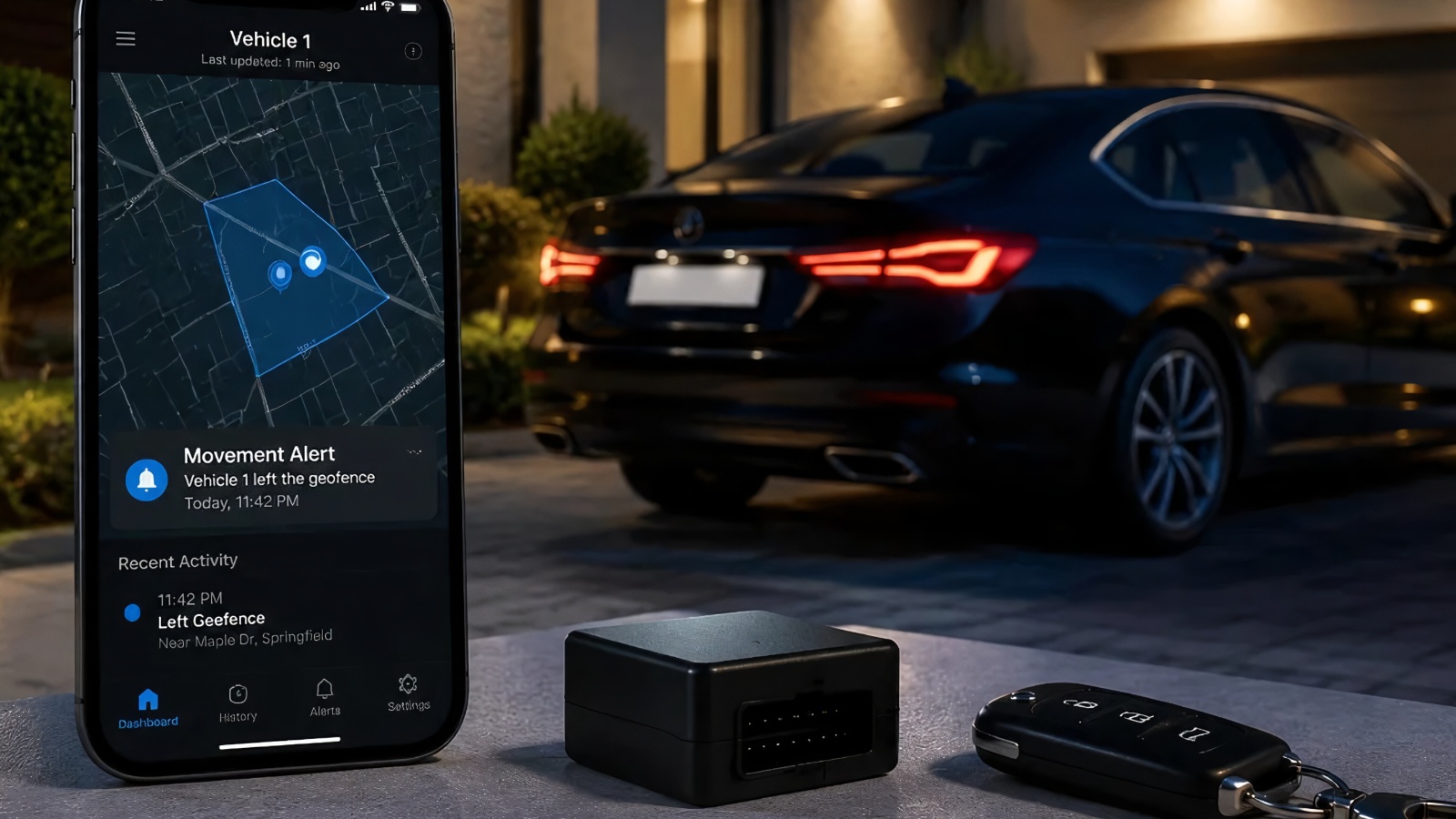
The FTC’s 2024 Arizona case identified theft-recovery services among add-ons that buyers were allegedly told they had to purchase. That same case involved nitrogen tires, tint, VIN etching, paint coating, and other charges that allegedly increased vehicle prices by hundreds or thousands of dollars.
Fee defense: “I do not authorize a theft-recovery subscription or tracking product. Remove the hardware and charge, or provide the vehicle without activating the service.”
If removal could damage the vehicle, propose leaving the inactive device installed while deleting the fee. Also verify whether the vehicle already includes factory tracking through its manufacturer. Paying twice for overlapping systems may provide little additional value.
When the salesperson claims that the lender requires the device, ask the lender directly and request the requirement in writing. Optional protection should not be presented as a condition of credit without verifiable documentation. If the dealer will not remove it, compare the full out-the-door price elsewhere.
5. Mandatory Dealer-Installed Accessory Package
A dealer-installed accessory package may include window tint, wheel locks, splash guards, door-edge film, pinstripes, cargo trays, alarm systems, running boards, bed liners, or protective films. These products are visible and may be useful, but the package becomes questionable when the dealership advertises a low vehicle price and later announces that every buyer must pay for accessories that were not included in that price.
The central issue is not whether the accessories physically exist. It is whether their cost was clearly disclosed and whether the buyer has a meaningful choice. Dealership pricing cases have involved allegedly pre-installed products that consumers were required to purchase after responding to lower advertised prices.

In a 2024 Illinois case, the FTC and state attorney general alleged that dealerships lured buyers with lower prices and then required them to buy pre-installed add-ons or charged for those products without permission.
Ask for an itemized list containing the retail price of every accessory. Compare those figures with the manufacturer’s accessory catalog and independent installation prices. Some items may be marked up far beyond their replacement cost.
Fee defense: “I am purchasing the vehicle, not the accessory package. Remove the accessories and the charge, or discount the vehicle by the package amount.”
The store may say that wheel locks or tint cannot conveniently be removed. In that situation, negotiate the package to zero or reduce the selling price by an equal amount. Avoid arguing about whether each accessory is “worth it.” The useful comparison is the out-the-door total against a similar vehicle without the package.
If every car at that dealership carries the same add-ons, another seller may provide a cleaner transaction even when its advertised price initially appears slightly higher.
6. Certified Pre-Owned Certification Fee
A certified pre-owned vehicle normally commands a higher asking price because it has supposedly completed a manufacturer-defined inspection and qualification process and includes specified warranty or assistance benefits. A separate certification fee added after the advertised price should therefore receive immediate scrutiny.
The first question is whether the vehicle was already advertised as certified. When certification was part of the advertisement, the buyer has a strong argument that the advertised price should already reflect the cost of preparing and selling it in that condition. A dealership should not use “certified” to attract a buyer and then reveal that certification costs thousands more.

FTC cases provide concrete examples. In litigation involving Passport Automotive, the agency alleged that dealerships advertised vehicles as certified, inspected, or reconditioned and then added separate fees that increased the price beyond the advertised amount. The FTC stated that some manufacturers specifically prohibited separate certification charges.
In another case, the FTC alleged that dealerships advertised certified pre-owned vehicles and then charged hundreds or thousands of dollars in additional certification fees. The agency also alleged that some required certification work had not been performed, potentially leaving buyers without the manufacturer-backed benefits they expected.
Fee defense: “This vehicle was advertised as certified. Show me the manufacturer’s rule permitting a separate certification fee and confirm the warranty using the VIN. Otherwise, remove the fee.”
Obtain the certification checklist, warranty booklet, in-service date, mileage limitations, and confirmation that the vehicle has been registered in the manufacturer’s certification system. If the dealer offers to “uncertify” the vehicle to remove the fee, compare both versions carefully. The lower-priced car may lose valuable warranty coverage, roadside assistance, or financing incentives. The goal is not automatically to reject certification; it is to prevent a previously advertised feature from becoming a surprise second charge.
7. Reconditioning, Inspection, Shop, or Dealer-Prep Fee
Used vehicles normally require cleaning, mechanical assessment, minor repairs, and preparation before they are offered for sale. Dealers incur real costs during that process. However, buyers should challenge a separate reconditioning, inspection, shop, or dealer-preparation fee introduced after the advertised price.
Reconditioning is generally part of a dealership’s cost of creating saleable inventory, much like rent, employee wages, photography, and lot maintenance. A dealer may choose to recover those costs through its selling price, but an undisclosed fee added later can make the original advertisement misleading.

The FTC has repeatedly addressed this practice. Its case against Passport Automotive alleged that dealerships advertised cars as certified, reconditioned, or inspected and later imposed separate charges for those same conditions. In one example cited by the FTC, a vehicle advertised for $24,050 was allegedly sold for $26,440 after extra fees.
The FTC’s case involving Leader Automotive similarly alleged excessive reconditioning charges on non-certified used cars. In an earlier Bronx Honda case, the agency described dealer-prep, shop, reconditioning, certification, and document charges added to advertised certified vehicles.
Fee defense: “Was this reconditioning fee included in the advertised price? Please provide an itemized repair invoice and remove any amount already reflected in the vehicle’s price.”
Do not confuse dealership reconditioning with an independent pre-purchase inspection chosen by the buyer. The latter can be valuable because it is performed for the buyer’s benefit by a mechanic the buyer selects.
When the dealer refuses to delete the fee, subtract the full amount from the vehicle offer. Negotiate one out-the-door figure rather than allowing the store to preserve its profit by moving money between the selling price and a reconditioning line.
8. Market Adjustment or Additional Dealer Markup
A market adjustment, also called an additional dealer markup, availability adjustment, demand premium, or price adjustment, is not a government fee. It is an increase chosen by the dealership, usually because a model is scarce, newly released, highly desirable, or available in limited numbers.
Unlike an unauthorized add-on, a clearly disclosed market adjustment is not automatically unlawful. The buyer’s best defense is therefore negotiation and competition rather than claiming that every markup is prohibited. The problem arises when a dealership advertises one price, attracts a customer, and reveals the adjustment only after the customer arrives or spends hours negotiating.
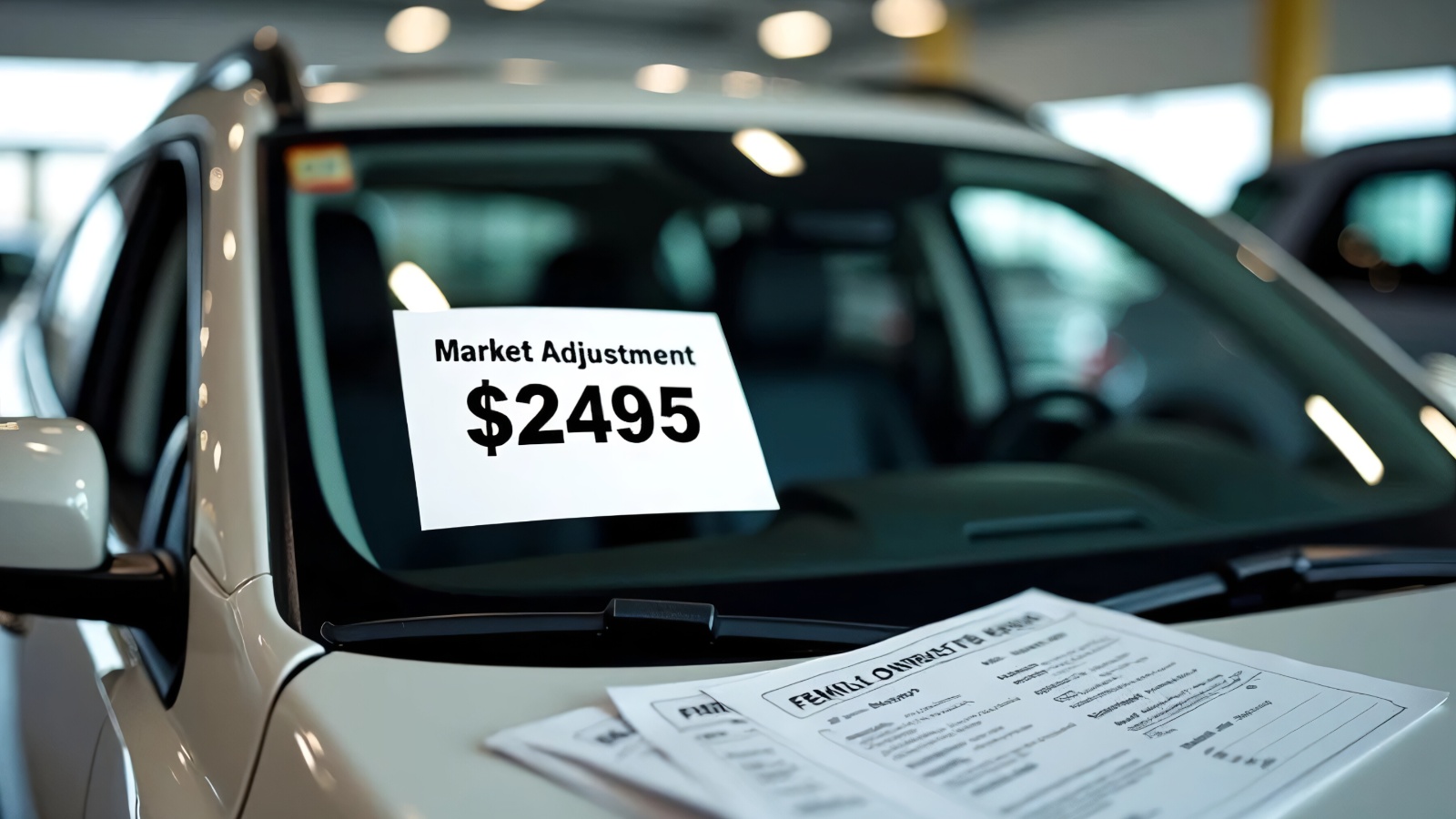
FTC enforcement has addressed this pattern. In its 2024 action involving an Arizona dealership, the agency alleged that buyers encountered hundreds or thousands of dollars in market adjustments, pre-installed add-ons, and miscellaneous charges beyond advertised prices.
In March 2026, the FTC warned dealership groups that advertised prices should correspond to the amounts consumers can actually pay and should include mandatory dealership fees.
Fee defense: “I will buy at the advertised selling price without the market adjustment. If that is unavailable, give me your best written out-the-door price.”
The markup may disappear when the model has been in inventory for an extended period, another dealer has a similar car, the buyer is flexible about color or trim, or demand has weakened. Do not negotiate it through a higher trade-in allowance or longer loan without checking the complete numbers.
If the dealership refuses, walking away is often more effective than continuing to debate. A market adjustment exists because the seller believes another customer will pay it. The buyer’s leverage comes from proving that equivalent inventory is available elsewhere or waiting until the scarcity passes.
9. Extended Warranty or Vehicle Service Contract
An extended warranty, more accurately described in many transactions as a vehicle service contract, is an optional agreement covering certain repairs after or alongside the original warranty. It can be useful for buyers who value predictable repair expenses, but it should not be inserted automatically or presented as a condition for receiving financing.
The CFPB states that extended warranties, GAP products, and credit insurance generally are not required to obtain an auto loan. It advises consumers that they may walk away when a dealer or lender pressures them to buy optional products.
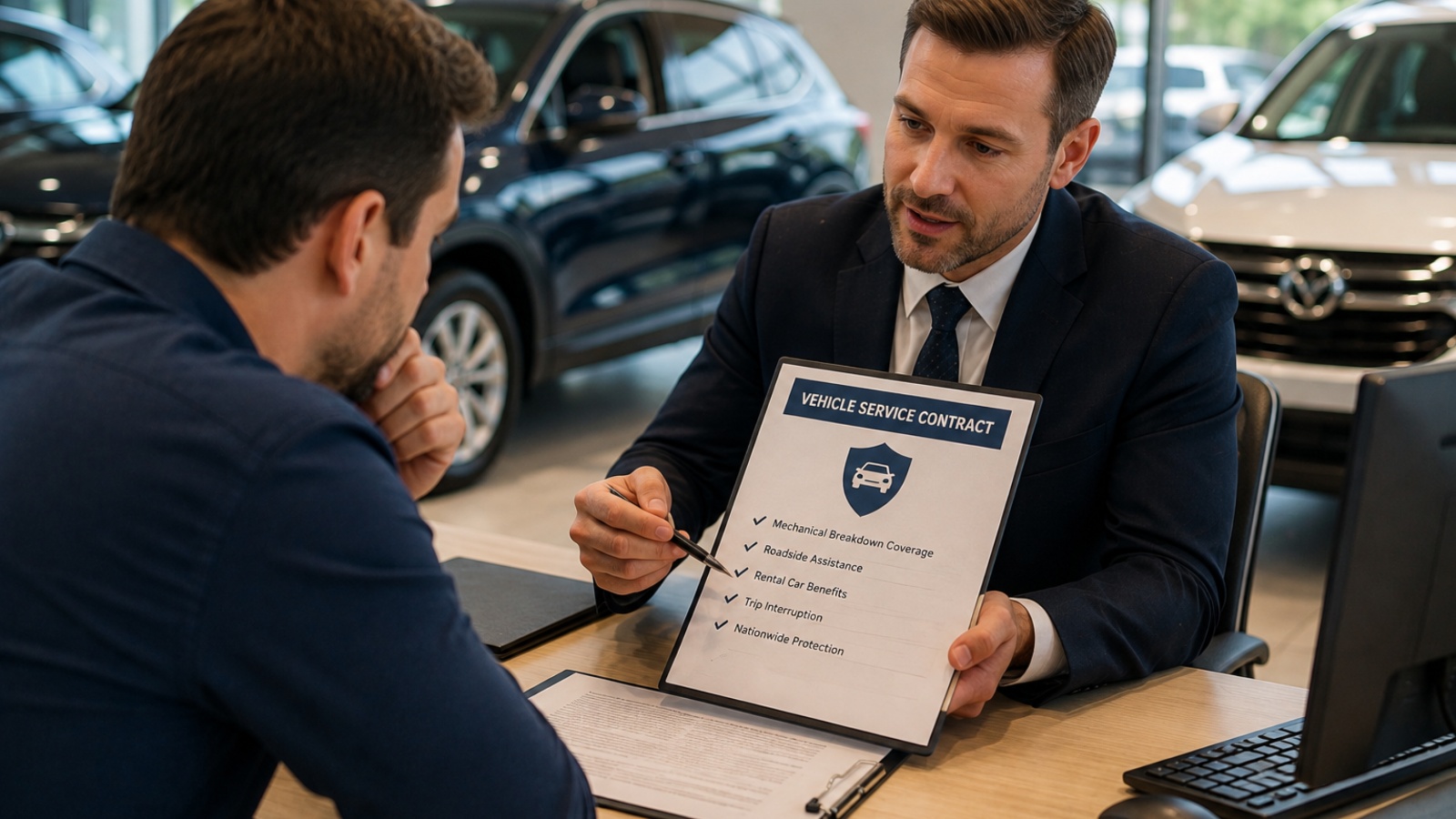
Before accepting a service contract, identify the provider, deductible, covered systems, exclusions, labor-rate limits, claim-authorization process, repair-location requirements, term, mileage limit, cancellation procedure, and refund formula.
Compare the contract with the manufacturer’s existing warranty to avoid paying for overlapping protection. The CFPB explains that a manufacturer’s warranty is included with the vehicle, while an extended warranty or service contract is an additional product with separate coverage.
Fee defense: “Remove the service contract and recalculate the amount financed, annual percentage rate, monthly payment, and total of payments.”
The recalculation matters because financing the contract means paying interest on it. A salesperson may describe a $2,500 contract as only a small monthly increase, but the buyer should examine its full price plus financing cost.
If the finance manager claims that the warranty is necessary to receive a particular interest rate, ask for that lender requirement in writing and contact the lender independently. Never rely solely on a verbal explanation.
A service contract should survive questioning because its coverage and price make sense—not because the buyer believes the loan will be denied without it.
10. GAP Insurance and Credit-Insurance Charges
Guaranteed Asset Protection, commonly called GAP, is designed to address the difference between a vehicle’s insured value and the outstanding loan balance when the vehicle is stolen or declared a total loss.
It can be valuable for buyers making small down payments, financing for long terms, rolling negative equity into a new loan, or purchasing vehicles expected to depreciate rapidly. Nevertheless, GAP is generally optional, and its price can be challenged.
The CFPB explains that GAP is intended to cover some or all of the shortfall between the loan balance and the amount paid by the auto insurer. The bureau also states that buyers generally cannot be required to purchase GAP, an extended warranty, or credit insurance to obtain financing.
Credit insurance is a different product. Depending on the policy, it may make loan payments or pay a balance after events such as death, disability, or involuntary unemployment. The CFPB describes credit insurance as optional and warns that adding it to an auto loan increases both the amount financed and the interest paid.
Fee defense: “Remove GAP and all credit-insurance products. Show me the revised contract with a lower amount financed and total cost.”
Before rejecting GAP entirely, check whether equivalent coverage is available through an auto insurer, credit union, bank, or existing policy at a lower price. Review exclusions involving loan-to-value limits, missed payments, late charges, deductibles, commercial use, and refinancing.
Also request the cancellation and refund terms. When a loan is paid off or refinanced early, the borrower may be entitled to a prorated refund under the contract or applicable law, but procedures vary.
The best decision is not automatically “no.” It is refusing undisclosed or overpriced coverage until the dealership demonstrates exactly what it costs, what it covers, and why it suits the buyer’s financial risk.
Also read: 10 Cars With Spark Plugs Behind the Intake Manifold
