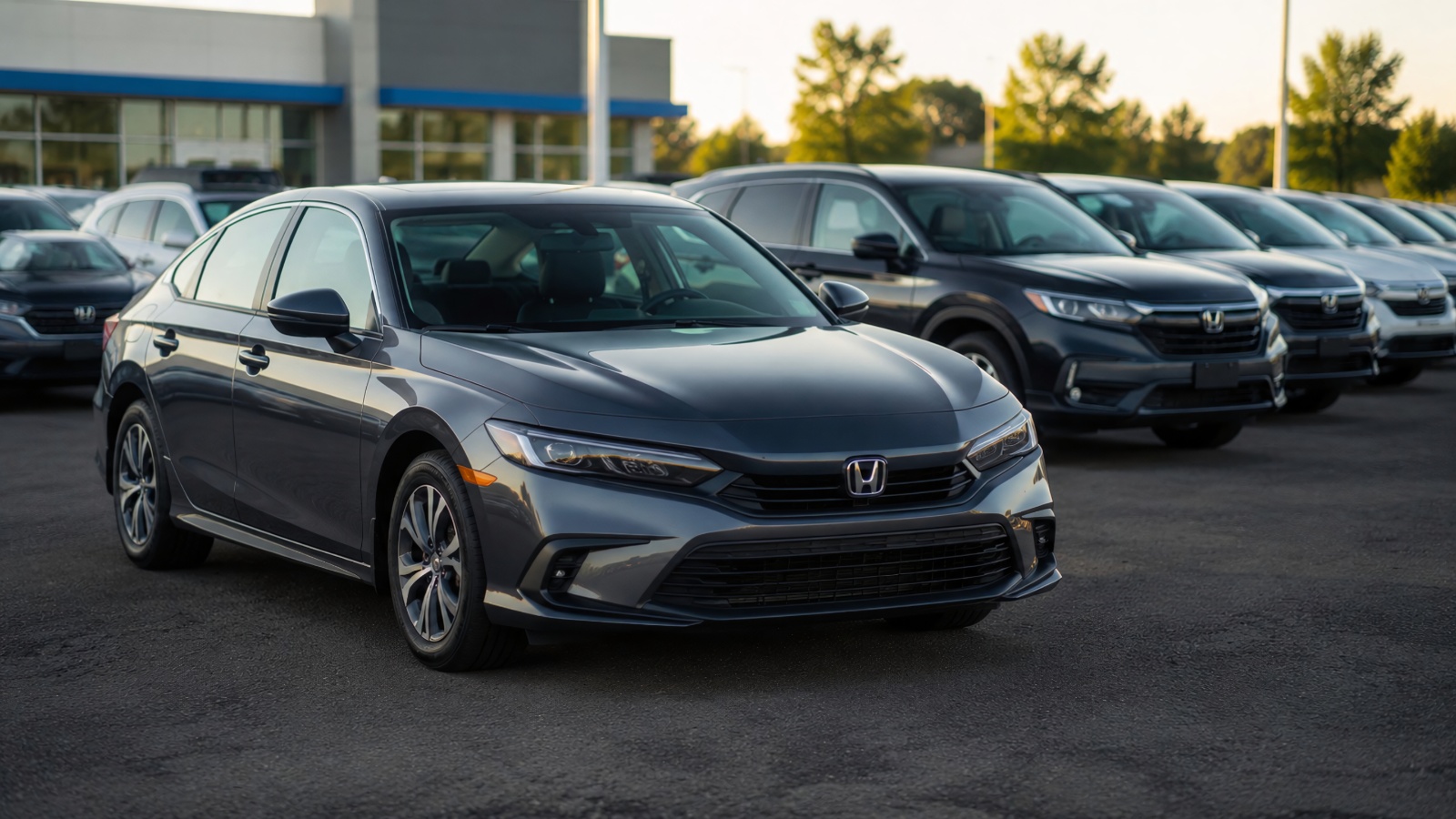
A used car’s advertised price is often much higher than what the dealership originally paid because dealers source vehicles through trade-ins, auctions, lease returns, fleet sales, and other channels unavailable to most retail buyers. These methods can allow them to purchase vehicles at lower prices, especially when sellers value a quick sale over maximizing profit.
Even so, the difference between the purchase price and the sticker price is not pure profit. Dealerships also incur expenses such as transportation, inspections, reconditioning, financing, insurance, advertising, and inventory costs. CarMax’s fiscal 2025 results show that used-vehicle gross profit averaged $2,311 per retail sale, highlighting the impact of these additional business expenses.
1. Trade-Ins Can Be Acquired Below Their Retail Potential
Trade-ins are among the most important sources of used-car inventory. AutoNation states that it acquires used vehicles primarily from trade-ins and its direct vehicle-purchasing program, along with auctions, lease terminations, and other sources. A trade-in transaction gives the dealer an opportunity to purchase a car directly from its owner without competing against dozens of professional buyers at a wholesale auction.
The customer may be focused primarily on completing a new-car purchase, reducing paperwork or applying the old vehicle’s value toward a down payment. This creates a different negotiation from a private-party sale. Instead of advertising the vehicle, answering inquiries, arranging test drives and waiting for payment, the owner transfers it to the dealer in one transaction.
Dealers appraise trade-ins according to expected retail or wholesale value, mechanical condition, mileage, local demand and estimated reconditioning expenses. A car that appears to receive a low trade allowance may nevertheless have strong retail potential after cleaning, servicing and marketing. The dealer’s opportunity comes from the difference between the trade allowance and the car’s likely resale value.

That does not mean every trade-in is purchased unfairly. Some dealers provide competitive offers, particularly for desirable vehicles. Customers may also negotiate the trade value or obtain competing bids. The advantage for the dealership is structural: it can buy the vehicle before it reaches an open wholesale marketplace.
When discussing dealer acquisition cost, trade-ins are therefore one of the clearest examples of how a vehicle can enter inventory at a price substantially below its later advertised price.
2. Direct Purchases Eliminate Several Middlemen
Many dealerships now purchase cars from consumers even when those consumers are not buying another vehicle. AutoNation, CarMax and Carvana operate direct-purchase or appraisal programs designed to obtain inventory from individual owners. AutoNation specifically says that self-sourcing vehicles through its “We’ll Buy Your Car” operation provides a significant portion of its used inventory.
Buying directly can reduce the expenses and competition associated with conventional wholesale auctions. At an auction, a dealer may face other bidders, auction charges, transportation expenses, inspection costs and title-processing delays. Manheim’s terms identify title fees, taxes, financing, inspections, reconditioning, remarketing, transportation and auction charges among the costs that may accompany wholesale transactions.
A direct purchase does not remove every cost, but it can shorten the supply chain. The dealership appraises the car, makes an offer, completes the ownership transfer and sends the vehicle directly to inspection or reconditioning. If the car matches the dealer’s inventory needs, it may be prepared for sale without first passing through a separate auction company.
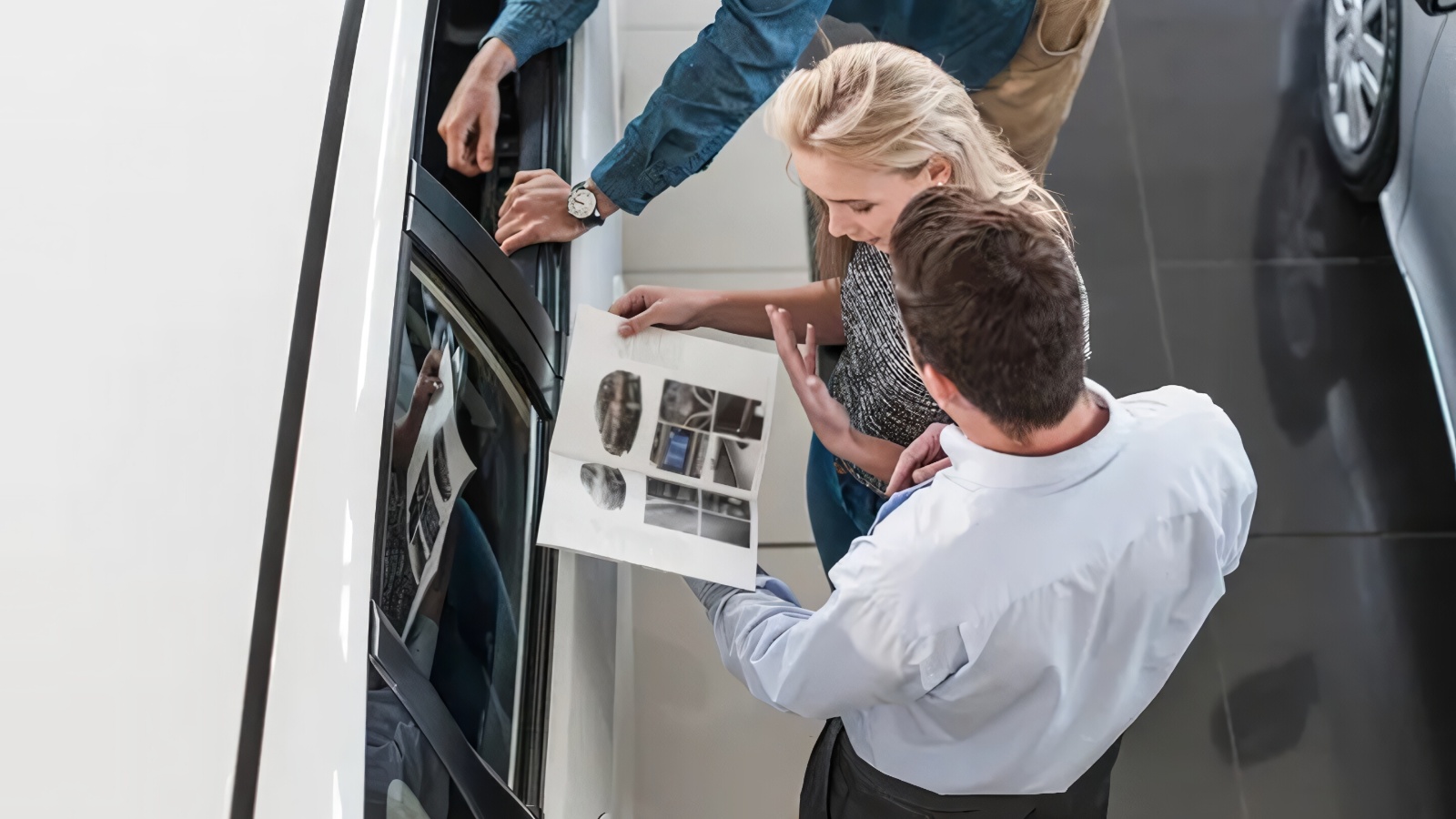
Direct-purchase programs also allow dealers to collect large numbers of consumer appraisal requests. The dealership does not need to purchase every vehicle. It can select cars with strong local demand, manageable repair requirements, and enough potential margin.
The seller receives speed and certainty, while the dealer receives access to inventory before other wholesale buyers can bid on it. That convenience has economic value. A seller might accept a straightforward same-day offer rather than spend several weeks attempting to obtain a higher private-party price.
For the dealer, the resulting acquisition price can appear remarkably low compared with the vehicle’s eventual retail listing.
3. Other Dealers Liquidate Vehicles They Cannot Sell
A dealership does not retail every vehicle it acquires. Some trade-ins are too old, have excessive mileage, require unsuitable repairs, or simply do not match the store’s target customer. AutoNation reports that used vehicles it does not sell through its stores are generally sold at wholesale auctions. It also monitors used inventory against net realizable value and records write-downs when necessary.
This creates buying opportunities for another dealer. A luxury dealership may quickly wholesale an older economy car because it does not fit the store’s image. A franchise store may dispose of a high-mileage truck that would sell successfully at an independent dealership specializing in work vehicles. The vehicle is not necessarily defective; it may simply be in the wrong inventory system.
Dealers selling unwanted vehicles are often interested in speed. Every additional day creates carrying costs, consumes lot space, and exposes the vehicle to further depreciation. AutoNation explicitly states that it attempts to manage inventory in a way that minimizes carrying costs.
A specialized buyer may therefore purchase the vehicle at a wholesale price, perform limited reconditioning and advertise it in a market where demand is stronger. The first dealership accepts a lower price to remove unsuitable inventory, while the second dealership profits from better market positioning.
The second dealer’s advantage comes from recognizing value that the original store cannot efficiently capture. It may understand the model, have cheaper repair capabilities, or serve customers seeking older and less expensive transportation.
Consequently, a used car can be acquired cheaply not because it is worthless, but because the seller considers it inconvenient, mismatched, or too costly to continue holding.
4. Weak Auction Competition Can Produce Low Winning Bids
Wholesale vehicle auctions bring motivated sellers and licensed buyers together, but not every vehicle generates intense bidding. Price depends on who is participating, regional demand, vehicle condition, seasonality, fuel prices, available inventory and the accuracy of the condition report.
A convertible offered during winter, a large pickup in an area with weak truck demand or a discontinued model with an unpopular configuration may receive fewer bids than expected. Dealers with access to multiple physical and digital auctions can search for these mismatches and purchase inventory where competition is weaker.
Auction prices also change with the broader wholesale market. Cox Automotive reported that non-adjusted wholesale prices fell 1.9 percent during the first half of July 2026 compared with June. It also reported different price patterns among segments, demonstrating that used vehicles do not depreciate or appreciate uniformly.
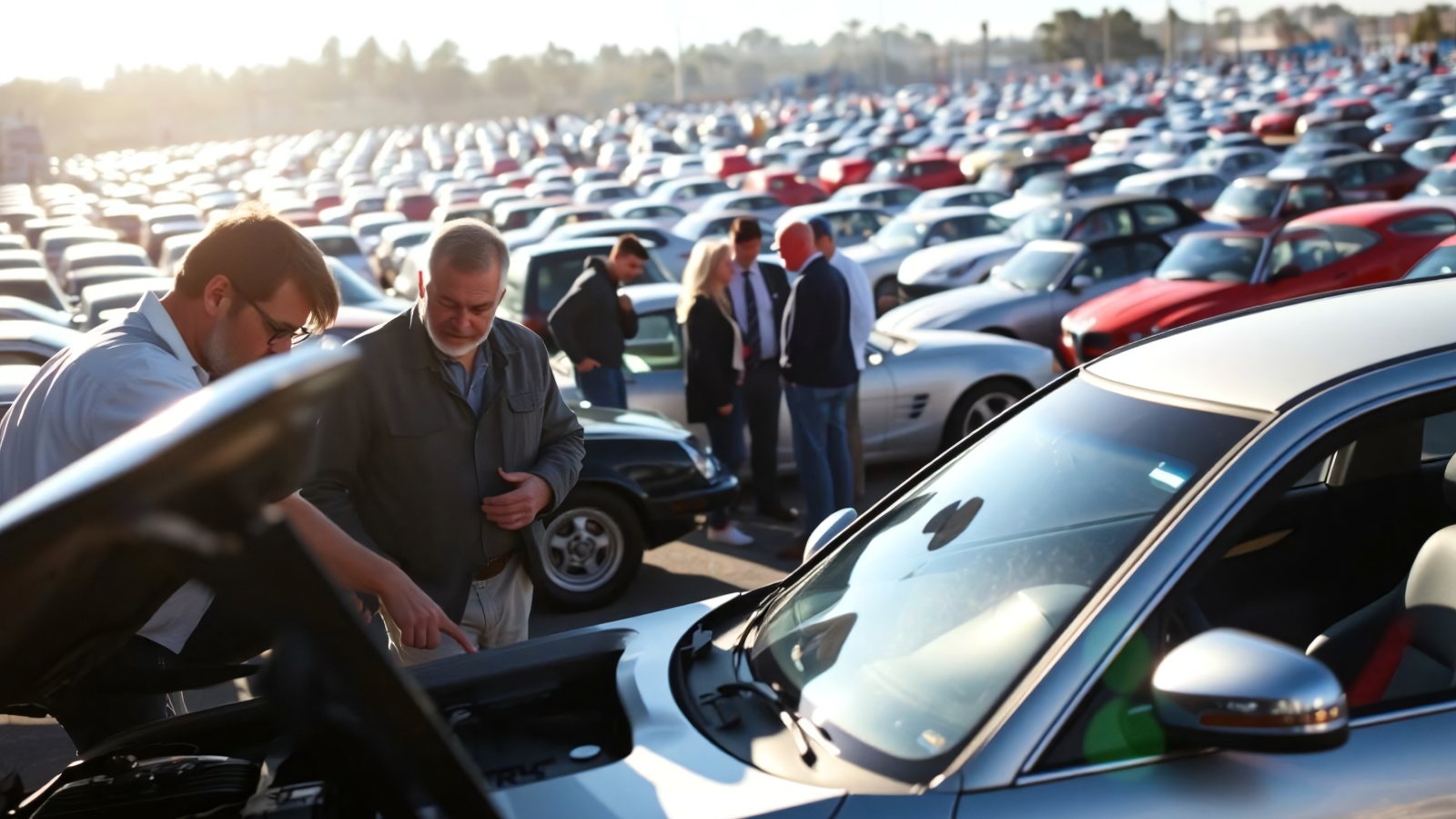
A disciplined dealer establishes a maximum bid based on expected retail price, repair expenses, transportation, fees, and required profit. When competing bidders stop below that figure, the dealer may acquire the car at an unusually favorable price.
Nevertheless, the winning bid is not the complete acquisition cost. Auction purchases can include buyer fees, inspections, transportation, financing and title-related expenses. Manheim’s published terms specifically recognize many of these additional costs.
The biggest bargains generally appear when a dealer understands a vehicle better than the rest of the auction audience. That may involve knowing local demand, having access to inexpensive repairs, or identifying a cosmetic defect that is easier to correct than it appears.
In those circumstances, a low wholesale bid can eventually become a much higher retail asking price.
5. Off-Lease Vehicles Create Predictable Wholesale Supply
Lease returns are another major source of late-model used vehicles. At the end of a lease, the customer may purchase the vehicle, return it to the leasing company, or trade it through a dealership. Returned vehicles that are not retained or sold directly may enter a manufacturer or financial institution’s remarketing system.
AutoNation identifies lease terminations as one of its used-vehicle acquisition sources. Cox Automotive also reported in July 2026 that higher off-lease maturities were increasing wholesale supply and giving dealers additional access to popular late-model inventory.
Off-lease vehicles can be attractive because their age, mileage and configuration are relatively predictable. Lease contracts commonly establish mileage allowances and vehicle-condition requirements. Service records may also be available, although buyers should never assume that every returned vehicle was maintained perfectly.
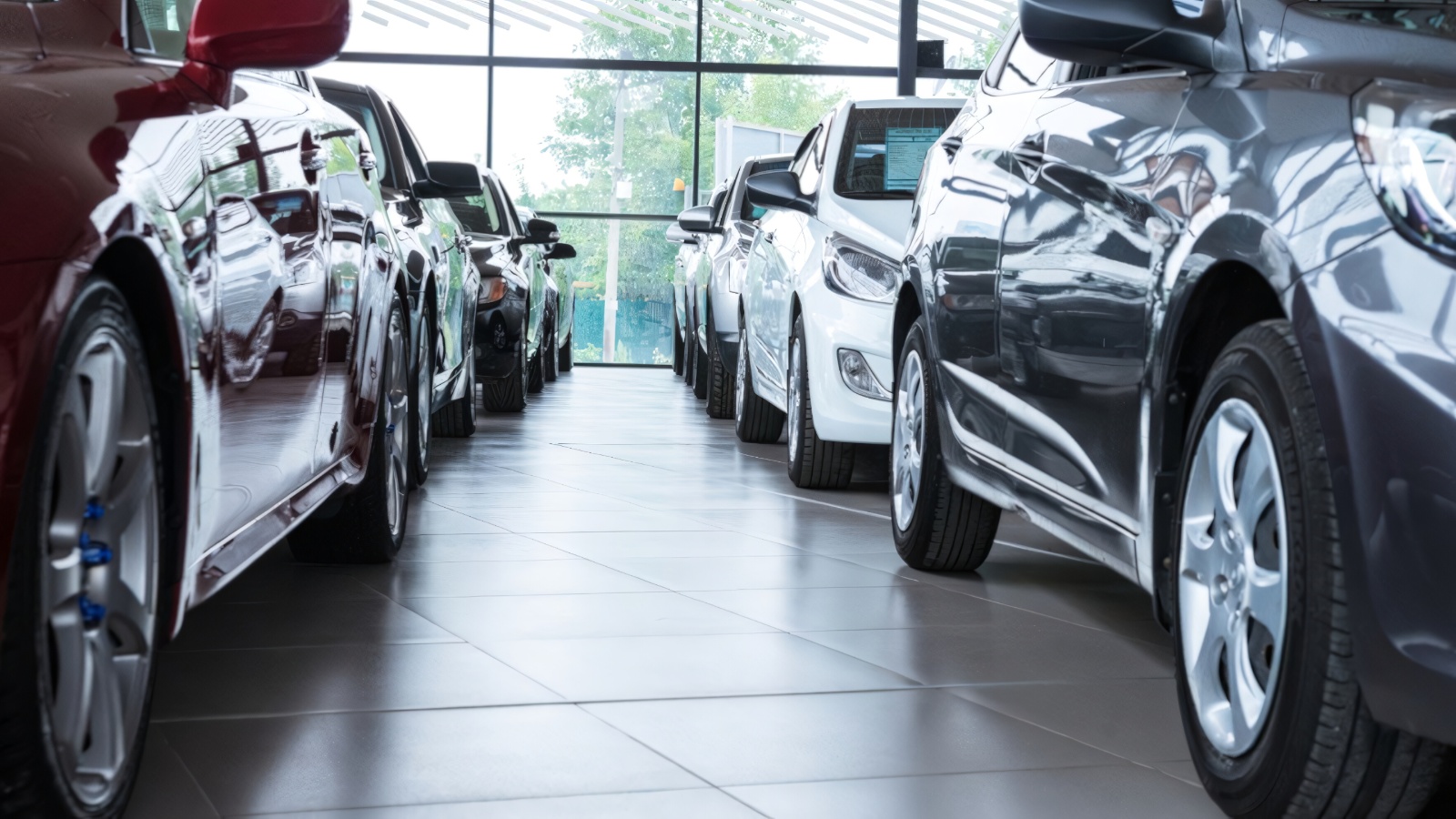
The potential bargain arises when the vehicle’s established residual value, current market demand and actual wholesale price do not align. A leasing company may prioritize moving large numbers of returned cars efficiently rather than attempting to achieve the maximum retail price on each one. A dealer that knows which models are in demand can select the strongest vehicles from that supply.
Some franchise dealers may also have early or preferred opportunities to purchase vehicles associated with their brands. After acquisition, the vehicle can be inspected, reconditioned, and possibly offered through a certified pre-owned program if it satisfies the manufacturer’s requirements.
The dealer still incurs real costs, including the purchase price and preparation expenses. However, the organized flow of off-lease inventory can reduce sourcing uncertainty and provide vehicles below their eventual retail price.
That predictable supply is one reason late-model cars can appear on dealer lots with substantial room between wholesale acquisition and advertised retail value.
Also read: 10 Reasons Why Toyota Climbed Back to the Top of Reliability Rankings
6. Rental and Fleet Companies Sell Vehicles in Large Volumes
Rental companies continually rotate vehicles out of service to maintain fleet age, control maintenance expenses, and adjust capacity. Avis Budget Group reported an average global rental fleet of approximately 684,000 vehicles in 2025. Its fleet consisted primarily of vehicles from the current and immediately preceding model years.
When companies dispose of thousands of vehicles, speed and operational efficiency matter. Avis says it sells risk vehicles through direct-to-consumer channels, online auctions, direct-to-dealer transactions and traditional auctions. It also states that alternative disposition channels can increase selling speed and reduce fleet costs compared with auction-only disposal.
Dealers may benefit by purchasing former rental or commercial vehicles through these large-scale channels. A fleet seller may have many similar sedans, SUVs, or vans available at the same time. Large supply can limit bidding pressure, particularly when numerous nearly identical units are offered in one region.
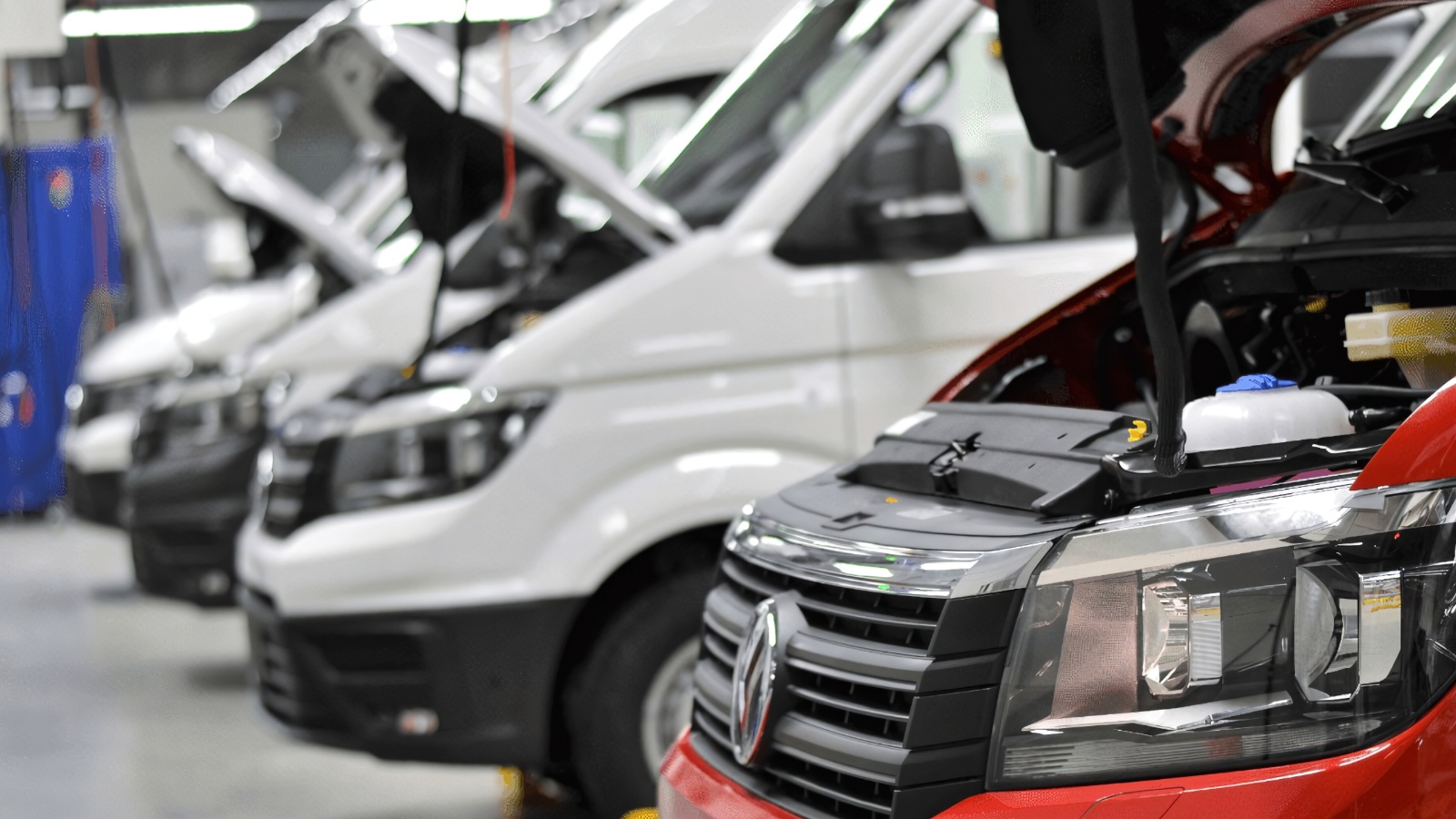
Fleet vehicles can also carry disadvantages. They may have accumulated mileage quickly, been driven by many users or experienced more interior wear than a privately owned vehicle. Those factors reduce wholesale value even when the vehicle remains mechanically serviceable.
A dealer with efficient detailing, body repair and mechanical operations may view those issues as manageable. After cleaning, repairing and inspecting the vehicle, the dealer can offer it to shoppers seeking a relatively recent model at a lower price than a comparable new car.
The acquisition cost can therefore be low relative to the eventual retail price because the fleet operator values rapid disposal, while the dealer is willing to perform the work required for retail presentation.
Buyers should still inspect former fleet vehicles independently and verify their history, condition and warranty coverage.
7. Repossessed Vehicles Are Sold to Recover Debt
When a borrower defaults on an auto loan, the lender may repossess the vehicle when permitted by the contract and applicable law. The lender is not operating a retail used-car dealership; its primary objective is generally to recover as much of the unpaid loan balance and associated costs as reasonably possible.
The Consumer Financial Protection Bureau explains that repossessed vehicles may be sold through public or private sales. The borrower may remain responsible for a deficiency balance when the sale proceeds are lower than the outstanding loan and repossession expenses. The lender must conduct the sale in a commercially reasonable manner, but that does not mean the car will bring full retail value.
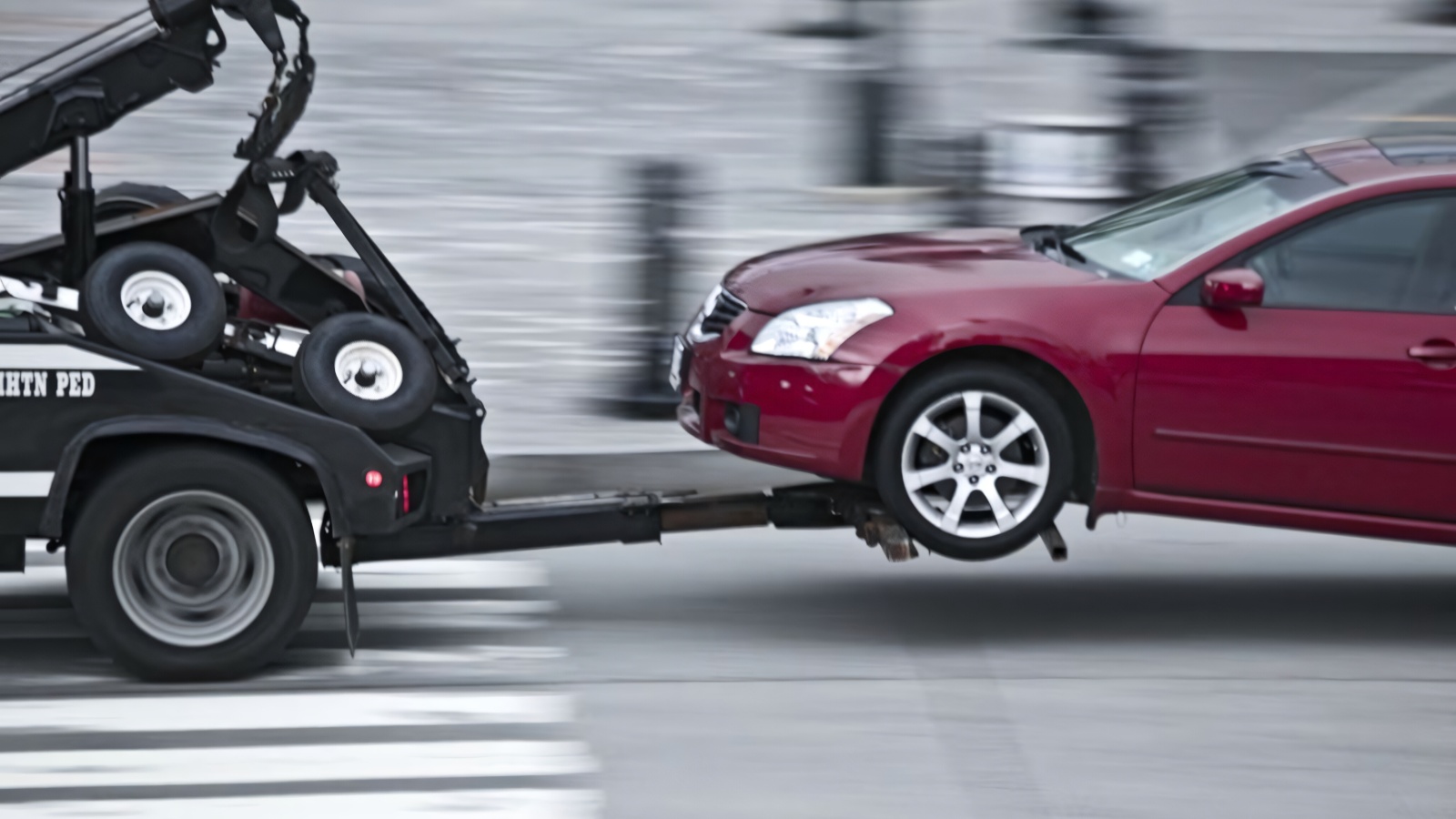
Repossession sales can produce lower prices because vehicles may be sold quickly, without extensive retail preparation and with limited information about maintenance or condition. Some vehicles require keys, tires, cleaning, mechanical repairs or title work. These uncertainties discourage less experienced buyers and reduce bids.
Dealers accustomed to evaluating auction vehicles may price those risks into their offers. A vehicle with a potential retail value of $18,000 will not receive an $18,000 wholesale bid. The dealer must subtract expected repairs, transportation, auction charges, financing expenses, holding costs and a margin for uncertainty.
The lender may accept the resulting wholesale price because storing, repairing and individually retailing repossessed vehicles is outside its normal business model. The remaining loan deficiency may then be pursued from the borrower where legally permitted.
This arrangement can make the dealer’s winning bid look extremely small compared with the vehicle’s later asking price. Yet the spread compensates the dealer for condition risk, preparation expenses and the possibility that the vehicle will not sell as quickly or profitably as expected.
8. In-House Reconditioning Makes Rough Cars More Valuable
A vehicle requiring cosmetic or mechanical work is usually worth less at acquisition because the buyer must assume the cost and risk of repairing it. Dealerships with their own technicians, parts departments, paint facilities, or vendor networks may complete that work more efficiently than an individual owner or smaller dealer.
AutoNation reports that it reconditions most retail used vehicles through its own parts and service departments. The company capitalizes those reconditioning expenses into used-vehicle inventory, meaning the repair work becomes part of the recorded cost of the car rather than being free.
This distinction is essential. A dealership may purchase a rough vehicle cheaply, but its real investment rises after tires, brakes, fluids, body repairs, detailing, diagnostics, and safety-related work. Some vehicles ultimately prove too expensive to retail and are returned to the wholesale market.
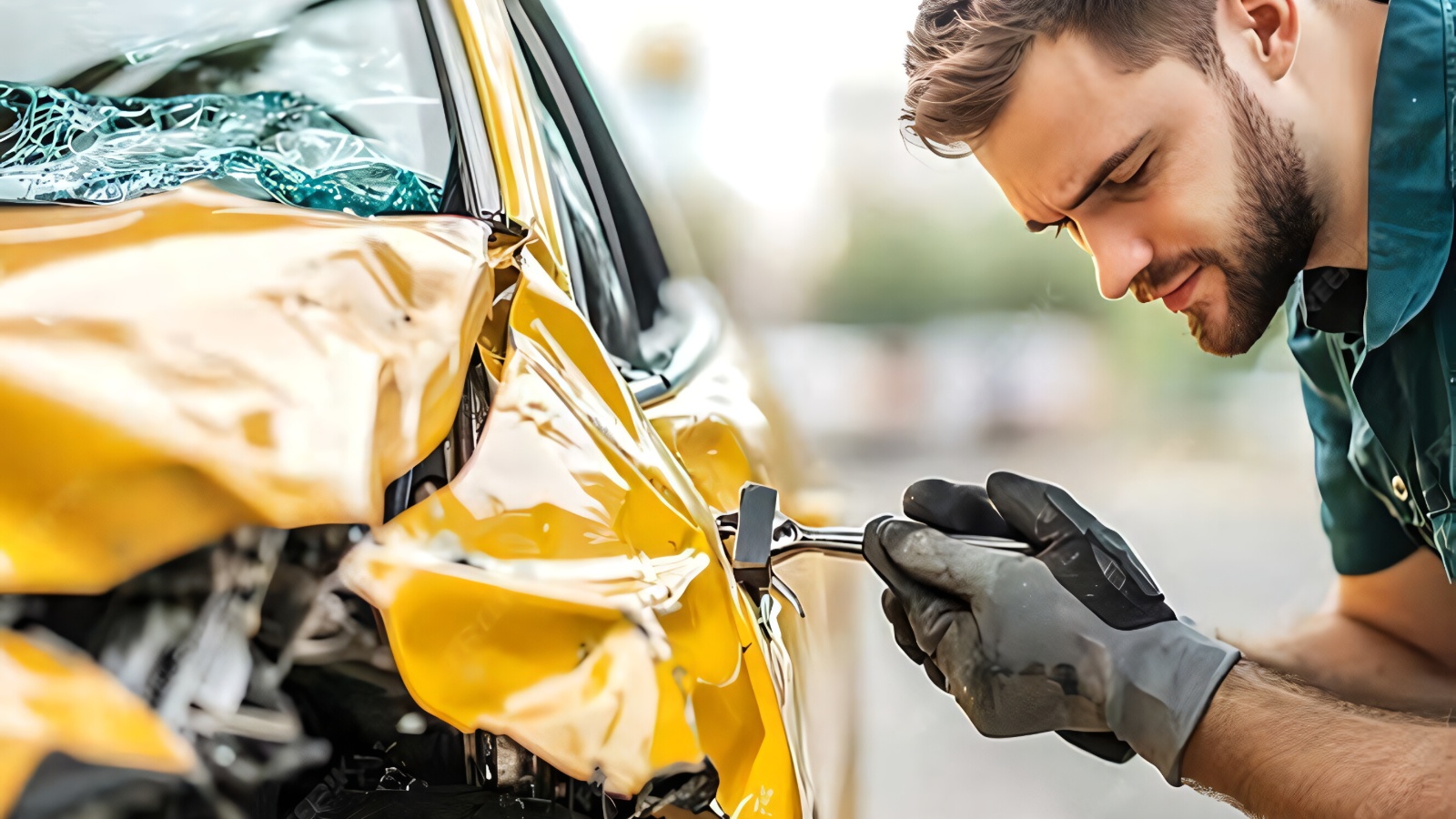
The advantage appears when the dealer accurately estimates the required work and can complete it below the discount built into the purchase price. For example, a seller may reduce the price substantially because of scratched paint, worn tires, and an illuminated warning light. A dealer with experienced technicians might determine that the warning light has a relatively simple cause and that the cosmetic work can be handled economically.
Retail buyers see the finished vehicle, not necessarily the condition in which it was acquired. The difference between the original purchase price and the retail asking price therefore appears much larger than the dealer’s actual gross margin.
CarMax’s fiscal 2025 results demonstrate this point. Its average used-car selling price was $26,273, but used-vehicle gross profit averaged $2,311 per unit, not the entire difference between some hypothetical trade value and the retail price.
9. Branded-Title and Total-Loss Cars Sell at Deep Discounts
Vehicles with salvage, rebuilt, flood, junk or other title brands generally trade at substantial discounts because they carry additional safety, repair, financing, insurance and resale risks. Some were declared total losses after collisions, flooding, theft recovery or other major damage.
The National Motor Vehicle Title Information System defines salvage vehicles as automobiles determined to be total losses under applicable law or designated as total losses by insurers. NMVTIS reports can provide title, brand, odometer and certain salvage or total-loss information, although the system is not a substitute for an independent inspection.
Specialized dealers, rebuilders or salvage buyers may acquire these vehicles for a fraction of clean-title retail value. The low purchase price reflects the cost of parts and labor, hidden-damage risk, inspection requirements and the permanent reduction in resale value associated with a branded history.
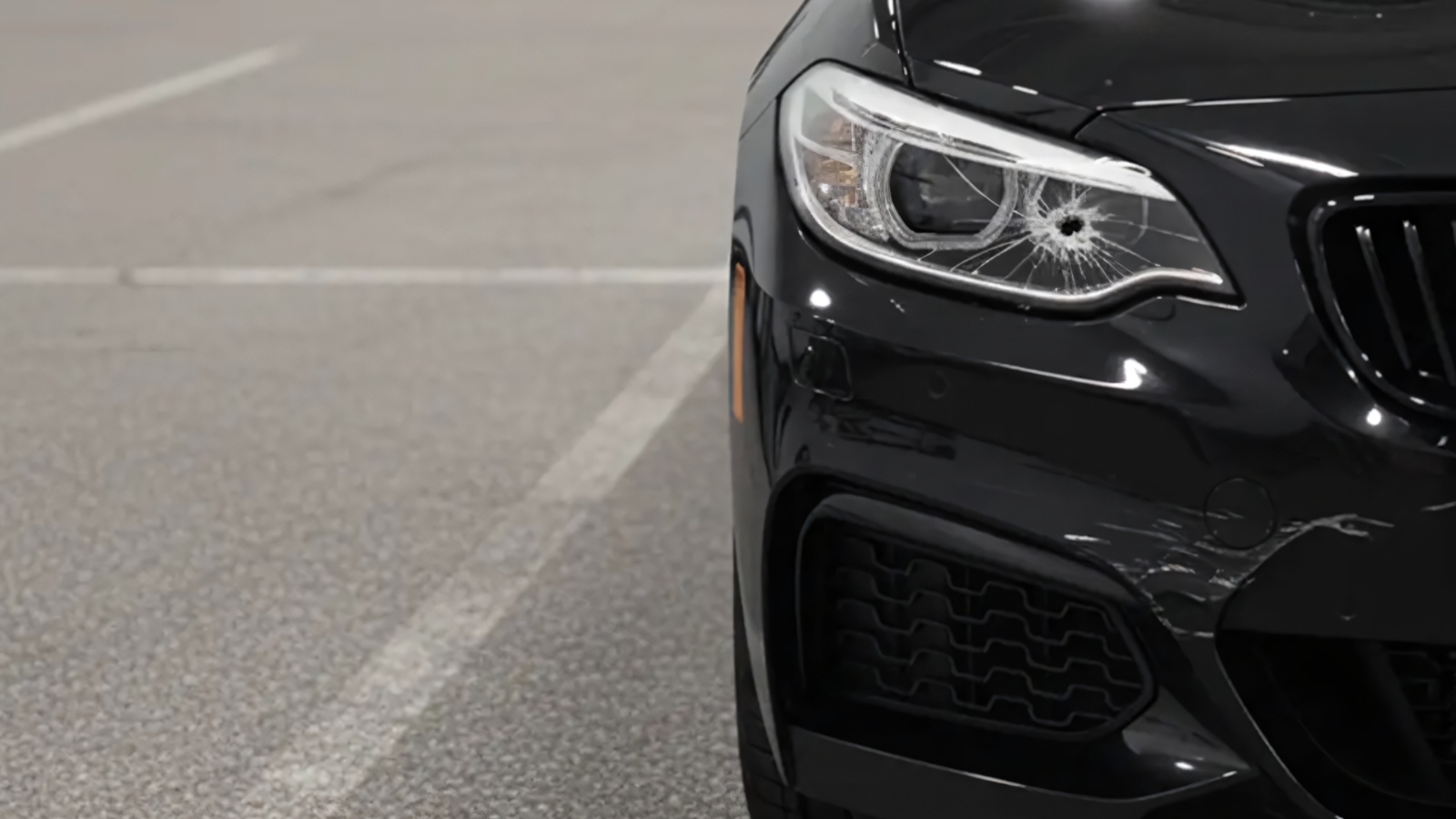
After repairs, the vehicle may be sold legally if it satisfies the applicable state’s title, inspection and disclosure requirements. Requirements vary significantly by jurisdiction. A rebuilt vehicle should never be represented as equivalent to a comparable clean-title vehicle.
The FTC’s Used Car Rule generally requires covered dealers to display a Buyers Guide stating whether the vehicle is sold as-is or with a warranty. The guide also advises buyers to obtain a vehicle history report and an independent mechanical inspection.
This is the category in which the phrase “costs almost nothing” may come closest to reality, but the low acquisition price exists for a reason. The vehicle may need extensive work and may remain difficult to finance, insure or resell.
Consumers should treat an unusually cheap branded-title car as a high-risk purchase rather than assuming the dealer discovered a risk-free bargain.
10. Scale Reduces the Dealer’s Cost per Vehicle
Large dealership groups can lower acquisition-related expenses through volume, technology, centralized administration, internal transportation, shared reconditioning facilities and access to inventory financing. The purchase price of the car may be similar to what another dealer would pay, but the cost of processing and preparing each vehicle can be lower.
AutoNation states that its size allows it to centralize business functions, streamline operations and negotiate national vendor relationships. It also uses proprietary valuation tools, direct-purchase channels and internal service departments to source and recondition vehicles efficiently.
Carvana similarly reported expanded reconditioning and digital-auction capabilities in 2025. Large retailers can evaluate thousands of vehicles, route them to markets where demand is strongest, and wholesale units that do not meet their retail standards.
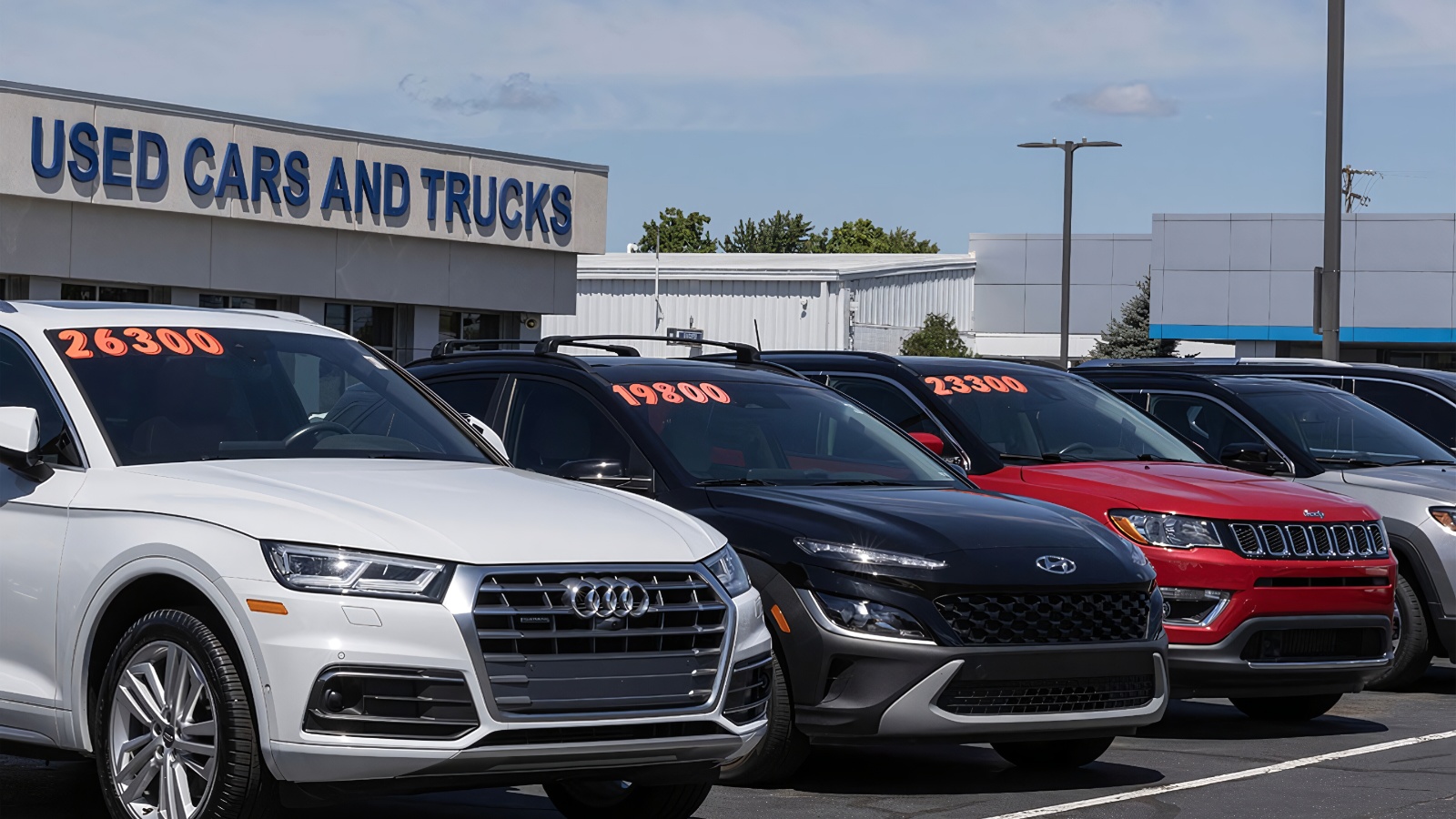
Scale does not eliminate financing costs. AutoNation reported $635.8 million borrowed under used-vehicle floorplan facilities at the end of 2025, with a weighted-average interest rate of 5.2 percent. This shows that inventory ties up substantial capital and that unsold cars generate real carrying expenses.
Nevertheless, a large operation can spread software, advertising, management, transportation and facility expenses across hundreds of thousands of transactions. It may also have enough data to identify precisely which models, prices and configurations sell quickly in particular locations.
That efficiency can make the effective acquisition cost appear extremely low relative to the retail price. The dealer has not received the vehicle for free; it has created an industrial process that purchases, prepares, finances and sells cars more efficiently than an individual seller could.
The apparent bargain is therefore often a product of scale, specialization and inventory discipline rather than a secret source of nearly free vehicles.