
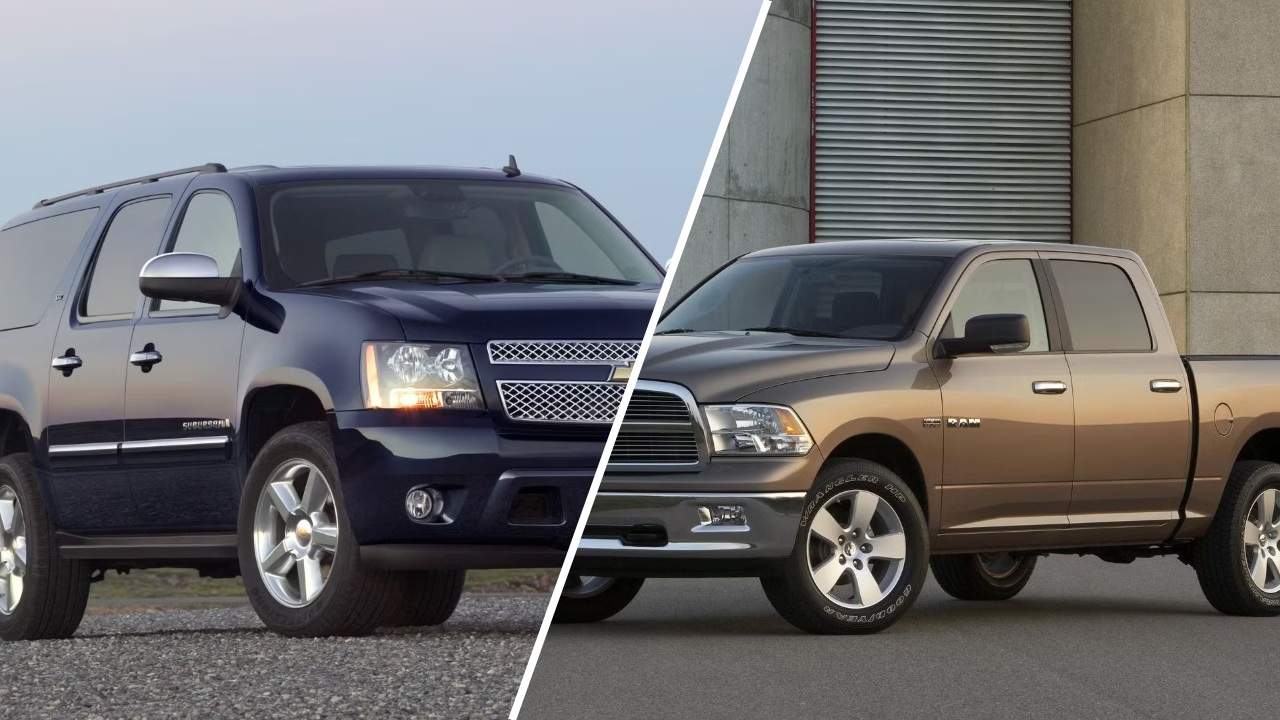
Vehicles that spend years under the intense sun of Arizona, Nevada, New Mexico, Southern California, and West Texas face conditions that are far harsher than those in most parts of the United States.
According to NOAA climate data, these regions record some of the nation’s highest annual UV exposure and longest periods of extreme summer heat, accelerating clearcoat oxidation and paint degradation.
Once the clearcoat begins to fail, the surface turns dull, chalky, and eventually peels away, exposing the color coat underneath. The following vehicles have developed reputations for premature clearcoat failure when repeatedly exposed to harsh Southwestern climates without adequate paint protection.
Also Read: 10 Cars With the Longest Single-Generation Production Runs
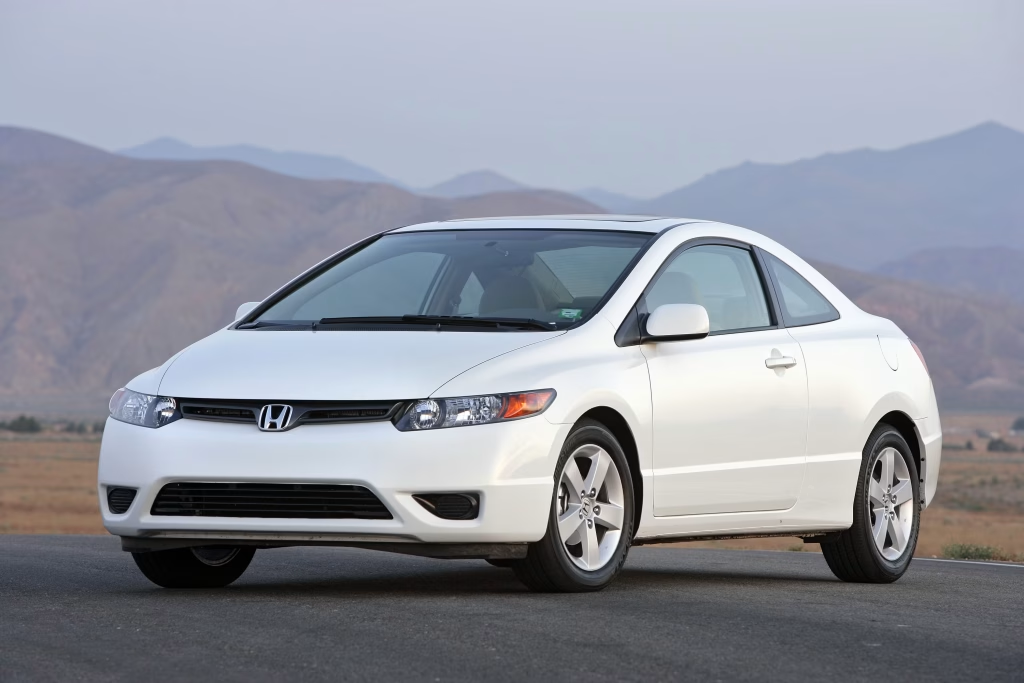
1. Honda Civic (2006 to 2011)
The eighth-generation Honda Civic earned praise for reliability, fuel economy, and low ownership costs, but owners living in the American Southwest frequently encountered a different issue after several years of outdoor parking.
Numerous Civics, particularly those finished in Taffeta White, Nighthawk Black Pearl, Galaxy Gray Metallic, and Atomic Blue Metallic, developed premature clearcoat deterioration.
Under the combination of high ultraviolet exposure and prolonged temperatures exceeding 100 degrees Fahrenheit, the clearcoat often began losing its gloss before gradually turning chalky and eventually peeling from horizontal surfaces.
This type of paint deterioration typically develops on the roof, hood, and trunk lid first, as these horizontal panels receive the highest levels of direct sunlight and ultraviolet (UV) exposure throughout the day. Damage caused by rock chips or other isolated impacts is generally localized, whereas sun-related deterioration progresses gradually across the affected surfaces.
Owners often notice a cloudy appearance that cannot be corrected through polishing because the clearcoat itself has already broken down. Once oxidation progresses, the paint surface feels rough, loses reflectivity, and eventually exposes the underlying color coat.
Honda acknowledged paint concerns on certain model years through warranty extensions covering specific colors and production periods in selected markets. However, eligibility depended on model year, paint color, production date, and ownership circumstances, meaning not every affected vehicle qualified for repairs.
Professional repainting is generally the only permanent solution after clearcoat failure has advanced. Paint correction or ceramic coatings cannot restore a clearcoat that has already deteriorated.
Owners living in Arizona, Nevada, or Southern California often reduce future damage by parking indoors whenever possible, washing regularly to remove contaminants, and applying UV-resistant waxes or ceramic coatings before oxidation begins. Preventive care remains considerably less expensive than repainting multiple body panels.
Specifications
- Engine: 1.8L Naturally Aspirated Inline-4
- Torque: 128 lb-ft
- Horsepower: 140 hp
- Length/Width: 177.3 inches / 69.0 inches
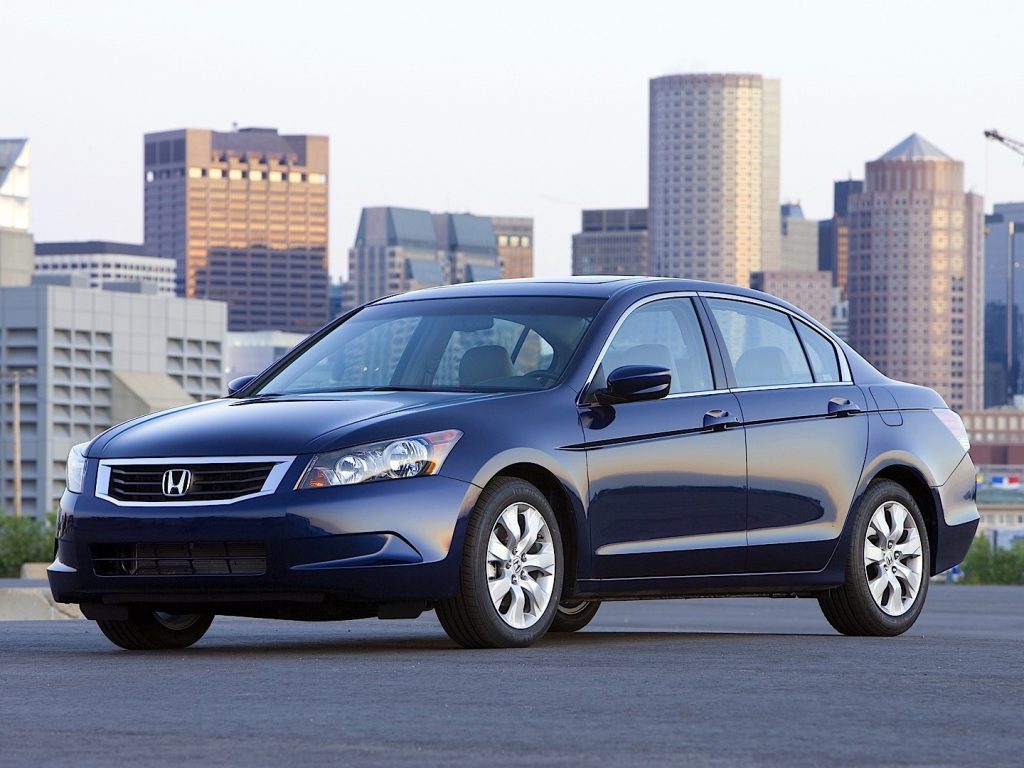
2. Honda Accord (2008 to 2012)
The eighth-generation Honda Accord remains one of the most dependable midsize sedans sold in the United States, yet paint durability has been a recurring complaint among owners in high-sun regions. Vehicles exposed to years of uninterrupted desert sunlight frequently develop clearcoat oxidation on the hood, roof, decklid, and upper door surfaces.
Darker colors such as Crystal Black Pearl, Polished Metal Metallic, and Royal Blue Pearl have been especially susceptible because darker finishes absorb more solar heat, increasing thermal stress on the paint system.
Clearcoat failure typically follows a predictable pattern. The finish first loses its deep gloss and becomes difficult to polish. As ultraviolet radiation continues breaking down the protective layer, the surface turns hazy and develops a chalk-like texture.
Eventually, the clearcoat begins separating from the base coat, producing peeling patches that expand with continued sun exposure. Once this stage is reached, repainting becomes the only effective repair.
Climate plays a significant role in the rate of deterioration. NOAA data consistently shows that Southwestern states receive substantially higher annual sunshine hours and UV intensity than much of the country. Vehicles parked outdoors year-round naturally experience faster paint degradation than identical cars stored inside garages or shaded parking structures.
Honda issued warranty extensions addressing paint defects on certain Accord models and colors during specific production years, although coverage varied by VIN and manufacturing date.
Buyers considering a used Accord from Arizona, Nevada, or New Mexico should inspect the roof and hood carefully for dull areas, fading, or early signs of peeling. A well-maintained example that has been garaged throughout its life often retains a dramatically better finish than one exposed continuously to desert conditions.
Specifications
- Engine: 2.4L Naturally Aspirated Inline-4
- Torque: 161 lb-ft
- Horsepower: 190 hp
- Length/Width: 194.1 inches / 72.8 inches
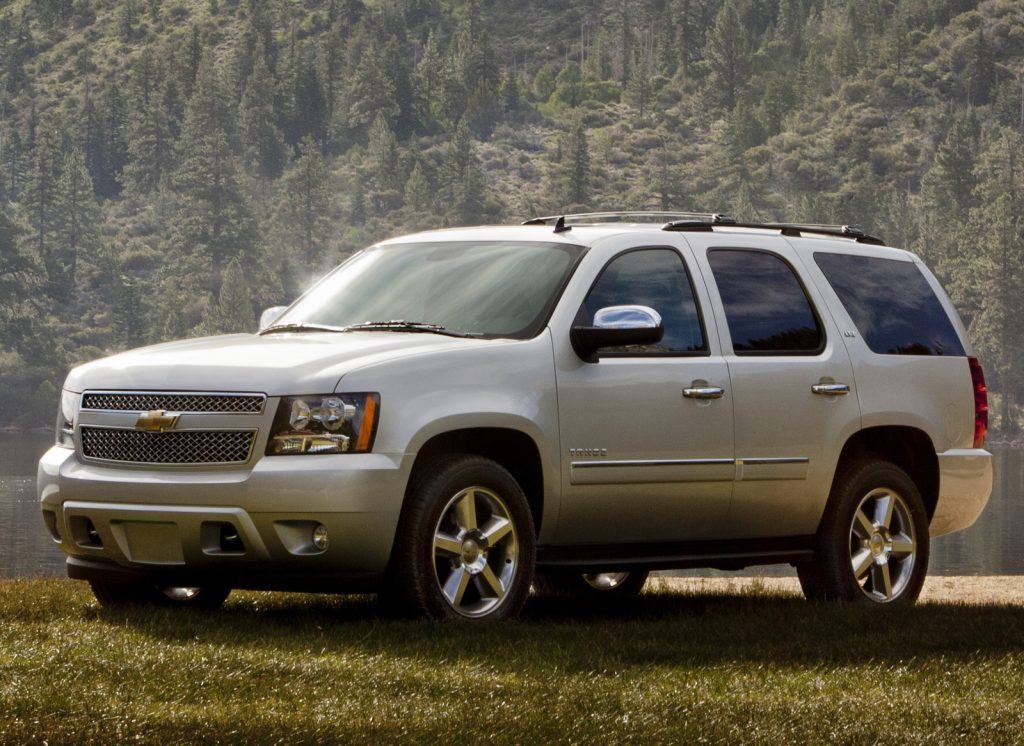
3. Chevrolet Tahoe (2007 to 2014)
The Chevrolet Tahoe has long been one of America’s most popular full-size SUVs, particularly in sun-drenched states where its towing capability and spacious cabin make it a favorite family vehicle.
However, owners in Arizona, Nevada, Southern California, and parts of Texas have frequently reported premature clearcoat oxidation after years of continuous outdoor exposure. White Diamond Tricoat, Summit White, Black, and several metallic colors have shown noticeable deterioration on vehicles that spent most of their lives under intense desert sunlight.
The deterioration generally begins on the roof and hood before spreading to the upper sections of the liftgate and fenders. Initially, the finish loses its smooth shine and develops a dull appearance.
As ultraviolet radiation continues attacking the clearcoat, the surface gradually becomes chalky, making polishing ineffective because the protective layer itself is breaking down. Once peeling starts, moisture and contaminants accelerate additional paint failure around the damaged area.
The Southwest presents one of the harshest environments for automotive finishes. NOAA climate records consistently rank cities such as Phoenix and Las Vegas among the nation’s sunniest locations, often exceeding 300 sunny days annually.
Combined with prolonged summer temperatures above 100 degrees Fahrenheit, paint surfaces can reach temperatures far beyond the surrounding air, accelerating oxidation and clearcoat degradation.
Repairing advanced clearcoat failure usually requires sanding affected panels down to a stable surface before applying new primer, basecoat, and clearcoat. Spot repairs rarely blend well once oxidation becomes widespread.
Owners can slow deterioration by washing regularly, applying quality UV-resistant sealants, and parking under shade whenever possible. Vehicles that received consistent paint protection from new generally retain a significantly better appearance than identical Tahoes left outdoors year-round.
Specifications
- Engine: 5.3L V8
- Torque: 335 lb-ft
- Horsepower: 320 hp
- Length/Width: 202.0 inches / 79.0 inches
4. Chevrolet Suburban (2007 to 2014)
Large SUVs present an additional challenge in sunny climates because they simply expose more painted surface area to ultraviolet radiation. The Chevrolet Suburban, with its long roof and expansive hood, provides an excellent example.
Owners across the American Southwest have reported clearcoat deterioration after years of continuous exposure, particularly on models finished in White Diamond Tricoat, Black, Silver Birch Metallic, and several dark metallic colors.
Paint degradation develops gradually over time, making it easy for many owners to overlook the early stages until restoration becomes more difficult. A noticeable loss of gloss is often the first sign, even when the vehicle has been regularly washed and waxed.
Soon afterward, horizontal panels begin showing a faded, powdery appearance. Eventually, the clearcoat separates from the base color, producing peeling sections that continue expanding as sunlight and weather penetrate beneath the remaining finish.
Environmental conditions play a major role. NOAA climate data identifies much of Arizona, southern Nevada, and portions of New Mexico as receiving some of the highest annual solar radiation levels in the United States.
Extended UV exposure, combined with heat cycling between hot daytime temperatures and cooler nights, places constant stress on automotive clearcoats. Vehicles stored outside for a decade naturally experience much faster deterioration than garage-kept examples.
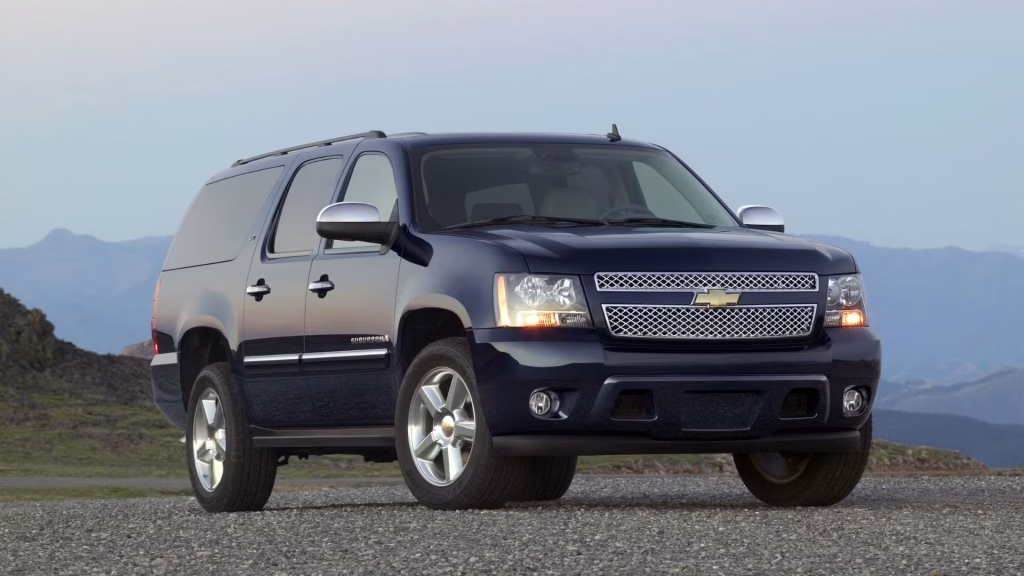
When shopping for a used Suburban from these regions, buyers should inspect the roof carefully because early oxidation often begins where it is less visible from ground level.
They should also examine the upper edges of the hood and liftgate for discoloration or roughness. Catching oxidation before peeling begins allows professional paint correction to preserve the remaining clearcoat, whereas fully failed panels almost always require complete refinishing.
Specifications
- Engine: 5.3L V8
- Torque: 335 lb-ft
- Horsepower: 320 hp
- Length/Width: 222.4 inches / 79.1 inches
5. Toyota Tacoma (2005 to 2015)
The second-generation Toyota Tacoma has earned an exceptional reputation for reliability, but long-term owners in the American Southwest have frequently reported paint deterioration on trucks that spent years parked outdoors.
While Toyota addressed frame corrosion on certain Tacomas through separate programs, the paint itself also became a concern for some owners, particularly on vehicles finished in Super White, Black Sand Pearl, Barcelona Red Metallic, and Magnetic Gray Metallic.
The issue was most noticeable in states with consistently high UV exposure, where the clearcoat aged faster than expected.
Unlike damage caused by tree sap or road debris, ultraviolet degradation affects the protective clearcoat uniformly across the surface. The roof, hood, and upper bed rails generally show the earliest symptoms because these panels receive the greatest amount of direct sunlight.
The finish gradually loses depth and gloss before developing a faded, chalk-like appearance. Eventually, the clearcoat begins separating from the color coat, leaving irregular patches that cannot be corrected with polishing or wax.
Pickup trucks often spend more time outdoors than passenger cars, increasing their exposure to sunlight. NOAA climate records show that cities such as Phoenix, Tucson, Las Vegas, and El Paso receive exceptionally high annual sunshine totals, creating ideal conditions for accelerated clearcoat oxidation.
Trucks used on construction sites or parked in open lots experience even greater exposure. Prospective buyers should carefully inspect the roof above the windshield, the hood, and the tops of the bed sides.
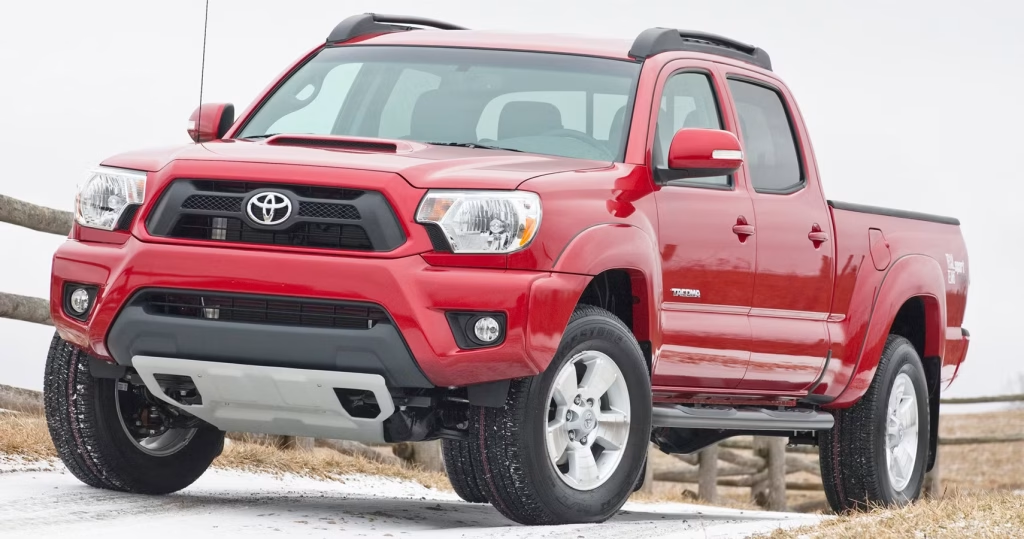
Early oxidation may appear as dull spots that remain even after washing. If peeling has already begun, repainting is generally the only permanent solution. Regular waxing, ceramic coatings, and covered parking substantially improve long-term paint durability in high-UV regions.
Specifications
- Engine: 4.0L Naturally Aspirated V6
- Torque: 266 lb-ft
- Horsepower: 236 hp
- Length/Width: 208.1 inches / 74.6 inches
6. Toyota 4Runner (2003 to 2009)
The fourth-generation Toyota 4Runner remains one of the most respected body-on-frame SUVs in the used market thanks to its durable drivetrain and impressive longevity. However, examples that spent their lives in desert climates often display paint wear well before the mechanical components show significant age.
Owners have frequently reported clearcoat deterioration on Super White, Galactic Gray Mica, Shadow Mica, and Black models after prolonged exposure to intense Southwestern sunshine.
The degradation usually follows a recognizable sequence. At first, the paint appears less reflective despite regular washing. Next, the clearcoat develops a dry, oxidized texture that leaves a chalky residue when polished.
Once the protective layer begins lifting from the base coat, peeling accelerates because ultraviolet radiation and moisture penetrate beneath the remaining finish.
The 4Runner’s tall profile contributes to the issue in desert regions. The roof spends the entire day exposed to direct sunlight, while the nearly horizontal hood absorbs significant solar heat.
According to NOAA climate observations, desert Southwest locations routinely experience some of the nation’s highest UV index values during the summer months, placing continuous stress on automotive paint systems year after year.
Buyers considering a used 4Runner from Arizona, Nevada, New Mexico, or inland Southern California should inspect the roof carefully, since deterioration often begins there before becoming visible on lower body panels.
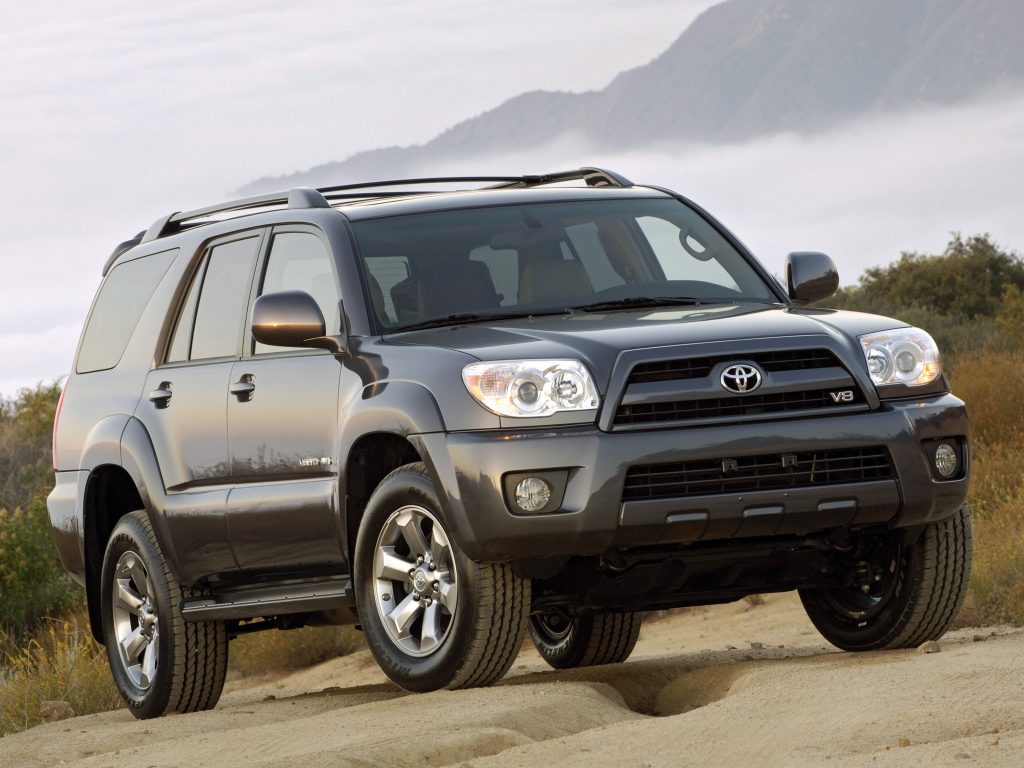
Vehicles that have spent most of their lives in garages or under covered parking typically retain noticeably better paint quality than comparable examples exposed to full sun every day.
Consistent washing, UV-resistant sealants, and ceramic coatings can slow oxidation, but once the clearcoat has failed, professional refinishing is generally required to restore the original appearance.
Specifications
- Engine: 4.0L Naturally Aspirated V6
- Torque: 278 lb-ft
- Horsepower: 270 hp
- Length/Width: 189.2 inches / 75.2 inches
7. Nissan Altima (2013 to 2018)
The fifth-generation Nissan Altima is well known for its comfortable ride and fuel-efficient powertrains, but owners in the Southwestern United States have also reported premature paint oxidation after years of constant exposure to intense sunlight.
Colors such as Super Black, Brilliant Silver Metallic, Pearl White, and Java Metallic appear more susceptible because the clearcoat on horizontal surfaces receives continuous ultraviolet exposure.
In Arizona, Nevada, and Southern California, where NOAA climate data shows some of the highest annual sunshine totals in the country, paint temperatures can far exceed ambient air temperatures during summer months.
Clearcoat deterioration typically starts on the hood, roof, and trunk lid. The finish gradually loses its shine before developing a dull, chalky texture.
Once oxidation progresses to peeling, polishing and waxing are no longer effective because the protective clearcoat has already broken down. Repainting affected panels becomes the only permanent solution.
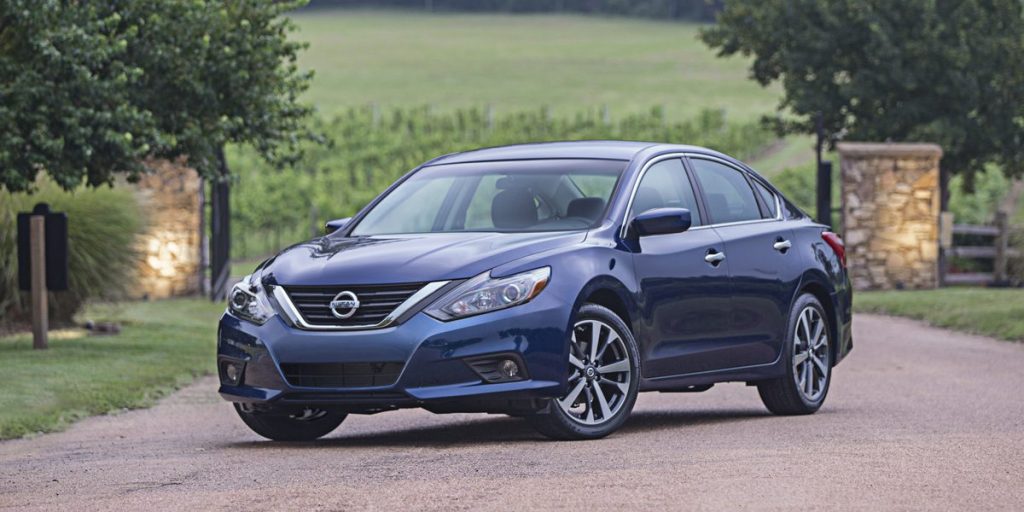
When evaluating a used Altima from a desert state, buyers should inspect the roof carefully, as early oxidation is often overlooked. Consistent washing, paint sealants, ceramic coatings, and covered parking significantly reduce UV damage and help preserve the factory finish for many additional years.
Specifications
- Engine: 2.5L Naturally Aspirated Inline-4
- Torque: 180 lb-ft
- Horsepower: 182 hp
- Length/Width: 191.9 inches / 72.0 inches
8. Ford Expedition (2007 to 2017)
The Ford Expedition spends much of its life outdoors, whether serving as a family SUV, fleet vehicle, or tow rig. That constant exposure makes paint durability especially important.
Owners in high-UV states have frequently reported clearcoat oxidation on vehicles finished in Oxford White, Tuxedo Black Metallic, Ingot Silver Metallic, and Dark Blue Pearl after extended outdoor storage.
Large SUVs naturally expose more painted surface area to direct sunlight. The Expedition’s broad hood and expansive roof absorb heat throughout the day, accelerating clearcoat aging. Early symptoms include fading gloss and a rough surface texture.
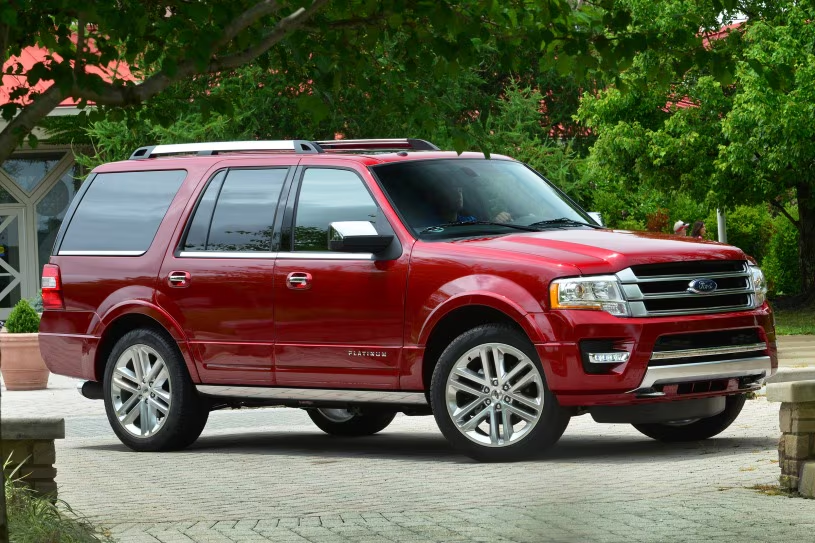
As ultraviolet radiation continues degrading the finish, the clearcoat begins turning chalky before eventually separating from the base coat. Once peeling occurs, localized repairs rarely produce satisfactory results, making complete panel refinishing the preferred repair.
Anyone shopping for a used Expedition from Arizona, Nevada, Texas, or New Mexico should inspect the roof edges, hood, and liftgate closely for signs of oxidation. Vehicles that have been garage-kept generally retain significantly better paint quality than those parked outdoors year-round.
Specifications
- Engine: 3.5L Twin-Turbo EcoBoost V6
- Torque: 470 lb-ft
- Horsepower: 375 hp
- Length/Width: 206.0 inches / 79.9 inches
9. Dodge Ram 1500 (2009 to 2018)
The fourth-generation Ram 1500 combines strong capability with comfortable road manners, but trucks operating in the desert Southwest have developed a reputation for clearcoat deterioration after years of uninterrupted sun exposure.
Owners have frequently noted paint fading and peeling on Bright White, Brilliant Black Crystal Pearl, Flame Red, and Mineral Gray Metallic finishes. Rather than resulting from normal mechanical wear, paint oxidation occurs gradually over time. The first areas to show deterioration are typically the hood and roof, where the clear coat loses its gloss, followed by the upper sections of the truck bed sides.
Continued ultraviolet exposure causes the protective clearcoat to dry out and become chalky before peeling begins. Pickup trucks often spend long hours parked in open construction sites or job locations, exposing them to more sunlight than passenger vehicles kept in garages.
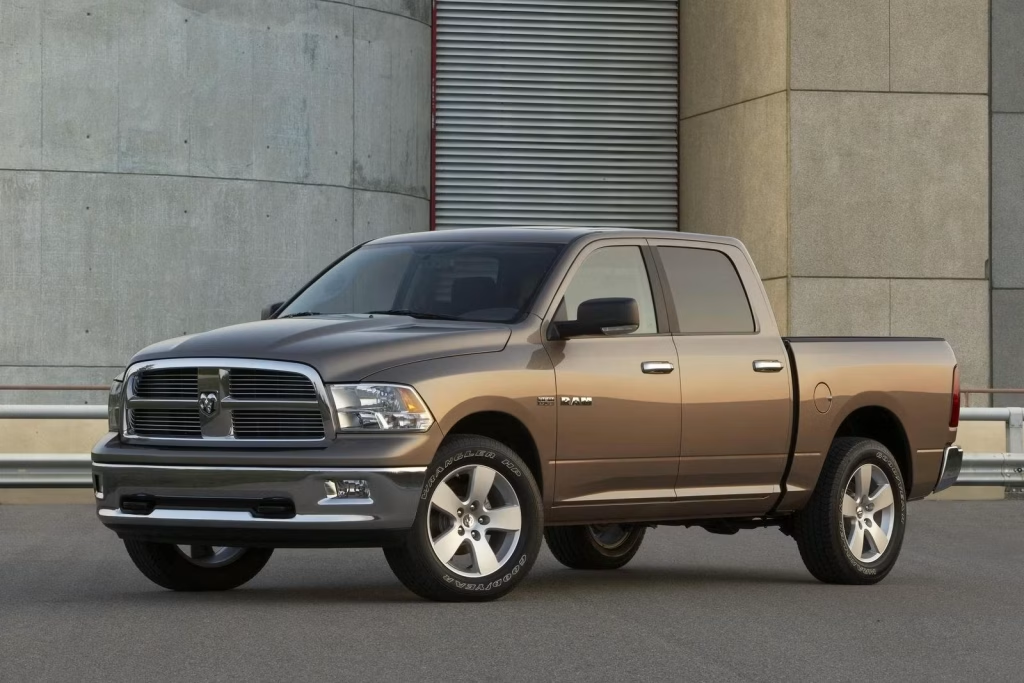
Routine washing and UV-protective sealants can delay deterioration, but they cannot restore a failed clearcoat. Buyers considering a used Ram from high-sun states should inspect horizontal panels under direct daylight rather than relying on dealership lighting, where oxidation is often less noticeable.
Specifications
- Engine: 5.7L HEMI V8
- Torque: 410 lb-ft
- Horsepower: 395 hp
- Length/Width: 229.0 inches / 79.4 inches
10. Mazda3 (2010 to 2013)
The second-generation Mazda3 earned praise for responsive handling and dependable drivetrains, yet some examples living in harsh desert climates have experienced premature clearcoat failure.
Crystal White Pearl, Black Mica, Graphite Mica, and Velocity Red Mica are among the colors most frequently noted by owners for fading after prolonged exposure to intense ultraviolet radiation.
The deterioration generally appears first on the roof and hood, where sunlight is most concentrated. Instead of maintaining a smooth reflective finish, the paint gradually develops a dull, powdery appearance.
Once the clearcoat begins lifting, moisture and additional UV exposure accelerate the peeling process. Because the damage originates within the protective clearcoat, polishing compounds cannot reverse the condition after failure has started.
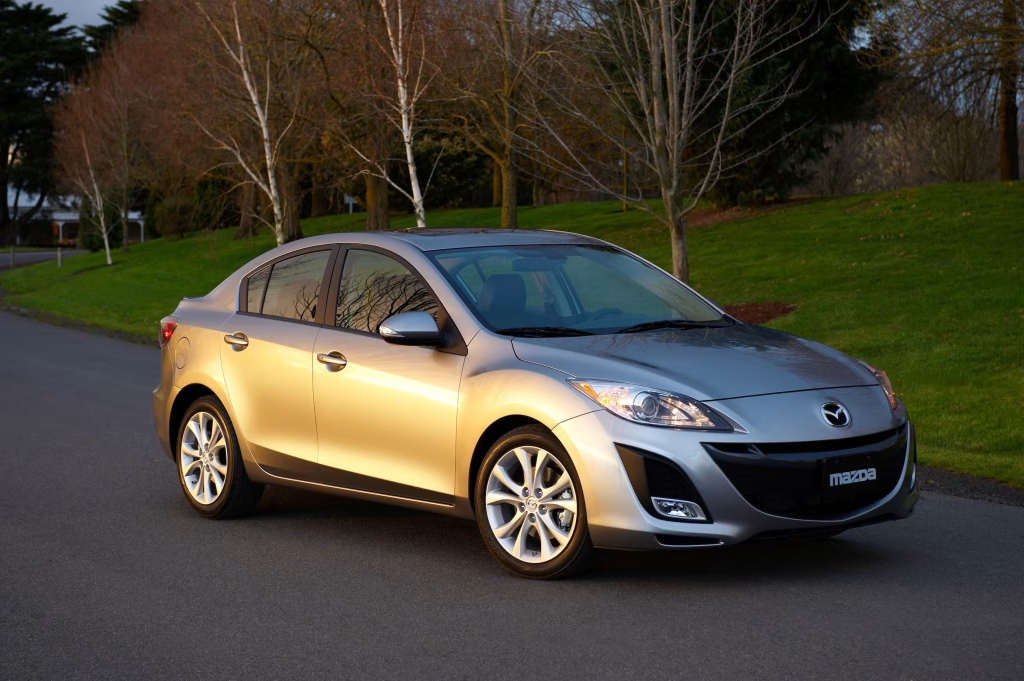
Prospective buyers should inspect the vehicle in natural daylight and feel the paint surface for roughness or uneven texture. A garage-kept Mazda3 often looks dramatically different from one that spent a decade parked outdoors in Phoenix, Las Vegas, or Albuquerque.
Preventive measures such as ceramic coatings, quality waxes, and covered parking remain the most effective way to preserve the original finish in these demanding climates.
Specifications
- Engine: 2.5L Naturally Aspirated Inline-4
- Torque: 167 lb-ft
- Horsepower: 167 hp
- Length/Width: 180.3 inches / 69.1 inches
Also Read: 10 Motorcycles That Hold Value Better Than a Sportster
