
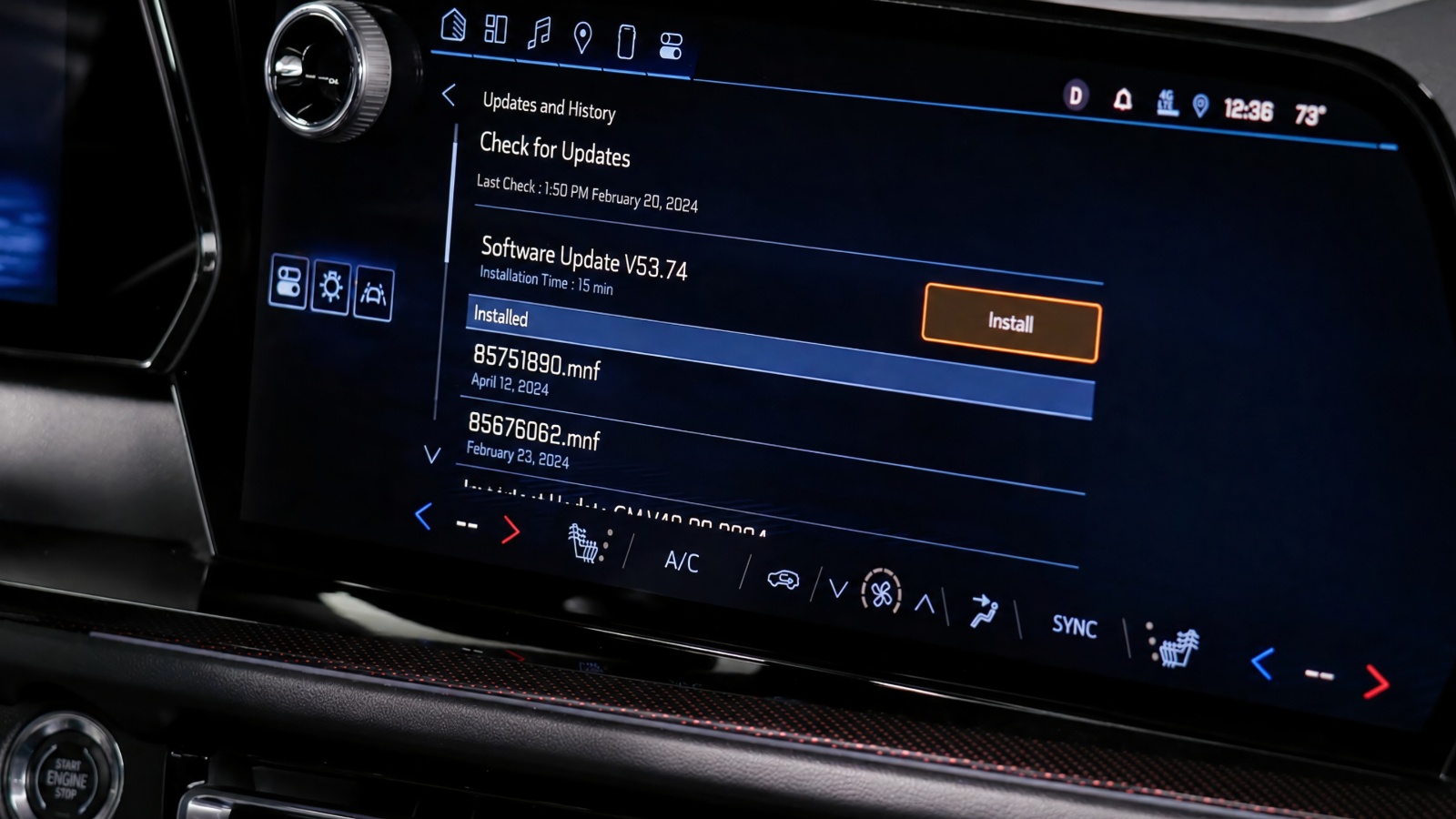
Modern cars are no longer static machines. They are rolling computers that manufacturers can rewrite after the sale. That power cuts both ways. Automakers use over-the-air updates to fix bugs and add new capability.
But the same channel has been used to strip away features that buyers paid extra money for. Sometimes it happens through a software “audit.” Sometimes it happens when a free trial quietly expires into a paywall. Sometimes older hardware simply gets cut off from the network it needs to function.
The common thread is control. Once a feature lives in software, the manufacturer decides whether it stays turned on. This has triggered lawsuits, regulatory complaints, and a lot of angry owners who thought a purchase was permanent.
Below are eight documented cases where a car company’s software update took away something buyers had already paid for. Each includes real specifications for the vehicle involved, so the mechanical context is clear alongside the software story.
1. Tesla Model S/X Battery Range Reduction
In 2023, a class-action lawsuit accused Tesla of quietly limiting battery performance. Owners said routine updates cut usable range by up to 20 percent.
Some drivers reported battery degradation warnings appearing right after an update was installed. Others said replacement batteries were quoted at $15,000 or more.
The lawsuit invoked the Computer Fraud and Abuse Act. It argued Tesla pushed changes without meaningful consent, since updates install automatically over Wi-Fi.
Attorneys noted Tesla had not denied a link between updates and reduced battery performance in earlier disputes. Reimbursement requests were reportedly turned down in many cases.
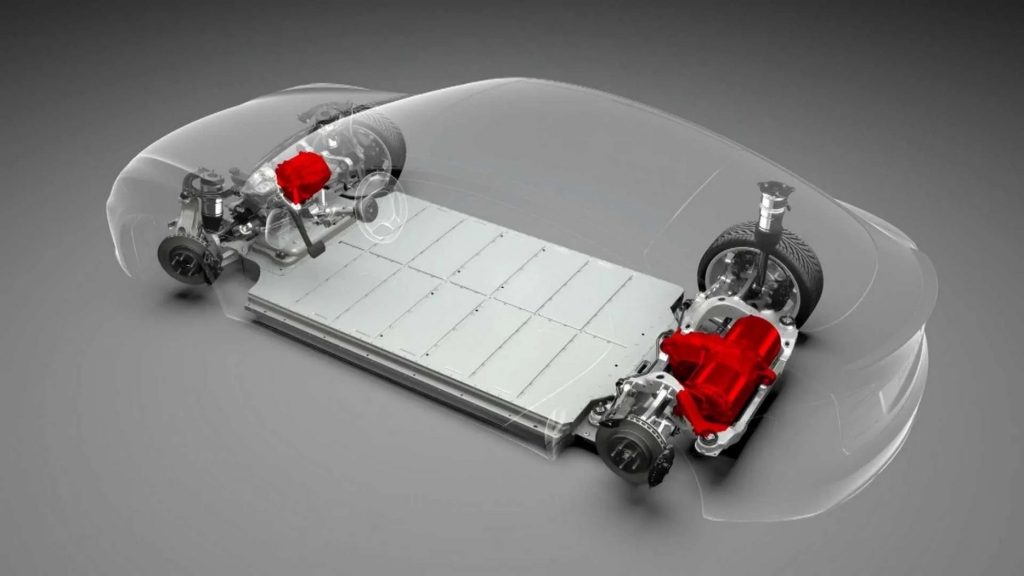
The core complaint wasn’t really about a bug. It was about a company altering a car’s most expensive component through code, long after the purchase was final.
This scenario highlights a troubling shift in automotive ownership, where physical assets are indefinitely subject to remote digital alteration by the manufacturer. When an over-the-air update diminishes a vehicle’s core capabilities, it fundamentally alters the value proposition agreed upon at the time of sale.
Consumers invest heavily in electric vehicles based on advertised metrics like driving range and battery longevity. When software patches quietly erode those metrics to mitigate hardware wear or mask underlying design limitations, owners are left absorbing the financial depreciation.
The legal battles surrounding these updates underscore a growing tension between a manufacturer’s desire to manage fleet liability remotely and a consumer’s right to maintain the full utility of the property they legally own.
Specifications:
- Engine: Dual electric motor, all-wheel drive
- Horsepower: 670 hp
- Torque: 713 lb-ft
- Length: 197.7 inches
- Width: 77.3 inches
2. Tesla Deleting Autopilot From a Used Car
In 2019, a Tesla Model S was sold at auction with Enhanced Autopilot and Full Self-Driving already installed. Those options were listed at roughly $8,000 combined.
Three days after the auction, Tesla ran a remote “audit” of the car. It then deleted both features during the next software update. The buyer didn’t learn this until January, when a service invoice flagged the missing software. Tesla told him the car had been “incorrectly configured” and the features were never technically paid for.
The problem was timing. The removal happened after the car changed hands, and no one had told the new owner or the dealer beforehand. Tesla eventually restored the features after public pressure.
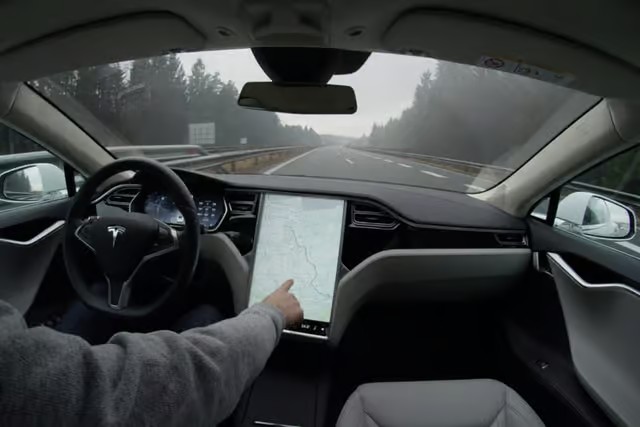
But the episode raised a bigger question: can a manufacturer reach into a car it no longer owns and take something back? This unprecedented maneuver shattered long-standing assumptions about the permanence of automotive features on the secondary market.
Traditionally, whatever equipment or software configuration a car possessed at the point of sale remained with the vehicle, transferring seamlessly to subsequent owners.
By treating software licenses as entirely revocable post-sale assets, connected-car ecosystems introduced a layer of risk previously unknown to used-car buyers.
If features can vanish overnight due to a retroactive corporate audit, evaluating the true market value of a modern software-defined vehicle becomes nearly impossible.
This incident forced industry watchers to confront the uncomfortable reality that digital purchases often convey mere usage privileges rather than absolute ownership, leaving vehicle buyers vulnerable to corporate policy shifts long after the initial transaction has closed.
Specifications:
- Engine: Dual electric motor, all-wheel drive
- Horsepower: 417 hp
- Torque: 713 lb-ft
- Length: 195.9 inches
- Width: 77.3 inches
3. BMW’s Heated Seat and CarPlay Paywall
BMW briefly required a subscription to activate heated seats that were already physically installed. The hardware sat in the car from the factory, unusable without payment.
The backlash was immediate and loud. BMW eventually backed off the heated-seat charge after widespread criticism online. A similar pattern played out with Apple CarPlay in 2019. BMW offered it free for a trial period, then asked owners to pay roughly $80 a year to keep using it.
That move also drew heavy criticism, and BMW later made CarPlay free again. But the underlying ConnectedDrive subscription model stuck around for other features.
Adaptive suspension settings, remote start, and parking assist remain available as paid unlocks on some models. The hardware ships in the car either way.
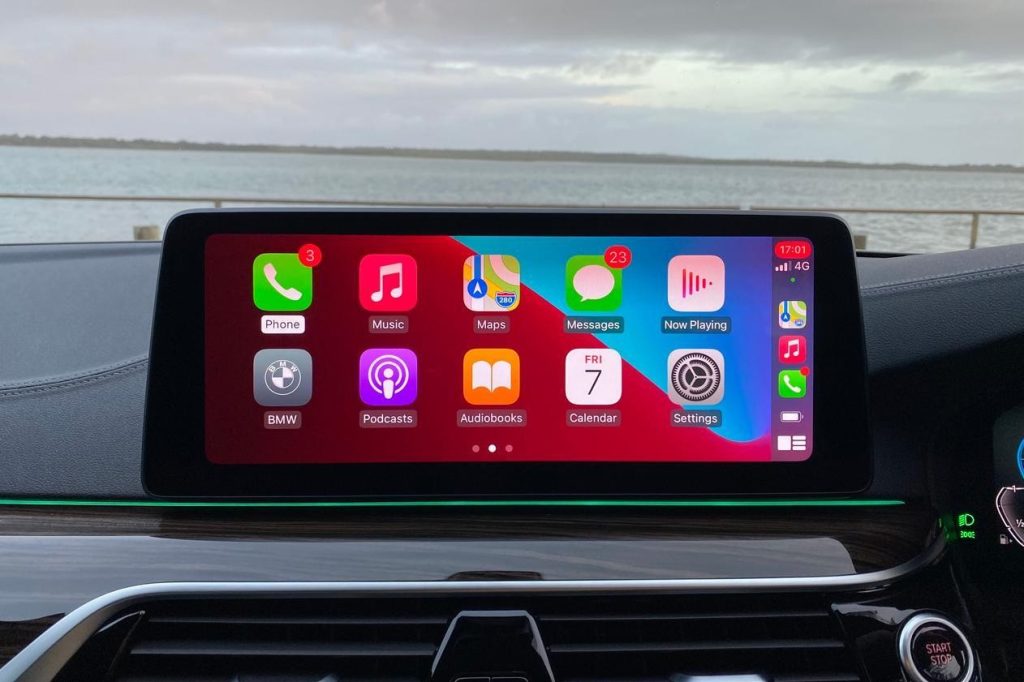
This digital monetization strategy fundamentally transforms how consumers experience luxury vehicles, shifting the boundary between what is owned outright and what is merely rented on a recurring basis.
When physical components built directly into a vehicle’s seats or dashboard are locked behind digital paywalls, the traditional concept of vehicle ownership begins to dissolve.
Automakers argue that pre-installing uniform hardware simplifies factory assembly lines and allows owners to activate options later at their convenience.
However, critics and consumers view it as a practice of double-charging, since the cost of manufacturing and installing the physical hardware is already baked into the vehicle’s initial purchase price.
This approach has forced regulatory bodies and consumer advocacy groups to closely scrutinize the ethics of software-gated features, establishing a contentious battleground over consumer rights in the modern automotive world.
Specifications:
- Engine: 2.0-liter turbocharged inline-4
- Horsepower: 248 hp
- Torque: 258 lb-ft
- Length: 194.6 inches
- Width: 73.1 inches
4. Toyota’s Key Fob Remote Start Subscription
Toyota’s key fob has a button that looks like ordinary remote start. Owners assumed it worked independently of any app or network. It doesn’t. Toyota confirmed that on every 2018-and-newer model, the fob button is tied to the paid Remote Connect subscription. Even short-range use requires an active plan.
Most buyers got a free trial bundled with certain trim levels. Three years or ten years, depending on the audio package selected at purchase. As those trials expired, owners discovered the fob button stopped working entirely. Reactivating it costs about $8 a month, or $80 a year.
Owners called it misleading, since a physical fob button implies local, standalone function. Instead, it quietly depends on a cellular subscription that can lapse.
This design choice blurs the traditional line between local radio-frequency control and cloud-dependent connectivity, leaving many drivers baffled as to why a button sitting directly on their handheld key requires active server validation to function.
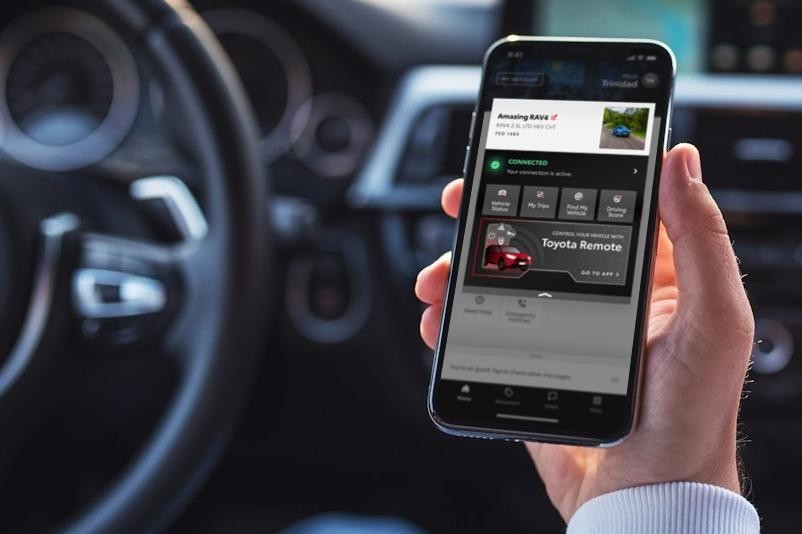
Historically, a key fob communicated directly with the vehicle’s onboard receiver via short-range radio waves, completely independent of external cellular towers or monthly service plans.
By routing a basic physical command through a paid cloud subscription tier, manufacturers introduce entirely new points of friction and perpetual operating costs for features that consumers expect to work indefinitely.
When the expiration of a digital subscription renders a physical button on a key useless, it creates a frustrating user experience that damages brand loyalty.
This trend highlights a broader industry shift toward recurring revenue models, where even basic convenience features are transformed into ongoing subscription fees long after the vehicle leaves the dealership lot.
Specifications:
- Engine: 2.5-liter inline-4
- Horsepower: 203 hp
- Torque: 184 lb-ft
- Length: 180.9 inches
- Width: 73.0 inches
Also Read: Preston Tucker Built 51 Cars Before the Company Collapsed
5. GM’s Super Cruise and OnStar Cutoff
Many GM vehicles ship with three free years of Super Cruise, GM’s hands-free highway system. After that window closes, the feature stops working without payment.
Pricing has shifted around $25 to $40 a month for renewal. A one-time purchase route exists too, running $2,500 to $3,000 on some models. GM says between 30 and 40 percent of eligible owners keep paying once the trial ends. The rest lose access to a feature they were sold as a headline option.
OnStar’s broader connectivity suite follows the same pattern. Basic service now runs up to eight years free on newer vehicles, but paid tiers unlock more.
GM has been open about the strategy. Executives have called out software and subscriptions as a deliberate, high-margin growth target. This approach transforms advanced driver-assistance technology from a permanent vehicle upgrade into an ongoing utility expense.
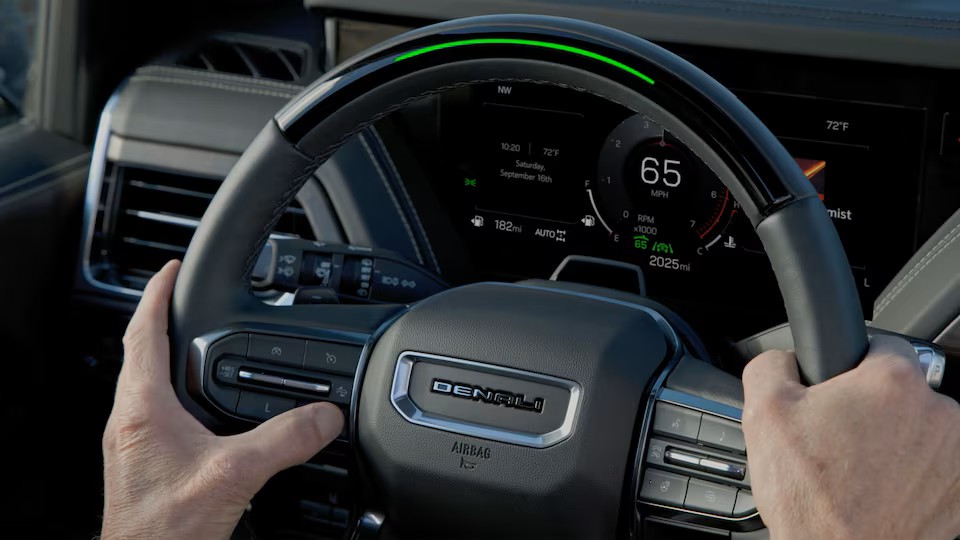
When a flagship safety or convenience feature ceases to function simply because a promotional trial window has expired, owners face an unexpected financial barrier to utilizing hardware that is already fully integrated into their vehicle’s systems.
The transition toward subscription-locked automated driving features reflects a broader corporate priority across the automotive industry to capture recurring revenue streams long after the initial sale.
For consumers, this model creates a fragmented ownership experience where maintaining full access to a vehicle’s advanced capabilities requires constant budget management.
As automakers lean deeper into high-margin software tiers, the boundary between purchasing a car and leasing its individual functions becomes increasingly blurred, forcing buyers to carefully weigh the long-term cost of ownership before investing in technology-heavy trim levels.
Specifications:
- Engine: Single electric motor, front-wheel drive
- Horsepower: 200 hp
- Torque: 266 lb-ft
- Length: 169.5 inches
- Width: 69.5 inches
6. Mercedes-Benz Rear-Wheel Steering Lockout
The Mercedes-Benz EQS ships with the hardware for 10-degree rear-wheel steering already installed. Every unit built has the parts. But in Germany, the fuller steering angle only activates with a paid subscription. Without it, the system caps out at a lesser 4.5-degree range.
Pricing was set around 489 euros a year, or roughly 1,169 euros for three years. A software toggle, done through the owner’s Mercedes me account, is the only difference.
Critics pointed out there’s no mechanical reason for the split. The car can already do it. The company just chose to charge extra for the code that turns it on.
Mercedes had done something similar before with acceleration boosts on other EV models. The rear-steer case simply made the pattern more visible, since it affects how the whole car handles.
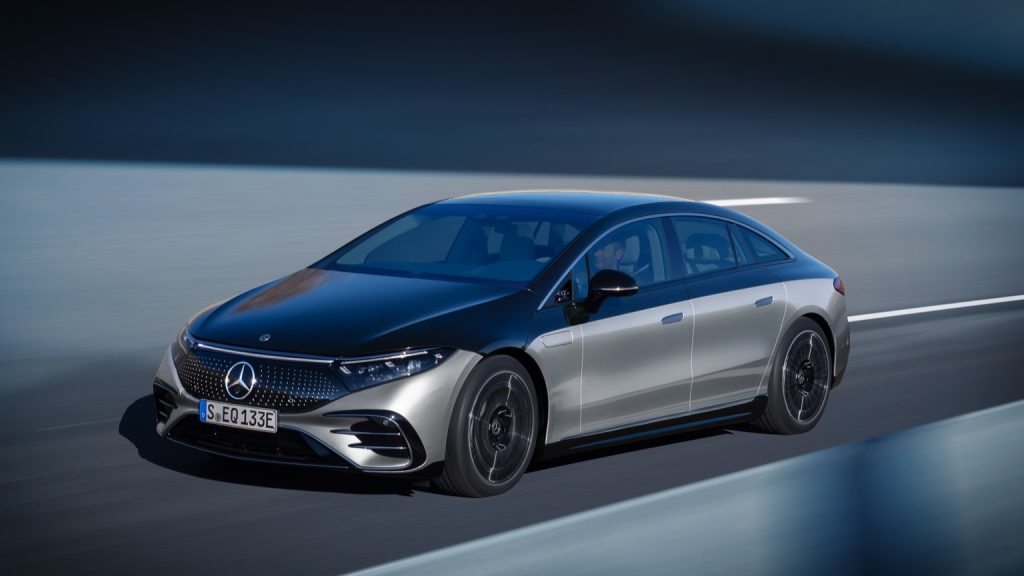
Locking a mechanical capability behind a digital paywall exposes the paradox of modern automotive manufacturing, where hardware standardization creates uniform production lines at the expense of artificial software restrictions.
Every single vehicle rolls off the factory floor fully equipped with the physical actuators, sensors, and steering geometry required for tight maneuverability, yet the driver’s actual physical experience is strictly governed by whether a digital license is active.
This strategy invites intense consumer scrutiny because it severs the traditional link between manufacturing cost and consumer pricing. When a physical performance feature can be instantly toggled on and off via a cloud-based account menu, it challenges the fundamental understanding of property rights in the digital age.
Buyers expect that paying a premium luxury price tag grants them unencumbered access to all physical machinery built into the vehicle, making software-gated mechanical performance one of the most controversial trends in modern automotive engineering.
Specifications:
- Engine: Dual electric motor, all-wheel drive
- Horsepower: 516 hp
- Torque: 631 lb-ft
- Length: 205.4 inches
- Width: 76.5 inches
7. Nissan Leaf’s App Shutdown
Older Nissan Leaf models relied on 2G cellular hardware for their connected app. That network technology is being phased out worldwide. Nissan announced the NissanConnect EV app would shut down for Leafs built before 2016. The cutoff date was April 2024.
Roughly 24,000 UK-registered Leafs were affected by the change. Owners lost remote charge status checks, cabin pre-heating, and remote climate control scheduling.
Nissan framed it as an unavoidable technology sunset. Owners framed it differently, calling it an abandonment of early adopters who paid a premium for the tech at launch.
No retrofit path was offered for most affected cars. The feature simply stopped working, with no software or hardware option to bring it back. This abrupt termination exposed a harsh reality for early adopters of electric vehicles, illustrating how rapidly embedded telecommunication hardware can become obsolete compared to the multi-decade lifespan of the actual car.
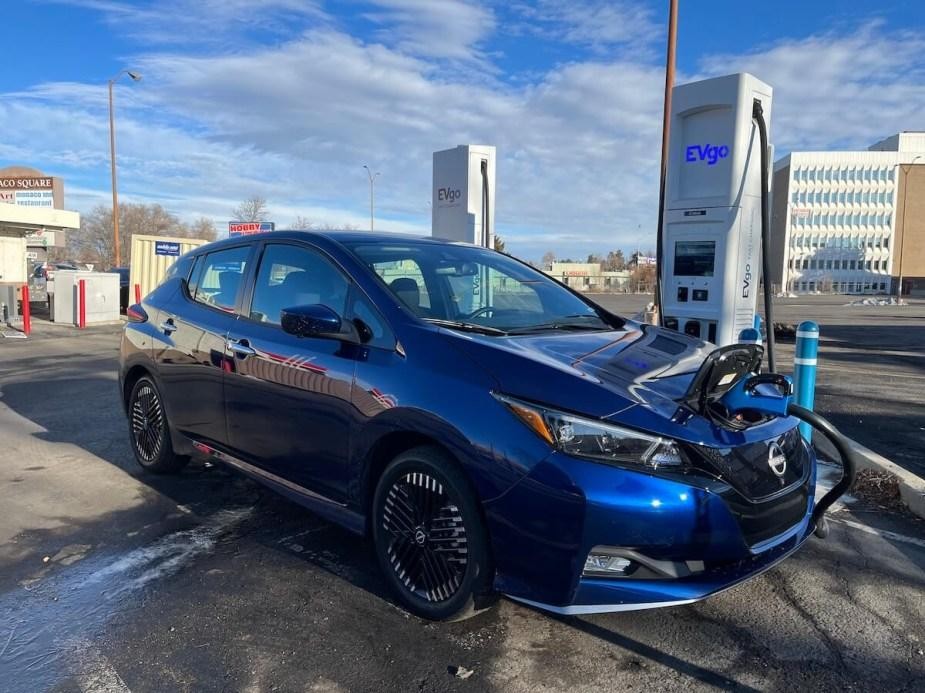
When a manufacturer ties essential convenience features like cabin pre-conditioning and remote battery monitoring to legacy cellular networks, the inevitable retirement of those networks leaves functioning vehicles functionally degraded.
For owners of first-generation electric cars, losing remote app capabilities directly impacts day-to-day usability, particularly during extreme weather seasons when pre-heating or pre-cooling the cabin preserves precious driving range.
The lack of an official upgrade path or hardware retrofit option meant that drivers were simply forced to accept the permanent loss of features they had integrated into their daily routines.
This precedent underscores the growing challenge of maintaining software and connectivity lifecycles in an industry accustomed to building durable mechanical machines rather than short-lived consumer electronics.
Specifications:
- Engine: Single electric motor, front-wheel drive
- Horsepower: 107 hp
- Torque: 187 lb-ft
- Length: 175.0 inches
- Width: 69.7 inches
8. Lexus Enform’s 3G Shutdown
Lexus vehicles built between 2010 and 2018 relied on 3G connectivity for their Enform suite. That suite covered more than convenience features. It included Safety Connect, with automatic collision detection and stolen vehicle tracking. It also handled remote lock, unlock, and start functions through the Enform Remote service.
When US carriers retired 3G networks, Enform stopped working entirely. Lexus shut the service down on its end rather than fight a losing battle against dead infrastructure.
Some functions moved to a newer Lexus App Suite. Others, including parts of the original safety monitoring, were not replaced at all. Lexus offered prorated refunds to owners with active subscriptions.
But the underlying hardware and services buyers paid for years earlier were gone for good, with no retrofit option available. The retirement of legacy cellular networks presented luxury automakers with a difficult infrastructure hurdle, forcing them to decommission connected services that customers had relied on for years.
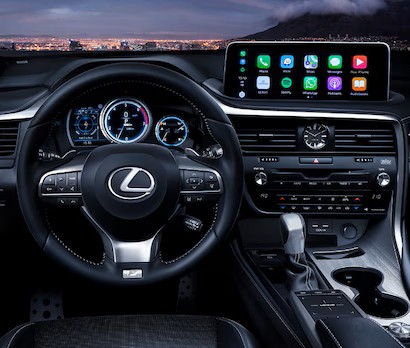
Because these telematics modules were soldered directly into the vehicle’s infotainment architecture, upgrading them to modern 4G or 5G modems proved economically unviable for the manufacturers, resulting in a wholesale feature cutoff.
While financial refunds addressed active subscription fees, they failed to compensate for the permanent loss of high-value safety and security tools like automated collision notification and stolen vehicle recovery.
Owners of luxury vehicles suddenly found themselves stripped of capabilities that were heavily marketed as core ownership benefits when the cars were new.
This systemic vulnerability highlights the friction that occurs when long-lasting mechanical luxury is inextricably bound to fast-evolving digital networks, leaving consumers to absorb the cost of technological obsolescence.
Specifications:
- Engine: 3.5-liter V6
- Horsepower: 295 hp
- Torque: 267 lb-ft
- Length: 192.5 inches
- Width: 75.4 inches
Also Read: Hertz Rented a Shelby Mustang to the Public in 1966
