
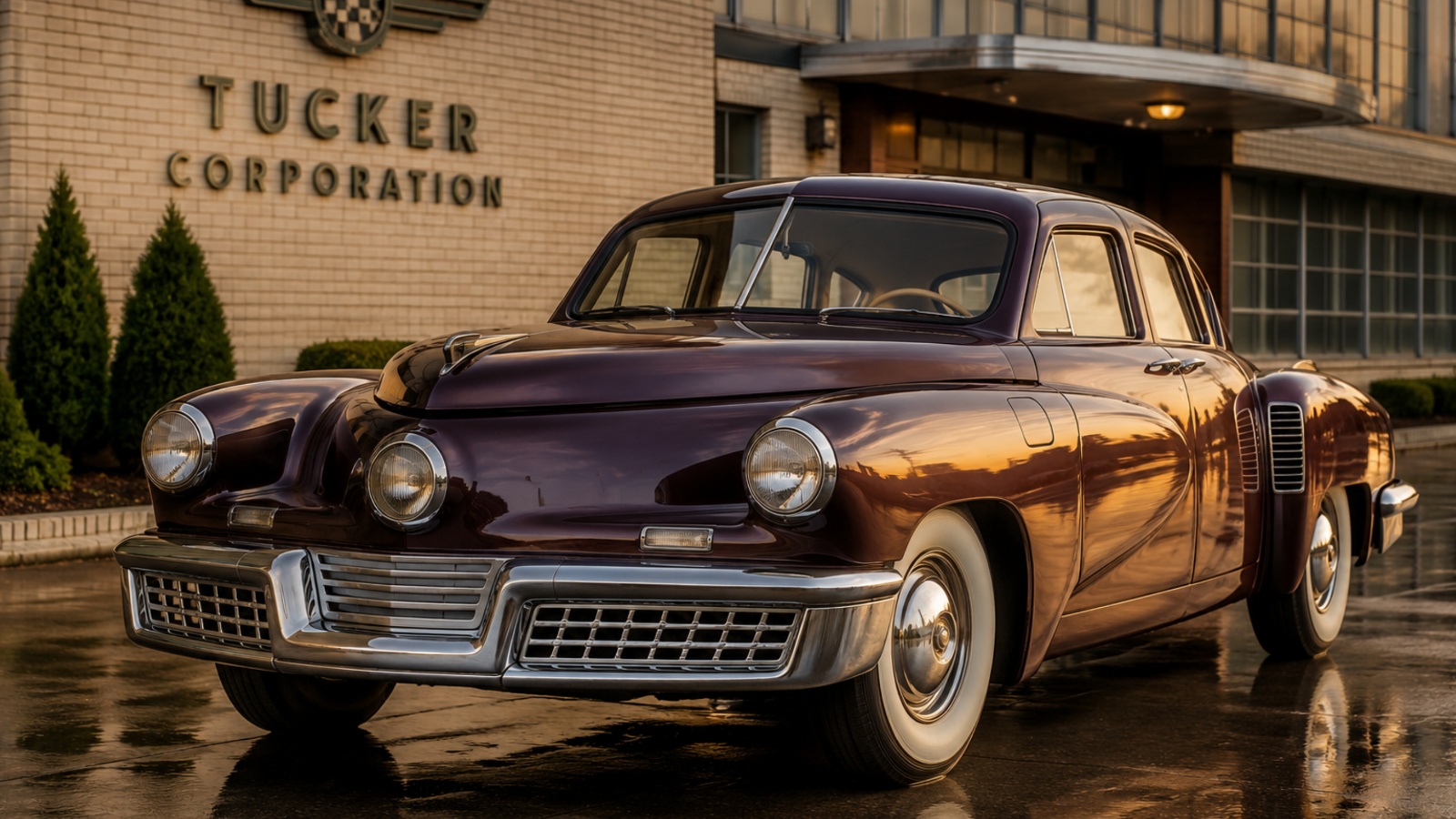
Preston Tucker dreamed of building America’s most advanced automobile. In 1948, he introduced the Tucker ’48, a car years ahead of its time. The car featured a rear-mounted engine, a design almost unheard of in American vehicles. It also had a center-mounted headlight that turned with the steering wheel.
This third headlight, often called the “Cyclops Eye,” lit up the road around curves. It was one of many innovations that made the Tucker stand out from Detroit’s Big Three.
Tucker also built in safety features decades before they became industry standard. These included a padded dashboard, a pop-out windshield, and a roll-bar-reinforced roof.
Despite the bold vision, only 51 cars were ever produced. The company collapsed under financial pressure, legal battles, and fierce opposition from established automakers.
Preston Tucker’s story remains one of ambition, innovation, and tragedy. It shows how a visionary idea can be crushed by industry giants and regulatory scrutiny.
Today, the surviving Tucker ’48 models are treasured collector’s items. They stand as a reminder of what might have been in American automotive history.
The Man Behind the Machine
Preston Thomas Tucker was born in 1903 in Michigan. He grew up fascinated by cars, engines, and speed. Tucker worked various jobs in the auto industry before founding his own company. He had experience with Cadillac, Ford, and even law enforcement vehicle sales.
During World War II, Tucker designed armored vehicles and gun turrets. This work gave him valuable engineering connections and manufacturing knowledge.
After the war, Tucker saw an opportunity. Automakers were slow to innovate, and consumers wanted fresh, modern designs. He believed the postwar market was ready for a revolutionary automobile. Tucker wanted to build something safer, faster, and smarter than anything on the road.
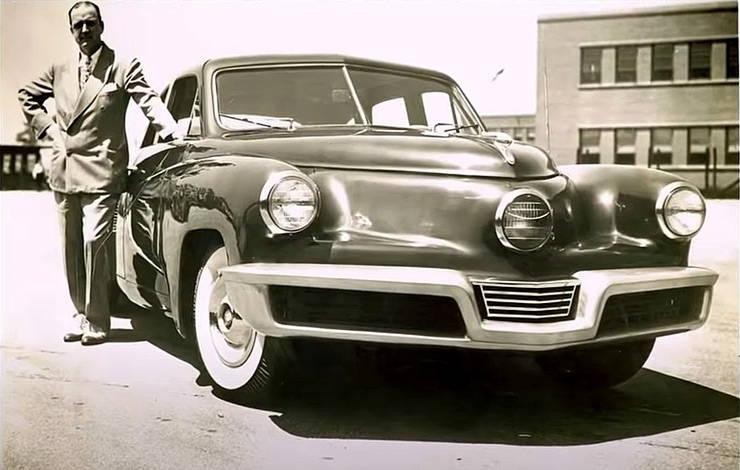
In 1946, he founded the Tucker Corporation in Chicago. He leased a massive former aircraft engine plant to build his dream car. Tucker was a natural salesman with big ambitions. He promised investors and the public a car unlike anything ever made.
His personality was magnetic, but also controversial. Critics accused him of overpromising and underdelivering from the very beginning. Still, Tucker pressed forward with confidence. He believed innovation would silence his doubters and win over the American public.
He surrounded himself with talented engineers and designers. Alex Tremulis, a gifted designer, helped shape the car’s futuristic look. Tucker wanted the car to feel like the future. Every detail, from the body to the engine, reflected that ambition.
Revolutionary Design and Engineering
The Tucker ’48 broke away from traditional American car design. Its rear engine placement was inspired by European engineering trends. This layout improved weight distribution and interior space. Passengers enjoyed a flatter floor and more legroom than typical sedans.
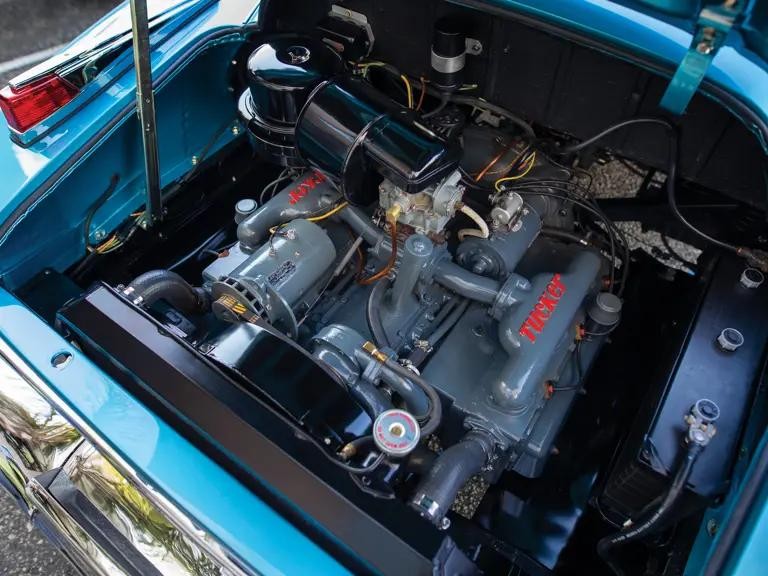
The engine itself was a modified helicopter engine, converted for automotive use. It produced smooth power while remaining lightweight and compact.
Tucker’s team also engineered a fuel-injection system for better performance. This was extremely advanced for a mass-market vehicle in 1948. The third headlight, or “Cyclops Eye,” was mounted in the center of the car. It rotated with the front wheels to illuminate turns.
This feature helped drivers see around curves at night. It was decades ahead of adaptive headlight technology used today. Safety was a major focus for Tucker’s design team. Most cars of that era ignored crash protection almost entirely.
The Tucker ’48 included a padded dashboard to reduce injury during impact. This simple addition could prevent serious harm in a crash. It also featured a windshield designed to pop out during a collision. This prevented passengers from being cut by shattered glass.
A strengthened steel safety cage protected occupants in rollovers. Few, if any, other cars offered this kind of structural protection. The car also had a low center of gravity for improved handling. This made it more stable at higher speeds than competitors.
Tucker even considered seatbelts, though they were dropped due to public resistance. At the time, seatbelts were seen as an admission that crashes were expected.
The interior was spacious, modern, and thoughtfully designed. It reflected Tucker’s belief that comfort and safety could coexist. The exterior styling was sleek, aerodynamic, and futuristic. It looked more like a spaceship than a typical 1940s sedan.
Tucker revealed the car in 1947 to a large, excited crowd. The reveal promised a bold new era for American automobiles. However, the prototype had mechanical issues during the reveal. Engineers had to make last-minute fixes before the car could move.
Despite this hiccup, public interest remained high. Many Americans were eager to buy a car that felt genuinely new. Tucker began accepting dealership applications and investor funds. Confidence in the project seemed to be growing rapidly.
The Collapse of the Tucker Corporation
Tucker’s rapid rise attracted unwanted attention from powerful rivals. Detroit’s Big Three worried about losing market share to an outsider. Some historians believe established automakers pressured regulators to investigate Tucker. Whether coordinated or not, scrutiny on Tucker intensified quickly.
The Securities and Exchange Commission launched an investigation into Tucker’s financing methods. They questioned how he sold stock and dealership franchises.
Tucker had sold accessories and franchises before mass production began. This unconventional funding raised suspicions of fraud among regulators.
Negative press coverage soon followed the investigation. Newspapers speculated that Tucker was running a scheme, not a real car company. Public confidence began to waver under the weight of bad publicity. Potential investors grew cautious about supporting the struggling company.
In 1949, Tucker and several executives were indicted on fraud charges. The trial became a major national news story. The government accused Tucker of misleading investors about the car’s viability. Prosecutors argued he never intended to mass-produce the vehicle.
Tucker maintained his innocence throughout the lengthy trial process. He argued that mechanical delays were normal for a new automaker. After a dramatic trial, Tucker and his co-defendants were acquitted. The jury found no solid evidence of criminal intent.
Despite the acquittal, the damage to the company was already done. Legal fees and lost investor confidence crippled operations completely. By this time, only 51 cars had been built. The factory could not continue mass production without more funding.
The Tucker Corporation officially folded shortly after the trial ended. Preston Tucker’s dream of a revolutionary car company was finished. Tucker attempted several other business ventures in later years. None matched the ambition or fame of his automotive project.
He passed away in 1956, just seven years after the trial. Many believe the stress of the ordeal affected his health. Over time, historians have debated what truly caused Tucker’s downfall. Some blame poor business decisions, others blame industry sabotage.
Regardless of the cause, the story captured public imagination for decades. It became a symbol of innovation crushed by powerful interests. In 1988, a film titled “Tucker: The Man and His Dream” retold his story. It introduced a new generation to his ambitious vision.
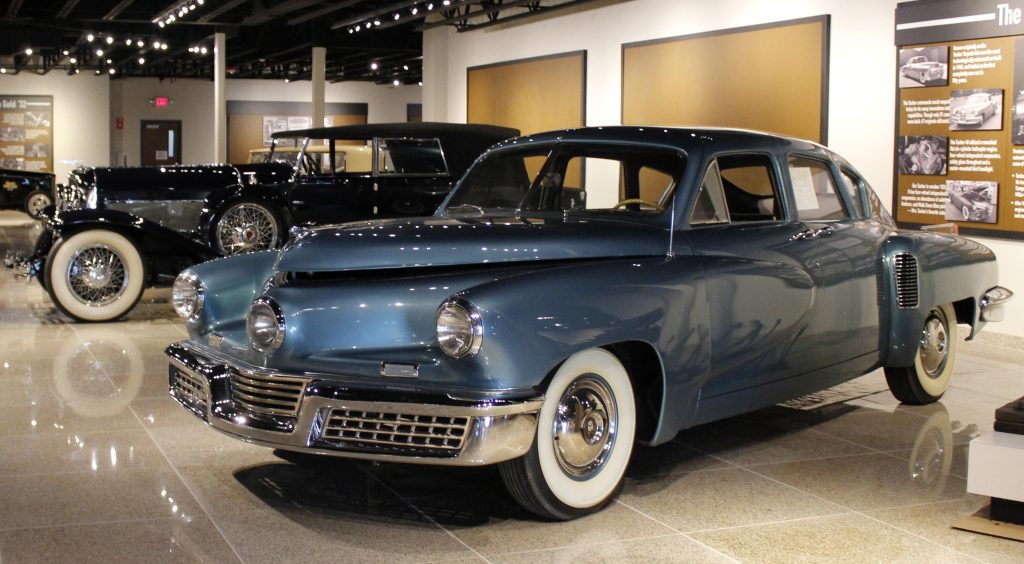
Today, surviving Tucker ’48 models are extremely rare and valuable. Collectors and museums treasure them as pieces of automotive history. Each surviving car represents more than mechanical innovation. It represents a bold attempt to challenge an entire industry.
Preston Tucker’s legacy continues to inspire engineers and entrepreneurs today. His story reminds people that innovation often faces intense resistance. The Tucker ’48 remains a symbol of what could have been. It stands as proof that great ideas sometimes arrive before the world is ready.
Even in failure, Tucker changed how people thought about car safety. Many features he pioneered eventually became standard across the industry.
His story is not just about cars, but about vision and courage. It shows the risks innovators take when challenging established power. The Tucker Corporation’s short history remains a cautionary and inspiring tale. It captures both the promise and peril of American entrepreneurship.
Also Read: 10 Cars With the Biggest Heat-Related Reliability Issues
