
A reset performed through the vehicle’s infotainment system may appear to erase all stored information, but it does not always remove every type of data. While paired phones, navigation destinations, and personal preferences are typically deleted, other electronic control modules can continue to retain certain records.
Studies conducted by the Mozilla Foundation through its Privacy Not Included project and by Privacy4Cars indicate that many connected vehicles preserve some diagnostic information, telematics records, and portions of location history even after a standard factory reset.
Specialized forensic tools, including Berla iVe, may still recover some of this information from the vehicle’s internal storage. That means deleting what appears on the screen does not always remove every digital record. Here are ten vehicles where this difference is worth knowing.
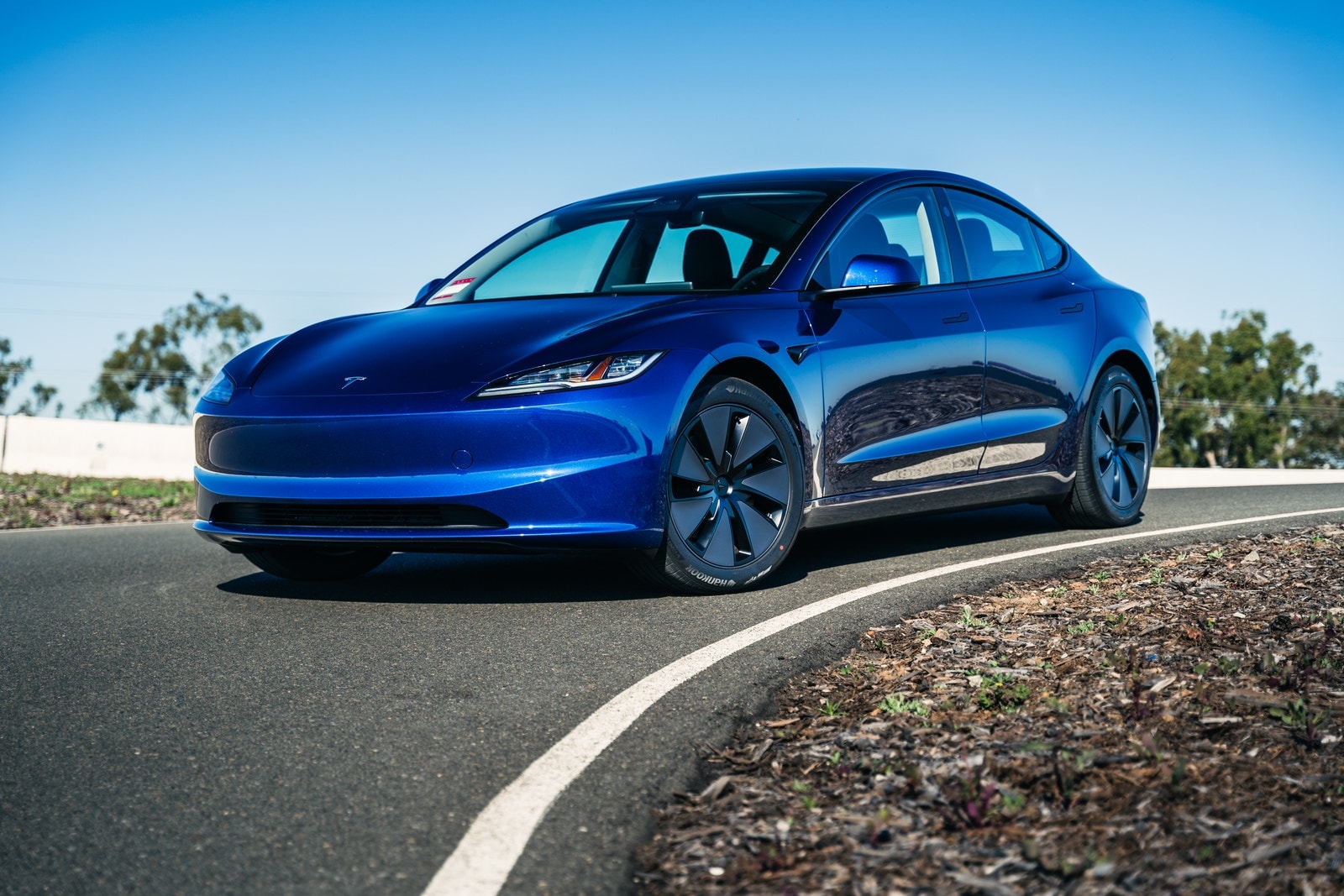
1. Tesla Model 3
- Engine: Single Electric Motor (RWD)
- Horsepower: 271 hp
- Torque: 310 lb-ft
- Size: 185.8″ Long × 72.8″ Wide
Many people buy a Tesla Model 3 because of its advanced technology, though only a few understand how much information the car stores during normal driving. Unlike many vehicles that rely mainly on one infotainment unit, the Model 3 uses several onboard computers that work together.
The central touchscreen manages everyday functions, while another computer handles features linked to Autopilot on equipped vehicles. As these systems operate, they create diagnostic records, driving information, camera-related events, and other technical data that help the vehicle monitor its performance and connected features.
Even after carrying out a factory reset from the touchscreen, some information may still remain inside other electronic modules. The reset removes personal profiles, saved destinations, paired phones, and similar items visible to the driver, but it does not always erase every record stored elsewhere in the vehicle.
Vehicle forensic specialists have reported that certain diagnostic entries, timestamps, and parts of location history can still be recovered with specialized extraction equipment connected directly to the car’s internal storage. This becomes an important consideration for anyone planning to sell a used Model 3 or return one after a lease.
Many owners believe the factory reset leaves the vehicle completely clean, yet that may not always be the case. Following Tesla’s recommended steps for removing personal accounts and connected services is a wise decision before handing the vehicle to another person.
It also helps to remember that clearing what appears on the screen is different from removing every piece of information stored inside the vehicle’s electronic systems, especially in a car built with such advanced computing technology.
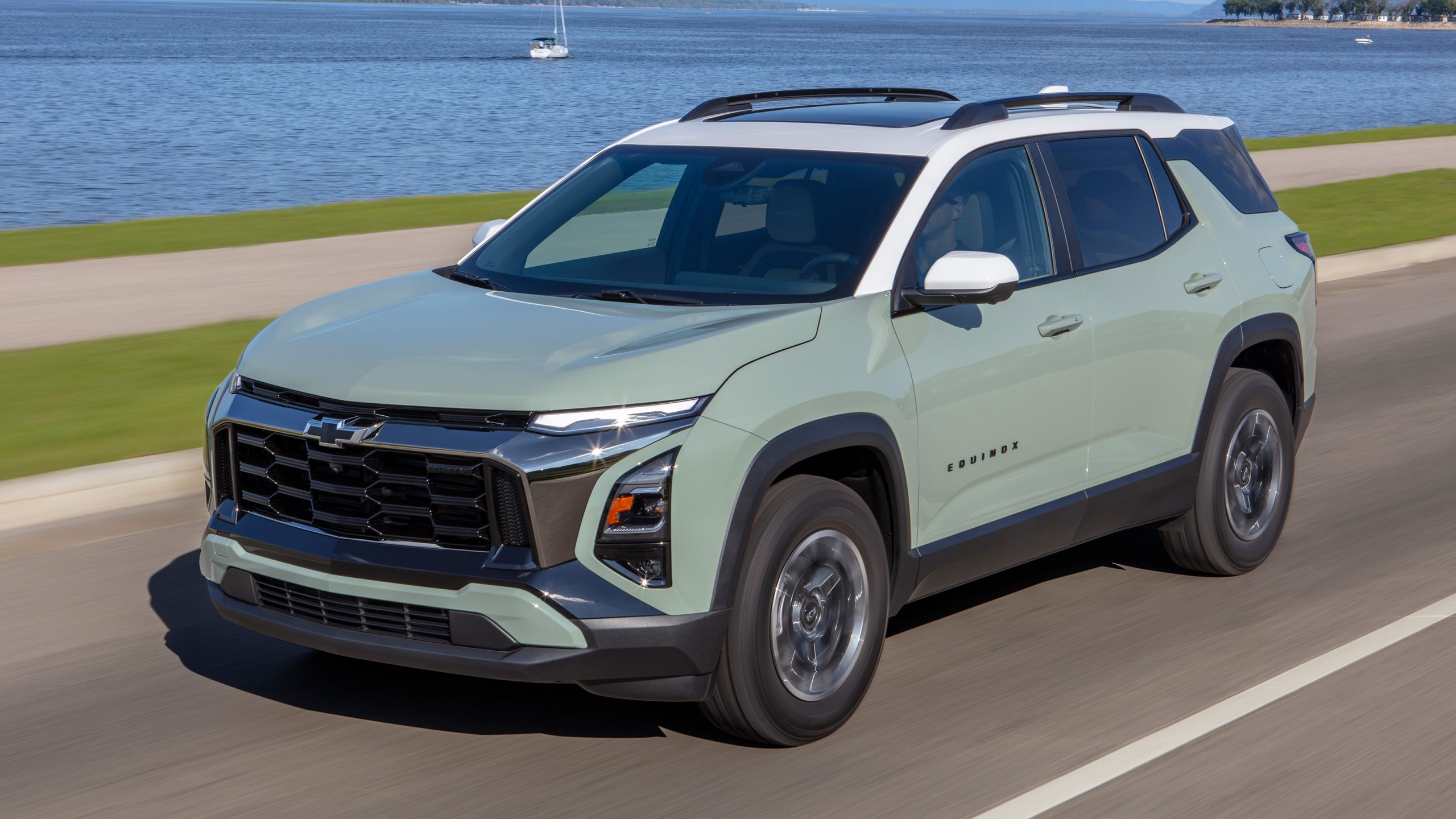
2. Chevrolet Equinox
- Engine: 1.5L Turbocharged Inline-4
- Horsepower: 175 hp
- Torque: 203 lb-ft
- Size: 183.2″ Long × 74.9″ Wide
General Motors built its OnStar system around a dedicated telematics control module, a piece of hardware that exists entirely separate from the infotainment screen most drivers interact with daily. That separation is precisely why clearing your saved destinations or disconnecting your phone from the touchscreen doesn’t automatically touch what OnStar has been recording behind the scenes.
This module handles more than simple convenience features. Emergency communication data, diagnostic reporting, and portions of vehicle location history all pass through this dedicated hardware, designed originally to support features like automatic crash notification and stolen vehicle tracking.
Because those functions depend on reliable historical data to work properly, the system isn’t built with routine consumer-level erasure in mind. A driver performing a standard infotainment reset addresses the surface-level interface without necessarily reaching the deeper telematics hardware running independently in the background.
For owners planning to sell an Equinox privately or return one at the end of a lease, canceling an OnStar subscription outright, rather than simply resetting the touchscreen, represents a more thorough step toward reducing what personal data remains accessible to a future owner or anyone with the right diagnostic equipment.
Also Read: 8 Cars That Broadcast Their Location to the Manufacturer
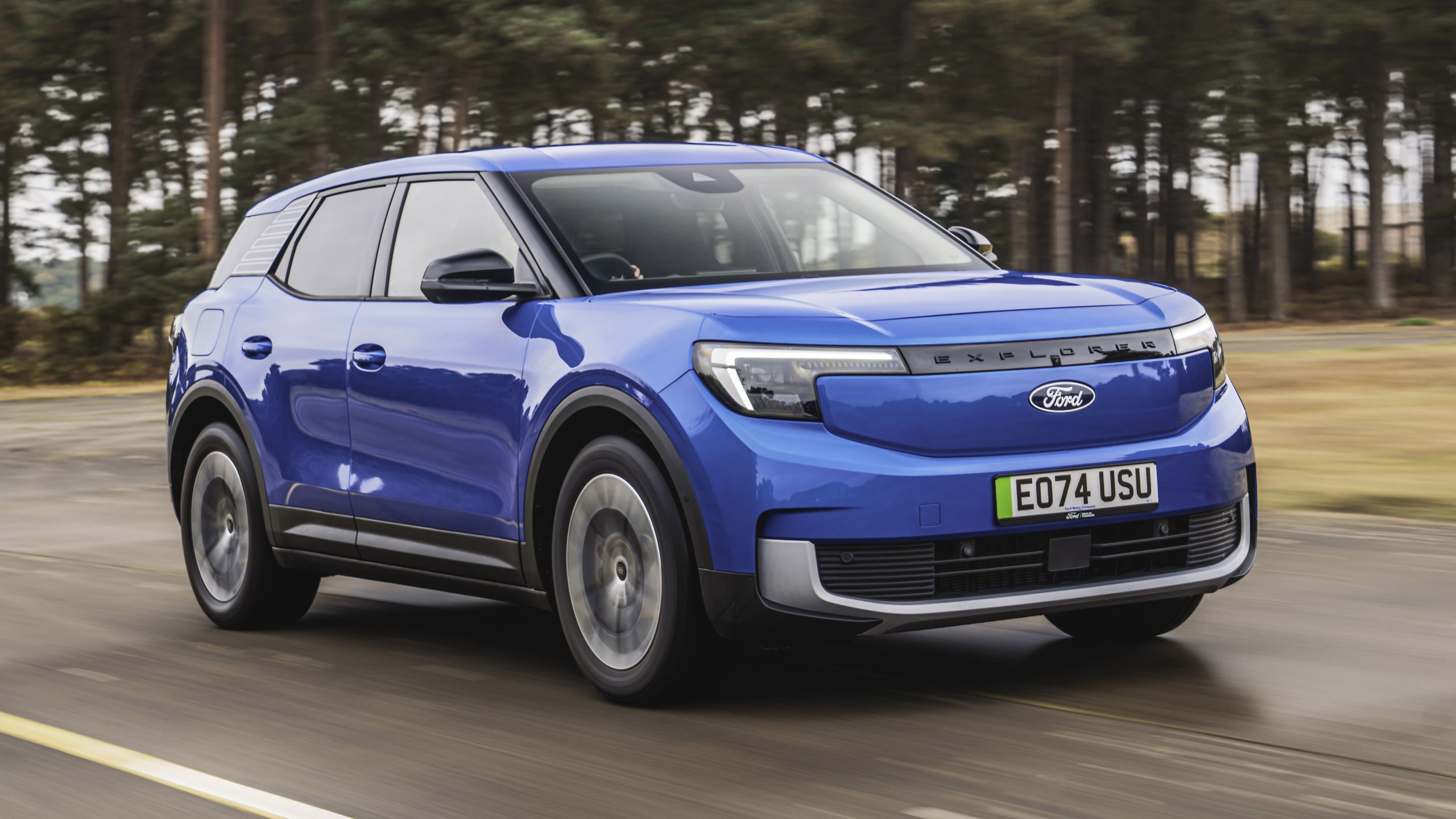
3. Ford Explorer
- Engine: 2.3L EcoBoost Inline-4
- Horsepower: 300 hp
- Torque: 310 lb-ft
- Size: 198.8″ Long × 78.9″ Wide
Many Ford Explorer owners rely on SYNC every day without realizing how much information it stores in the background. As one of Ford’s best-known infotainment systems, SYNC appears in millions of vehicles and keeps more than music playlists, phone contacts, and saved destinations.
It also stores paired Bluetooth devices, device identifiers, navigation activity, and certain diagnostic records created during normal vehicle operation. Much of this information supports connected features and maintenance while remaining hidden from the touchscreen menus drivers use every day.
A factory reset removes personal items shown on the display, but it may not erase every record stored elsewhere inside the vehicle. Some information can remain in onboard storage or separate electronic control modules outside the infotainment system.
This matters when an Explorer is sold or transferred because traces of previously connected phones or navigation history may still be recovered with specialized forensic equipment. Ford has improved SYNC’s data management across different generations, and newer versions usually provide better reset options.
Even so, owners should follow Ford’s recommended data removal process before selling, trading, or transferring the vehicle instead of relying only on the touchscreen reset. Taking these extra steps helps reduce the amount of personal information left inside the vehicle and offers greater peace of mind.
4. Toyota RAV4
- Engine: 2.5L Naturally Aspirated Inline-4
- Horsepower: 203 hp
- Torque: 184 lb-ft
- Size: 180.9″ Long × 73.0″ Wide
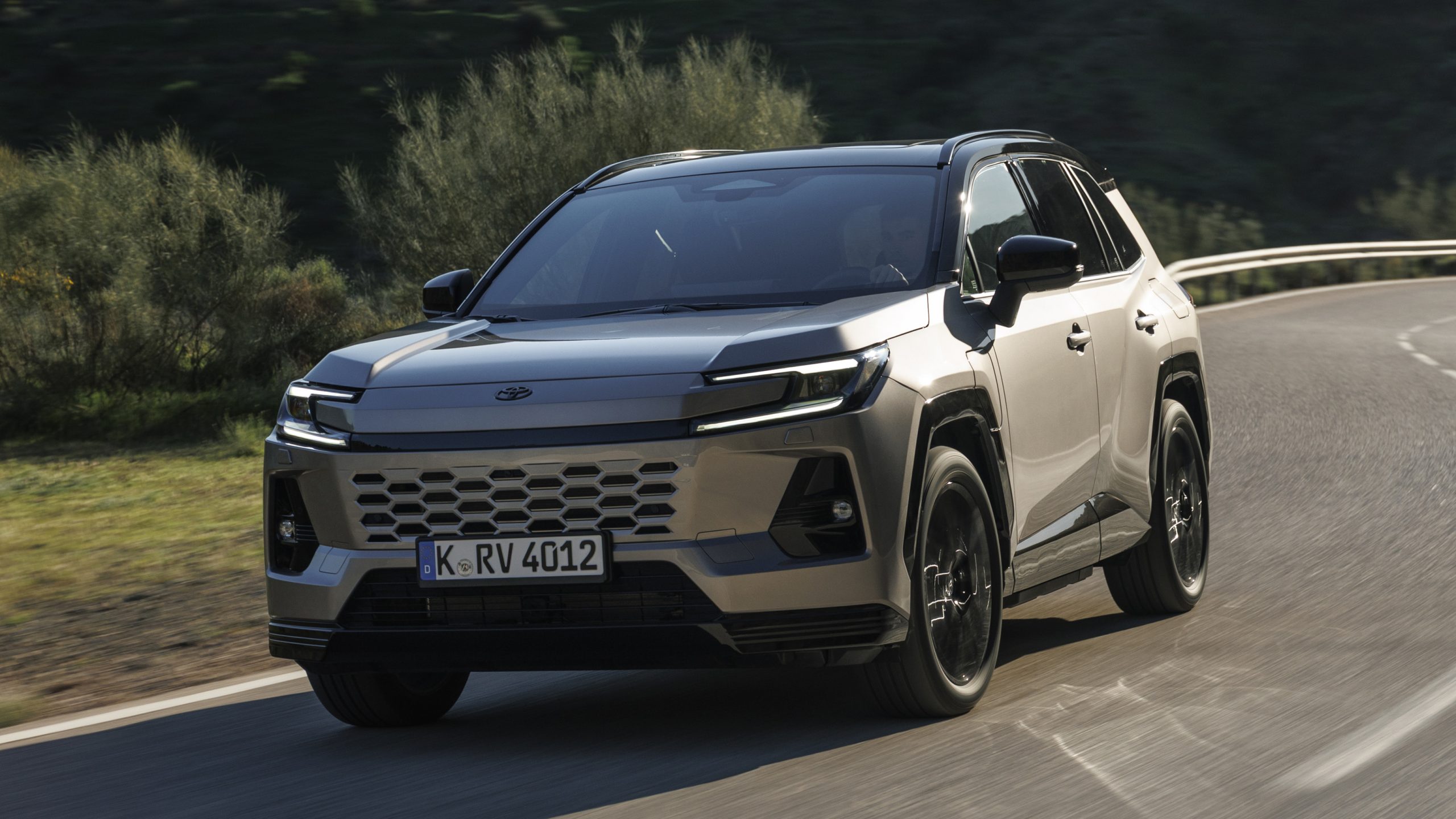
Two separate systems inside a modern RAV4 handle data in very different ways, and understanding that distinction clears up a lot of confusion around what actually gets erased. The Data Communication Module supports Toyota’s connected services, gathering telematics information used for features like remote start, vehicle health reports, and stolen vehicle assistance.
Running alongside it, the Event Data Recorder captures crash-related information specifically, a component required across the auto industry for safety investigation purposes. Neither of these systems responds to a simple infotainment reset the way a driver might expect.
The DCM continues collecting operational and diagnostic records tied to Toyota’s connected service platform, information that supports ongoing vehicle monitoring rather than something designed for casual, one-tap deletion.
The Event Data Recorder, meanwhile, exists specifically to preserve crash data for accident reconstruction and safety research, meaning it’s intentionally built to resist casual erasure altogether. Together, these two modules illustrate why a factory reset addresses personal settings and saved content without necessarily reaching into hardware built around persistence and reliability rather than user convenience.
Anyone selling a RAV4 equipped with Toyota’s connected services should specifically deactivate that service through Toyota’s official account portal, a separate step entirely from resetting the touchscreen display.
5. Nissan Rogue
- Engine: 1.5L Variable Compression Turbo Inline-3
- Horsepower: 201 hp
- Torque: 225 lb-ft
- Size: 183.0″ Long × 72.4″ Wide
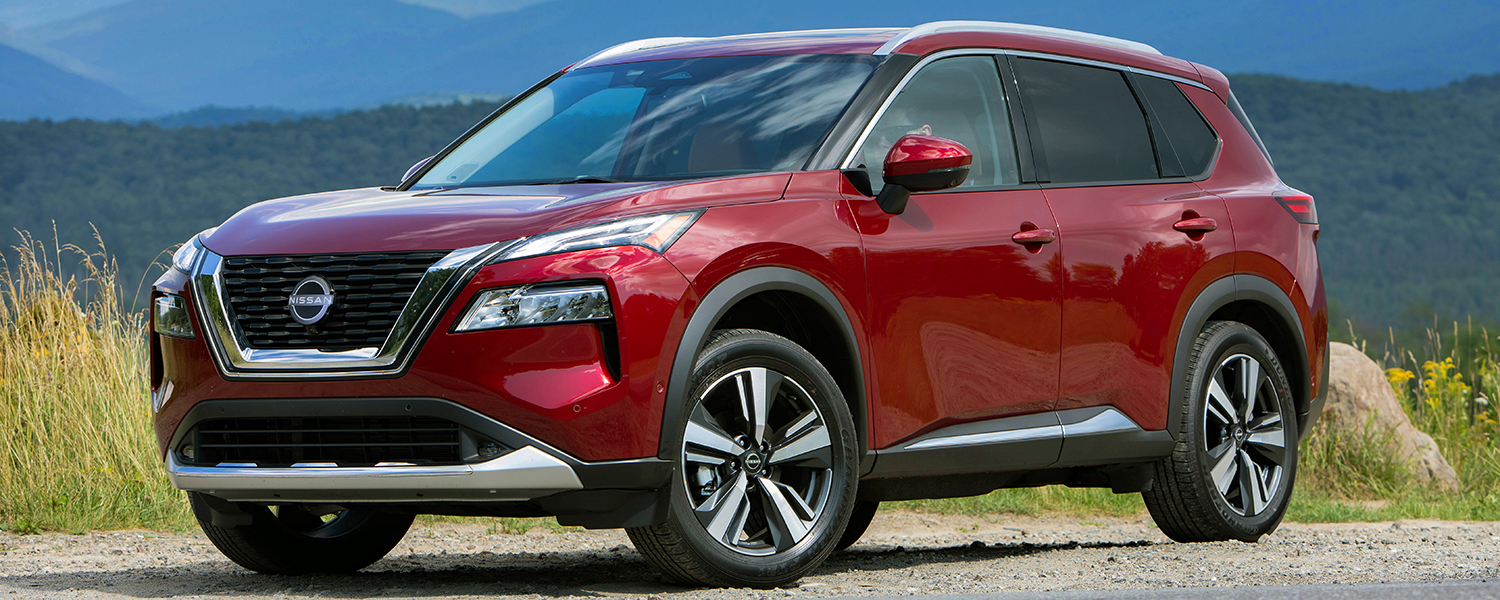
NissanConnect Services relies on a Telematics Control Unit working quietly in the background, a piece of hardware built to keep communication flowing between the vehicle and Nissan’s connected service network.
This unit handles far more than the features drivers directly notice, storing communication records, ongoing system diagnostics, and detailed information tied to whatever connected services a specific Rogue has enabled.
Because this control unit operates independently from the infotainment display’s user settings, resetting the touchscreen doesn’t automatically clear what’s stored inside the telematics hardware itself. Certain records tied to system communication and diagnostic history can remain well after a driver assumes their personal information has been wiped clean.
This becomes particularly relevant for anyone purchasing a used Rogue that previously had NissanConnect Services active, since remnants of the prior owner’s connected account information could theoretically persist in ways not visible through the standard interface.
Nissan does provide account-level deactivation options separate from the vehicle’s own reset function, and using both together offers considerably more thorough data removal than either step alone.
Drivers who’ve genuinely embraced their Rogue’s connected features, remote start, vehicle locator, and driving reports, accumulate a meaningful data trail worth addressing directly before handing the keys to someone else.

6. BMW 330i
- Engine: 2.0L Turbocharged Inline-4
- Horsepower: 255 hp
- Torque: 295 lb-ft
- Size: 185.7″ Long × 71.9″ Wide
iDrive represents one of the more sophisticated infotainment architectures on the market, spreading data collection across multiple electronic modules rather than centralizing everything in one place. That distributed design brings real functional benefits for performance and reliability, but it also means personal information doesn’t necessarily live in one tidy location a driver can simply erase with a single menu selection.
Navigation history built up over months or years of driving, paired-device information tied to specific smartphones, and diagnostic records documenting the vehicle’s operational history can all persist across these separate modules even after a routine user-level reset.
Vehicle forensic examiners have documented successful recovery of this kind of information during investigations, confirming that BMW’s distributed module structure doesn’t inherently protect against professional-grade extraction tools.
For someone trading in or selling a 330i, this means the touchscreen reset most owners rely on addresses only part of the full data picture. BMW’s official resources outline more comprehensive deletion procedures for owners specifically concerned about privacy before a vehicle changes hands, steps that go beyond what the standard iDrive reset function covers alone.
Given how central connected services have become to the modern BMW ownership experience, treating a full data wipe as a distinct task from a simple reset makes practical sense.
7. Jeep Grand Cherokee
- Engine: 3.6L Pentastar V6
- Horsepower: 293 hp
- Torque: 260 lb-ft
- Size: 193.5″ Long × 77.5″ Wide
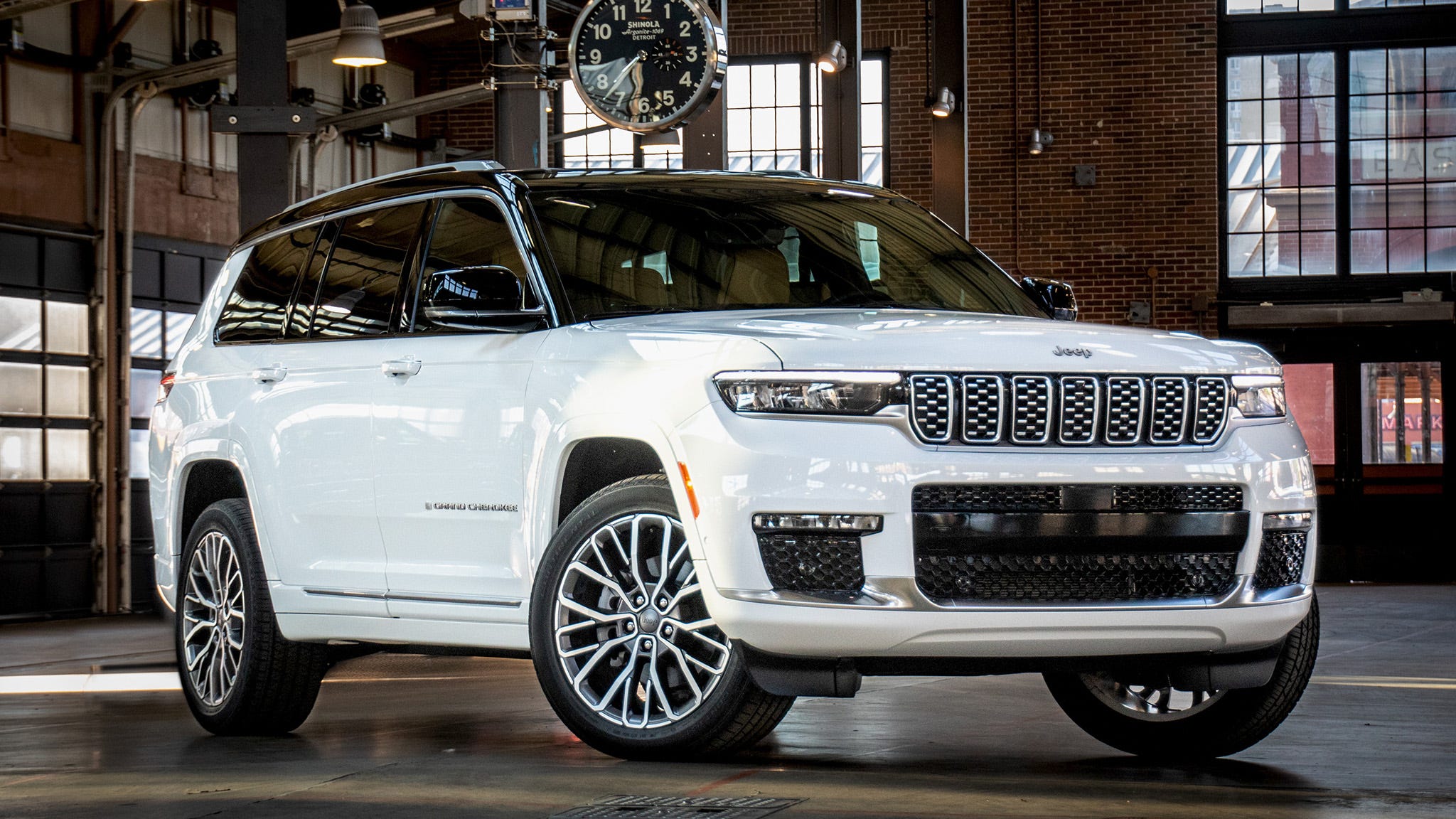
Uconnect spans an unusually wide range of vehicles under the Stellantis umbrella, appearing across Jeep, Dodge, Chrysler, and Ram lineups with largely consistent underlying architecture. That shared platform means whatever data retention patterns show up in a Grand Cherokee likely apply broadly across sibling vehicles wearing different badges, a detail worth knowing for anyone cross-shopping within this manufacturer family.
Navigation history, Bluetooth pairing records, telematics data, and system diagnostics all get stored within modules that sit apart from the settings menu a driver typically interacts with.
This separation between user-accessible controls and deeper system storage explains why a factory reset frequently leaves certain records intact despite appearing to clear everything from the driver’s perspective.
Someone purchasing a used Grand Cherokee should consider that a previous owner’s paired-device history or stored navigation patterns might technically remain recoverable, even following what looked like a complete reset performed before trade-in.
Stellantis has expanded privacy-focused account management tools in recent years, giving owners more direct control over connected service data specifically. Pairing that account-level deactivation with a standard infotainment reset offers meaningfully more thorough protection than relying on the touchscreen reset function by itself.
8. Volkswagen Golf GTI
- Engine: 2.0L Turbocharged Inline-4
- Horsepower: 241 hp
- Torque: 273 lb-ft
- Size: 168.8″ Long × 70.4″ Wide
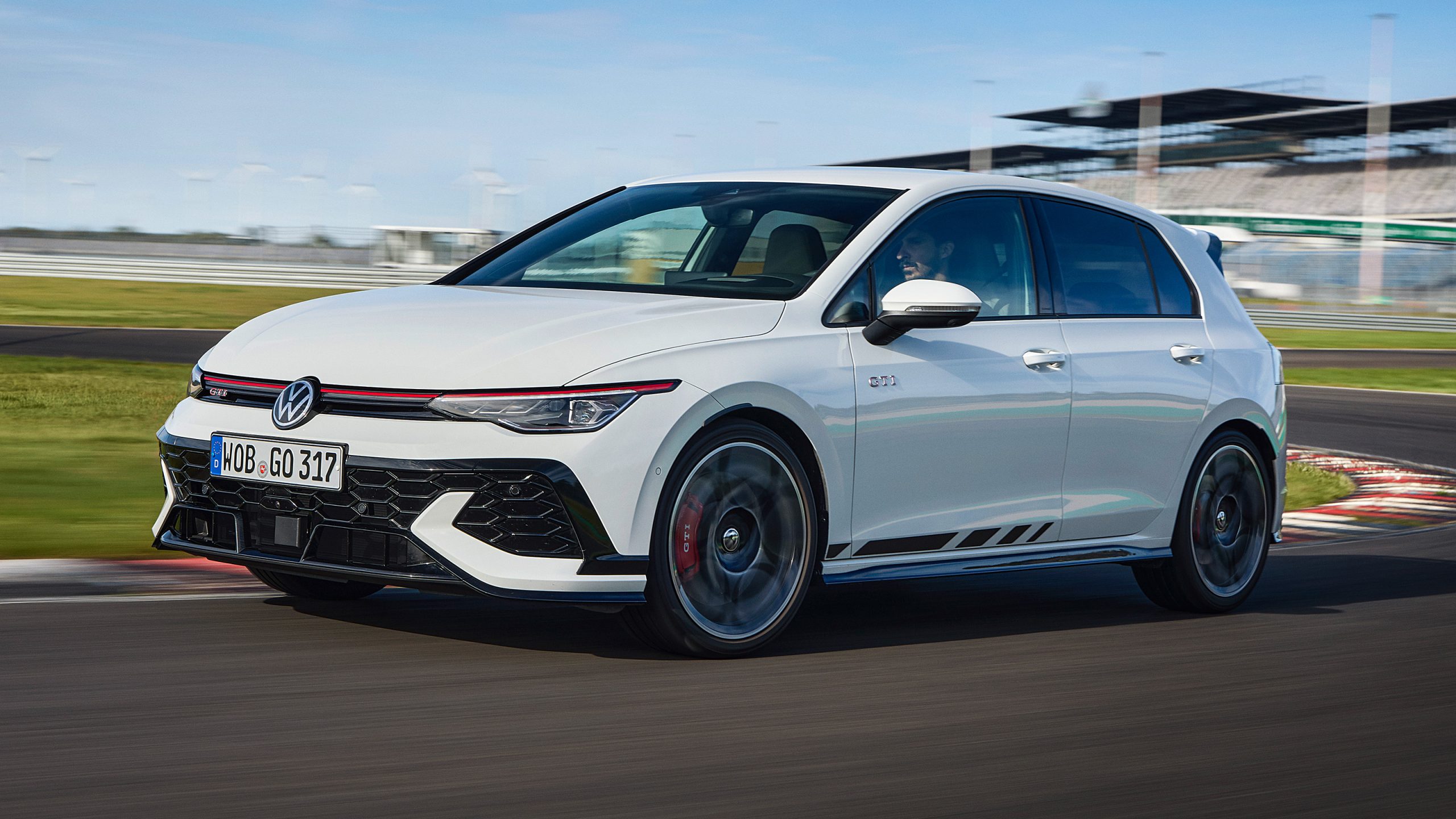
Car-Net brings connected functionality to Volkswagen’s lineup, and the Golf GTI’s telematics hardware handles this data collection through components built into the vehicle rather than something purely tied to the infotainment display.
Diagnostic information, along with a range of connected-service records, accumulates as these systems operate, supporting features many GTI owners rely on daily like remote lock, vehicle status checks, and stolen vehicle assistance.
Configuration differences across specific vehicles affect exactly what remains recoverable following a reset, since not every GTI ships with identical connected-service hardware or subscription status.
Depending on how a given vehicle was equipped, some historical information tied to Car-Net activity may persist within telematics hardware even after an owner clears personal settings through the main touchscreen interface.
This variability makes blanket assumptions somewhat risky, since two seemingly similar GTIs could retain different amounts of recoverable data based on trim level, model year, and which connected features were actually activated during ownership.
Volkswagen provides account cancellation options through Car-Net’s own portal, separate from the vehicle’s built-in reset function, and completing both steps offers more complete data removal than relying on the infotainment system alone.
Enthusiast owners who’ve customized settings extensively as time goes on tend to accumulate a correspondingly detailed digital record worth addressing directly.
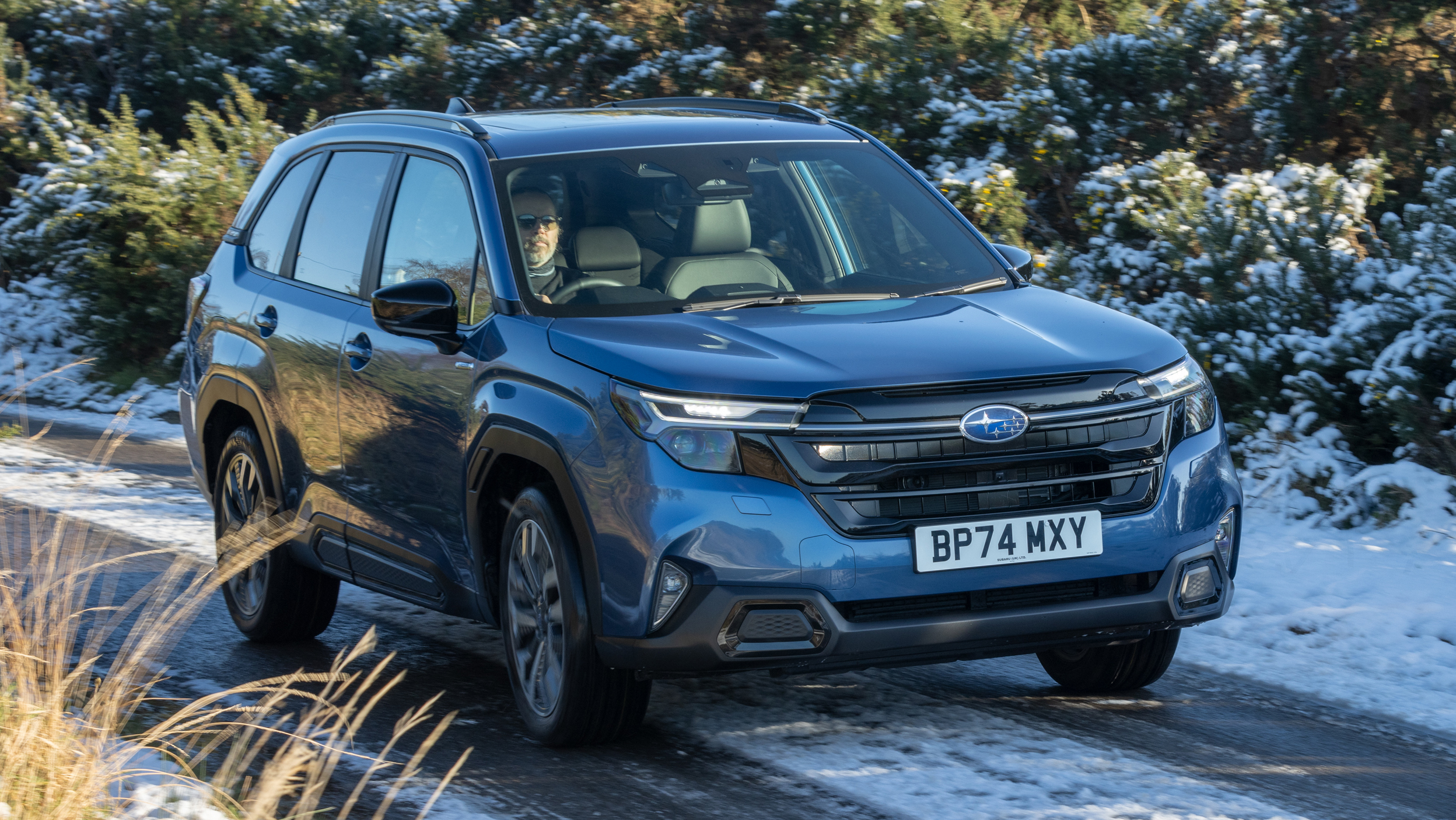
9. Subaru Forester
- Engine: 2.5L Naturally Aspirated Boxer-4
- Horsepower: 180 hp
- Torque: 178 lb-ft
- Size: 183.3″ Long × 72.4″ Wide
STARLINK connects Subaru vehicles to a range of safety and convenience features, and the Forester’s implementation stores navigation, telematics, and diagnostic information across electronic control modules built specifically to support those connected functions.
This kind of persistent storage exists by design, since features like automatic collision notification and remote vehicle locator depend on reliable historical data to function correctly when needed most. That same design intent, however, creates a gap between what a display reset accomplishes and what remains stored elsewhere in the vehicle’s electronics.
Resetting the infotainment screen clears the interface a driver directly sees and interacts with, addresses, contacts, recent destinations, without necessarily reaching backend records maintained by STARLINK’s dedicated hardware.
Subaru owners who’ve relied heavily on connected safety features throughout their ownership period likely have a correspondingly detailed data history stored within these systems. For anyone selling or transferring a Forester, deactivating STARLINK services directly through Subaru’s official account management tools represents a distinct and necessary step beyond simply resetting the touchscreen.
Given how tightly integrated STARLINK has become with core safety functions across Subaru’s current lineup, this distinction between visible settings and backend storage carries real practical weight for privacy-conscious owners.
Also Read: 8 Cars That Upload Your Location Data by Default
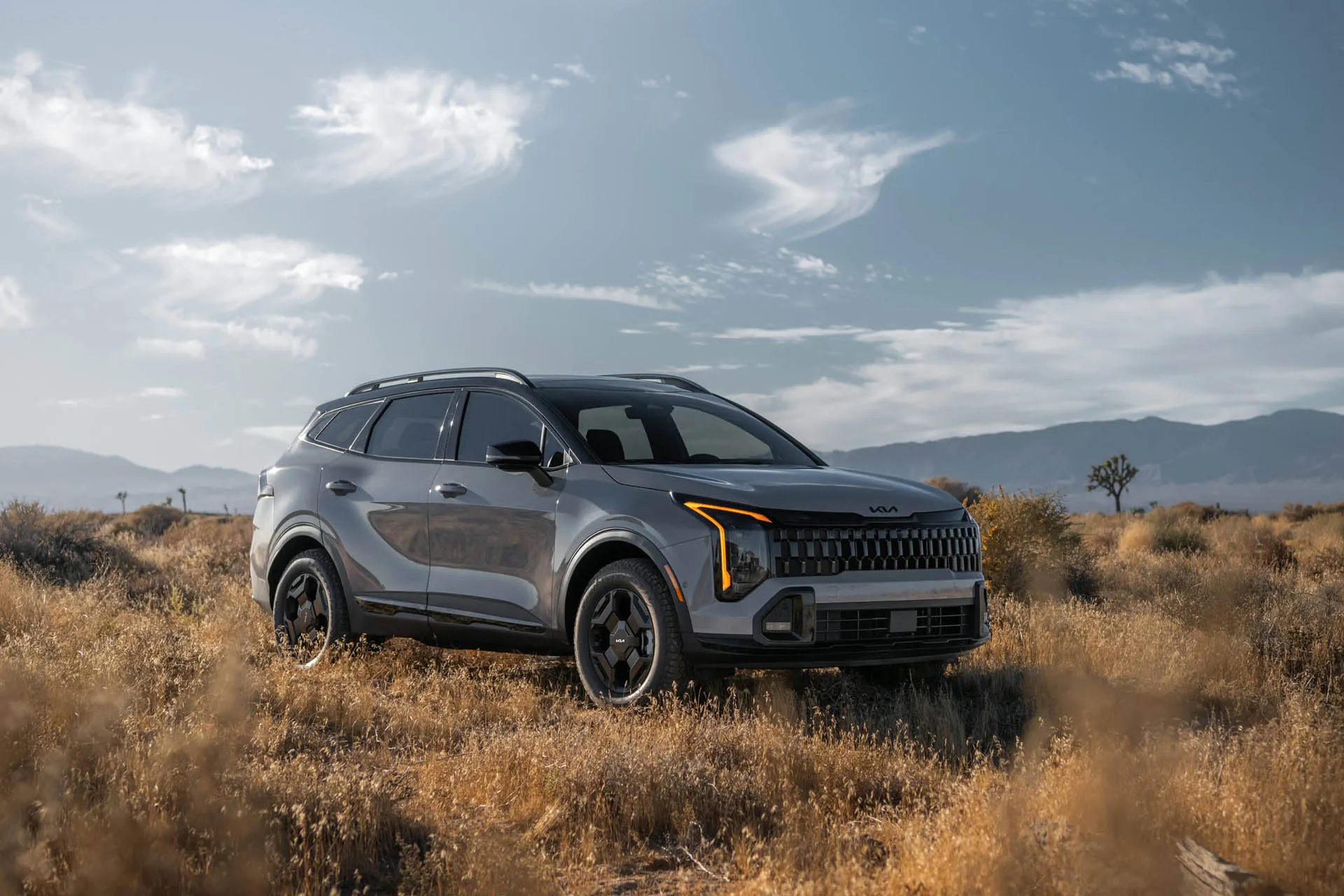
10. Kia Sportage
- Engine: 2.5L Inline-4
- Horsepower: 187 hp
- Torque: 178 lb-ft
- Size: 183.5″ Long × 73.4″ Wide
Many Sportage owners believe deleting saved destinations and removing connected accounts clears everything stored inside the vehicle, but that is only part of the process. Kia Connect relies on dedicated communication modules that store telematics and diagnostic information separately from the touchscreen settings drivers use every day.
These modules work independently, allowing owners to erase navigation history and disconnect linked accounts without affecting certain system records stored elsewhere. Even after personal information has been removed through the available menu options, the vehicle continues to keep some operational and diagnostic data for connected services.
Some information may remain inside non-volatile memory after the infotainment system has been reset. Recovering these records usually requires specialized forensic equipment instead of ordinary dashboard controls. This means removing visible information does not always erase every record stored inside the vehicle.
Many connected vehicles follow a similar design by separating personal settings from internal diagnostic data used to support system functions and maintenance. Owners preparing to sell their Sportage or return it after a lease should sign out of Kia Connect through the official account portal before performing the infotainment reset.
Completing both steps helps remove personal account access and reduces the amount of information left behind. Taking this extra precaution provides greater peace of mind than relying only on the factory reset, which may not erase every record stored within the vehicle’s electronic systems.
