
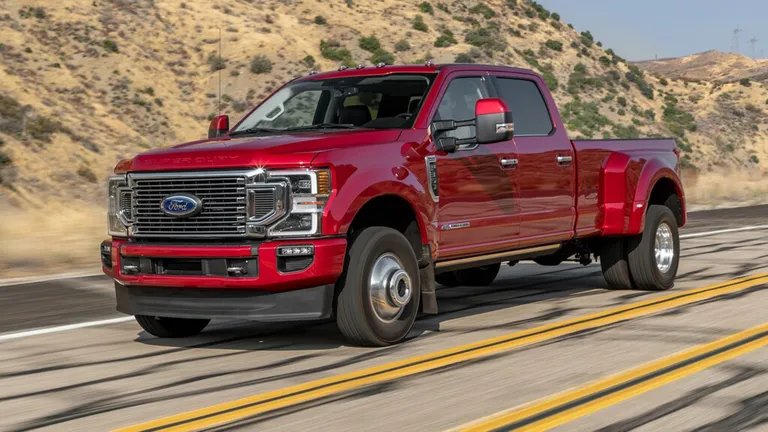
Ford has reached a significant milestone as recent reliability results from Consumer Reports indicate a major improvement in the brand’s vehicle dependability. After years of mixed feedback from owners and industry observers, Ford’s latest performance reflects stronger engineering decisions, improved manufacturing practices, and greater attention to long-term ownership concerns.
Reliability has become a major factor for buyers comparing vehicles, and this progress places Ford in a stronger position among major automakers. The improvement represents years of work focused on quality control, technology refinement, and customer satisfaction.
Ford’s progress also shows how established manufacturers can respond to changing expectations in the automotive market.
Ford’s Reliability Improvement Marks a Major Change
Ford has spent years working to improve vehicle quality across its lineup. The company has faced periods where reliability ratings were affected by complex technologies, transmission concerns, and issues connected to new vehicle launches.
Modern vehicles contain advanced software, electrical systems, and driver assistance features, which can create new challenges for manufacturers. Ford’s recent results suggest that many of these areas have received greater attention.
Consumer Reports evaluates reliability by collecting data from vehicle owners and analyzing reported problems across different categories.
These categories can include engine performance, transmission operation, electrical systems, infotainment technology, climate controls, and other ownership factors. Strong results indicate that vehicles are performing more consistently after customers take them home.
Ford’s improvement is important because reliability ratings influence buying decisions. Many customers keep vehicles for several years and want confidence that their purchase will provide dependable transportation without frequent repairs.
A stronger reliability reputation can help Ford attract buyers who previously considered competitors with long histories of dependable vehicles.
The progress also reflects changes within Ford’s production approach. Automakers must balance innovation with proven engineering methods. New features can attract attention, but reliability remains a key part of customer trust. Ford’s recent results show a stronger focus on delivering vehicles that perform well beyond the initial purchase period.
This improvement did not happen overnight. Vehicle reliability is built through continuous testing, customer feedback, manufacturing updates, and engineering improvements.
Ford’s recent performance reflects a longer process of learning from past challenges and applying those lessons to newer models.
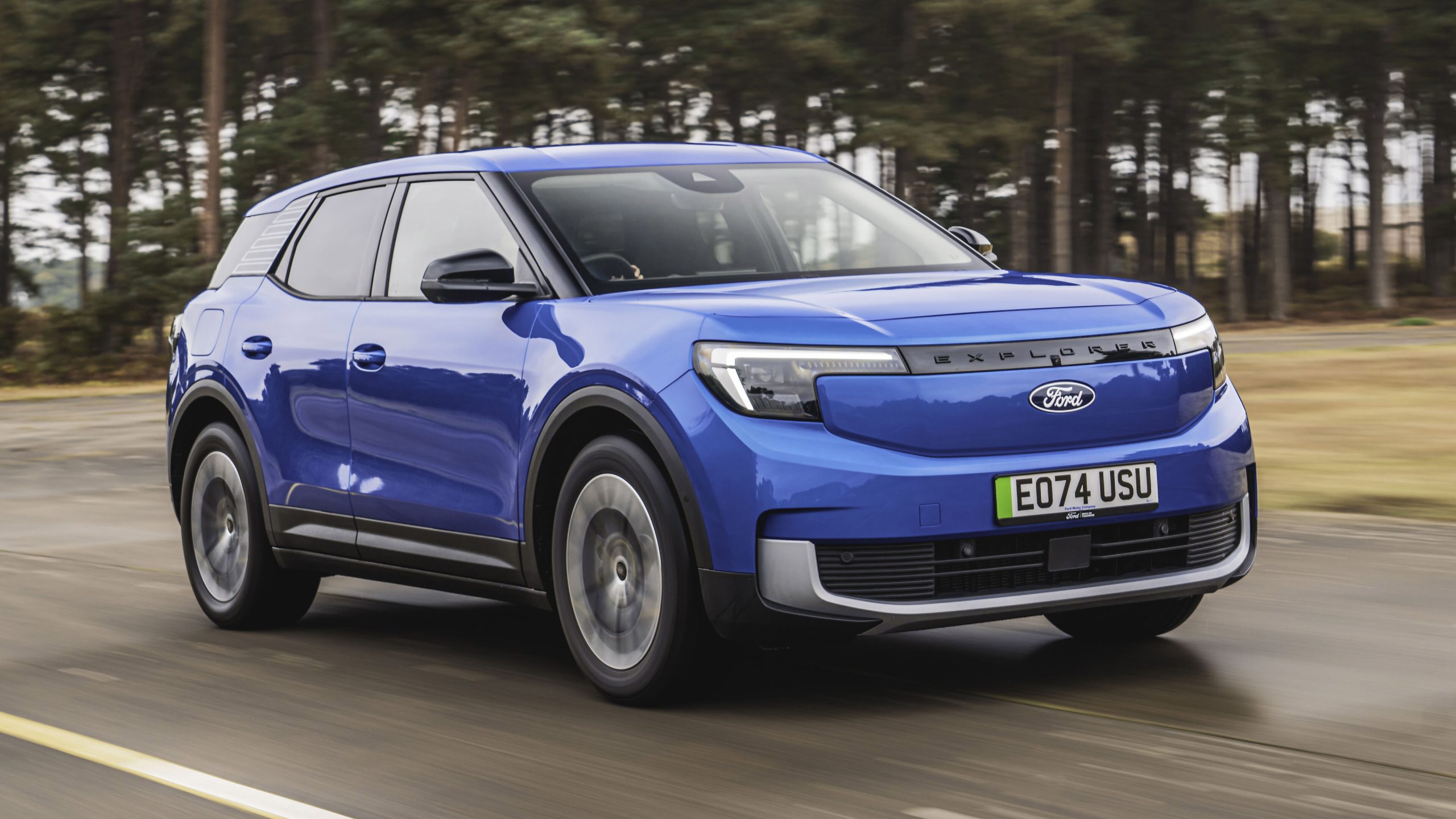
Consumer Reports Ratings Highlight Better Vehicle Performance
Consumer Reports has earned recognition for its independent vehicle evaluations and reliability studies. The organization uses owner feedback combined with testing information to provide consumers with guidance before making automotive decisions. Its reliability rankings are closely followed because they provide insight into how vehicles perform after regular use.
Ford’s improved position in Consumer Reports reliability data represents progress across several areas. While individual models may have different results, a stronger brand rating suggests that Ford has improved consistency throughout its lineup.
This matters because buyers often associate brand reputation with future ownership experiences.
Several Ford vehicles have contributed to the company’s improved image. Trucks, SUVs, and hybrid models have received attention from customers looking for practical transportation options. The Ford F-150, for example, remains a major part of the company’s identity and has undergone continuous updates to improve capability, technology, and durability.
The rise of hybrid vehicles has also influenced Ford’s reliability story. Hybrid systems require careful engineering because they combine traditional engines with electric components. Ford has expanded hybrid availability in models such as the Maverick and other vehicles, giving customers additional choices while focusing on efficiency and dependable operation.
Consumer Reports data does not mean every Ford vehicle will have identical performance. Vehicle condition depends on maintenance, driving habits, climate, and other ownership factors. However, stronger reliability ratings provide useful information for buyers researching their next vehicle.
Engineering Decisions Helped Ford Build More Dependable Vehicles
Automotive reliability depends heavily on engineering choices made before vehicles reach dealerships. Manufacturers spend years testing engines, transmissions, electrical systems, and software before production begins.
Ford has adjusted its development strategies to improve durability and reduce common ownership problems.
One major area of focus has been simplifying certain vehicle systems. Advanced technology provides valuable features, but unnecessary complexity can increase the chance of problems. Engineers must carefully balance innovation with long-term dependability. Ford’s recent improvements suggest better management of that balance.
Software has become increasingly important in modern vehicles. Features such as connected services, digital displays, and driver assistance systems require reliable programming. Automakers have learned that software quality is just as important as mechanical durability. Ford has invested in updates and improvements to address technology concerns.
Manufacturing quality also plays a major role. Even a well-designed vehicle can experience problems if production standards are inconsistent. Factories must maintain strict processes to ensure parts are installed correctly, and vehicles meet expected quality levels. Improvements in production methods can lead to fewer issues reported by owners.
Ford’s approach also includes listening to customers. Real-world ownership feedback provides information that testing facilities cannot always predict.
When manufacturers respond to customer concerns, they can make improvements that benefit future vehicles. This cycle of feedback and development has helped Ford strengthen its reliability performance.

What Ford’s Reliability Growth Means for Buyers
A stronger reliability record changes how customers view Ford vehicles. Many buyers consider repair costs, resale value, and ownership confidence before making a purchase.
A vehicle that performs well over time can provide financial benefits by reducing unexpected maintenance expenses.
Reliability improvements may also help Ford compete more effectively in crowded vehicle segments. The automotive market includes many brands with strong reputations for durability. Customers now have more choices than ever, making quality and dependability essential factors in purchasing decisions.
For truck buyers, reliability is especially important. Pickup owners often use their vehicles for work, towing, hauling, and long-distance travel. Problems that interrupt vehicle use can create major inconvenience. Improvements in durability help Ford strengthen its position among customers who depend on their trucks every day.
SUV buyers also place significant value on dependable performance. Families often choose SUVs for daily transportation, road trips, and practical needs. A reliable SUV provides confidence for drivers who need consistent performance from their vehicle.
The improvement in Ford’s reliability standing may also influence used vehicle buyers. A stronger reputation can support resale values because customers may feel more comfortable purchasing a used Ford model.
Vehicle history, maintenance records, and individual condition still matter, but brand perception plays a role in the used car market.
Ford’s Future Depends on Maintaining Quality Progress
Ford’s recent reliability improvement represents progress, but maintaining that momentum will require continued effort. The automotive industry is changing rapidly, with electric vehicles, advanced software, and new manufacturing methods becoming increasingly important. Ford must continue improving quality while introducing new technology.
Electric vehicles create new challenges for every automaker. Battery systems, charging technology, and software platforms require careful development.
Ford’s experience with traditional vehicles and hybrids provides a foundation, but future success will depend on delivering dependable electric models as customer expectations increase.
The company’s commitment to quality will remain important as competition grows. Automakers are constantly working to improve efficiency, technology, and customer experience. Reliability remains a measurement that can separate successful products from disappointing ones.
Ford’s progress also demonstrates the importance of responding to criticism. Companies that acknowledge problems and make improvements can rebuild trust with customers. A strong reputation is created through consistent results rather than short-term marketing efforts.
The latest Consumer Reports reliability rating gives Ford a positive moment after years of challenges. It highlights improvements in engineering, manufacturing, and customer-focused development. For buyers considering a Ford vehicle, stronger reliability ratings provide additional confidence during the decision process.
Ford’s journey shows that vehicle quality is never a finished project. Every model year brings new challenges and opportunities.
Continued attention to durability, technology, and customer feedback will determine whether Ford can maintain its improved standing for years to come. The company’s recent achievement represents meaningful progress and sets a higher standard for future vehicles.
