
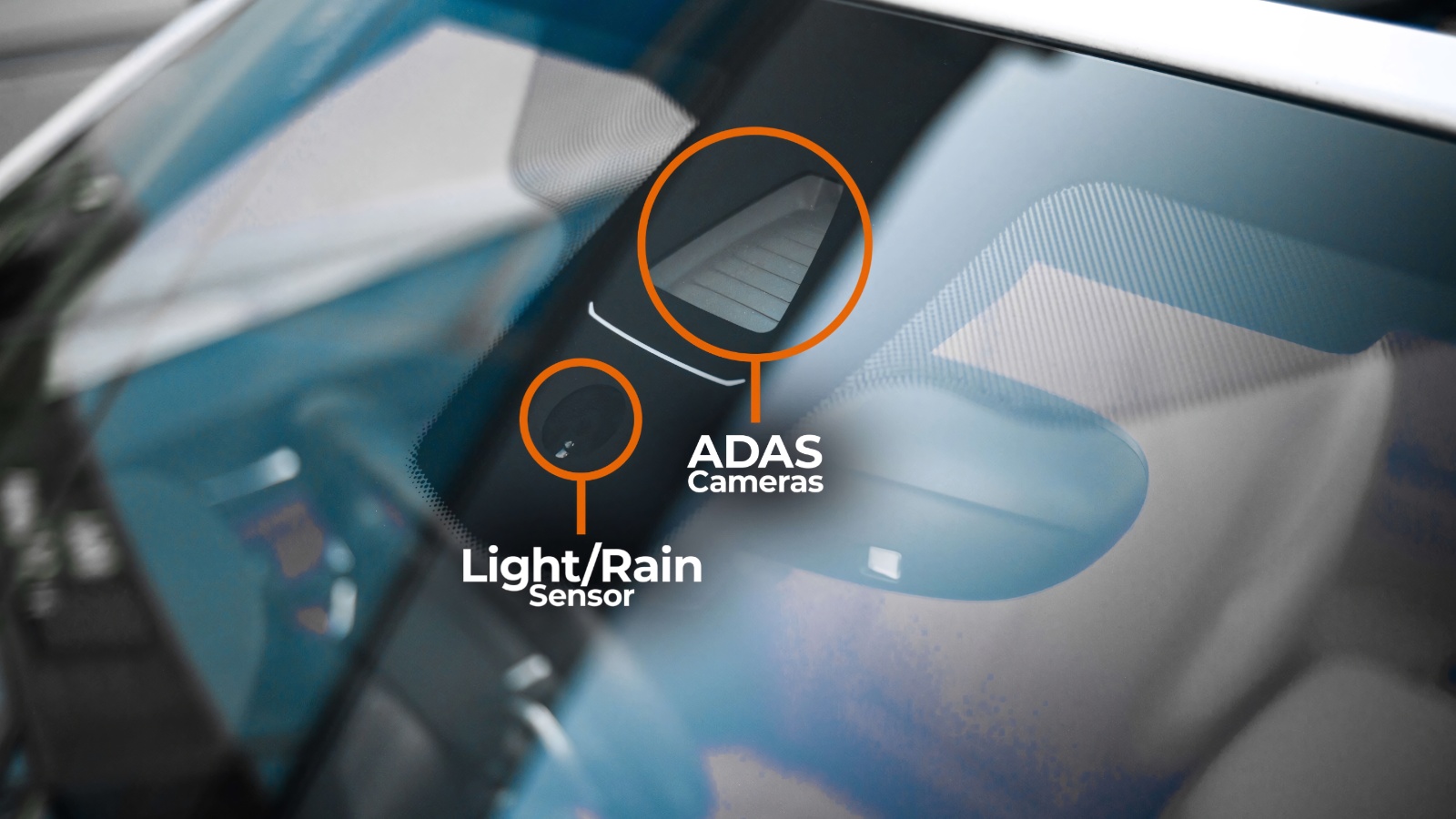
Modern vehicles have changed from simple mechanical machines into highly connected systems filled with computers, sensors, software, and advanced safety technology. Many independent repair shops still provide excellent service for traditional maintenance and mechanical problems, but certain repairs now require specialized equipment, manufacturer access, or advanced training.
As automotive technology continues to progress, some jobs have become difficult or impossible for smaller workshops to complete without support from dealerships or specialized facilities. Understanding these repairs helps vehicle owners recognize why some issues take longer, cost more, or require resources beyond a typical local garage.

1. Advanced Driver Assistance System Calibration
Modern vehicles are equipped with advanced driver assistance systems designed to improve safety and reduce accidents. Features such as adaptive cruise control, lane keeping assistance, automatic emergency braking, blind spot monitoring, and traffic sign recognition rely on cameras, radar sensors, and electronic control units.
These systems must work with extreme accuracy because even a small calibration error can affect how the vehicle reacts during driving conditions.
When a windshield is replaced, a bumper is removed, suspension components are changed, or a collision repair is completed, many of these sensors require recalibration. Older vehicles could often leave a repair shop after a part replacement, but newer models frequently need precise adjustments using factory procedures.
The calibration process requires specific targets, controlled measurements, and diagnostic software designed for each vehicle model.
Many independent repair shops can handle basic scanning and some calibration procedures, but certain manufacturers restrict access to the tools or information needed for complete system adjustments.
Without the correct equipment, a technician may not be able to confirm whether cameras and sensors are aligned properly. This creates challenges because safety systems depend on accurate data to function correctly.
A vehicle with poorly calibrated driver assistance technology may show warning lights, disable certain features, or respond incorrectly in specific situations.
For example, a forward-facing camera that is slightly misaligned may fail to detect lane markings accurately. A radar sensor positioned incorrectly may affect distance measurements during adaptive cruise control operation.
The growing use of these systems means repair facilities must continue investing in expensive equipment and training. Independent shops that specialize in advanced diagnostics can often complete these tasks, but smaller garages without access to required resources may need to send customers to dealerships or specialized centers.
2. Electric Vehicle Battery Repairs
Electric vehicles have introduced a completely different approach to automotive repair. Traditional vehicles depend on engines, transmissions, fuel systems, and exhaust components, while electric cars rely heavily on large battery packs and complex electrical systems.
Battery repair is among the most challenging services because of the technology, safety requirements, and specialized knowledge involved.
The battery pack in an electric vehicle contains hundreds or thousands of individual cells connected together. These cells work as a complete energy storage system controlled by battery management software.
If a problem develops, technicians must identify whether the issue involves individual cells, cooling systems, electrical connections, control modules, or software communication.
Handling high-voltage battery systems requires specialized training and safety equipment. Technicians must understand electrical isolation procedures and follow strict guidelines before opening or repairing battery components. A mistake during the process can damage expensive parts or create serious safety risks.
Many independent repair shops are not equipped to repair internal battery problems. Battery packs require specialized lifting equipment, diagnostic tools, and controlled environments. Some manufacturers also limit access to detailed battery repair information, making it difficult for general repair facilities to perform complex work.
In some cases, manufacturers replace complete battery packs rather than repairing individual components. This approach can increase costs because the battery represents a major portion of an electric vehicle’s value.
As electric vehicle adoption grows, more specialized repair networks may develop, but battery servicing remains a difficult area for many independent shops.
3. Manufacturer Specific Software Updates
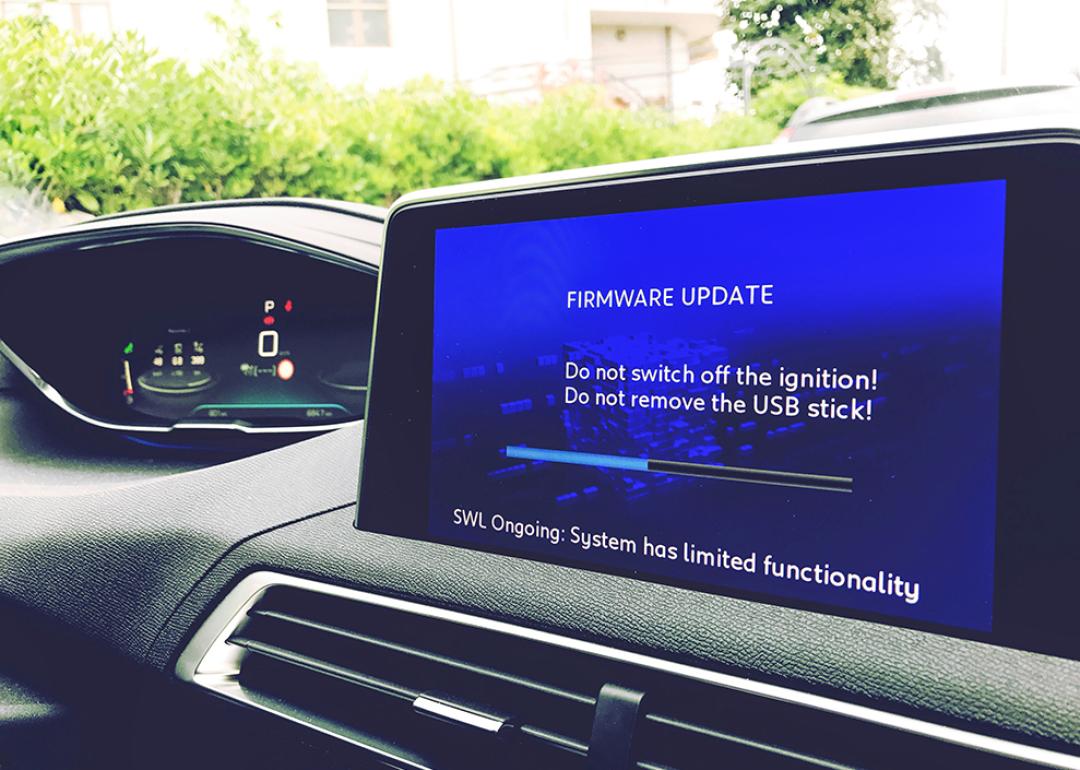
Software has become a major part of modern vehicle operation. Engine performance, transmission behavior, safety systems, infotainment features, and emissions controls are managed through computer programs. When problems occur, a software update may be required rather than a traditional mechanical repair.
Many software updates are controlled through manufacturer systems. Dealerships often have direct access to official programming platforms that allow technicians to update vehicle modules.
Independent shops may have diagnostic tools that can read problems and perform some services, but full programming access is not always available.
A vehicle can contain dozens of electronic control modules responsible for different functions. These modules communicate with each other, and an update to one system may affect another.
Incorrect programming can create additional problems, which is why manufacturers often restrict certain procedures to authorized equipment.
Software-related repairs are becoming more common because vehicles now contain advanced computers. A driver may experience issues such as warning messages, connectivity failures, battery management problems, or performance concerns caused by outdated software rather than broken mechanical parts.
Some independent repair businesses have invested heavily in factory-level diagnostic systems and training. However, smaller shops may struggle with the cost of maintaining access to multiple manufacturer platforms. As vehicles become more dependent on software, technical knowledge and digital repair capability will become increasingly important.
4. Key Programming And Security System Repairs
Vehicle security systems have become far more advanced than traditional metal keys. Modern cars often use electronic key fobs, immobilizers, proximity sensors, encrypted communication systems, and push-button start technology. These systems prevent unauthorized access but also make certain repairs more complicated.
Replacing a lost key or programming a new electronic key often requires communication with the vehicle’s security module. Many manufacturers protect this information to reduce theft risks.
Independent shops may have difficulty accessing the required programming systems without special authorization.
A replacement key is not simply cut and inserted into the ignition anymore. The vehicle must recognize the electronic signal from the key before allowing the engine to start. Programming requires specialized tools that communicate with the vehicle’s onboard computers.
Security system problems can also involve damaged control modules, communication failures, or software issues. Diagnosing these problems requires advanced equipment because a simple scan tool may not provide enough information. A technician needs to understand how different security components communicate with each other.
As vehicles become more connected, manufacturers continue improving security technology. These improvements help protect owners but also create challenges for independent repair businesses.
Shops that invest in proper tools and training can handle some security-related services, but many complex cases still require manufacturer-level access.
5. Advanced Transmission Programming And Adaptation
Modern automatic transmissions are highly computerized systems. Unlike older transmissions that mainly relied on mechanical components and hydraulic controls, newer units use electronic modules that constantly adjust shifting behavior.
Repairs often involve programming and adaptation procedures after parts are replaced.
When a transmission component is replaced, the vehicle computer may need to relearn specific operating patterns. This process helps the system adjust shift timing, pressure control, and performance settings. Without proper adaptation, a repaired transmission may not operate correctly.
Many independent shops can perform mechanical transmission repairs, fluid services, and component replacements. However, advanced programming procedures may require manufacturer-specific software. Without access to these systems, completing the repair correctly can become difficult.
Modern transmissions also contain complex electronics that communicate with other vehicle systems. Problems may appear as shifting issues, warning messages, or reduced performance. Proper diagnosis requires understanding both mechanical operation and computer communication.
The increasing complexity of transmissions has changed the repair process significantly. Technicians now need skills in electronics and software alongside traditional mechanical knowledge. Shops that lack these resources may need to rely on specialized transmission centers or dealership assistance.
6. Factory Level Diagnostic Procedures
Vehicle diagnostics have changed significantly as manufacturers continue adding more electronic systems. In the past, a mechanic could often identify a problem by inspecting mechanical parts, listening to unusual sounds, or using basic diagnostic equipment. Modern vehicles require a much deeper understanding of computer networks, sensors, and communication systems.
Today’s vehicles contain multiple control modules that manage everything from engine operation to climate control and safety features. These modules constantly exchange information through internal communication networks.
When a problem occurs, identifying the exact cause may require manufacturer-level diagnostic software that can access detailed information unavailable through basic scan tools.
Independent shops with advanced equipment can handle many diagnostic tasks, but some repairs require access to factory databases, technical service bulletins, and specialized testing procedures.
Manufacturers often provide detailed repair information through subscription-based platforms, which can become expensive for smaller businesses that service many different brands.
A common challenge involves problems that do not create obvious mechanical failures. A vehicle may have intermittent electrical issues, communication errors, or software-related faults that appear only under specific conditions. Factory diagnostic systems can provide guided testing procedures that help technicians identify these complex problems.
The growing complexity of diagnostics means repair shops must constantly update their knowledge and equipment. A technician working on modern vehicles needs skills in electronics, computer systems, and traditional mechanics.
Independent businesses that focus on training and technology can continue serving customers, but basic repair knowledge alone is no longer enough for many advanced problems.
Access to accurate repair information also plays a major role. Without wiring diagrams, software updates, and manufacturer testing procedures, even experienced technicians may struggle to complete certain repairs. This creates a situation where some vehicles require dealership involvement simply because the necessary information and tools are not widely available.
7. Air Suspension System Repairs And Calibration
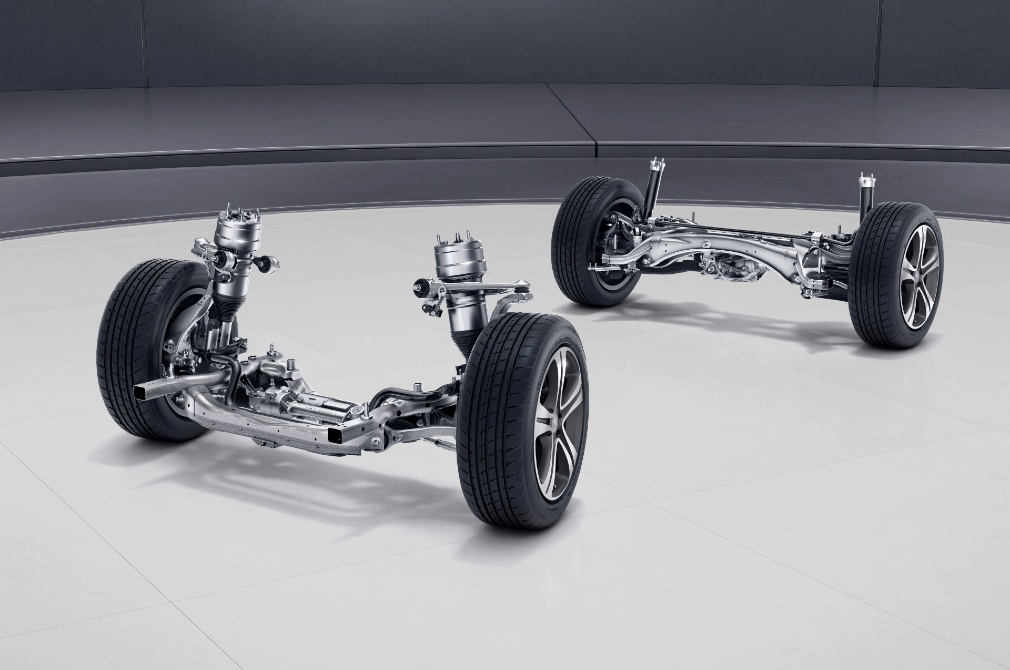
Air suspension systems provide improved comfort, adjustable ride height, and better handling characteristics in many luxury and premium vehicles. Instead of traditional springs, these systems use air bags, compressors, electronic sensors, and control modules to adjust the vehicle’s height automatically.
While air suspension offers several benefits, it also introduces additional complexity. A failure may involve leaks in air bags, faulty compressors, damaged height sensors, electrical problems, or software issues.
Finding the exact cause requires specialized diagnostic equipment and knowledge of the specific vehicle design.
Replacing air suspension components is often not as simple as installing new parts. After repairs, many vehicles require calibration procedures to ensure the system recognizes the new component positions. Without proper calibration, the vehicle may sit unevenly or display warning messages.
Independent shops can handle some air suspension repairs, especially when they have experience with specific brands. However, advanced systems may require factory software to complete calibration procedures.
Luxury vehicles often have tightly integrated suspension systems connected with driving modes, stability control, and safety features.
The cost of specialized tools is a major challenge for smaller repair facilities. A shop working on many vehicle brands may need multiple diagnostic platforms because each manufacturer uses different software and procedures. This investment can be difficult for businesses that do not regularly perform these repairs.
As more vehicles adopt electronically controlled suspension technology, repair technicians need broader training. Understanding mechanical components alone is not enough because suspension systems now depend heavily on sensors and computer programming.
8. ADAS Camera Replacement and Windshield-Related Repairs
Windshield replacement has become more complicated because many modern vehicles place cameras and sensors near the windshield area. These components support safety features such as lane departure warnings, automatic braking, and traffic recognition systems.
A simple windshield replacement on an older vehicle mainly involved removing the damaged glass and installing new material.
Modern vehicles often require additional steps after replacement. The forward-facing camera must be inspected and calibrated so that it accurately understands road conditions.
Calibration procedures vary between manufacturers. Some vehicles require static calibration using special targets placed around the car, while others require dynamic calibration through controlled driving procedures. The process depends on the vehicle’s design and the technology installed.
Many independent glass repair businesses have invested in calibration equipment, but not every shop has access to the required tools. Without proper calibration, advanced safety features may not function correctly.
Warning lights may appear, or systems may become unavailable until the procedure is completed.
Insurance companies and vehicle owners sometimes underestimate the complexity of these repairs because the visible damage appears simple. A cracked windshield may seem like a basic replacement job, but the technology behind it can turn the repair into a detailed electronic procedure.
As vehicle safety technology becomes more common, windshield repair will continue changing. Shops that perform these services need training, calibration equipment, and access to accurate repair information. Businesses without these resources may need to partner with specialized facilities to complete the work correctly.
Also read: 5 Cars With the Highest Theft Rates in Missouri, 5 With the Lowest
