
Every year, automakers mail out millions of recall notices, promising a free fix for a defect that could put drivers at risk. Most people assume that once the letter arrives, the problem gets solved. It doesn’t always work that way. Government data shows that roughly one in four recalled vehicles never receives the repair, and for older cars, that number climbs even higher.
Somewhere between a mailbox and a service bay, millions of safety fixes simply stall. This piece breaks down why that happens, who it affects most, and what you can do right now to make sure your own vehicle isn’t one of the cars still driving around with an open defect nobody ever fixed.
A Quarter of Recalled Vehicles Stay Broken
Recall completion sounds like a simple math problem. A manufacturer notifies the National Highway Traffic Safety Administration, or NHTSA, that a certain number of vehicles need a repair, then reports back on how many actually received it. In practice, the gap between those two numbers is staggering.
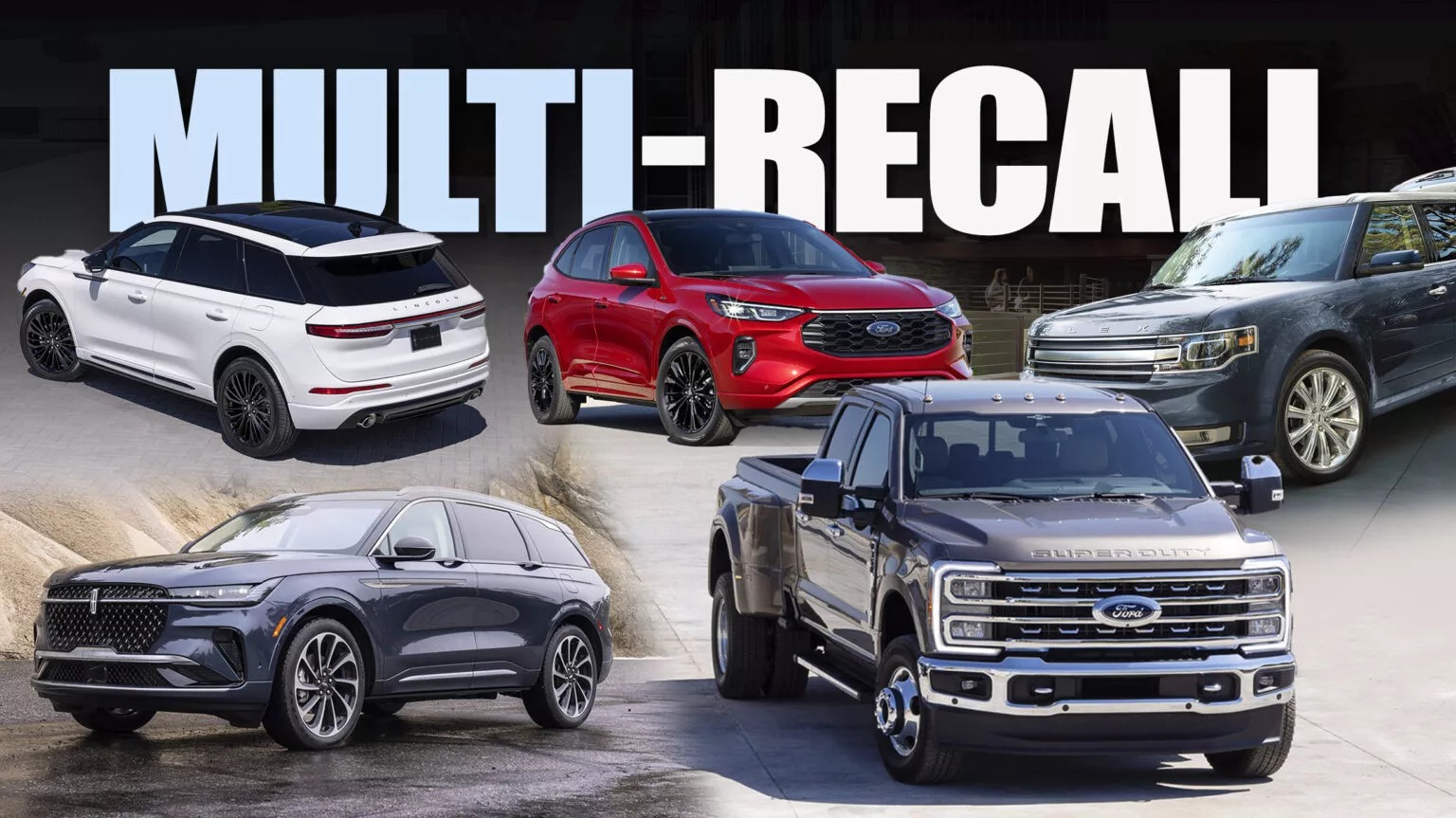
Across the past decade, average completion rates for light vehicles have generally landed somewhere between 75 and 87 percent. That leaves a real, ongoing pool of unrepaired cars on public roads at any given moment. Some individual campaigns fare far worse. One recent Ford recall covering roughly 1.4 million vehicles for a rearview camera defect sat below 1 percent completion nine months after it launched.
Multiply that pattern across thousands of open campaigns, and the scale becomes hard to picture. Analysts tracking NHTSA’s completion dataset have estimated that close to 150 million recalled vehicles remain unrepaired at any point in time, a figure closer to one in three once every open campaign gets counted together.
Whether the true national average lands nearer to one in four or one in three, the takeaway holds steady: a meaningful share of documented safety defects never get touched. That isn’t a rounding error. It’s a system-wide gap between the fix a manufacturer promises and the fix a driver actually receives.
Why Millions of Owners Never Get the Notice
Many service managers agree that poor recall completion often begins with one simple problem. The notification never reaches the person currently driving the vehicle. Cars are sold, exchanged, or given to relatives quite often, making it difficult for manufacturers to keep accurate ownership records.
Address details also become outdated when owners relocate without updating their vehicle registration quickly. Another reason is that many people do not take recall notices seriously. Some owners read only a small part of the letter before throwing it away because they believe it is another advertisement from a dealership.
Others read the notice properly but decide the fault is too small to worry about. They may not realise that defects described in simple language can still lead to serious crashes if left unattended. Availability of replacement parts can also slow the process.
Manufacturers sometimes announce a recall before enough parts are ready, forcing dealerships to ask customers to wait. Many owners never return after receiving that message. Busy work schedules, difficulty spending a full day without transportation, and the belief that the repair can wait all combine to reduce recall completion rates, even when the repair costs absolutely nothing at all.
Also Read: 12 Most Recalled Cars In American History
Older Recalls Fall Even Further Behind
Vehicle recall campaigns become less effective as cars get older. Records show that only about half of older vehicles receive the repairs recommended by manufacturers. This leaves many cars on the road with unresolved safety defects, even though owners can have the repairs completed at no cost.
As vehicles age, reaching every owner becomes much harder for manufacturers. One reason is that older vehicles usually change owners several times. A recently purchased car is more likely to remain with the first buyer, whose details are already on file with the manufacturer.
Older vehicles often pass through private sales, dealerships, and auctions. During that process, contact details may never be updated, making it difficult for manufacturers to notify the current owner when a recall is announced.
Many people driving older vehicles also decide the trip to a dealership is not worth the trouble. Although the repair is free, owners may need to take time away from work, travel to the service centre, and arrange another way home while the work is completed.
Buyers of used vehicles may also be unaware that an outstanding recall still exists, leaving safety defects unaddressed for years after the vehicle changes ownership.
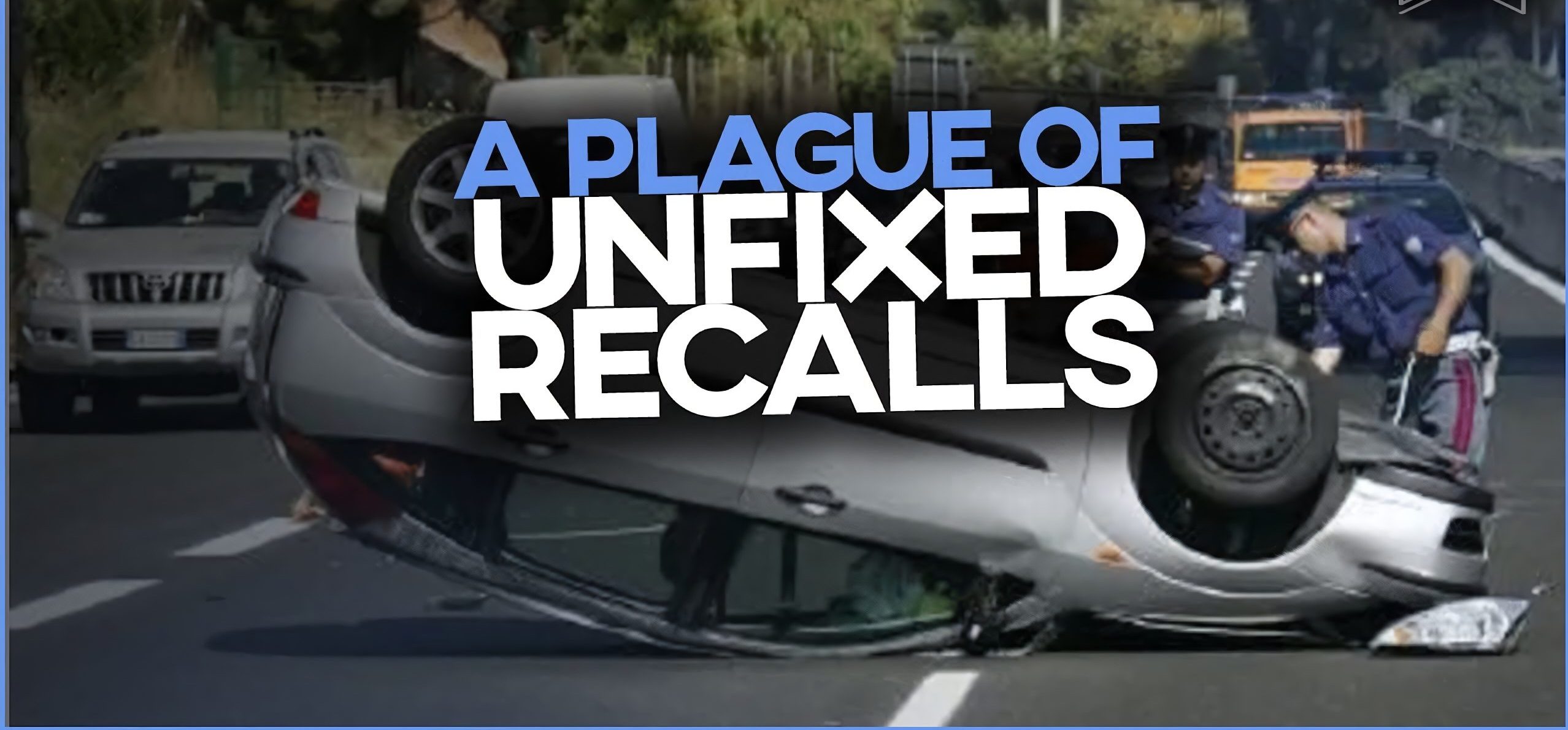
The Hidden Costs of an Unfixed Recall
An open recall doesn’t just sit quietly in the background. It follows the car everywhere it goes, including into a buyer’s decision when the vehicle eventually gets sold.
Resale value takes a real hit. A car with an unresolved safety recall often signals risk to a cautious buyer, and that hesitation shows up as a lower offer or a longer time sitting on a lot. Some dealerships won’t even accept a trade-in with an open campaign until the repair gets completed first.
Insurance can get complicated too. If an accident happens and investigators later discover the crash involved a known, unresolved defect, that detail can shape how a claim gets handled. Nobody wants to learn after the fact that a fixable problem contributed to a preventable outcome.
There’s also a quieter cost that’s harder to put a number on. Driving a car with a known defect changes how a person feels behind the wheel, even if the risk is statistically small. That background unease adds up over months and years of ordinary trips to work, school, and everywhere else life happens.
Also Read: Why a Recalled Used Car Is Still the Dealer’s Free Fix
How to Make Sure Your Car Gets Fixed
The good news is that closing this gap doesn’t require much effort from an individual driver. NHTSA maintains a free VIN lookup tool that instantly shows whether a specific vehicle has an open recall, no account or paperwork required.
Checking regularly matters, since new campaigns get announced constantly, and a car with a clean record today might show an open recall six months from now. Building that check into an annual habit, maybe alongside an oil change or registration renewal, closes the timing gap that catches so many owners off guard.
If a recall does show up, calling the dealership directly, rather than waiting for a second mailed notice, speeds things along considerably. Dealerships are required to perform the repair at no cost, regardless of whether the car was purchased there or elsewhere.
Passing a vehicle to a new owner is also a good time to double-check for any open campaigns first. A five-minute search protects the next driver and keeps one more car off that growing list of promised repairs that never actually happened.
